

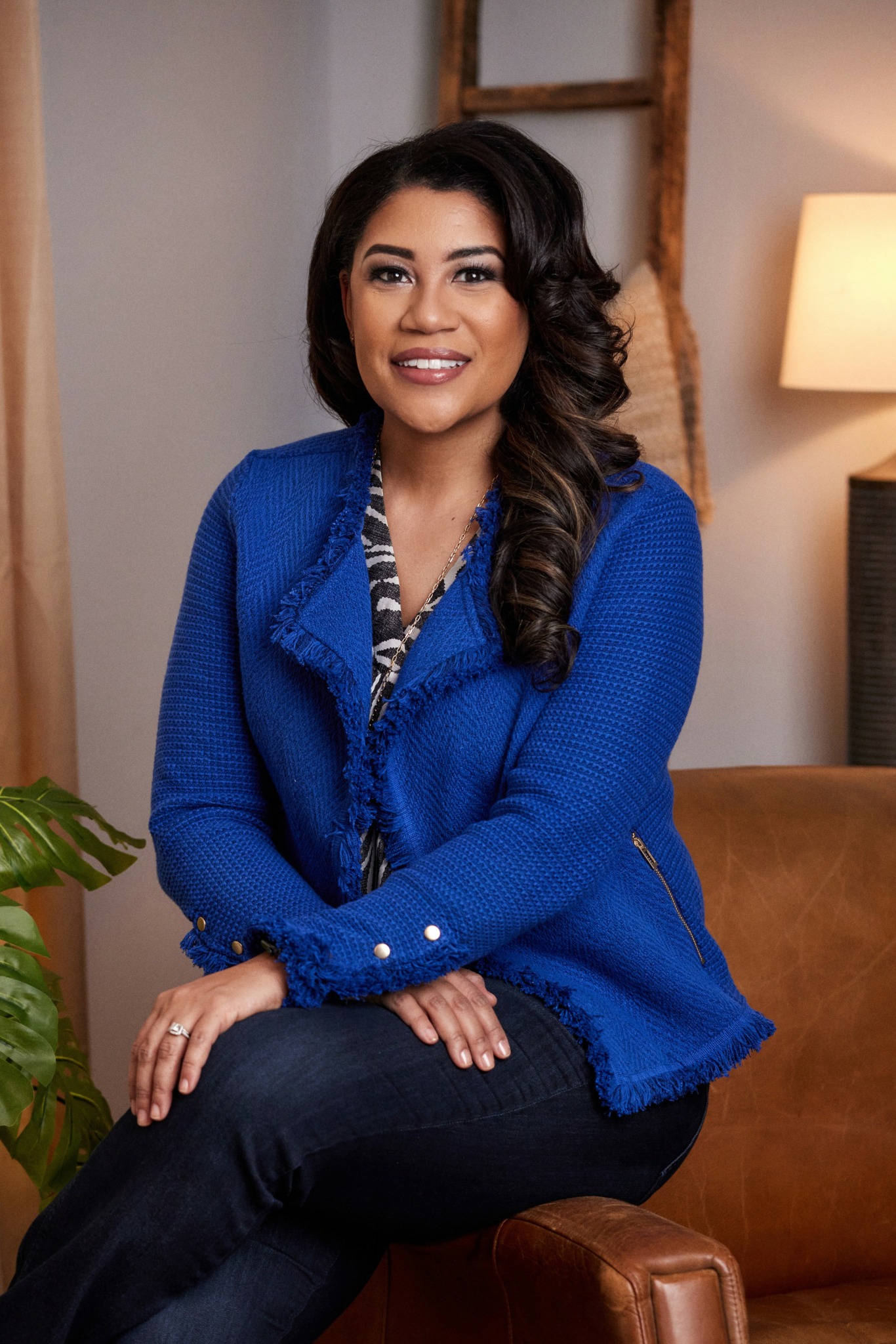

We’re excited to introduce you to the always interesting and insightful Natalie Born. We hope you’ll enjoy our conversation with Natalie below.
Hi Natalie, thanks for joining us today. Coming up with the idea is so exciting, but then comes the hard part – executing. Too often the media ignores the execution part and goes from idea to success, skipping over the nitty, gritty details of executing in the early days. We think that’s a disservice both to the entrepreneurs who built something amazing as well as the public who isn’t getting a realistic picture of what it takes to succeed. So, we’d really appreciate if you could open up about your execution story – how did you go from idea to execution?
I never set out thinking, “I’m going to start a business.” My career began in product development, innovation, and corporate leadership roles where I spent years helping organizations solve complex problems, launch new products, and navigate change. Along the way, I discovered that many leaders weren’t struggling because they lacked intelligence or ambition, they were struggling because they lacked alignment, clarity, and a practical roadmap for execution.
The idea for my business didn’t happen overnight. It emerged over years of seeing the same challenges repeat themselves across industries. CEOs and leadership teams often had great ideas, but they were stuck in the day-to-day operations of running the business. Strategy existed in PowerPoint decks, but not in execution.
The first step was testing whether my observations could create value outside of the organizations where I worked. I started speaking at conferences, facilitating strategy sessions, and sharing frameworks I had developed throughout my career. As leaders began reaching out for help, I realized there was a real need in the market.
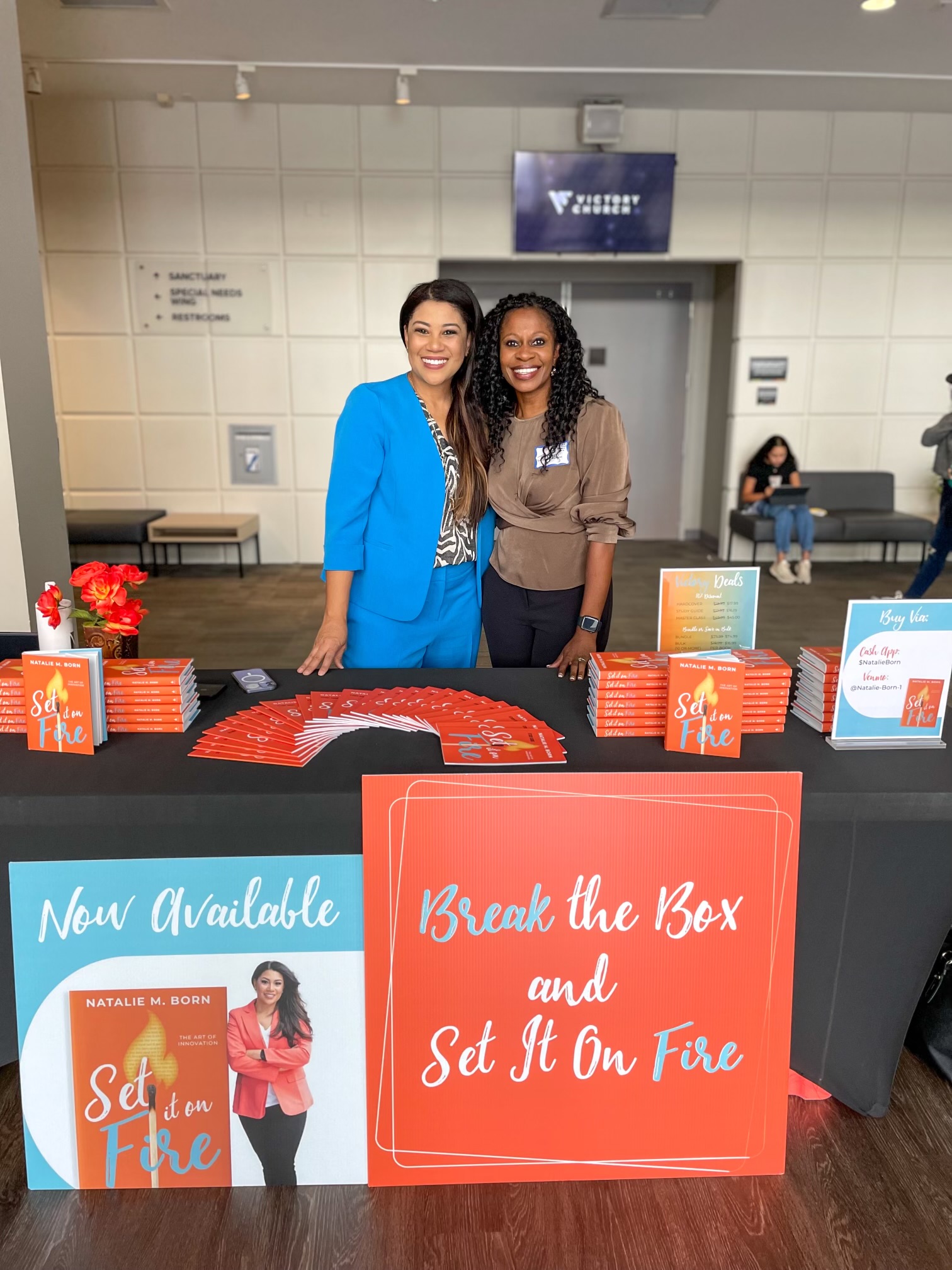
From there, I focused on building credibility and creating platforms to share ideas. I wrote my book, Set It on Fire: The Art of Innovation, and launched the Innovation Meets Leadership podcast, which has grown into a top-ranked show listened to in more than 80 countries. Through conversations with CEOs, founders, innovators, and thought leaders, I was able to expand my perspective while building a community around leadership, innovation, and transformation. I also invested heavily in learning how to package my experience into repeatable processes that clients could implement. I had to figure out everything from branding and business development to pricing, contracts, marketing, and client delivery.
One of the biggest lessons was that building a business requires the same discipline as building a strategy. You need a clear vision, measurable goals, and the willingness to make adjustments along the way. There wasn’t a single launch moment. It was a series of small steps, conversations, client engagements, and experiments that gradually built momentum.
Today, my work focuses on helping mid-market leaders drive transformation by creating alignment at the executive level, clarity throughout the organization, and practical plans that turn strategy into action. Looking back, the journey was less about having one great idea and more about consistently solving problems, delivering value, and staying committed to helping leaders move from survival mode to sustainable growth.
As always, we appreciate you sharing your insights and we’ve got a few more questions for you, but before we get to all of that can you take a minute to introduce yourself and give our readers some of your background and context?
My career started in a very practical place: working full time while going to college and answering calls in a call center. It was not glamorous, but it was one of the best training grounds I could have had. I learned how to listen, how to solve problems quickly, how to stay calm under pressure, and how to understand what customers were really saying beneath the surface.
When I graduated, that same company offered me a full-time role, and that opportunity opened the door to international work. I began working in outsourcing, including work in Nevis in the West Indies. That experience gave me an early understanding of how business operations, people, systems, and culture all have to work together across geographies.
From there, I was recruited into international product development, where I worked on mergers and acquisitions across Europe and Asia. I had the opportunity to work with business founders and learn not only about their companies, but about their passions, sacrifices, fears, and ambitions. I learned what drove them to build something successful, what challenged them, and what kept them up at night.
Those conversations changed the way I thought about business. I realized that behind every product, every process, and every strategy is a person carrying a vision, a risk, and a responsibility. Later, when I was asked to build products inside large multinational organizations, I carried those lessons with me. I did not just think about features or market opportunities. I thought about the founder, the customer, the team, the operational reality, and the human problem we were trying to solve.
That foundation is what eventually shaped my work today. I help mid-market leaders drive transformation by creating clarity, alignment, and practical strategy. My path into this work was built step by step, from the call center to international operations, from mergers and acquisitions to product development, and ultimately into advising leaders and organizations through growth and change.
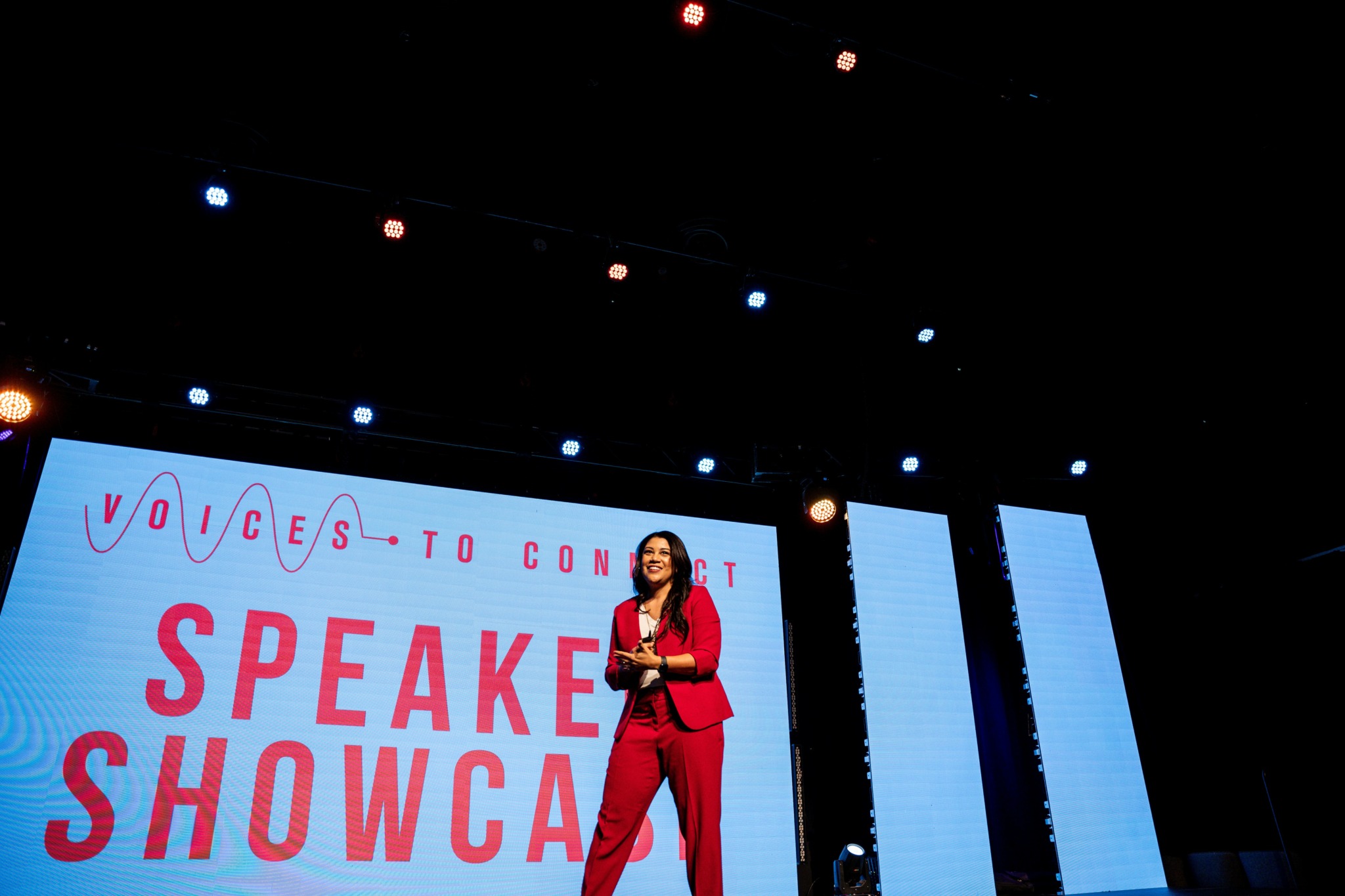
Today, through consulting, keynote speaking, executive facilitation, my book “Set It on Fire: The Art of Innovation”, and the Innovation Meets Leadership podcast, I help leaders move from survival mode to strategic growth. My work is rooted in a simple belief: transformation happens when leaders understand both the business problem and the human story behind it.
Let’s talk about resilience next – do you have a story you can share with us?
Anyone who starts a business, launches a product, changes careers, writes a book, or pursues a dream will eventually come face-to-face with resilience. It’s not optional. It’s part of the journey.
One statistic that always stands out to me is that more than 80% of new businesses fail. Studies point to several reasons, including lack of product-market fit, marketing challenges, team issues, and financial constraints. Those numbers can be intimidating, but they also reveal something important: success is never guaranteed.
When I look back on my own career, from working full-time while attending college and answering calls in a call center, to international assignments in the West Indies, to leading product development initiatives and working with founders across Europe and Asia, one thing has remained constant: every meaningful opportunity required a leap of faith.
I’ve often described entrepreneurship and leadership this way: you step off the cliff believing either the ground will appear beneath your feet or the parachute you’re building on the way down will deploy before you hit the ground.
That doesn’t mean being reckless. It means having the courage to begin before every answer is known.
Over the years, I’ve worked with countless founders and business leaders. What separates successful leaders from unsuccessful ones isn’t that they never face challenges. It’s that they refuse to let fear become the primary decision-maker. They acknowledge the risks, but they move forward anyway.
Life is short. If we allow fear to drive every decision, we’ll spend our lives protecting ourselves from failure instead of pursuing what we’re capable of building. Faith gives you the courage to take the next step when the outcome isn’t guaranteed.
The statistics are real, but they don’t tell the whole story. My work today is focused on helping organizations improve their odds by creating clarity, alignment, and strategic focus. We can’t eliminate uncertainty, but we can build stronger teams, better plans, and healthier organizations that are prepared to navigate it.
Resilience isn’t about never falling down. It’s about continuing to move forward despite uncertainty, setbacks, and obstacles. Every meaningful achievement in my life and career started with a step that wasn’t guaranteed to succeed. Looking back, I’m grateful I took those steps anyway.
Any advice for growing your clientele? What’s been most effective for you?
The most effective strategy for growing my clientele has never been advertising. It’s been creating value before asking for anything in return.
Early in my career, I had the opportunity to work with founders and executives across multiple countries. One thing I noticed was that the most successful leaders invested heavily in relationships. They weren’t focused on the next transaction. They were focused on building trust over time.
I’ve tried to approach my business the same way. Whether through speaking engagements, consulting projects, my book *Set It on Fire: The Art of Innovation*, or my podcast *Innovation Meets Leadership*, my goal has always been to help people solve problems and think differently about leadership, growth, and transformation.
The podcast has been particularly impactful. Over the years, I’ve had conversations with CEOs, founders, innovators, and thought leaders from around the world. Those conversations have created meaningful relationships, expanded my perspective, and opened doors that I never could have predicted.
I’ve found that when you consistently create value, opportunities follow. Some clients discover me through a keynote speech. Others through the podcast. Others through referrals from leaders I’ve worked with previously. But almost all of them share one thing in common: they already trust me before our first business conversation.
I’ve also learned that the fortune is in the follow-up. Relationships don’t grow because of a single meeting, introduction, or event. They grow through consistency, showing up, staying connected, and finding ways to help others succeed. Many of my best client relationships started years before we ever worked together.
In a world obsessed with growth hacks and quick wins, I’ve learned that trust scales further than tactics. Relationships built on genuine service tend to create the most sustainable growth. Looking back, every meaningful opportunity in my business can be traced back to a relationship, a conversation, or a moment where someone felt seen, heard, and supported.
Contact Info:
- Website: https://innovationmeetsleadership.com
- Instagram: :https://www.instagram.com/innovationmeetsleadership
- Facebook: https://www.facebook.com/innovationmeetsleadership/
- Linkedin: https://www.linkedin.com/in/natalieborn/
- Twitter: https://x.com/nataliemborn
- Youtube: https://www.youtube.com/@innovationmeetsleadership
Image Credits
Image 1: Brooks Lalley