

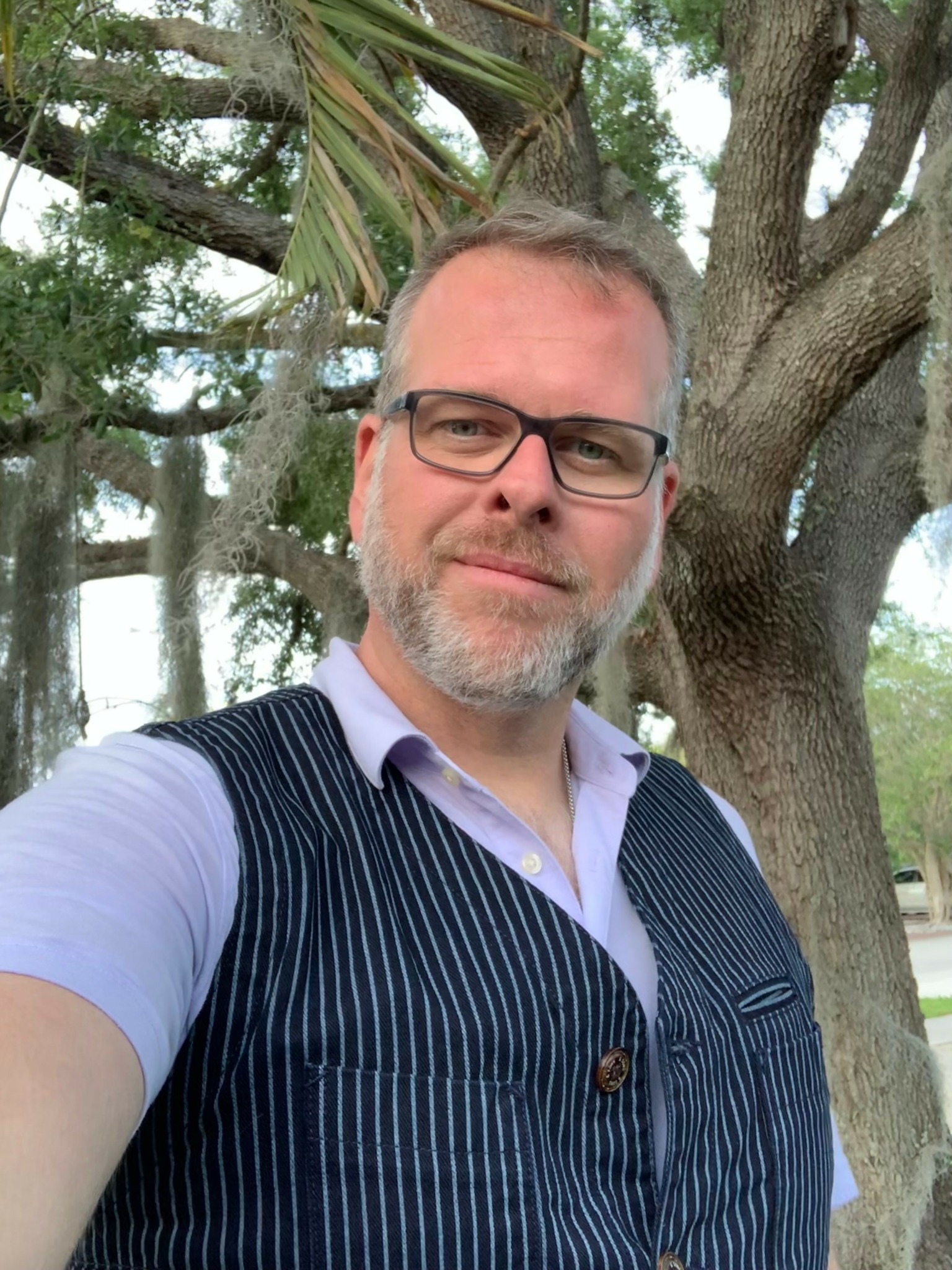

We were lucky to catch up with Sebastian Eilert recently and have shared our conversation below.
Sebastian, thanks for joining us, excited to have you contributing your stories and insights. What’s been the most meaningful project you’ve worked on?
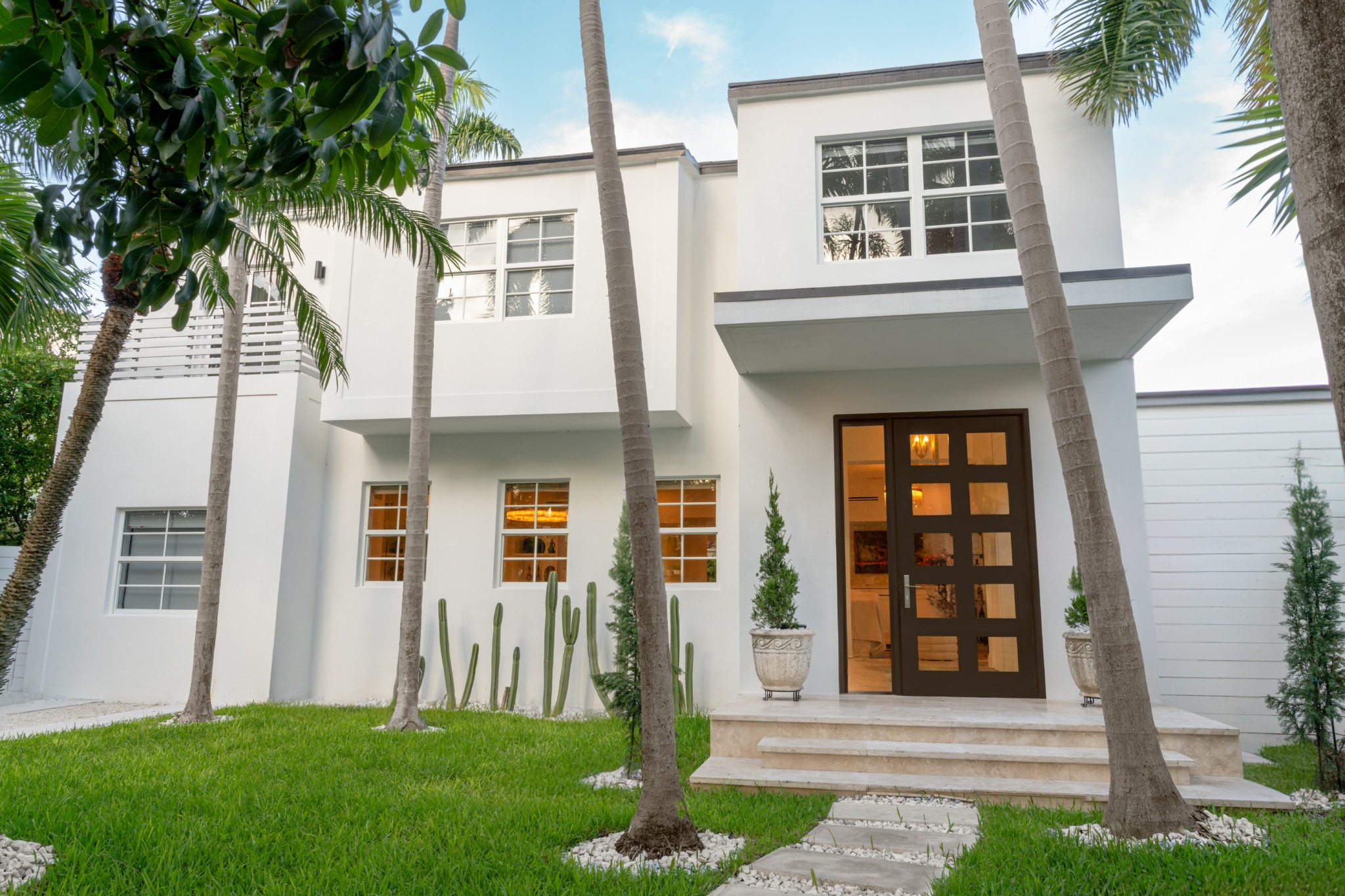
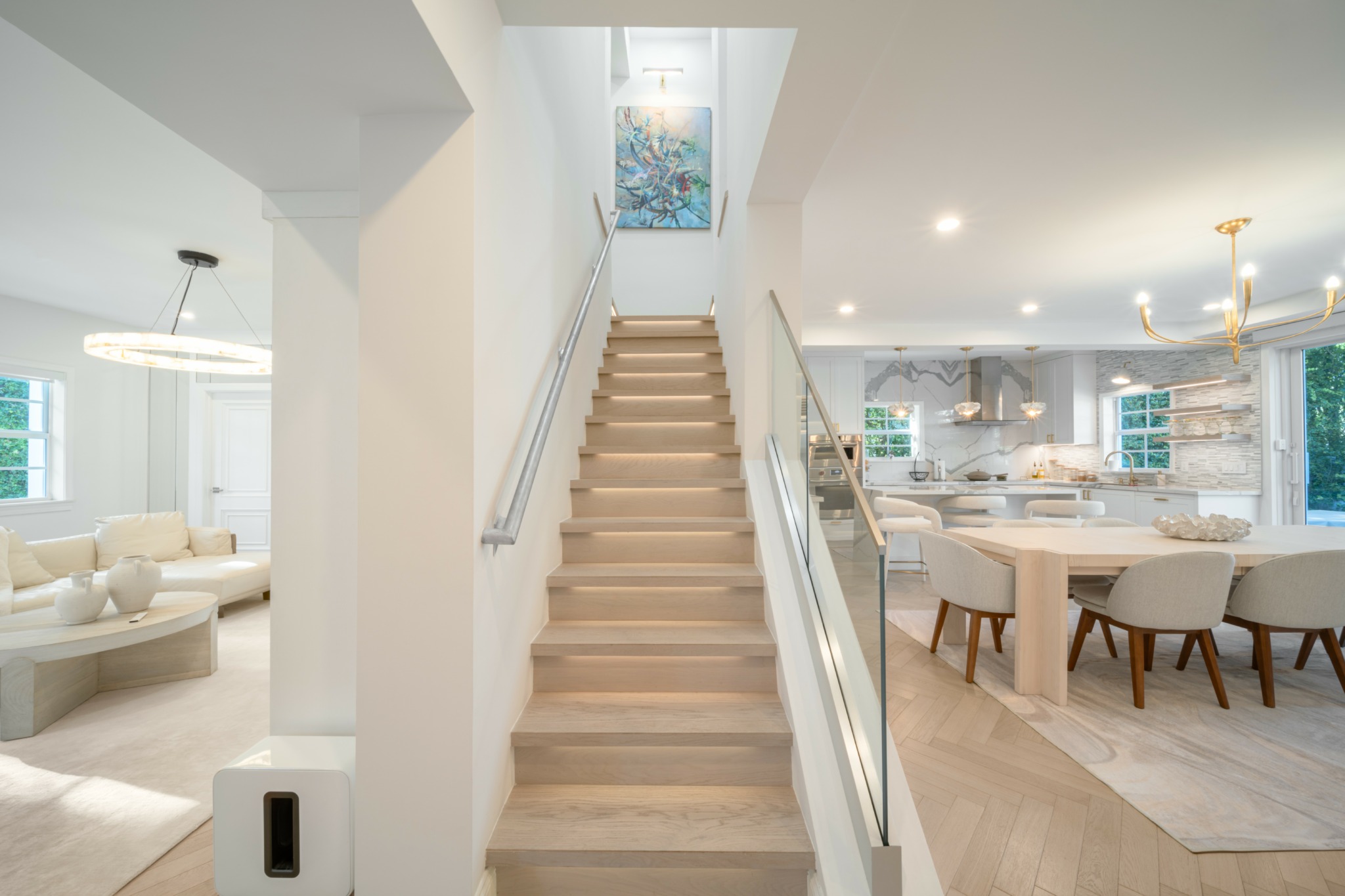
One of the most meaningful projects I’ve worked on is the Stillwater Residence, a recently completed home that became a real-world testing ground for many of the ideas I’ve been developing around what I call “future-proofing by design.”
The clients came to us looking for more than a beautiful house. They wanted a home that would remain functional, resilient, and relevant for decades as their family, technology, and lifestyle evolved. That challenge resonated deeply with me because it reflects a question I believe many homeowners are asking today: How do we build a home that lasts beyond current trends?
Rather than designing solely for today’s needs, we approached the project through a longer lens. The home was carefully oriented to respond to its site, maximize natural light, and create a strong connection between indoor and outdoor living. Flexible spaces allow the home to adapt over time, while durable materials and thoughtful detailing were selected to age gracefully rather than simply look new on day one.
What makes the project meaningful to me is that it represents a shift in how we think about residential design. Architecture shouldn’t just solve today’s problems; it should anticipate tomorrow’s opportunities. The Stillwater Residence demonstrates that sustainability, resilience, wellness, and timeless design can work together without sacrificing beauty.
In many ways, the project became a built expression of a philosophy I’ve spent years refining: great architecture is not about designing for the moment—it’s about designing for a lifetime.
Awesome – so before we get into the rest of our questions, can you briefly introduce yourself to our readers.
I was born and raised in Hamburg, Germany and moved to the United States in the mid-1990s to study architecture at the University of Miami. What began as an interest in buildings quickly evolved into a fascination with how design influences the way people live, work, and interact with their environment.
Over the last three decades, I have built a career that spans architecture, interior design, sustainability, building code administration, inspections, and education. I am licensed as an architect in multiple states, a licensed interior designer, building inspector, plans examiner, and a LEED Accredited Professional. Along the way, I have served as an adjunct professor at the University of Miami School of Architecture, worked in both public and private sectors, and founded Sebastian Eilert Architecture, a studio focused on residential and hospitality design.
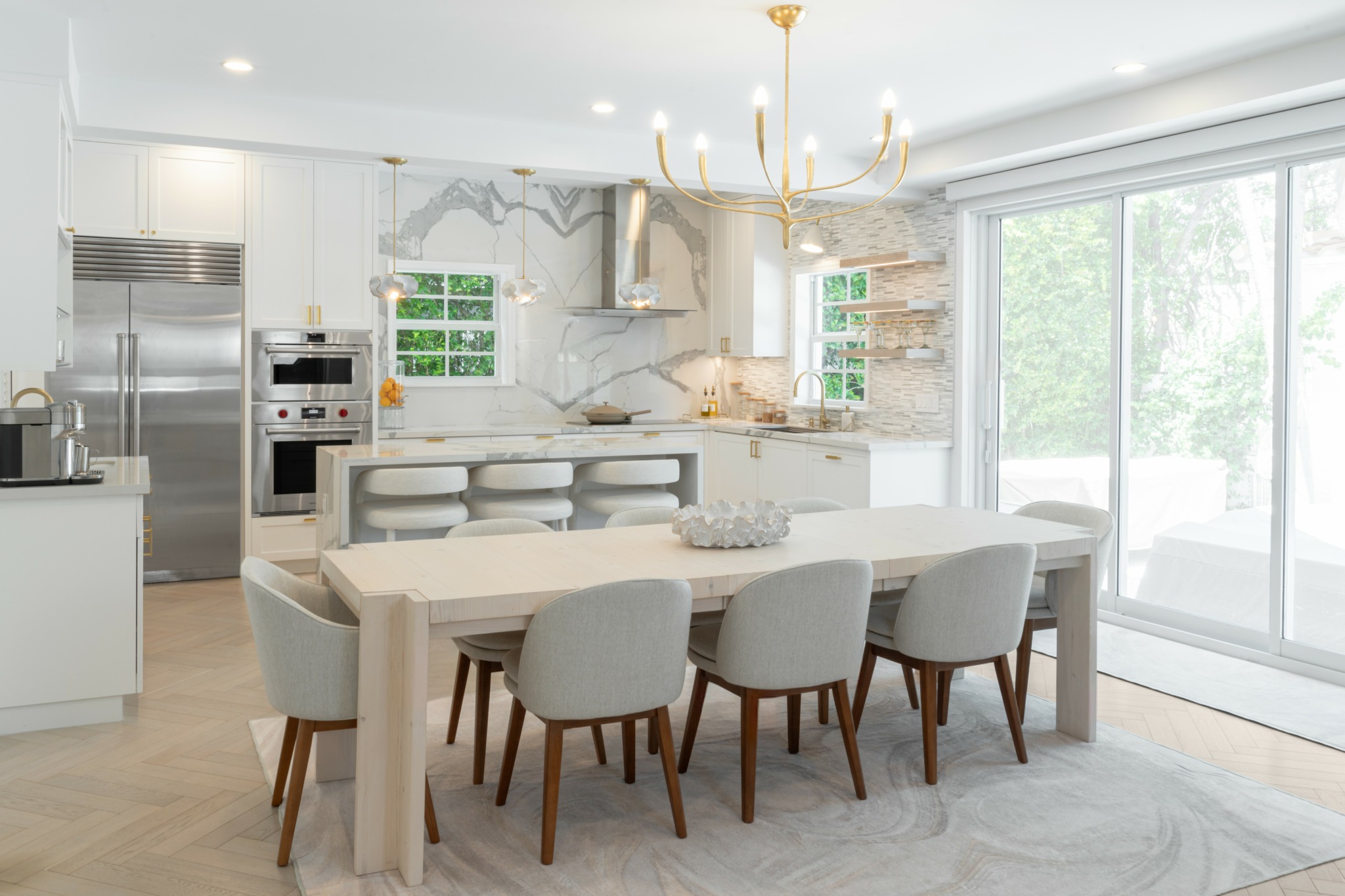
Today, our practice specializes in custom homes, additions, renovations, adaptive reuse projects, hospitality environments, and select commercial work. While South Florida remains our home base, we regularly work on projects throughout the country, from Colorado and Montana to Maine and New York.
What sets our work apart is that we do not simply design buildings—we help clients make long-term decisions about how they want to live. Too often, projects focus only on today’s needs. We take a broader view, considering how a home or property will perform five, ten, or even fifty years from now. This philosophy has evolved into what I call “Future-Proofing by Design,” a framework that combines resilience, sustainability, adaptability, durability, wellness, and timeless architecture.
Many of our clients come to us with a collection of ideas but struggle to understand what is actually possible. One of our greatest strengths is helping them navigate that uncertainty. We begin by understanding the property, zoning regulations, budget, lifestyle goals, and long-term vision before a single line is drawn. That process often saves clients significant time, money, and frustration while producing a more thoughtful result.
I am particularly proud that our work has never been driven by a specific architectural style. Instead, we focus on creating architecture that belongs to its place and reflects the people who will use it. Whether designing a modern coastal residence, a mountain retreat, a historic renovation, or a hospitality project, the goal remains the same: create something authentic, enduring, and deeply connected to its environment.
Perhaps what I am most proud of is the trust our clients place in us. Many relationships begin with a single project and continue for years as families grow, businesses evolve, and new opportunities arise. At the end of the day, architecture is not really about buildings. It is about helping people create the settings in which they live their lives. Being invited into that process is both a responsibility and a privilege, and it remains the reason I enjoy this profession as much today as when I started.
Any stories or insights that might help us understand how you’ve built such a strong reputation?
I believe my reputation was built through a combination of curiosity, consistency, and a genuine commitment to the subject matter rather than chasing whatever happened to be popular at the moment.
Growing up in Germany, I was influenced by a culture that places a high value on craftsmanship, efficiency, and long-term thinking. Those ideas naturally aligned with architecture, but they also fueled a desire to keep learning. Early in my career, I became increasingly interested in sustainability—not as a marketing term, but as a practical design challenge. How do we create buildings that use fewer resources, perform better, last longer, and provide healthier environments for the people who occupy them?
At the time, sustainability was still a relatively niche topic within much of the profession. While working at a small architectural firm with limited resources, I became involved with the U.S. Green Building Council and participated in the formation and growth of the local chapter. It required countless volunteer hours, but it provided an opportunity to learn from some of the leading thinkers in the field and contribute to a movement that was beginning to reshape the industry.
That involvement led to another opportunity that became very important in my career: developing and teaching Sustainable Design coursework at the University of Miami. The process forced me to move beyond simply understanding the concepts and challenged me to explain them clearly to others. Teaching has a way of sharpening your own thinking, and over time it helped establish me as a regional resource on sustainability, building performance, and environmental design.
As my career progressed, I had the opportunity to work on both sides of the industry. I spent years in private practice designing projects and working directly with clients, while also serving in government roles involving building departments, permitting, inspections, and code administration. That combination provided a unique perspective. I learned not only how buildings are designed, but also how they are reviewed, approved, constructed, occupied, and maintained over time.
Perhaps the biggest factor in building my reputation has been a willingness to stay focused on the underlying principles rather than short-term trends or immediate profit. That approach is not always the easiest path. Sometimes the right answer requires more effort, more education, or conversations that clients may not initially expect. But I have found that people value honest guidance and thoughtful expertise, especially when making significant investments in their homes, businesses, or communities.
Over time, that commitment has allowed me to build trust with clients, colleagues, contractors, educators, public officials, and industry professionals. Reputation is not built through a single project or accomplishment. It is built through years of showing up, continuing to learn, sharing knowledge, and consistently trying to leave the built environment a little better than you found it.
We’d love to hear a story of resilience from your journey.
One of the defining tests of resilience in my career came almost immediately after I started my own firm.
I founded Sebastian Eilert Architecture in 2006 and transitioned into the practice full-time in 2007. Like many young entrepreneurs, I was optimistic and excited about the future. The firm had begun gaining traction, projects were coming in, and signed contracts were starting to build. Then the economic downturn of 2008-2009 arrived.
Virtually overnight, the environment changed. Projects that had been moving forward stalled. Clients became uncertain. Several signed contracts were canceled or postponed indefinitely. After spending years preparing to launch my own practice, I suddenly found myself facing the possibility that the market I had built the firm around no longer existed.
What I learned during that period is that resilience is often less about endurance and more about adaptability. Much like the buildings I design today, survival depended on the ability to respond to changing conditions without losing sight of the core mission.
Rather than waiting for the market to recover, I looked for ways to remain engaged, visible, and valuable. I pursued alternative work opportunities that allowed me to support myself while continuing to grow my architectural practice. At the same time, I became increasingly involved in professional organizations, sustainability initiatives, education, and public outreach.
One of the more unexpected outcomes was the creation of a weekly radio program called ArchiTalk Radio, which I founded and co-hosted. What began as a way to stay connected to the profession during a difficult period evolved into a platform for discussing architecture, sustainability, design, construction, and community issues with a broader audience. The show expanded my network, introduced me to new perspectives, and reinforced the idea that architects have a responsibility not only to design buildings but also to participate in larger conversations about the future of our communities.
Looking back, I would never have chosen to experience that downturn, but it taught me lessons that continue to shape my practice today. It reinforced the importance of diversification, lifelong learning, and maintaining a long-term perspective when circumstances become difficult. Most importantly, it demonstrated that challenges often create opportunities that would never have appeared under normal conditions.
Many of the relationships, experiences, and areas of expertise that define my career today can be traced directly back to that period. The firm survived, evolved, and ultimately became stronger because of it. In hindsight, the downturn was not simply an obstacle—it was a catalyst that forced me to become more adaptable, more resourceful, and more intentional about the kind of practice I wanted to build.
Contact Info:
- Website: https://www.SebastianEilert.com
- Instagram: @Sebastian_Eilert_Architecture
- Facebook: https://www.facebook.com/SebastianEilertArchitecture/
- Linkedin: https://www.linkedin.com/company/sebastian-eilert-architecture/?viewAsMember=true
- Other: https://www.houzz.com/pro/searchitecture/sebastian-eilert-architecture
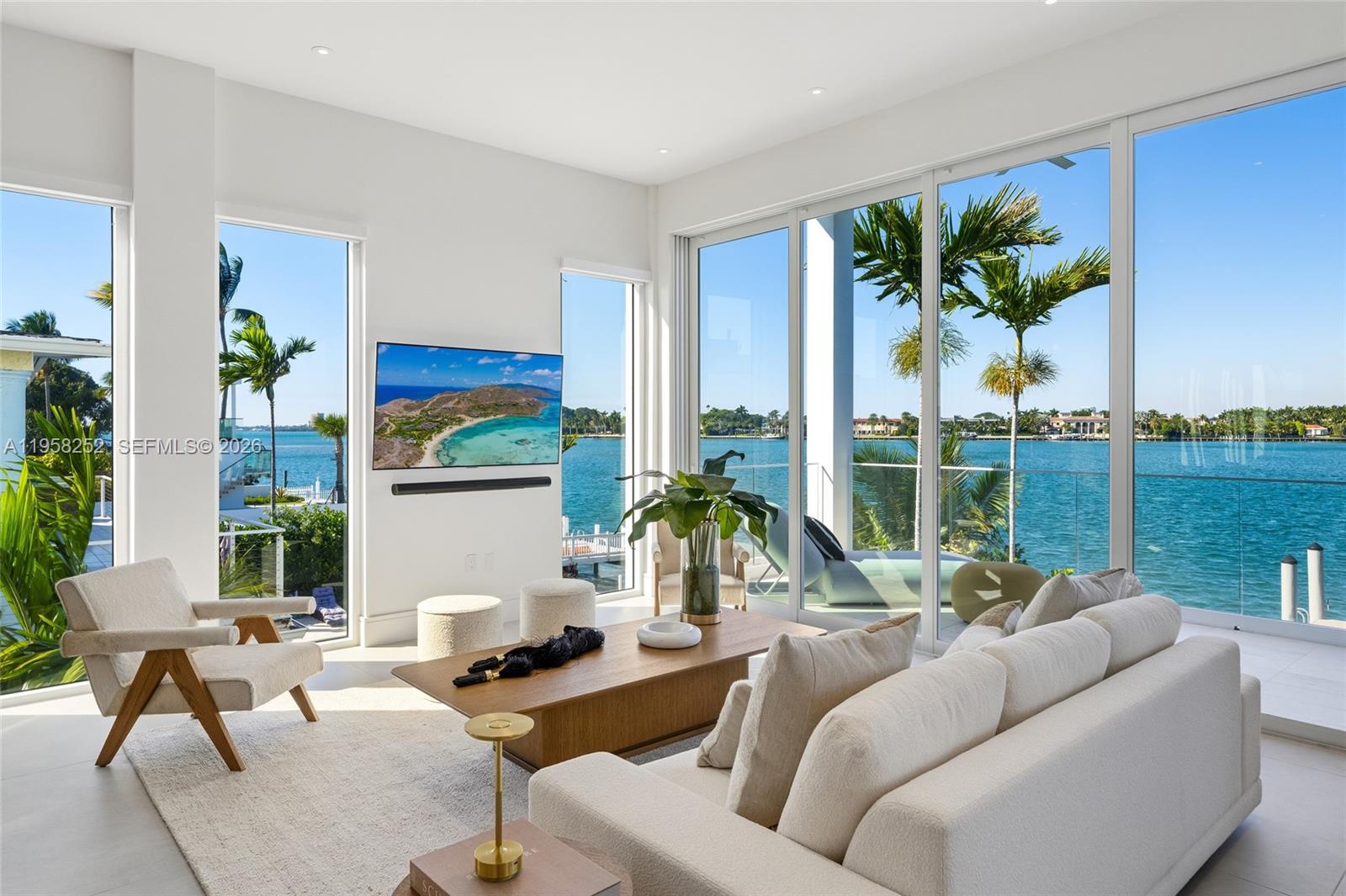
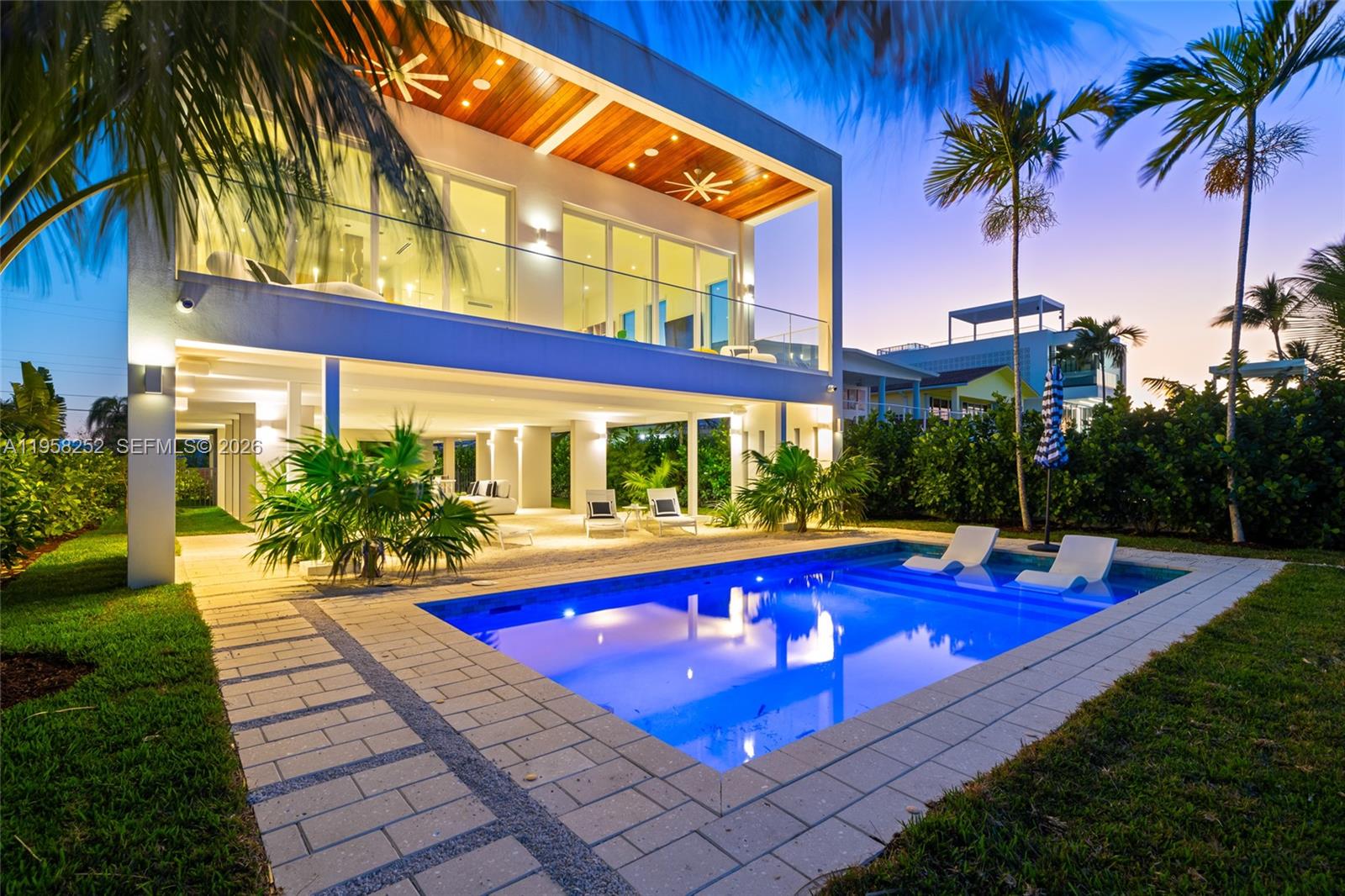
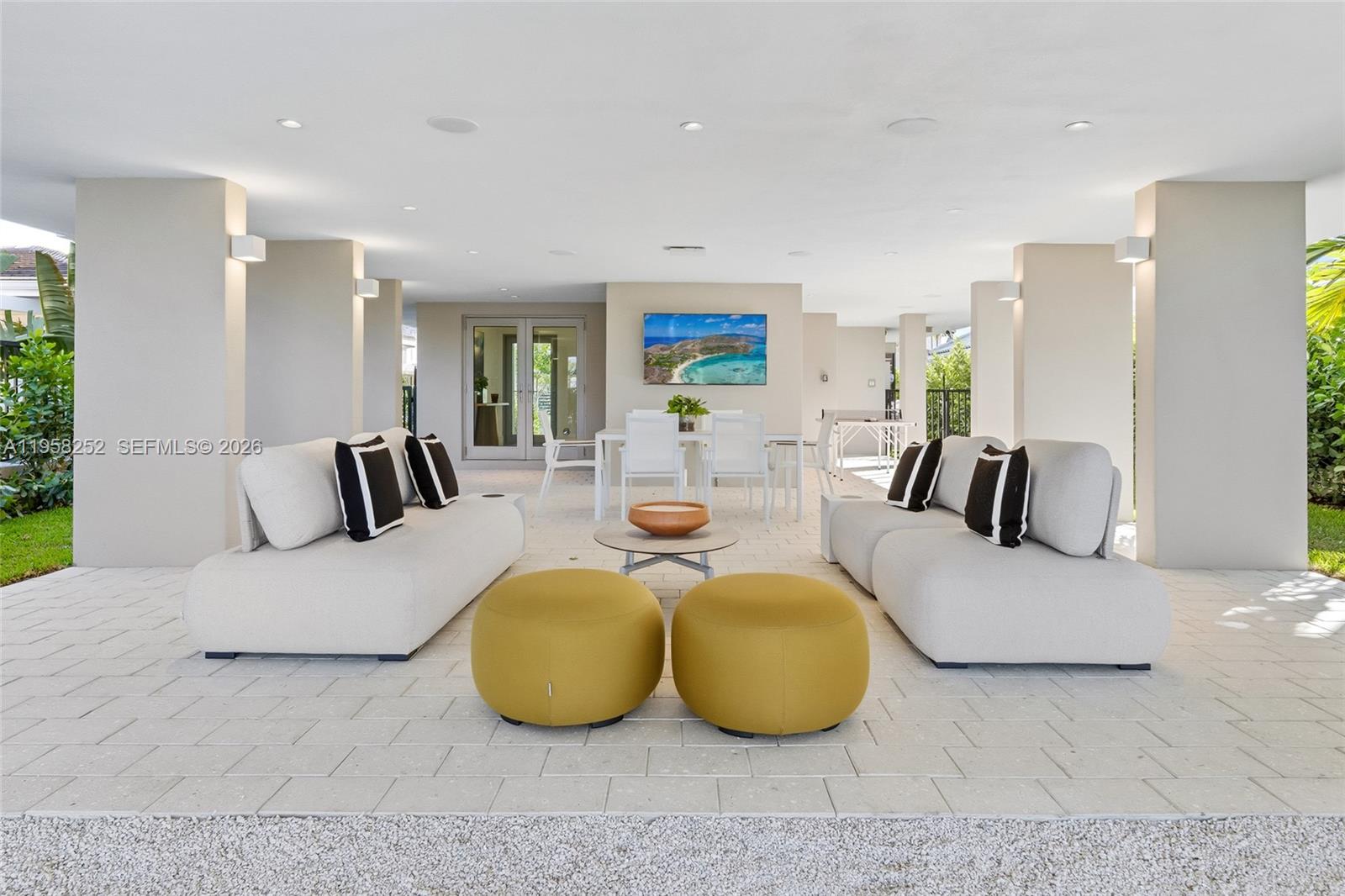
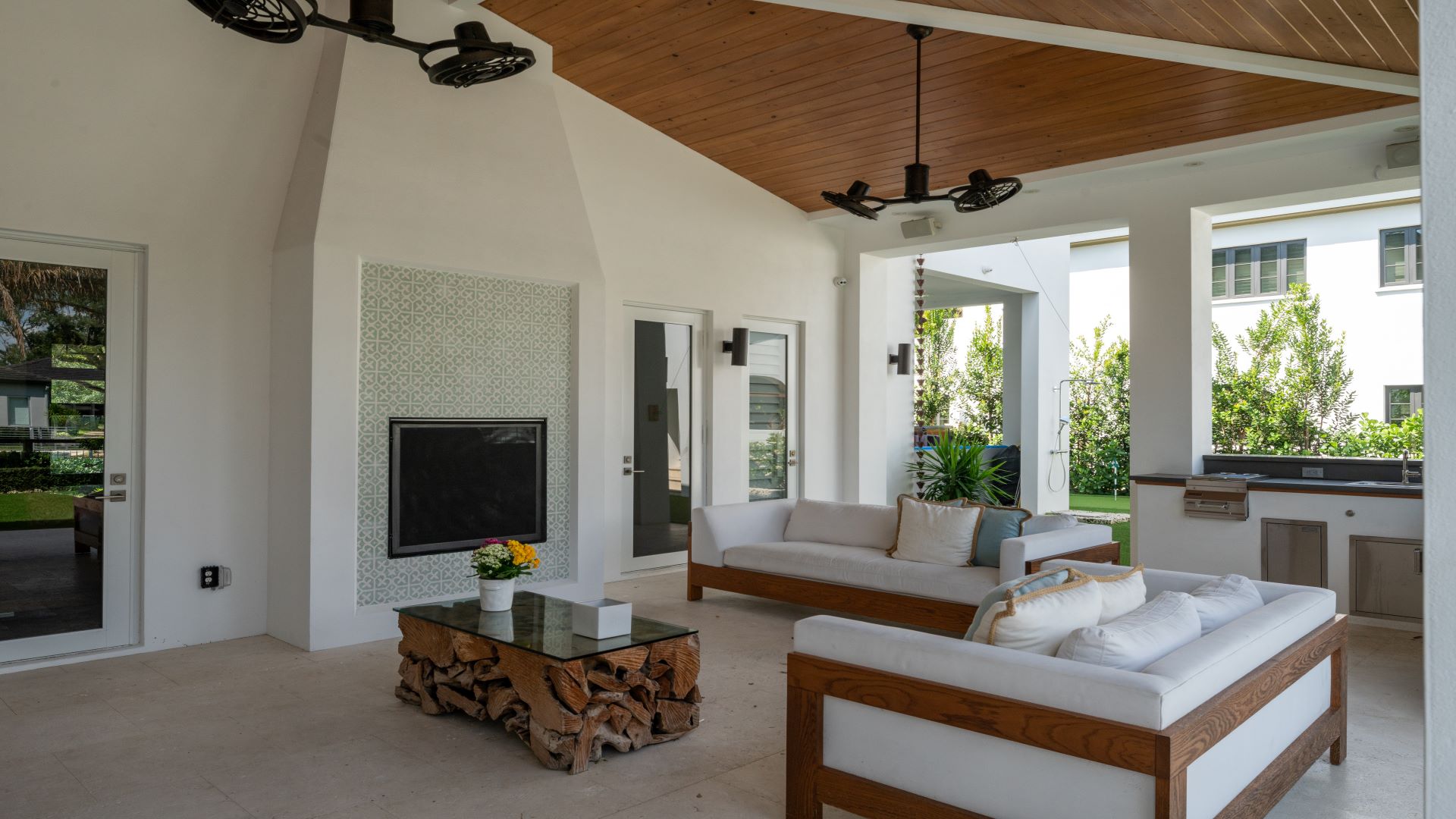
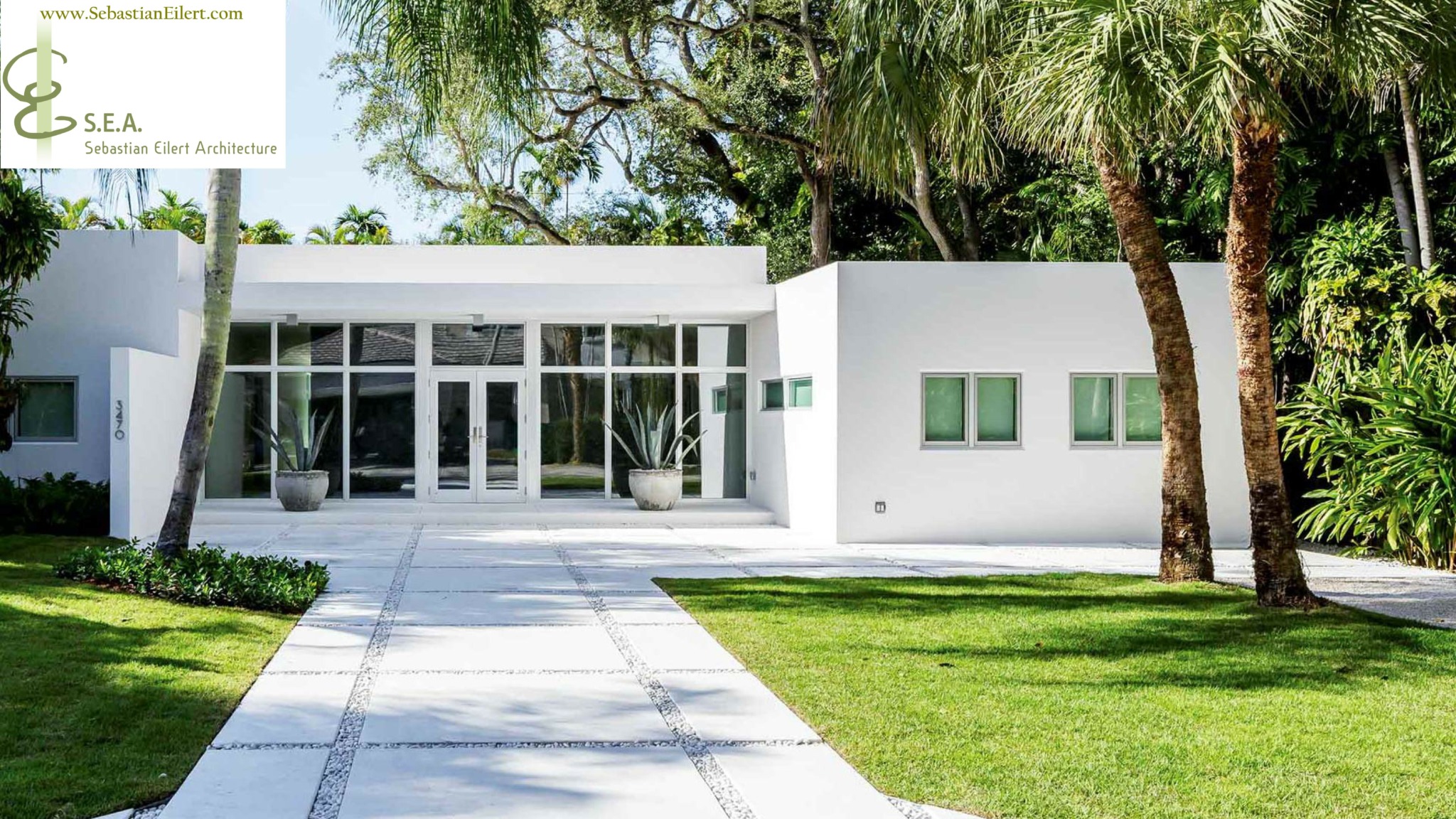
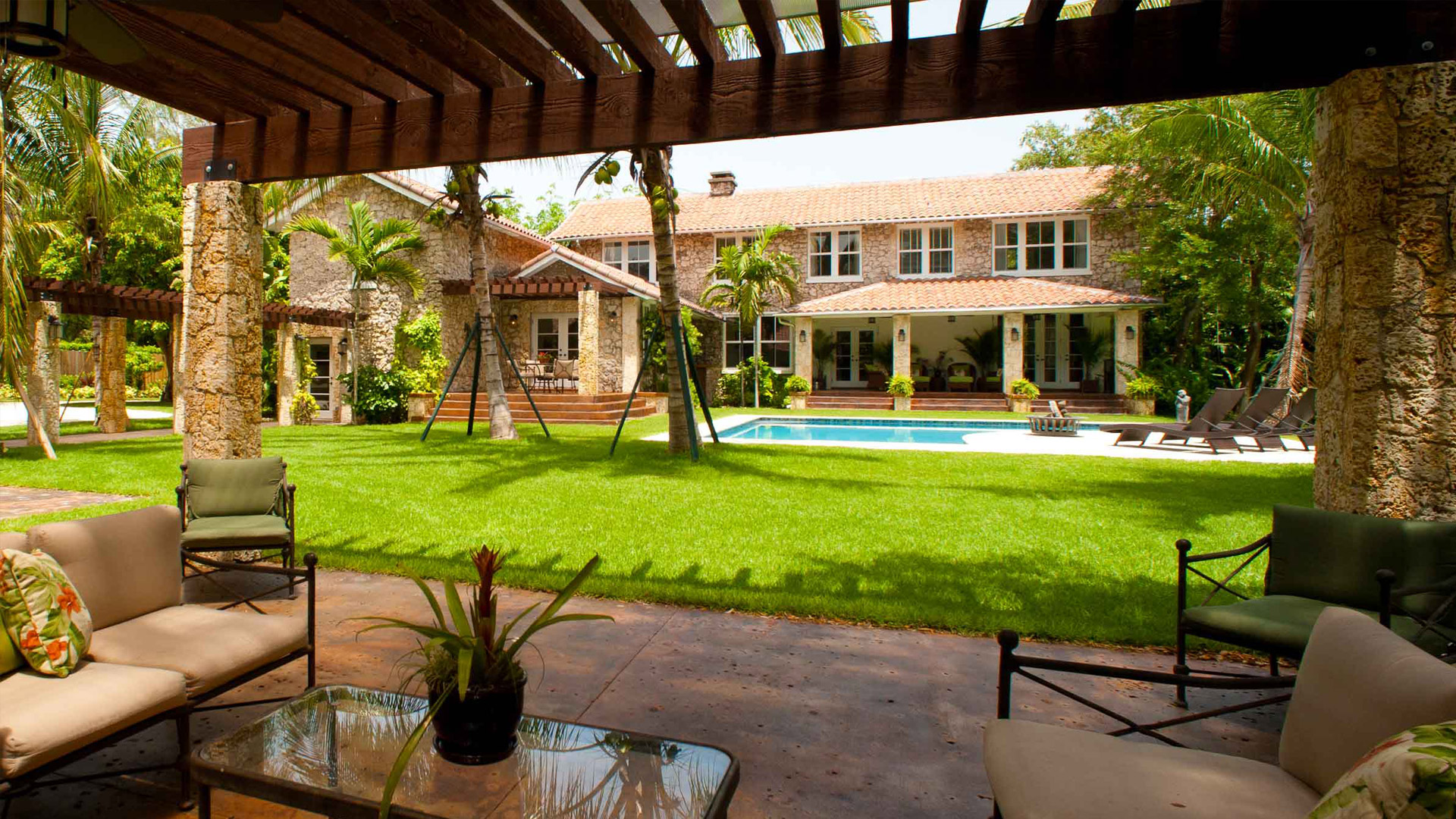
Image Credits
Sebastian Eilert
Michael Stavaridis
Studio 1