

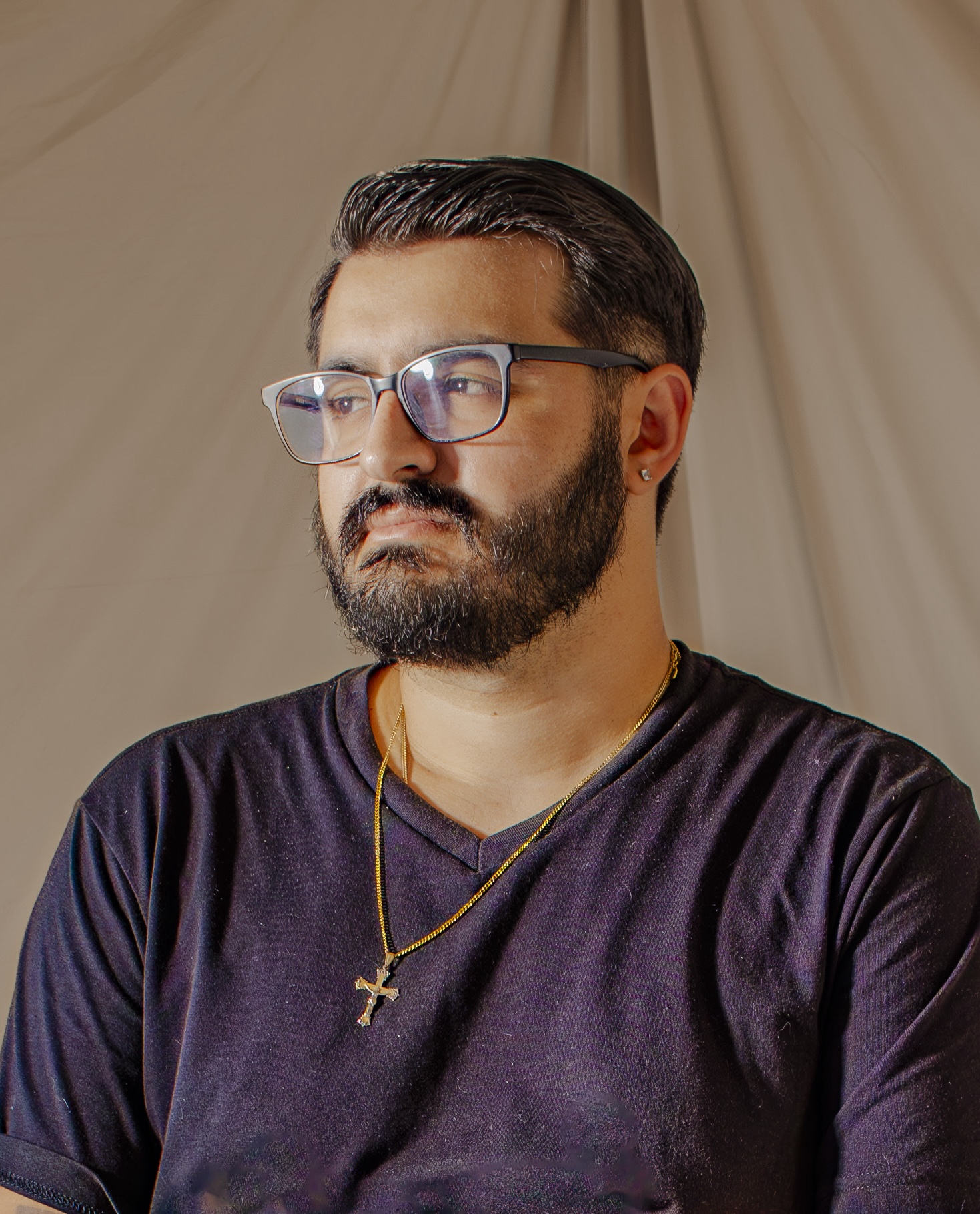

Alright – so today we’ve got the honor of introducing you to Justin DeMattico. We think you’ll enjoy our conversation, we’ve shared it below.
Hi Justin, thanks for joining us today. We’d love to hear about when you first realized that you wanted to pursue a creative path professionally.
I think I always knew I was creative growing up, but I don’t know if I fully understood that art could become my actual life until much later. As a kid, I was constantly drawing, building things, and getting completely absorbed in movies, nature documentaries, books, and anything visual. I loved creating, exploring and imagining stories inside of them. As a kid, I had this book that depicted all types of birds, plate printed illustrations and even though I did not understand it at the time, I think that book directly sparked the fire in me to want to study birds and the world around me more. As a child, pursuing art professionally didn’t really feel like an option, I actually thought as a kid that I would grow up and become a layer of all things!
The turning point probably came during college. I went to college thinking I would become an animator and had to take studio art courses. When I began taking these classes, my first formal art education in my life, and eventually, my studio practice more seriously, I realized how deeply I felt about art, it quickly became something I couldn’t live without. I started understanding that art wasn’t just about making images for me, it was how I processed ideas about faith, isolation, identity, memory, and the world around me. More recently, I also began experimenting with photography, which completely changed the way I approached storytelling and image-making.
I remember having this realization that I wasn’t happiest when I was away from art. I was happiest when I was completely immersed in it, even when it was frustrating or exhausting. That feeling never really went away. Over time, creating stopped feeling like a hobby and started feeling more like a responsibility or calling.
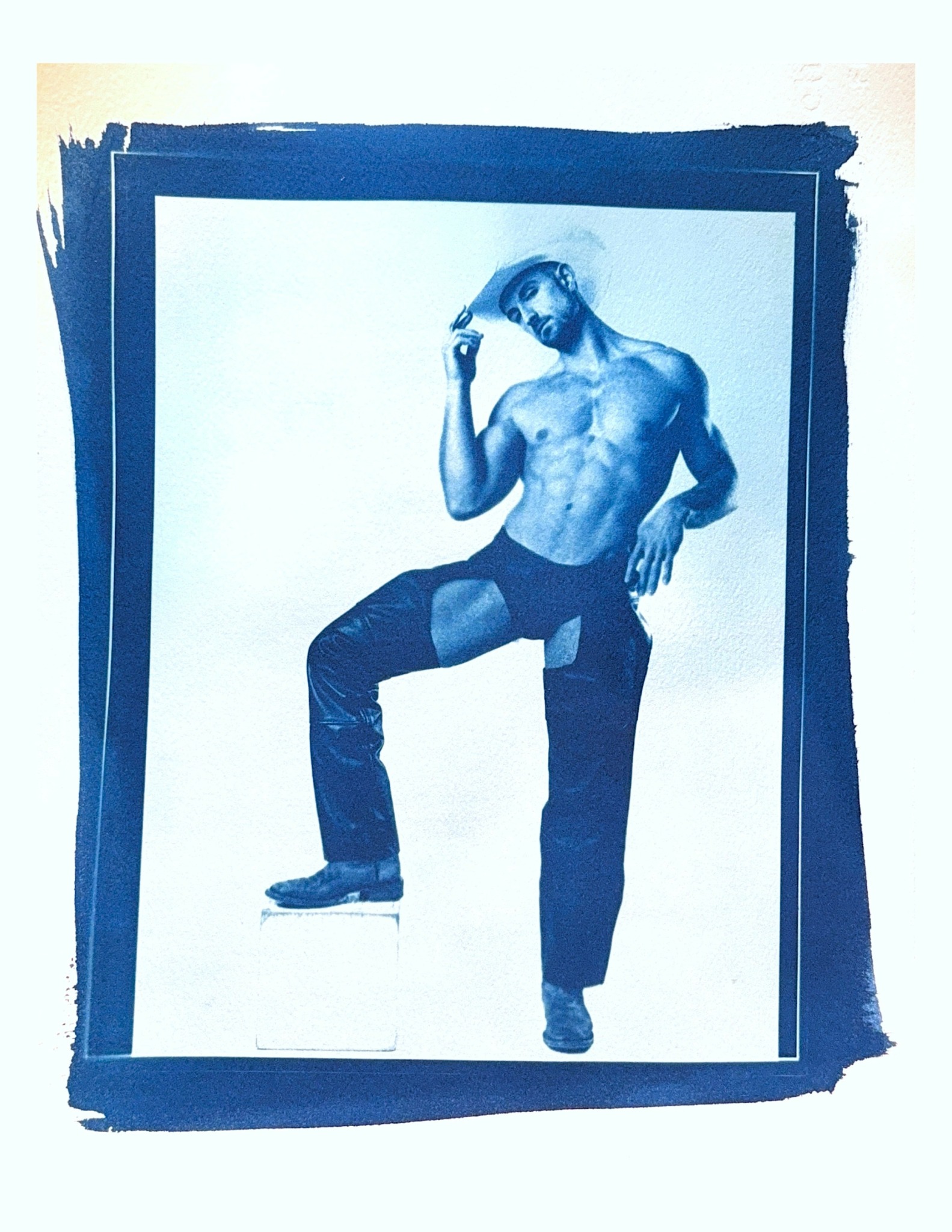
Since then, my work has continued to evolve across painting, photography, cyanotype, sculpture, and mixed media, but the core motivation has stayed the same: creating immersive images and environments that allow people to slow down, reflect, and step into another world for a moment.
Justin, before we move on to more of these sorts of questions, can you take some time to bring our readers up to speed on you and what you do?
I am a multidisciplinary artist, photographer, and educator currently based in New Jersey. My work moves between painting, photography, cyanotype, sculpture, embroidery, and mixed media installation, often blending several processes together within the same body of work. At the center of everything I create is storytelling; building immersive environments and images that explore themes of faith, isolation, the body, memory, nature, and redemption. I’m especially interested in creating spaces that feel calm, reflective, and transportive, where viewers can momentarily step away from the noise and pressures of everyday life.
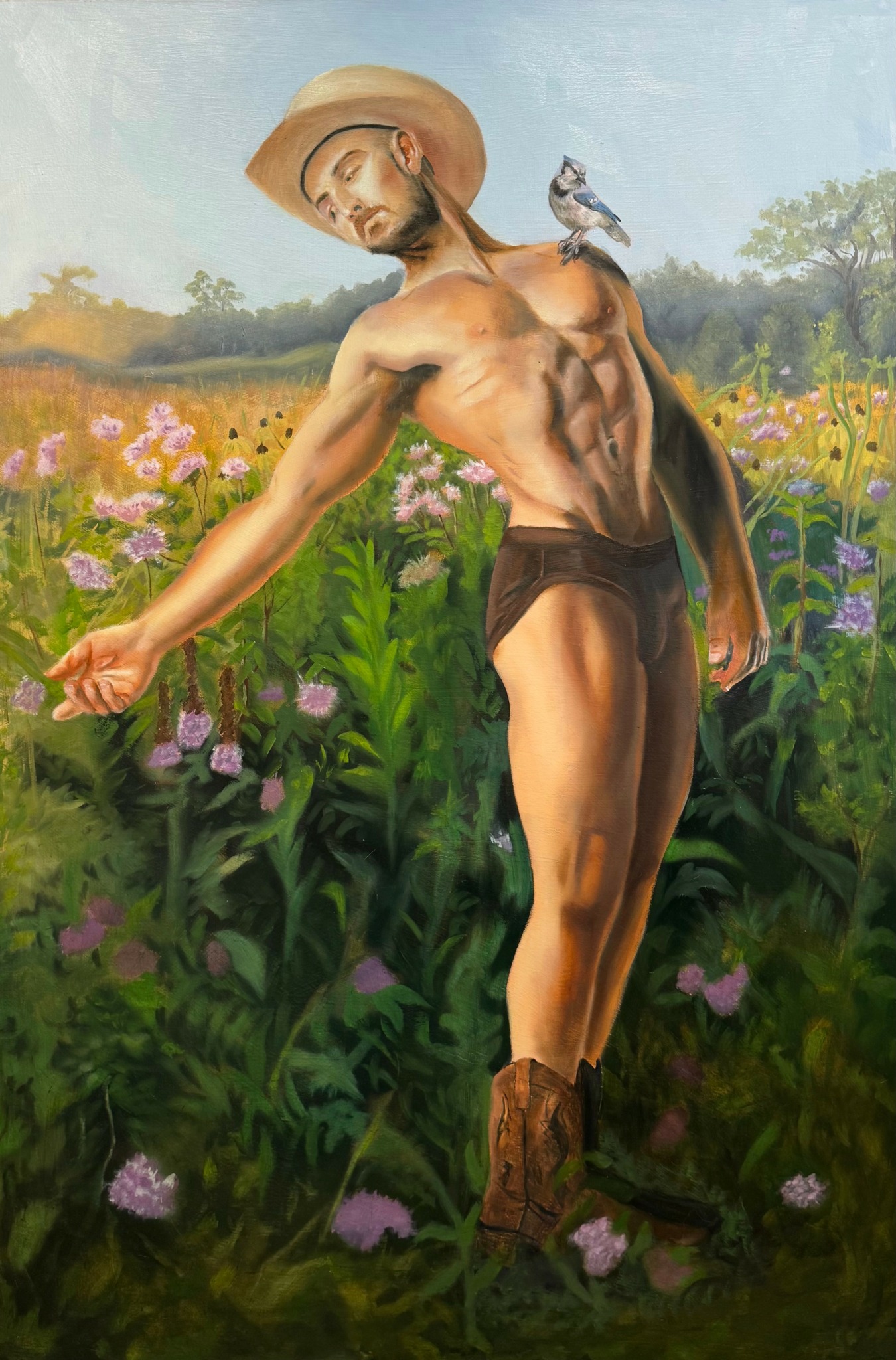
A lot of my recent work has focused on reimagining biblical narratives, particularly the story of Genesis, through a more personal and contemporary lens. I’ve become very interested in the idea of “alternate Edens” — dreamlike Southern landscapes filled with gardens, animals, overgrowth, and symbolic imagery that reflect both beauty and solitude. Many of my works explore the emotional space of existing before connection, inspired by the isolation of Adam before Eve. Even when the work shifts mediums, those themes tend to remain at the core. I want these imagined environments to feel peaceful and immersive, almost like emotional sanctuaries where viewers can slow down, breathe, and escape for a moment.
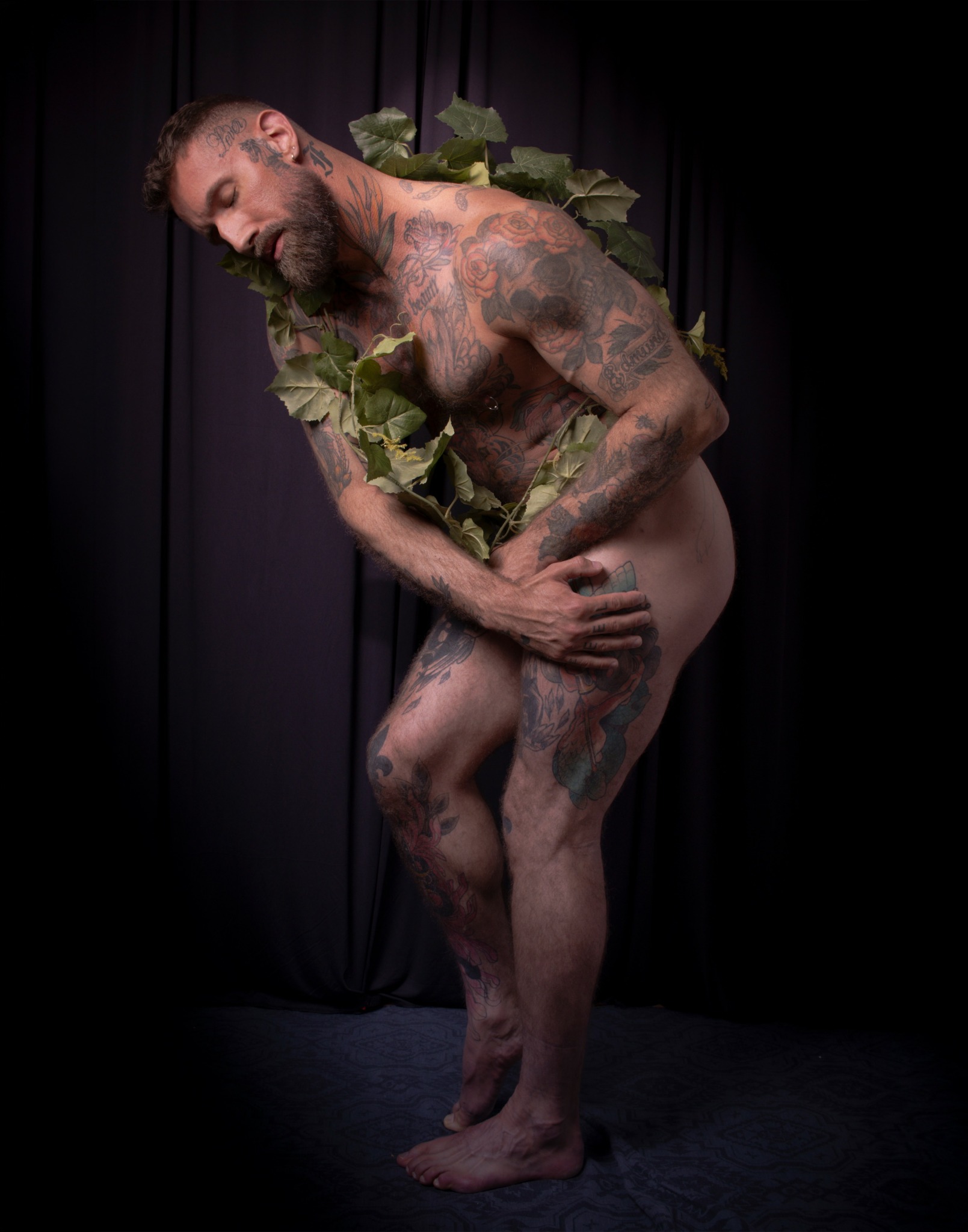
I originally entered the art world through drawing and painting, but photography eventually became a major part of my process and completely changed the way I approach image-making. Photography allows me to construct scenes, experiment with lighting, work with models, and build visual references that later evolve into paintings or mixed media works. Over time, my practice naturally expanded beyond traditional painting because I became more interested in creating fully realized worlds rather than staying confined to a single medium.
Alongside my studio practice, I also work as an adjunct professor teaching drawing and color theory at Brookdale Community College. Teaching has become an important part of my creative life because it constantly pushes me to reevaluate how I think about image-making and process. I love helping students build confidence in their abilities and realize that creativity is something that can be developed through experimentation and persistence.
I think what sets my work apart is the way I merge classical influences, photography, contemporary portraiture, Southern Gothic atmosphere, and faith-based narratives into something that feels both familiar and dreamlike. I’m less interested in creating straightforward religious imagery and more interested in creating emotional spaces where viewers can reflect on solitude, vulnerability, transformation, and wonder. A major goal of my work is to offer viewers a sense of peace and stillness — a temporary escape into a world that feels softer, quieter, and emotionally restorative.
I’m especially proud of how much my practice has evolved over the last few years. What began primarily as painting has expanded into a much larger creative ecosystem involving installation, sculpture, handmade objects, photography, and experimental processes. I’m also incredibly proud of building a practice that feels honest to who I am and what I care about, rather than chasing trends or trying to fit neatly into one category.
The main thing I want people to take away from my work is that it’s deeply personal and intentionally immersive. Whether someone encounters one of my paintings, photographs, sculptures, or installations, I want them to feel like they’re stepping into another world for a moment — one that feels reflective, emotional, and alive with symbolism and atmosphere. More than anything, I hope the work gives people a sense of calm and escape, allowing them to disconnect from everyday stress and reconnect with a quieter, more contemplative emotional space.
What’s the most rewarding aspect of being a creative in your experience?
For me, the most rewarding aspect of being an artist is the ability to create experiences and environments that allow people to feel something deeply, even if only for a brief moment. We live in a world that constantly demands our attention and moves incredibly fast, so I think there’s something really meaningful about creating work that encourages people to slow down, reflect, and become emotionally present.
A lot of my work is rooted in themes of solitude, faith, nature, and introspection, and I think the most fulfilling moments happen when someone connects with those ideas in their own personal way. I’ve had people tell me that certain pieces made them feel peaceful, nostalgic, comforted, or emotionally transported, and those reactions mean a lot to me because that’s ultimately what I hope the work can provide, a sense of stillness, escape, or emotional resonance.
I also find the process itself incredibly rewarding. I love the experimentation that comes with moving between mediums and constantly learning new ways to bring ideas to life. Whether I’m painting, building a sculpture, creating a cyanotype, or planning a photoshoot, there’s always this sense of discovery involved. Even after years of making work, I still feel excited by the possibility that an idea in my head can eventually become something physical and immersive that others can step into and experience.
Teaching has also added another layer of fulfillment to being an artist. Seeing students grow more confident in themselves creatively and watching them realize they’re capable of more than they initially believed is incredibly meaningful to me. It reminds me that creativity has the power to connect people, inspire growth, and create community.
More than anything though, I think being an artist has allowed me to better understand myself and the world around me. It’s become both a form of reflection and a way of processing emotions, ideas, and experiences that can sometimes be difficult to put into words alone.
In your view, what can society to do to best support artists, creatives and a thriving creative ecosystem?
I think one of the biggest things society can do to better support artists and creatives is to place more value on the arts as something essential rather than optional. Art has the ability to connect people, preserve culture, encourage empathy, and give people spaces to reflect, heal, and communicate ideas in ways that words often can’t. Despite that, creative fields are still frequently treated as luxuries rather than meaningful and necessary parts of society.
More funding and support for the arts is incredibly important, especially within schools and local communities. Many artists discover their creative voice because they had access to art programs, inspiring teachers, museums, workshops, or community spaces early in life. When funding for the arts disappears, so do opportunities for future generations to explore creativity and self-expression.
I also think supporting artists means supporting the sustainability of creative careers. A lot of artists are balancing multiple jobs, teaching positions, freelance work, or side income just to continue making their work. Creating more grants, residencies, affordable studio spaces, exhibition opportunities, and public art initiatives would make a huge difference in helping artists continue developing meaningful work without constantly facing financial instability.
Beyond financial support, I think society can better support artists by genuinely engaging with their work. Sharing artists’ work, attending exhibitions, supporting small creative businesses, purchasing artwork when possible, and simply taking creative work seriously all contribute to a healthier creative ecosystem. Even small acts of encouragement and support can have a major impact on an artist’s ability to keep creating.
At its core, a thriving creative ecosystem depends on people recognizing that art is not separate from everyday life, it shapes culture, creates connection, and helps people process the world around them.
Contact Info:
- Website: https://www.justindemattico.com
- Instagram: @justin_demattico_art
- Facebook: /justindematticoart
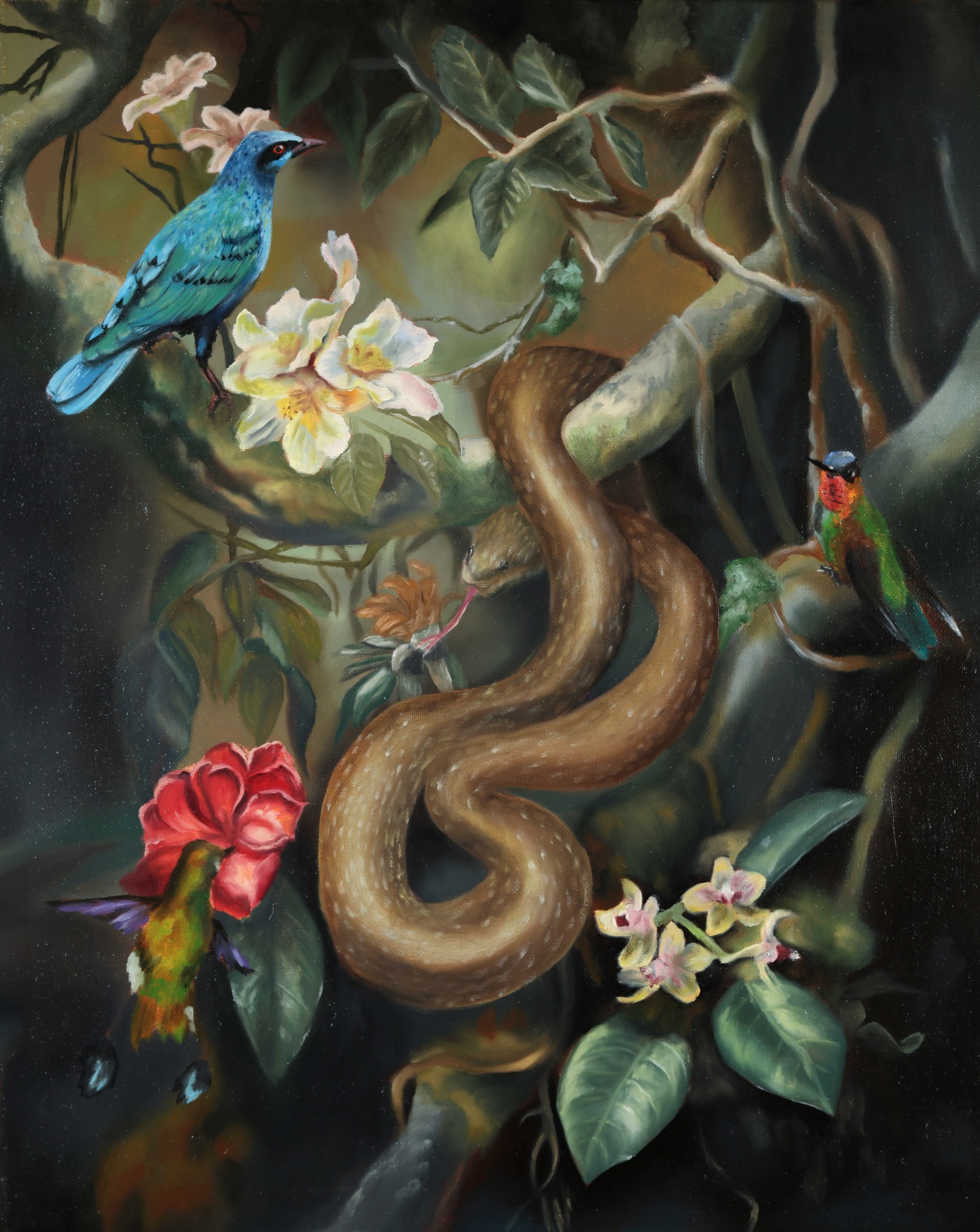
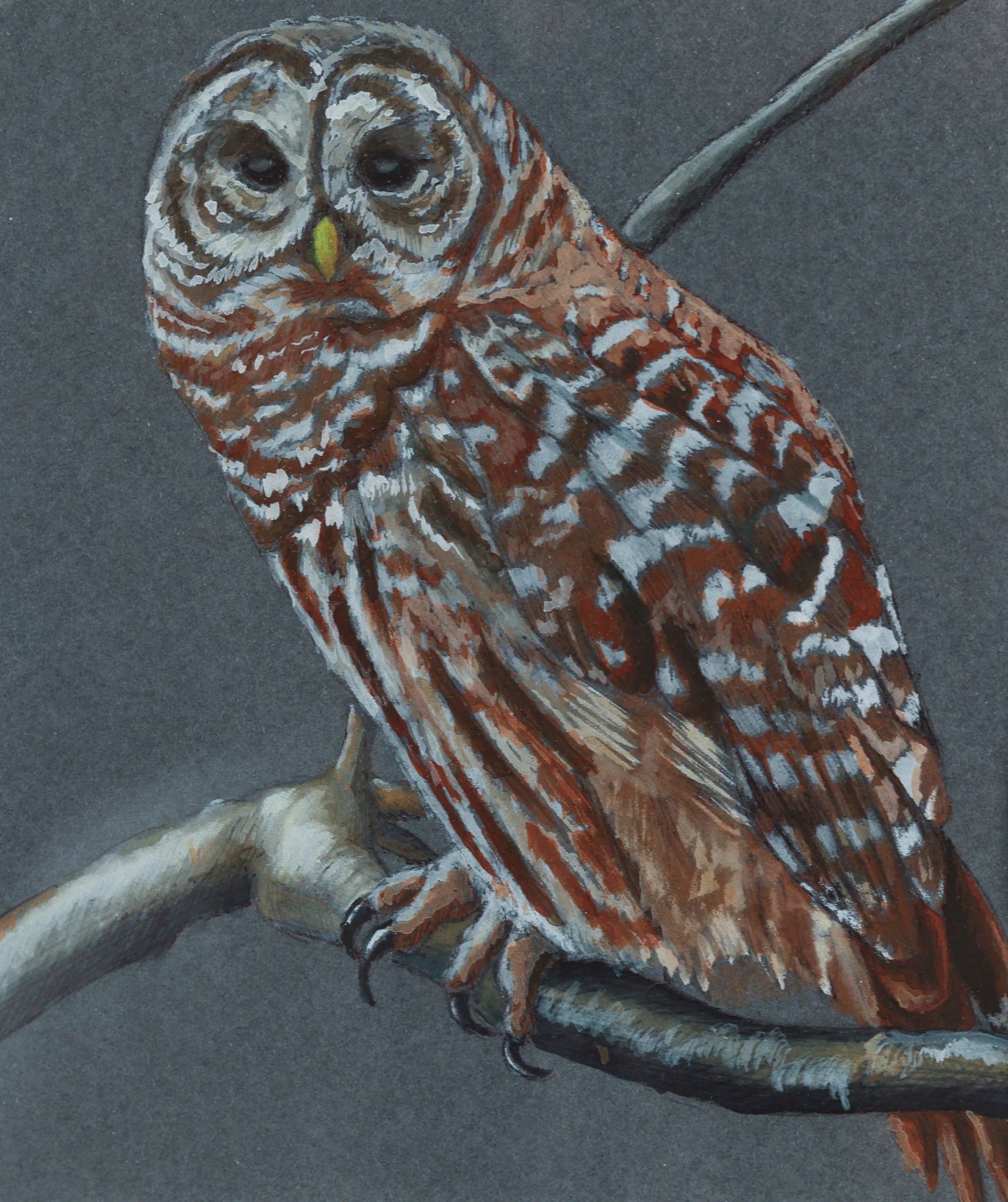
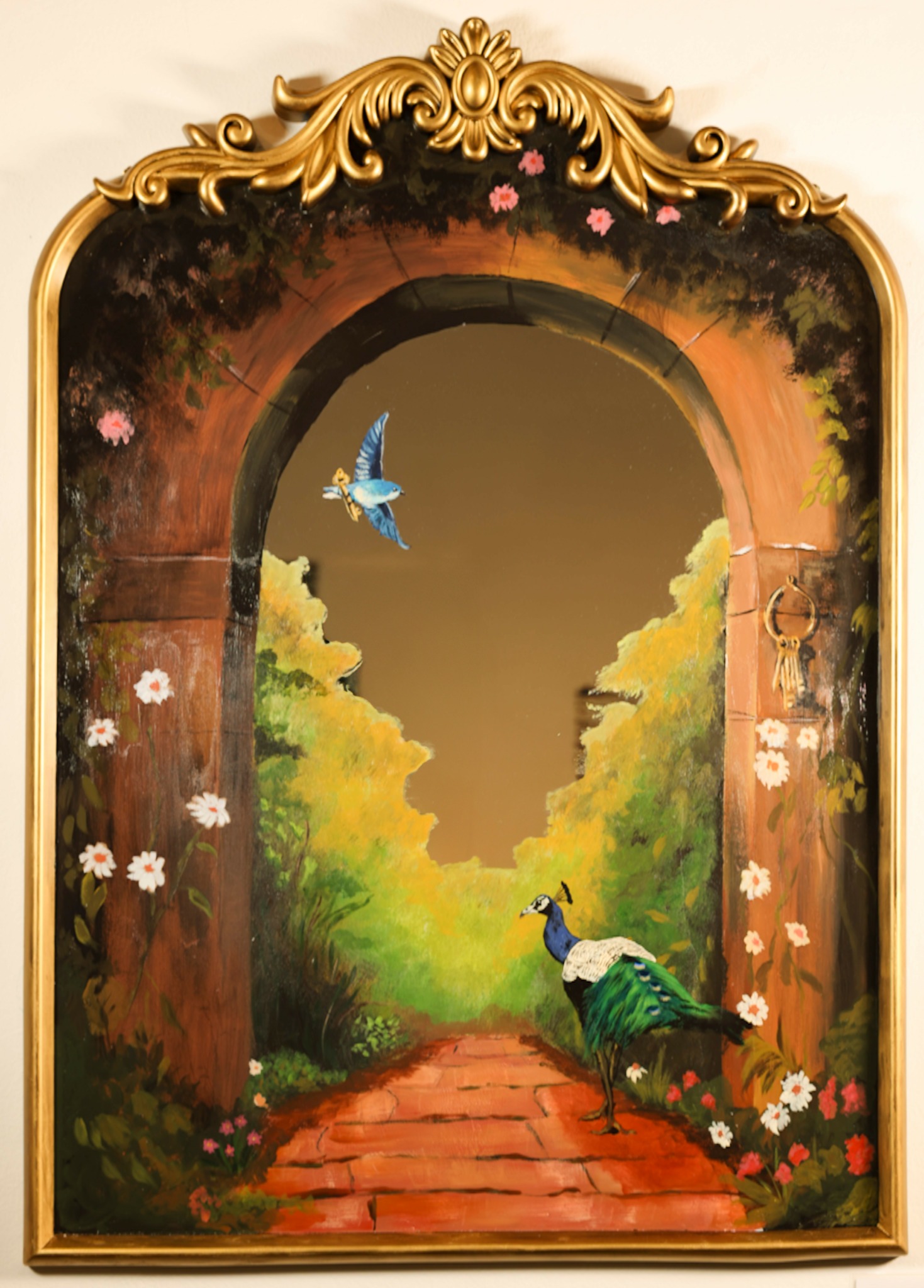
Image Credits
Justin DeMattico