
We caught up with the brilliant and insightful Elena a few weeks ago and have shared our conversation below.
Alright, Elena thanks for taking the time to share your stories and insights with us today. Can you talk to us about a project that’s meant a lot to you?
In college I made a short film called “Tiny Living Things” about a little girl who finds a dying mouse in her backyard and processes its death with her older sister. Making the film truly brought me to my knees, I did everything in it besides acting and sound. My mom was my 1st Assistant Sound for most of it. I was extremely particular about everything from location, wardrobe, props and art direction, lighting, writing. It was the second short film I’d made and the writing came from a very vulnerable place exploring the threshold between childhood and adulthood, when the world first stops feeling enchanted and begins to reveal its permanence. In the film, the young girl, Maya, played by Nyah Jude, finds this gravely injured mouse and believes, with complete tenderness, that she can save it. She holds it and speaks to it lovingly. After finding Maya had refused to eat her chicken dinner and hidden her food over concerns about the chicken’s life, her older sister, played by Cris Garcia, finds her outside holding this dying animal. Maya’s older sister explains that the mouse will not survive and delivers a monologue trying to convey this painful reality to an 8 year old. Making this film was so meaningful to me, I was conveying the feeling experienced through many moments of how I was a child, then suddenly I understood time, death, my smallness, and the strange fact of being here at all. I know this is a universal experience, how loss can completely upend your sense of reality, and how irreversible this is when it begins in childhood. This feeling has stuck with me through adulthood because as I get older I know life is a series of this exact phenomenon. We are all children to our future selves no matter how old we are. This film was honoring a very sensitive part of myself that from a young age found it very hard to process loss, death, and betrayal. In childhood it showed up in the form of concern for animals. I remember being devastated when my pet gecko, Zena, died; running outside in the rain to throw worms back into the dirt before they dried on the sidewalk; saving mice from traps; finding a baby bird pushed from its nest when I was eight, trying to nurse it, and then finding it dead the next day. I’ll still do things like that. Those early heartbreaks become larger heartbreaks later. The baby bird becomes the breakup, the betrayal, the grief, the world event you cannot unknow. We are all, in some way, the accumulated result of what we have loved and lost. That is why Tiny Living Things still feels important to me. On the surface, it is a small story about a child and a mouse, but emotionally it is about the question that follows us everywhere: why do painful things happen, and what can I do in the face of them? In a world where we are constantly exposed to suffering, personal, political, and collective, empathy often begins as a childlike impulse to rescue what is fragile. That bridge between childhood and adulthood is something that still informs my art and I think that film was a thesis statement for me, moving from the enchanted, interior world of childhood into a more complicated adolescent consciousness. Even the creation of that film illuminated its meaning, I set out with a delusion about being able to create a film completely alone, partially due to circumstances and people’s availability. I suffered immensely through it because I could barely juggle all the needs of the film alone, then came out of it with a seemingly silly but profound realization, I need a village to pull this off. Which I think in essence is the answer to suffering, community and the lifesaving power of connection to others. After I finished the film I promised myself I’d remake it with a full crew, maybe I will soon.
Elena, love having you share your insights with us. Before we ask you more questions, maybe you can take a moment to introduce yourself to our readers who might have missed our earlier conversations?
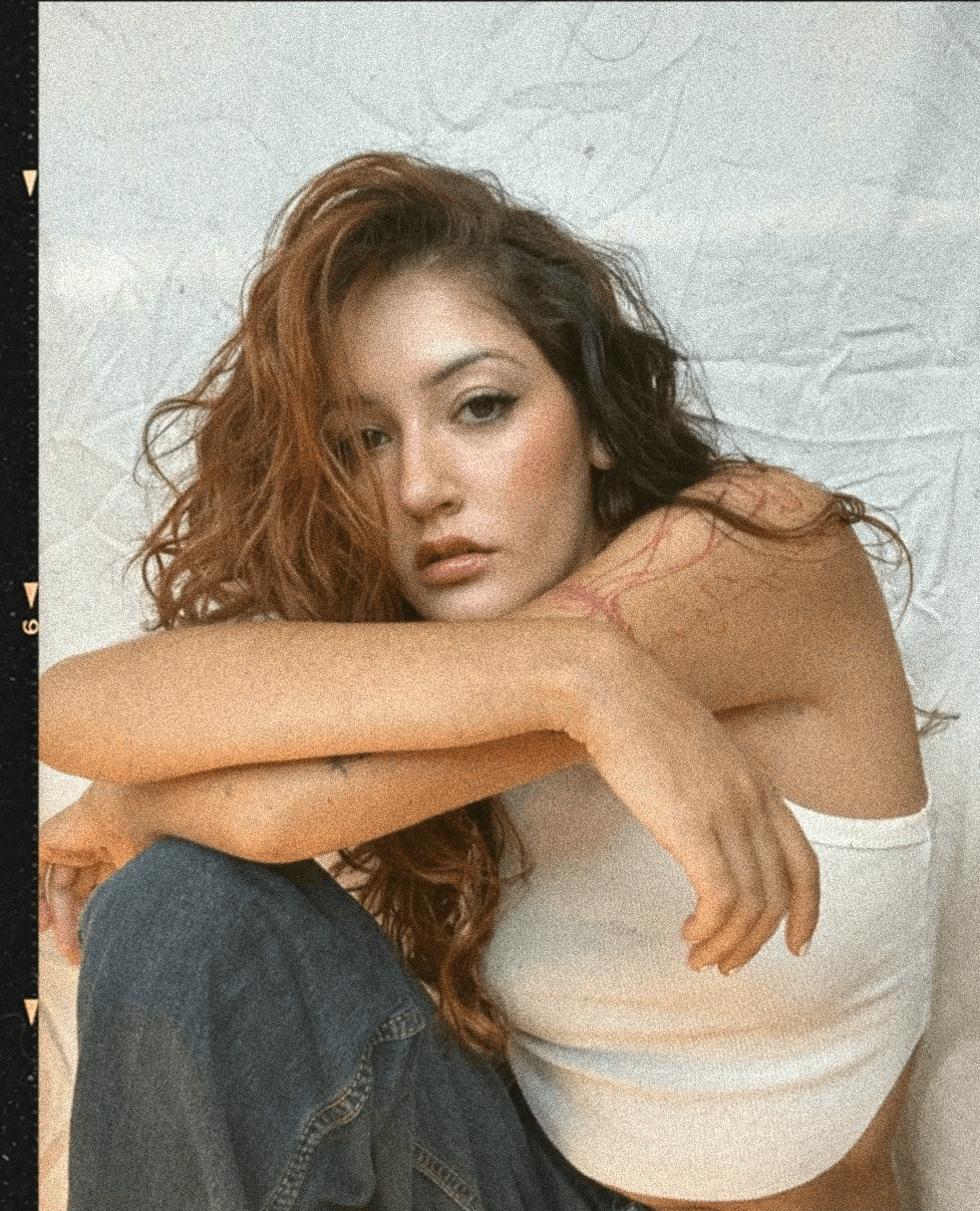
My name is Elena. I’m 25, and I think I became an artist because it brought me closer to people. My mother is a special education teacher, but at heart she has always been an artist and a craftswoman. She always had crayons, colored pencils, fabric, glue, and some impossible solution for a school project or homemade Halloween costume. She made creativity feel practical, generous, and close at hand, something you used to solve a problem, tell a story, or make the world feel more alive.
My father played trumpet in a blues band called Hard Bargain, and he put me in piano lessons when I was five. Music was always in the house. He would sit with me at the piano, sing notes, and ask me to sing them back. He and my mother exposed me to so much music. He also taught me to look for meaning everywhere. After every movie we saw, he would ask my sister and me, “So, what do you think was the moral of the story?” We would talk about it on the way home. I think that question shaped me more than I realized. It taught me that every image, song, object, and story is carrying something underneath it.
I knew I wanted to study film when I found myself completely immersed in The Lord of the Rings in middle school. I felt held by that world and the scale of it, the beauty of it, the idea that fantasy could hold real grief, friendship, terror, courage, and longing. Around the same time, I became fascinated by stop motion, puppetry, and handmade worlds: Corpse Bride, Wallace & Gromit, The Muppets. I loved being able to see the hand of the maker. I loved art that did not hide the fact that someone built it. I used to film stupid videos on my family’s camera using clay figures my friend and I made, voicing them and creating stories for them.
That instinct has followed me into everything I do. I’m a filmmaker, painter, graphic designer, jeweler, musician. I believe deeply in the power of creation, and maybe a little irrationally but sincerely that I can learn to make almost anything. If you needed a couch, I would probably convince myself I could build you the best couch you’ve ever seen infused with memories of your childhood cat and your grandpa’s favorite sweater.
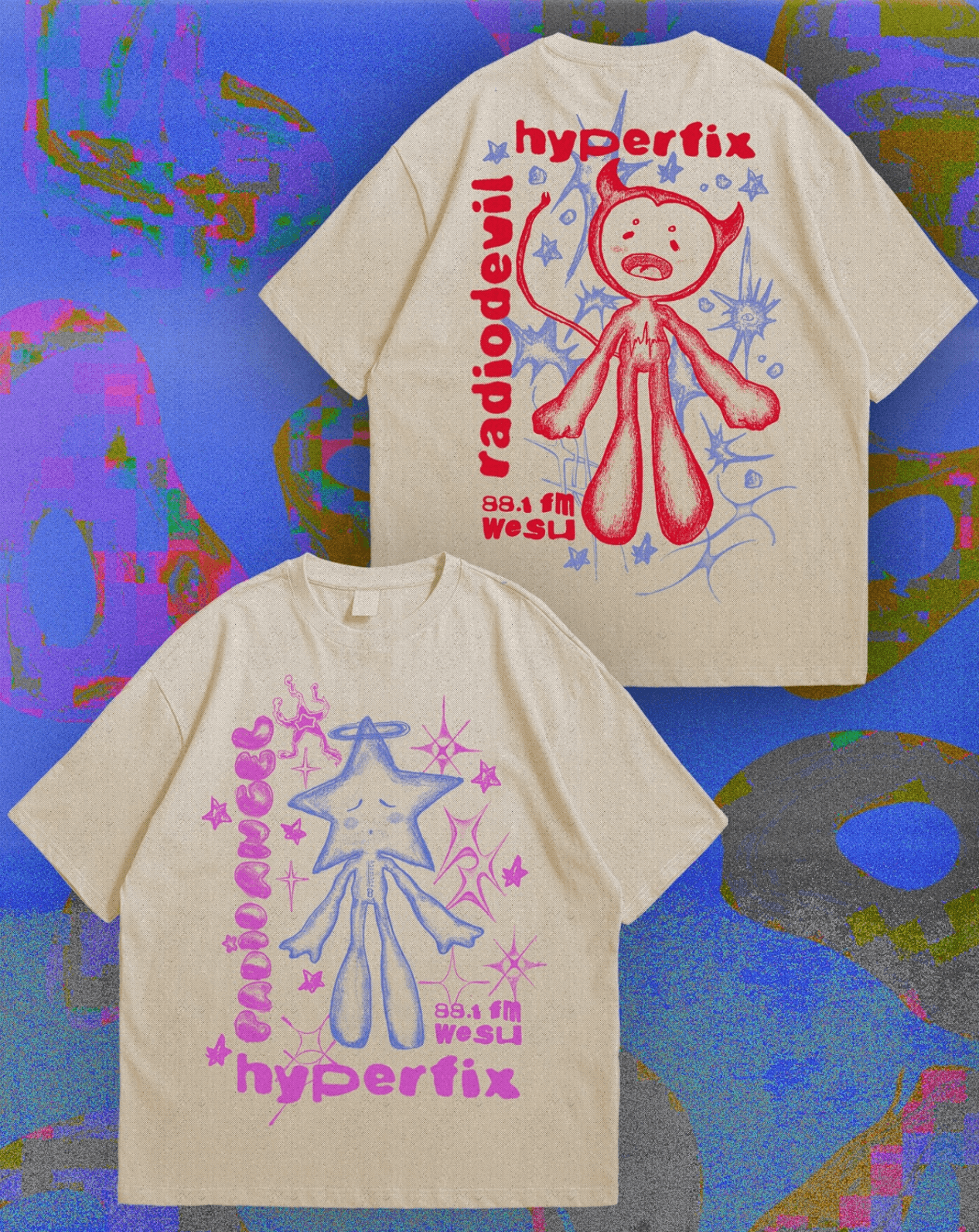
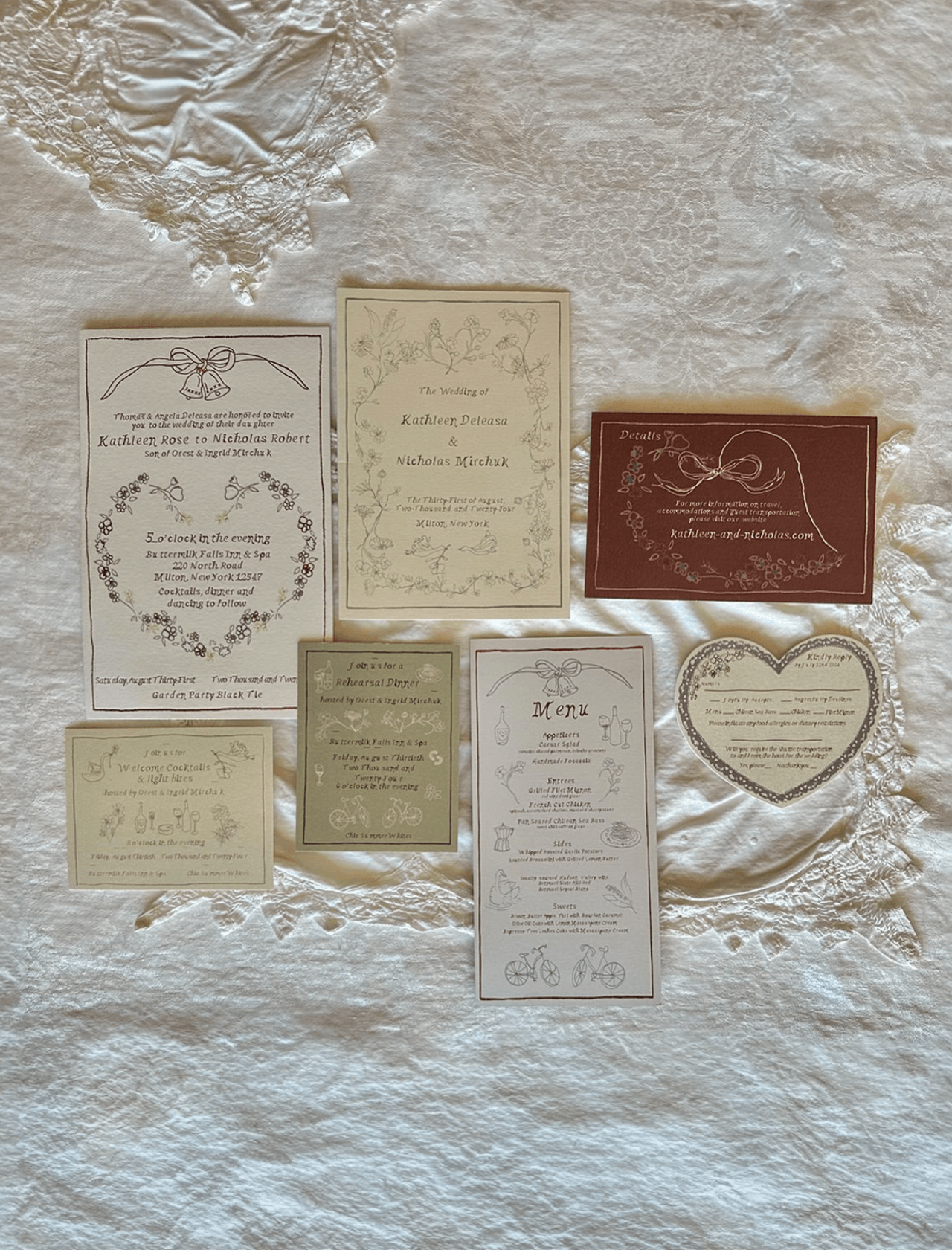
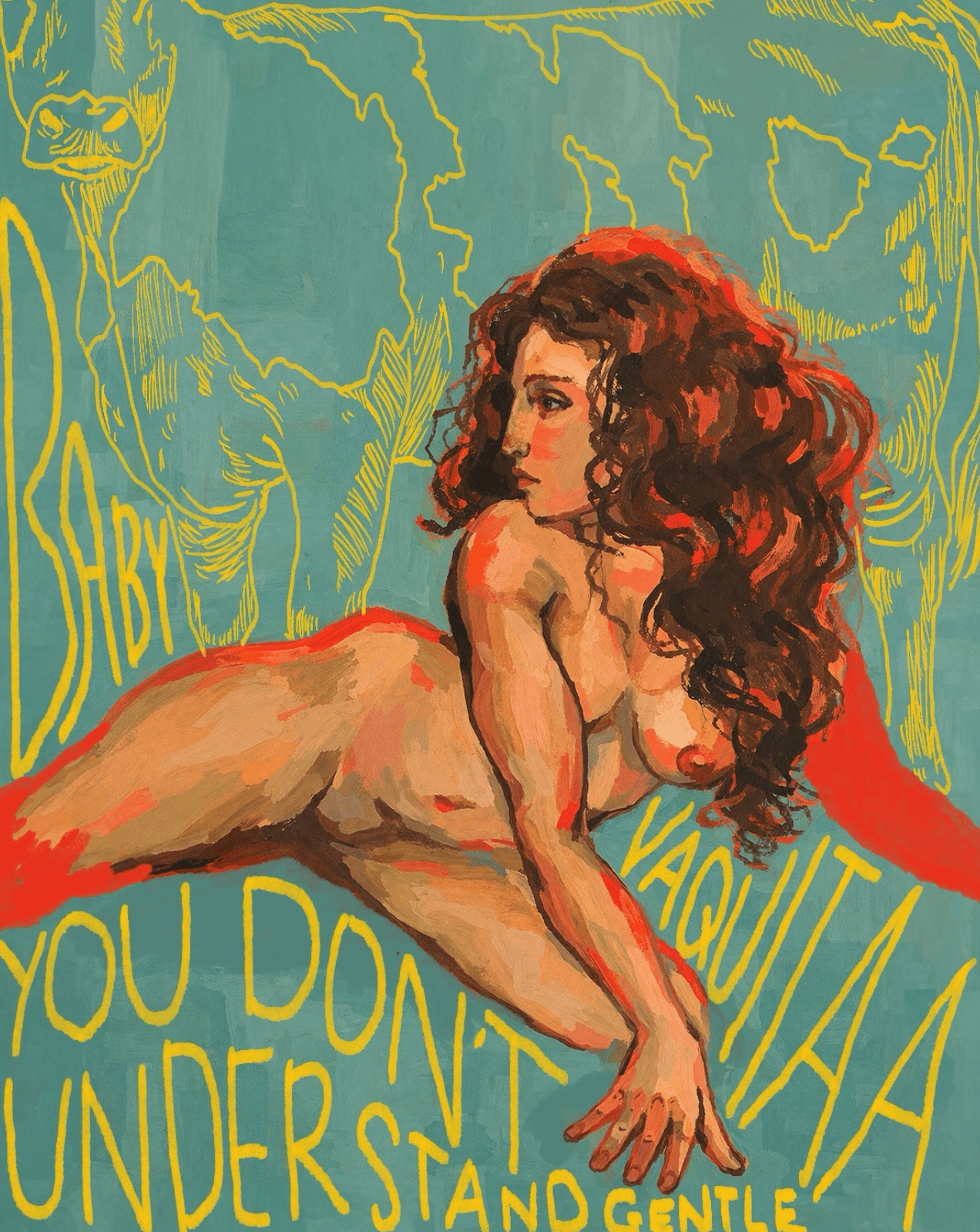
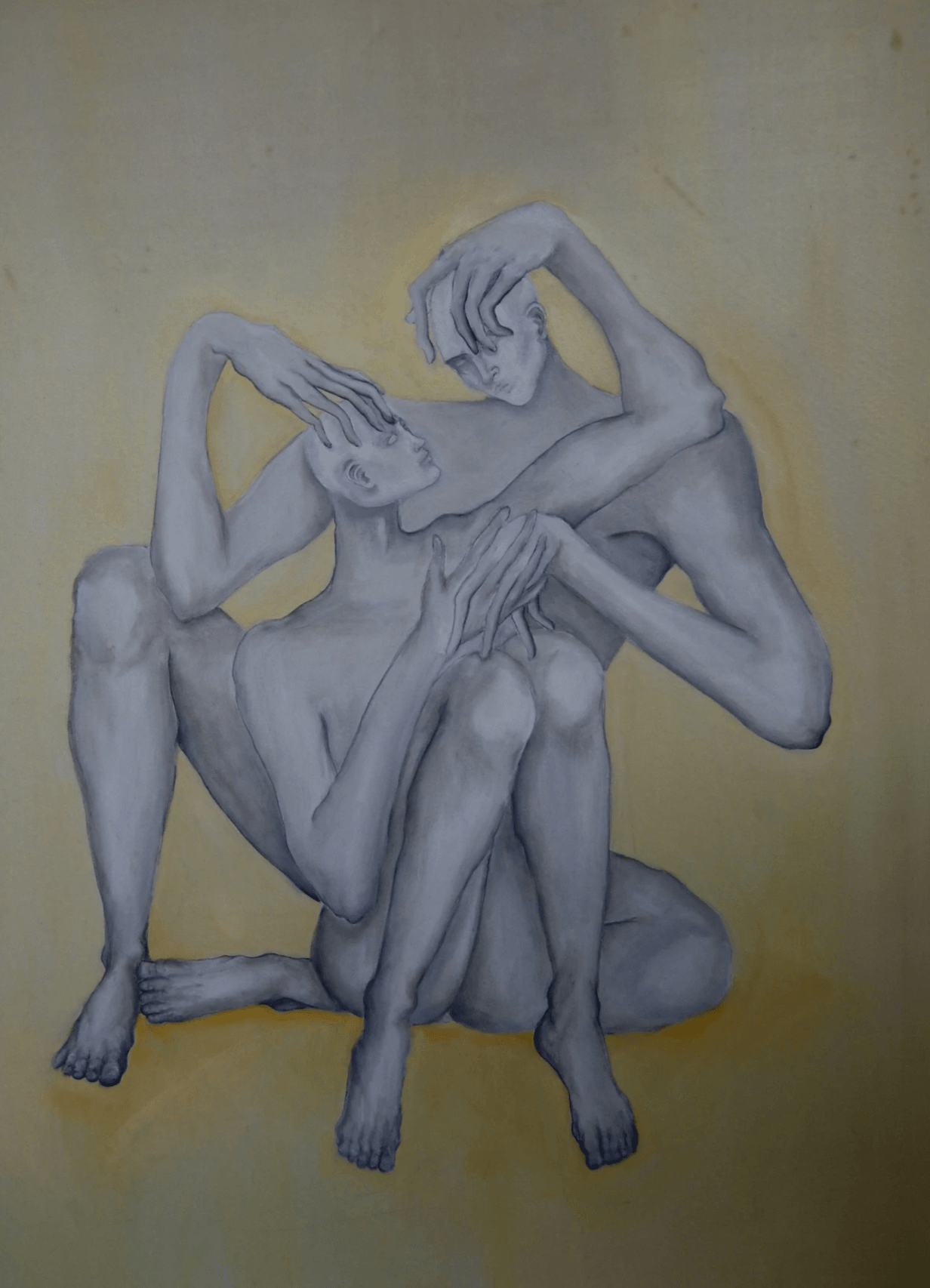
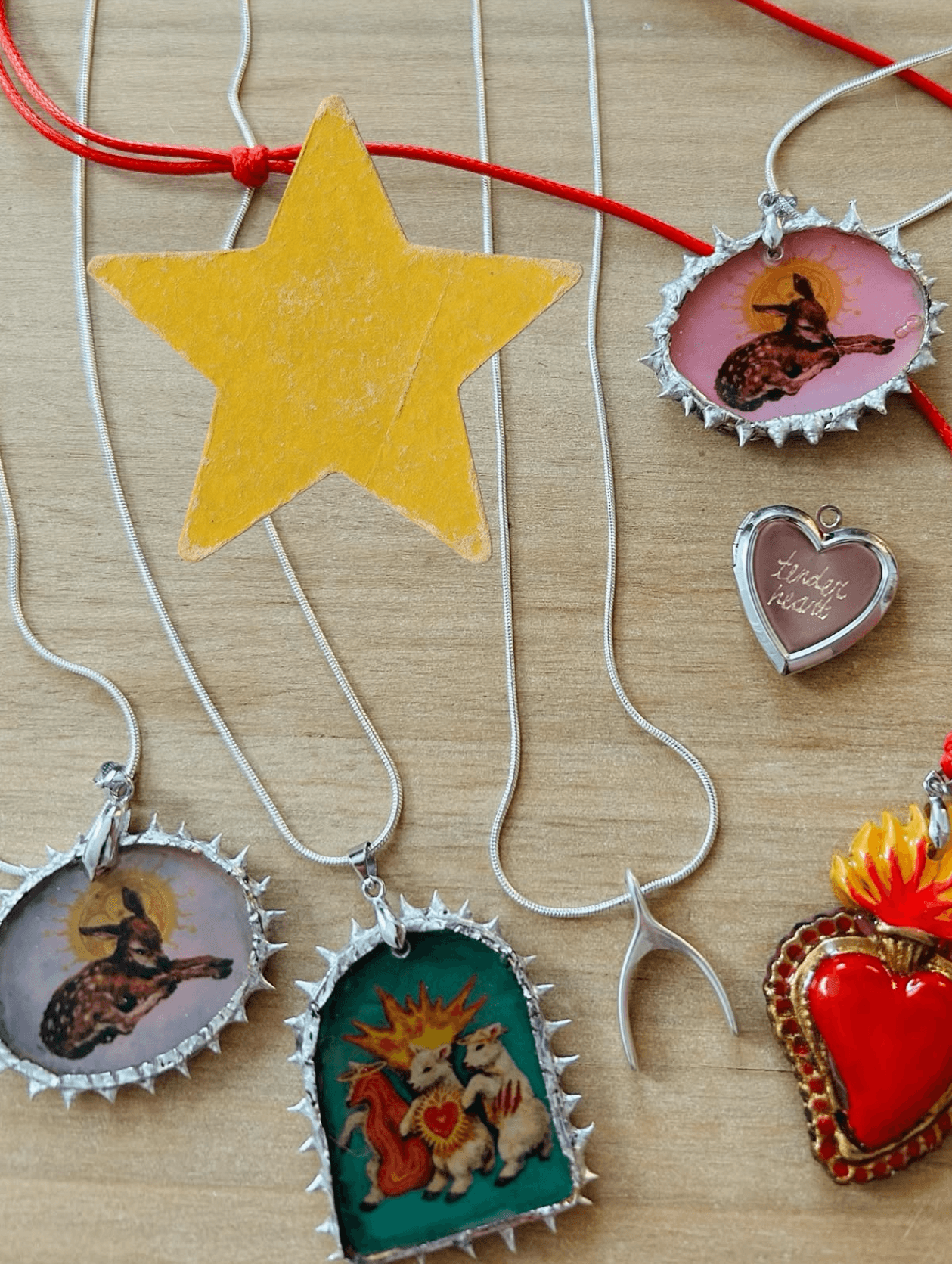
I started taking small art and flyer commissions in high school, and over time that grew into my multimedia studio, 36th Street Illustration, named after the street I grew up on in Union City. Through it, I create hand-drawn show and event flyers, album art, merch, product labels, jewelry, portraits, wedding and baby shower invitations, soundtrack music, sound design, films, and art direction. I’ve written music for film soundtracks, including my sister Jessica Jara-Williams’ film PUPA. I’ve custom-painted instruments, designed visual worlds for musicians, hand-soldered metal jewelry, and even remodeled bathrooms and kitchens. I’ve always sung and played guitar, and I’m now working on my first original EP.
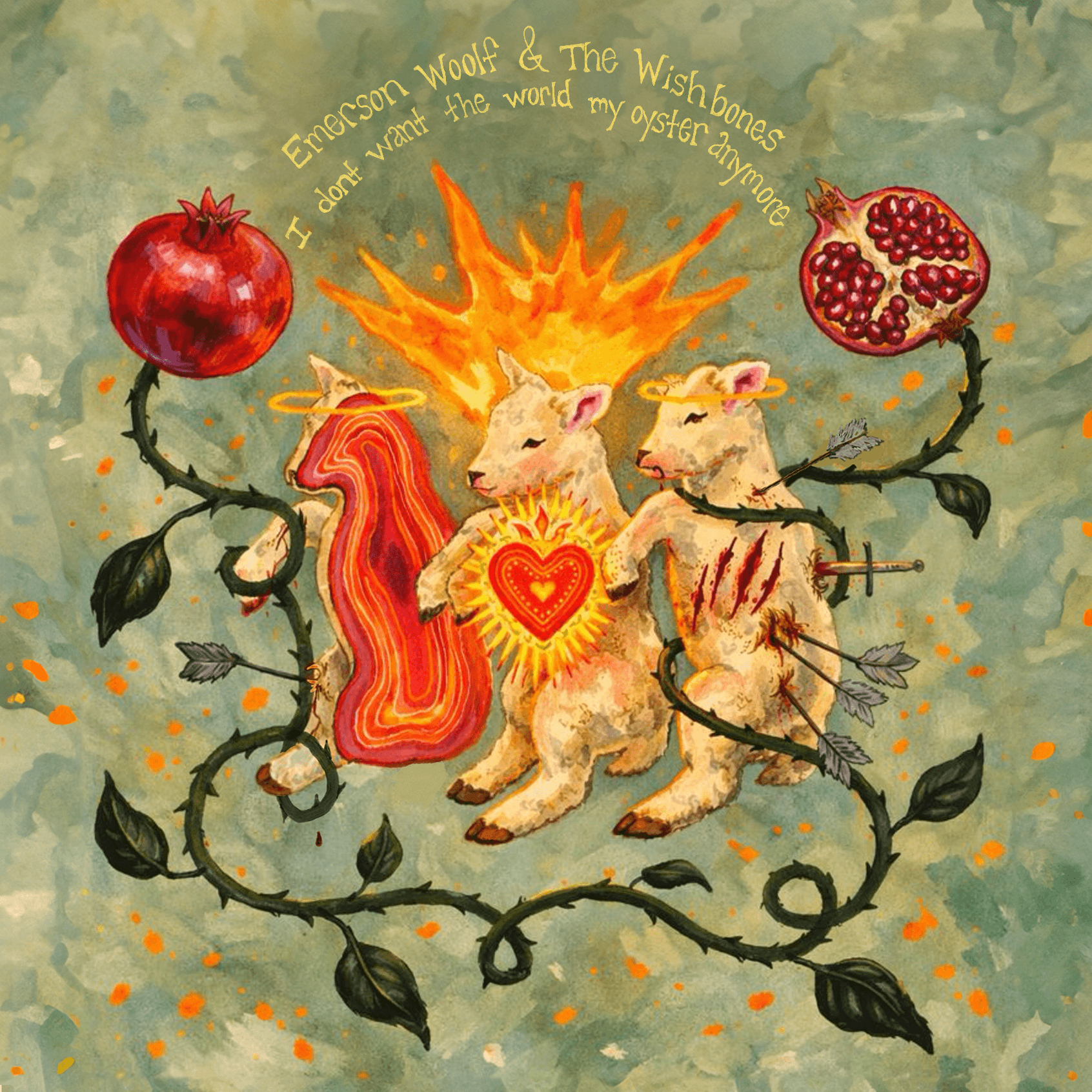
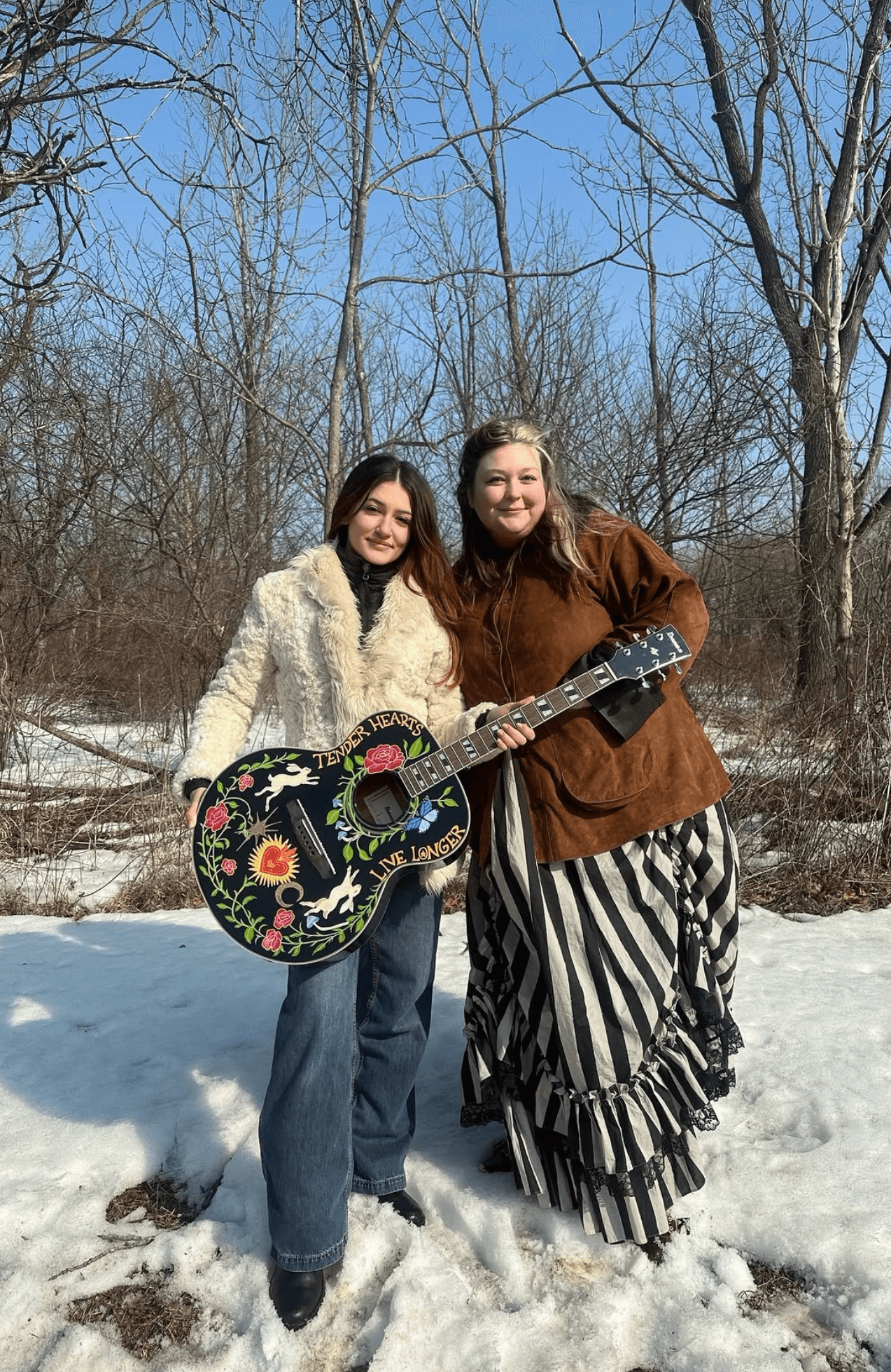
One of the projects I’m proudest of was for my dear friend Emerson Woolf, of Emerson Woolf & The Wishbones, as she prepared for her first tour. I created a full visual world for her and the band: hand-drawn tour posters, album and single artwork, merch designs, a line of custom metalsmithed jewelry, and painted pieces for her guitar and drum head. It was incredibly meaningful to be trusted with translating her music into images and objects. She gave me the freedom to follow my instincts, and through that process we found a really intimate creative language together. Together we explored womanhood, loss, rage, tenderness, and becoming; themes that already live very close to the center of my own work. It felt less like branding from the outside and more like listening closely enough to give the music another body.
That is what I want potential clients and collaborators to understand about me: I am intentional, meticulous, and emotionally invested. I don’t treat design as decoration. Whether I’m making wedding invitations, album art, a flyer, a label, a film, a song, or a piece of jewelry, I want the work to evoke something real. I want it to carry feeling, memory, tension, tenderness, and meaning. I recently designed a wedding invitation suite and wove in tiny drawings of foods, places, and symbols that told the story of the couple’s relationship. Those details are where the soul of a project lives. I love getting to know the people I collaborate with because the work becomes stronger when it is rooted in who they are.
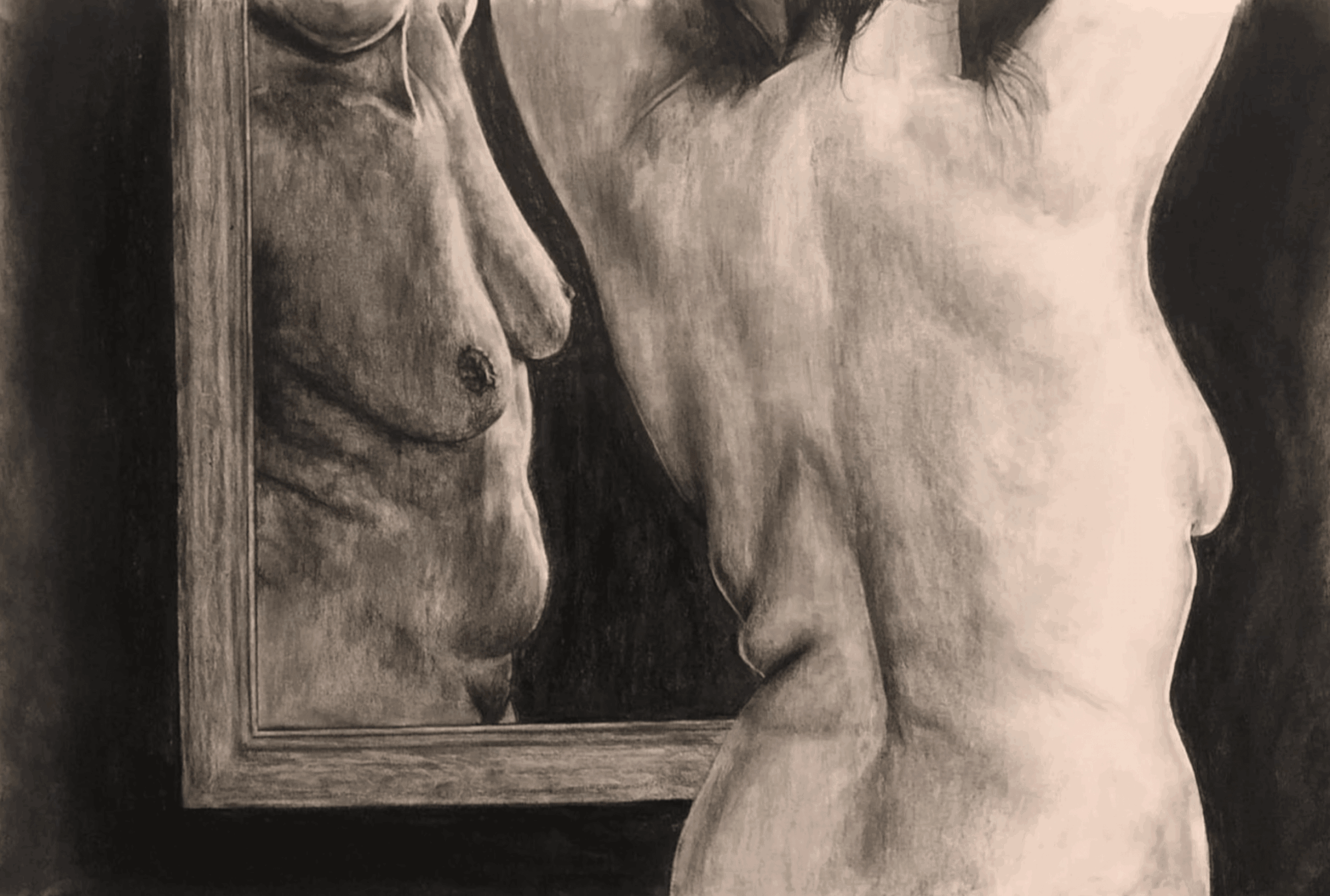
For a long time, I felt insecure about how many styles and mediums I moved between. Now I see that range as one of my strengths. I’ve made minimal, elegant wedding suites; heavy metal-inspired band logos; soft baby shower invitations; powerful vintage labels for a Palestinian olive oil brand; folk-inspired album art; delicate jewelry; and intimate portraits. I can shift my visual language for different people and purposes, but the work still carries my sensibility: attention to detail, emotional intensity, sensitivity, rage, gentleness, and a desire to make people feel something meaningful.
My art often returns to nature, the body, animals, memory, vibrant color, small symbolic details, and nostalgia. Everything begins in my sketchbook first. That is where the work feels most honest. I love before it becomes polished, before it becomes a product, when it is still just an attempt to understand a person, a song, a feeling, or a world and then getting to make it visible.
Can you share a story from your journey that illustrates your resilience?
When I was in high school I was sexually assaulted. I lost my friend group over it and became mute in school. Most of my time was spent in the art room. The whole experience lead me to question my worth, my abilities, my femininity. I laid in suffering and shame for a long time before I decided to change on impulse. I had long hair for most of my life and at the time it was below my waist. My hair was a security blanket and felt like a mask of performative womanhood that I no longer wanted to identify with. One day I shaved my head completely bald with my dad’s beard trimmers and forced myself to become a version of me without the need for long, flowy, feminine hair. It was an act of reclaiming control over my body and appearance. I dove into my art and music and painted huge oil pieces that I think are some of my best work. As my hair grew back so did a new sense of self, with or without hair. It may seem trivial as its just hair, but it carried intense meaning. I found more of my artistic voice at a summer program with Cooper Union, forced myself to read poetry to audiences, put my vulnerable art in a few small galleries, made friends who were also artists and some of the most inspiring women I know. None of the healing was linear, triggers still exist but I feel marked by my resilience and closer to myself as a woman and an artist. Through this I learned the value of my voice.
What can society do to ensure an environment that’s helpful to artists and creatives?
Artists and creatives are one of the backbones of society, even when society tries to treat them as decoration. Art is not an accessory to the world; it is one of the ways the world understands itself. It gives feeling a body and grief a language. It makes injustice visible before people are ready to name it.
Of course we know to support artists and creatives we must actually support artists. Meaning buy art, uplift art, boost your artist friends, invest in handmade things, go to your local live show, and refuse to treat creativity as something people should endlessly offer for free. I think we generally know this. I think though to support a thriving creative ecosystem we need to be conscious of who exists in that ecosystem and what we perpetuate through our support. A thriving creative ecosystem requires more than consumption. It requires discernment. It asks us to be conscious of who we platform, who we protect, who we excuse, and what kind of world our attention is helping to build.
Do not separate the art from the conditions that made it. Don’t go see a show if the lead singer is an abuser. Or, don’t buy a Zara knockoff of a stolen artist’s design. Or don’t use Ai in any involvement of art ever. Hold people accountable, especially men even if they make really catchy songs, or do cool tattoos, or make visually interesting films. Hold people accountable, especially when they are talented, charismatic, beautiful, popular, or useful to a scene. A catchy song does not absolve cruelty. A good tattoo does not erase harm. A visually stunning film does not make exploitation more interesting.
All art is political because all art reveals what we believe is worth looking at. The most valuable art is not always the most expensive, the most marketable, or the most easily consumed. It is the art that risks meaning something and takes a stand. The art that refuses numbness. Truly good music and art is meaningful and engages with difficult topics, feelings, or issues. A thriving creative ecosystem doesn’t isolate itself from the world’s suffering. I’ve seen too much of that, just hedonistic boys clubs disguised as music and art. A thriving creative ecosystem needs people and a place to thrive, so get involved where you can to make the world a better place. Music, film, design, painting, performance can be the doorway into empathy, memory, rage, tenderness, and change.
Invest in learning, in children. Young people are the future of art because we still know that another world should be possible. But they need access, encouragement, tools, rooms, stages, teachers, and communities that do not belong only to cosplay counterculture rich kids, or gatekeepers.
There is a kind of hedonistic art that asks nothing from us. It gives into capitalism’s favorite fantasy which is that everything exists to be consumed, enjoyed, copied, branded, and discarded. It tells us to shut the world out because the world is too painful. But art at its best does the opposite. It brings the world closer and asks us to stay awake.
A thriving creative ecosystem has to be built on care, accountability, accessibility, and courage. It has to make room for the people who have historically been pushed out. It has to teach young people that their voice matters before the world teaches them to make themselves smaller.
To support art is not only to buy things. It is to invest in the kind of world where meaningful things can still be made.
Contact Info:
- Website: https://www.36thstreetillustration.com/
- Instagram: 36thstreet_