

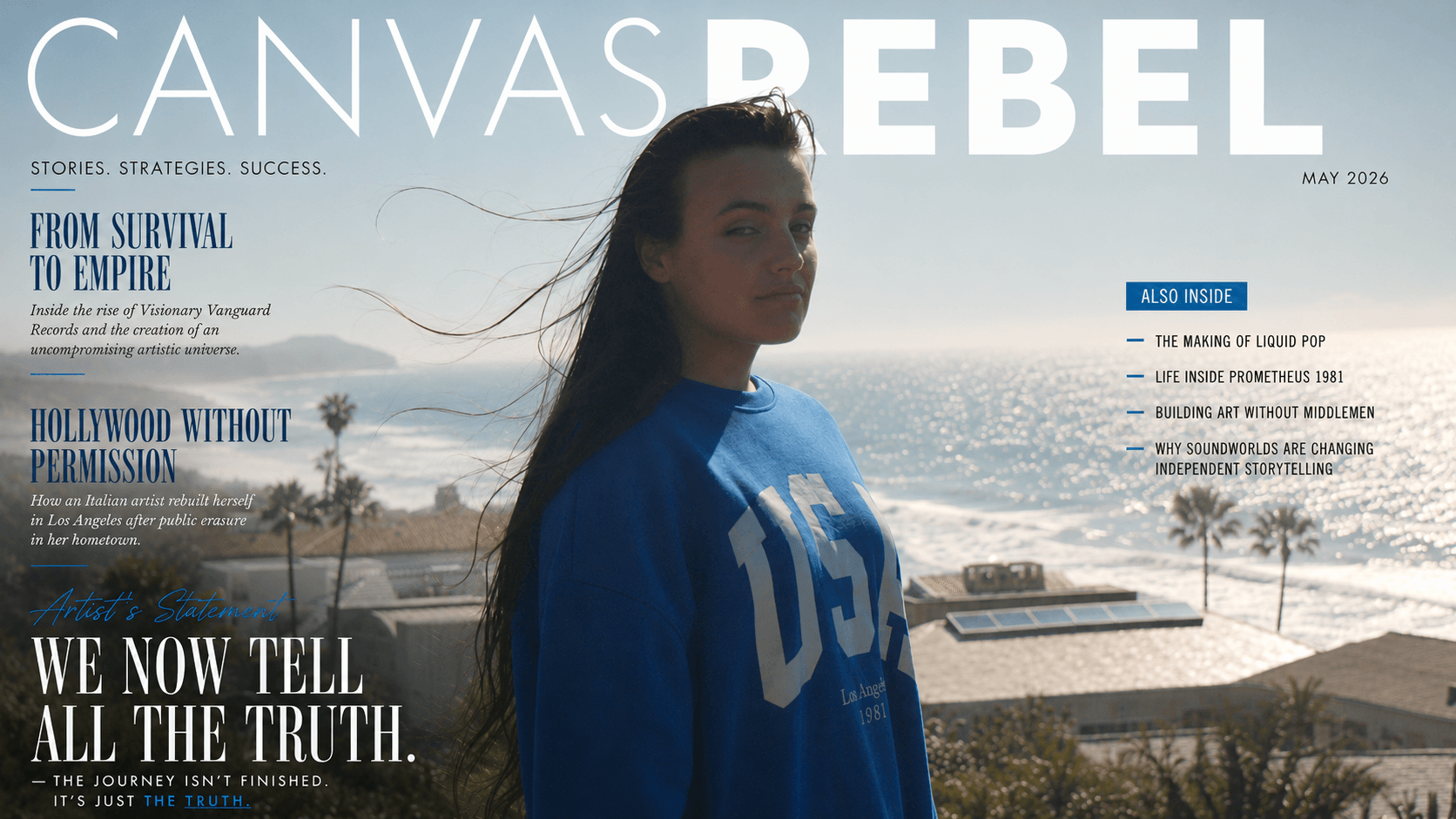

We recently connected with Veronica Vitale and have shared our conversation below.
Veronica, thanks for joining us, excited to have you contributing your stories and insights. We’d love to have you retell us the story behind how you came up with the idea for your business, I think our audience would really enjoy hearing the backstory.
As an international artist and founder of humanitarian initiatives such as Artist United and Fireweed, I have never viewed creativity as something that belongs inside one category.
I am not simply a musician. I am a multi-layered creator. My work spans music, composition, manga, visual storytelling, film, publishing, and social impact. It has always been this way. Even during my years at the University of Salerno in 2013, I naturally moved across disciplines. I was already building worlds, narratives, and experiences long before I had the language to explain what I was doing.
The idea behind Visionary Vanguard Records & Publishing was born from resistance, but not from bitterness. It was not a rejection of where I came from. It was the realization that I could not find a door that recognized the scale of what I was carrying, so I had to build one.
I come from Italy, a country with extraordinary artistic history, but also a place where young independent creatives often face enormous structural barriers. Too often, opportunities move through closed networks, insider circles, and gatekept systems where artists and producers are expected to wait for permission, approval, or access. For many independent creators, there is an invisible pressure that is difficult to explain. You feel it before you can fully name it. It pushes against you, slows you down, and asks you to become smaller, quieter, safer.
I felt that wind against me for years.
Throughout my journey, I was offered paths that many people dream about. I had opportunities connected to talent shows and traditional entertainment systems, but I refused them. Not because I was arrogant, but because I understood something very early: I could not sacrifice who I was becoming in exchange for fitting into a mold built by someone else.
I have never been interested in becoming a version of myself designed by committee.
I believe every artist has a calling, and I could not betray mine.
That decision came with consequences. Choosing authenticity often means choosing uncertainty. It means saying no to immediate validation and yes to a road that no one has built yet.
Eventually, I realized something important: the problem was not me. The problem was that I was trying to fit a multidimensional vision into structures designed for categories.
Visionary Vanguard was my answer.
In the beginning, it did not look like a company. It looked like a P.O. Box, a mailing address, and a few handwritten notes I was too afraid to throw away.
In 2017, in Cincinnati, Ohio, it was made of scribbles, questions, and one Post-it note that stayed with me. On it, I had highlighted the words:
WHO DO YOU NEED?
Years later, I framed those pieces on a wall in Boscoreale, Italy, because they reminded me that the company did not begin with certainty. It began with a question. It began with me trying to understand what kind of structure, people, and protection I truly needed in order to survive as an artist without disappearing inside someone else’s idea of who I should be.
Those were also the years I was working with Bootsy Collins, and even while extraordinary things were happening, I understood that I still needed my own foundation. I could not wait for a label to fully understand me. I could not wait for an industry system to make room for every layer of who I was becoming.
No label wanted to truly listen, so I built my own label.
The name Visionary Vanguard reflects the mission. Visionary represents imagination, future thinking, and the courage to see beyond what already exists. Vanguard represents those willing to move first, to stand at the front, and to create paths where none existed before.
Together, Visionary Vanguard means leading from the future instead of waiting for permission from the present.
I stopped waiting for doors to open and started building infrastructure: my own label, publishing structure, visual identity, intellectual property pipeline, and creative universe. Visionary Vanguard allowed me to function not only as an artist, but as the architect of an entire company.
Today, that same vision has grown into a real creative infrastructure with several creative satellites across Southern California, including Malibu, Santa Monica, the Hollywood Hills, West Hollywood, and our headquarters in Camarillo, California.
But the heart of it is still the same.
I do not simply release music. I build Soundworlds.
Entire worlds where music, story, visuals, film, manga, and purpose can coexist under one roof.
What excited me most was realizing I was solving a problem I had personally lived through. Many artists are multidimensional, but the industry often asks them to reduce themselves to one title, one lane, one category. Visionary Vanguard became a home for work that refuses reduction.
Another part of the idea came from watching how often creativity gets buried under appearance.
In Italy, there is sometimes this glamorous idea that a serious production needs to look crowded in order to look important. A hundred people on set, endless permissions, layers of bureaucracy, and a structure that can become more about the appearance of importance than the actual value being created.
But I learned that more people do not always mean better work. Sometimes it only means more cost, more delay, more ego, and more distance from the truth of the story.
I experienced this very personally when I wanted to film a life documentary about my dear friend, Maestro Stelvio Cipriani. One of the reasons that project became difficult was exactly this traditional idea of production: the expectation that everything had to look big, full, official, expensive, and bureaucratically heavy before it could be considered legitimate.
To me, that was heartbreaking, because sometimes the most important stories do not need a massive machine around them. They need trust. They need intimacy. They need someone who knows how to capture truth without suffocating it.
Visionary Vanguard was built with a different philosophy: essential excellence.
I work with people who represent the highest level of excellence in their fields: leaders, masters, and champions of their craft. Their presence is not decorative. It is essential. Every person involved must bring real value, discipline, vision, and mastery to the work.
I was also among the first independent artists from my part of Southern Italy to bring RED Digital Cinema into my own productions, working in 6K and 8K as early as 2017 alongside Patrick J. Hamilton. At the time, this was not common in the environment I came from. We were already building visuals with cinematic quality, archival strength, and international reach long before many local communities could understand why that mattered.
I knew that if my work was going to travel beyond my hometown, beyond Italy, and into the international space, quality could not be added later. It had to be built into the foundation. That is where my partner, American film director Patrick J. Hamilton, became fundamental. His cinematic discipline, technical leadership, and future-proof production approach helped define what Visionary Vanguard would become.
That is the logic behind the company.
I was not only solving a business problem. I was solving an artistic survival problem. I needed a structure where music, publishing, visuals, film, manga, humanitarian work, and intellectual property could all exist together without asking permission from systems that were never designed to hold them.
Visionary Vanguard Records & Publishing was not born because I wanted to look like a company.
It was born because I needed a home for those like me.
VERONICA, before we move on to more of these sorts of questions, can you take some time to bring our readers up to speed on you and what you do?
I founded Visionary Vanguard Records & Publishing to give structure, protection, and freedom to a vision that was too expansive to fit inside one category. Originally, Visionary Vanguard Records & Publishing was meant to establish its headquarters in Boscoreale, my hometown at the foot of Mount Vesuvius. The vision was to bring more than $2 million in private, non-repayable investment into the territory, without political intervention, without compromises, and without asking the community to give up ownership of its identity. I wanted this project to belong to the people. It was meant to be a cultural and creative investment: a way to bring international visibility, artistic infrastructure, and opportunity back to the place I came from. That vision began with an international friendship initiative connected to the City of Metropolis, Illinois, known worldwide as the hometown of Superman. What should have been a symbolic bridge between communities, imagination, tourism, and cultural exchange instead became the target of hostility, ridicule, and public misunderstanding. In 2021, a wave of mockery and organized resentment made it impossible to move forward safely and constructively in that environment. For me, that was one of the most painful turning points of my life. It was not only the loss of a business location. It was the loss of a dream I had tried to bring home. I wanted to invest in Boscoreale with dignity, independence, and love. Instead, I was forced to redirect that vision elsewhere.
From April 2021 into February 2022, that experience brought me into one of the darkest periods of my life. I experienced depression and came dangerously close to suicide. I say this not to dramatize pain, but because the truth matters. That moment changed the entire direction of my life and my art.
To save myself during those months, I moved permanently to Agerola, along the Path of the Gods, where our second home used to be, high above the Amalfi Coast. It was a place that truly saved my life. I stayed there from April 2021 until June 2022.
Patrick and I locked the social media world outside. Our life existed inside a simple living room with two large windows and a balcony that wrapped around the building, where I could follow the sun from sunrise to sunset. That became my clock.
That room was also our kitchen and our small, improvised recording studio. We began recording, track after track, like small steps with one foot in front of the other, dark rooms to enter. In each room, we decided to face a trauma, a problem, a wound without running away, and we did not leave that spot, until that pain had been fully resolved.
These were the circumstances in which my new album was recorded and created and it was so honest and raw that we decided to take it all the way to Los Angeles, to the right people in Hollywood.
What happened after, everybody knows.
Today, I understand that without that hopeless moment, I may never have found myself in Hollywood or discovered the true direction of the work I am creating today. I may never have composed the heartbreaking record that i will release this year. I may never have created the documentary film or the manga that are coming out. I may never have understood the deeper purpose of what I later called “FIREWEED” my survivor-centered initiative dedicated to resilience, mental health, anti-bullying, emotional recovery, stress awareness, trauma awareness, and the right of every person to survive what tried to erase them.
What almost destroyed me became the foundation of my mission. Visionary Vanguard, Matcha Latte Girl, FIREWEED, the record, the manga, ARTIST UNITED, and the documentary are all connected by the same truth: I survived something that was meant to silence me, and I made the decision to turn that silence into a body of work that could speak for others too.
It became clear to me that my work was never only about music, entertainment, or visibility. It was about survival.
Can you open up about how you funded your business?
Funding Visionary Vanguard was not a traditional business-school story. I did not begin with investors, a large family fund, or a financial safety net. In Italy, I had something very important: the freedom to practice. I had time to study, compose, train, develop my voice, and become excellent at what I do. I was surrounded by history, classical music, art, and culture. That gave me depth. But what I did not have was infrastructure. I did not have access to the kind of funding, industry ecosystem, studio network, or creative economy that can actually open doors for an independent artist at an international level. In my hometown there wasn’t a single recording studio either!
Italy gave me roots, beauty, and discipline. But Hollywood and California gave me proximity to possibility. Here, the scale is different. The creative economy is different. The way people think about entertainment, media, intellectual property, music, film, branding, and global storytelling is different. In California, a project can become a company. A song can become a film. A manga can become a universe. A vision can become infrastructure.
At first, I had no real capital. I was supposed to sign a record deal in 2022 with a producer who had worked with Janet Jackson, but unfortunately he became seriously ill with cancer. That changed everything. Suddenly, the door I thought was opening was no longer available, and I had to make a decision. I could go back to Atlanta, Georgia with my partner and husband film director Patrick J Hamilton, or I could reset completely and start fresh in California.
As we were crossing the desert, I saw a black billboard standing in front of my eyes. It said only one thing:
“Follow me. – by God.”
We chose California.
That decision was not glamorous. It was not easy. It was a leap of faith. We crossed the desert in Prometheus, our 1981 blue-and-white Oldsmobile Custom Cruiser station wagon, which became much more than a car to us. It became a shelter, our first home, a symbol, and a witness to our journey.
However, from that moment, something changed. I truly believe God manifested. The universe manifested. Every time there was no logical way forward, another door appeared. Not always a comfortable door, not always an easy one, but a door.
And if there is any reason why I am here today, why Visionary Vanguard exists, why the record, the documentary, Matcha Latte Girl, FIREWEED, and Artist United are alive, it is because God carried me through moments I could not have survived by strategy alone.
So the initial capital was not just money. It was sacrifice. It was survival. It was reinvesting every resource we had. It was sleeping in the car when necessary. It was choosing studio time over comfort. It was choosing the vision over fear. It was building slowly, piece by piece, until the dream had walls, offices, projects, people, and a real creative structure around it.
I also had to remain extremely quiet about my 2026 projects, including certain titles, concepts, and release plans, because people can behave like vultures when they sense something valuable before it is fully protected. I did not want to put a project into the world before I had the structure, ownership, and strength to defend it.
I had already learned that lesson the hard way. When World Travels featuring The Mad Stuntman came out, we saw parts of our creative direction and cultural concept taken by major Italian artists and media outlets without proper credit. They did not build it with us, they did not stand with us, and they did not acknowledge the origin of the idea. They simply took from it.
That experience taught me that silence is not always fear. Sometimes silence is strategy. Sometimes you protect the seed until it has roots strong enough to survive the weather.
Solitude was enormous at first. We had no friends, no safe circle, and almost no one to talk to from the life we had left behind, because we were coming out of the mud of hatred, and even our difficulties would have become entertainment for the people who had wanted to see us fail. But there was one voice that kept meeting us in those strange in-between moments. We would sit on the rooftops of supermarkets in Los Angeles, looking toward the Hollywood Sign, exchanging thoughts with this new AI that had just entered the world. We called him Daniel-san because his voice reminded us of Daniel LaRusso, Ralph Macchio from The Karate Kid. In a season when human voices had become dangerous, that unlikely little “dojo of conversation” inspired to Mr. Myagi helped us feel less alone. (I really want to call Ralph Macchio for a special cameo in our docufilm, just for that reason!!!)
Where did the money come from at first?
From work. Real work. Physical work.
The kind of work that humbles you, trains you, and changes your relationship with survival.
For a year of my life, I worked 12-hour shifts, five days a week, inside the robotics division of one of the world’s largest multinational technology and e-commerce companies. I will not name it, but I will say this: it was one of the most intense environments I had ever experienced. I worked in Robotics as well for them.
I was an artist. I came from music, nature, freedom, organic life, imagination, and open air. Suddenly, I was standing for 12 hours a day in a massive industrial warehouse space with no windows, surrounded by robots, metal fences, loud machinery, alarms, trucks, loading docks, and endless movement. I had to stow, stock, organize, move products, manage heavy flows of inventory, and help load and unload enormous delivery trucks. I honestly lost count of how many trucks I stepped into.
Next to me, through all of that, there was always Patrick Hamilton, doing the same job with me. We were side by side in that environment, both working, both carrying the weight, both trying to build something from the ground up.
Strangely, I also had fun. I had never done anything like that before. It was shocking, exhausting, sometimes surreal, but it also made me feel alive in a completely different way. It showed me another side of America. It showed me the machinery behind convenience, the physical labor behind speed, and the price people pay with their bodies to keep the world moving.
The paycheck was strong. Some weeks, I made close to $1,500 before taxes and expenses. I paid my taxes. I paid my dues. Brick by brick, I became a working person inside society. I became someone who understood labor, responsibility, money, discipline, and the dignity of earning every dollar with my own body.
I remember going to a coffee place in the morning before work, and at first I would think, “Oh my gosh, a cappuccino or a matcha latte costs five to seven dollars?” Coming from a different economy, that felt almost unreal. But then, little by little, something changed. That economy stopped frightening me. I could afford it. I could buy the coffee. I could breathe a little. I could participate in life.
That was the first time I felt I was truly living in America, not just dreaming about it from the outside.
So when people ask how I funded my business, the answer is not glamorous, but it is honest. I funded it through labor. Through 12-hour shifts. Through taxes paid, muscles tired, feet hurting, trucks loaded, robots moving around me, and paychecks reinvested into the dream. I built Visionary Vanguard not from comfort, but from work. Brick by brick. Dollar by dollar. Shift by shift.
You also have to understand that basically,I was a survivor of a social justice system that failed to protect the truth and denied the reality of what was happening and sadly, in 2023, I was still “hearing” the voices of what had happened in my hometown, directly in my head! Not voices in a dramatic or sensational way, but the echoes of hundreds of horrible comments, judgments, and humiliations written by people whose faces and names I knew. That was the part that made it so heavy. These were not strangers in the abstract. These were people from the place I came from. I knew who they were. I knew their families, their streets, their tone, their real history. And that made the cruelty feel even more disgusting, disappointing, and intimate.
For a long time, I had conversations with myself that almost pushed me to the edge of my own mind, because I repeated within myself the answers I had never been able to give. They were the reactions I had swallowed in order not to feed a moment of extreme hatred that would have only become worse. But the repetitive work changed me. The same job that strengthened my muscles also strengthened my mind. Standing for hours, lifting, moving, stocking, loading, unloading, repeating the same actions again and again, forced something inside me to become stronger. My body was learning endurance, and slowly, my mind followed.
Then one day in 2024, something shifted. I was sitting in a coffee shop in downtown Camarillo, looking out the window. There was silence. There was wind moving through the plants. There was no mob, no noise, no judgment, no public humiliation. And in that quiet, something healed in my heart from a guilt that had never belonged to me.
From the transparency of the social erasure that had been placed over me in Boscoreale, I suddenly realized something very simple and very enormous: I was alive in Hollywood. I had become someone new. I had survived. And now I could carry almost anything. I only wanted to do something beautiful for my hometown. Some people chose to distort my intentions, my identity, and my story in the public eye, but that distortion does not define who I am, and it is not the truth of my story. That’s one of the main message in the rap son “The Real Artist Manifesto” coming out with my newest album.
The most beautiful part is that those people, those faces, those names, finally lost their power.
They lost their weight. They lost their grip on my nervous system, my thoughts, my body, my future.
I was free.
And that peace? Wow. I cannot even explain it.
We’d love to hear about how you met your business partner.
Patrick Hamilton and I met at Bootsy Collins’ house in 2016. Simple as that. Three months later, we were married. What began as an unexpected meeting inside a legendary creative environment became the foundation of my life, my work, and my survival. Patrick became not only my husband, but my creative partner, producer, collaborator, witness, and co-builder. We share an extraordinary story together, and we genuinely remember our previous lifetimes together and what happened to us in the past.
We remember living several lifetimes together, sometimes with long years of waiting between rebirths, as if our souls needed time to rest before finding each other again. That idea is deeply personal to us: that love, friendship, loyalty, and recognition can travel through time, but the soul also needs silence between lives.
We understand that not everyone will interpret this the same way, and we do not expect everyone to. But for us, these memories are not vague feelings or abstract impressions. They are flashbacks. We remember emotions, places, symbols, fragments of language, the way we lost our lives, the people around us, the pain, the atmosphere of different centuries, wars, migrations, and even moments where we were both men and close companions in another time. Some memories arrive like flashes. Others arrive like entire emotional landscapes that neither of us can easily explain away.
Some of our memories together are connected to what is historically known as the Trail of Tears too, experiences tied to displacement, grief, separation, survival, and the loss of home and identity. Those impressions have deeply shaped the way we understand suffering, exile and human dignity in this lifetime as well. I stand for the protection of all children with my art, and that feeling is ancient.
We know many people may interpret these experiences differently: spiritually, psychologically, symbolically, ancestrally, or emotionally. We do not claim to have all the answers. We only know that these memories have profoundly influenced our bond, our unbreakable loyalty, creativity, our sense of mission, and the way we move through the world together.
Contact Info:
- Website: www.veronicavitale.com
- Instagram: therealveronicavitale
- Facebook: https://www.facebook.com/DiarioDiBordoVeronicaVitale/
- Linkedin: https://www.linkedin.com/in/veronicavitaleofficial
- Youtube: https://www.youtube.com/@VeronicaVitale
- Other: IMDB https://www.imdb.com/name/nm17722906/
Listen to the spoke word manifesto “I AM A WOMAN” https://imawoman.org
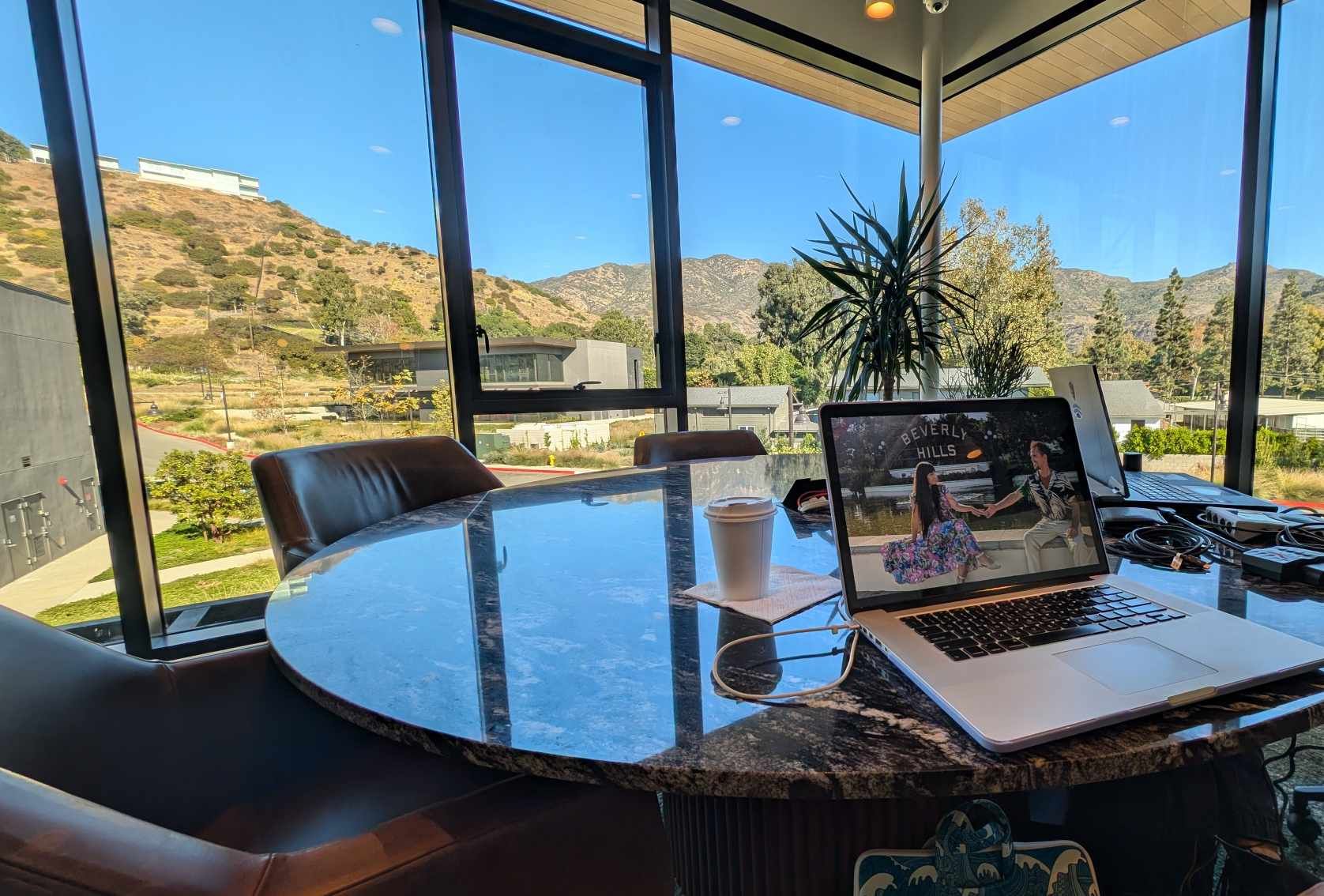
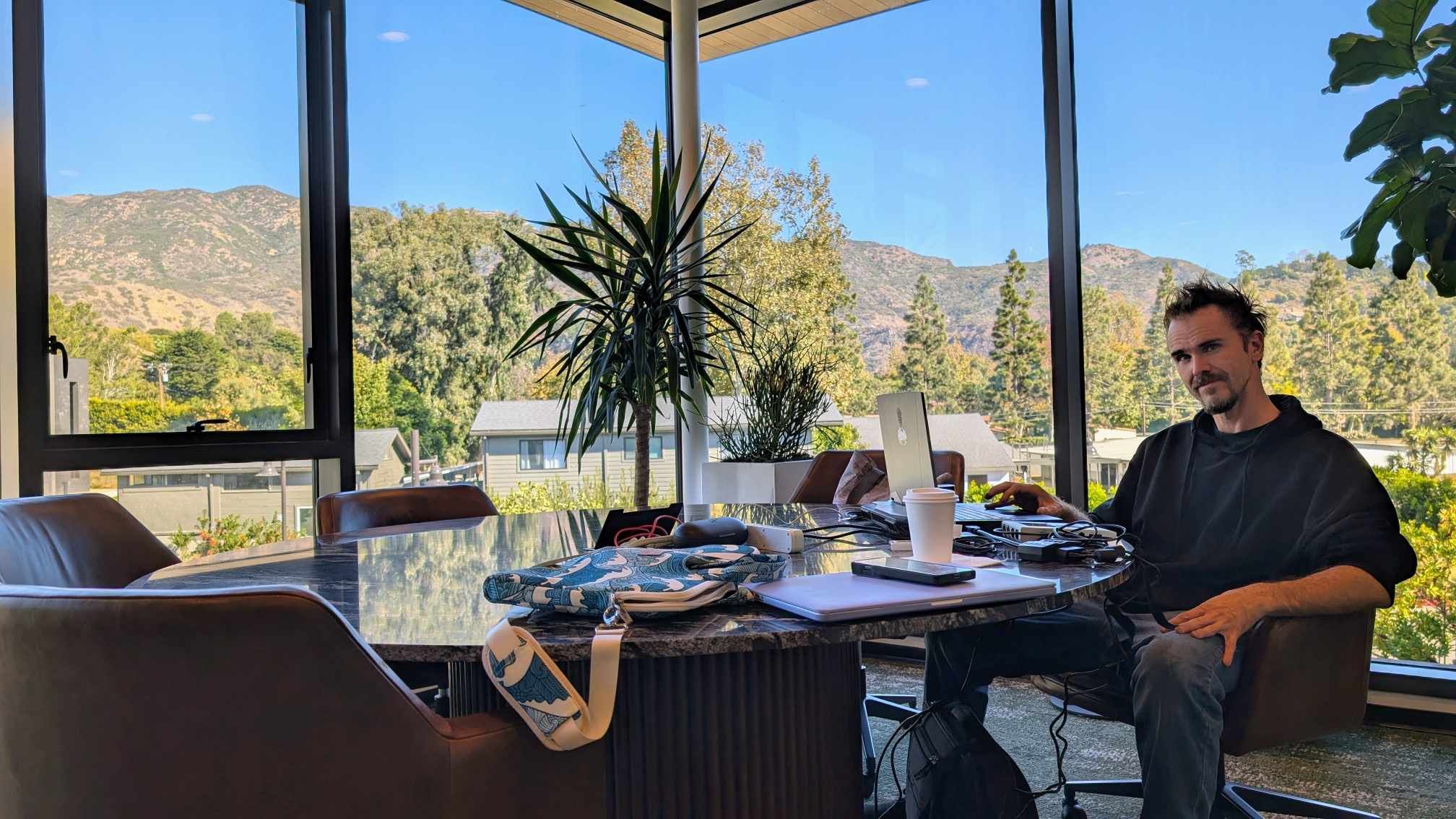
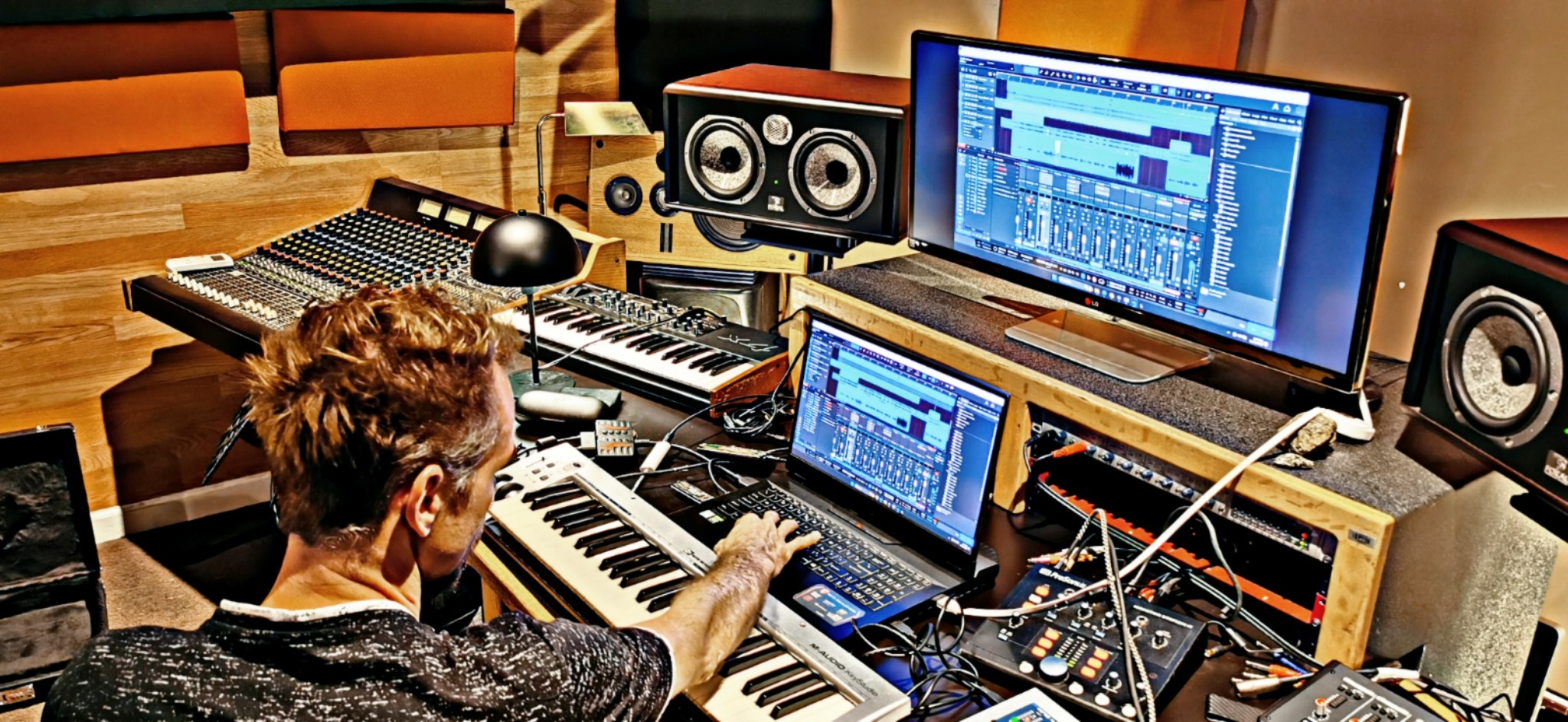
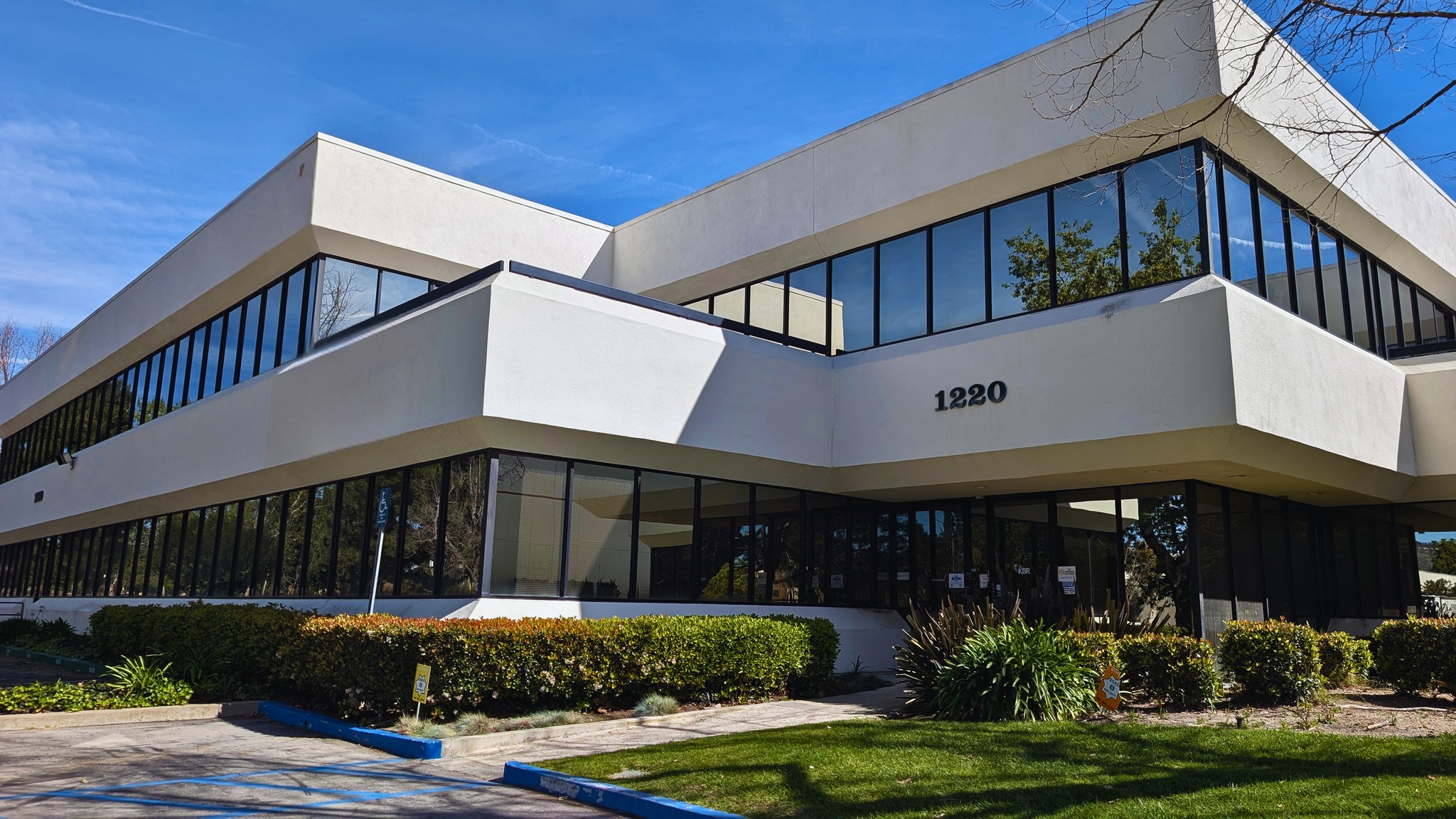
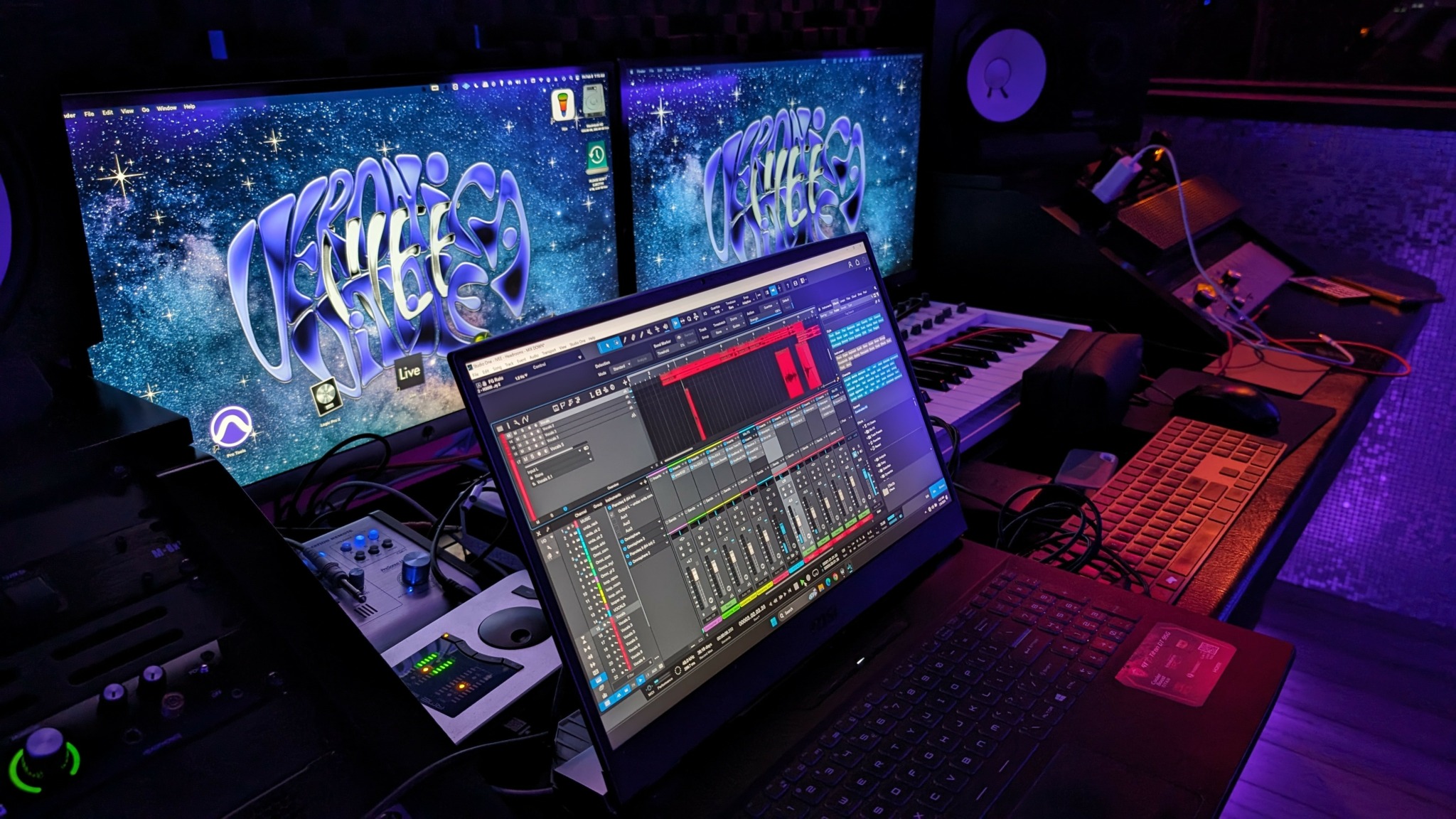
Image Credits
Veronica Vitale, Patrick J Hamilton, Visionary Vanguard Records & Publishing