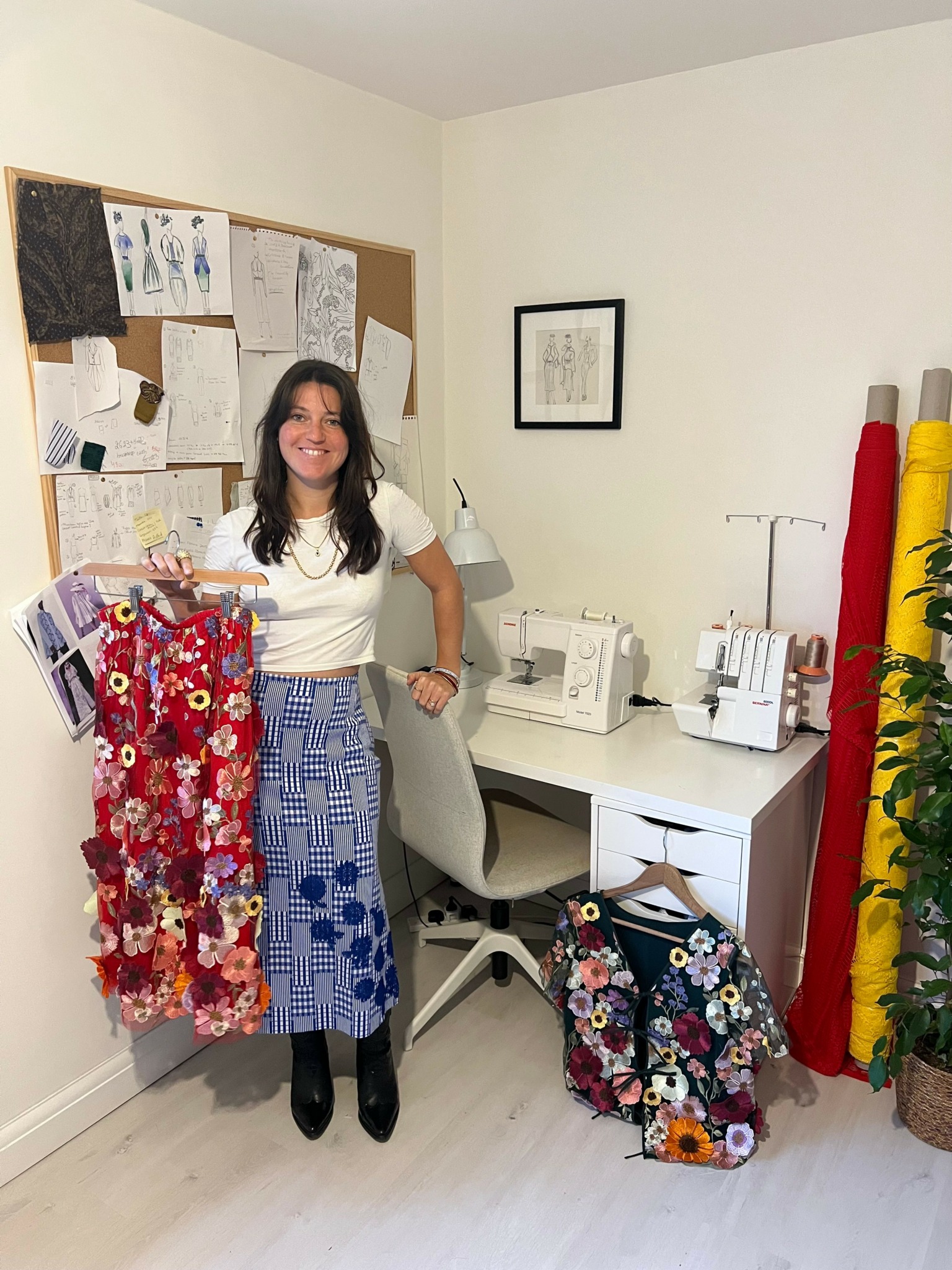

We’re excited to introduce you to the always interesting and insightful Delphine Dubuisson. We hope you’ll enjoy our conversation with Delphine below.
Hi Delphine, thanks for joining us today. How did you come up with the idea for your business?
Before launching my brand, I was working in the fashion industry in London. While I loved the creativity of fashion, I was also witnessing firsthand the darker side of the industry, the enormous environmental impact, the lack of transparency, and how little care was often given to both environmental and social values. Over time, I started feeling increasingly disconnected from the system I was working in. I knew I wanted change, but I hadn’t yet given myself permission to take that leap.
Then the pandemic happened, and in many ways, it became the turning point. Like so many others in fashion, I lost my job as the industry struggled during that period. Looking back, it almost felt like a blessing in disguise because it gave me the push I needed to finally build something of my own, something aligned with my values and the kind of future I wanted to contribute to.
My love for clothing and craftsmanship actually started much earlier, when I was growing up in Belgium. My grandmother introduced me to the art of making clothes at a very young age. She taught me how to sew and create, and that experience stayed with me forever. It gave me a deep appreciation for garments, not just as products, but as pieces made with care, time, and intention.
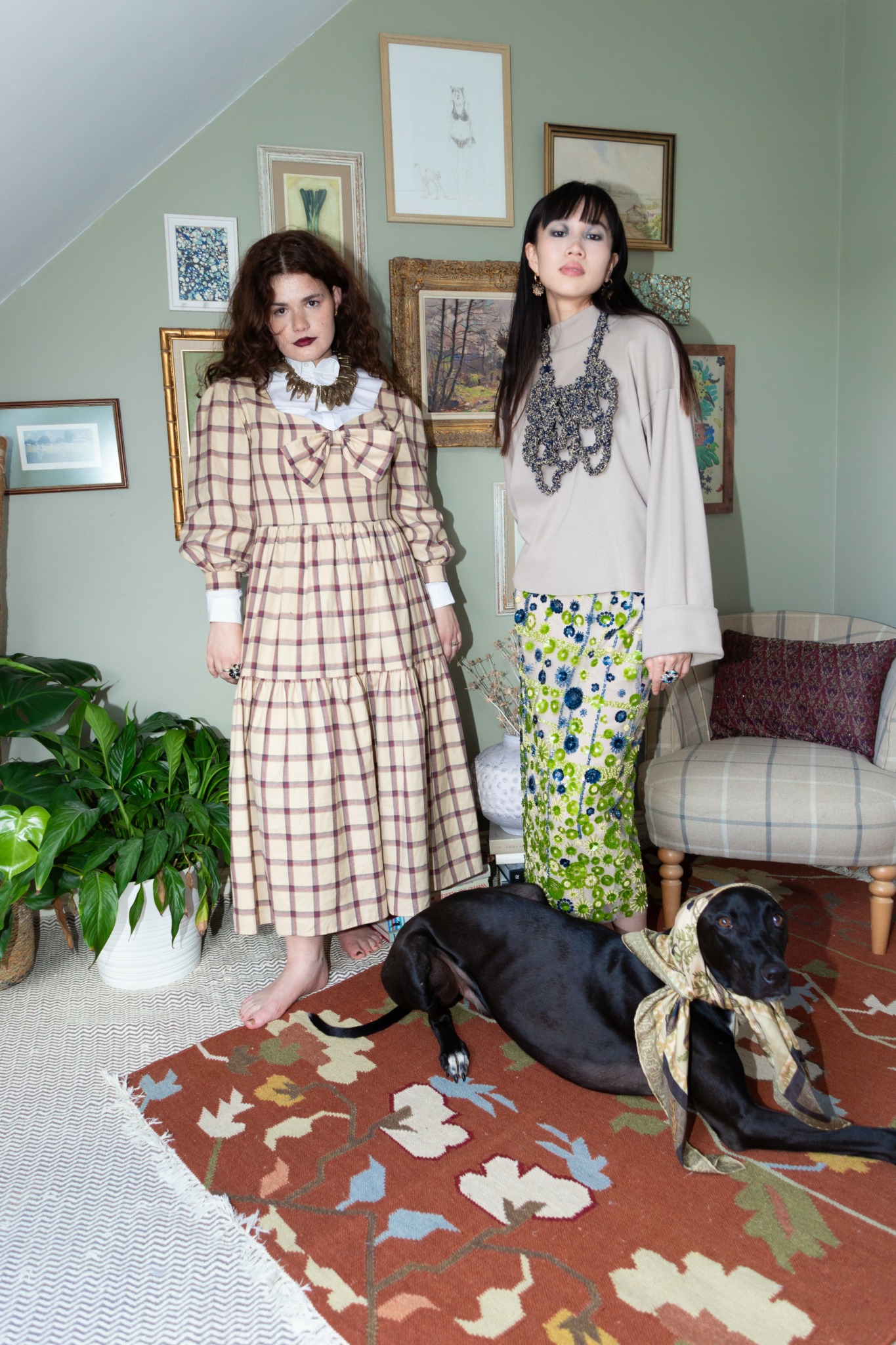
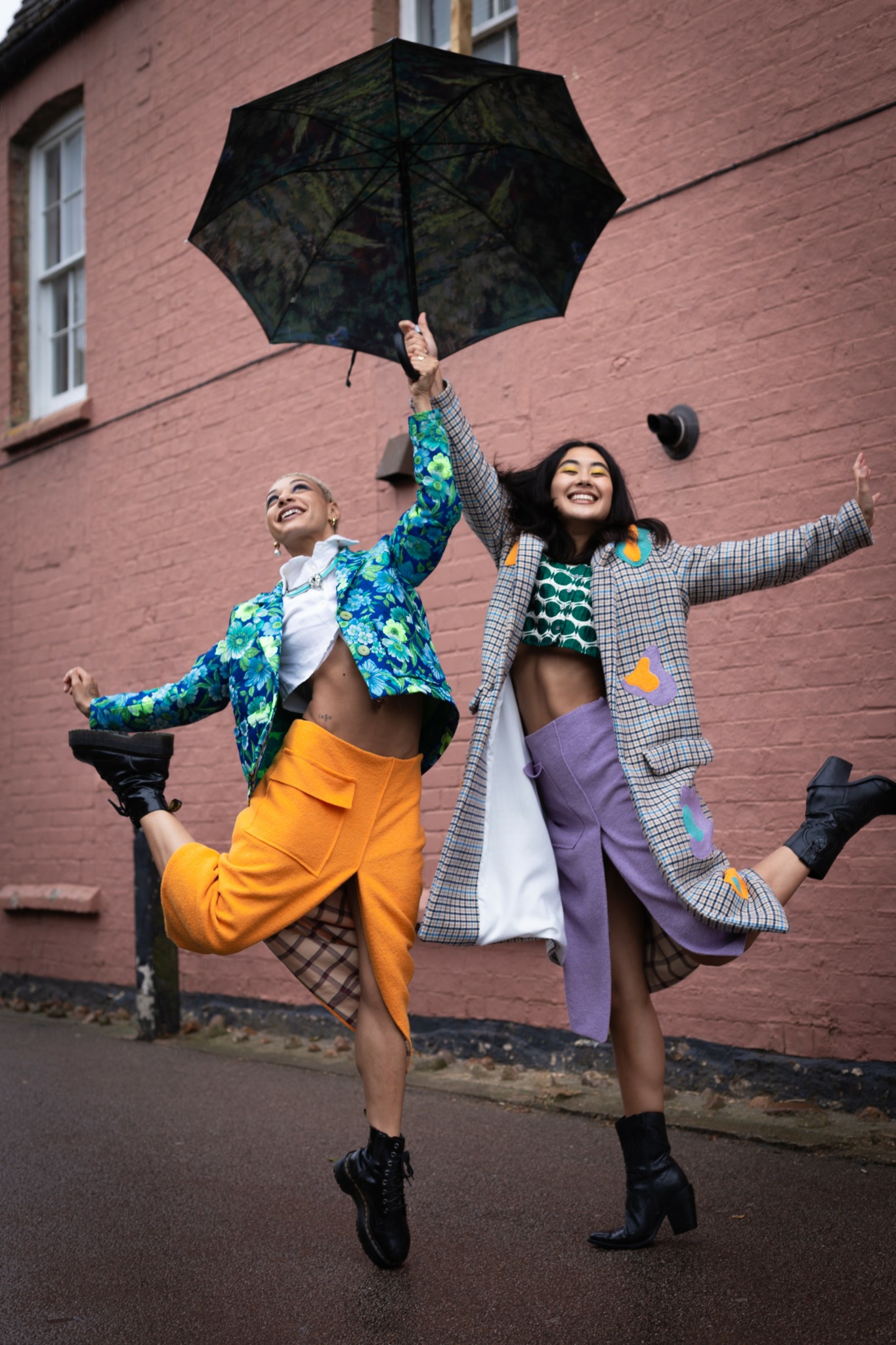
That’s what inspired me to create my brand, Delphine Dubuisson, a fashion label focused on creating beautiful, high-end, creative garments without negatively impacting our natural or social environment. From the beginning, I wanted to prove that fashion could still feel artistic, luxurious, and emotionally expressive while being produced in a more conscious way.
What excited me most was building a different kind of process. I source environmentally friendly and ethical materials either through trusted fabric mills that are transparent about their production and work primarily with natural fibres, or through upcycled fabrics sourced from deadstock platforms that give surplus materials a second life. Every garment is designed, pattern-cut, and sewn entirely by me in my studio in England, which allows me to stay deeply connected to every stage of creation.
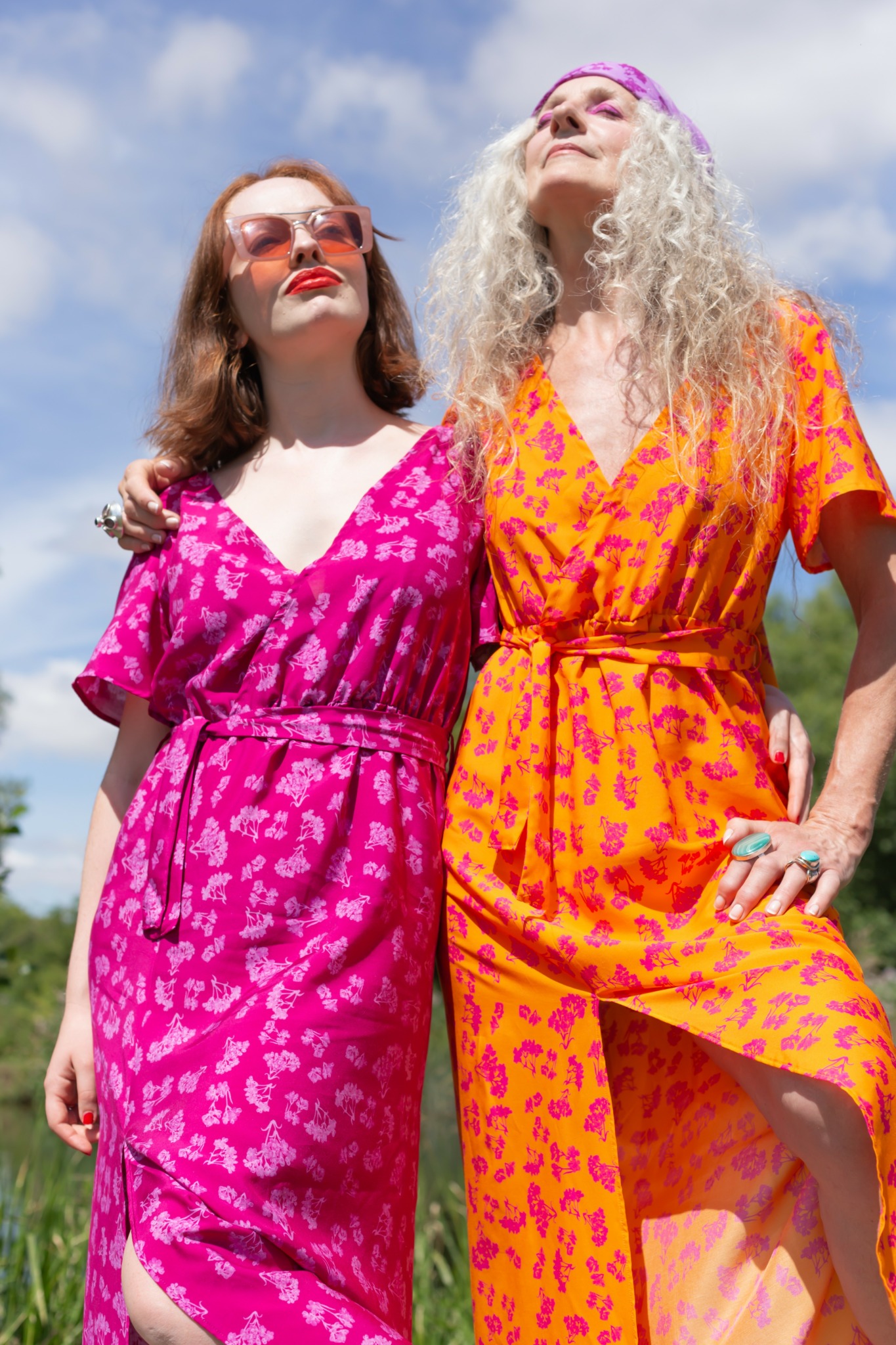
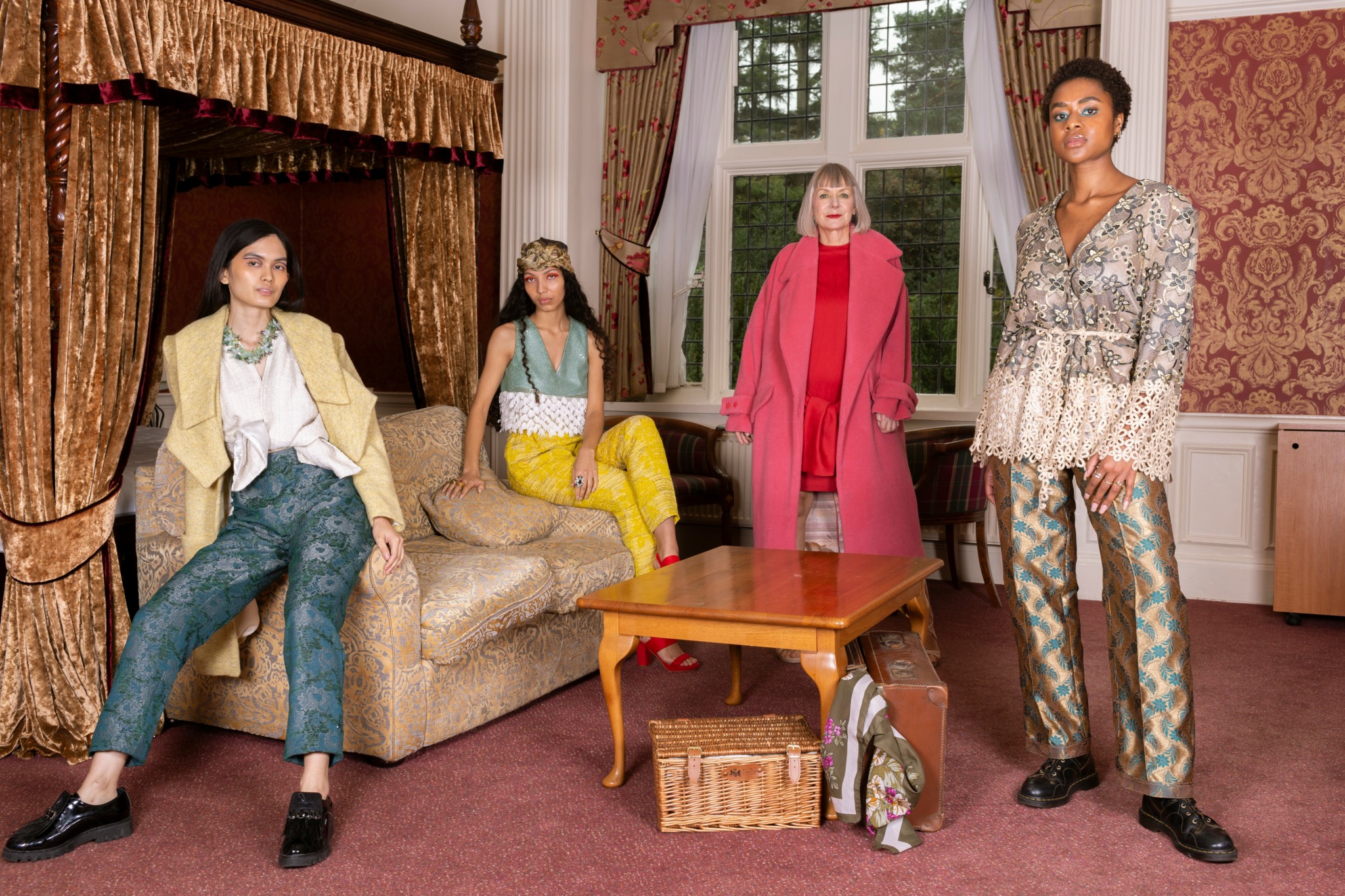
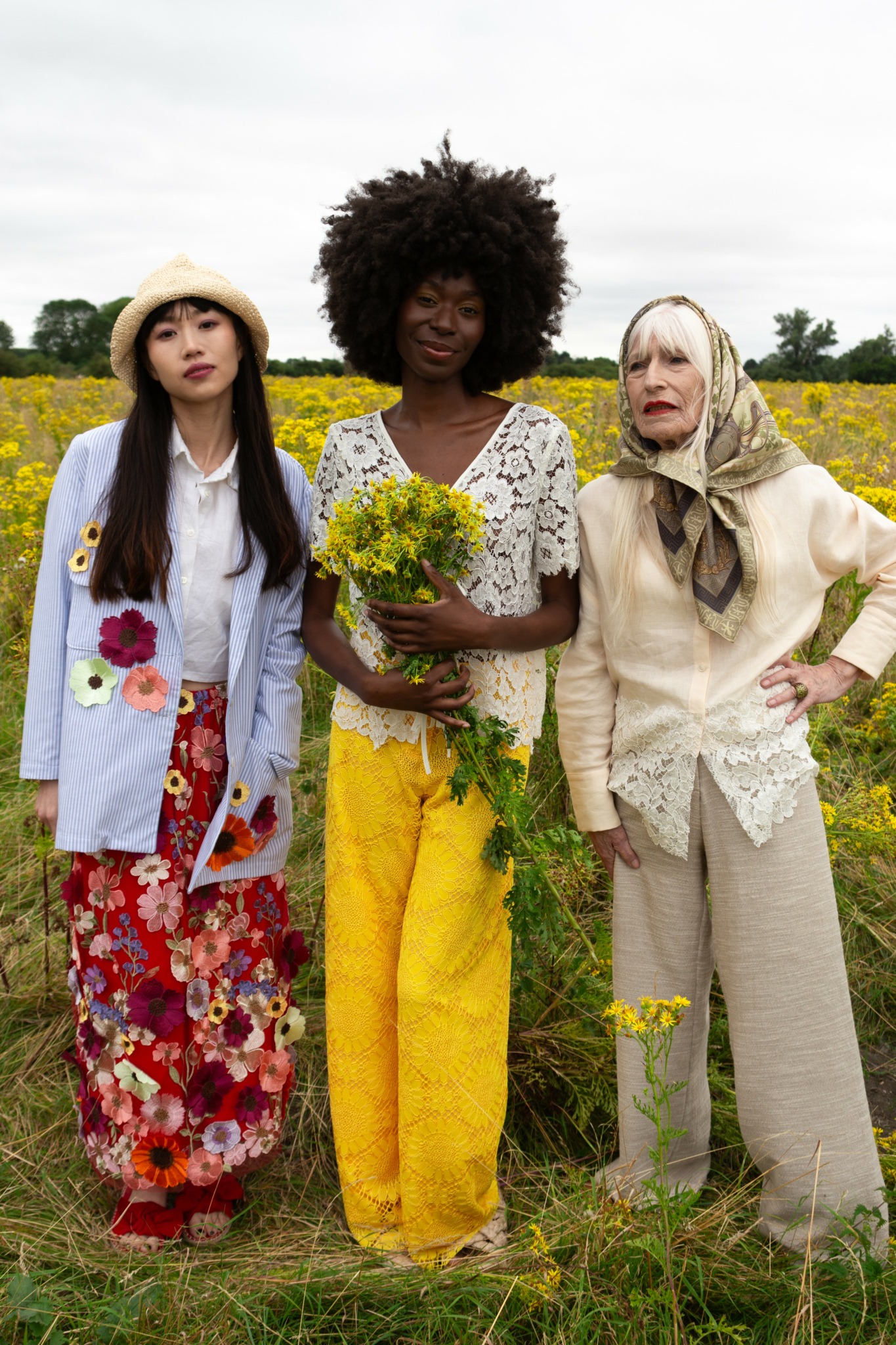
The social aspect was equally important to me. Even as a small independent brand, I wanted to challenge the traditional beauty standards that fashion often promotes. I work with models of different ages and sizes, and I choose not to retouch bodies or faces in Photoshop because I want the imagery around the brand to feel honest, natural, and human.
For me, the business was never just about creating clothes. It was about creating a more thoughtful alternative to an industry that I felt needed change. I wasn’t necessarily reinventing sustainable fashion, but I wanted to bring my own artistic vision and personal ethics into it, combining craftsmanship, creativity, and responsibility in a way that felt authentic. That’s what made me believe this was a worthwhile endeavour, and that’s still what drives me today.
As always, we appreciate you sharing your insights and we’ve got a few more questions for you, but before we get to all of that can you take a minute to introduce yourself and give our readers some of your background and context?
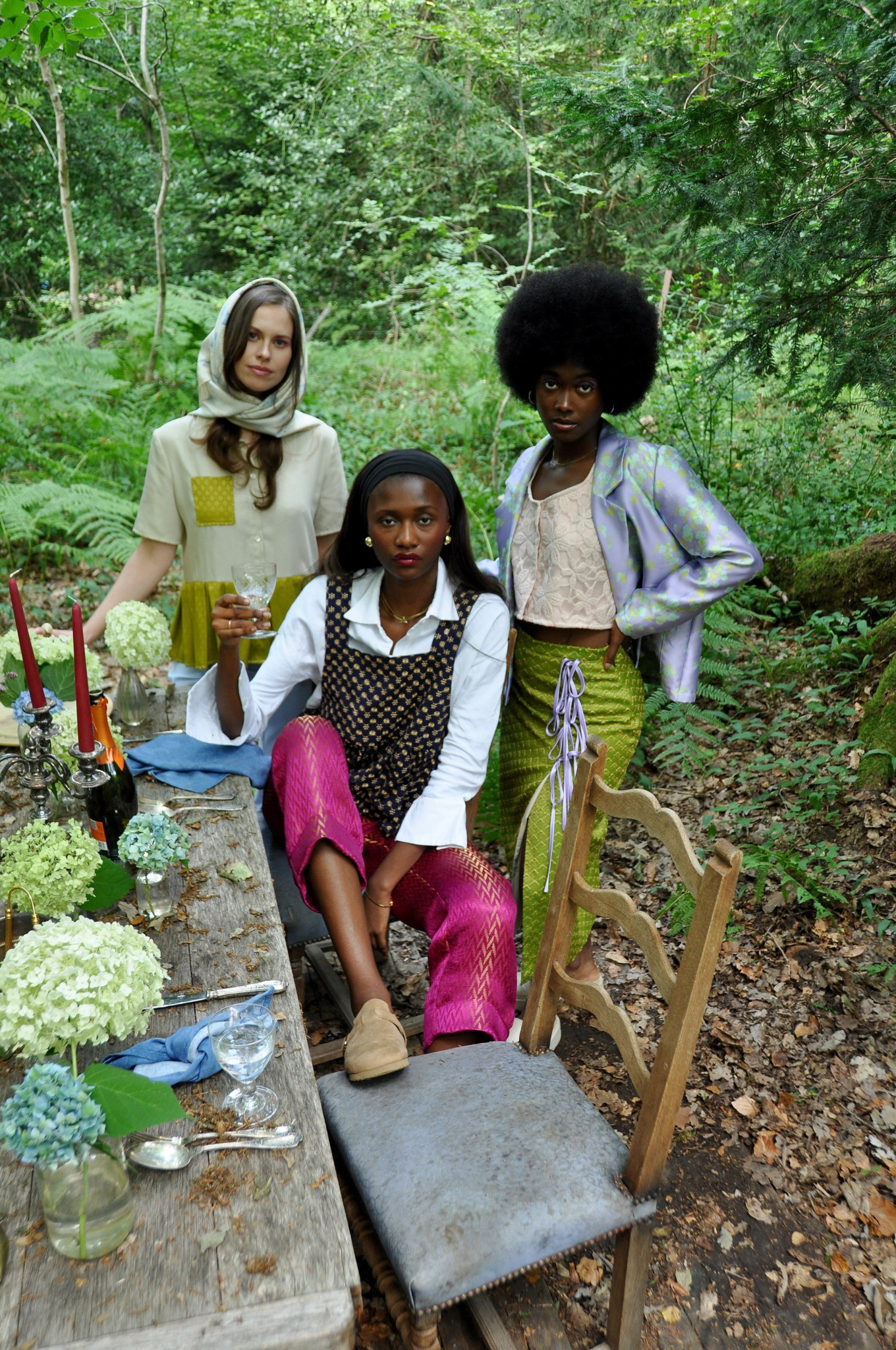
I’m Delphine Dubuisson, the designer and founder behind Delphine Dubuisson, an independent fashion label based in England. My work centres around creating colourful, expressive garments that blend craftsmanship, creativity, and a more conscious approach to fashion. www.delphinedubuisson.co.uk
My relationship with clothing and design started very early in life. Growing up in Belgium, I was introduced to sewing and garment-making by my grandmother, who passed down both practical skills and a genuine love for handmade clothing. That experience shaped the way I see fashion today, not simply as trends or consumption, but as something personal, emotional, and carefully crafted.
Before launching my own brand, I worked in the fashion industry in London. While the experience taught me a lot creatively and professionally, it also exposed me to the environmental impact and lack of transparency that exists within much of the industry. Over time, I became increasingly drawn toward creating fashion in a way that felt more responsible, intentional, and human. That desire eventually led me to start my own label and build a business aligned with my personal values.
Today, I create two small seasonal collections each year, Spring/Summer and Autumn/Winter, produced in limited quantities and available in a small range of sizes. Keeping collections intentionally small allows me to focus on quality, individuality, and a slower pace of production. If a client cannot find their size, I can also create garments to order, which helps avoid unnecessary waste and overproduction.
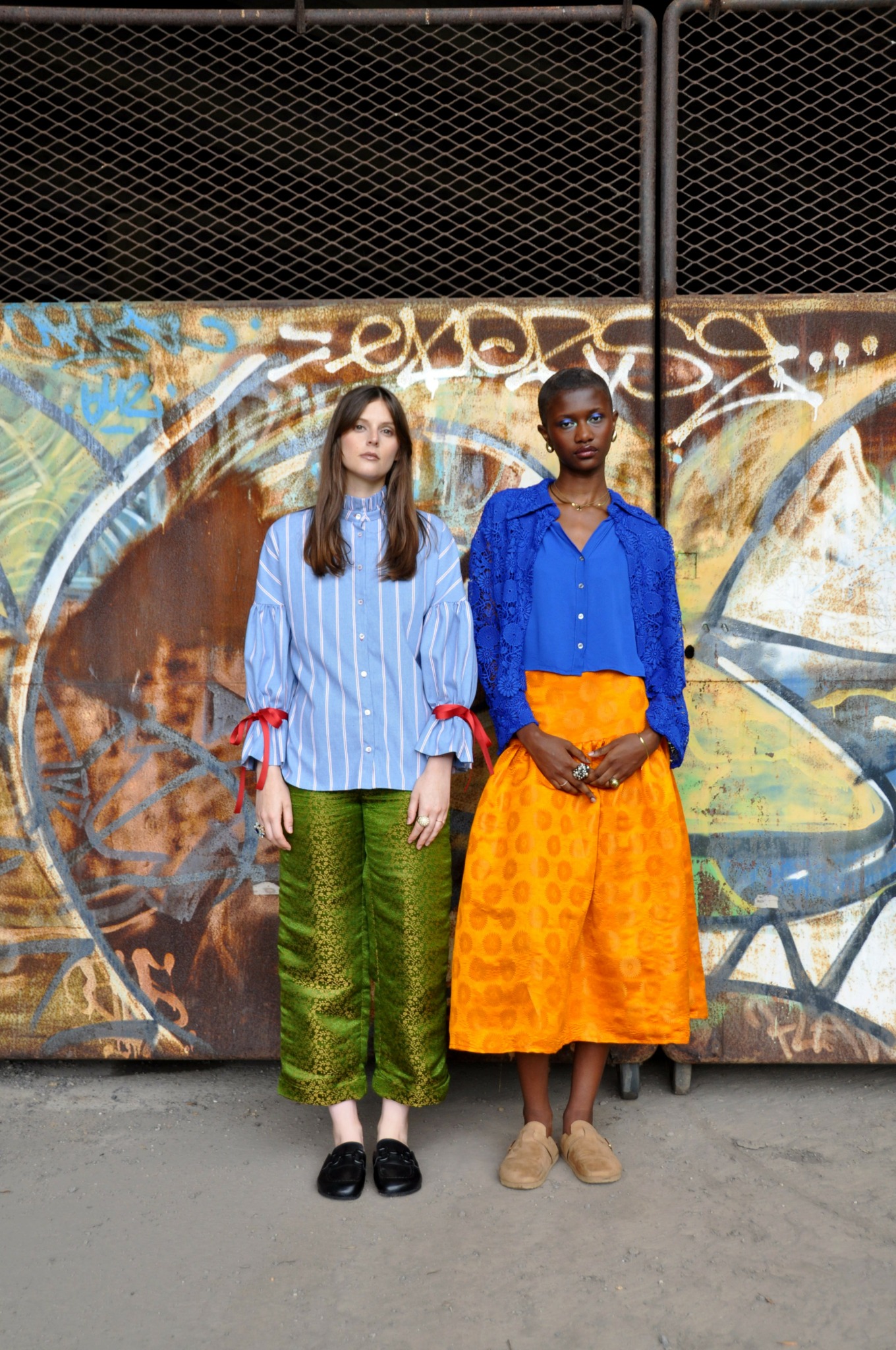
Every piece is designed, pattern-cut, and sewn by myself in my studio in England. I’m very involved in every stage of the process, from sourcing fabrics to the final finishing touches. Colour plays a huge role in my work, and I’m naturally drawn to bold tones, unexpected combinations, and pieces that feel joyful and artistic while remaining wearable.
Sustainability and ethics are fundamental to the brand. I source fabrics through trusted suppliers who prioritise natural fibres and transparency within their production, alongside working with deadstock and surplus materials to give existing fabrics a second life. I’m passionate about showing that fashion can still feel luxurious, creative, and exciting while being made with greater care for both people and the environment.
Alongside my collections, I also create made-to-measure and bespoke garments for clients depending on their needs and occasions. I’ve designed everything from custom everyday pieces to bridesmaids’ dresses, occasion wear, and a number of wedding dresses. I particularly enjoy the collaborative aspect of working closely with clients to create something unique and personal to them.
Another part of my work that I really love is upcycling projects. Sometimes clients come to me with garments they already own pieces with sentimental value, or simply clothes they no longer wear and together we redesign and transform them into something completely new. I find that process incredibly rewarding because it gives clothing a renewed life while also encouraging a more thoughtful relationship with fashion.
I think what sets my brand apart is the combination of craftsmanship, creativity, and authenticity. In a world dominated by fast fashion and mass production, I want people to feel connected to the person behind the garment and to appreciate the time, care, and story behind each piece. I also care deeply about representing people in a genuine way, which is why I work with models of different ages and sizes and avoid heavily retouching bodies or faces in imagery.
What I’m most proud of is building a brand that stays true to my values while remaining deeply personal and hands-on. At its core, my work is about creating clothing with meaning, pieces that celebrate individuality, creativity, and conscious fashion in a more honest and sustainable way.
Can you tell us about what’s worked well for you in terms of growing your clientele?
The most effective strategy for growing my clientele has definitely been word of mouth. In many ways, it’s quite an old-fashioned approach, but for my brand it has been the most meaningful and rewarding form of growth.
We live in a world where social media and online platforms are incredibly oversaturated, and as a small independent business with limited budgets, it can sometimes feel difficult to compete in spaces where visibility often depends on constantly producing content or paying to be seen. While social media has helped people discover my work, I’ve found that genuine human connection has had a much stronger and longer-lasting impact.
Because my work is so personal and hands-on, I spend a lot of time with my clients, whether that’s through made-to-measure projects, bespoke garments, fittings, or upcycling collaborations. That direct relationship creates trust and a real connection to the process. When clients are happy with both the experience and the final piece, they often come back again and naturally recommend me to friends, family, or other people looking for something unique and thoughtful.
For me, that kind of growth feels much more authentic. It’s not just about gaining customers, it’s about building relationships and a community around the brand. I really value the human side of fashion, and word of mouth reflects that perfectly because it comes from real experiences and genuine appreciation for the work.
In a way, I think that personal connection is something people are increasingly searching for today. There can sometimes be a sense of distance through online platforms where you may never actually meet the person behind the brand, whereas my work is built around direct contact, collaboration, and creating something meaningful together.
Okay – so how did you figure out the manufacturing part? Did you have prior experience?
Yes, I manufacture my garments myself, and that has become a very important part of my brand identity over time. Interestingly, the way I approach production today has evolved quite naturally alongside the growth of the brand.
My very first collection was entirely made by me and consisted mostly of unique pieces. At the time, I was working with fabrics that I had collected over the years, including materials from my fashion school days, fabrics passed down by my grandmother, and textiles gathered during travels. That first collection felt very personal and instinctive because each garment had its own story and character through the fabric itself.
As the brand started to grow, I had to find a balance between creativity, practicality, and production. For my second collection, I collaborated partly with an ethical manufacturing studio in London that I already knew from my previous experience working in the fashion industry. Having worked with them before, there was already a level of trust and transparency, which was extremely important to me. I knew their working conditions aligned with my values, and that made the decision much easier. For that collection, I produced some pieces myself and worked with the factory on others.
Over time though, as the brand evolved, I realised that I felt most connected to my work when I was fully involved in the making process. Gradually, I found my own rhythm and moved back towards producing everything myself in my studio. Because my collections remain intentionally small, it allows me to maintain that hands-on approach while still focusing on quality and detail.
One of the biggest lessons I’ve learned is how valuable flexibility can be when you are designing and manufacturing at the same time. Making the garments myself gives me complete creative freedom. I can adjust a design during the process, refine details naturally as the garment develops, and ensure the final piece truly reflects my vision. There’s something very satisfying about having that direct connection between the idea, the making, and the finished garment.
Of course, producing everything independently also comes with challenges, especially in terms of time and workload, but for me it’s worth it because it keeps the creative process authentic and personal. I also know that if the brand were ever to grow beyond what I could realistically manage alone, I still have trusted manufacturing contacts and ethical partnerships that I could work with again in the future.
At the moment though, creating every piece myself feels like one of the strongest and most unique aspects of the brand. In a fashion industry dominated by mass production, I think people really value knowing that the garment they are wearing has been designed and handmade by the same person from beginning to end.
Contact Info:
- Website: www.delphinedubuisson.co.uk
- Instagram: https://www.instagram.com/delphinedubuissonlondon/
- Facebook: https://www.facebook.com/delphinedubuissonlondon