

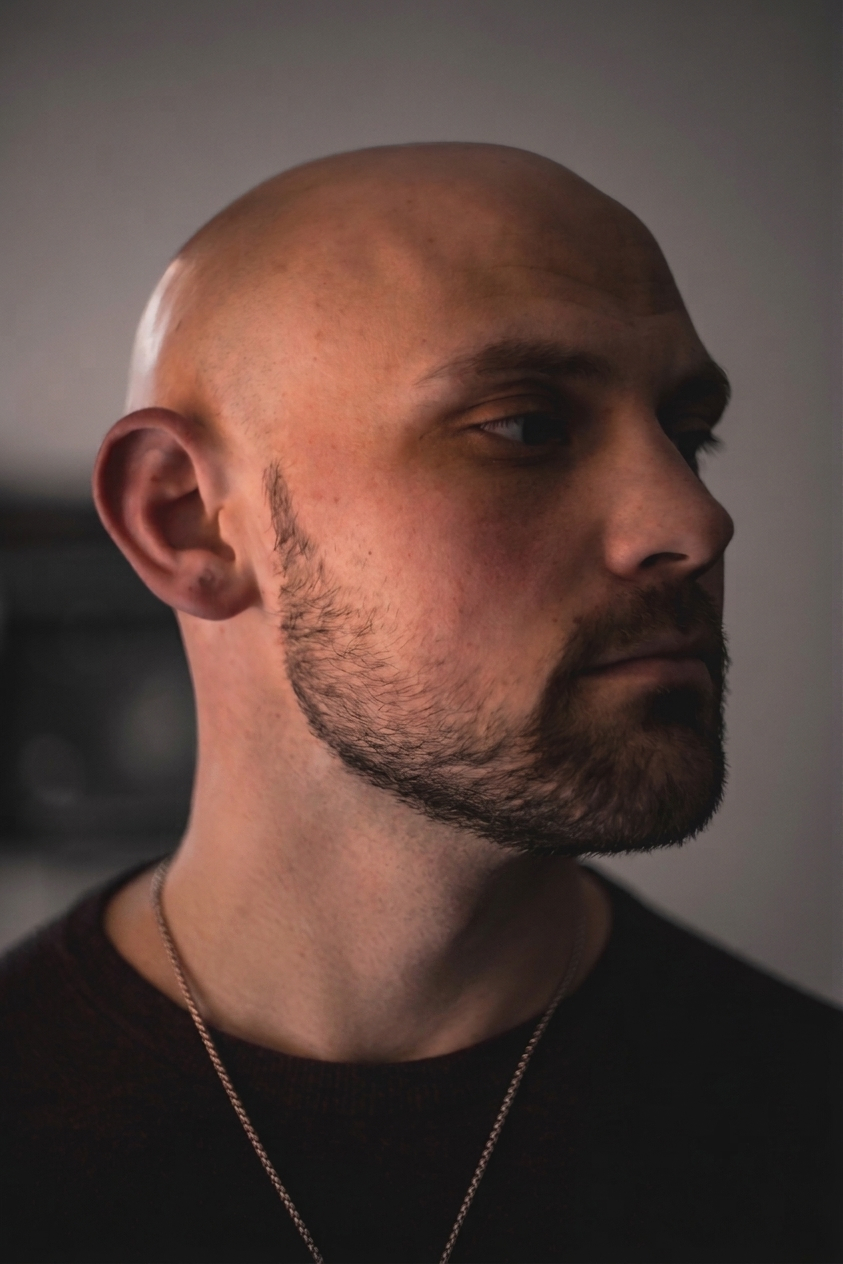

We caught up with the brilliant and insightful Keith Bordelon a few weeks ago and have shared our conversation below.
Keith, appreciate you joining us today. We’d love to hear the story of how you went from this being just an idea to making it into something real.
It honestly started with a moment of pure frustration. I was watching a movie one night that was—to be polite—absolutely horrible, and this sudden realization hit me: If this can get made into a movie, then the story that’s been living in my head can absolutely be a book. So, I didn’t overthink it. I just sat down and started writing.
And really, if anyone asks me for advice on writing, whether it’s fiction or non-fiction, that’s exactly what I tell them: Just start. It sounds simple, but it’s actually the hardest milestone to figure out. The biggest trap you can fall into when you’re staring at a blank page is trying to consistently self-edit as you go. If you write with the intent of absolute perfection on the first pass, you will never finish.
Especially with fiction, if you’re constantly stopping to fix every sentence, you won’t ever be able to fully drop out of the real world and fall into the one you’re actively trying to create. You have to let the story pull you under first. You can always go back later to fix the continuity, smooth out the prose, and handle the mechanics. The first draft is just about getting the bones down.
From there, it becomes a long, continuous learning process. Moving from an idea to a finished product means figuring out a lot of moving pieces. For me, a major part of that execution was finding the right artist—someone who could look at my words, understand the specific vision I had, and actually pull my characters right off the pages onto a cover. When you see that happen, the whole business side of being an author starts to feel real.
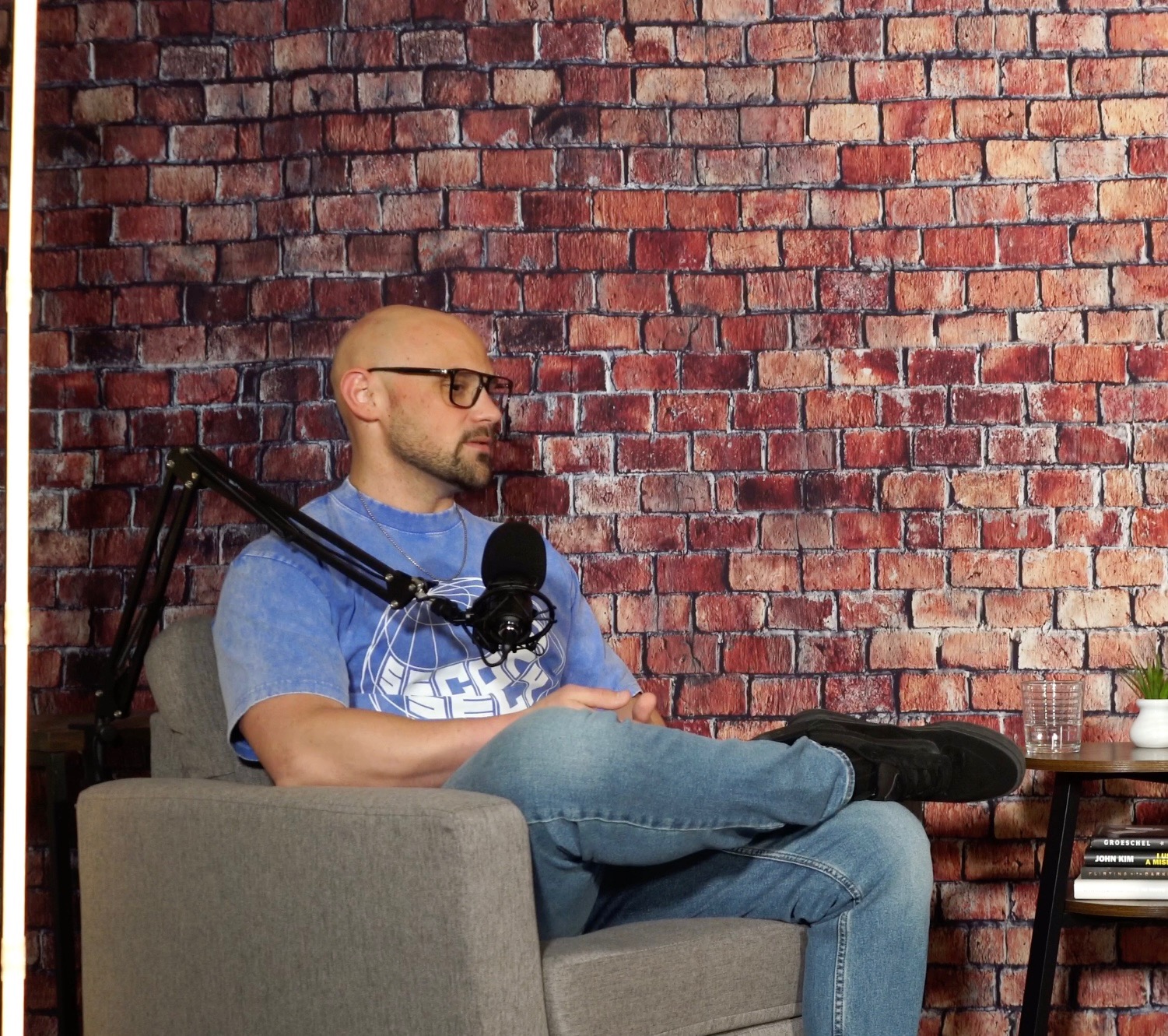
Keith, love having you share your insights with us. Before we ask you more questions, maybe you can take a moment to introduce yourself to our readers who might have missed our earlier conversations?
I am a first-generation high school and college graduate, and to be entirely candid, I grew up in a chaotic environment filled with neglect, abuse and abandonment. For me, the discipline of writing is fundamentally about world-building—it is the process of taking the chaos of reality and constructing a universe where it all means something.
What I really want people to be conscious of when they read my work is the story beneath the story. Naturally, any good narrative will bring to light the harsh realities that exist just beneath the surface of our own lives. Science fiction is a uniquely powerful vehicle for that. It allows you to take heavy, systemic issues like gentrification, homelessness, racism, and bigotry, and bring situational awareness to them in a way that feels organic and urgent. Reality across the globe over the last five years has been intense, and it has given me a massive, unvarnished well to pull from for my fiction.
Every creator puts a bit of themselves into their work, but what I think truly sets my writing apart—and what I am most proud of—is just how deeply personal it is. I have actually never shared this publicly before, but the backstories of almost every character in the Xeriatus series are modified childhood occurrences of my own.
For instance, in the first book, there is a defining moment where Alex’s mother leaves him while they are playing Yahtzee. That isn’t just a plot device; that happened to me. My own mother left me in a very similar fashion. As we move into the upcoming sequel, Redemption, many of the fragmented memories and traumas the characters navigate are pulled directly from my own life.
That is the main thing I want potential readers and fans to know about my work. I am not just writing escapism. I am taking the grit, the pain, and the resilience of surviving a tough reality and forging it into a sci-fi epic. When you dive into these books, you are getting very real pieces of my life, woven directly into the fabric of the fiction.
We often hear about learning lessons – but just as important is unlearning lessons. Have you ever had to unlearn a lesson?
The hardest lesson I had to unlearn was the idea that if you pour enough of your actual soul into a project, everyone will respect it. Growing up the way I did, you’re taught to fight for every inch of ground, and there’s a subconscious belief that if you just bleed enough for your craft, you can earn universal validation. When I started weaving my own deeply personal memories into the Xeriatus universe, I mistakenly thought that raw vulnerability would make the work bulletproof.
I had to unlearn that fast. The truth is, no matter how authentic you are, there will always be a critic of your work. You can put your actual heartbeat onto the page, and someone will step right over it just to critique the pacing or the font. Once I accepted that fact—that I couldn’t control the critics—it completely freed me. It allowed me to stop worrying about universal approval and focus entirely on building a world for the readers who actually resonate with the grit and the truth beneath the fiction.
Is there a particular goal or mission driving your creative journey?
My mission is simple: to pull what is lurking in the subconscious out into the light of the conscious. We live in a world defined by systemic pressures—that we often navigate on autopilot. Through my work, I want to bring these realities into sharp focus. My goal is to use the lens of science fiction to force a pause, to make the reader stop and truly consider the world they’re living in. If I can move a reader from passive observation to conscious, critical thought, then I’ve succeeded.
Contact Info:
- Instagram: https://www.instagram.com/iamkeithbordelon/
- Linkedin: https://www.linkedin.com/in/keith-bordelon/
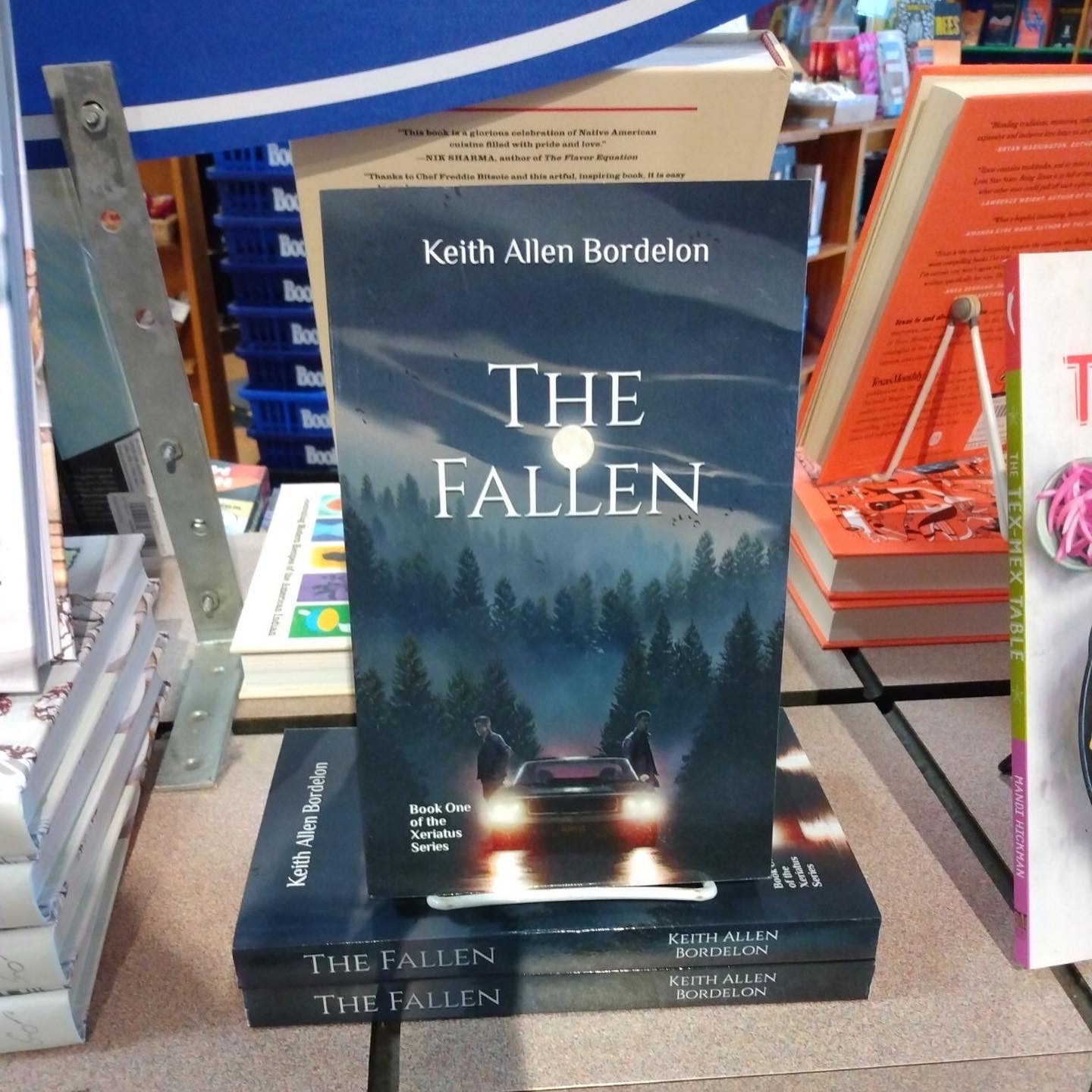
Image Credits
Cover art for books created by Chin Fong