
We caught up with the brilliant and insightful Mike Shisler a few weeks ago and have shared our conversation below.
Hi Mike, thanks for joining us today. It’s always helpful to hear about times when someone’s had to take a risk – how did they think through the decision, why did they take the risk, and what ended up happening. We’d love to hear about a risk you’ve taken.
One of the bigger risks I’ve taken was building my art business around actual lived experiences instead of following a more studio-based career path.
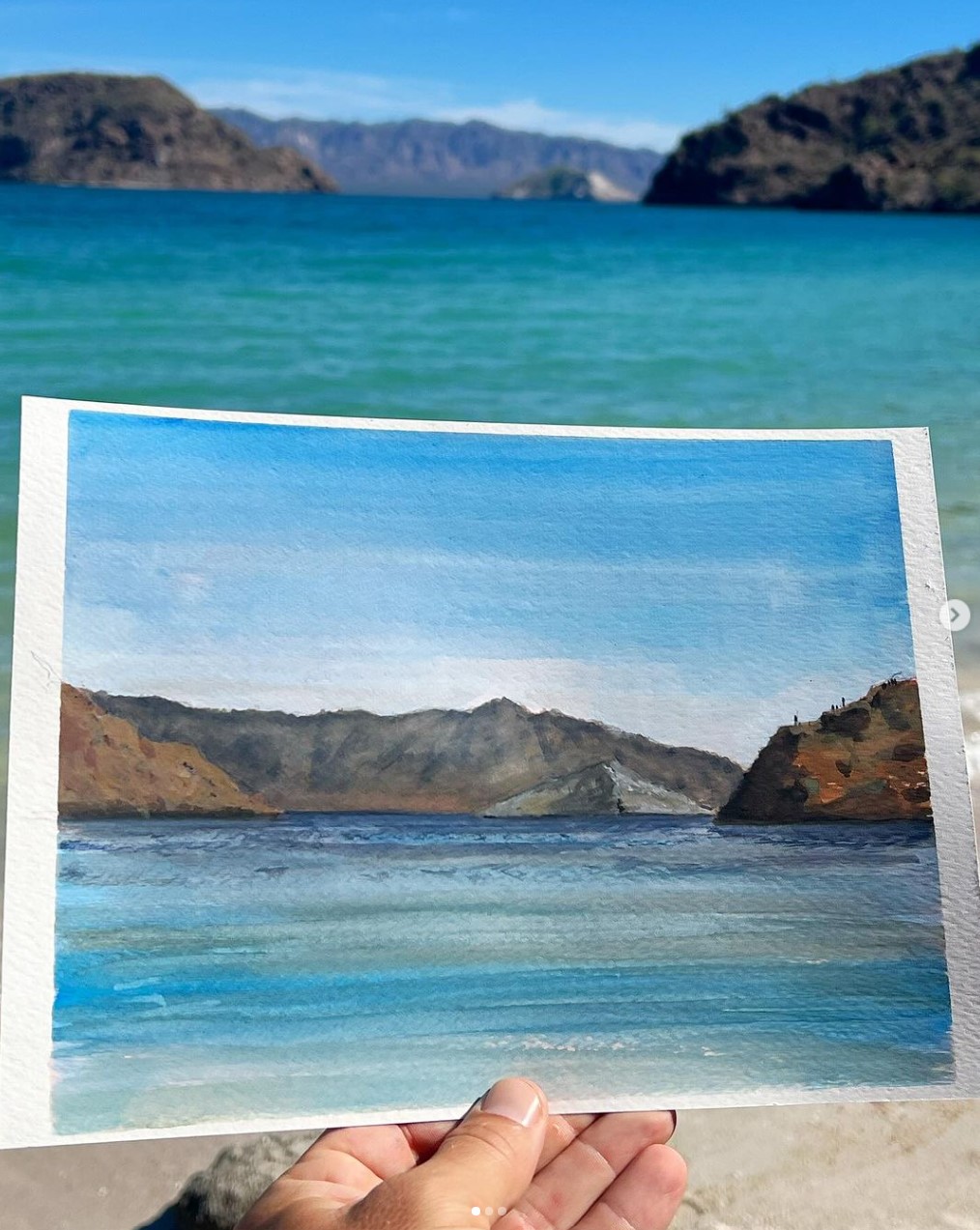
I studied architecture, and for a while, I thought my professional life would stay in that world. But I was also always drawing, traveling, biking, and doing my best to document the places around me. Eventually, those things started to merge. I became less interested in making artwork from a studio and more excited about making art out in the places that inspire me most.
That became the foundation for Drawn There.
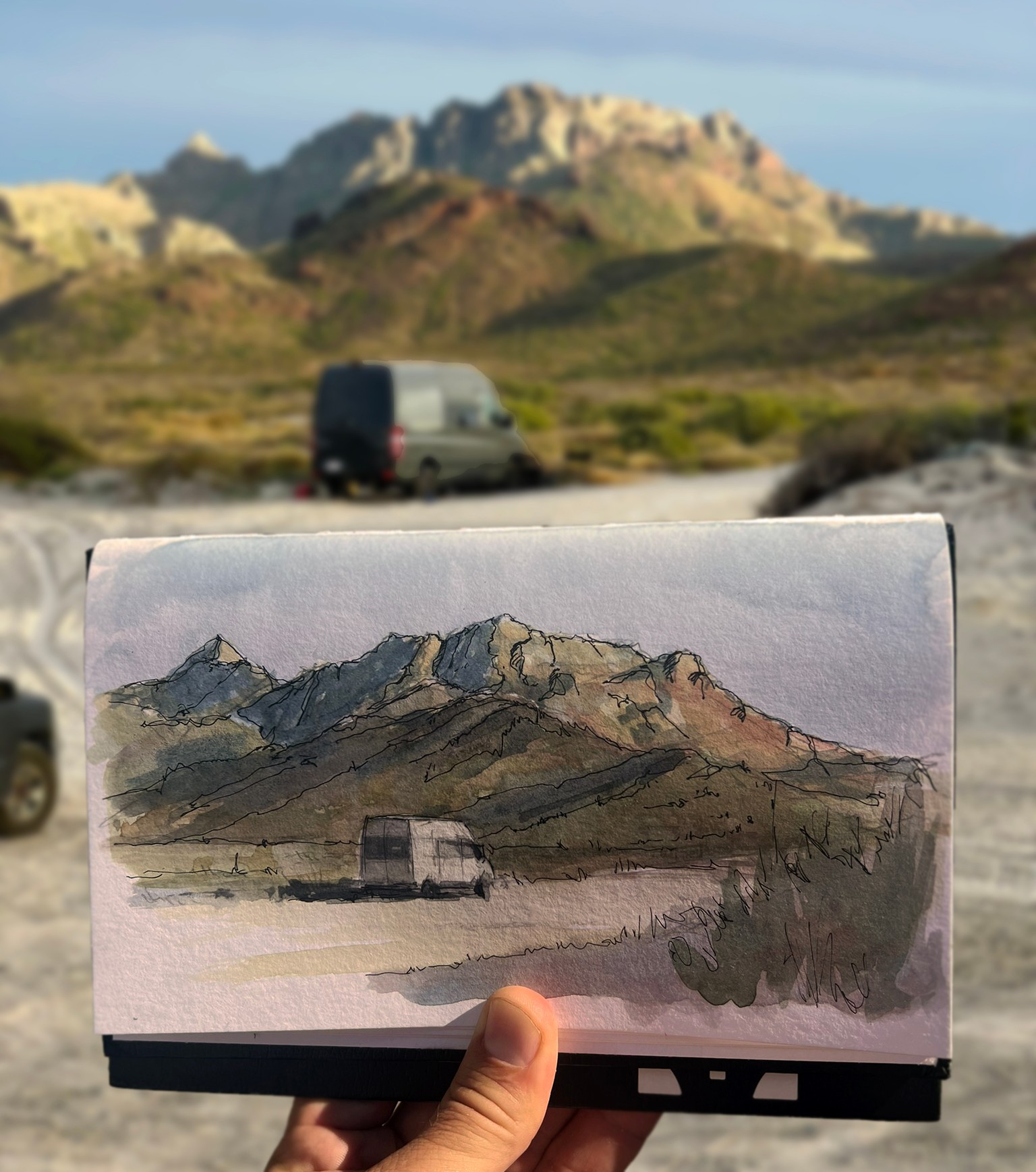
The biggest risk was that moment when I quit my job, sold the house, and moved into a van to explore and make art. Following that, I spent years traveling, living out of a van, bikepacking across the country, and painting places in person. I made artwork from all 50 states and continue to build a catalog of locations that mean something to me – and hopefully to other people as well. There was no guarantee that any of it would turn into a business but it was a commitment to following my passion.
I think that can be hard to justify when you are building something creative. A more conventional path usually has clearer steps and more obvious markers of success. With a creative business, especially one based on travel, sketching, and personal experience, the value is not always obvious right away. You have to believe in the work before anyone else does.
Over time, the risk started to make more sense. The drawings became prints, commissions, books, online sales, and a growing archive of places. People started finding my work because they had a personal connection to a specific town, road trip, national park, beach, campus, building, or memory. That was when I realized the business was not just about selling artwork. It was about helping people hold onto places that matter to them.
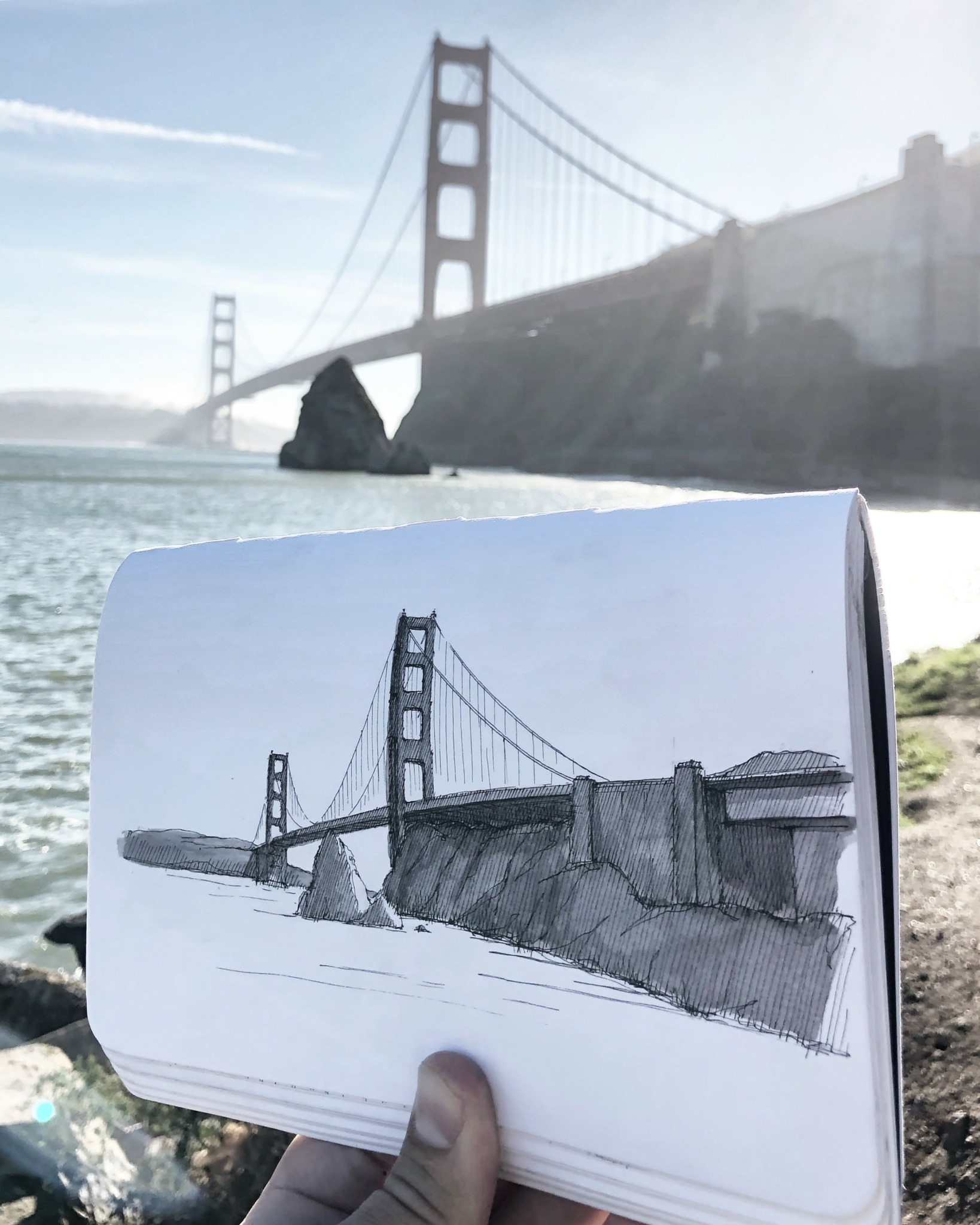
The risk also shaped the style of the work. My drawings are not meant to feel overly polished or detached. They are made by someone who was actually there, usually sitting on a curb, standing on the side of a road, painting from the back of a van, or trying to finish a watercolor before the light changes. That immediacy became part of the identity of Drawn There.
Looking back, I think the risk was worth it because it gave the work a real point of view. I could have made safer choices, but I do not think the artwork would have the same meaning. The business is still evolving, and I still balance it with other professional work, but the foundation is solid because it was built from real experience.
The biggest lesson is that creative risks do not always pay off quickly or cleanly. Sometimes the payoff is that you build a body of work, a voice, and a story that could not have come from any other path. For me, Drawn There came from choosing movement, observation, and uncertainty, then trusting that those experiences would eventually connect with the right audience.
As always, we appreciate you sharing your insights and we’ve got a few more questions for you, but before we get to all of that can you take a minute to introduce yourself and give our readers some of your background and context?
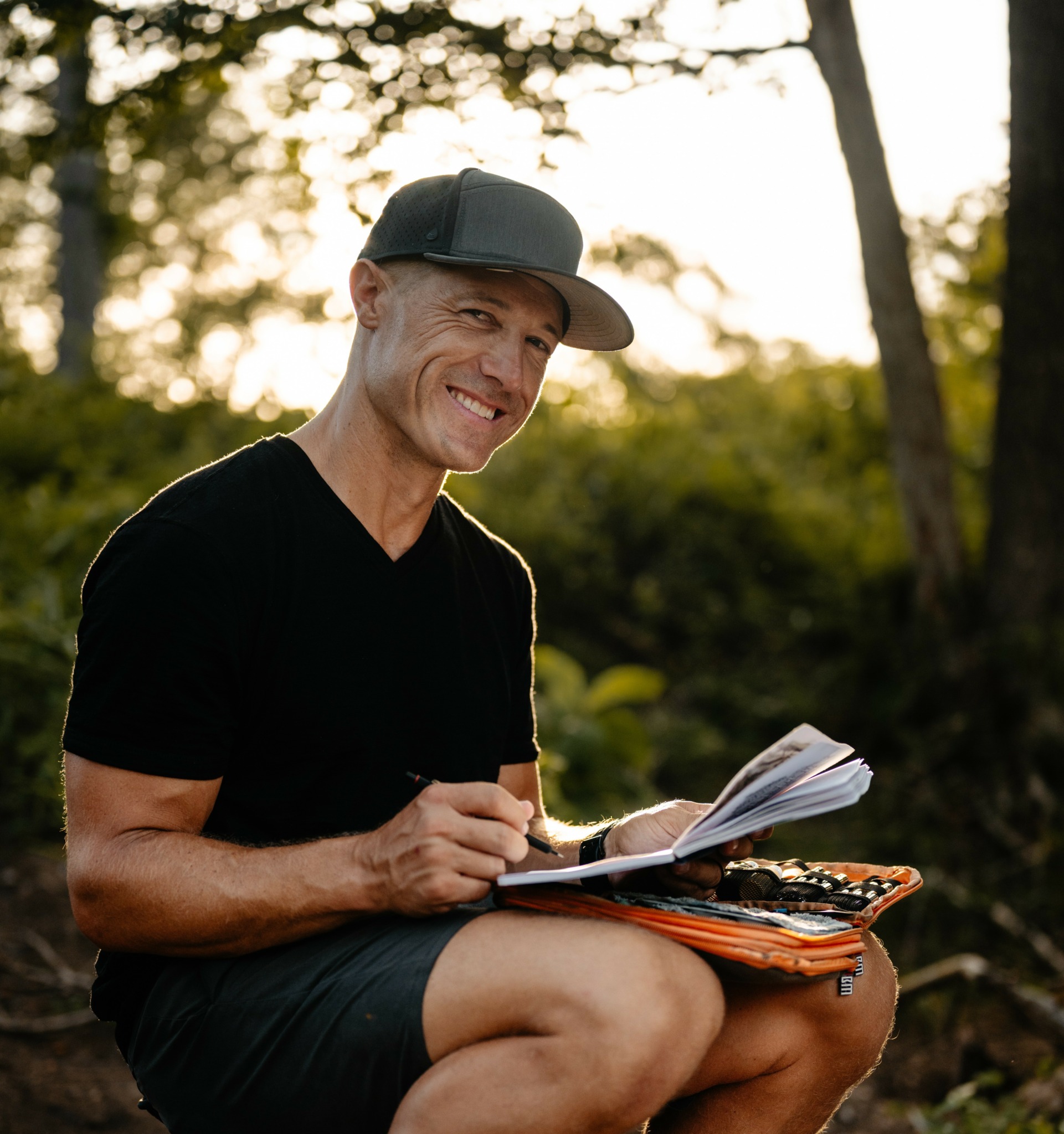
My name is Mike Shisler, and I’m the artist behind Drawn There. I create ink and watercolor artwork inspired by travel, architecture, landscapes, and the places people feel connected to.
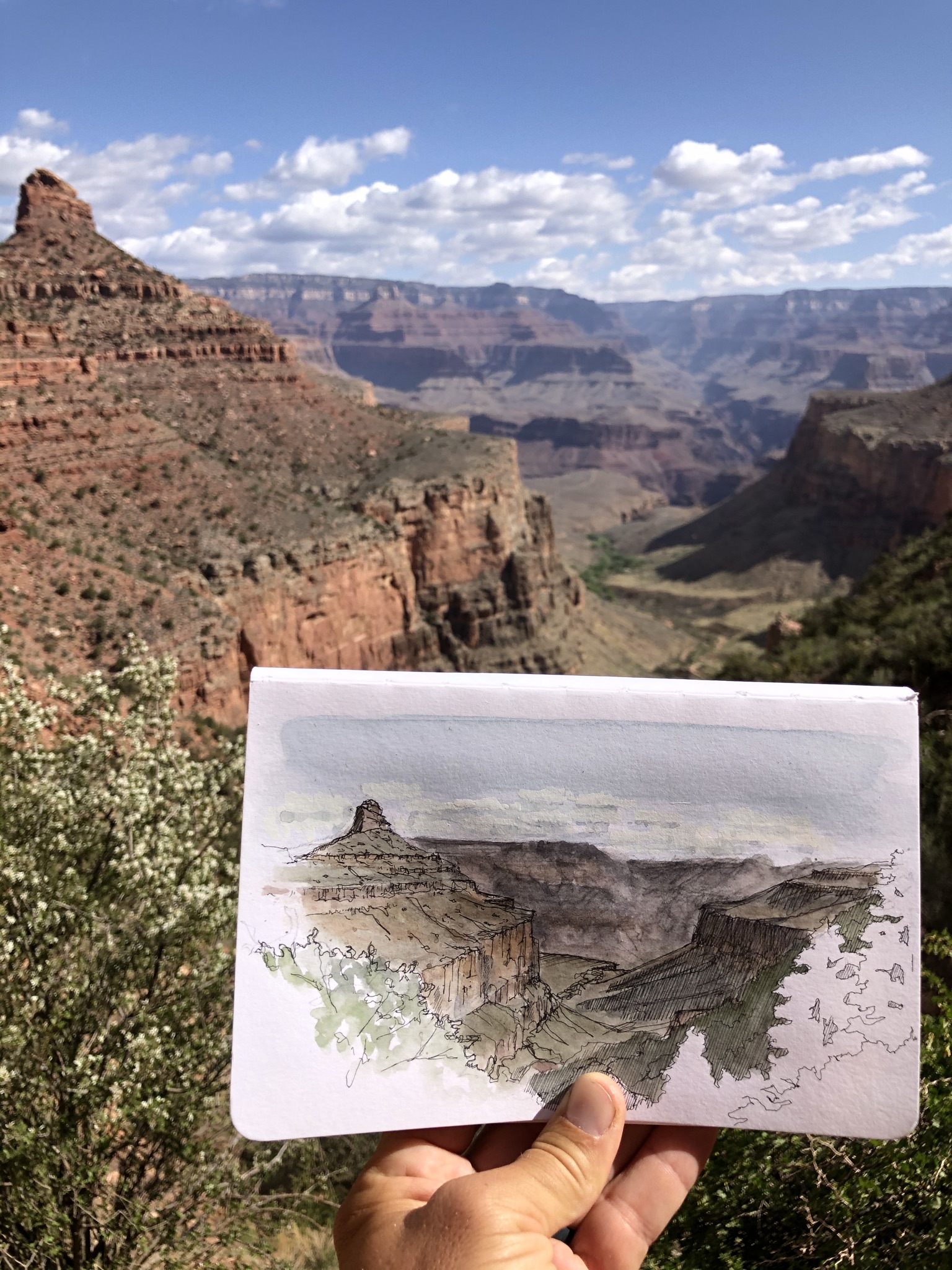
My background is in architecture, which has definitely shaped the way I see and draw the world. I’ve always been interested in buildings, streets, towns, and the way places are put together. But my work is also heavily influenced by years of travel, bikepacking, vanlife, and painting on location. I’ve made artwork from all 50 states and continue to build a growing catalog of places that includes national parks, small towns, beaches, cities, landmarks, campuses, roadside views, and everyday scenes that might be easy to overlook.
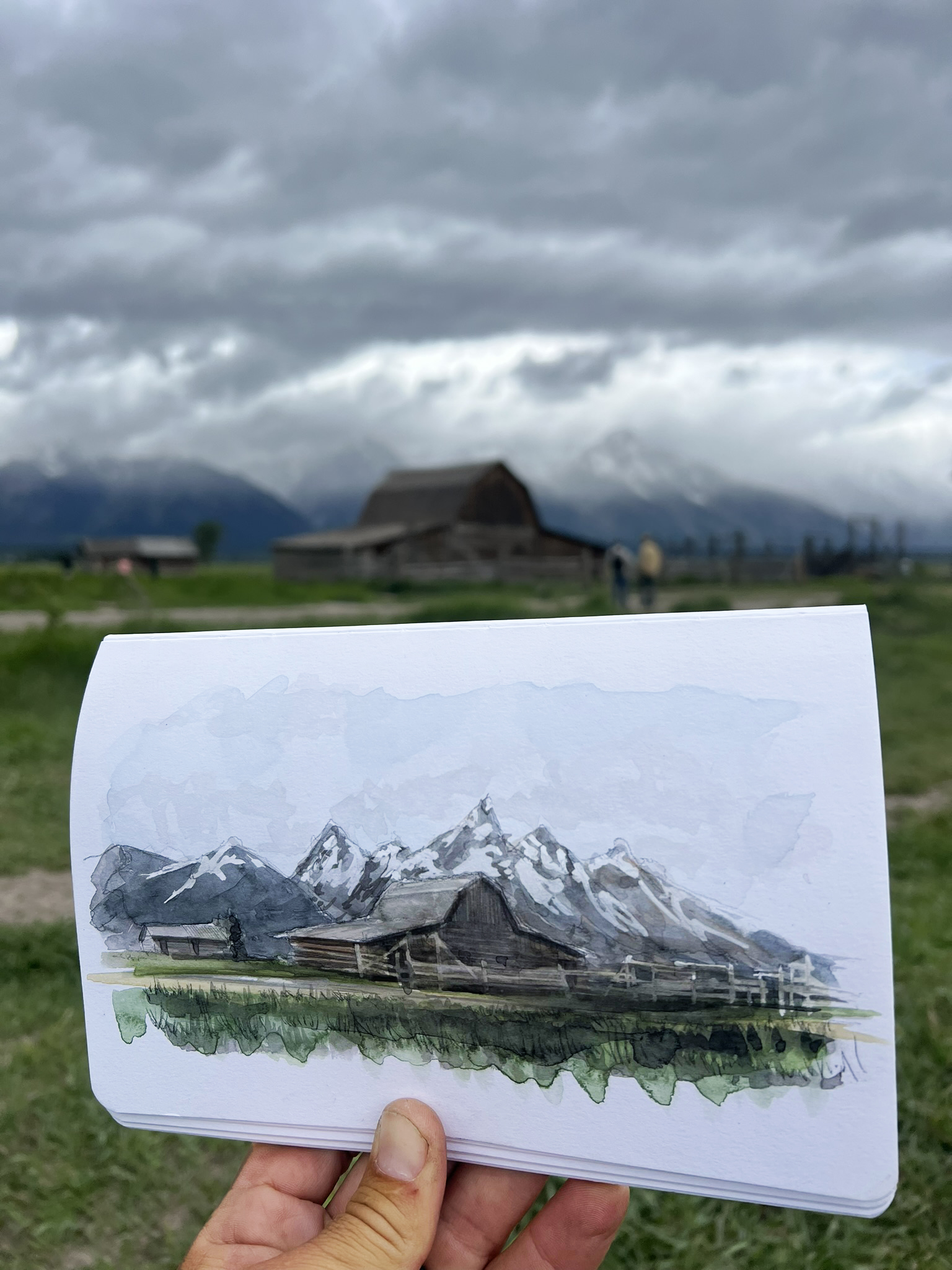
Drawn There started as a way to document the places I was experiencing in real life. I was not just making art from reference photos in a studio. I was sketching from campsites, sidewalks, trailheads, beaches, coffee shops, and the back of a van. That approach became a big part of the identity of the work. I want the drawings to feel personal, observed, and connected to the actual experience of being somewhere.
Today, Drawn There offers art prints, digital files, custom commissions, books, and location-based artwork for people who want to remember a place that matters to them. Sometimes that place is a national park or a favorite travel destination. Other times it is a college campus, a hometown street, a wedding location, a family cabin, a beach, a restaurant, or a building with personal history. I think that is one of the things that makes this work meaningful. The artwork is not only about the image itself. It is about the memory attached to the place.
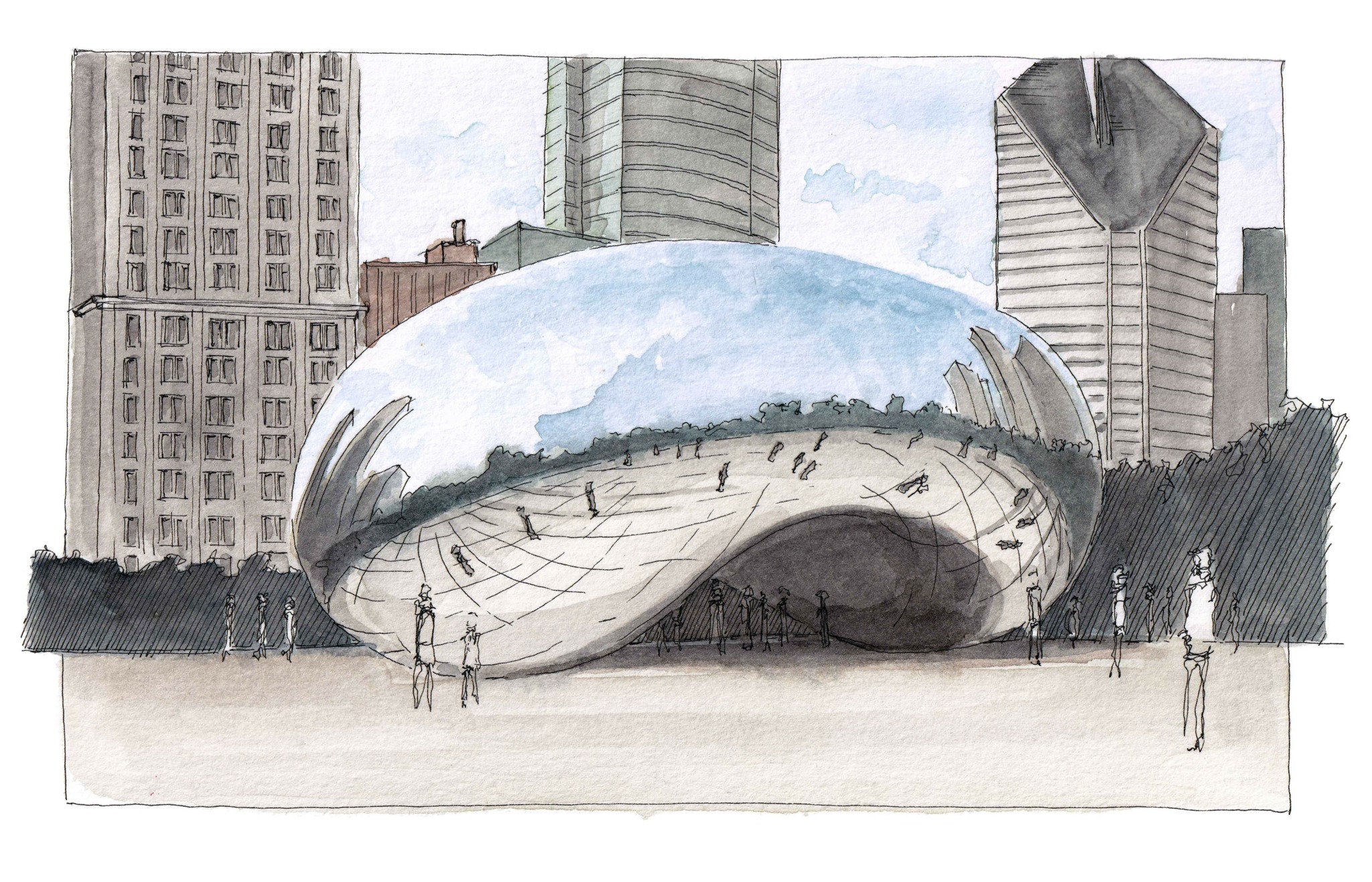
A lot of my customers find my work because they are looking for a specific location. They want something more personal than a generic poster or mass-produced souvenir. I try to make artwork that feels handmade, approachable, and rooted in direct experience. My style combines architectural linework with loose watercolor, so there is structure and accuracy, but also a sense of movement and atmosphere.
What sets Drawn There apart is the scale and authenticity of the archive. I’ve spent years building this body of work through real travel and real observation. The name Drawn There is very literal. The work comes from being there, paying attention, and translating that experience into a small piece of art someone can live with.
I’m most proud that the business has grown from something very personal into something that connects with other people’s memories. I love when someone finds a print of a place that means something to them and tells me why. It might remind them of where they grew up, a trip they took, a place they lived, or someone they love. Those moments make the work feel bigger than just my own travel story.
At its core, Drawn There is about place, memory, and attention. It is about slowing down long enough to notice where you are, and then creating something that helps keep that place with you.
Let’s talk about resilience next – do you have a story you can share with us?
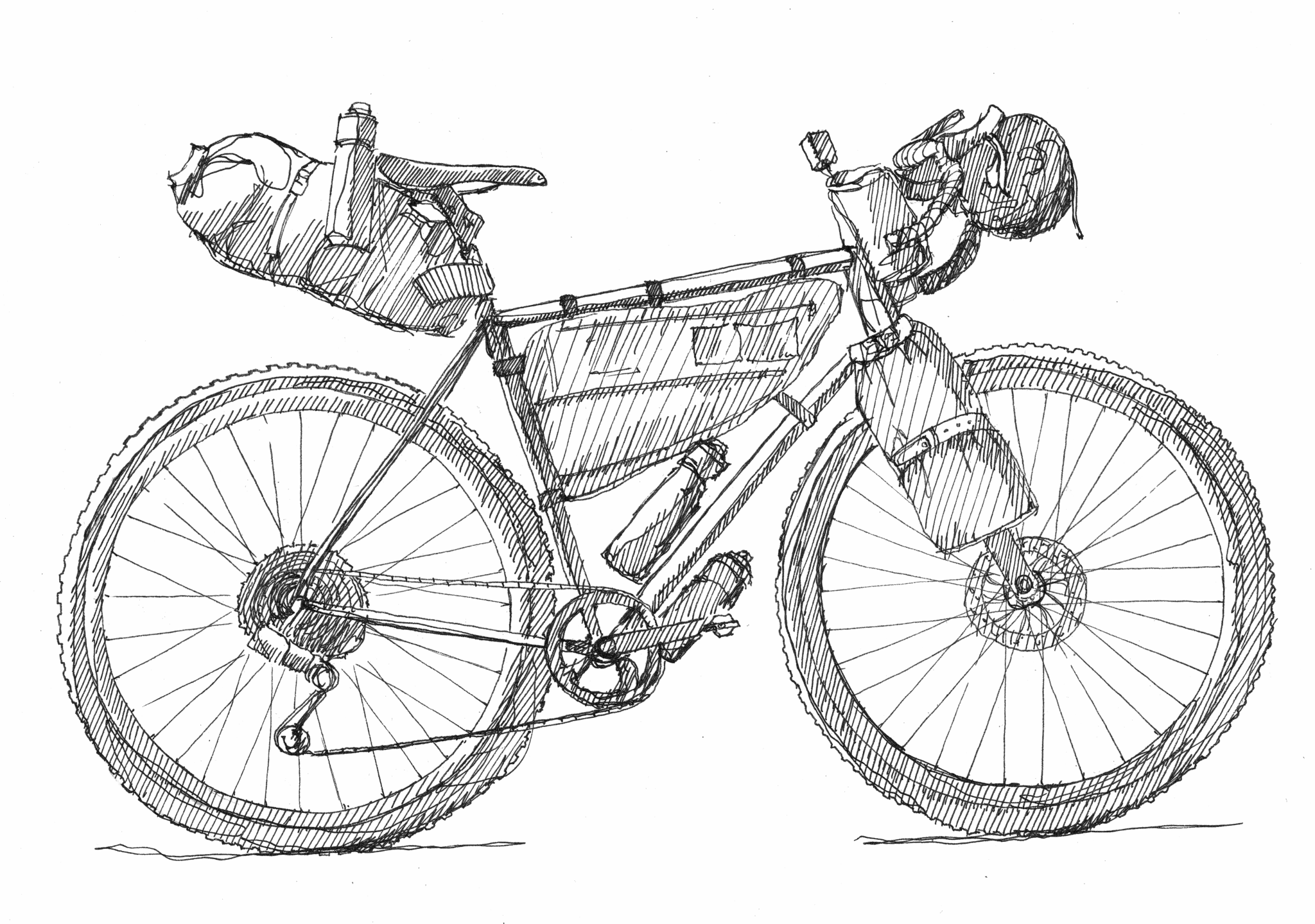
One story that comes to mind is making art while bikepacking through Alaska.
On paper, it sounds like an ideal creative adventure. You are surrounded by mountains, rivers, glaciers, long summer light, and some of the most dramatic landscapes in the country. But the reality of trying to make artwork in that environment was much harder than the romantic version of the story.
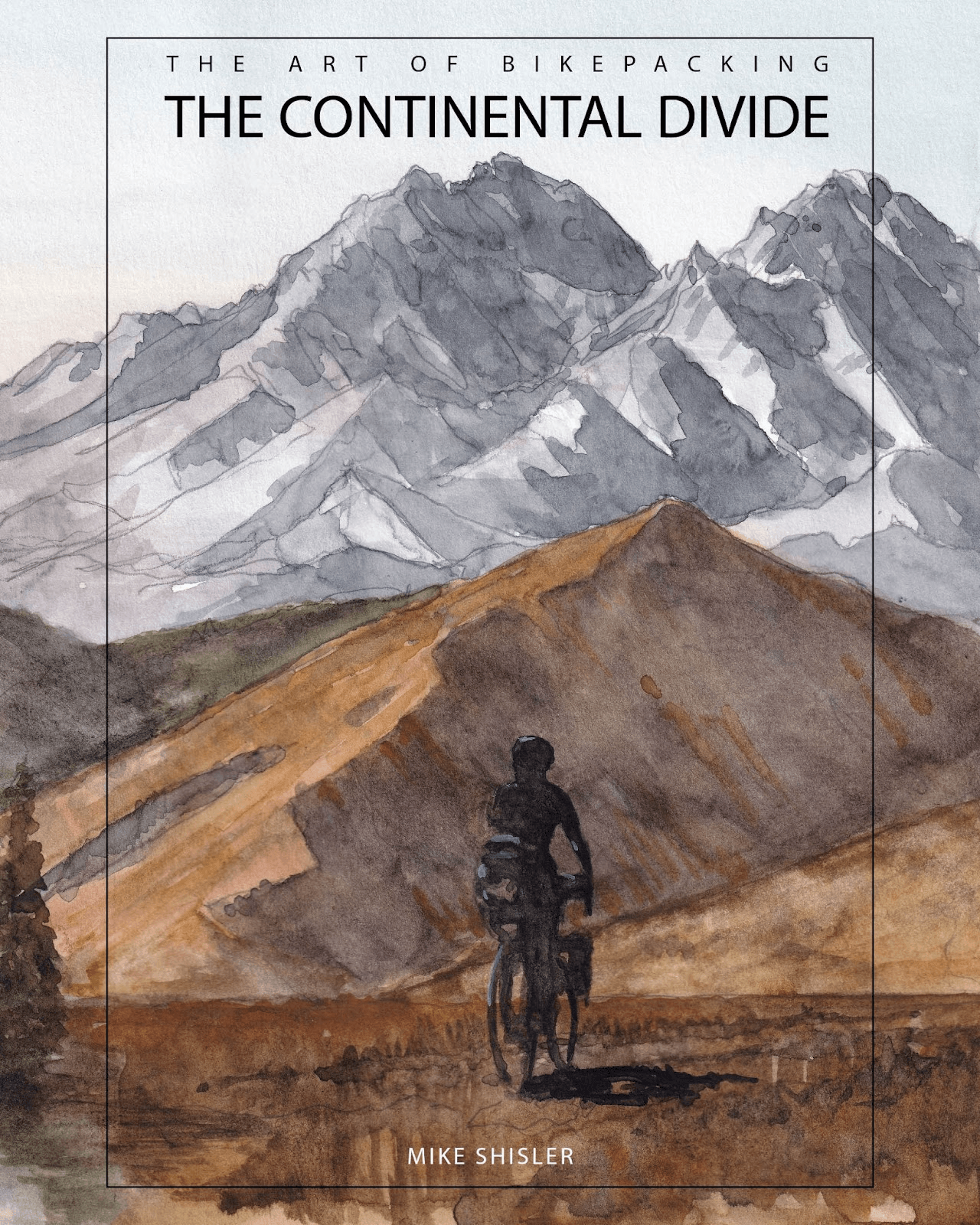
I was traveling by bike through a very remote place, carrying my camping gear, food, art supplies, and everything I needed to get through each day. There were long stretches of isolation where I was very aware of how far I was from help. I was also constantly thinking about wildlife, especially the possibility of grizzly bears. Even when nothing happened, the awareness was always there. You are camping, eating, sleeping, and sketching in a landscape where you are not at the top of the food chain.
The mosquitoes were another kind of challenge. They were relentless. There were times when stopping to sketch meant instantly being swarmed. It is hard to settle into a peaceful creative mindset when you are trying to paint with one hand and swat mosquitoes with the other. Even simple things like eating, setting up camp, or getting water could become frustrating.
That trip taught me a lot about resilience because I still wanted to make the work. I had gone there not just to pass through Alaska, but to really observe it and document it. Some days that meant accepting that the drawing would be imperfect, or that I would only get a small window of time before the bugs, weather, fatigue, or nerves got the best of me. Other days it meant pushing myself to stop and sketch even when it would have been easier to just keep riding.
I think that experience shaped the way I understand my work. Drawn There is not just about making polished images of beautiful places. It is about the effort of being present in those places. Sometimes that means sitting comfortably at a café with a sketchbook. Other times it means being exhausted on the side of a road in Alaska, surrounded by mosquitoes, listening for movement in the brush, and still trying to pay attention to the landscape in front of me.
The resilience was not about pretending it was easy. It was about continuing to show up for the work in a place that demanded a lot from me physically and mentally. Looking back, that is part of what makes the Alaska pieces meaningful. They carry the memory of the landscape, but also the experience of earning the view, sitting with the discomfort, and making the artwork anyway.
Is there a particular goal or mission driving your creative journey?
The mission behind Drawn There is to help people remember places that matter to them.
I have always been interested in the emotional connection people have with specific places. It might be a national park, a beach town, a college campus, a neighborhood street, a family cabin, a restaurant, a trail, or a building they passed every day for years. Places hold memory in a way that can be hard to explain, and I think artwork can help make that connection visible.
My goal is to create work that feels personal, specific, and rooted in real experience. I want Drawn There to feel different from generic travel posters or mass-produced souvenirs. The name is intentional. A lot of the work comes from actually being there, observing the scene, and trying to capture not just what a place looks like, but what it feels like to spend time there.
I also like the idea that the artwork can serve different people in different ways. For me, a drawing might represent a bike trip, a road trip, or a moment of discovery. For someone else, that same image might represent home, family, a vacation, a school, a wedding, or a memory with someone they love.
At the same time, I’m interested in growing Drawn There into something larger than an online print shop. I see a lot of opportunity for collaborations, licensing, custom projects, and agency-style work with brands, destinations, hotels, universities, developers, tourism groups, and organizations that want artwork connected to place. I think the same approach that makes the work personal for an individual customer can also be valuable for a larger brand or organization trying to tell a story about where they are, where they came from, or what they want people to feel when they experience a place.
That is what keeps me interested in the work. I am not just trying to build a catalog of pretty places. I am trying to build an archive of places people feel connected to, while also finding new ways for that work to live in the world. If someone sees one of my pieces and thinks, “I know that place,” or “that reminds me of a specific time in my life,” then the work is doing what I want it to do. And if Drawn There can keep growing into more partnerships, collaborations, and larger creative projects, I think that mission only becomes stronger.
Contact Info:
- Website: https://www.drawnthere.com
- Instagram: https://instagram.com/drawn.there