

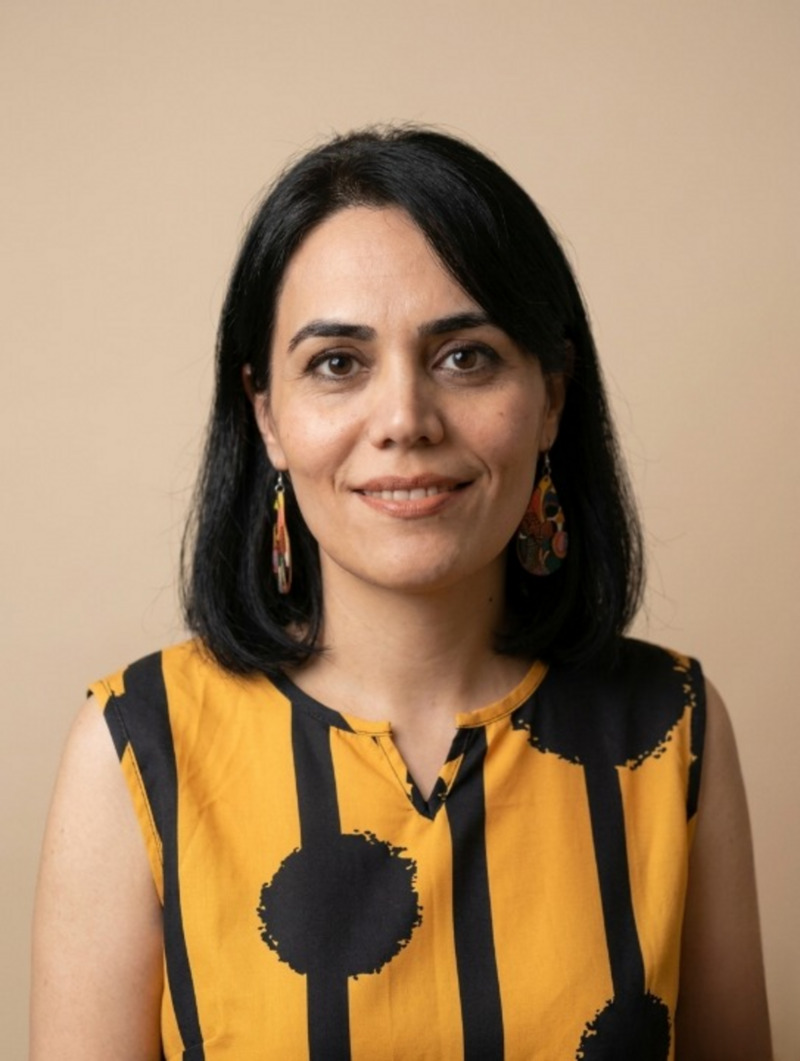

We’re excited to introduce you to the always interesting and insightful Maryam Gomizi. We hope you’ll enjoy our conversation with Maryam below.
Maryam, thanks for taking the time to share your stories with us today Did you always know you wanted to pursue a creative or artistic career? When did you first know?
Maryam Gomizi, professionally known as Mary G, was drawn to art and painting from early childhood. However, in the society where she grew up, art was not considered a realistic path for a young girl, but rather a distant and often impractical dream. She spent twelve years in an educational system that did not offer even a single hour of formal art education. In a deeply male-dominated environment, the future imagined for girls was usually limited to studying hard, earning a diploma, and, at best, pursuing traditionally “respectable” fields such as engineering or medicine.
In that context, choosing art was not simply difficult; it meant stepping outside socially accepted expectations. As a result, Maryam followed the path that had been laid out for her and earned a degree in Electrical and Electronics Engineering. Yet even after entering the professional world and working in environments where she constantly had to prove her capabilities, she still felt that an essential part of herself remained silent.
Later, while working full-time, she continued her education and earned a Master’s degree in Industrial Engineering. From the outside, her life appeared stable and successful, but internally she carried a persistent feeling that something important had been left behind — a forgotten dream that never fully disappeared.
The turning point came on a rainy afternoon. While walking with her husband, she suddenly stopped in front of the window of an art gallery. She found herself completely absorbed by the paintings, as though a part of her that had been silent for years had suddenly awakened. Her husband looked at her and asked, “Would you like to go inside and see if they also offer art classes?”
That simple question became the beginning of a completely new chapter in her life.
Maryam began painting at the age of thirty — not through formal academic art training, but through curiosity, repetition, emotional honesty, and relentless self-exploration. What initially began as a quiet response to an emotional void gradually evolved into her own artistic language.
Today, Mary G’s work is rooted in emotional storytelling and human experience. Working with oil, acrylic, charcoal, and graphite, she creates pieces that explore themes of memory, limitation, resilience, silence, and transformation. Rather than offering direct narratives, her works create emotional spaces that invite viewers into reflection and personal interpretation.
For Mary G, beginning her artistic journey at thirty was never a delay; it became the very source of depth, awareness, and emotional truth within her work. Her story stands as a reminder that authentic voices are sometimes born precisely in the places where silence once existed.
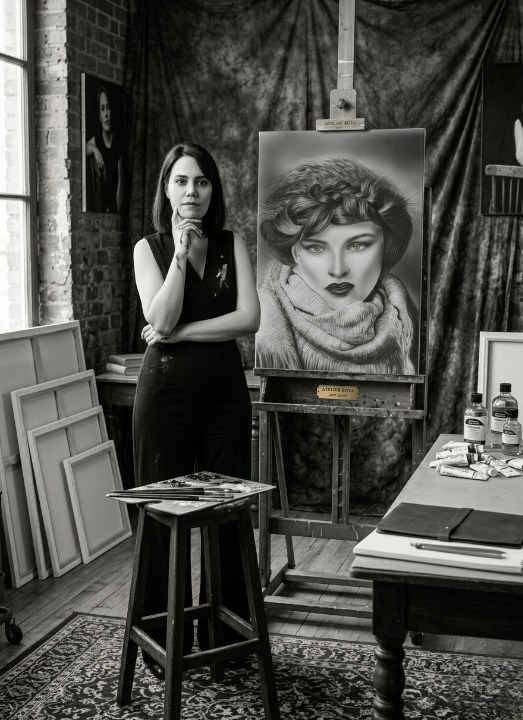
Awesome – so before we get into the rest of our questions, can you briefly introduce yourself to our readers.
Maryam Gomizi is a contemporary Iranian visual artist whose practice is rooted in lived experience rather than a purely academic artistic path. Her work focuses on expressive human portraiture, exploring identity, cultural memory, and the voices that are often overlooked or unheard.
Working across oil, acrylic, charcoal, and drawing, she translates the human form into a layered visual language where technical precision meets emotional depth. Her background in Electrical and Industrial Engineering plays a significant role in shaping her artistic approach, bringing a sense of structure, clarity, and analytical awareness into dialogue with intuition and emotional expression. This intersection has become a defining element of her visual identity, where order and sensitivity coexist.
Maryam’s artistic themes revolve around women’s resilience, cultural identity, freedom, and the tension between structure and liberation. Movement—particularly in figures such as ballerinas—also plays an important role in her work, symbolizing both fragility and strength. For her, every line, shadow, and texture carries emotional weight and becomes a quiet form of storytelling.
Alongside her engineering education (B.Sc. in Electrical and Electronics Engineering and M.Sc. in Industrial Engineering), she is also a certified professional art instructor with a focus on children’s art education and therapeutic creative practices. This background has further strengthened her understanding of art as a form of communication, healing, and human connection.
Her works have been exhibited internationally, including art exhibitions in Italy, Tehran, and Shiraz, and she has been featured in publications such as Contemporary Artists of Iran (2021). These milestones reflect not only her professional development but also the gradual emergence of a distinct artistic voice.
For Maryam, art is not simply image-making; it is a language for what cannot easily be spoken. Her practice is dedicated to revealing hidden emotional layers and transforming silence into visual presence. She invites viewers to engage not only with what is seen, but with what is felt—bridging personal experience with universal human emotion.
Today, her work continues to evolve at the intersection of structure and emotion, where engineering precision meets artistic freedom, and where silence becomes form, memory, and expression.
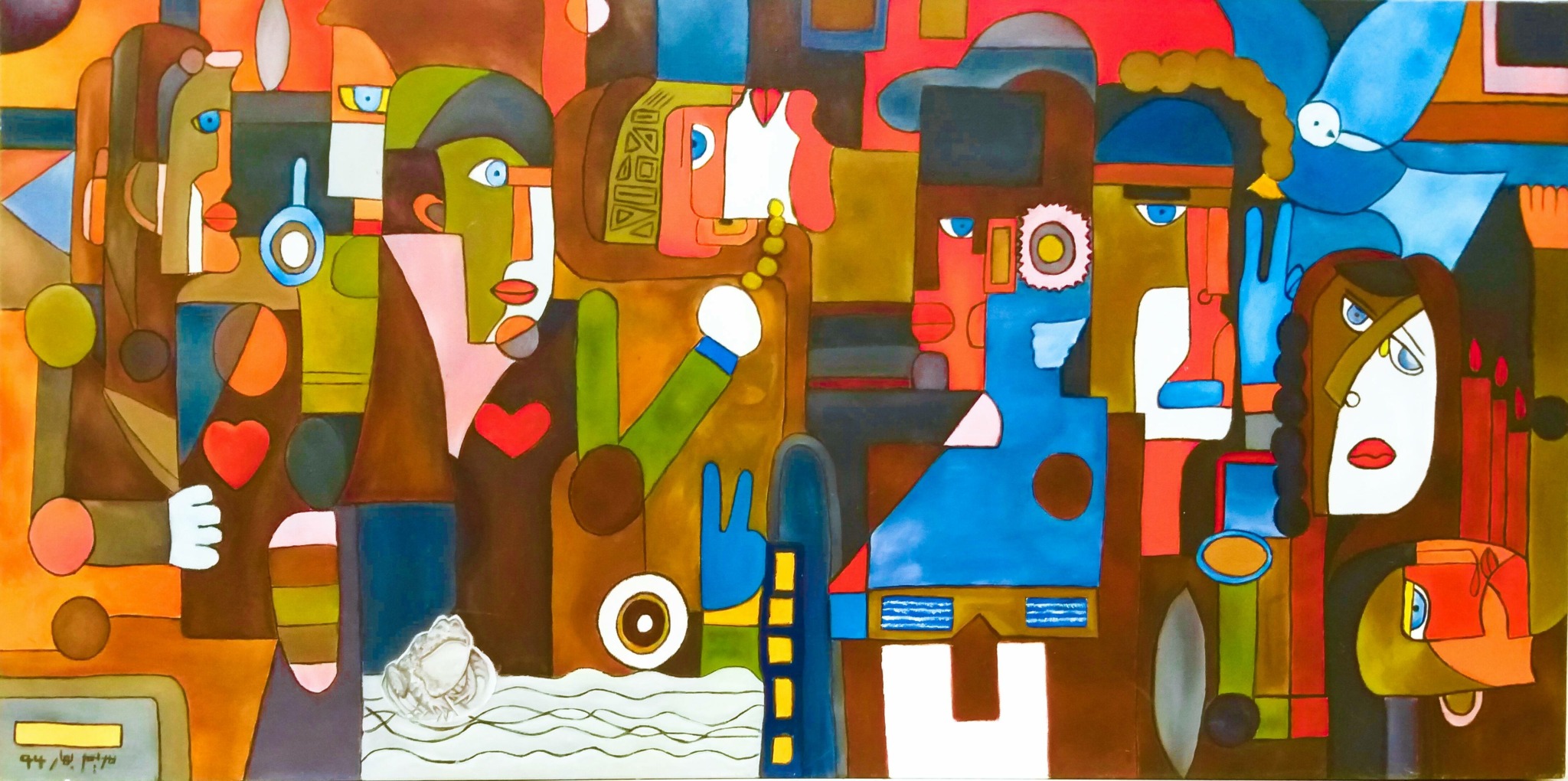
What do you think is the goal or mission that drives your creative journey?
For me, art was never a sudden choice or a decorative career path; it has been the gradual transformation of a long silence into language. The core mission of my creative journey is to give voice back to experiences that have been overlooked for years—both on a personal level and within the collective experience of women and individuals whose stories exist on the margins of dominant narratives.
Before entering the world of art, I followed a completely different path in engineering, a field defined by structure, logic, and precision. Yet beneath that external order, there was always an internal absence—a sense that a fundamental part of my identity remained undefined within that framework. Art did not begin for me as a profession; it began as a necessity.
At the age of thirty, in a very simple yet decisive moment—standing in front of an art gallery window on a rainy afternoon—I encountered a quiet truth within myself. That moment was not the beginning of a decision, but the beginning of a return: a return to something that had always existed within me but had never been allowed to fully speak. From that point on, art became a way of understanding the world, and more importantly, understanding the human experience.
The mission that drives my practice is to create works that make silence audible. I approach the human portrait, especially faces carrying deep emotional and cultural layers, as a language in itself—a language capable of holding memory, resilience, limitation, and hope without the need for direct explanation.
In my work, I constantly explore the space between structure and emotion. My engineering background contributes precision and compositional awareness, while my artistic practice allows intuition and emotional depth to emerge freely. Rather than seeing this as a contradiction, I consider it the foundation of my visual language.
What drives me forward is not simply the act of creating images, but the desire to build spaces where viewers can recognize themselves—even in silence, even in invisibility. I believe art reaches its true purpose when it awakens something within the viewer that has long remained unspoken.
For me, this journey is not about being seen; it is about seeing. Seeing what has been hidden, and giving it form, presence, and voice.
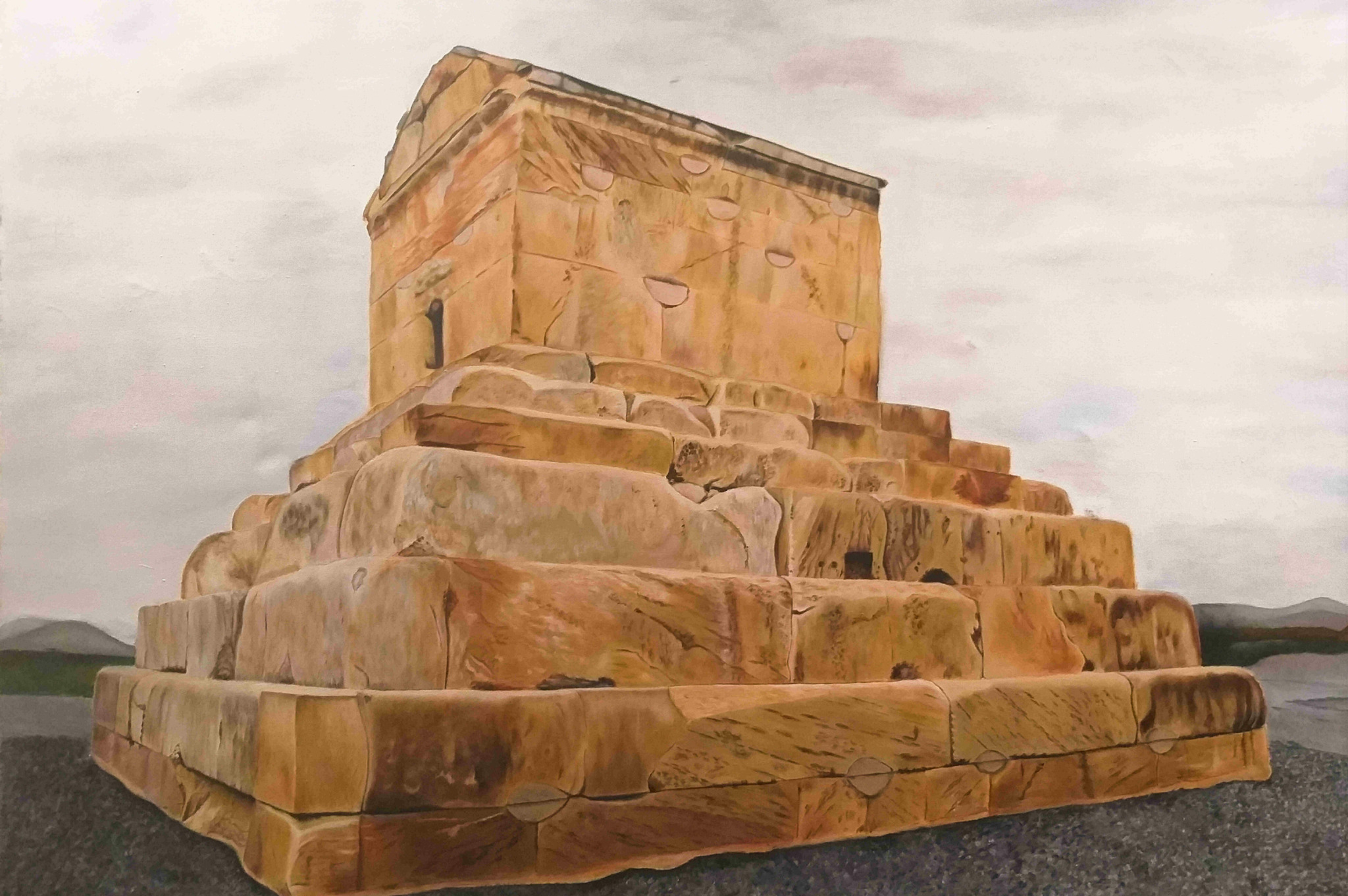
What’s the most rewarding aspect of being a creative in your experience?
For me, the most profound aspect of being an artist occurs at the moment when an artwork transcends its status as an image and becomes an existential condition—where what matters is no longer what I have created, but what has been awakened in someone else.
My understanding of the value of art is rooted in this shift: from producing a visual object to creating an act of perception. It is the moment when a personal silence, without explanation or direct narrative, finds resonance within the consciousness of another. In that space, art no longer belongs to the artist; it becomes a shared human field of experience.
From this perspective, art feels like a departure from the ordinary logic of the world—a world that constantly seeks definition, measurement, and structural clarity. Art, for me, stands at the opposite end of that order: in the realm of ambiguity, in the space between the spoken and the unspoken, where meaning is neither imposed nor explained, but experienced.
Within this framework, my sense of fulfillment does not lie in the perfection of the artwork, but in its openness—the ability of an image to remain open rather than closed, to generate questions rather than provide answers, and to continue unfolding within the viewer’s mind and emotional landscape.
Ultimately, being an artist is not about producing meaning, but about creating the conditions in which meaning can emerge. And perhaps it is in these moments of emergence that art comes closest to its most essential form.
Contact Info:
- Website: https://marygart.github.io/maryg/
- Instagram: https://www.instagram.com/maryg.paints/
- Facebook: https://www.facebook.com/Maryggallery/
- Linkedin: https://www.linkedin.com/in/marygart/
- Twitter: https://x.com/Maryggallery
- Youtube: https://www.youtube.com/@marygart9387
- Other: https://mastodon.art/@maryg
https://www.behance.net/maryamgomizi
https://dribbble.com/marygpaints
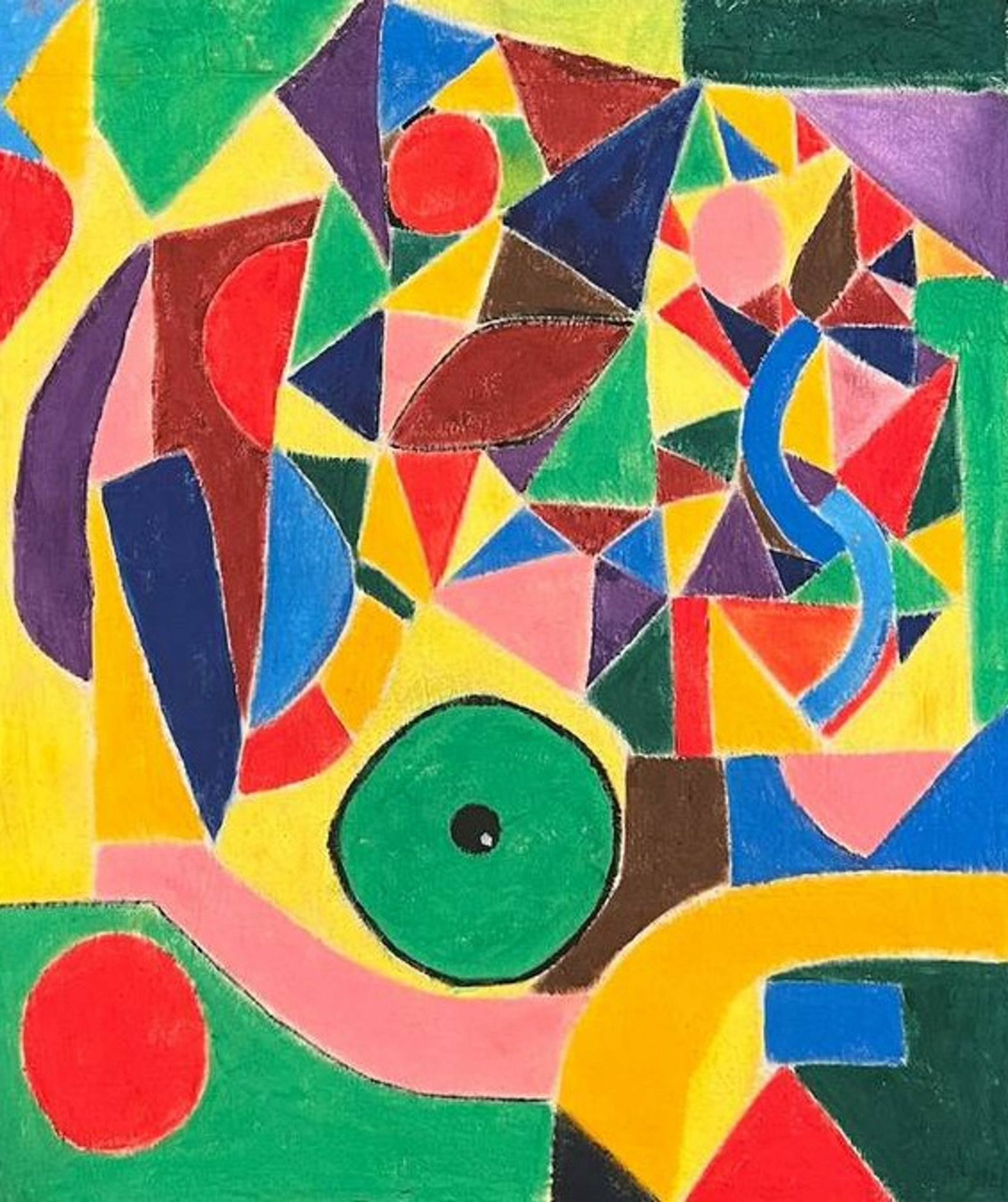
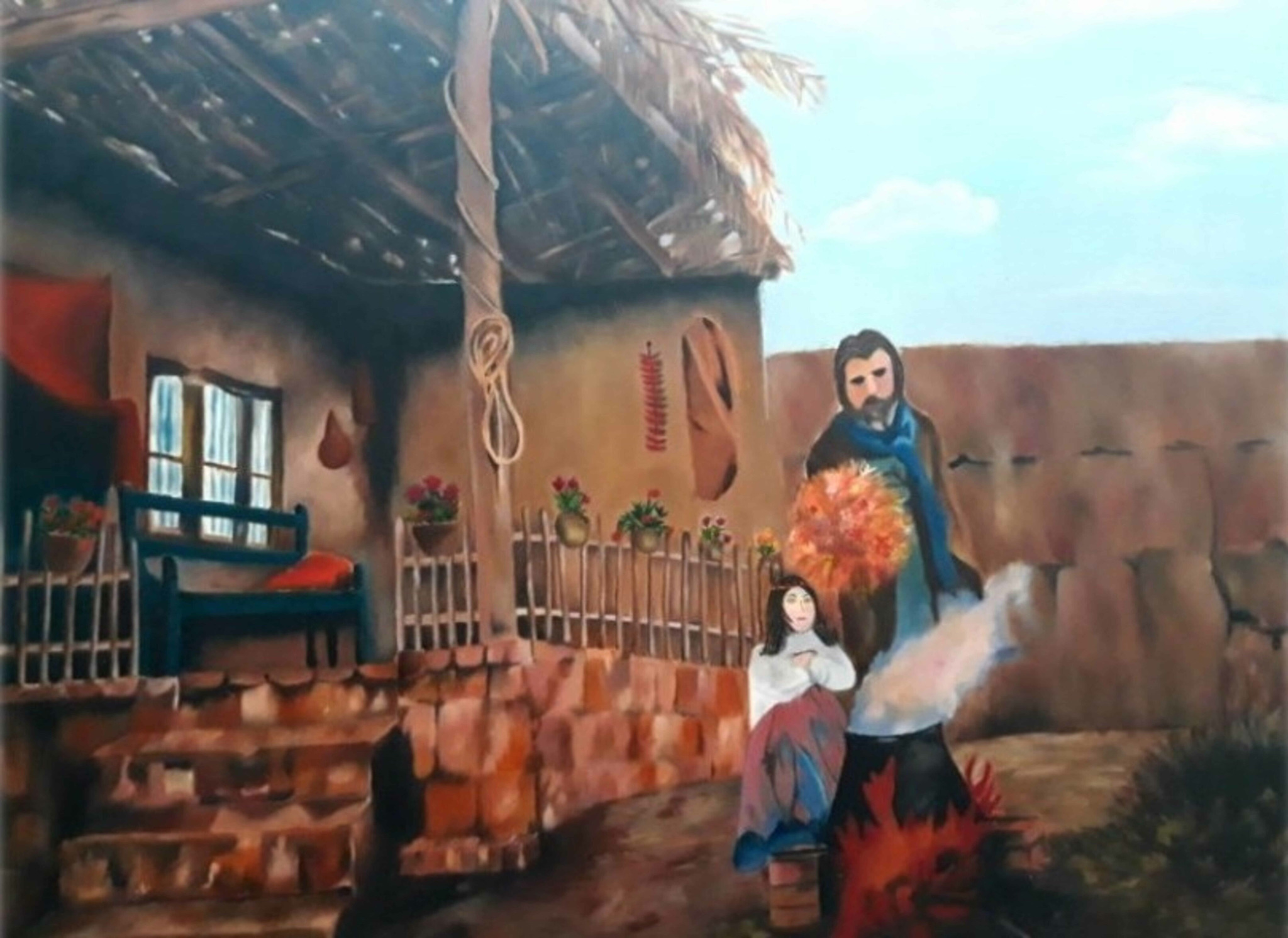
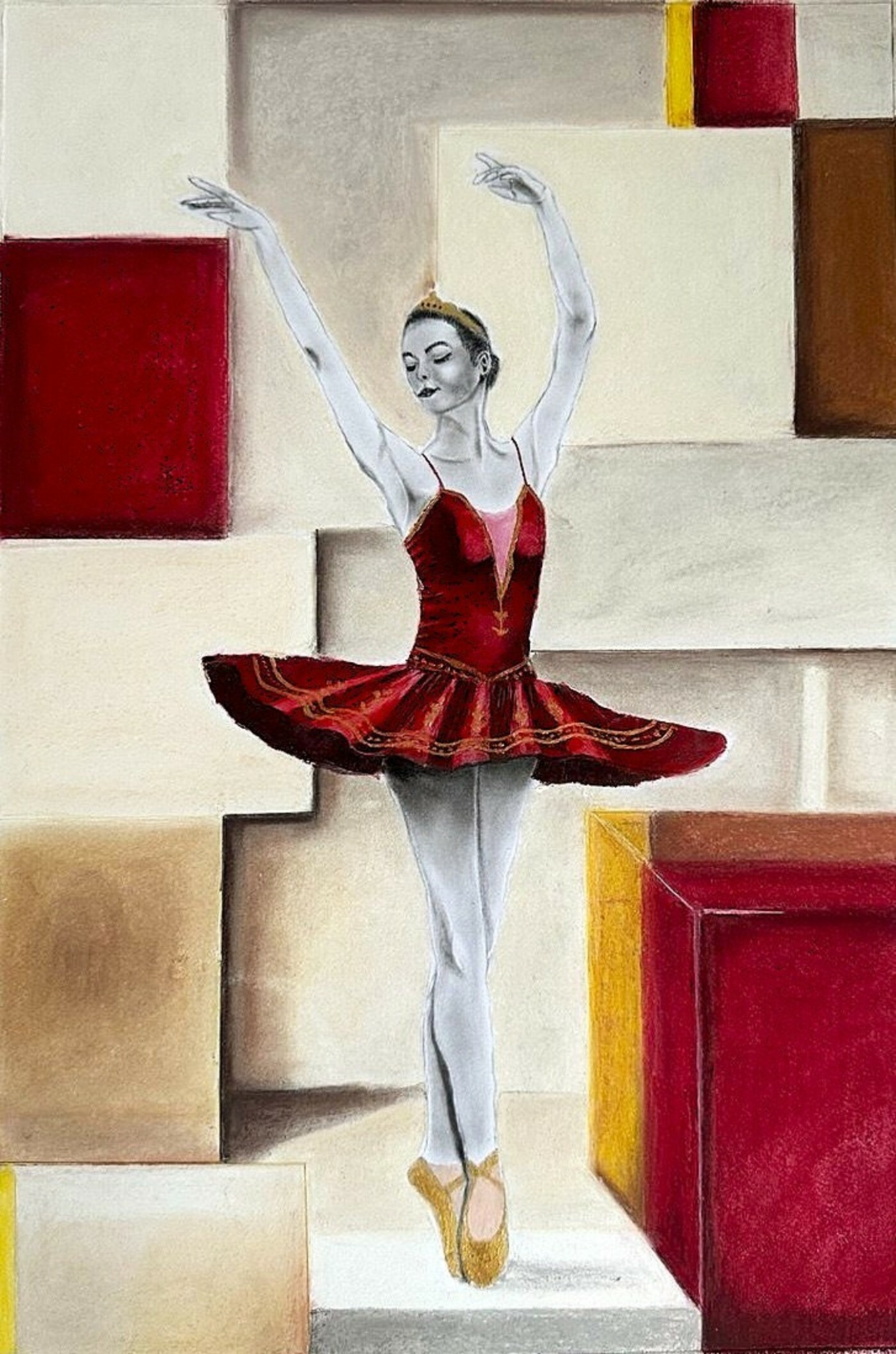
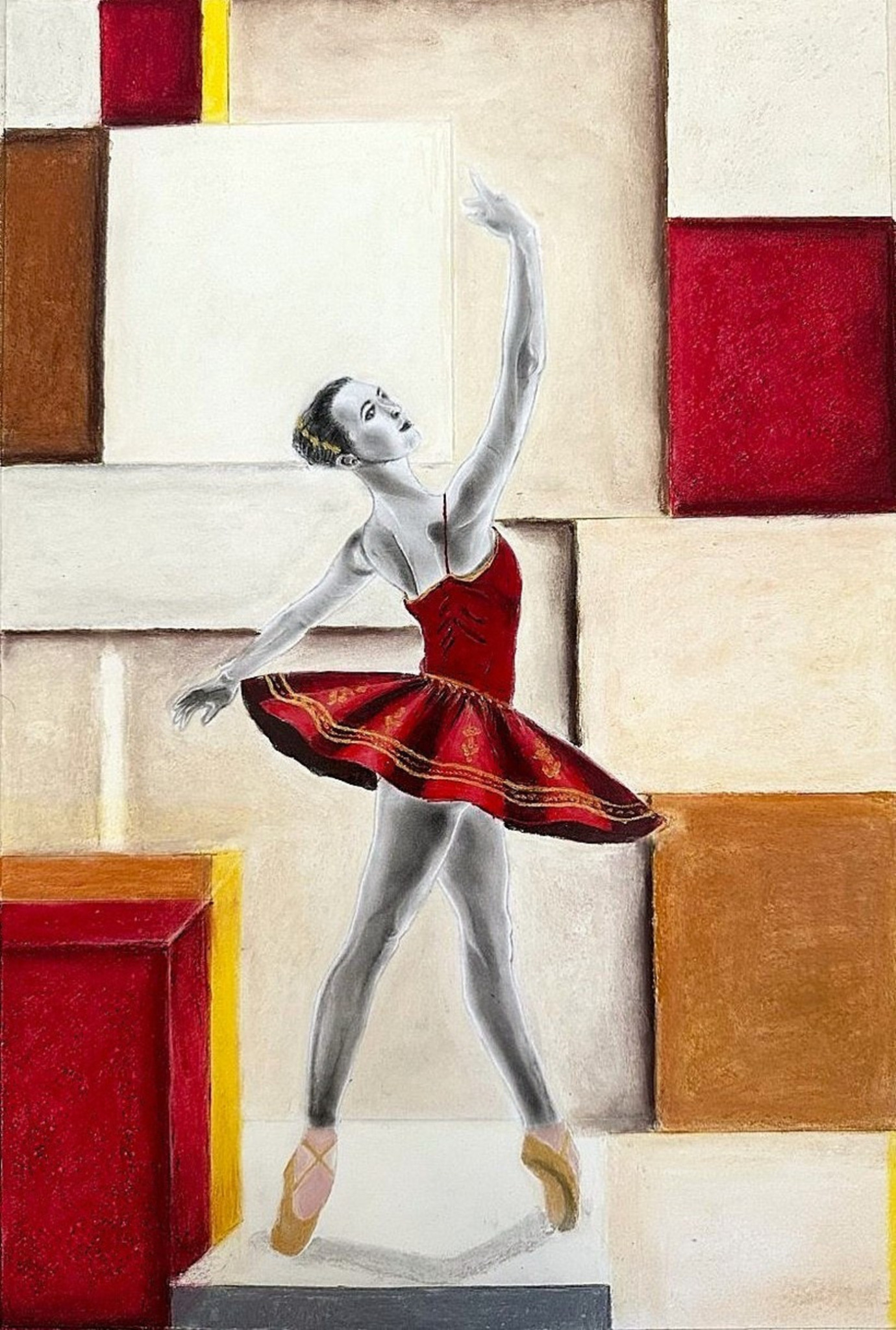
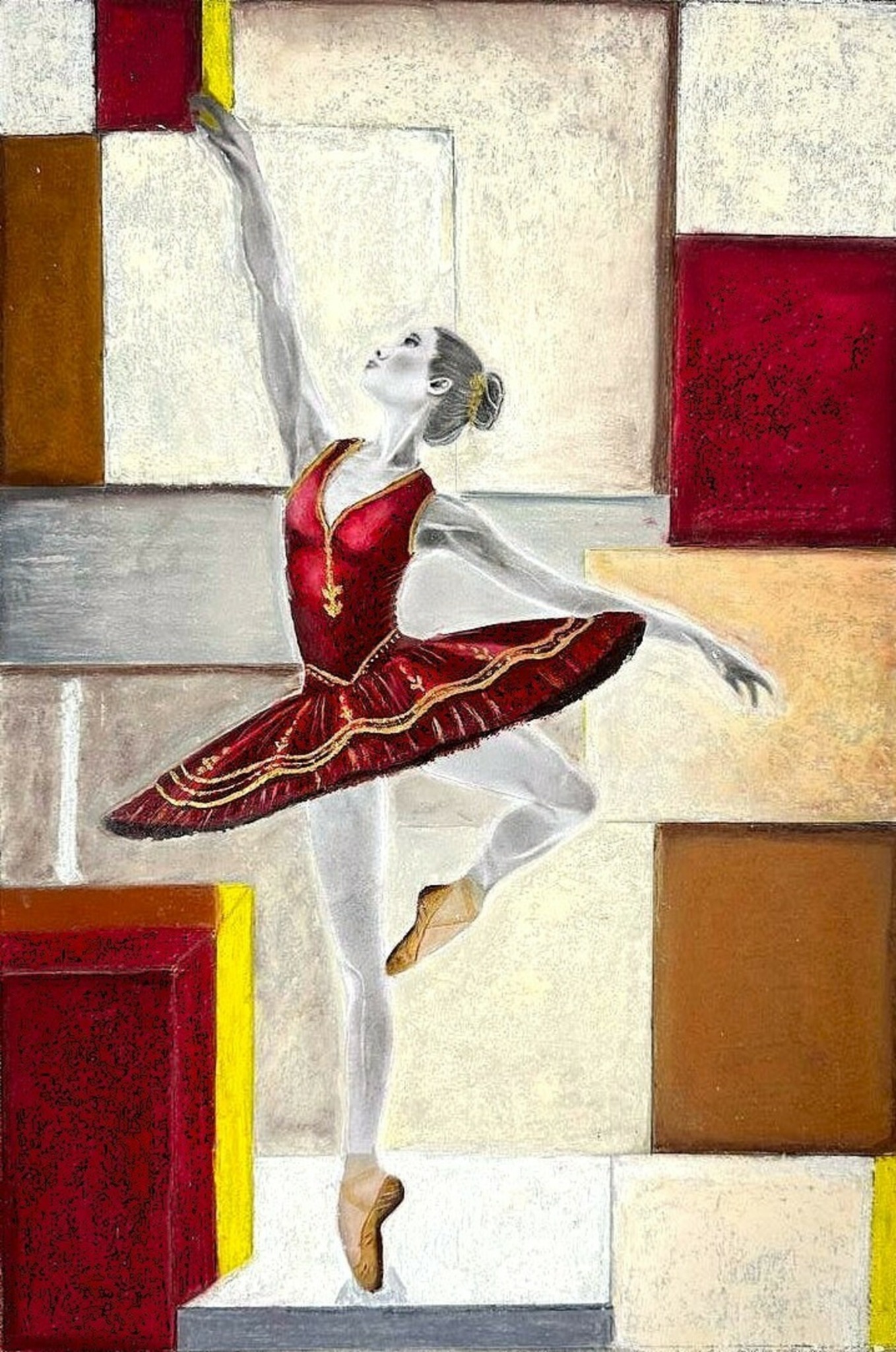
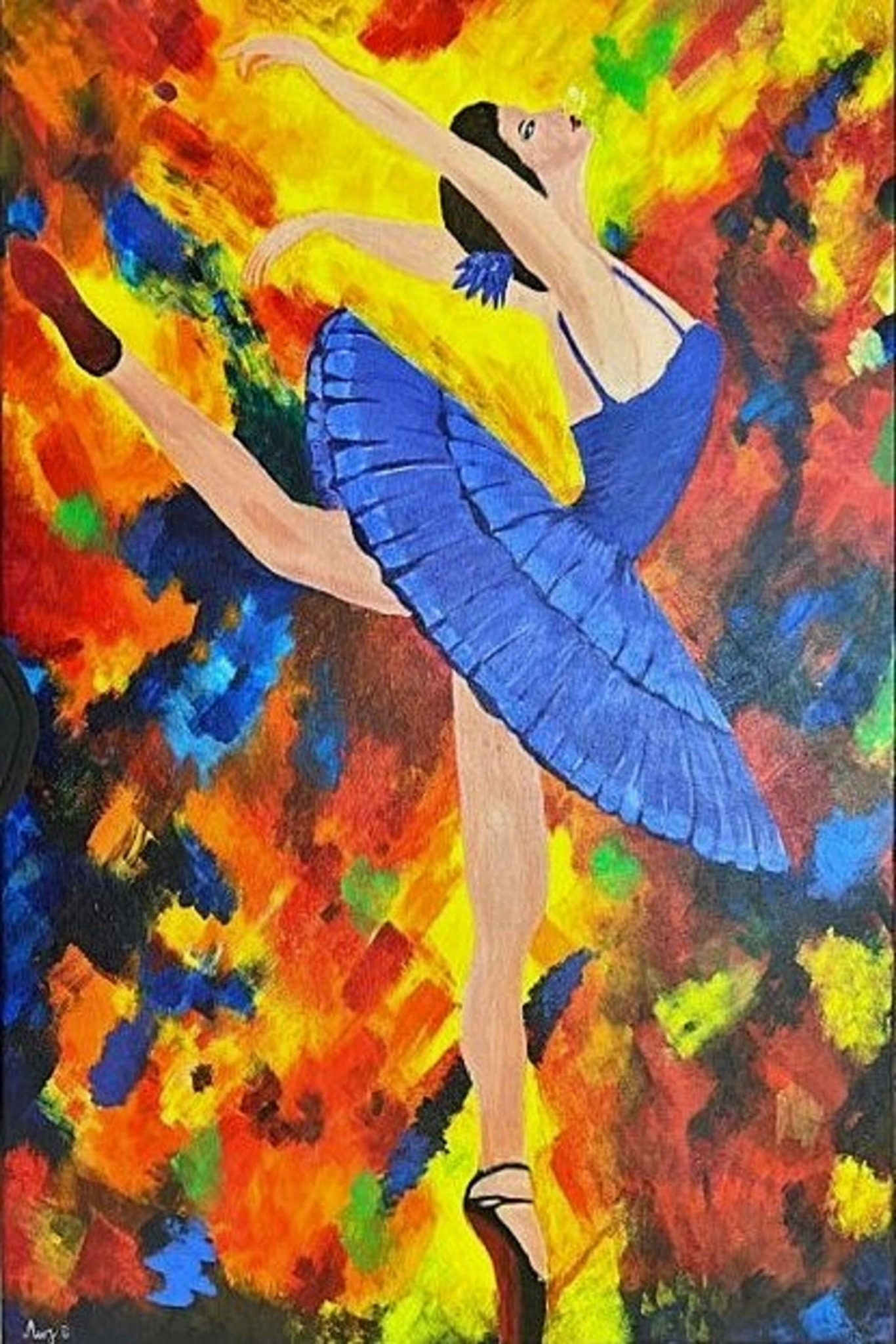
Image Credits
Maryam Gomizi (Mary G)