

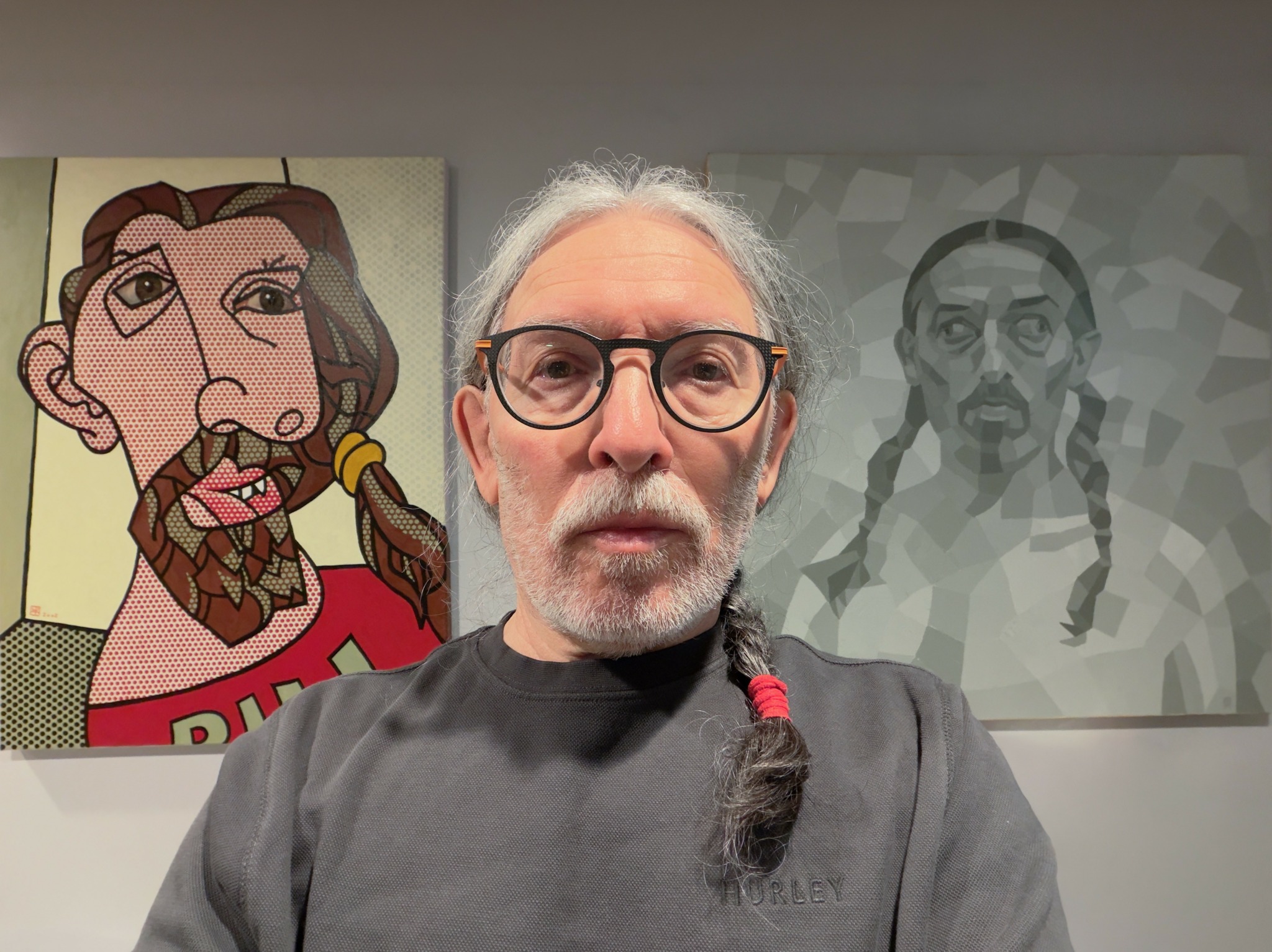

We recently connected with Genna Gurvich and have shared our conversation below.
Alright, Genna thanks for taking the time to share your stories and insights with us today. Can you open up about a risk you’ve taken – what it was like taking that risk, why you took the risk and how it turned out?
For an artist, risk is a constant companion. You are always reaching for the horizon, searching for the new, and venturing into the unknown. On this path, many choose to follow a leader or remain in a comfortable, well-worn groove.
There were several moments in my life when risk could have drastically changed — and perhaps did change — my entire existence. I moved to the USA from Belarus. The first blow came when I visited an art supply store; the majority of the tools and materials there were a complete mystery to me in terms of their use. The second shock was visiting several contemporary exhibitions, where I began to suspect that everything I had done before was nothing more than child’s play.
Only then do you truly begin to understand why so many great artists strove to reach the art capitals of the world: Paris, New York. Had they stayed in their homelands, none of them would have become the figures we know today. For an entire year, I was afraid to even touch the canvas, and when I finally did, my first brushstroke was grey.
As always, we appreciate you sharing your insights and we’ve got a few more questions for you, but before we get to all of that can you take a minute to introduce yourself and give our readers some of your background and context?
I was born in the 20th century in Ukraine and now live in Maryland in the 21st. My long education in design shaped my analytical way of thinking, while my search for a place within the art world continually leads me to art history—both as a parallel reality and as a field to explore through the methods of conceptual art.
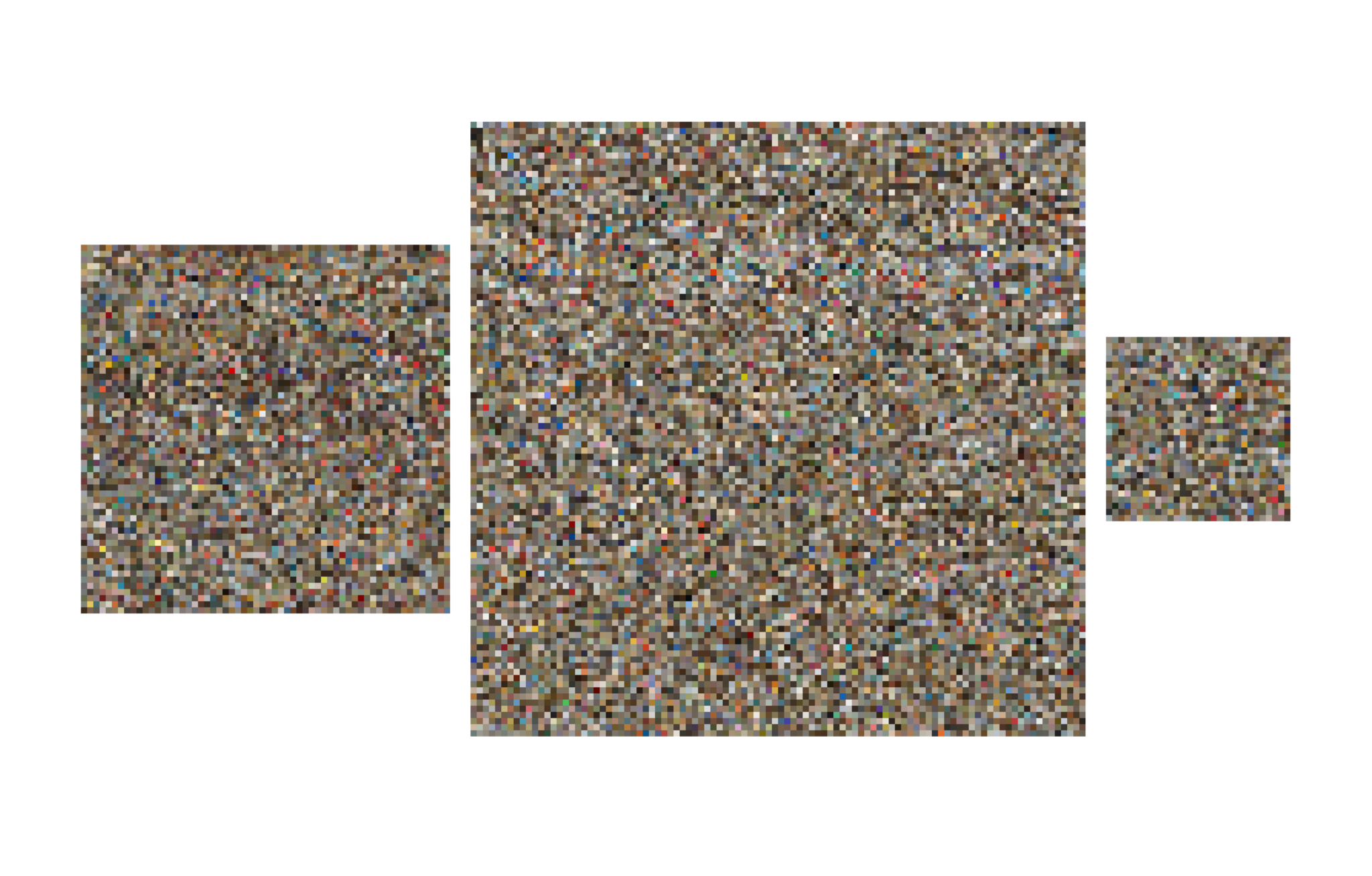
For a long time, I have been fascinated by the idea of using the pixel as a measure of abstraction for various concepts. This tiny colored square has become an endless source and a method for visualizing ideas, where the level of abstraction varies according to the specific task at hand.
In the Art History project, for instance, each pixel represents an independent bit of information, existing distinctly from its neighbors, yet together they constitute a data field for further comparison with other data fields. In another project, 301st Generation, pixels are grouped into geometric monochromatic shapes, which in turn form a minimally detailed portrait. Here, the personalization of the image is combined with a broader archetype—a representative of a specific group of people. In this context, the pixelated language serves as the common denominator for the entire project.
One can distinctly observe how the role of the small colored square transforms and adapts within each individual project.
Have any books or other resources had a big impact on you?
Of course, certain books read in youth stay with you for the rest of your life. I would go as far as to say that the most important among them becomes your ‘backbone.’ I would name two such books.
The first is Jonathan Livingston Seagull by Richard Bach. For me, its primary lesson is the importance of choosing the ultimate goal in life without any compromise; from there, everything depends on talent and patience. The second is The Glass Bead Game by Hermann Hesse. To me, it is a school of the ‘pure path’ and an embodiment of the understanding that everything in culture is interconnected. The search for these connections is a process that is not only fascinating but also personality-shaping.
For you, what’s the most rewarding aspect of being a creative?
It is a question that is both simple and complex at the same time. I would say that creativity provides a sense of freedom—especially when you aren’t bound by deadlines, pressured by a client’s instructions, or limited in any way, leaving the final result as your own personal responsibility.
The second element is pure curiosity. I see a kinship with science here. Every project I undertake leads to new knowledge and experience; it reveals new connections within the world around us. And, in turn, it poses new questions for which the search for answers is deeply intriguing.
Contact Info:
- Website: https://gennagurvich.net
- Instagram: @gennart
- Facebook: genna gurvich
- Youtube: @gennagurvich
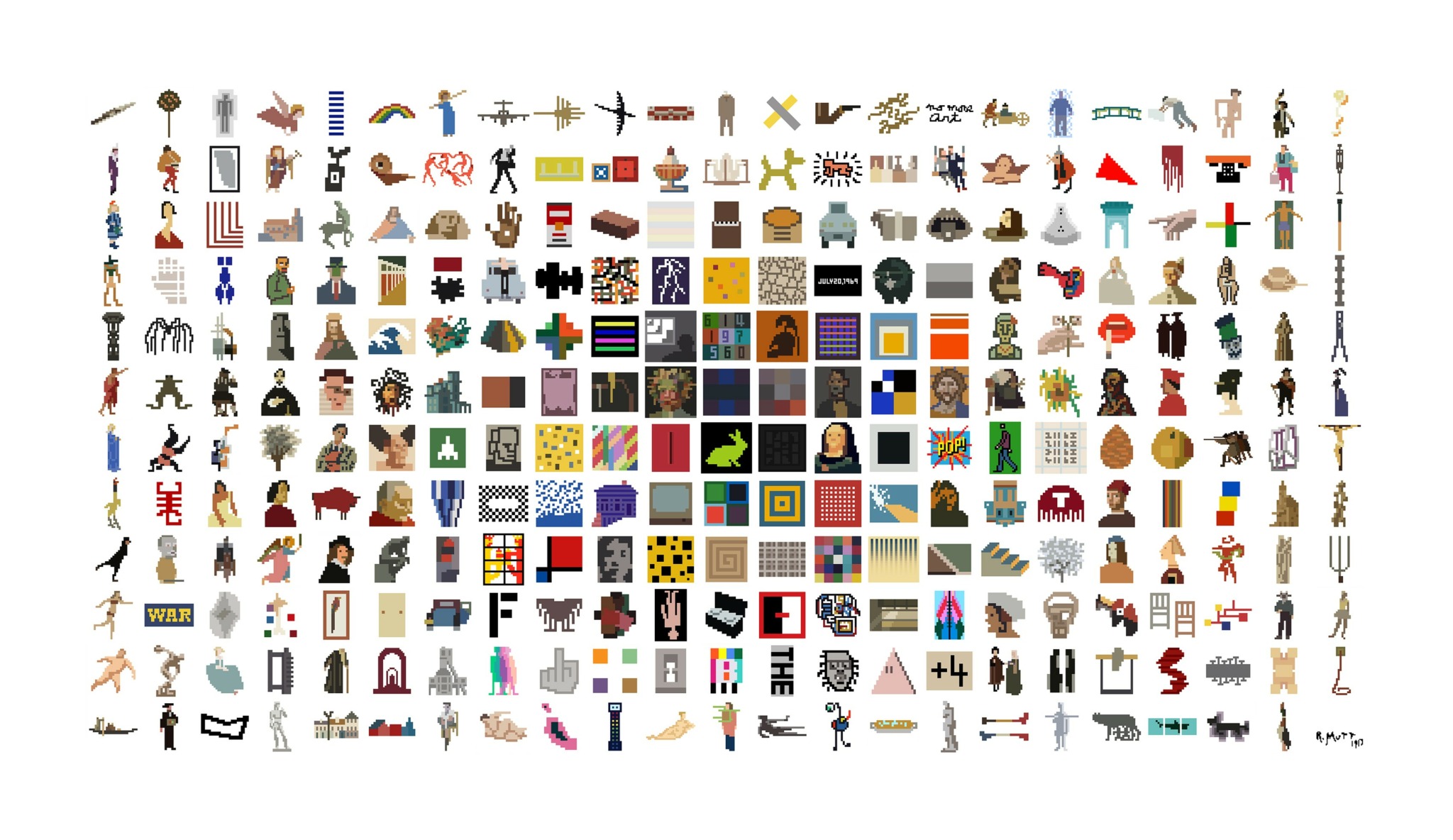
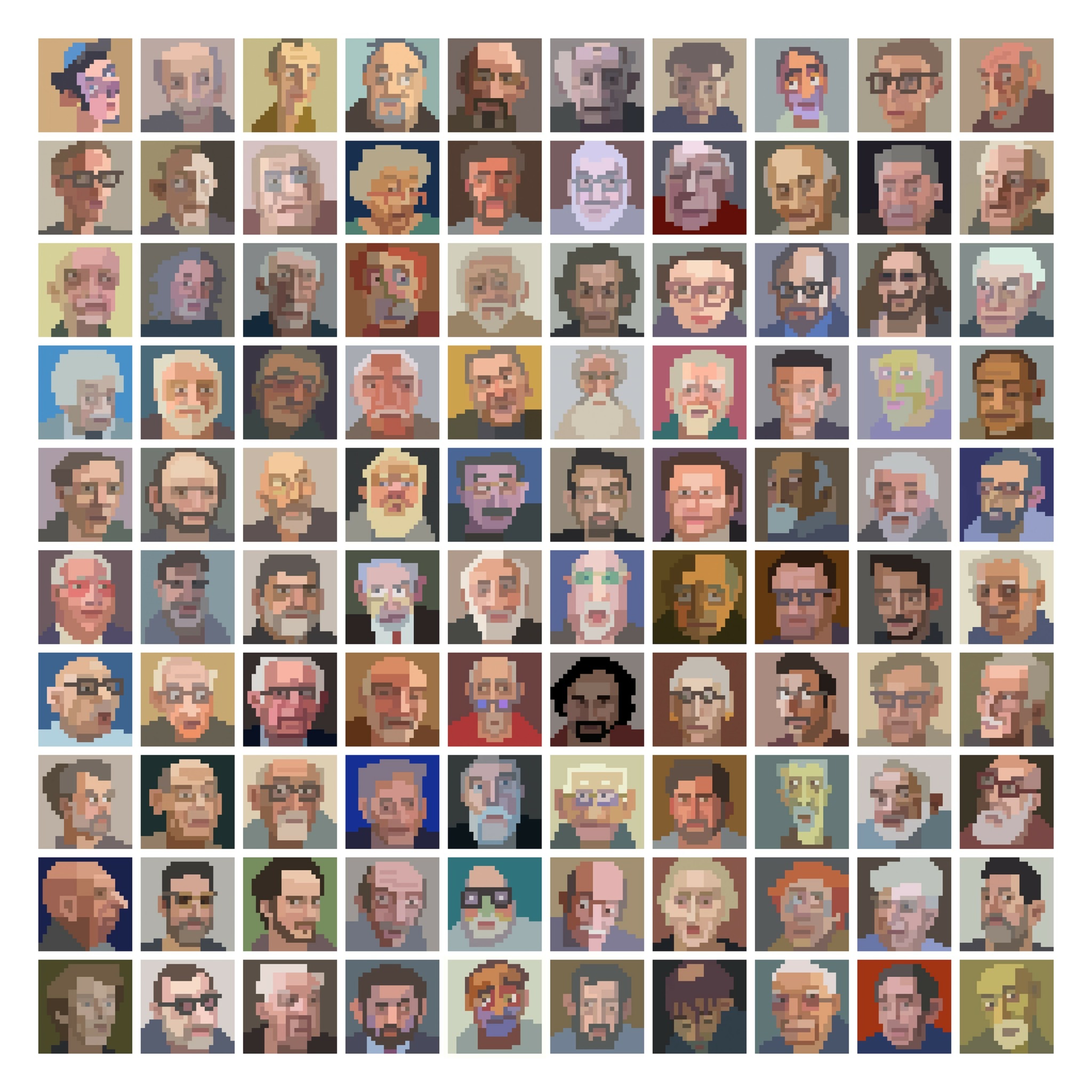
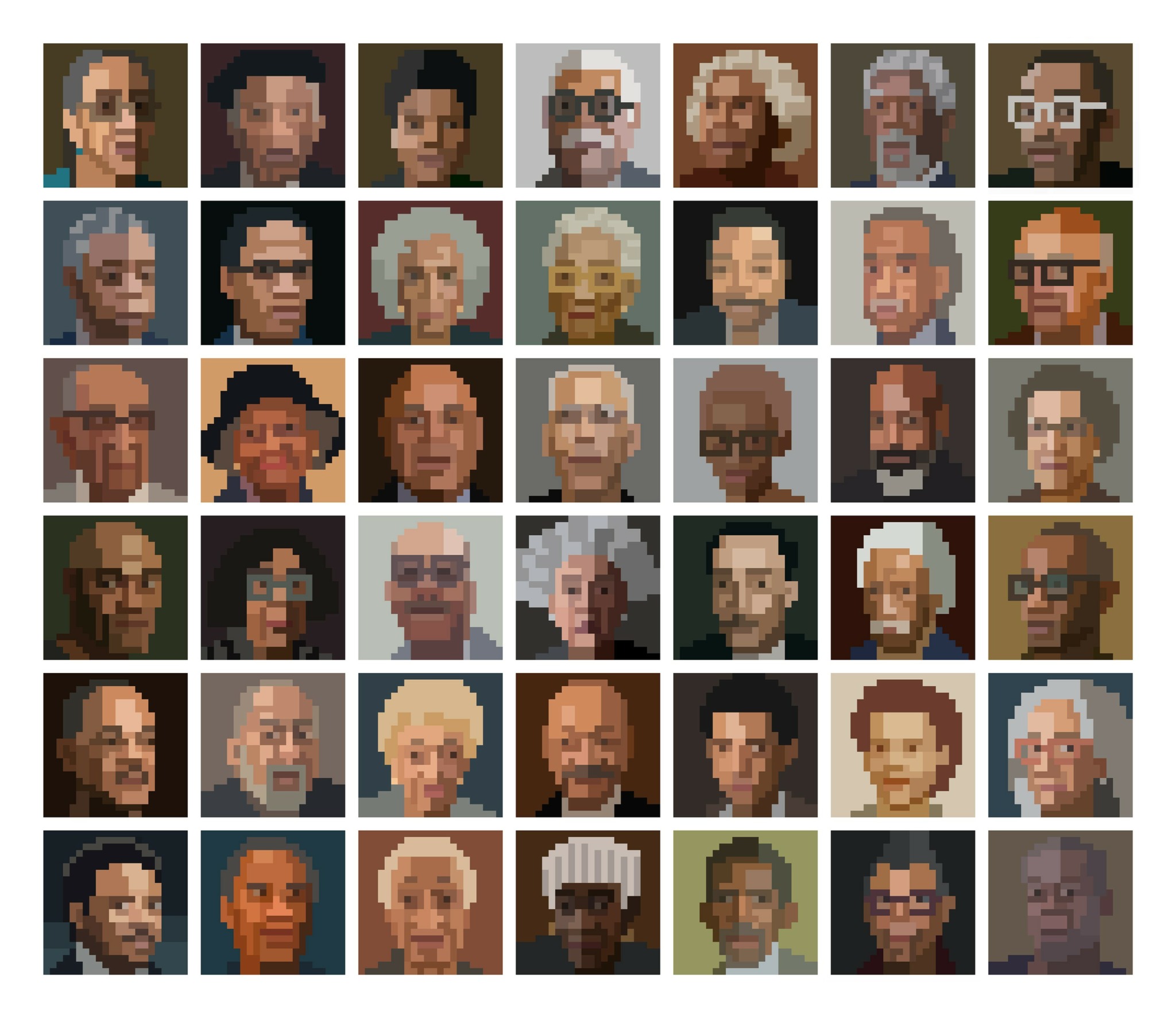
Image Credits
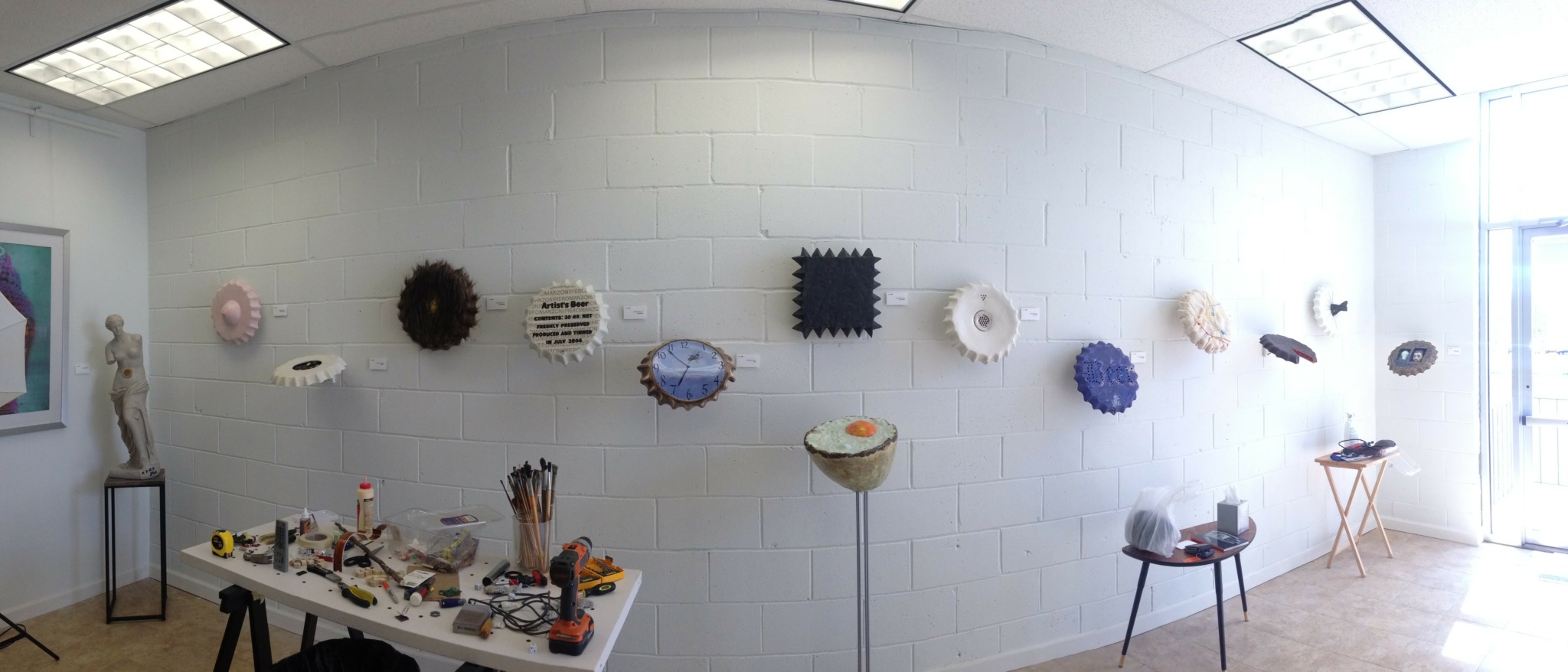
Photo 1: Grand opening of my first US studio with the “Beer Supper” ceramics exhibition, 2014.
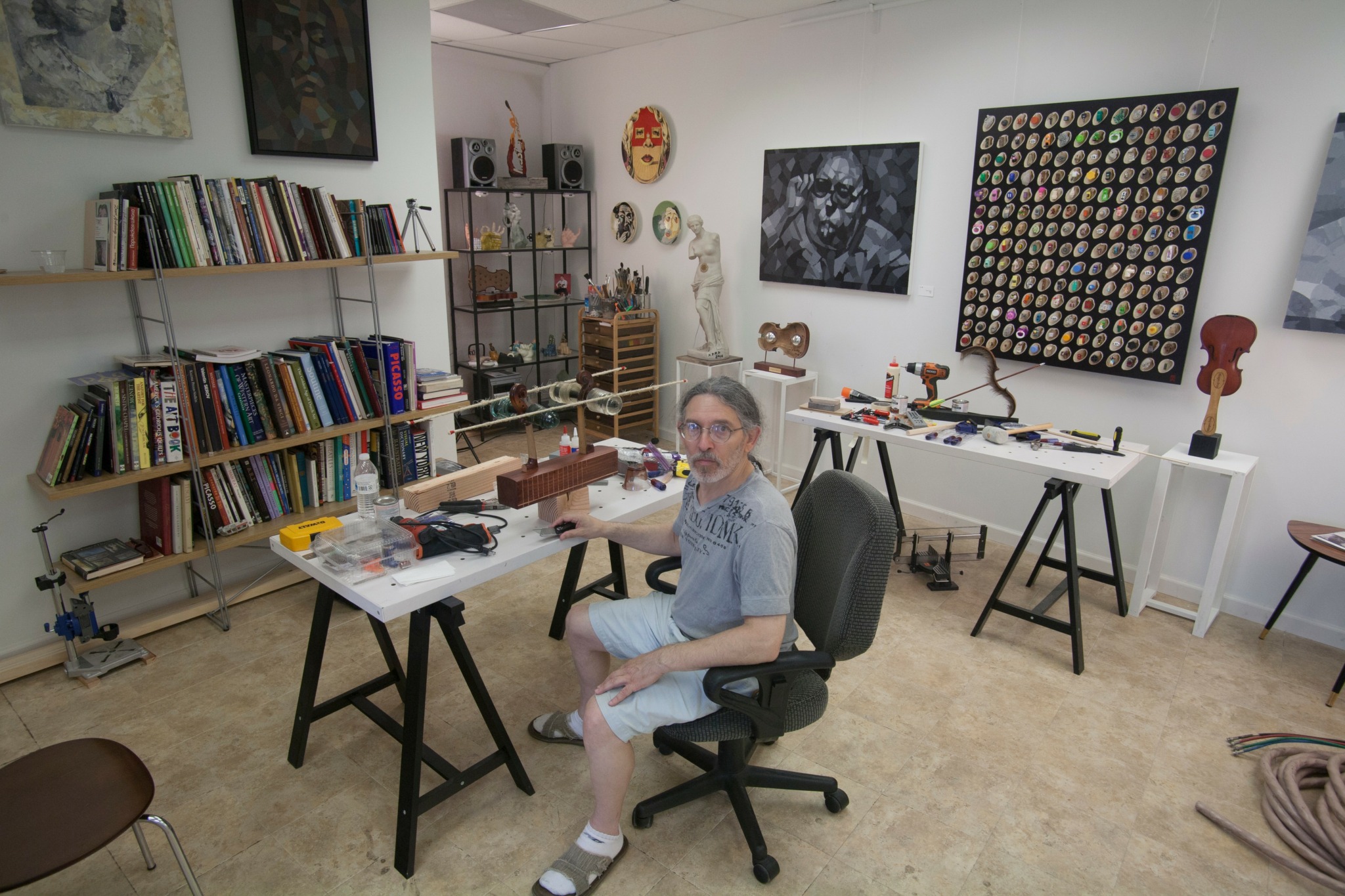
Photo 2: Working on the “Retuning” sculpture series, 2014.
Photo 3: Art History Project, Volumes A, P, Z, 2021–2025.
Photo 4: The Periodic Table of Art Elements, 276 panels, 12×12 each, 2021–2026.
Photo 5: The 301st Generation, 100 panels, 1997–2026.
Photo 6: Descendants, 2026–ongoing.