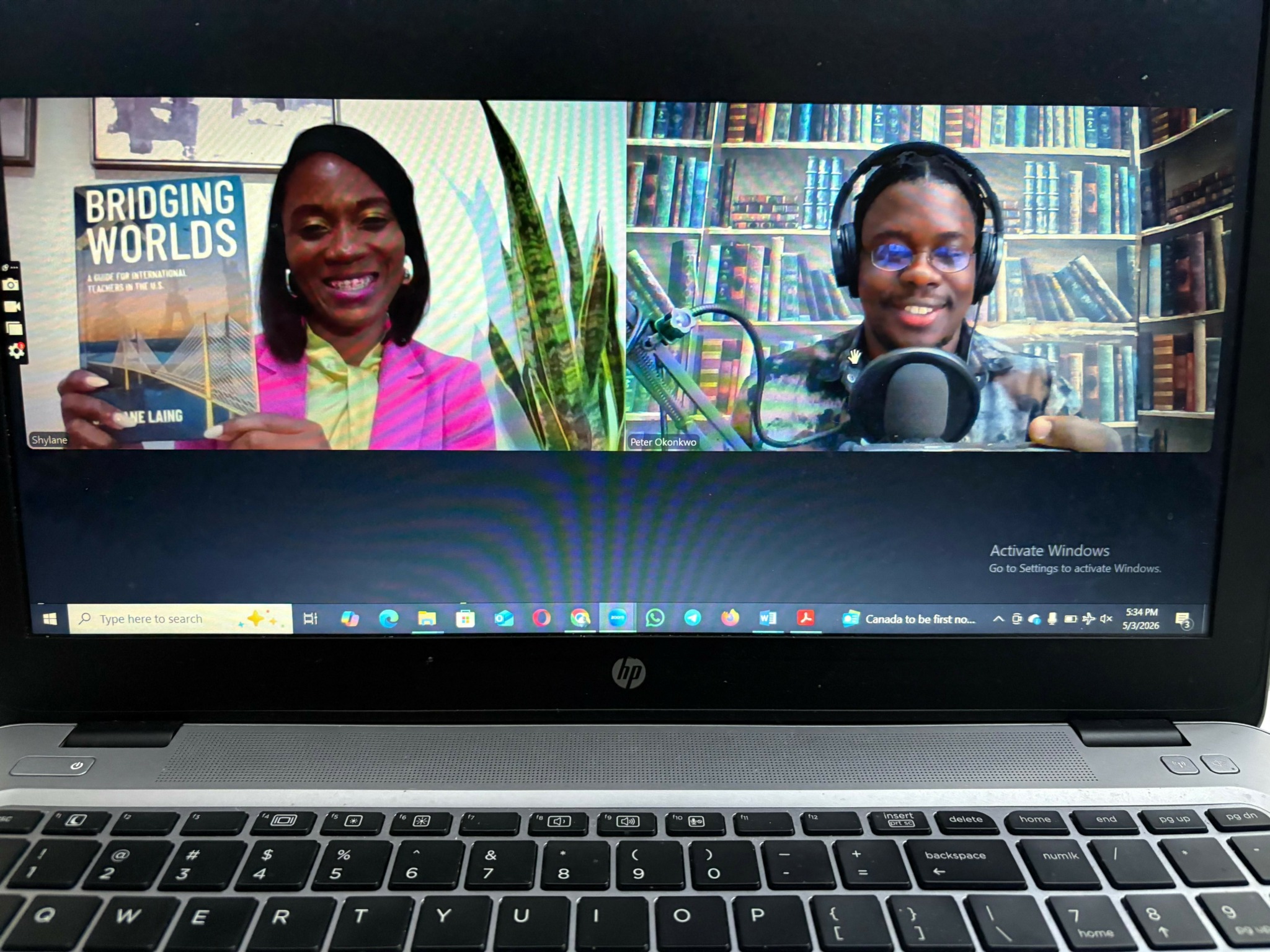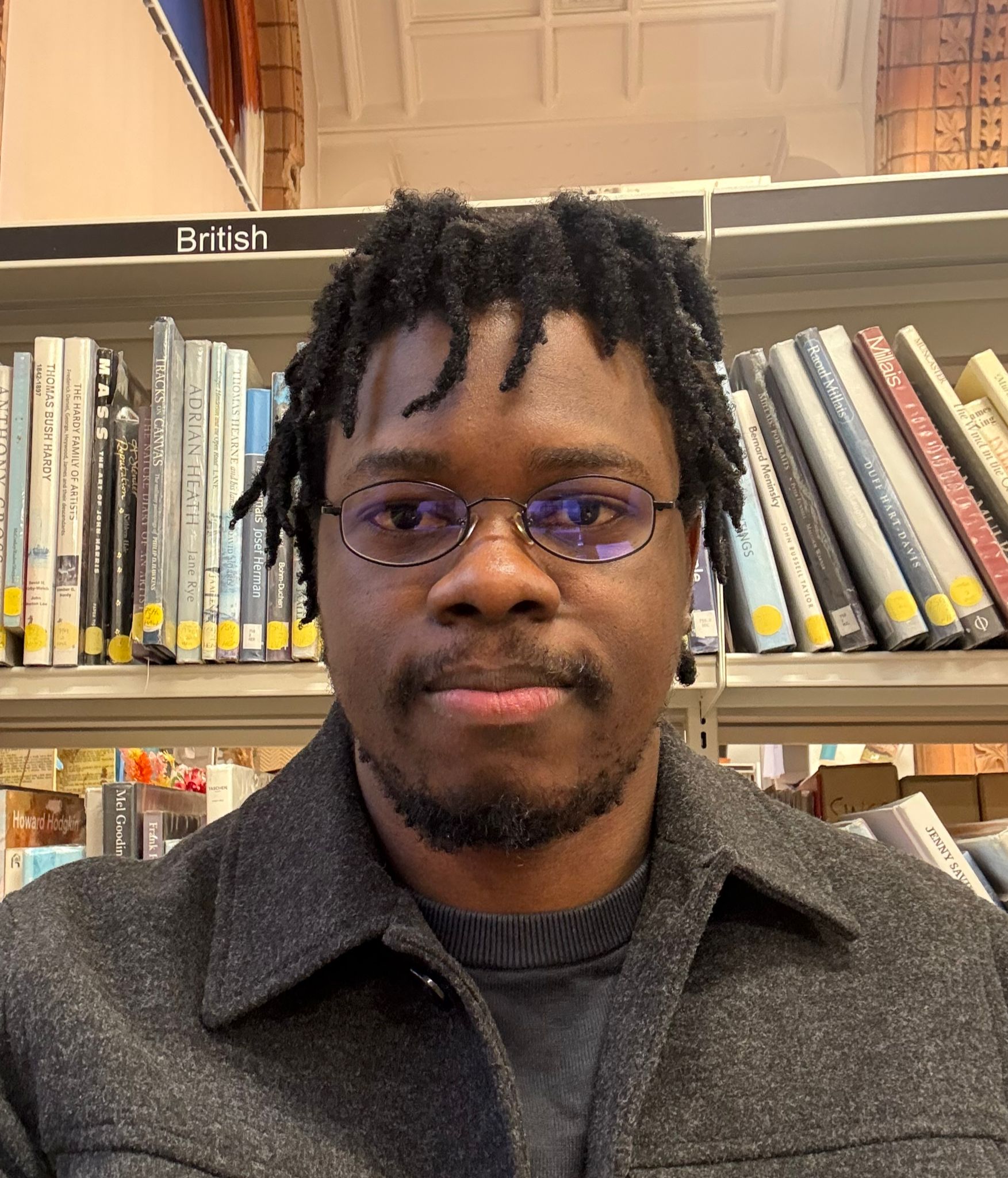

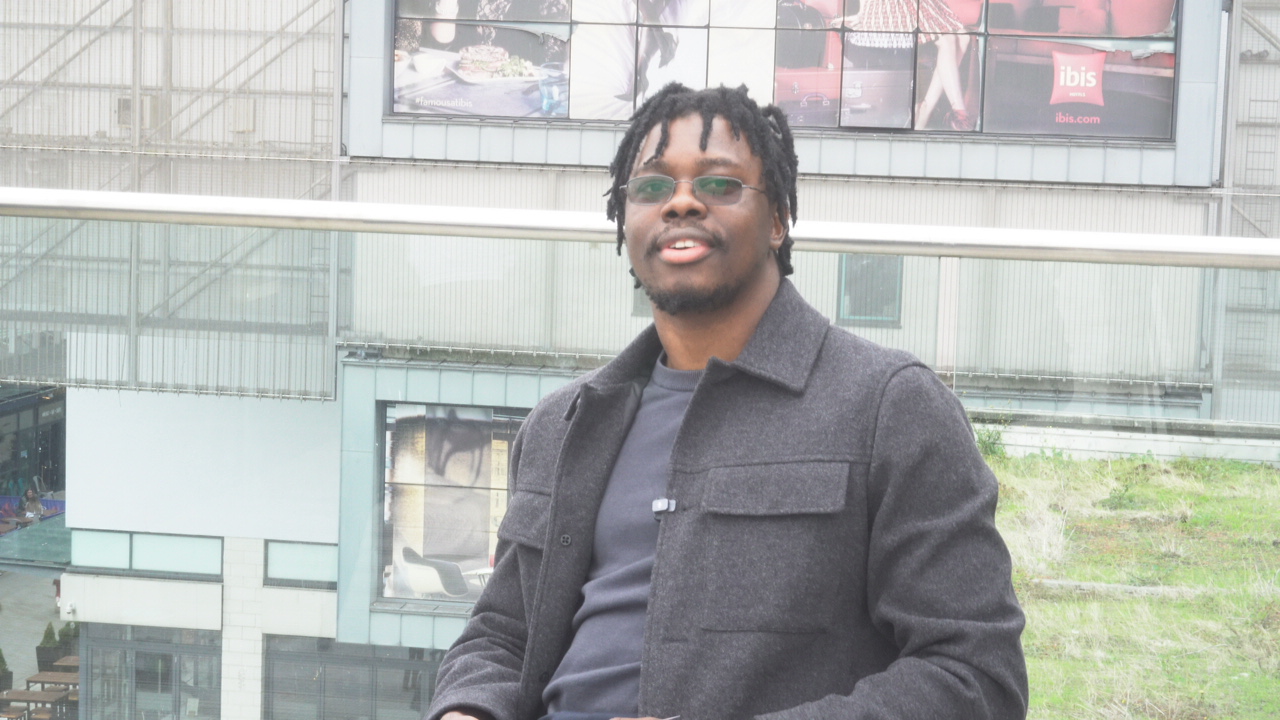
We recently connected with Peter Okonkwo and have shared our conversation below.
Peter, thanks for taking the time to share your stories with us today If you could go back in time do you wish you had started your creative career sooner or later?
I wish I had started my creative career sooner. I founded P. English Literature in 2020, and I really wish I had begun much earlier—back when a friend first recommended that I start a YouTube channel. It’s a shame that three years went by without me doing anything, but I’m still glad that I was able to start P. English Literature in 2020.
From then until now, we’ve grown. It’s been close to six years of committed literary showcase—three years of talking about books, spotlighting artists and their works, writing, and covering different kinds of literature. So even though I wish I had started earlier, I truly appreciate the fact that I started at all.
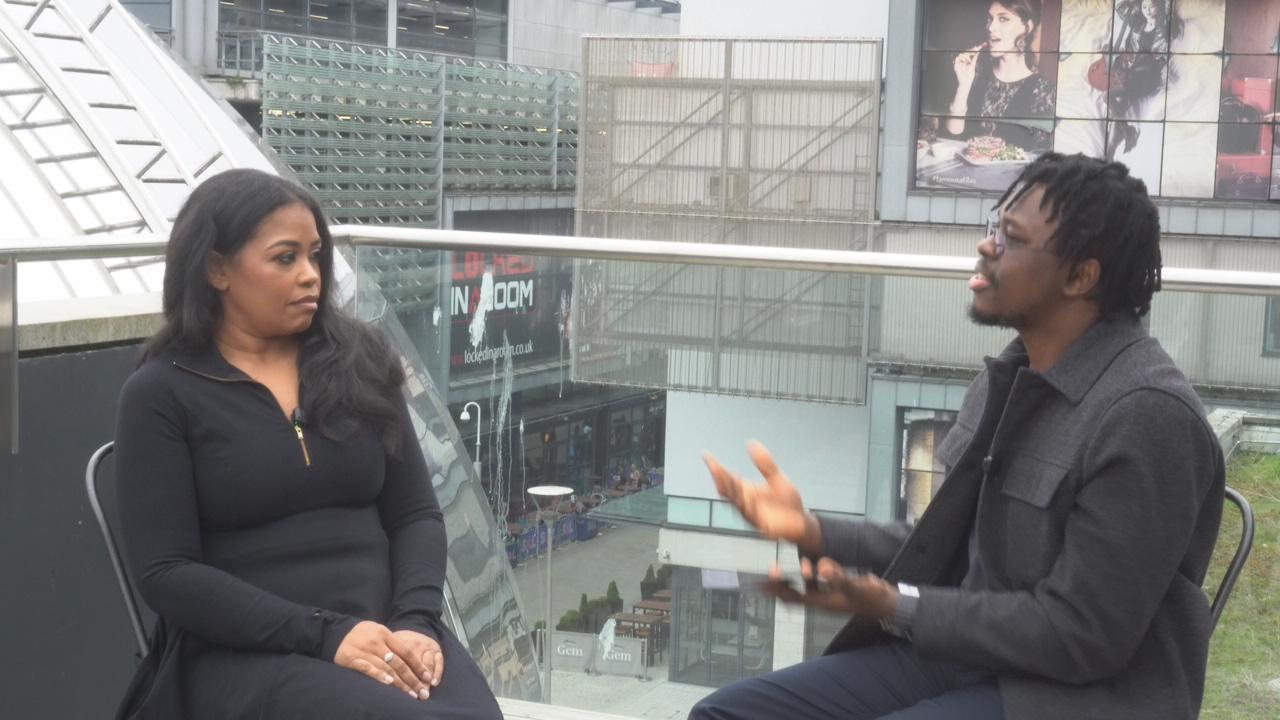
Great, appreciate you sharing that with us. Before we ask you to share more of your insights, can you take a moment to introduce yourself and how you got to where you are today to our readers.
One of the things I’m very proud of is the fact that ever since P. English Literature was founded in 2020, we’ve grown quite massively—from zero followers, from zero subscribers, to a bunch of over 20,000 subscribers in the past five years. And it’s my utmost joy, excitement, and honor that the platform and myself have been able to feature over 1,000 literature-related content, covering book reviews and interviews with authors, covering art showcases, covering writers’ conferences, covering open mic discussions, covering poetry performances, covering book festivals and book club meetings, and all other forms, methods, and works of literature.
We’ve interviewed actors, we’ve interviewed creative directors, we’ve interviewed authors and writers in all genres of literature. We’ve interviewed business owners, we’ve interviewed artists, we’ve interviewed all manner of people in the creative and art industry. We’ve interviewed musicians. We’re more reasonably centered on the art and literature sector, and we’ve done great things. We’ve built brands on the internet space. We’ve built a community of book lovers and literature enthusiasts. We’ve been able to connect writers with one another, despite location. We’ve been able to create a platform where people come to discuss books, to talk about literature from far and near.
We’ve been able to get a lot of endorsements from big organizations, including Arts Council England. We’ve been able to, through our work, get selected into the BXWN Art Showcase in Bristol. We’ve been able to get recognition as being the first-ever international BookTube show with this foundation in Africa that has interviewed more than 1,000 authors globally on a global scale. We’ve done quite an amazing number of works, and our works are very influential and very impactful. We’ve helped authors gain attraction to their works through interviews, through our reviews, through our platform, and so on. It’s an amazing one. We are more like a voice to little-known writers out there, and we keep reinforcing the importance of literature and, in turn, encouraging writers not to give up but to keep on with their lovely craft.
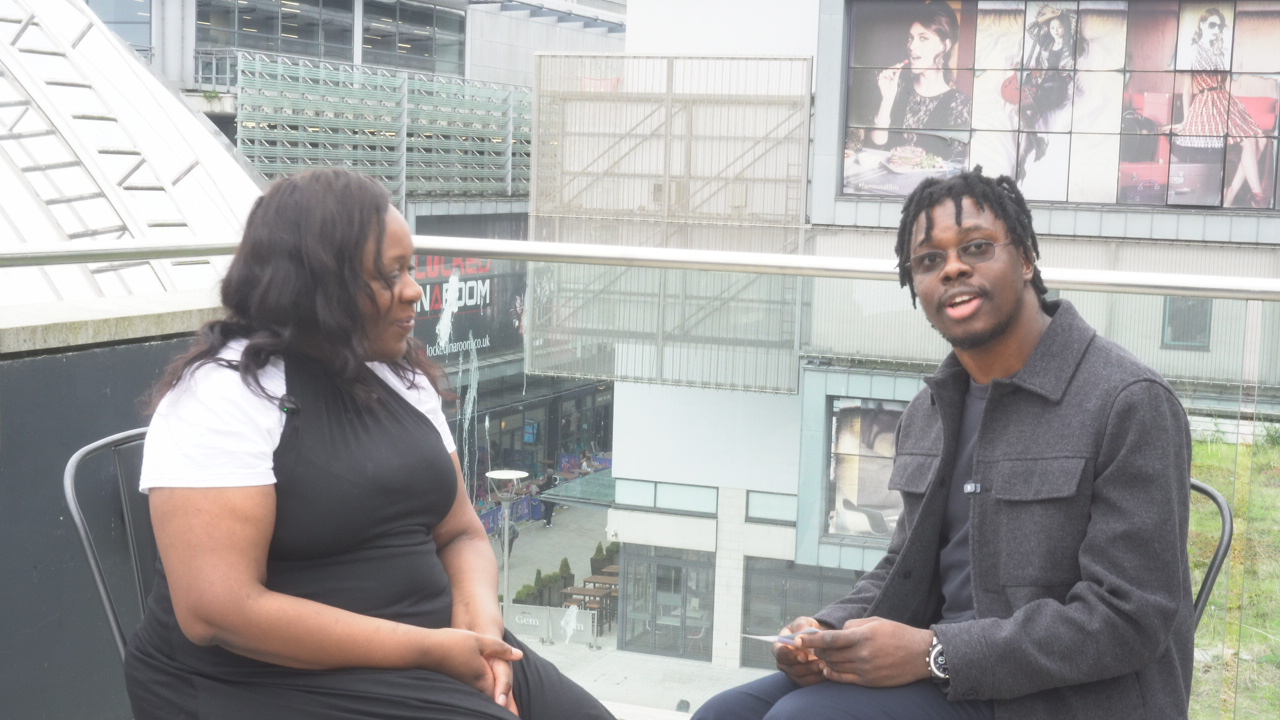
We’d love to hear a story of resilience from your journey.
I’ve actually got quite a lot of stories that illustrate my resilience with continuing this organization. P. English Literature was founded back in August 2020, particularly. That was when I was in Nigeria, and it first started with my undying love for books and literature. I did a lot of book reviews. I got books sent to me all the way from America. We got a lot of submissions from the UK, from Australia, from Canada, from France, and from all over the world, actually. And, you know, I would read those books, I would review them, I would invite these artists for conversations and interviews on my show. And that’s how I kept going on and on and on.
And, you know, as someone who grew up or someone who was doing this back in Nigeria, there were quite a lot of challenges. But I think one of the things that I really love about myself is my undying resilience, my commitment, my tenacity, my consistency—which I think really did pay off. I had issues with electricity at some point, until we had to do a solar panel project that was very successful. At some point, I had issues with discrimination and racism, especially from the international community when it comes to featuring authors, or when it has to do with anything from someone in Nigeria. There’s this ugly stereotype that I think most people have, and I actually think it urgently needs to be changed.
Another thing I think really illustrates my resilience is the fact that sometimes, you know, as somebody who’s trying to promote literature and books and writing over the internet space, I get a lot of backlash—not just from the book community. There’s a lot of backlash from people because there will always be people who would speak low and negatively about what you’ve done, and stuff like that. Another thing I really struggled with was engagement. Back then, it was hard getting people to engage with the content I created, with the videos I made, with the things I shared on our channel.
Because, to be frankly speaking, books, literature, and writing are not everybody’s cup of tea. And to see a young man in the 21st century doing something that is more particular among old folks is quite unusual. The ratio of that is very low, and that’s one of the reasons why we got the recognition of being the first-ever international BookTube showcase to interview writers from different parts of the world.
So that’s been the journey—the difficulties associated with getting engagement, with actually inviting people, with actually finding on the internet the right source of audience, the people who are actually interested in consuming literature content. And that was a very long, hectic search for me. And I’m glad I’m able to achieve part of it, not quite all of it, because I know of BookTube channels with several millions of subscribers and several hundreds of thousands and millions of views, which is one of the things I’m actually looking forward to as far as P. English Literature is concerned.
And sometimes, to be frankly speaking, it is not easy to analyze works of literature. And it’s not easy to even sometimes promote my own writing. I barely talk about my own books or my own literature journey. But I skip that to praise other people’s work because I feel this channel, this organization, and this show are not just about me, but about the people who come on our show—those we get to spotlight in interviews, journalism, and conversations.
What can society do to ensure an environment that’s helpful to artists and creatives?
First of all, there is little or no support for the arts, especially the literature field. It’s one of those sectors that I think gets ignored the most. It’s one of those sectors that not so much attention is paid to, especially for little-known writers and artists, etc. Of course, there are a lot of attractions and focus on the big authors, but generally I think there’s no more support for artists in the creative industry. It’s one of those niches that rarely gets support.
One of the things that I particularly have been struggling with as the founder of a literature organization is funding, which is one of the main core challenges of the things we do. You know, everything we’ve set out to do requires funding in one way or the other. And even though our platform has certain segments whereby we sell out services to writers who need them and offer some literature services to those who need them, regardless of that, it’s still not enough in terms of sustaining the business idea, in terms of continuity. It’s not enough in terms of fully sustaining the industry.
So I think one of the things that society can do to support artists is by giving out grants, particularly to little-known organizations who are struggling—organizations like myself who need support from industries, from people who have the money, from kind-hearted donors, from people who actually see the value in what we do. Yeah, so that’s one of the ways that I think society can best support artists.
Another way is truly engaging with their work. Yeah, because, to be frankly speaking, my organization is mostly focused on writers, and we’ve interviewed quite a few prominent ones. But one of the things that writers face is marketing and publicity—getting their work out in front of people who actually need them—and that’s a very big problem. And I think one of the ways that could be addressed is if we have more people engaging with the artist’s work, engaging with the artworks, and maybe purchasing, engaging with their work, with their books monetarily, actually. Not just “oh, that was great, amazing!” Not through praises or comments alone, but monetary support or purchase of the artwork that the artist or creative has made.
Another thing I would love to mention is the government. Yeah, you know, I think the government is not quite doing enough in terms of supporting artists. I think there should be more art residencies, more art opportunities for people to be able to explore and showcase the truckload of talent that they’ve got in themselves. So I think that’s what society can best do to support artists, creatives, and drive a creative ecosystem.
Contact Info:
- Instagram: https://www.instagram.com/p_english_literature
- Facebook: https://www.facebook.com/share/1G96WNCBts/
- Linkedin: https://www.linkedin.com/in/peter-okonkwo-93283125b
- Twitter: https://x.com/Literature88723
- Youtube: https://youtube.com/@p.englishliterature?si=fQ7iq7CzZs8E0r0Z