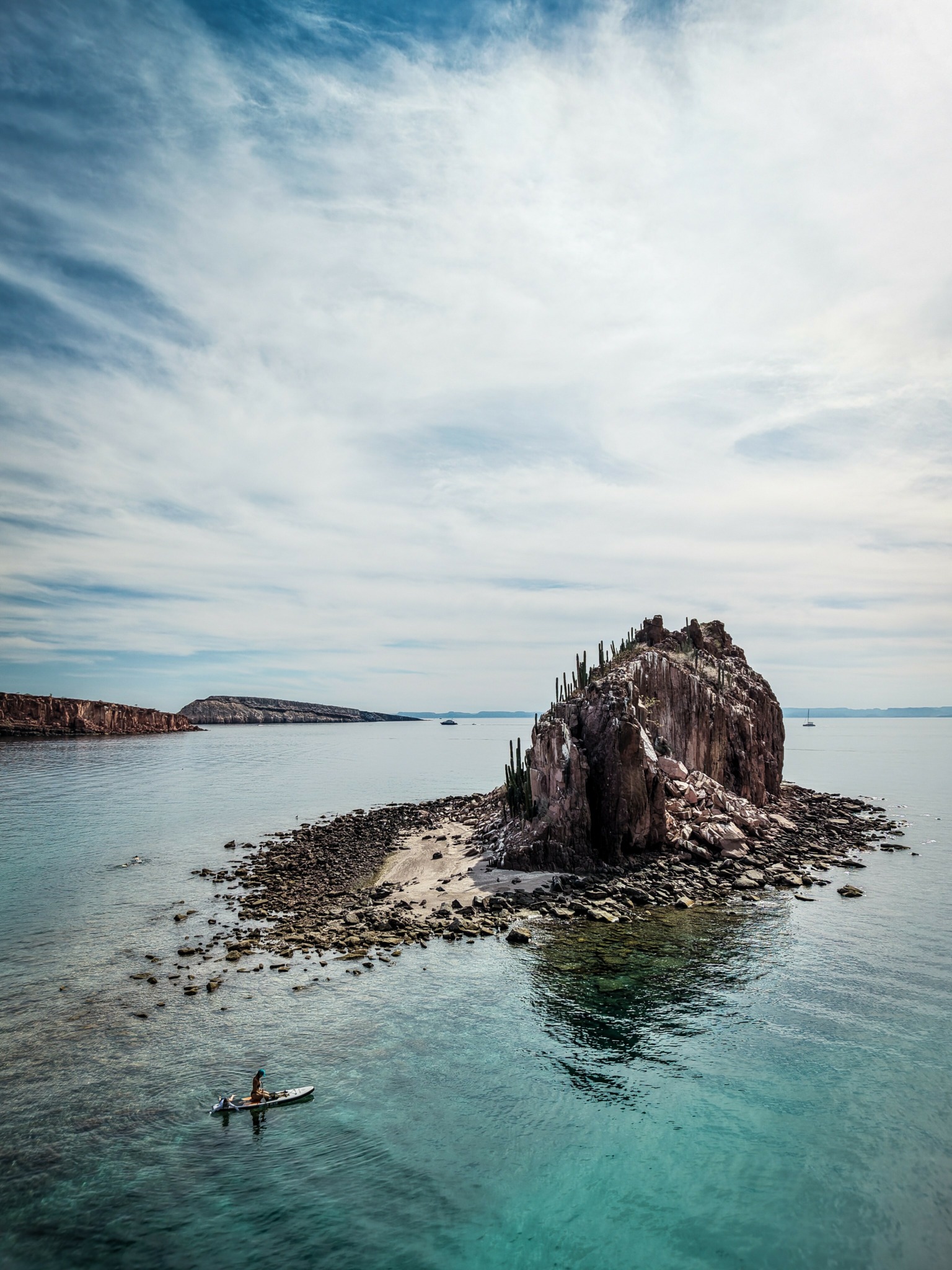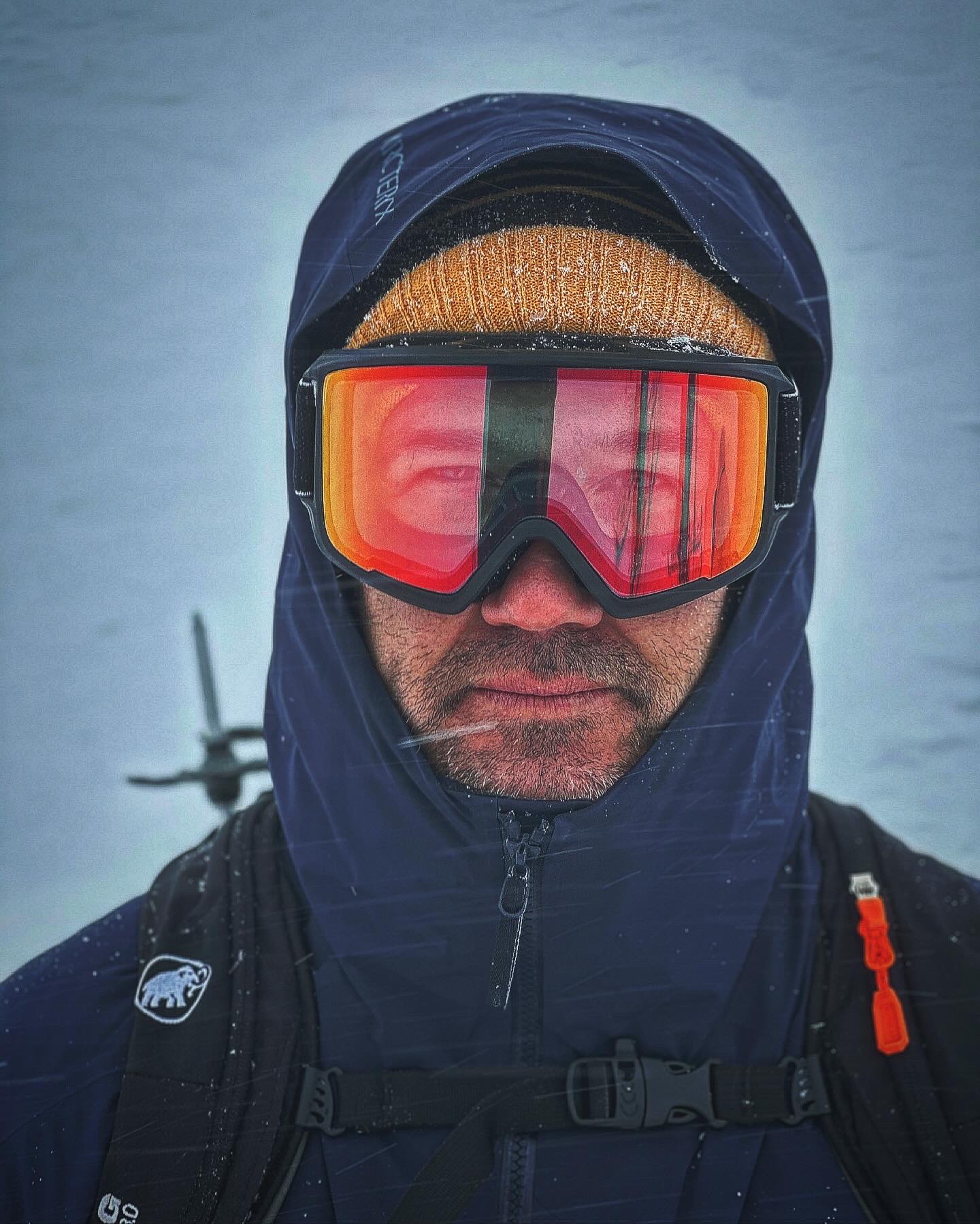

We’re excited to introduce you to the always interesting and insightful Frank Scotti. We hope you’ll enjoy our conversation with Frank below.
Frank, thanks for taking the time to share your stories with us today Risking taking is a huge part of most people’s story but too often society overlooks those risks and only focuses on where you are today. Can you talk to us about a risk you’ve taken – it could be a big risk or a small one – but walk us through the backstory.
I spent three decades building custom homes in Aspen. Thirty years. That’s not a job — that’s an identity, a reputation, a financial foundation with deep roots. If you’ve never done construction work at altitude, in one of the most demanding real estate markets in the world, for clients who expect perfection and don’t apologize for it — it’s a particular kind of exhausting. The work was good. The money was real. And somewhere in the back half of those thirty years, I started waking up in the morning with a feeling I couldn’t shake: this isn’t it.
Nomad had been living in my mind for years. Not as a fantasy — as a plan I kept postponing. I’ve been traveling seriously my whole life. I know what it feels like when a trip is designed by someone who actually knows a place versus someone who’s selling a product. I know the difference between a guide who changes the experience and one who narrates it. I knew I could build something better than what most people were settling for. I just kept picking up the hammer instead.
The burnout is what finally did it. Not a dramatic breakdown — just a slow, honest reckoning that after three decades I had been putting the wrong thing first for too long. I started Nomad.
What happened next is the part nobody tells you about when they romanticize entrepreneurship. You find out very quickly who actually wants to see you succeed. Some people surprise you — they show up, they refer clients, they tell their friends. Others go quiet in a way that tells you everything. Starting a company is one of the most efficient character-revelation exercises I’ve ever encountered. Thirty years of relationships get sorted in about six months.
The hard moments weren’t the ones I expected. It wasn’t the slow early months or the paperwork or the learning curve. It was the trips I poured myself into — weeks of research, planning, vendor calls, itinerary drafts — only to have the client back out at the last minute. Or worse, take everything I’d built and book it themselves. You learn not to take it personally. You don’t always succeed at that.
Every great review lands differently than any compliment I ever got building a house. When someone comes back from a trip I designed and tells me it changed something for them — that they saw something they couldn’t have found on their own, that they felt taken care of in a way they didn’t expect — that’s the win. Not a transaction. Evidence that the thing I’m building is real.
I haven’t made the full jump yet. Construction still pays the bills while Nomad grows. But the goal is clear and it’s getting closer: the day I close the last job site and do this full time. That’s what working toward looks like from here.
The risk isn’t behind me. I’m still in it. And that, honestly, is the most alive I’ve felt in years
Awesome – so before we get into the rest of our questions, can you briefly introduce yourself to our readers.
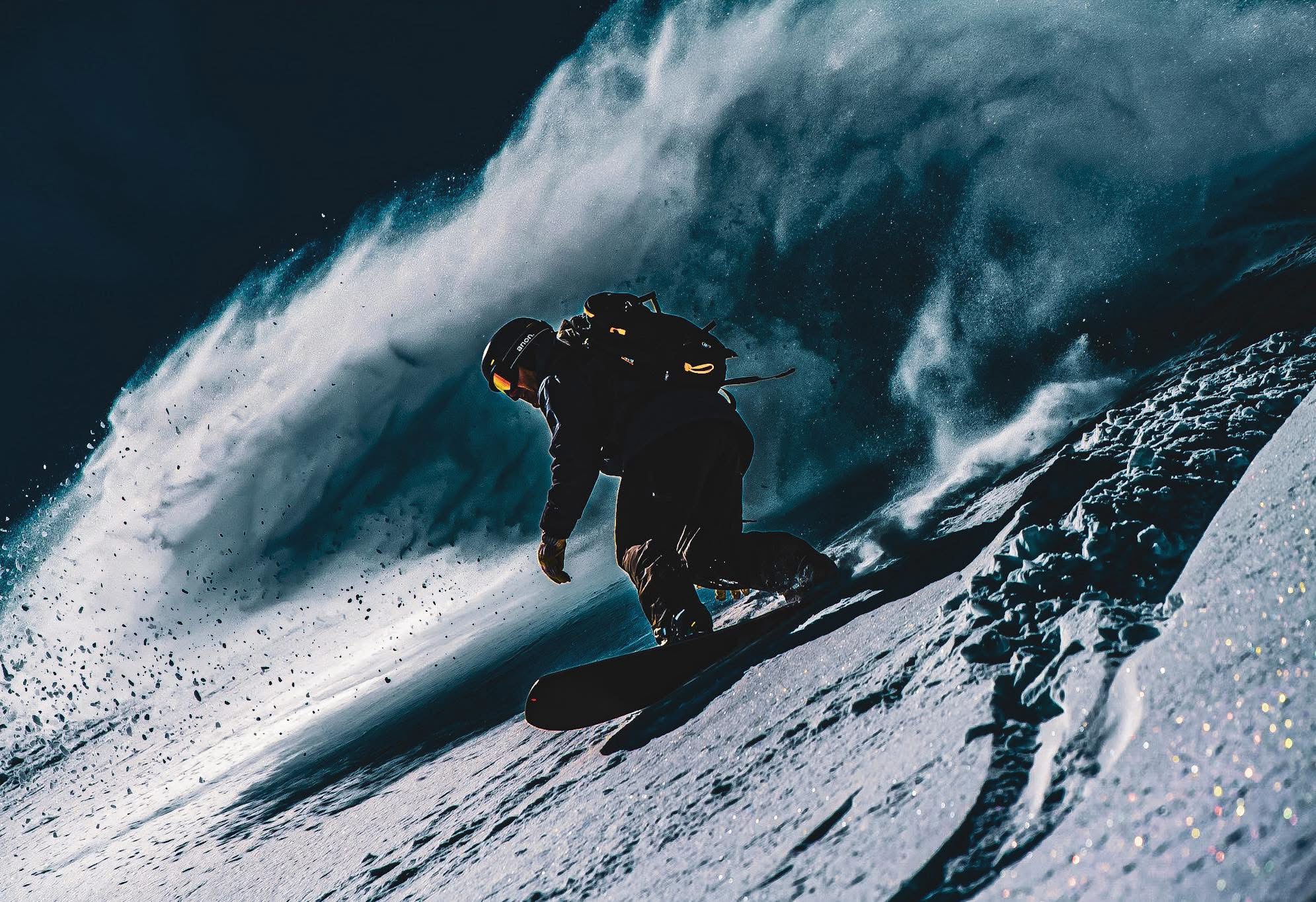
I was in junior high when I begged my parents to take a trip to Colorado. They weren’t outdoorsy people — definitely not skiers — but somehow I talked them into it. We stayed in Breckenridge. A family friend in his early twenties took me out and showed me the real terrain. And while we were there, I watched Craig Kelly practicing in the halfpipe. I didn’t know it then, but that trip set the compass for everything that followed.
I grew up shooting photos of my friends on BMX bikes and skateboards before I ever thought about a career. I went to Prescott College and earned a degree in Wilderness Leadership — which gave me the technical foundation to operate in serious terrain and, maybe more importantly, the confidence to take people into it. From there I spent years exploring relentlessly, building a network of guides, operators, and fellow travelers that most people spend a lifetime trying to assemble. The secret to that network isn’t complicated: do what you say you’re going to do. You’d be surprised how far that separates you from most of the field.
Nomad Inc. is the company that was always supposed to come next.
We are not a travel agency. We don’t sell standard trips or package tours. We design trips we would want to go on ourselves — built around the specific people making them, the terrain they’re ready for, and the kind of experience that stays with you after you’re home. Every detail gets considered. Every guide gets vetted. Every itinerary gets pressure-tested against the question: is this actually worth someone’s time and money, or are we just filling days?
Photography has always been part of how I see the world — I’ve been behind a lens since I was a kid — and it shapes how I design experiences as much as it documents them. There’s a moment on every great trip where a client enters what I can only describe as flow state. Fully present, fully alive, completely out of their own head. I’ve learned to recognize it. That look in someone’s eye when they realize they’re experiencing something they couldn’t have manufactured on their own — that’s the moment I’m building toward every time.
What sets Nomad apart isn’t a tagline. It’s the network we’ve spent years building through constant exploration and earned trust, combined with the design philosophy that every trip should feel like it was made for you — because it was.
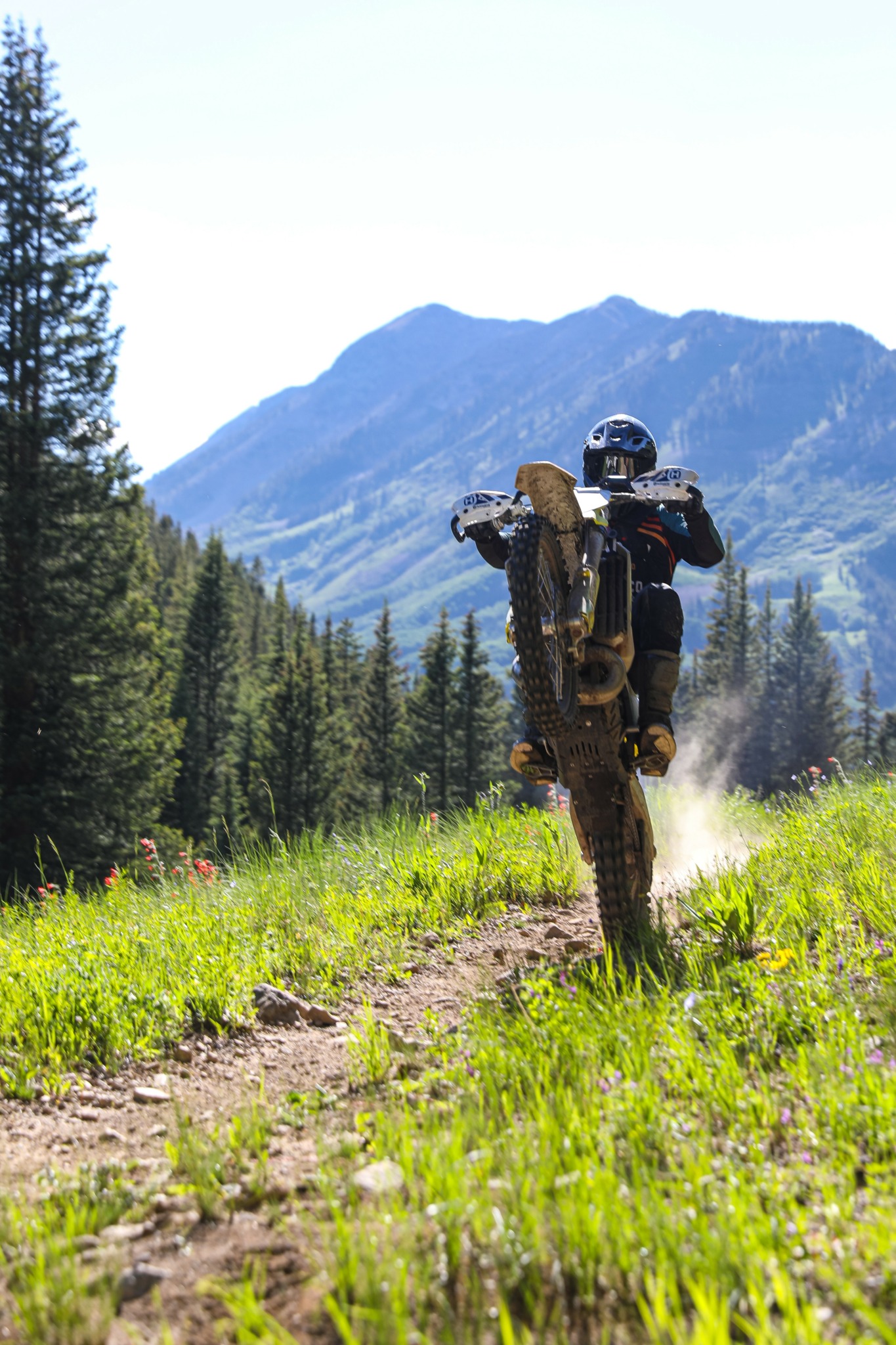
We’re based in the Roaring Fork Valley — Aspen, Carbondale, all of it — which is less a coincidence and more a reflection of how we think. This valley has serious snowboarding, mountain biking, dirt biking, rivers, and one of the best communities in the country for raising a family and staying close to the mountains. It keeps us sharp. It keeps us honest about what adventure actually means.
What I’m most proud of isn’t a destination or a five-star review. It’s the private moments on the river, in the desert, at altitude — when a client turns to me and I can see it in their face before they say a word. That’s what we’re after. Everything else is logistics.
Have you ever had to pivot?
When COVID hit, nobody knew what was coming. The travel industry went quiet overnight and Nomad, a company built around taking people to remote corners of the world, suddenly had nowhere to send anyone.
What happened next surprised us.
Instead of shutting down, we turned inward — literally. The Roaring Fork Valley became the destination. With Europe closed and international travel off the table, people who would normally spend their summers elsewhere suddenly found themselves here, trying to figure out how to manage work, COVID restrictions, and the creeping anxiety of a world that had stopped making sense. They needed to get outside. They needed someone to handle the logistics. They needed an experience that felt intentional rather than improvised.
We already had the vans. We already had the relationships. We already knew every trail, every river access point, every hidden corner of this valley better than most people who’d lived here for decades. So we built around what we had.
Every trip went private. No groups, no strangers, no shared vehicles — just families and the people they trusted, moving through the mountains on their own terms. We launched a private transportation company. We set up private camps for families juggling Zoom calls, COVID restrictions, and the particular madness of that summer. We became, in a way, the infrastructure for how a certain kind of family got through 2020 with their sanity intact.
It ended up being one of our busiest periods ever.
The lesson wasn’t lost on me. The best pivots aren’t really pivots — they’re moments of clarity about what you already are. We didn’t become something different during COVID. We just applied what Nomad had always been to the only geography available. Private, intentional, built around the people in front of us.
The world opened back up. We went back to taking people everywhere. But the valley never stopped being part of what we offer — and it never will.
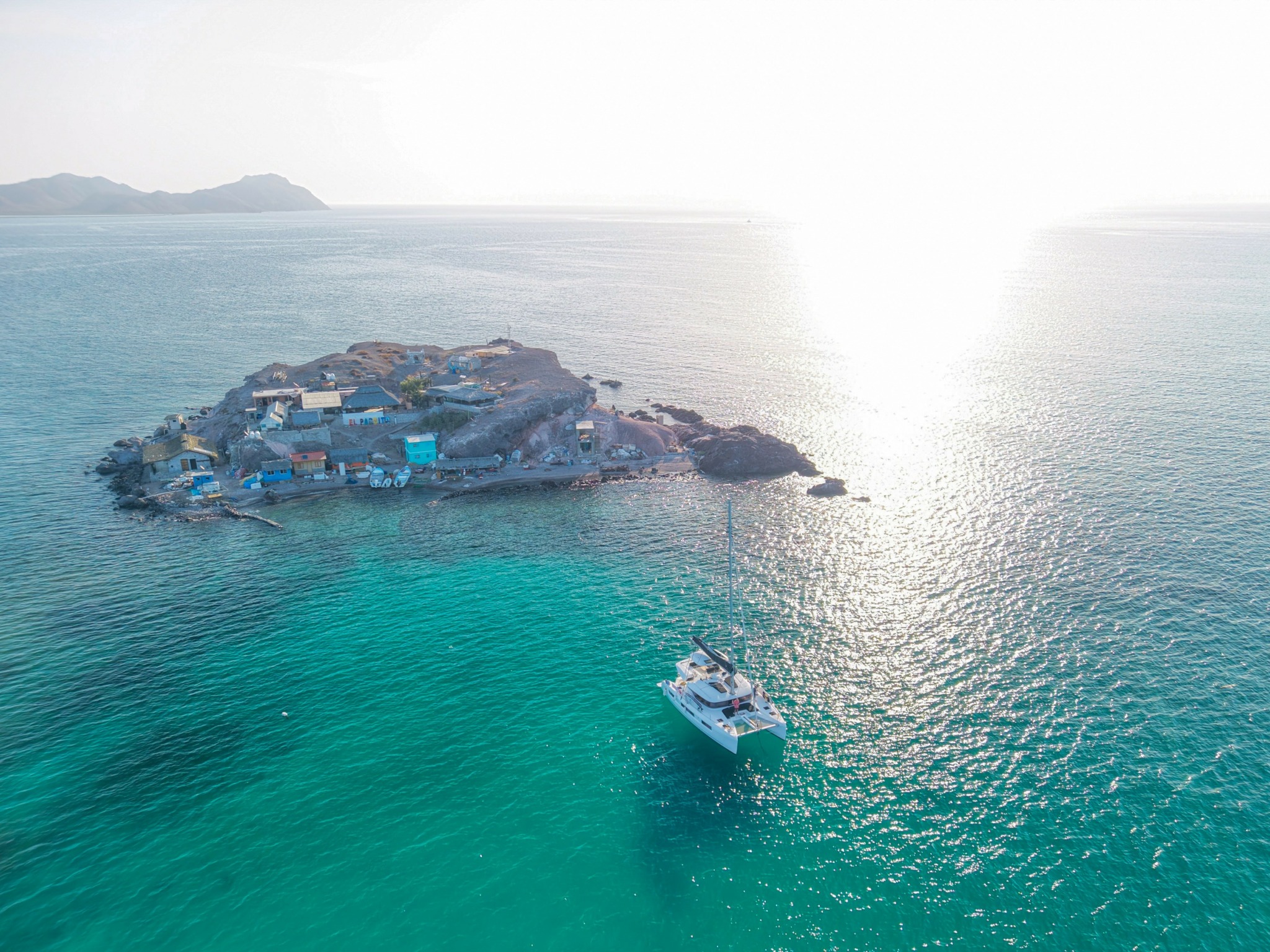
Any insights you can share with us about how you built up your social media presence?
Building an Audience
I’ll be honest with you: I came to social media late and I learned it the hard way.
When Nomad first started posting, every image was shot by me. No agency, no hired photographer, no strategy borrowed from a bigger brand. Just a consistent aesthetic — clean, minimal, the kind of image that makes you feel like the world is open and you could be anywhere in it — posted regularly enough that people started to notice. Freedom of movement. That’s the through line. Posts that feel like that resonate. Posts that don’t, don’t. It took a while to understand the difference.
What we figured out is that the visual does the qualifying for you. When your feed has a clear point of view, the right people find it and the wrong people scroll past. That’s not a failure — that’s the filter working. We’re not trying to reach everyone. We’re trying to reach people who love next level adventure travel and have the means to actually book the trip. A clean, consistent aesthetic signals something about the caliber of the experience before a single word gets read.
Has it driven bookings? Yes. Real ones. That matters.
What I’m still working on is the algorithm. I won’t pretend otherwise. It’s a moving target and anyone who tells you they’ve fully cracked it is either selling something or hasn’t checked their analytics lately. What I do know is that consistency beats cleverness, your own photography beats stock, and a feed that looks like something beats a feed that looks like everything.
If I had one piece of advice for someone starting from zero: don’t try to look like the big operators. Find your specific aesthetic and commit to it completely. The audience you want is looking for something that feels distinct. Give them that and post it without flinching, every single time.
The rest is patience.
Contact Info:
- Website: https://www.nomadinc.com
- Instagram: @nomadinc
- Facebook: https://Facebook.com/nomadinctravel
- Linkedin: Nope
- Twitter: Nope