

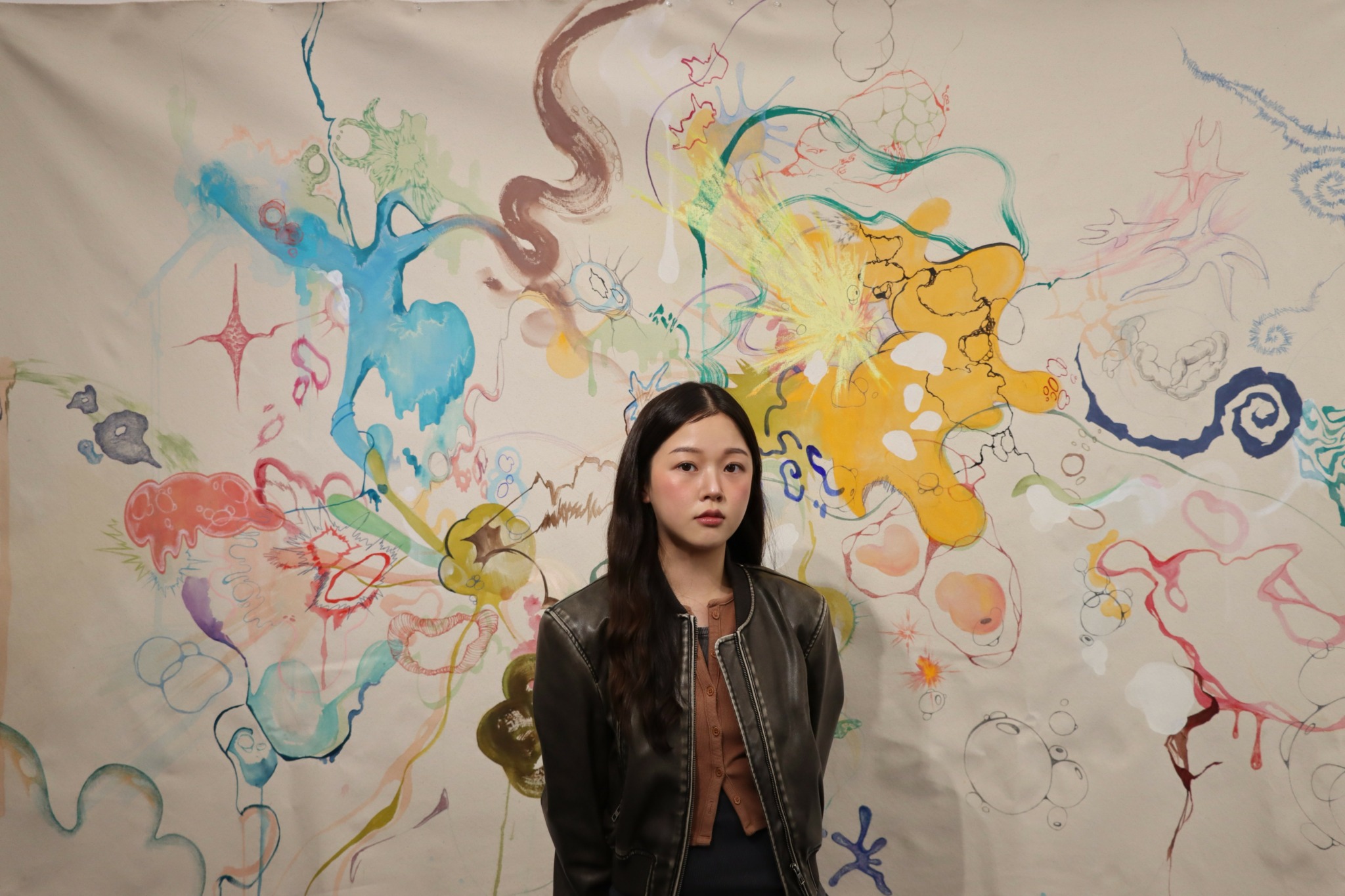

We’re excited to introduce you to the always interesting and insightful Yoorim Ko. We hope you’ll enjoy our conversation with Yoorim below.
Yoorim, thanks for joining us, excited to have you contributing your stories and insights. We’d love to hear from you about what you think Corporate America gets wrong in your industry and why it matters.
Hi, thank you so much for having me. I’m Yoorim Ko, an artist based in New York. I’m grateful for this opportunity to share more about my work, my journey, and the experiences that have shaped my practice.
As always, we appreciate you sharing your insights and we’ve got a few more questions for you, but before we get to all of that can you take a minute to introduce yourself and give our readers some of your background and context?
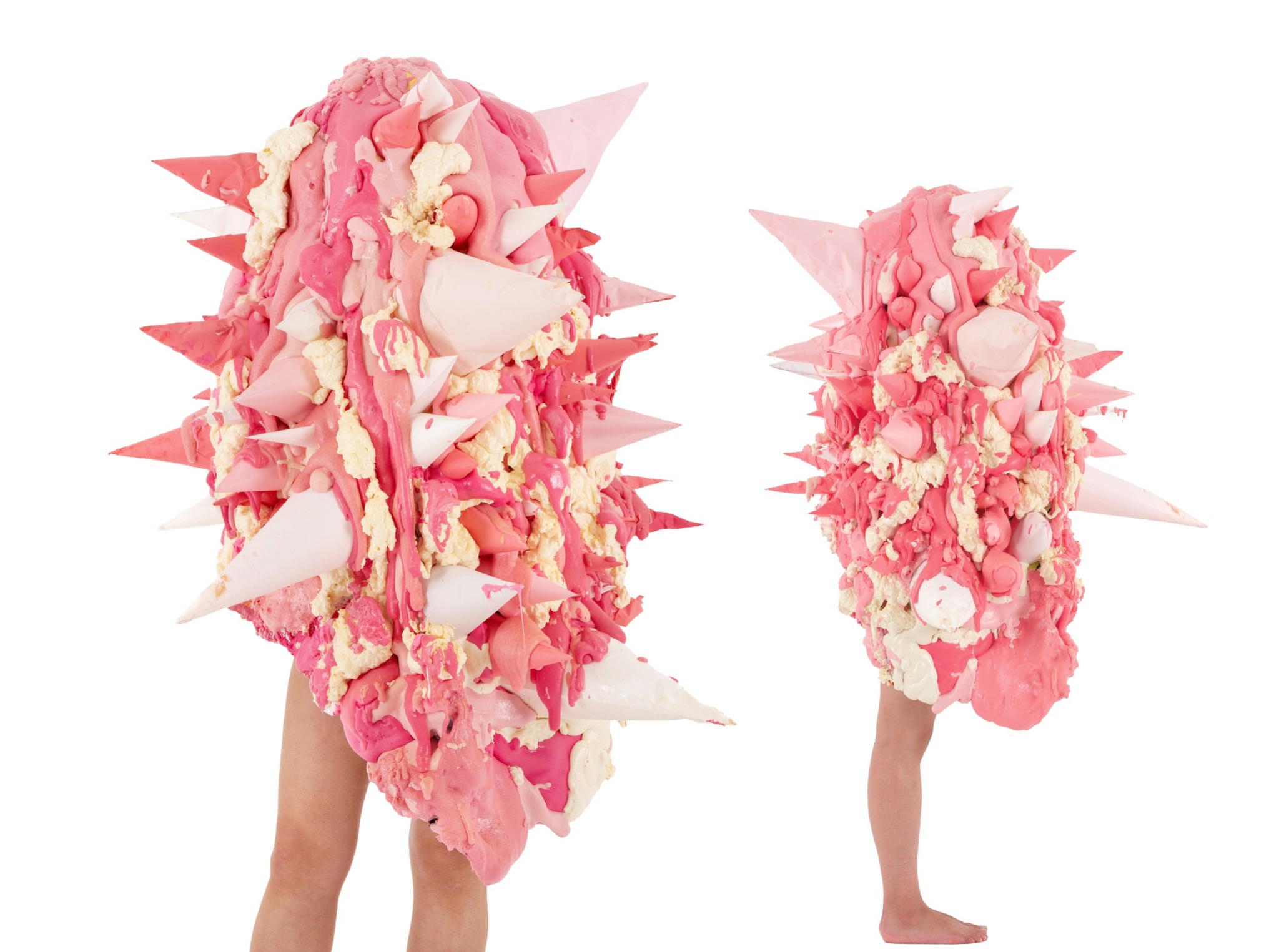
My background is originally in ceramic art, but over time my practice has shifted toward painting and installation as I became more interested in emotional and psychological space rather than fixed objects.
My work explores internal landscapes shaped by memory, vulnerability, tension, and transformation. I often return to the paradox of the comfort zone: the idea that the structures that protect us can also restrict our growth. This tension has become central to both my life experience and the physical language of my work.
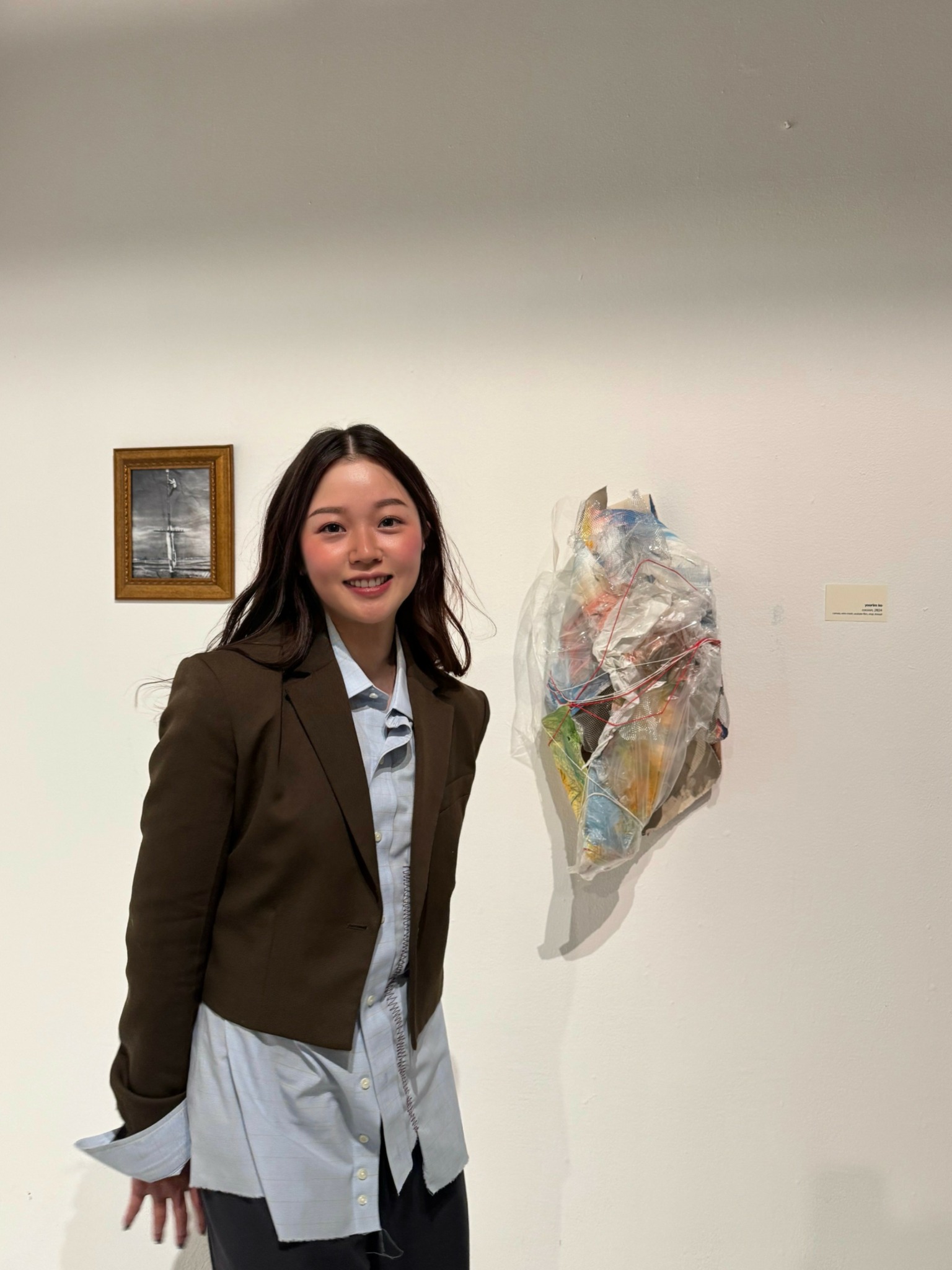
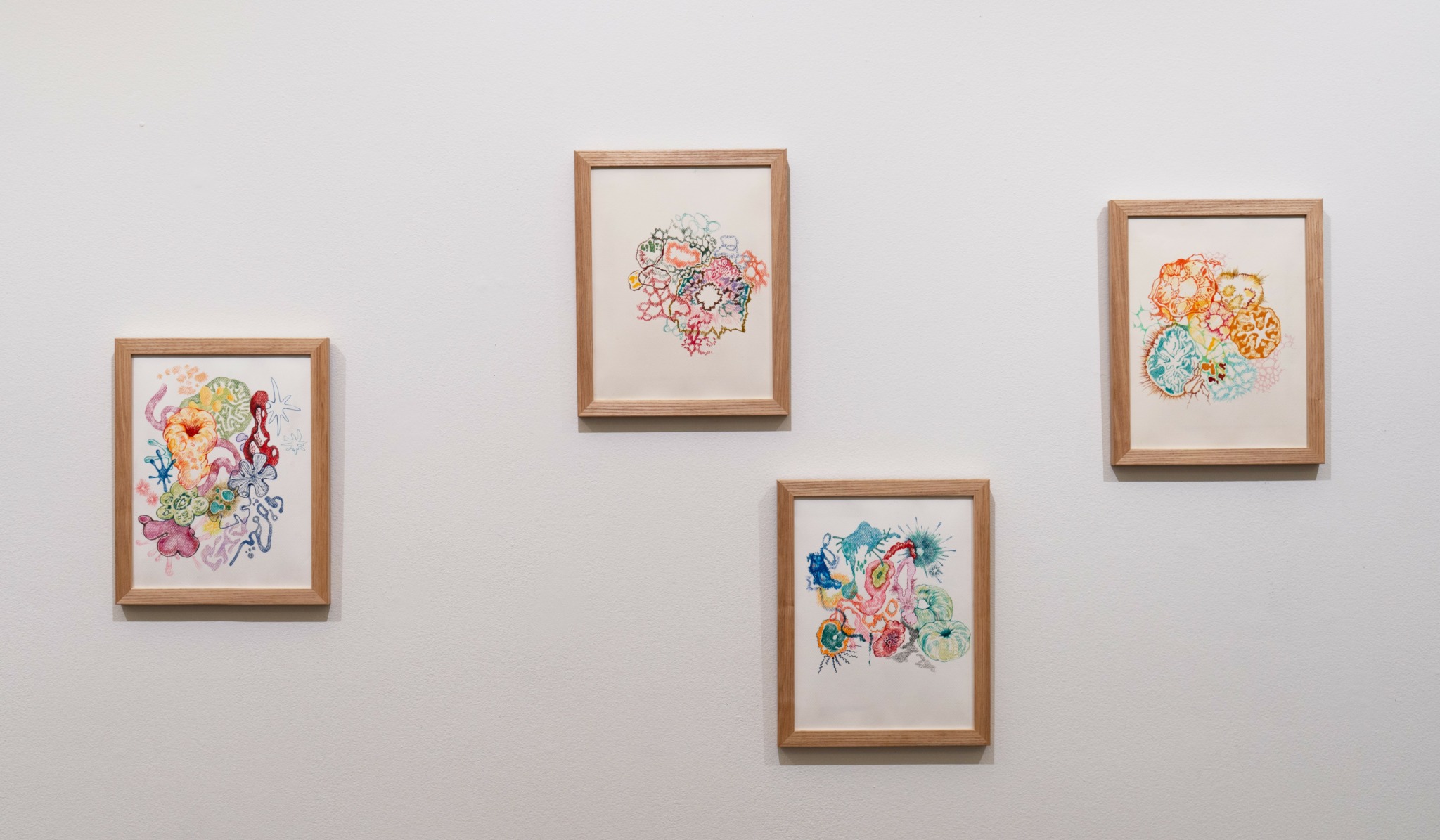
I primarily work with unstretched canvas, stitching, drawing, and layered materials. I am drawn to surfaces that feel unstable, unfinished, or in transition. Rather than presenting a polished image, I want my work to reveal traces of process, hesitation, and change. For me, the physicality of materials becomes a way to express emotional states that are difficult to describe directly.
A major turning point in my practice was moving from South Korea to New York and shifting from ceramics to painting during graduate school. That transition forced me to question many assumptions I had about art, presentation, and identity. Instead of trying to resolve uncertainty, I began to allow uncertainty itself to remain present in the work.
What sets my work apart is that it grows from lived experience rather than theory alone. The themes I return to comfort, restriction, transformation, vulnerability are things I continuously experience and negotiate in my own life. Because of that, I hope viewers encounter my work less as an explanation and more as a shared emotional space.
What I am most proud of is continuing to trust my own process, even when it feels unfamiliar or uncomfortable. I want people who encounter my work to feel permission to exist in states that are unresolved, changing, or vulnerable, rather than feeling pressured to appear complete.
What do you find most rewarding about being a creative?
For me, the most rewarding aspect of being an artist is the process of making itself.
A lot of my work begins from emotions or experiences that are difficult to explain directly, such as uncertainty, vulnerability, tension, or the feeling of being caught between comfort and growth. When I am making work, I feel like I am trying to understand those emotions physically through materials, gestures, and space, rather than through language.
During that process, my anxiety about the outcome temporarily disappears. It becomes just me and the materials. I find meaning not only in the finished piece, but in what happens while I am making it.
I have also realized that making work often helps me discover things about myself before I can fully explain them. What I am afraid of, what I am drawn to, and where I am changing often appear in the work before I understand them clearly. In that sense, art is less about expressing a fixed identity and more about continuously discovering who I am.
Another rewarding part is when someone connects with the work in a way I never expected. Even if their interpretation is different from my original intention, I value that the work can become a space where another person reflects on their own experiences.
For me, that ongoing process of discovery, connection, and transformation is the most rewarding part of being an artist.
Let’s talk about resilience next – do you have a story you can share with us?
One story that illustrates my resilience is the period when I moved from Korea to New York.
At that time, I was adjusting to a new language, a new city, and a completely different pace of life. New York was exciting, but it also felt rough and unfriendly. Even small daily things, such as finding materials, managing my schedule, cooking for myself, or solving unexpected problems, had to be handled on my own. At the same time, my art practice was also changing. I had studied ceramic art in Korea, but I was moving toward painting, installation, and more open-ended forms. I often felt unstable and questioned whether I was making the right choices.
What helped me recover was not one dramatic moment, but small routines that allowed me to return to myself. I cooked at home because preparing food gave me a sense of control and stability. I watched films because they helped me step outside of my own anxiety and reconnect with emotion and imagination. I also kept going back to the studio, even on days when I did not feel confident. Sometimes I did not make a finished work. I simply touched materials, organized my space, or made small marks. Those small actions helped me keep moving.
Over time, I realized that recovery does not always mean returning to the person I was before. For me, it meant building a new version of myself through uncertainty. The discomfort of living in New York slowly became part of my strength. It taught me how to be more independent, how to trust my own pace, and how to transform vulnerability into visual language.
This experience still shapes my practice today. My work often deals with tension, vulnerability, transformation, and the paradox of the comfort zone, how the things that protect us can also limit us. Resilience, for me, is not about always appearing strong. It is about finding small ways to continue, and allowing those moments of recovery to become part of the work.
Contact Info:
- Website: https://www.yoorimko.com
- Instagram: @korchive_
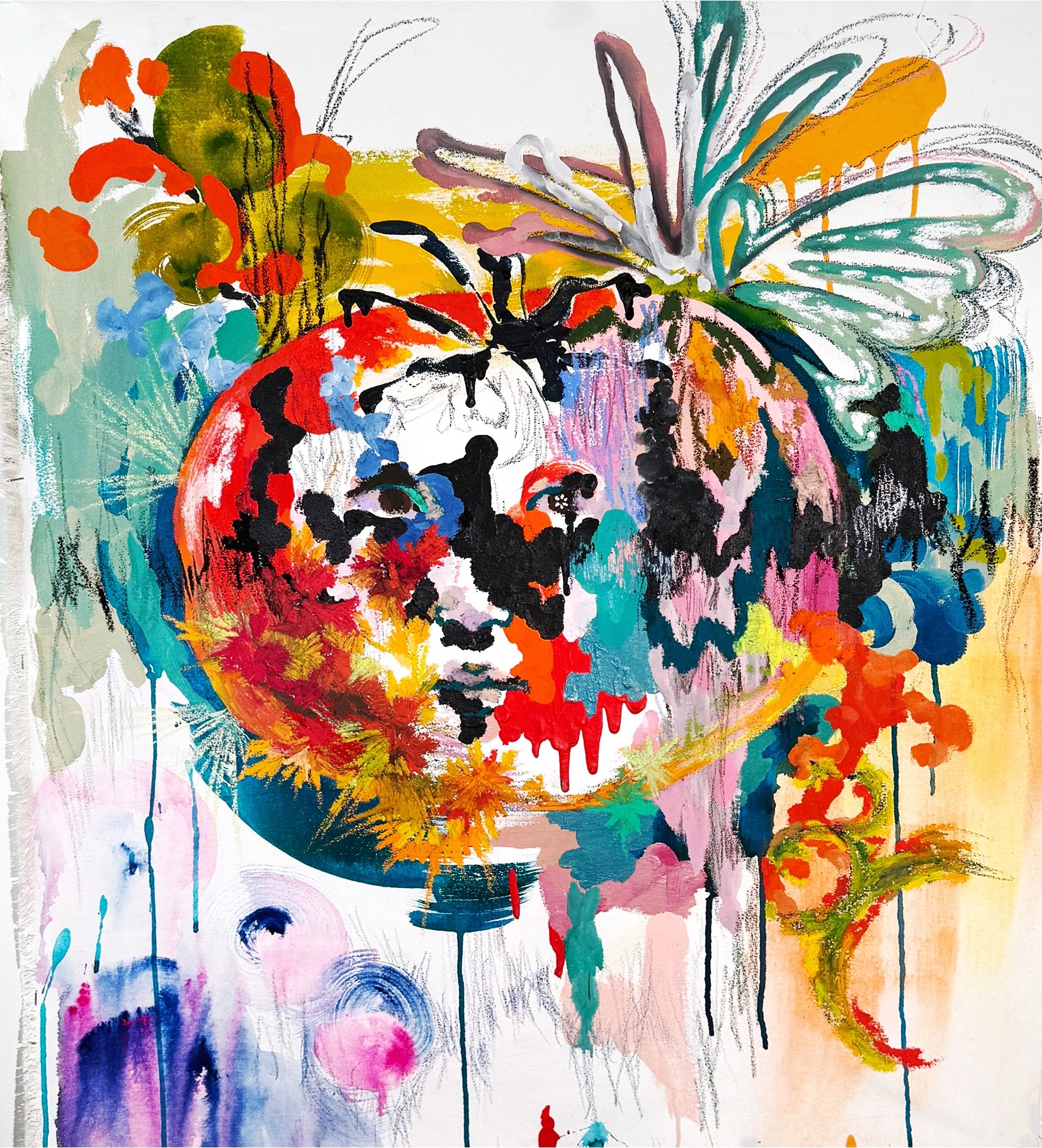
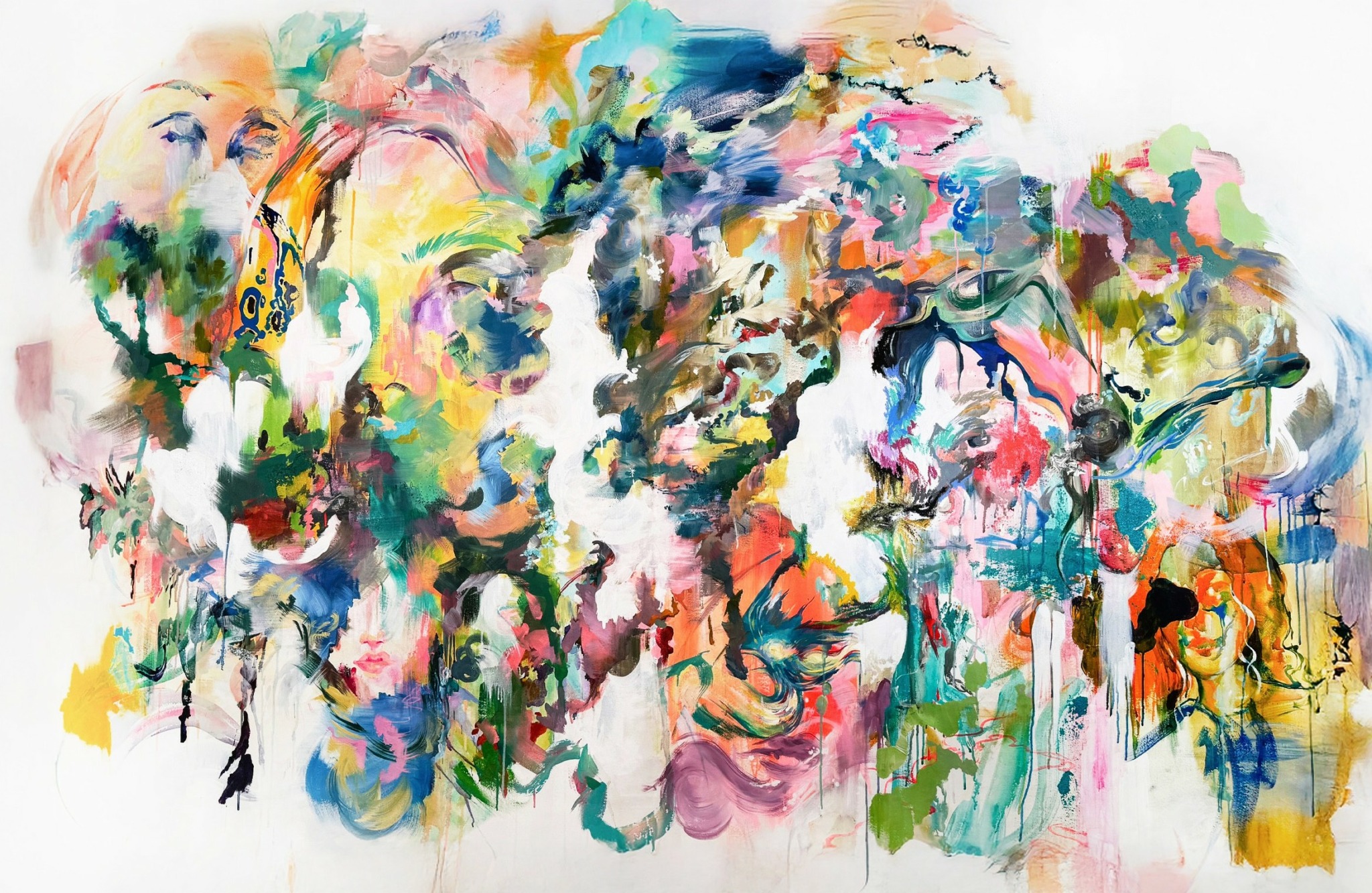
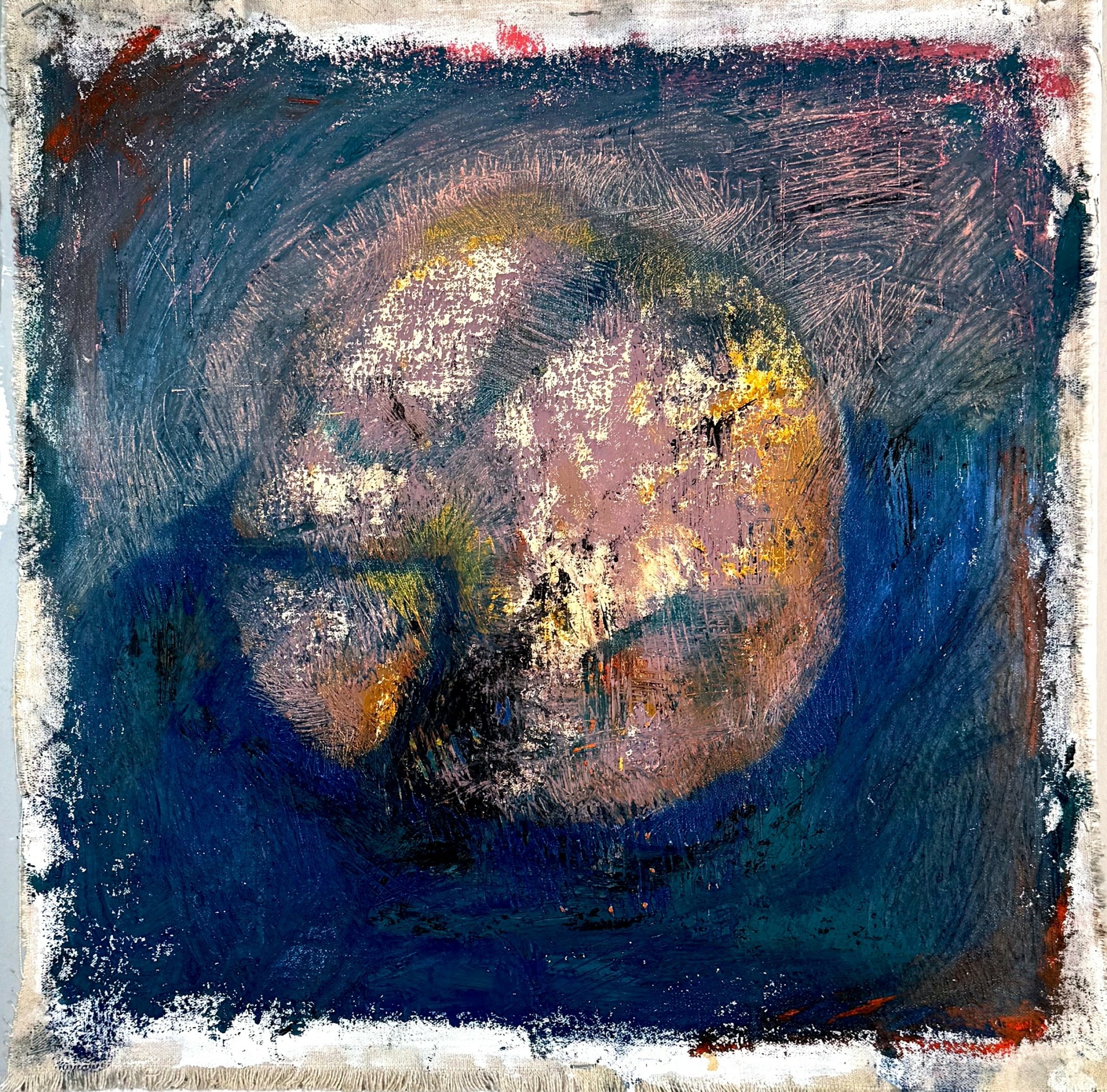
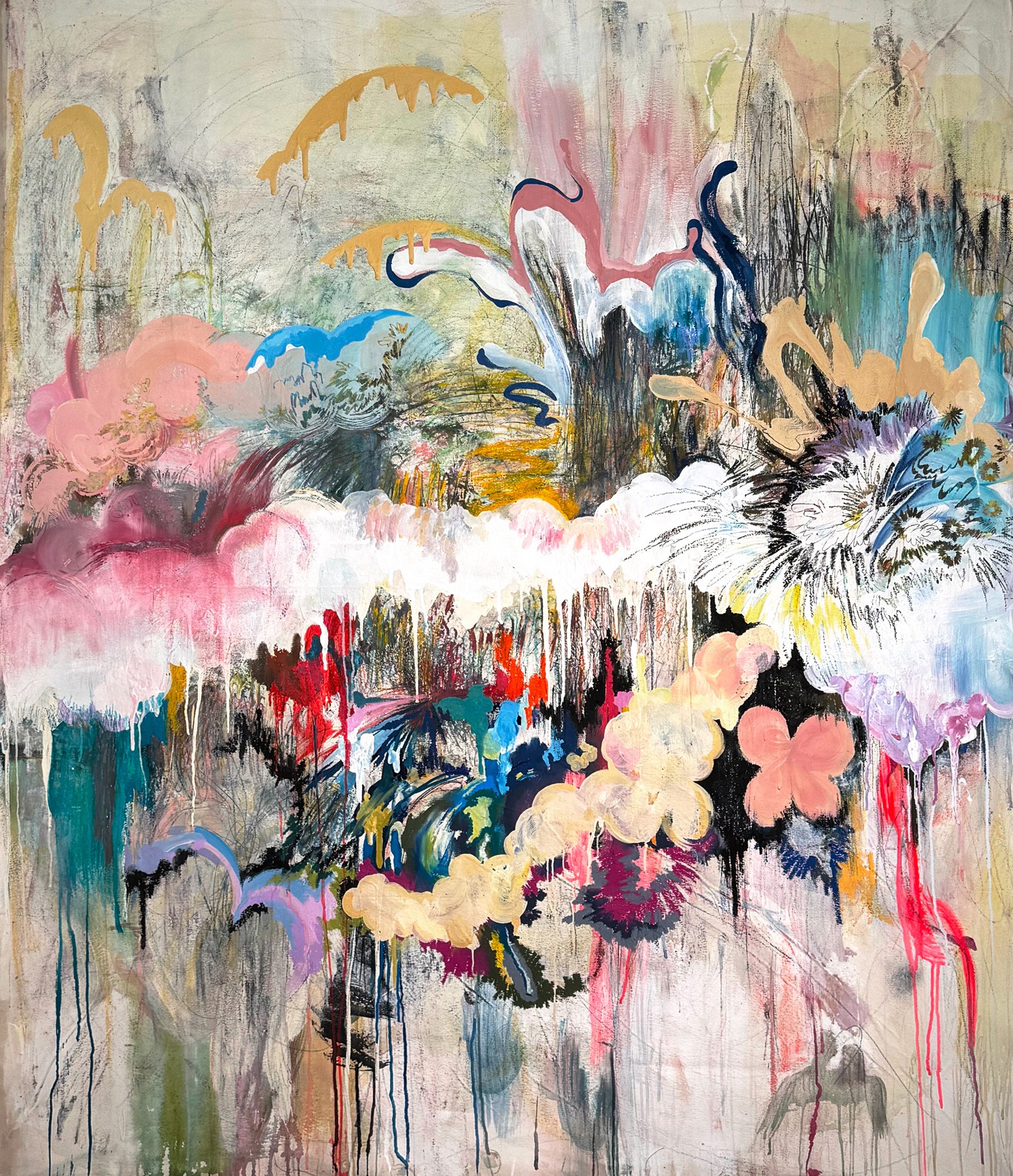
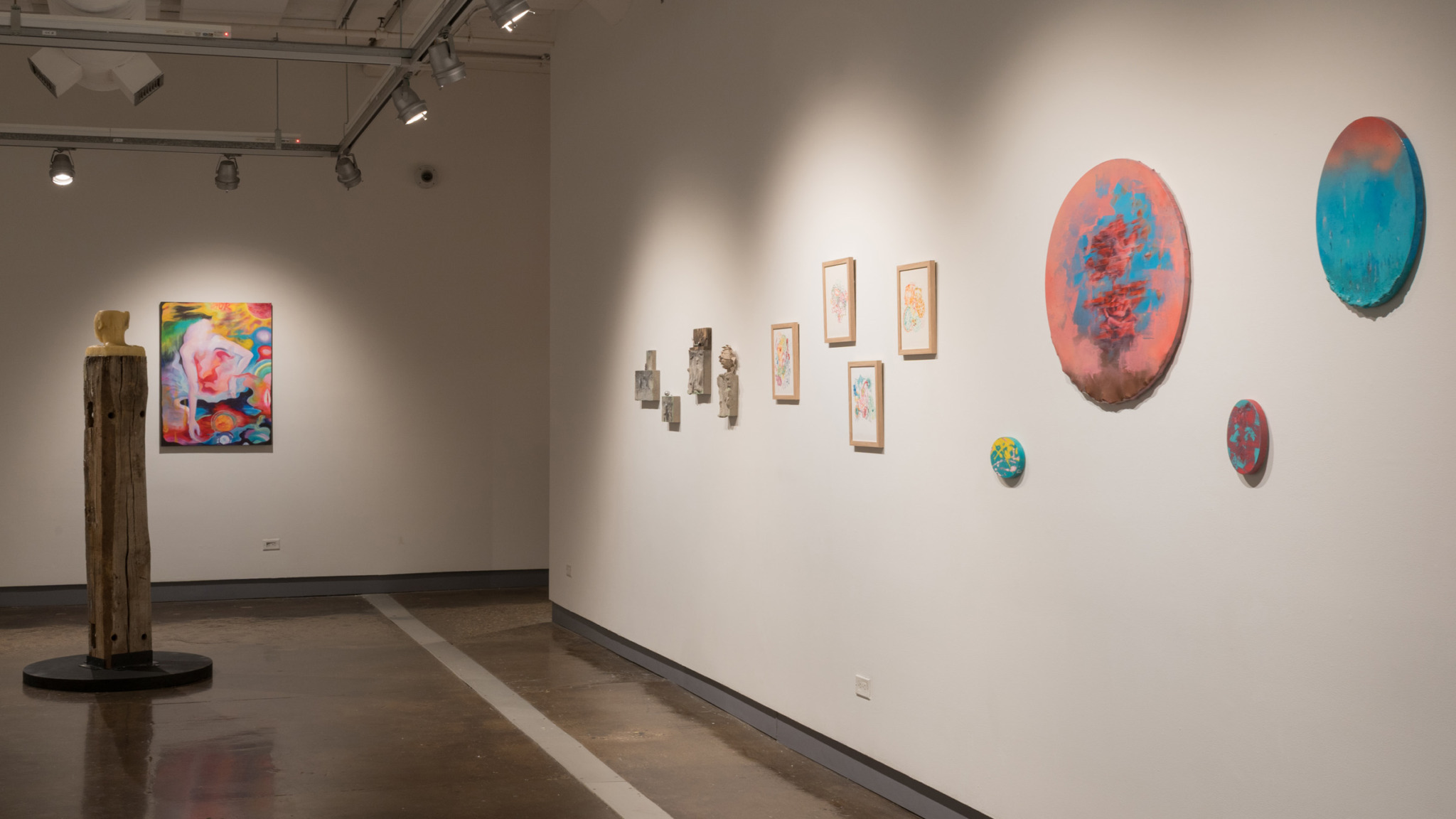
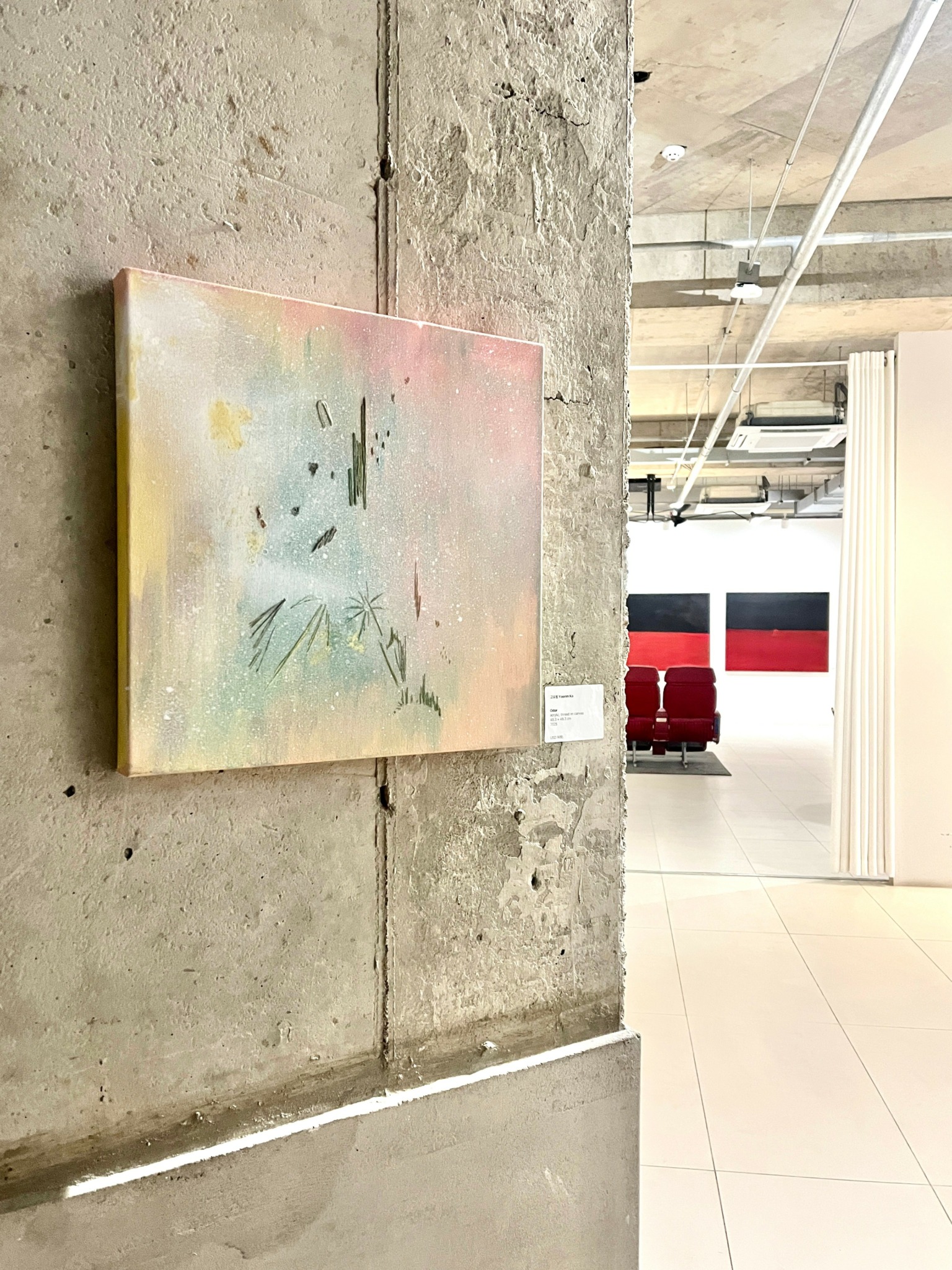
Image Credits
Hyunwoo Hwangbo(@hwangbohyun), onemoogy(Juhyuk Choi)(@onemoogy), Yeji Yi(@yeji_ika), Piece of Enzo(@pieceofenzo)