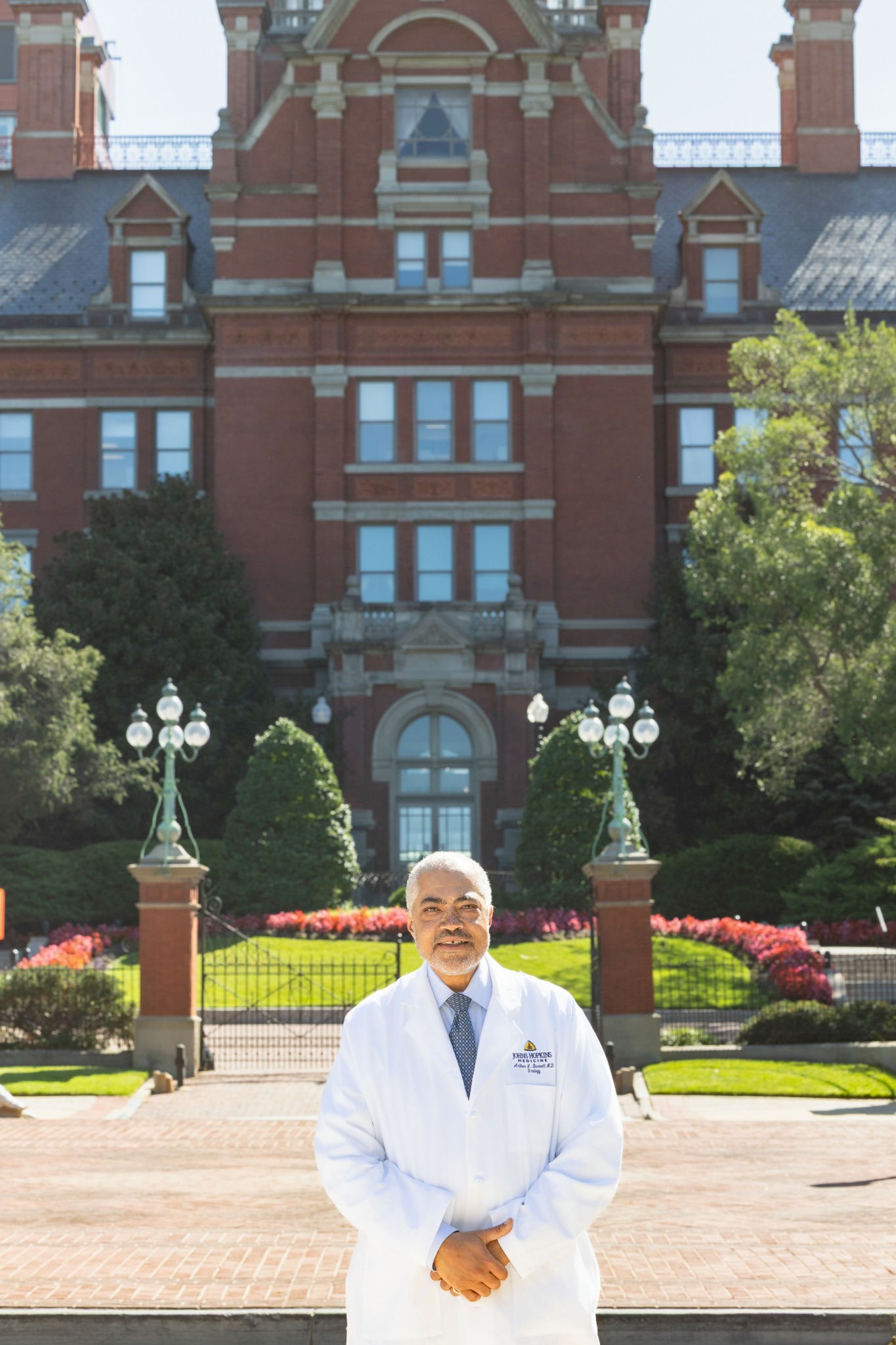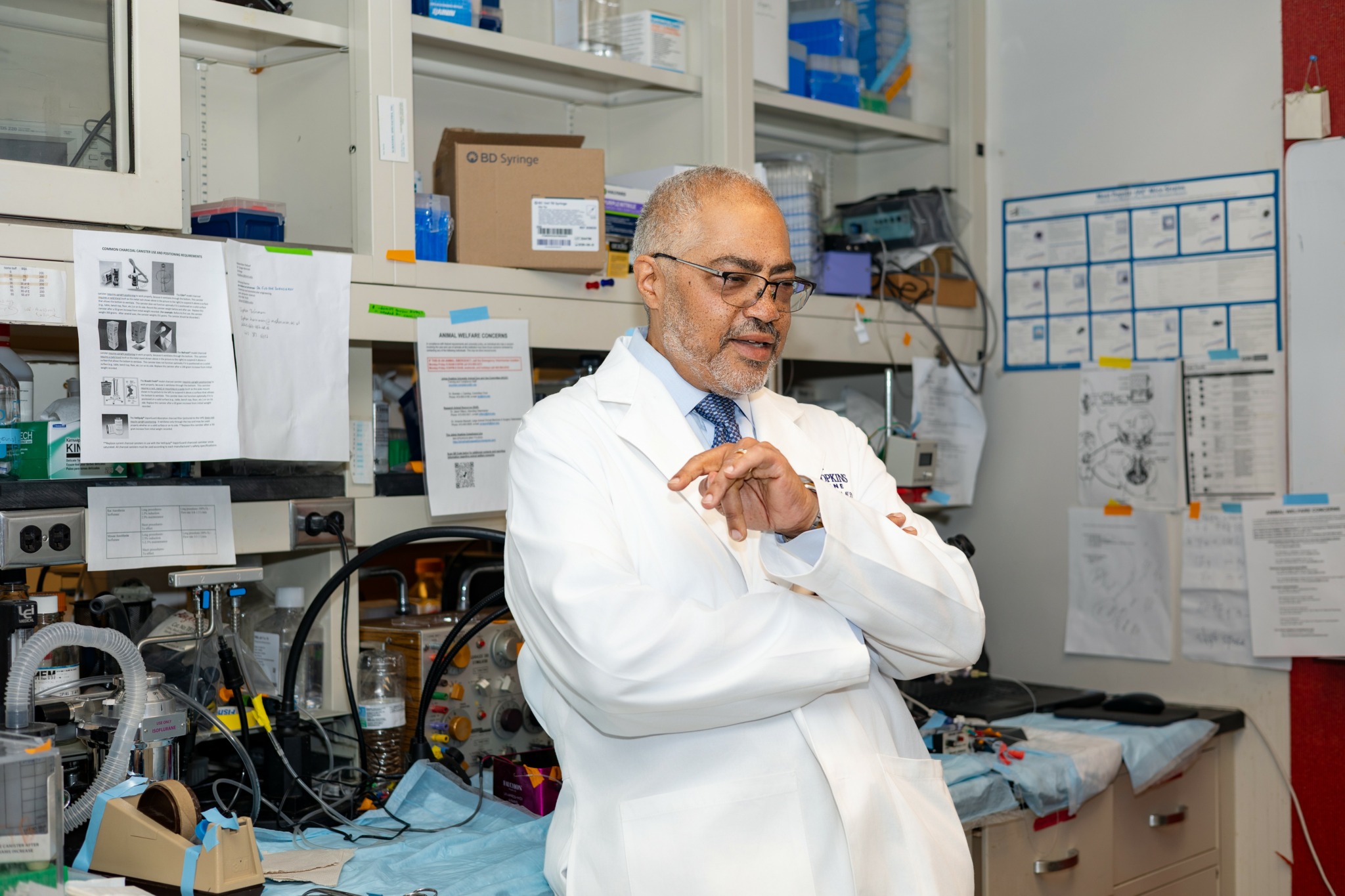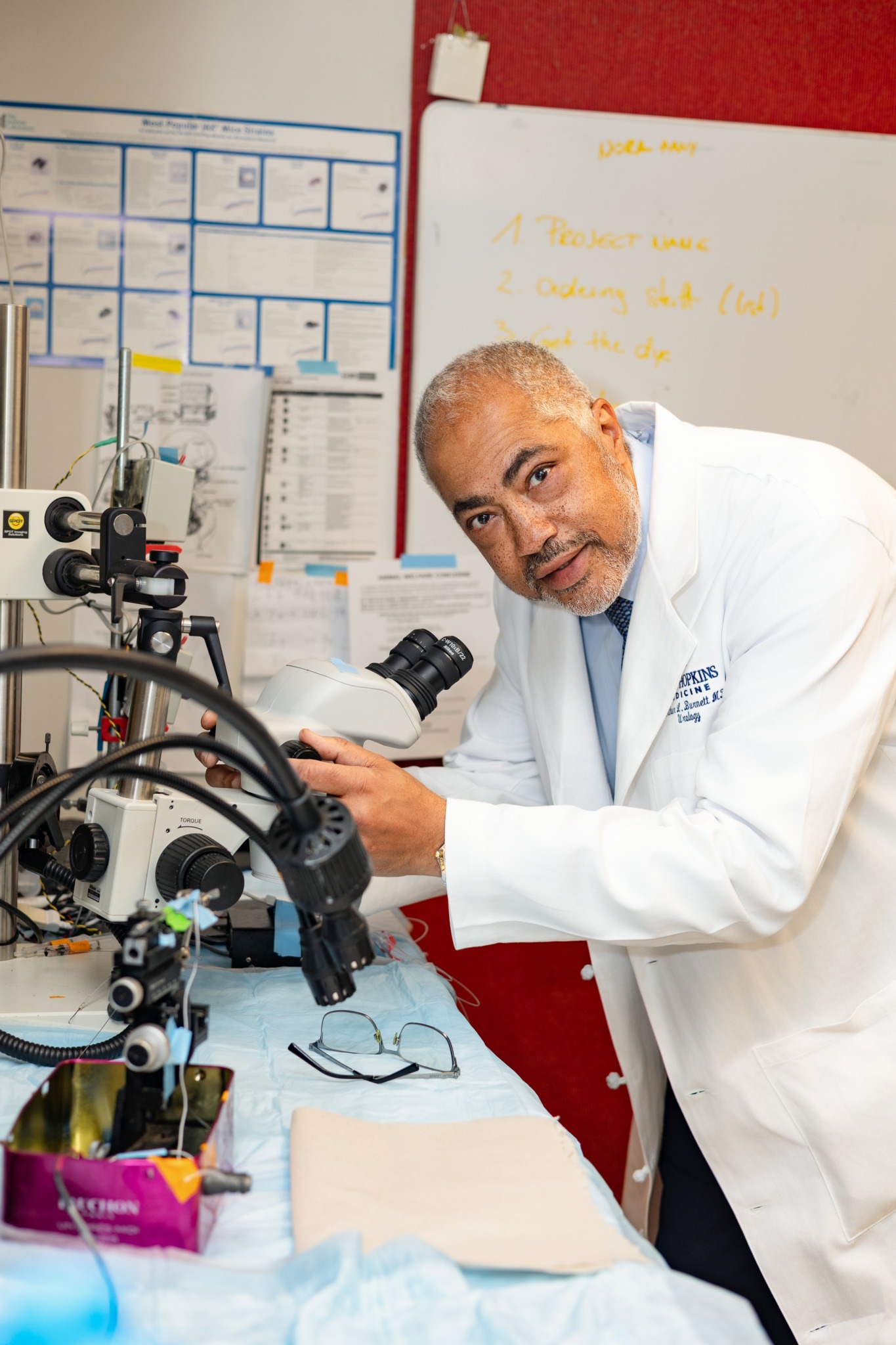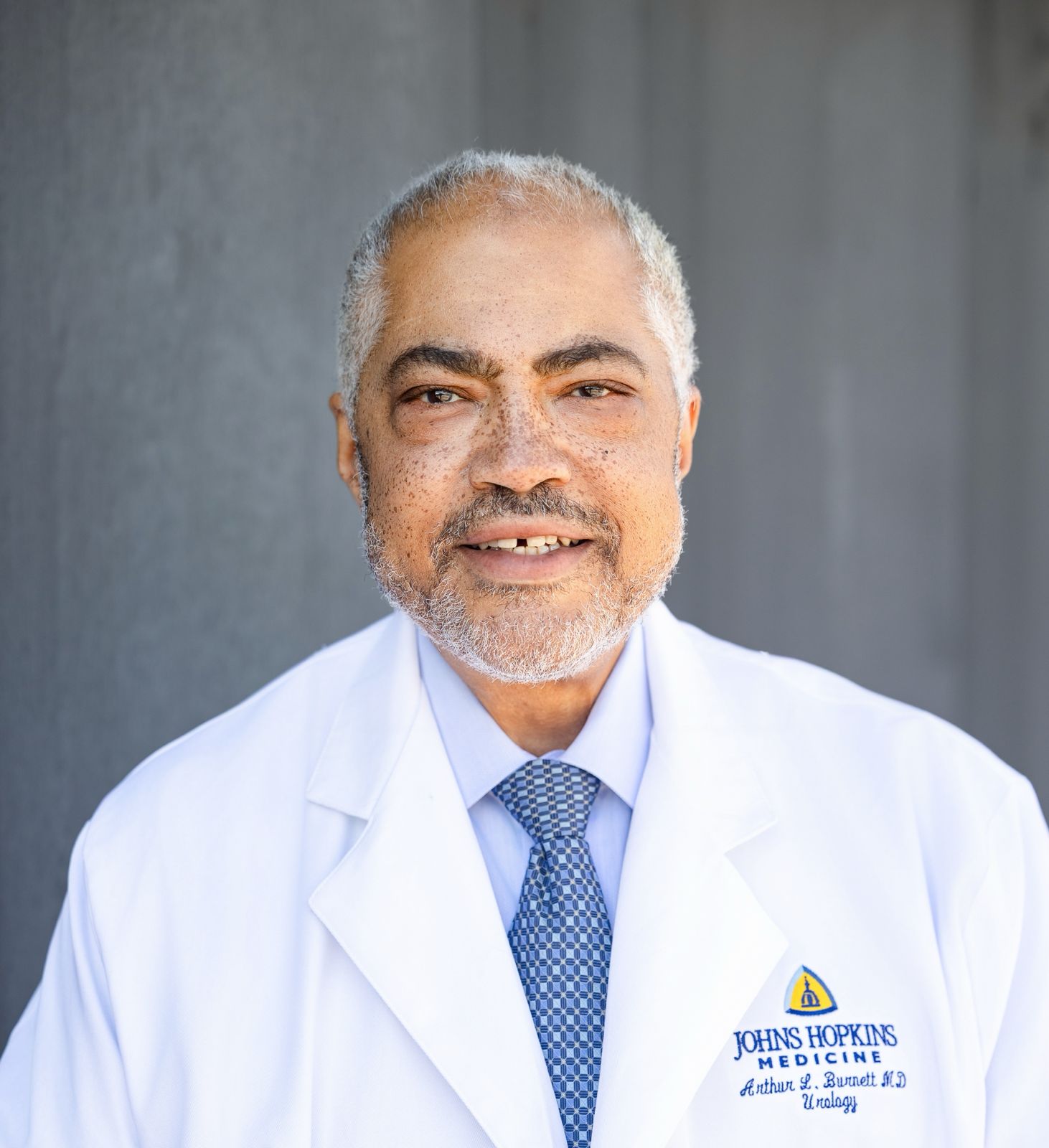

We were lucky to catch up with Arthur Burnet recently and have shared our conversation below.
Arthur, thanks for joining us, excited to have you contributing your stories and insights. Was there a defining moment in your professional career? A moment that changed the trajectory of your career?
The defining moment of my professional career was a realization that arrived not in the lab, but in the clinical exam room. For years, the prevailing medical approach to urological health specifically regarding erectile dysfunction and prostate cancer was reactive. We waited for the damage to be done and then tried to fix it.
I recall a specific patient who was grappling with the life-altering side effects of a radical prostatectomy. At that moment, I realized that “success” shouldn’t just be defined by the removal of disease, but by the preservation of man’s quality of life. This shifted the entire trajectory of my research toward the science of “penile rehabilitation”. By uncovering the molecular pathways of the nerves involved in these functions, we pioneered the idea that we could protect and restore function through early, proactive intervention. This shift from reactive surgery to restorative science changed my career from being a surgeon who treats conditions to a pioneer who protects the human experience.
As always, we appreciate you sharing your insights and we’ve got a few more questions for you, but before we get to all of that can you take a minute to introduce yourself and give our readers some of your background and context?
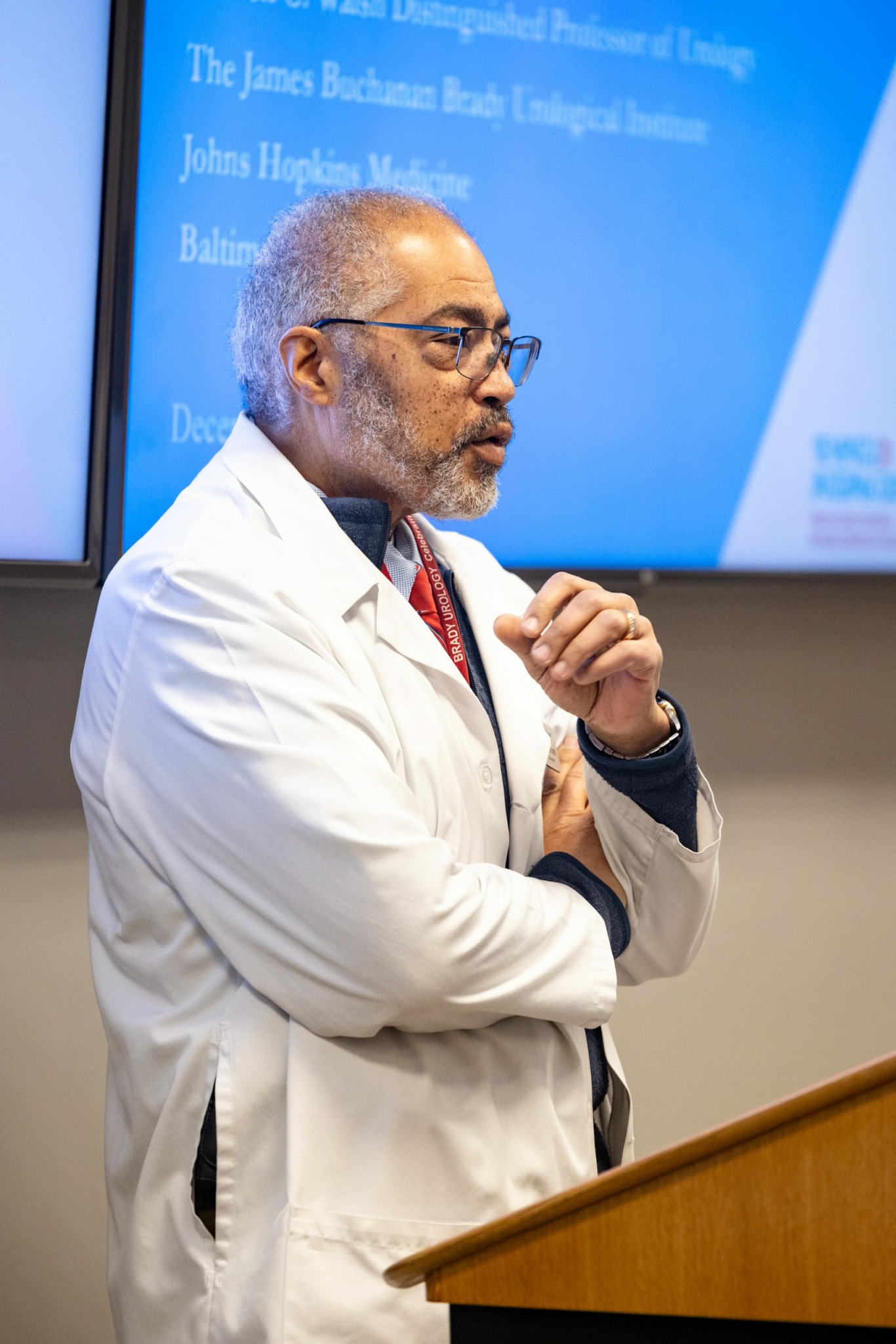
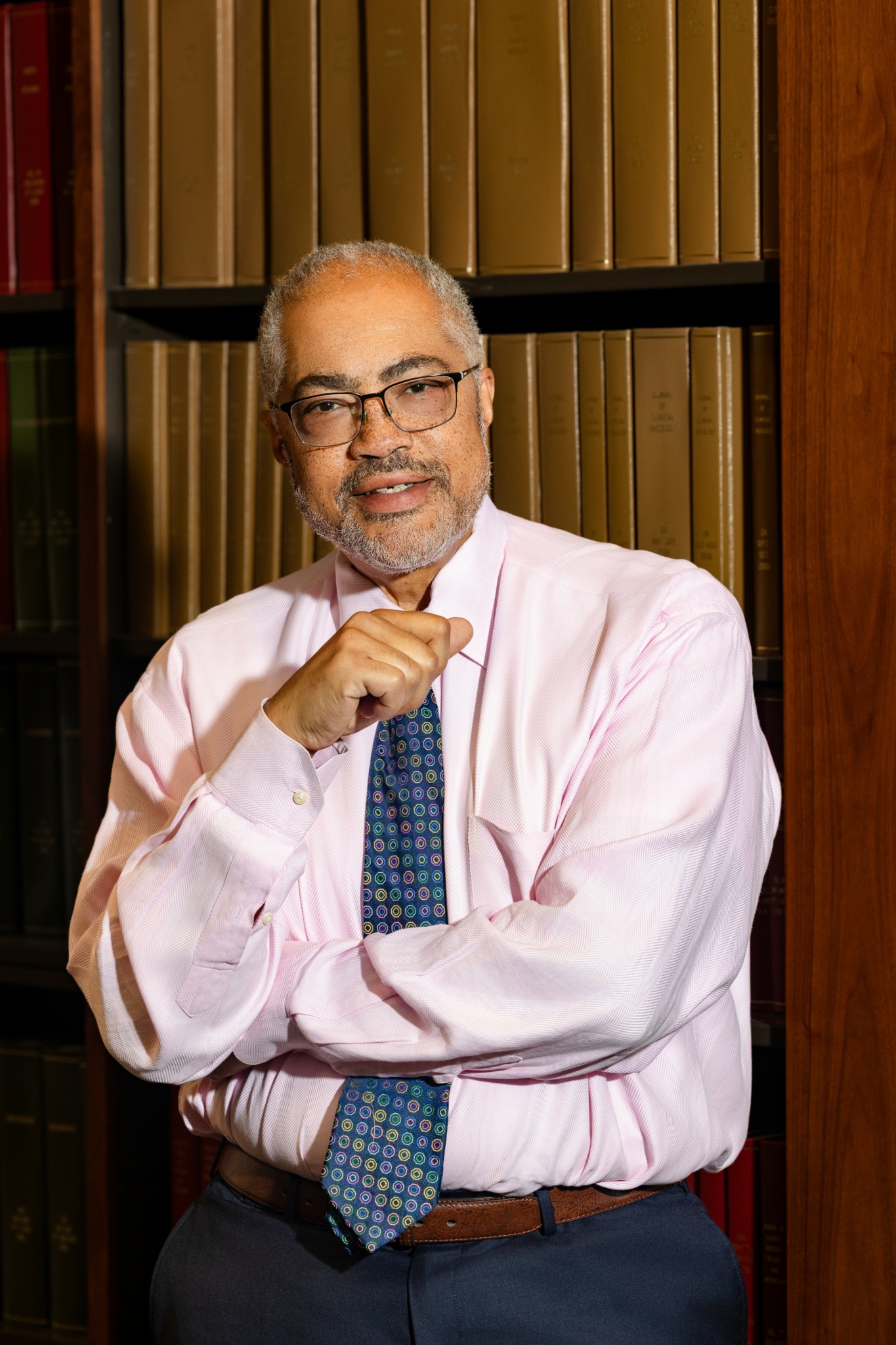
I am a urologist, surgeon, and professor at Johns Hopkins University, but at my core, I am a restorer of health and confidence. My journey into medicine was fueled by a fascination with how surgical precision meets biological discovery. I have dedicated my career to a specialized field of urology that many find difficult to discuss, but which is fundamental to a man’s identity and well-being.
My work focuses on the surgical and medical management of prostate cancer, erectile dysfunction, and other urological conditions. What sets my practice apart is the bridge between the bench and the bedside; I don’t just apply existing treatments—I’ve spent decades in the lab discovering them. I am perhaps best known for my role in the discovery of the nitric oxide biochemical pathway, which was the foundational science that led to the development of treatments like Viagra.
Beyond clinical work, I am committed to the future of global medicine. I have trained and guided hundreds of physicians and researchers, and I continue to expand educational initiatives in Africa and the Caribbean through my non-profit organization, UroMissionsWorks to ensure that advanced urological care is accessible worldwide.
I am most proud of my ability to provide hope where there is often silence and shame. I want my patients and peers to know that my brand is built on a legacy of excellence and a future of innovation. Whether it’s through my work at Johns Hopkins or my global speaking engagements, my goal is to normalize these health conversations and provide solutions that allow men to live full, vibrant lives.
We’d love to hear a story of resilience from your journey.
Early in my research career, the idea that a single gas molecule, nitric oxide, could be the key to a major biological function was met with significant skepticism. I spent countless hours in the lab, often facing failed experiments and a lack of funding because the concept was so “outside the box.” Resilience meant returning to the lab every morning despite the doubt of the broader scientific community. Eventually, that persistence led to a breakthrough that changed the lives of millions. It taught me that being right is often a lonely road before it becomes a crowded one.
If you could go back in time, do you think you would have chosen a different profession or specialty?
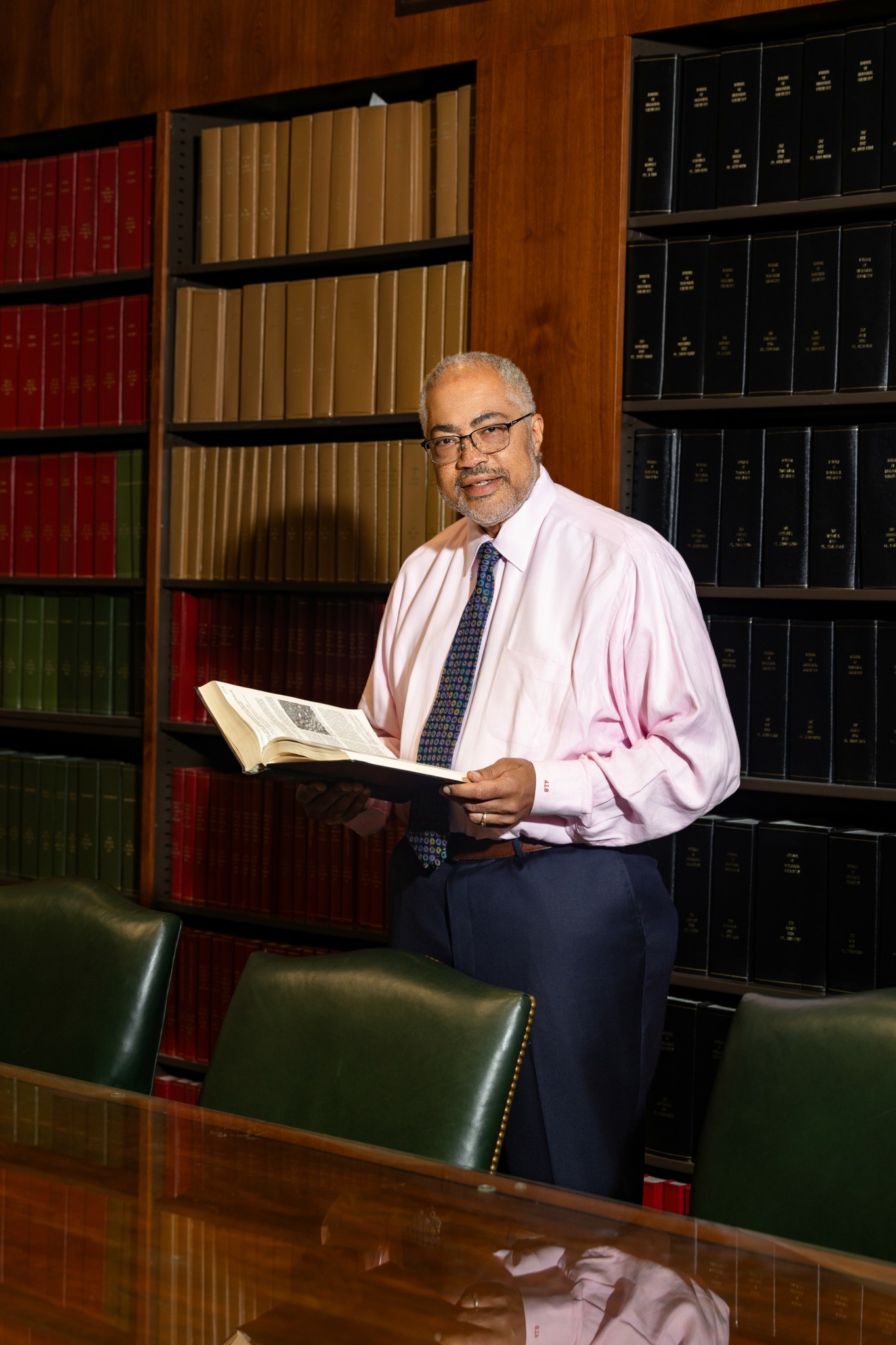
Absolutely. Urology is a unique blend of high-stakes surgery and long-term patient relationships. There is a profound satisfaction in helping a patient navigate a cancer diagnosis and then seeing them return to their normal lives with their dignity and function intact. If I were starting over today, I would choose the same path, though perhaps with even more urgency to bridge the gap between scientific research and public health awareness.
Contact Info:
- Website: https://drarthurburnett.com/
- Instagram: https://www.instagram.com/dr.arthurburnett/
- Facebook: https://web.facebook.com/DrArthurLBurnett/?_rdc=1&_rdr#
- Linkedin: https://www.linkedin.com/in/drarthurburnett/
- Youtube: https://www.youtube.com/@DrArthurBurnett