

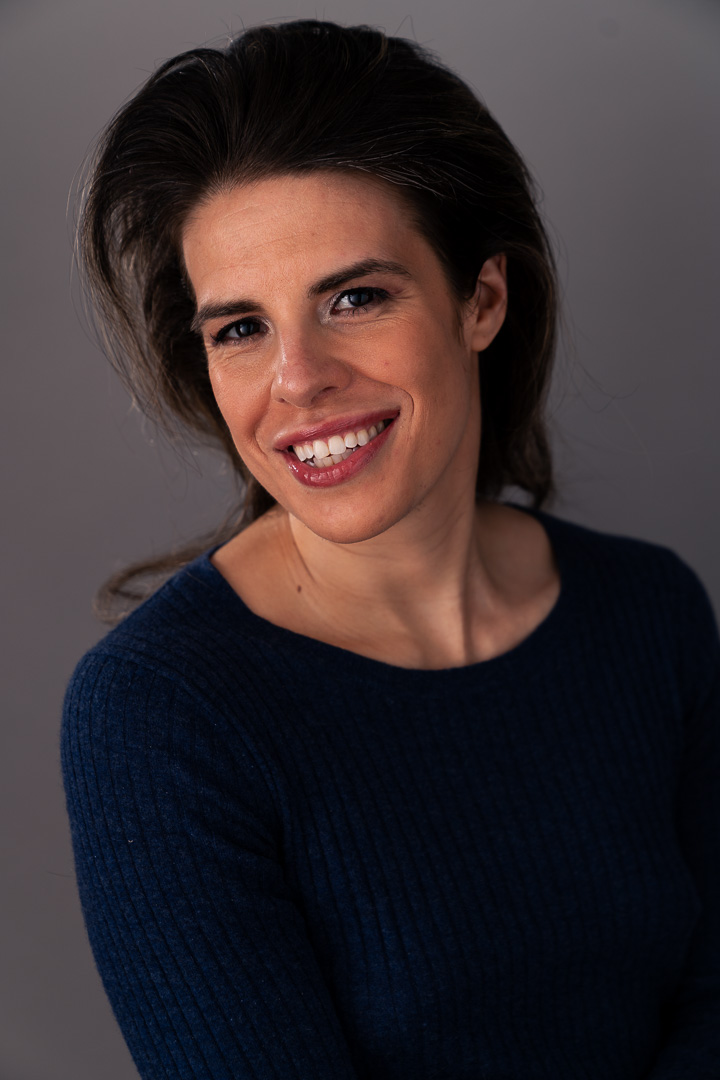

We’re excited to introduce you to the always interesting and insightful Leanne Harpin. We hope you’ll enjoy our conversation with Leanne below.
Alright, Leanne thanks for taking the time to share your stories and insights with us today. Learning the craft is often a unique journey from every creative – we’d love to hear about your journey and if knowing what you know now, you would have done anything differently to speed up the learning process.
I learned to do what I do through a combination of my background in art, hands-on experience, and constant practice. Before makeup, I spent a lot of time drawing, painting, and doing photography, which taught me about color theory, lighting, shading, balance, and how to bring out certain features visually. Those skills translated naturally into makeup artistry because makeup is really another form of visual art. When I first started learning makeup, I relied heavily on books by makeup artists like Bobbie Brown and Kevyn Aucoin, which were extremely helpful for understanding technique, theory, and structure. However, I didn’t have the kind of visual learning tools that are available now through YouTube and social media. Today, artists can study highly skilled makeup artists like Lisa Eldridge, Charlotte Tilbury, Eve Pearl, and Hung Vanngo in real time, and I regularly go back to their work when honing my own techniques and refining my approach.
Knowing what I know now, I think I could have sped up my learning process by seeking out mentorship and hands-on experience earlier instead of waiting until I felt fully confident in my abilities. I also would have benefited from having access to more visual demonstrations and behind-the-scenes learning opportunities the way newer artists do today. Watching experienced artists work, like seeing brush placement, pressure, blending techniques, and how they adapt to different faces, can accelerate learning in a way books alone cannot.
The most essential skills were creativity, attention to detail, communication, adaptability, and having a strong visual vocabulary. Beyond technical makeup skills, it’s important to understand visual references from fashion magazines, film, photography, and fine art across different decades and cultures and to recognize how beauty trends and aesthetics evolve over time. That knowledge helps create makeup that feels intentional and modern or period-specific when needed. It’s also essential to develop an eye for what colors, textures, and overall looks will work best for each individual client, while tying everything together with their hair, wardrobe, lighting, and overall style so the final look feels balanced and harmonious. My background in art and photography helped me develop that perspective early on.
The biggest obstacles were self-doubt, limited access to visual learning resources early on, and sometimes comparing myself to other artists. The beauty industry also evolves constantly, so there is always pressure to keep learning and adapting to new techniques and trends. Looking back, I’ve realized that growth comes from consistency, curiosity, and being willing to continue learning no matter how much experience you already have.
Leanne, before we move on to more of these sorts of questions, can you take some time to bring our readers up to speed on you and what you do?
I’m a professional makeup artist with a background in fine arts, and creativity has always been a huge part of who I am. Growing up, I attended a magnet art school part-time during high school, where I was able to really explore visual storytelling and artistic expression. One of my classmates actually went on to create the hit show Euphoria, which speaks to the kind of creative environment I was fortunate to be surrounded by early on. Being immersed in art at a young age helped shape the way I see beauty, color, texture, and individuality today in my makeup work.
Interestingly, I didn’t originally realize makeup artistry was something you could formally study as a career. At the time, I was working in a department store when one of my coworkers mentioned that her brother was attending school for makeup artistry. I remember thinking, “Wait, you can actually go to school for that?” That conversation completely shifted my perspective and opened a door I hadn’t even known existed. Not long after, I enrolled at Make-Up Designory in New York City, and that decision truly changed the course of my life and career.
My education at MUD gave me a strong technical foundation while also allowing me to blend my artistic background into beauty work. I trained in beauty, corrective makeup, skincare prep, color theory, editorial techniques, and professional industry standards. More importantly, it taught me how to adapt my artistry to real people with different skin tones, face shapes, personalities, and visions all while maintaining professionalism and attention to detail.
Today, I specialize in creating makeup looks that enhance natural beauty while still feeling elevated, modern, and intentional. My work ranges from special event makeup to bridal and editorial-inspired looks. I love creating makeup that photographs beautifully but still feels like the client when they look in the mirror. For me, makeup is never about covering someone up; it’s about highlighting what already makes them unique and helping them feel confident in their own skin.
What sets me apart is my artistic background combined with a personalized approach to beauty. Because I come from a fine arts foundation, I view makeup as more than application; I see it as composition, balance, color, texture, and storytelling. At the same time, I genuinely care about the experience my clients have sitting in my chair. I want people to feel comfortable, heard, and taken care of from start to finish. Whether someone wears makeup every day or barely at all, I work to create a look that feels authentic to them rather than one-size-fits-all.
One thing I’m especially proud of is turning a moment of curiosity into a career I genuinely love. That single conversation with a coworker introduced me to an industry that perfectly combined my artistic interests with my love for people and transformation. Since then, I’ve continued growing not only as an artist but also as someone who values connection, professionalism, and creating confidence through beauty.
The biggest thing I want potential clients, followers, and collaborators to know about me and my work is that authenticity matters to me. I want every person I work with to feel like the best version of themselves, polished, confident, and empowered, but not unrecognizable. My brand is rooted in artistry, individuality, and creating beauty experiences that feel both elevated and personal.
How can we best help foster a strong, supportive environment for artists and creatives?
Society can best support artists and creatives by recognizing that creativity is not a frivolous, unserious luxury; it’s part of what shapes culture, identity, connection, and innovation. It’s in many ways the story of humanity as a whole. As a makeup artist, I see firsthand how artistry impacts confidence, storytelling, fashion, film, beauty, and self-expression. A thriving creative ecosystem starts with valuing creative work as real, skilled labor worthy of respect, fair pay, and sustainable opportunities.
That support can look like investing in arts education, creating accessible spaces for emerging artists, and ensuring creatives are properly credited and compensated for their work. It also means supporting small businesses, freelancers, and independent artists, not just consuming creative content but understanding the time, training, emotional energy, and craftsmanship behind it.
Social media has made creativity more visible, but it has also created pressure for artists to constantly produce without stability or protection. Society can help by encouraging healthier industry standards, mentorship, collaboration over competition, and more inclusive representation across all creative fields.
Most importantly, people can support artists by engaging intentionally: book the artist, share their work, recommend them, attend their events, buy from them, and advocate for the arts in schools and communities. Creative ecosystems thrive when artists are given both inspiration and infrastructure, the freedom to create and the support to sustain a career doing so.
What do you find most rewarding about being a creative?
The most rewarding part of being a freelance makeup artist is seeing how transformation can impact someone’s confidence. Makeup is never just about products or technique; it’s about helping people feel seen, empowered, and comfortable in their own skin. Whether it’s for a wedding, photoshoot, special event, or simply a moment where someone wants to feel their best, being trusted to play a part in that experience is incredibly meaningful.
I also love the creative freedom that comes with this work. Every face is different, every client has their own vision, and every look becomes a collaboration. It keeps the work inspiring and constantly evolving, which is one of the reasons I’m so passionate about it.
Contact Info:
- Website: https://www.leanneharpinmakeupartist.com/
- Instagram: https://www.instagram.com/leanne_harpin_makeup_artist_/
- Linkedin: https://www.linkedin.com/in/leanne-harpin-795ba838/
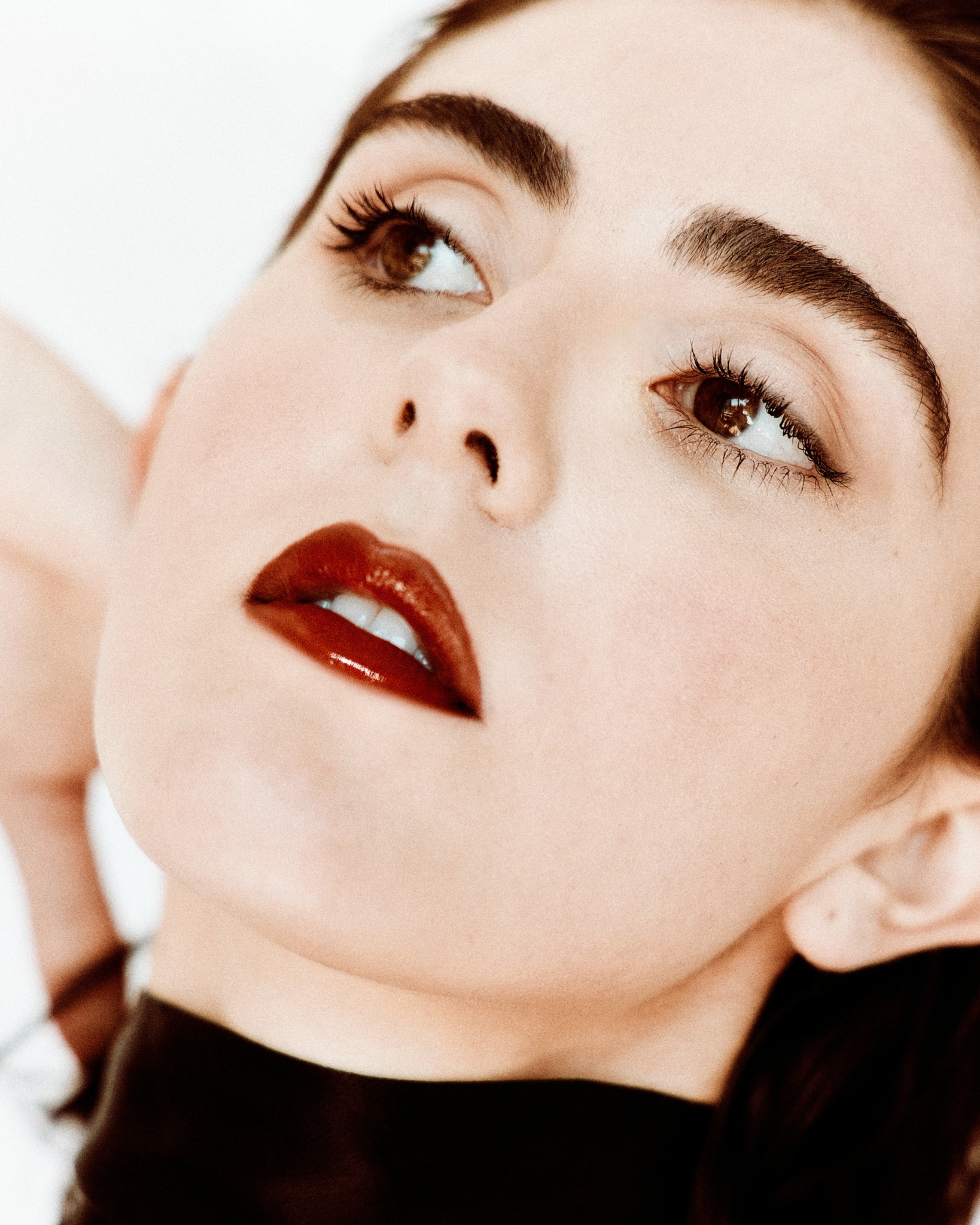
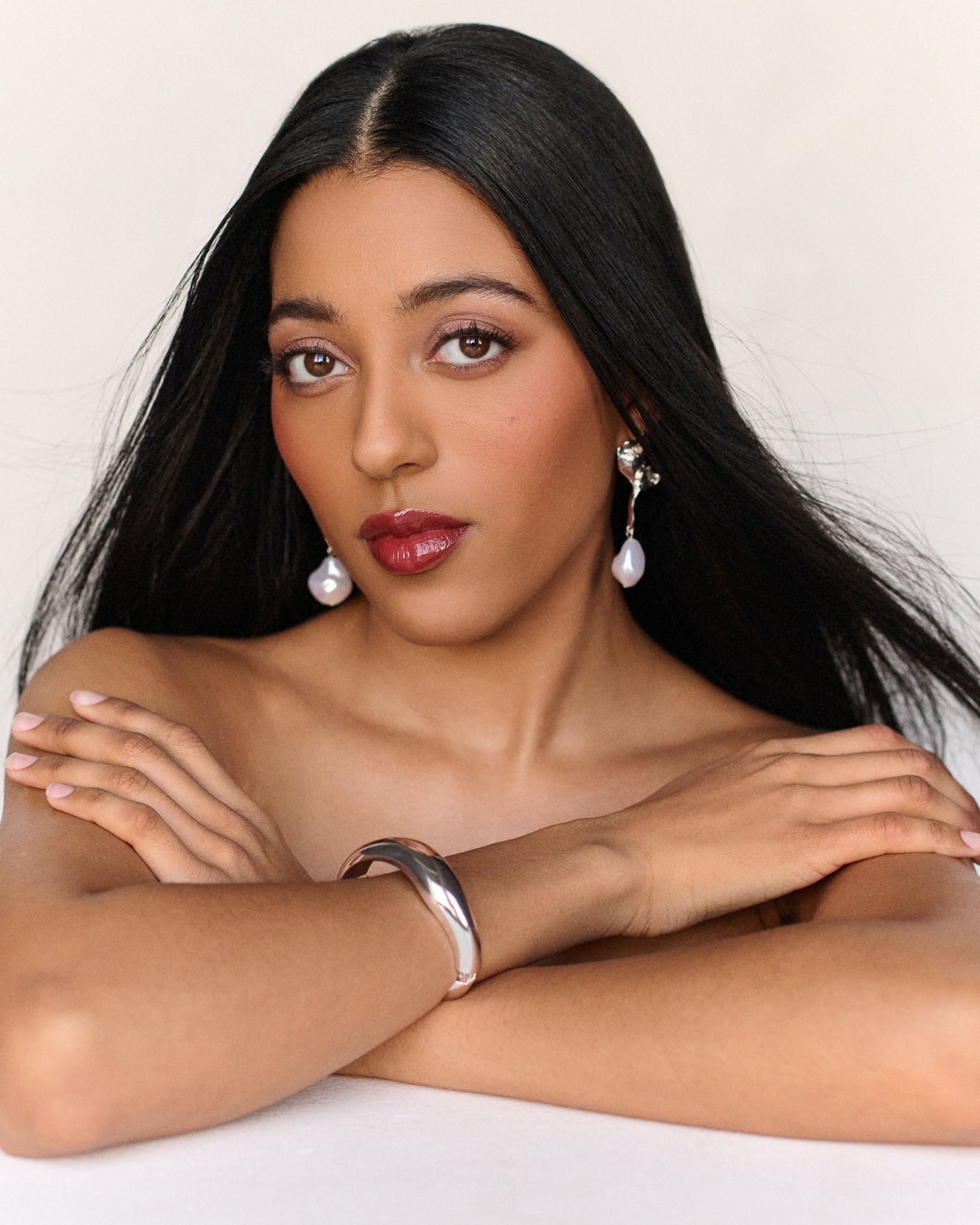
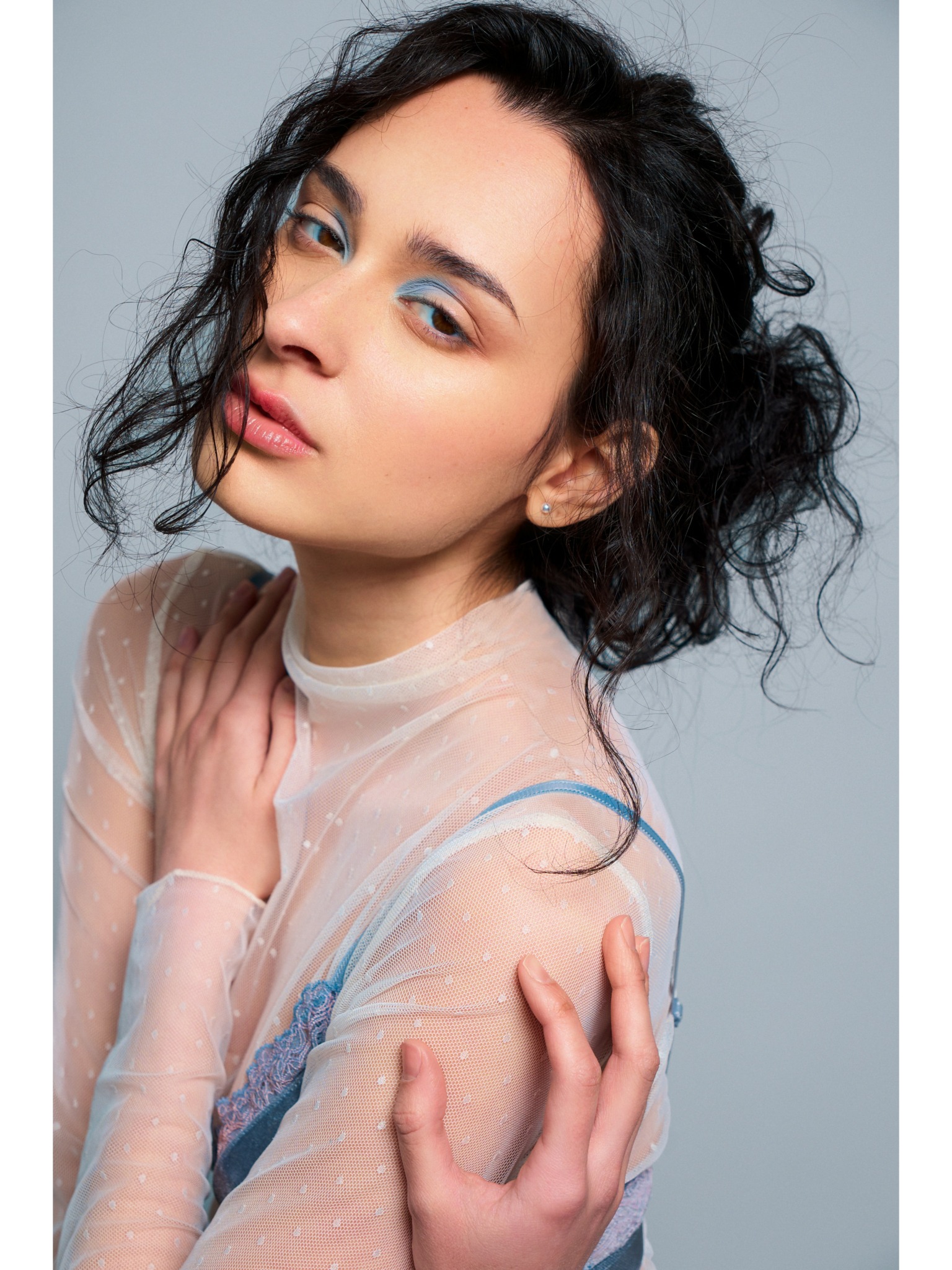
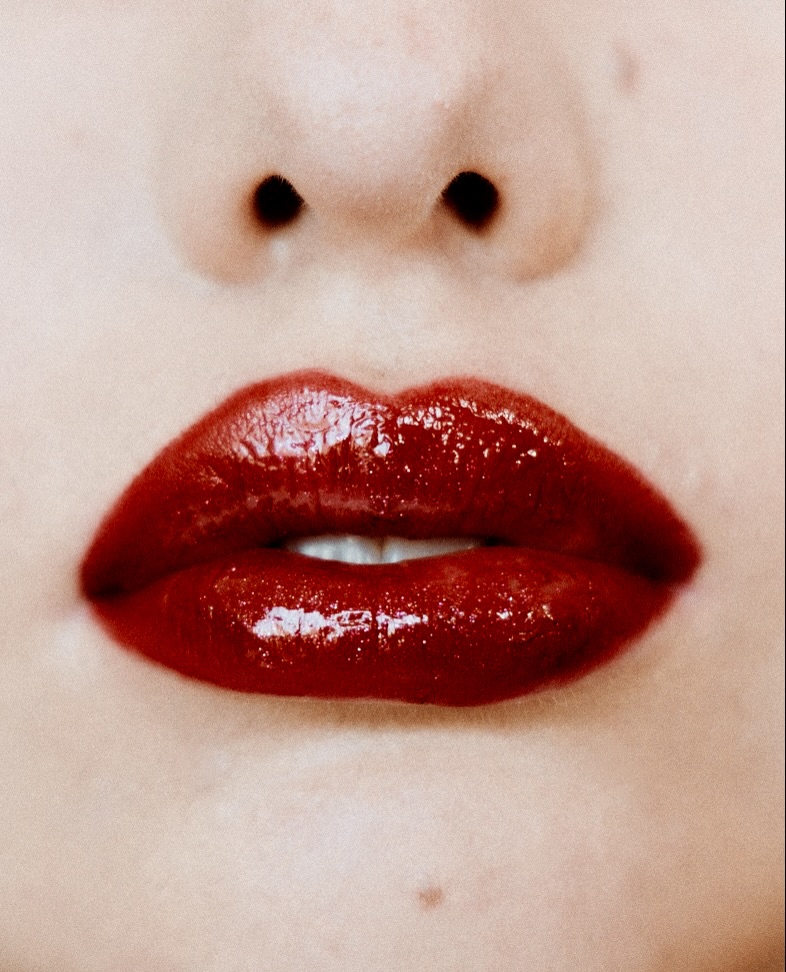
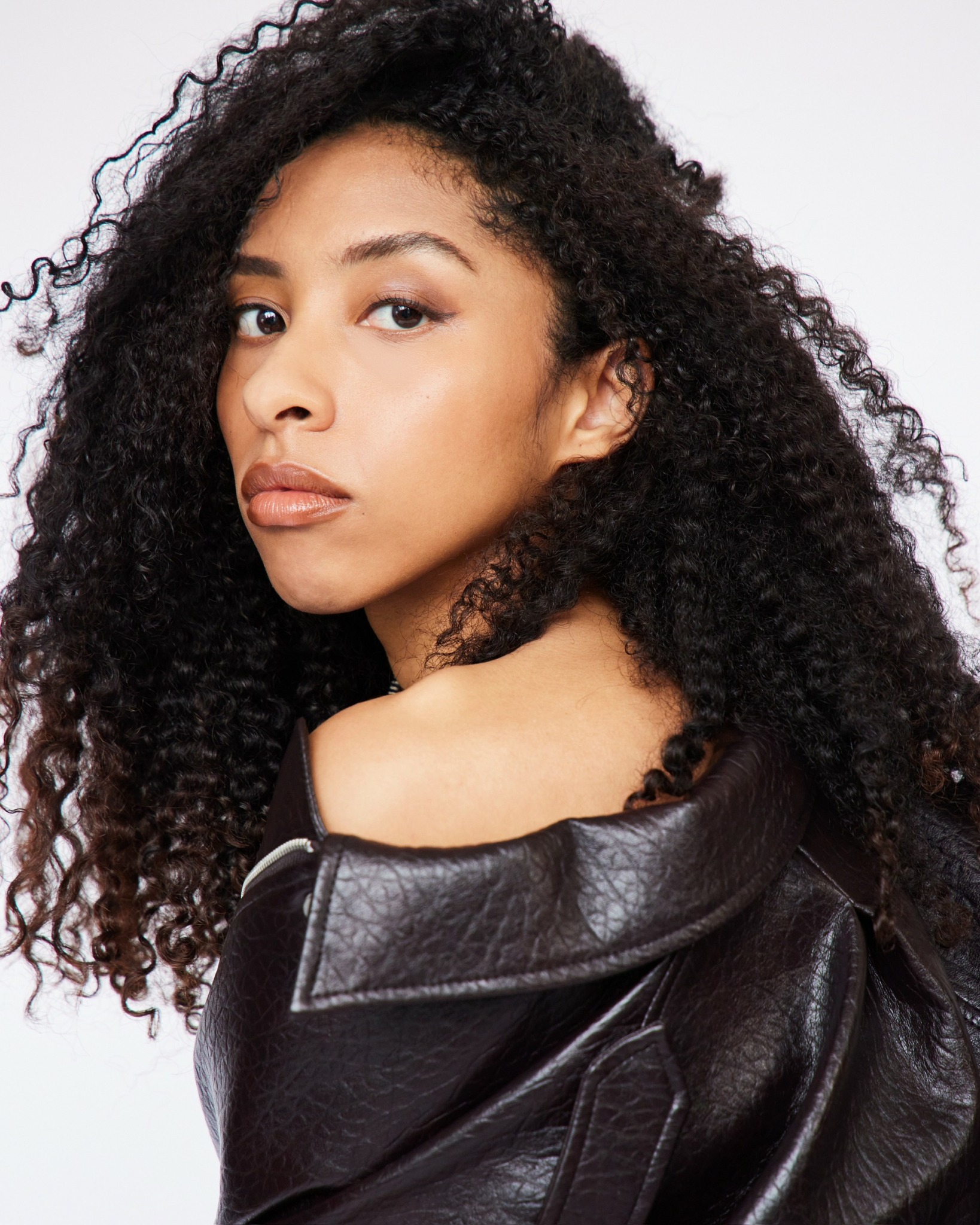
Image Credits
Photos by Corey Davis, Issac Schell, Aaron Kinney, Özgür Donmaz, Mengci Yu, Nick Suarez, and Viktoria Kirus