
We recently connected with Alex Z. Wang and have shared our conversation below.
Alright, Alex Z. thanks for taking the time to share your stories and insights with us today. Can you open up about a risk you’ve taken – what it was like taking that risk, why you took the risk and how it turned out?
The honest answer is that I still don’t know exactly when the decision was made. There wasn’t a single moment where I said, “I’m going to open an art gallery.” It was more like I kept walking toward a door, and one day I realized I was already through it.
I spent over eleven years at Kearney — a global management consulting firm — rising to Principal in the Consumer & Retail and Fashion & Luxury practices. I was good at it. I knew how to read a market, build a strategy, present to a boardroom. The career made sense from the outside, and for a long time, it made sense to me too.
But I had also spent those same years living a different life in parallel. I was painting. I was going to the theater — dance performances, mostly — week after week, for over a decade. I became a patron of multiple dance companies. I trained in fine arts, first at Luxun Academy, then at Parsons, then at Cooper Union. I was moving between two worlds that almost never talked to each other, and I was starting to feel the weight of that split.
The risk didn’t announce itself dramatically. It arrived quietly, then all at once.
In early 2025, I launched Honesty Brutal — a wearable art and streetwear brand. That was my first real step off the ledge. A Principal at a major consulting firm doesn’t typically pivot to making limited-edition art garments. But it felt true. And it worked well enough to tell me something: I could build things on my own terms.
Then came the gallery.
I signed the lease at 325 Broome Street in the Lower East Side and on February 20, 2026, Collective Z opened its doors. A contemporary art gallery, founded by me — someone with no gallery background, no inherited collector network, no institutional backing. Just a deep belief that the emerging tier of the art world needed more rigorous, more intentional spaces, and that I understood both the business and the culture well enough to build one.
The practical risks were real and I knew it going in. Galleries are notoriously hard businesses. The LES is competitive. I had no guaranteed revenue on day one. I was walking away from the kind of income that takes years to rebuild. And I was doing it in a city where the art world can be unforgiving to outsiders.
What I didn’t fully anticipate was how fast it would move. Within weeks of opening, we had mounted a group show with 20 artists. We ran a Collector’s Salon. We got placed on Artsy. We started building the kind of room that makes the next thing possible. We confirmed booths at Future Fair and Focus Art Fair for May. The gallery has a pulse.
I won’t pretend it’s easy. There are moments where the financial pressure is real, where I’m doing ten jobs at once, where the gap between vision and resources is uncomfortable. But that discomfort is different from doubt. I’m not second-guessing the direction — I’m just learning the terrain.
The thing no one tells you about taking a big risk is that the hardest part isn’t the leap. It’s resisting the urge to measure the outcome too soon. Collective Z is two months old. That’s not enough time to know what it will become. But I can already see what it is: a real space, with real artists, building real relationships with people who care about what art can do.
I took the risk because I had spent years watching the art world from inside and outside simultaneously, and I saw a gap that I was uniquely positioned to fill. Not just as a businessperson, and not just as an artist — but as both, at the same time.
That’s the bet. I’m still making it every day.
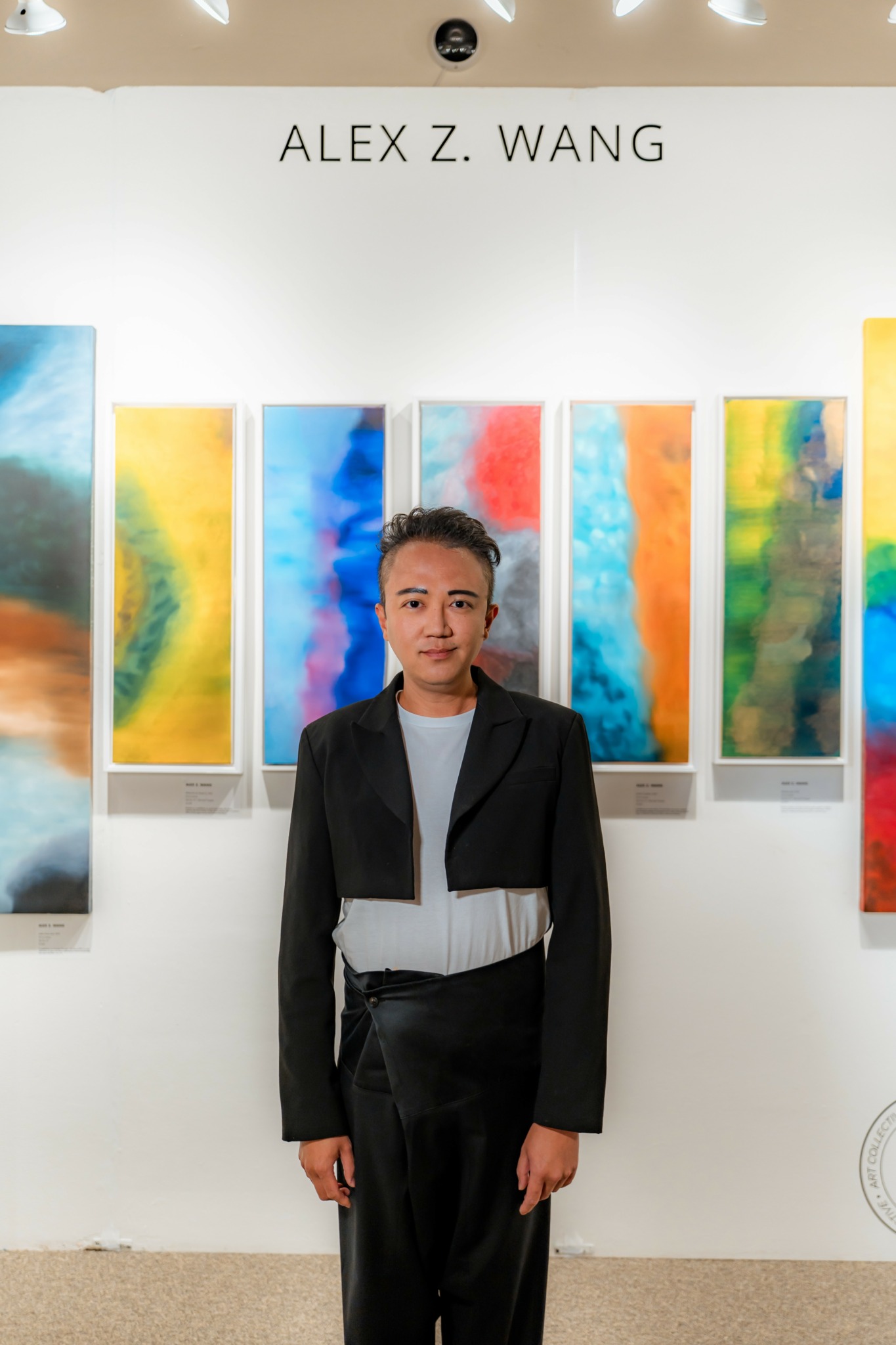
Alex Z. , before we move on to more of these sorts of questions, can you take some time to bring our readers up to speed on you and what you do?
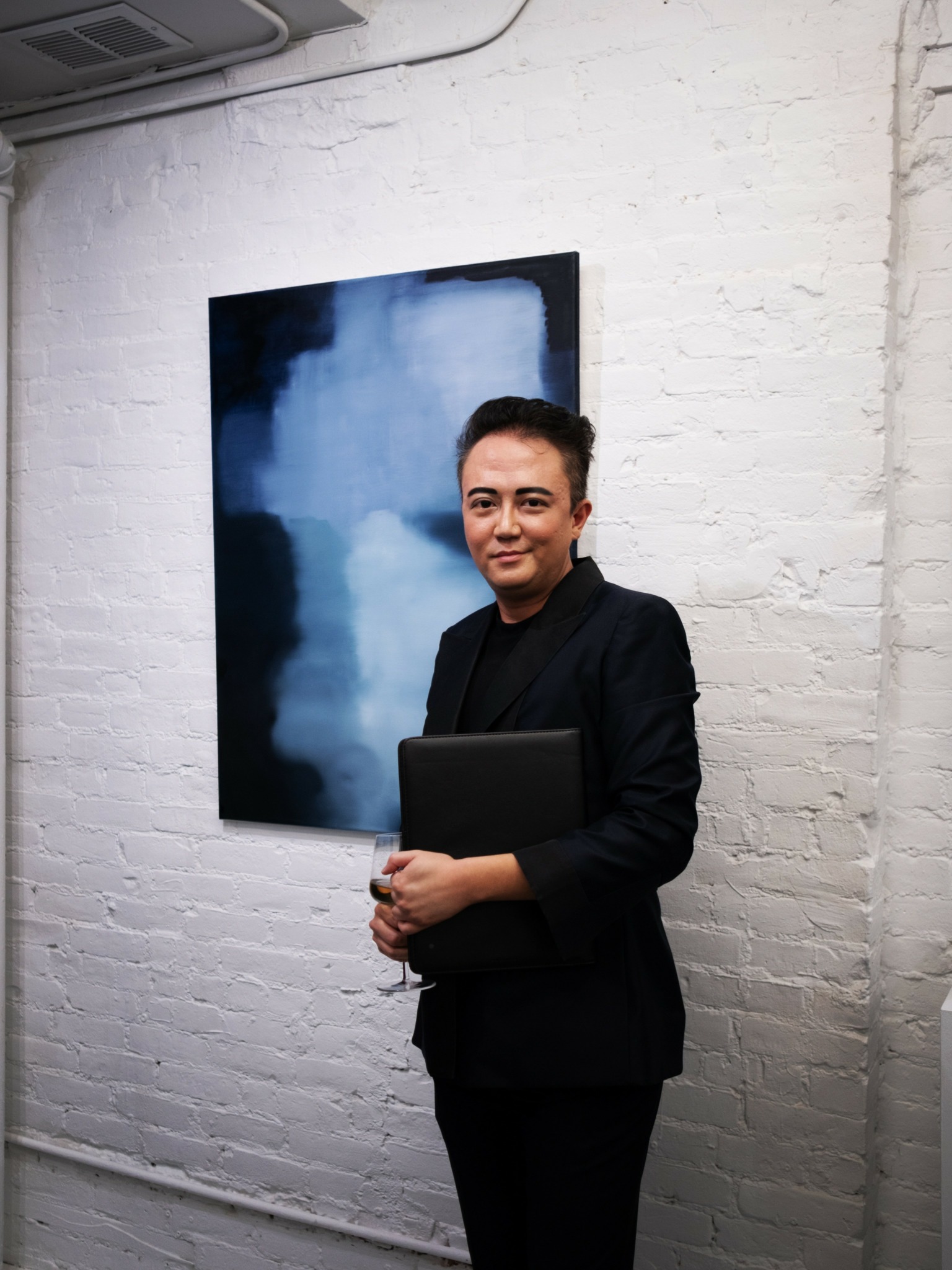
I’m Alex Z. Wang — a New York-based artist, gallerist, and founder who operates at the intersection of fine art, business, and culture. My story is genuinely hard to put in a box, and for a long time I felt like I had to choose between the different versions of myself. I no longer believe that. The complexity is the point.
I grew up in China, trained from childhood at the Luxun Academy of Fine Arts, and came to the United States for graduate studies — an MBA from Columbia Business School and then Fine Arts and Fashion Design from Parsons and Cooper Union. Before that came over a decade in finance and management consulting, culminating as a Principal at Kearney, where I led work in Consumer & Retail and Fashion & Luxury. I know how to read a market, build an institution, and present to a boardroom. I also know how to stand in front of a canvas for hours and listen to what it’s asking for. Both things are true simultaneously, and neither one is a costume.
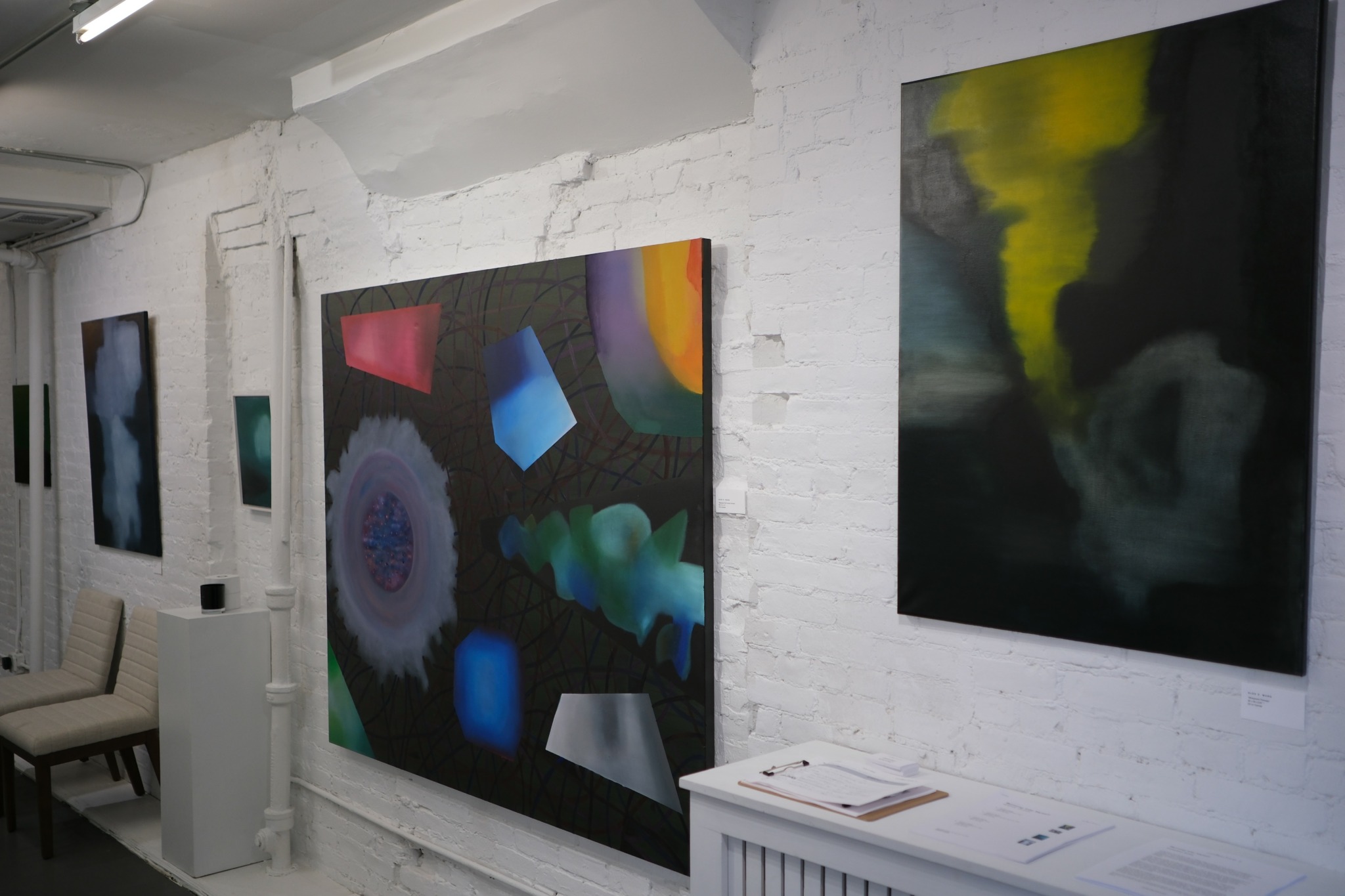
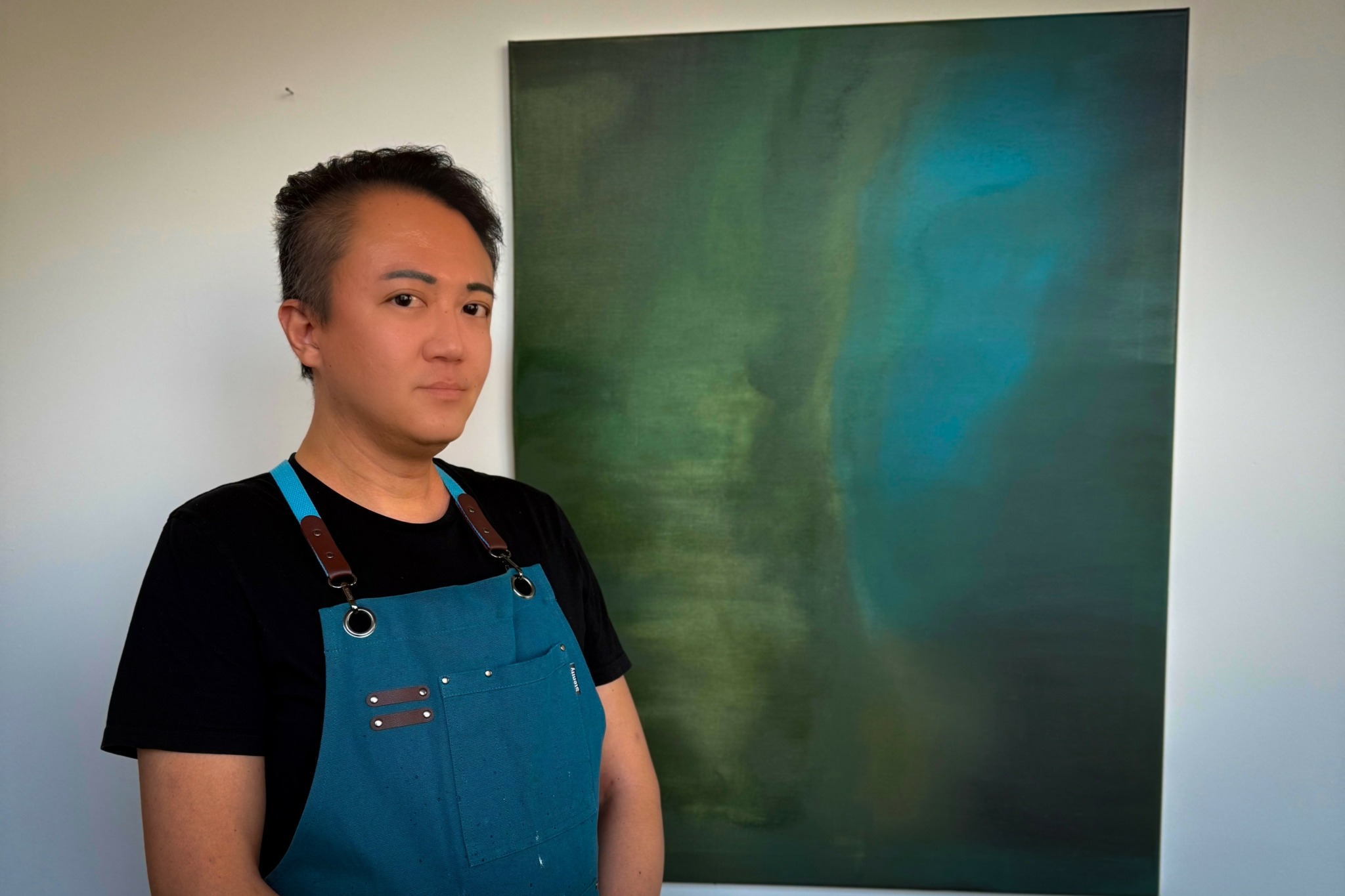
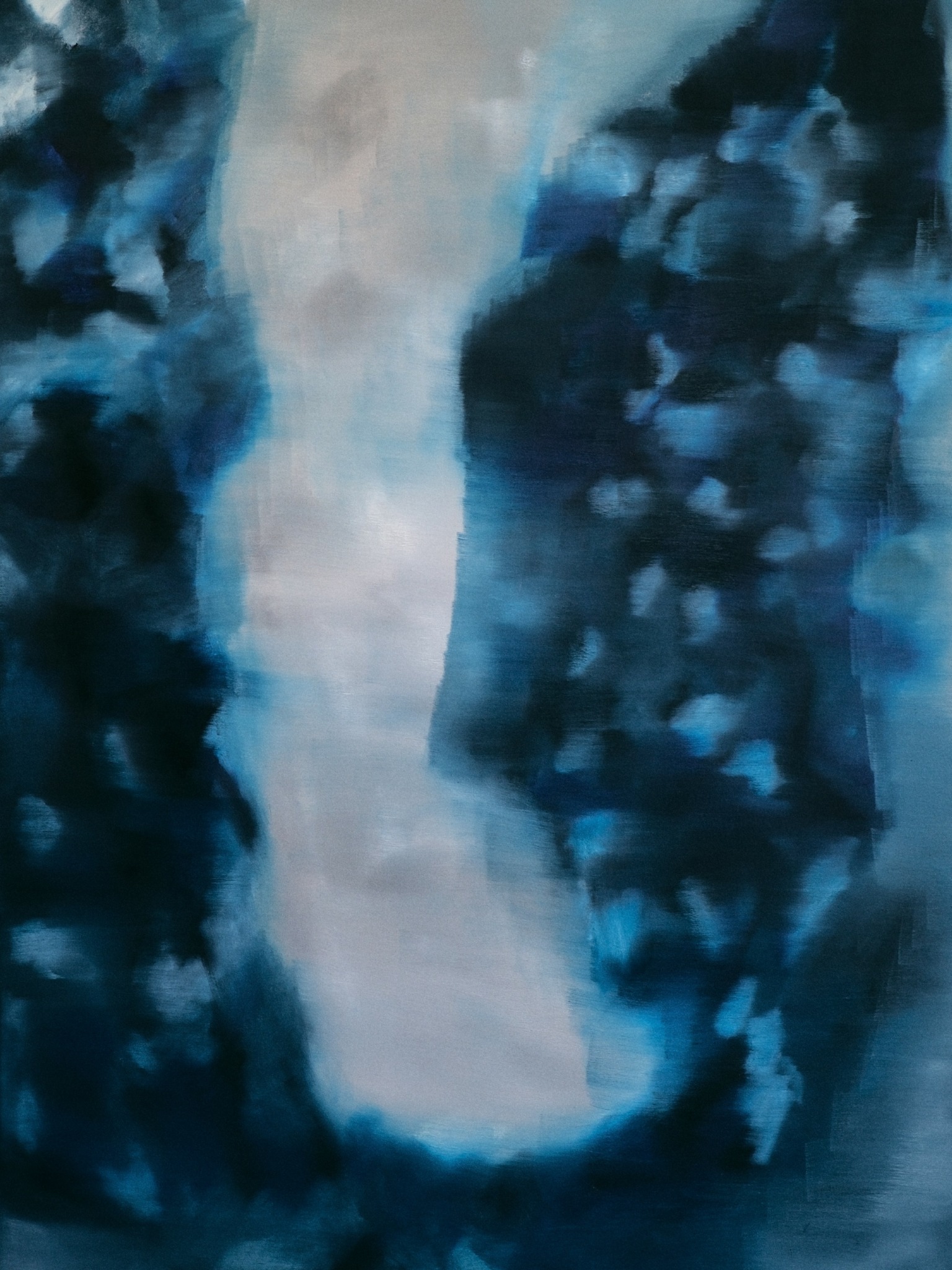
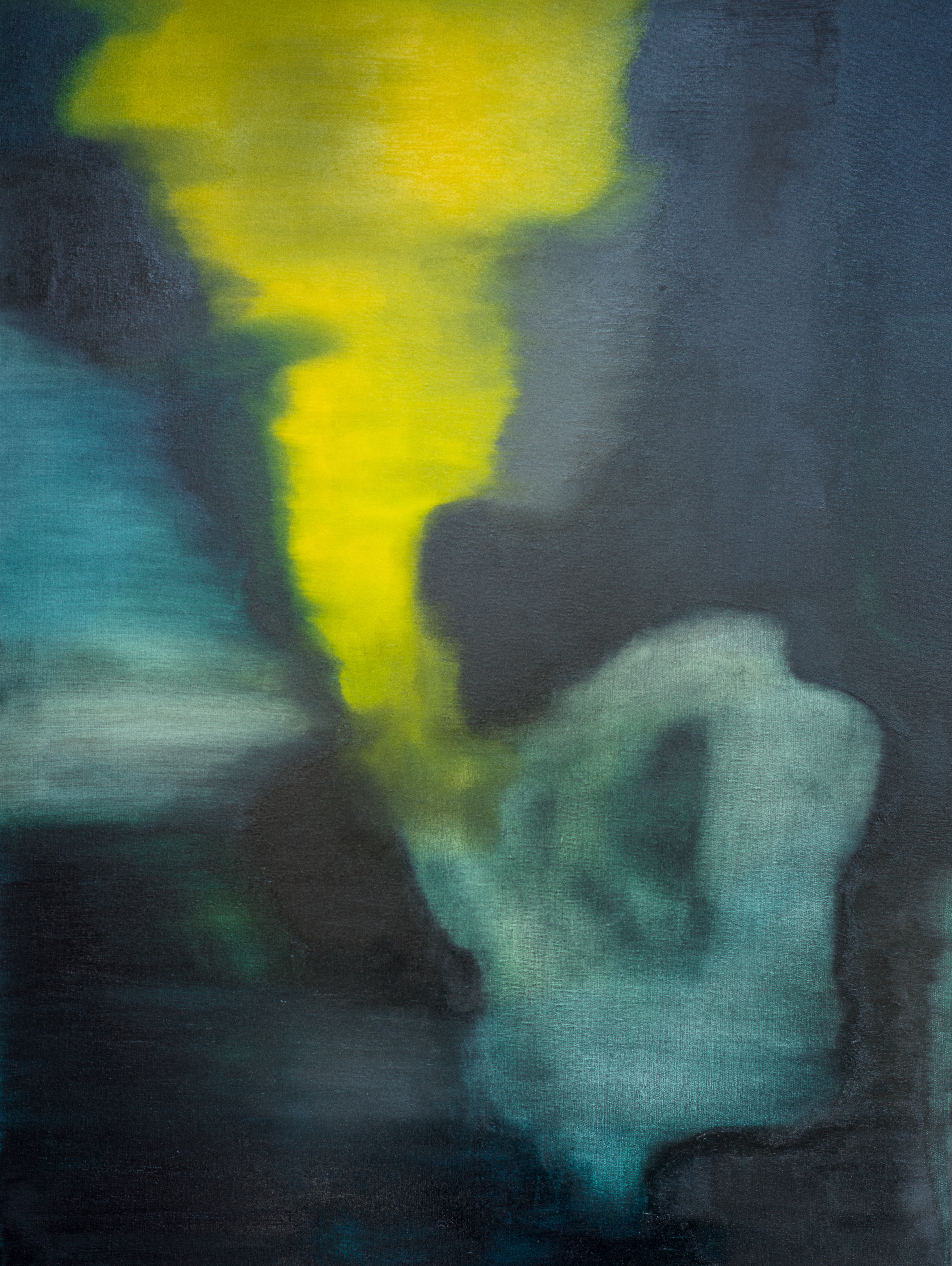
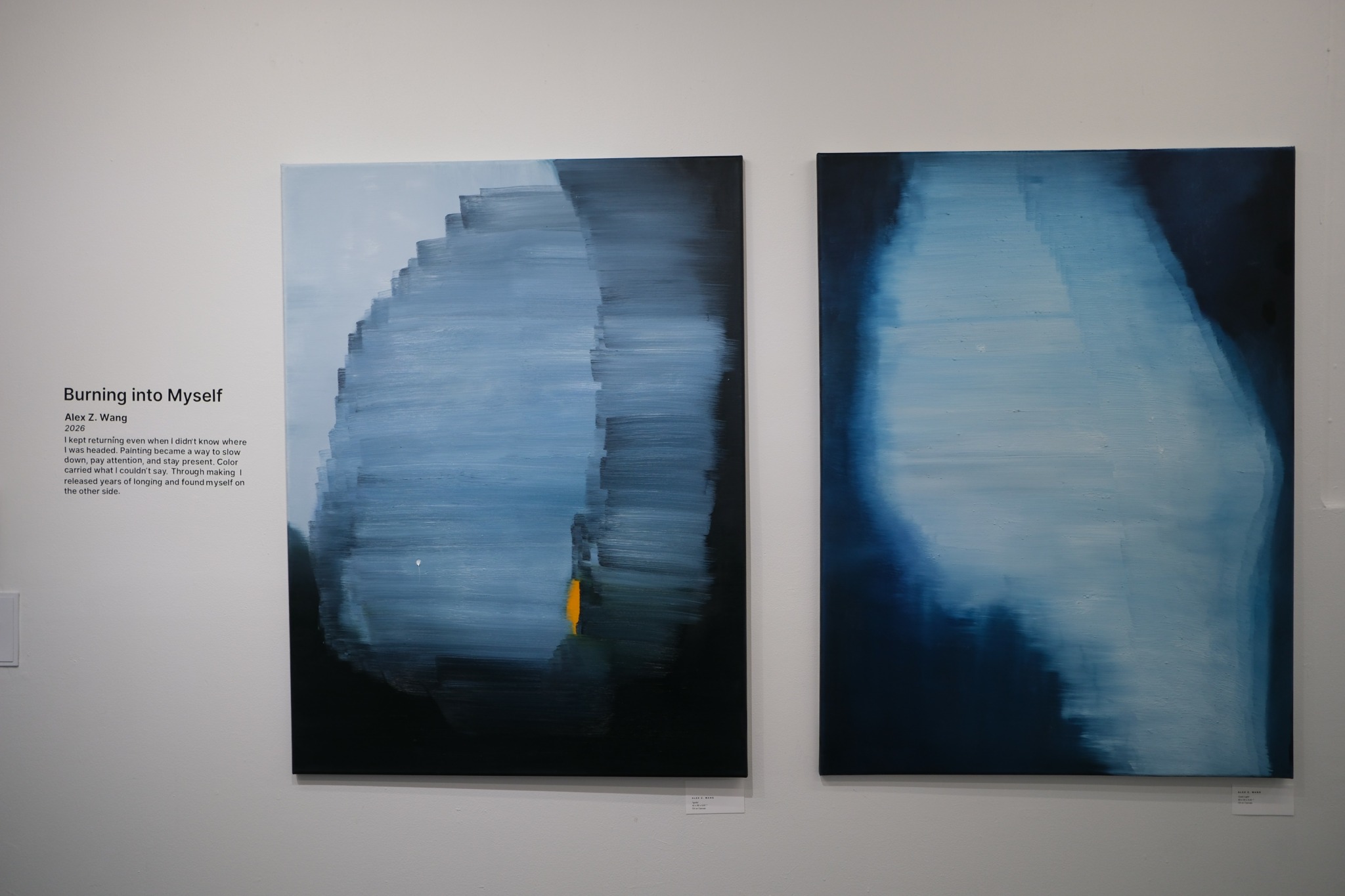
My own art practice is in abstract painting — oil on canvas, primarily. My work is shaped by contemporary dance, cinema, and performance; I’ve been attending dance performances for over a decade and hold patronages with multiple companies. That sustained relationship with movement and time finds its way into everything I make. The paintings move between motion and stillness — layered, atmospheric surfaces built through an improvisational process of gesture, transparency, and material accumulation. My work has been exhibited and collected across the United States and Europe, in cities including New York, Chicago, Paris, London, Miami, Santa Fe, and Tuscany, with solo booths at fairs like the Other Art Fair and Satellite Art Show and group exhibitions at venues including Equity Gallery and Van Der Plas Gallery.
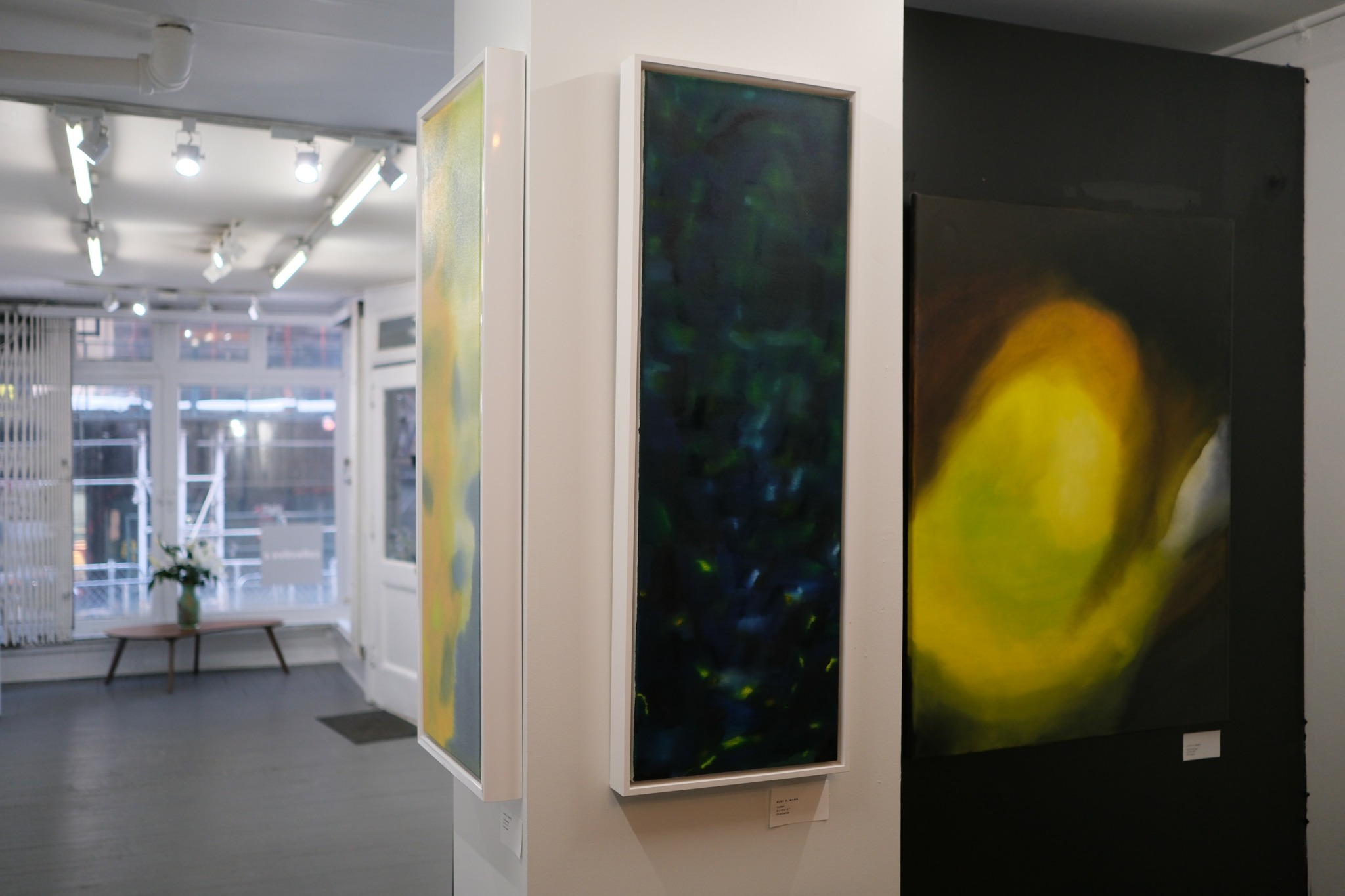
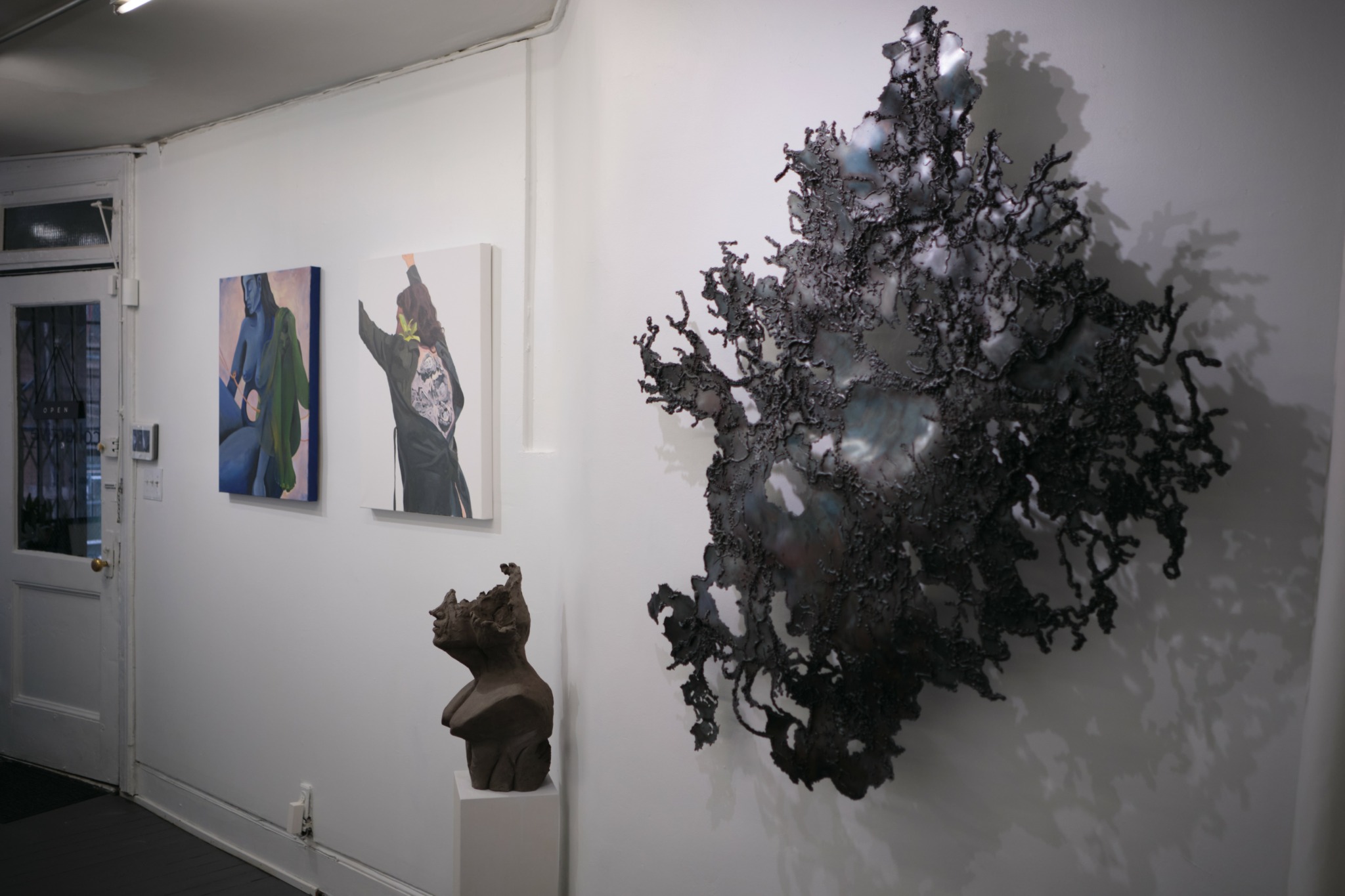
In February 2026, I opened Collective Z — a contemporary art gallery at 325 Broome Street on the Lower East Side of Manhattan. The gallery represents and exhibits emerging and mid-career artists working at the intersection of abstraction, materiality, and lived experience. We also show work across mediums — painting, sculpture, installation, video — with an intentional focus on artists whose practices resist easy categorization. In just our first months, we launched a 20-artist inaugural group show, hosted a Collector’s Salon, landed placement on Artsy, got accepted into Future Fair in New York, and have a full solo + group exhibition calendar underway.
What I’m building at Collective Z is not a white-box space with a velvet rope. It’s a room where seriousness about art and access to art are not in conflict. The gallery model I’ve created is intentionally different — non-exclusive representation, deep artist partnerships, a genuine commitment to programming that creates cultural conversation rather than just transactions. We work with artists long-term, invest in their careers, and hold the standard that every work on our walls deserves to be there, not because it’s safe, but because it has something real to say.
Alongside the gallery, I’m also in early development on a technology venture in the art space — one that sits at the intersection of data infrastructure and market intelligence for the contemporary art world. It’s too early to share details publicly, but the core conviction is the same one that drives everything else I do: the art world’s traditional opacity and gatekeeping disadvantages the people who matter most, and there’s a real opportunity to rebuild that infrastructure from the ground up. More on that soon.
What sets me apart is that I hold all of these roles at once — and they aren’t separate. I understand the artist’s experience because I live it. I understand the gallery’s operational reality because I’m building one in real time. I understand the market because I spent years analyzing it professionally before I stepped inside it personally. That triple vantage point is rare. The art world has plenty of business people who admire art from a distance and plenty of artists who don’t understand how the business actually works. I’m trying to be neither.
What am I most proud of? Honestly, the fact that Collective Z exists at all. The art world doesn’t hand you a seat. You build it, or you wait for someone to offer you one that will never come. I built it. And every artist I’ve had the privilege of showing, every collector who has come through that door on Broome Street, every opening night that became a real moment — those are the proof of concept that makes everything else worth it.
How can we best help foster a strong, supportive environment for artists and creatives?
The most honest answer I can give is this: show up, and pay full price.
So much of what passes for “supporting artists” in our culture is actually consumption dressed up as patronage. We stream music for free, screenshot paintings, share work without credit, and expect artists to be grateful for the exposure. We’ve built an entire economy around the idea that creative work should be cheap or free while the infrastructure around it — the platforms, the venues, the middlemen — extracts the value. That’s not support. That’s extraction with good intentions.
Real support starts with paying for the work. Buy the painting. Buy the record. Buy the book. If you love what someone makes, own it. Not as an investment, not as a status symbol — because you want to live with it and because you understand that the person who made it spent years developing the ability to make something that moves you, and that deserves to be compensated.
Beyond individual purchasing, I think society has to get serious about a few structural things.
First, arts education cannot keep being the first thing cut. When we strip creative thinking out of schools, we don’t just lose future artists — we lose the capacity for imagination and problem-solving in every field. Every industry runs on creativity. We train it out of people and then wonder why organizations can’t innovate.
Second, we need to rethink how we talk about creative careers. The “starving artist” narrative is not romantic — it’s a mechanism that keeps talented people from committing fully to their practice, and it keeps the people who do commit in precarious financial situations for their entire working lives. We don’t tell young engineers they should expect to struggle forever because they love what they do. Creative work is labor. It deserves stability.
Third, collectors, institutions, and cities need to take seriously their role in the ecosystem — not just by funding the established, blue-chip end of the art world, but by investing in emerging artists and the smaller galleries and organizations that champion them. That’s where culture is actually being made. The artists who will define the next decade are working right now in spaces that are one bad month away from closing. Patronage at that level — early, committed, relationship-based — is what actually shapes culture. Writing a check to a museum gala is fine. Buying a work from a living artist at the beginning of their career is transformative, for both of you.
And finally — go. Go to the gallery. Go to the performance. Go to the reading. Physical presence is not just logistically important for the economics of creative institutions. It’s a signal to the artist that their work matters enough for someone to leave the house for it. In a world where everything competes for attention and everything can be consumed from a couch, choosing to show up in person is one of the most meaningful things an audience can offer.
I opened a gallery because I believe the world is better when art is accessible, when artists are supported, and when we build real communities around creative work rather than just scrolling past it. That belief has to be backed by action — by all of us.
What’s a lesson you had to unlearn and what’s the backstory?
For most of my adult life, I believed that the right answer to uncertainty was a better plan.
It’s an easy thing to believe when you’re trained as a consultant. The entire methodology is built on the premise that if you gather enough data, build the right framework, and stress-test your assumptions, you can engineer your way to a good outcome. I was good at it. I rose to Principal at a global firm. I advised major brands on strategy. I knew how to make a rigorous argument for almost any decision, and I trusted that rigor above almost everything else.
The problem is that the art world doesn’t run on frameworks. And more importantly, neither does creativity.
When I left consulting and began committing fully to my own practice — as a painter, then as a gallerist — I kept reaching for the old tools. I would spend enormous energy trying to plan my way through things that simply could not be planned. Which artists to show. How a room would feel. Whether a particular work was ready. What a collector would respond to. I would second-guess intuitive decisions by running them through an analytical filter, and in doing so, I would drain them of exactly the quality that made them worth making in the first place.
The lesson I had to unlearn was this: certainty is not the same as correctness. And the pursuit of certainty — which consulting trains you to treat as a virtue — can be genuinely destructive in creative work, because it privileges the legible over the true.
The backstory is Collective Z’s inaugural exhibition.
When we were building In the Heat of Becoming — our opening group show in March 2026 — I had moments of real doubt about certain curatorial choices. Works that felt emotionally right but were harder to justify on paper. Artists whose practices didn’t fit a clean narrative logic but whose presence in the room felt essential. My instinct said yes. The planner in me kept asking why.
I made the instinctive calls. And the show was the best thing I’ve done. Not because everything went perfectly — it didn’t — but because the room had a soul. People felt it. Artists felt seen. Collectors lingered. That doesn’t happen because you optimized the wall layout. It happens because someone trusted something that couldn’t be fully articulated.
What I’ve come to understand is that the consulting training isn’t wrong — it’s just incomplete. Rigor matters. Data matters. Knowing how to build a financial model or structure a negotiation has saved Collective Z more than once. But it has to be in service of the intuition, not in place of it. The moment I start using analysis to avoid a decision rather than inform one, I’ve lost the thread.
The art world has been teaching me, slowly and sometimes painfully, that the most important things resist quantification. You can’t A/B test a solo exhibition. You can’t run a regression on whether a particular artist is ready. At some point you have to look at the work, trust what you know, and commit.
That’s the unlearning. And honestly, it’s still in progress.
Contact Info:
- Website: www. collectivez.com | www.alexzwang.com
- Instagram: @collective.z.gallery | @alexzwang
- Linkedin: https://www.linkedin.com/in/alexzzwang