


We caught up with the brilliant and insightful Fan Yu a few weeks ago and have shared our conversation below.
Fan, appreciate you joining us today. We’d love to hear about a project that you’ve worked on that’s meant a lot to you.
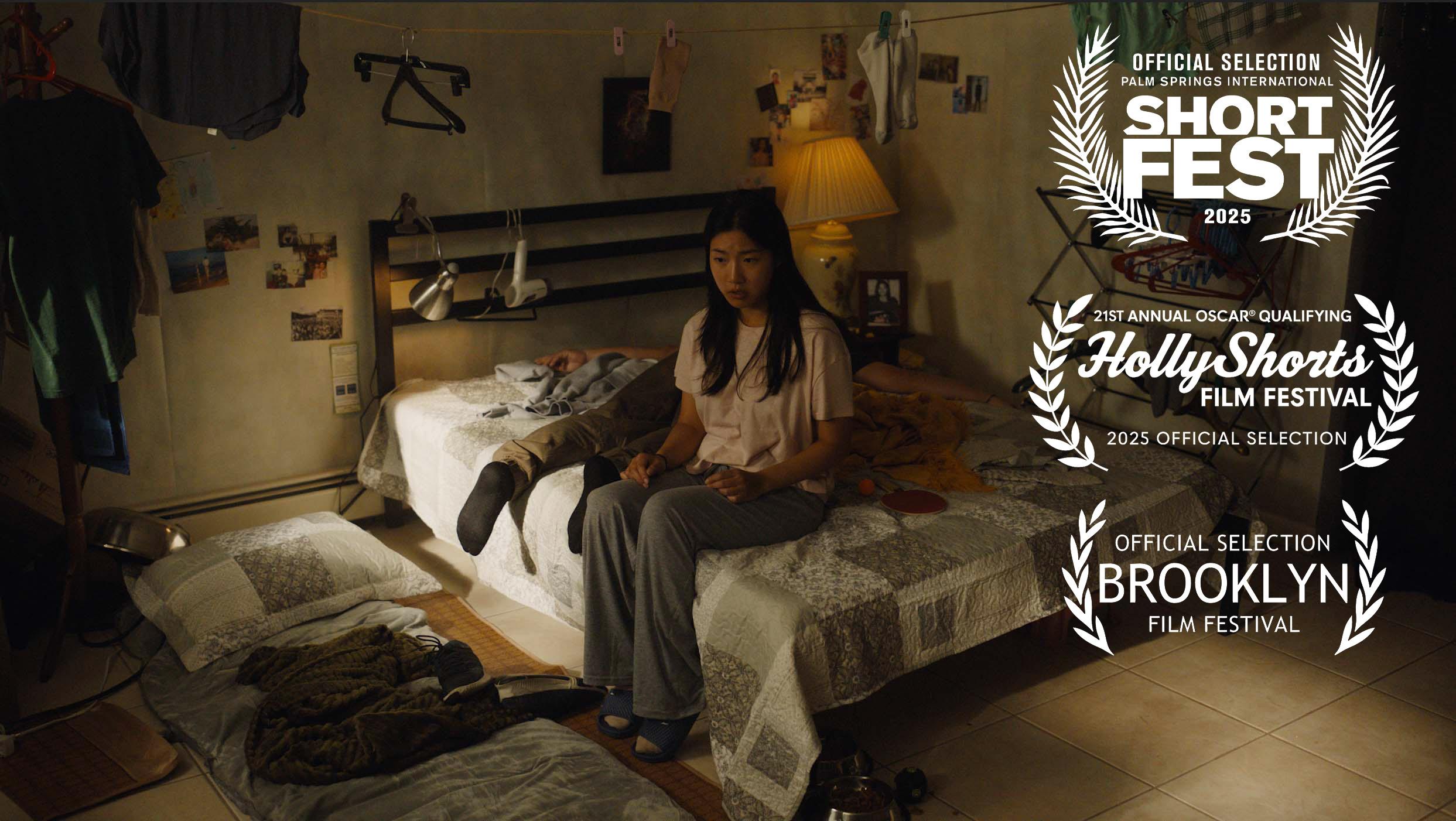
Till The Dead, written and directed by Marco Adly was one of the most memorable films I’ve production designed.
It’s a horror short film about a man whose wife has died, and whose ghost returns to their home to reunite with him. What made the project meaningful to me was that the horror was not only about fear, but about grief, memory, and the emotional weight of objects left behind.
From the very beginning, I created an extensive lookbook that went beyond the script. I imagined the couple’s life before the story began: what their home looked like, what objects they kept, what memories lived in the space, and how the husband might have continued living after her death. I also researched how grief and death are portrayed on screen, especially the quiet, intimate ways people cope with losing someone closest to them. That research led me to the idea of wrapping her old furniture in plastic covers, as if those objects had become untouchable. They were preserved with care, but also kept at a distance, almost like his memories of her.
During the location scout, the director and I developed the visual language further. We began with an antique dresser, then explored the idea of placing a mirror above it, and eventually discovered that mirrors could become a central storytelling tool. We choreographed very slow camera movements through the set in a 360-degree language, using reflections to reveal blood, death, and the intangible presence of the ghost in a poetic and theatrical way. I intentionally placed reflective surfaces in unexpected areas, surrounded by the heavy textures of an old house and a collection of vintage props. Through these reflections, the ghost could appear among the traces of her former life, blurring the boundary between life and death until the ending, when it becomes clear that the threshold has been crossed.
The color palette was also very important to me. I used muted, cold tones to bring out the bleakness of winter and suggest the emotional dead end of the marriage. Red became the only driving color, appearing in key moments: old handwriting, the overgrown vines of Bittersweet Nightshade, and the bloodstained costume. Against the quiet, cold world of the film, those red details carried emotional and narrative weight.
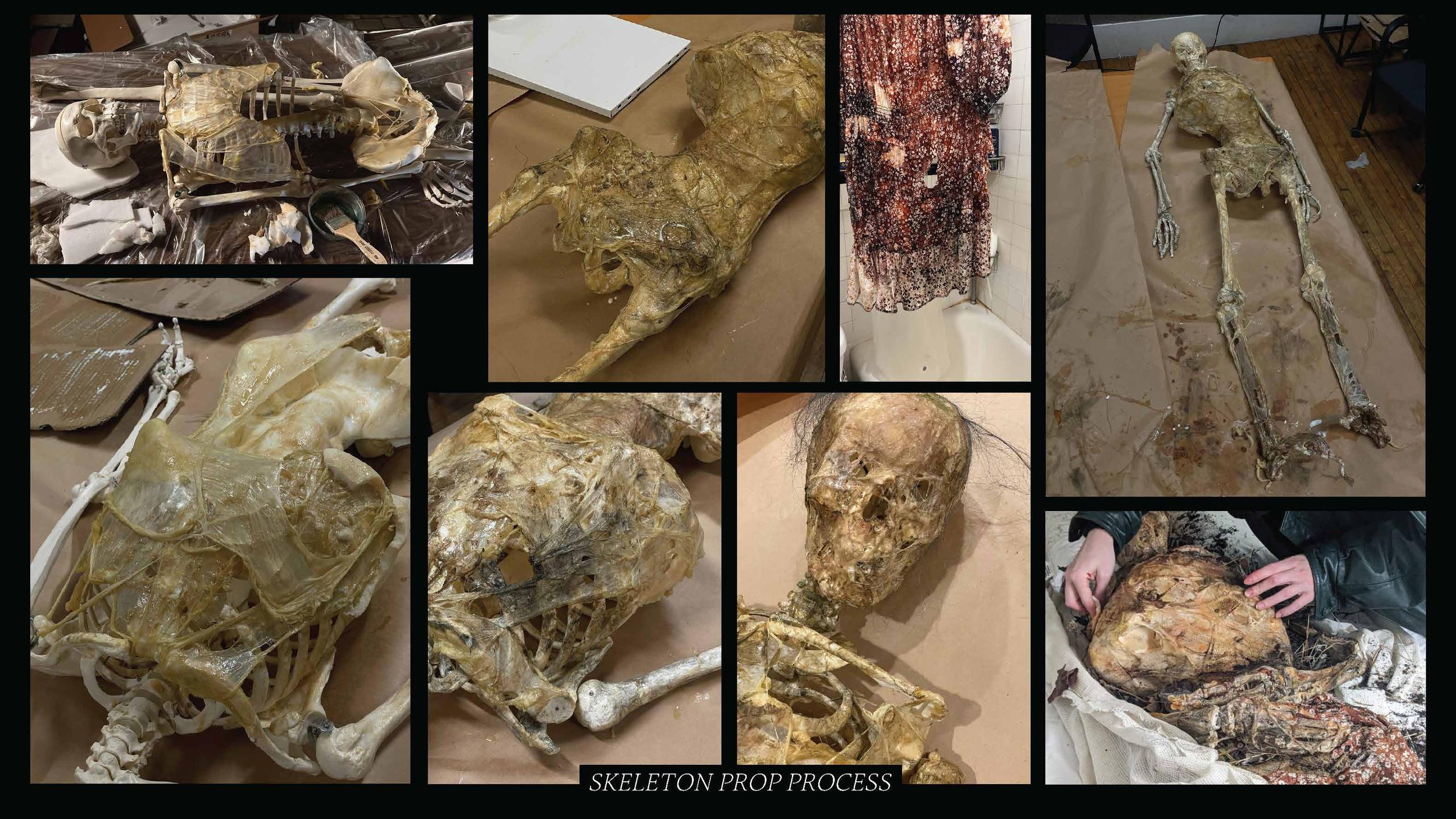
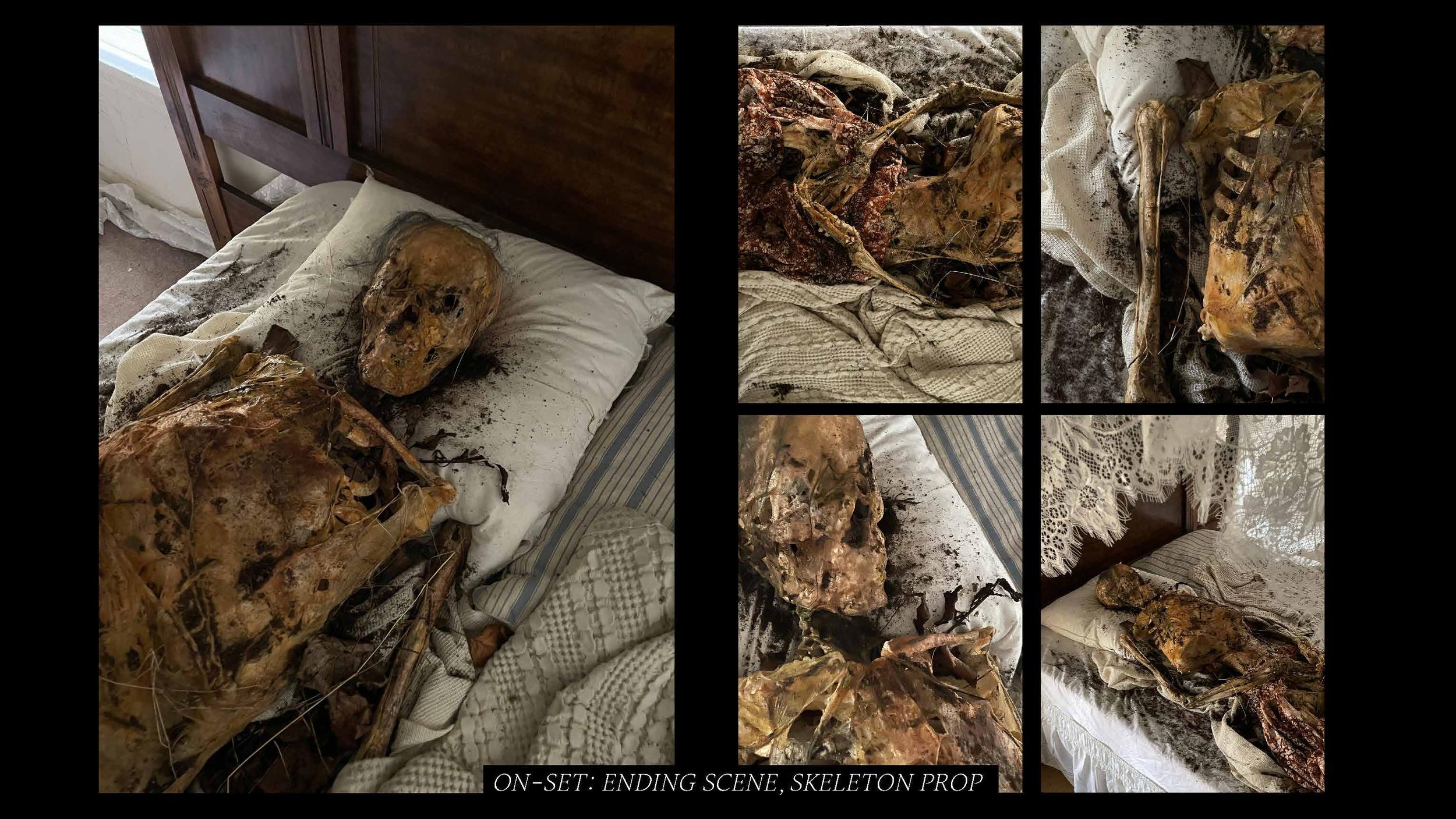
I also worked on creating a corpse prop from scratch, which became one of the most exploratory parts of the process. I studied tutorials, experimented with different materials, and tried to mimic the texture of a body that had been dug from the grave — mostly skeletal, but with traces of tissue still attached. At the end, I used dried grass, leaves, and dirt from the location itself to dress the bed where the corpse is discovered. This was a long but deeply rewarding process. As a production designer, being hands-on and intentional with every detail, especially the details that appear in key frames, is very important to me. I know that when I do my part well and make the world feel lived-in and believable, the other departments can also come together around that environment and help nurture the heightened reality of the film. That is when the vision becomes alive.
This project was meaningful because it allowed me to combine research, visual problem-solving, hands-on craft, and emotional storytelling. I was not just designing a haunted house; I was designing a space where love, grief, memory, and death could all exist at the same time. I enjoyed being deeply involved in every layer of the process, from the larger visual language to the smallest textures and details. That is the kind of work I find most fulfilling as a production designer.
Great, appreciate you sharing that with us. Before we ask you to share more of your insights, can you take a moment to introduce yourself and how you got to where you are today to our readers.
I first pursued design through architecture, earning my Bachelor of Architecture in China. During my undergraduate studies, I took a course and studied The Poetics of Space by Gaston Bachelard. It tells how our intimate, domestic spaces shape our memories, dreams, and sense of self. I also became deeply inspired by Fellini’s films, especially 8½. It showed how cinema can move between memory, fantasy, desire, and reality without losing emotional truth. Fellini once described cinema as using “the language of dreams,” where time and space can shift freely, and where every object and light can carry meaning. This resonates with me deeply as an artist, and that’s also why I am always drawn to spaces that feel psychologically charged, poetic, and slightly heightened.
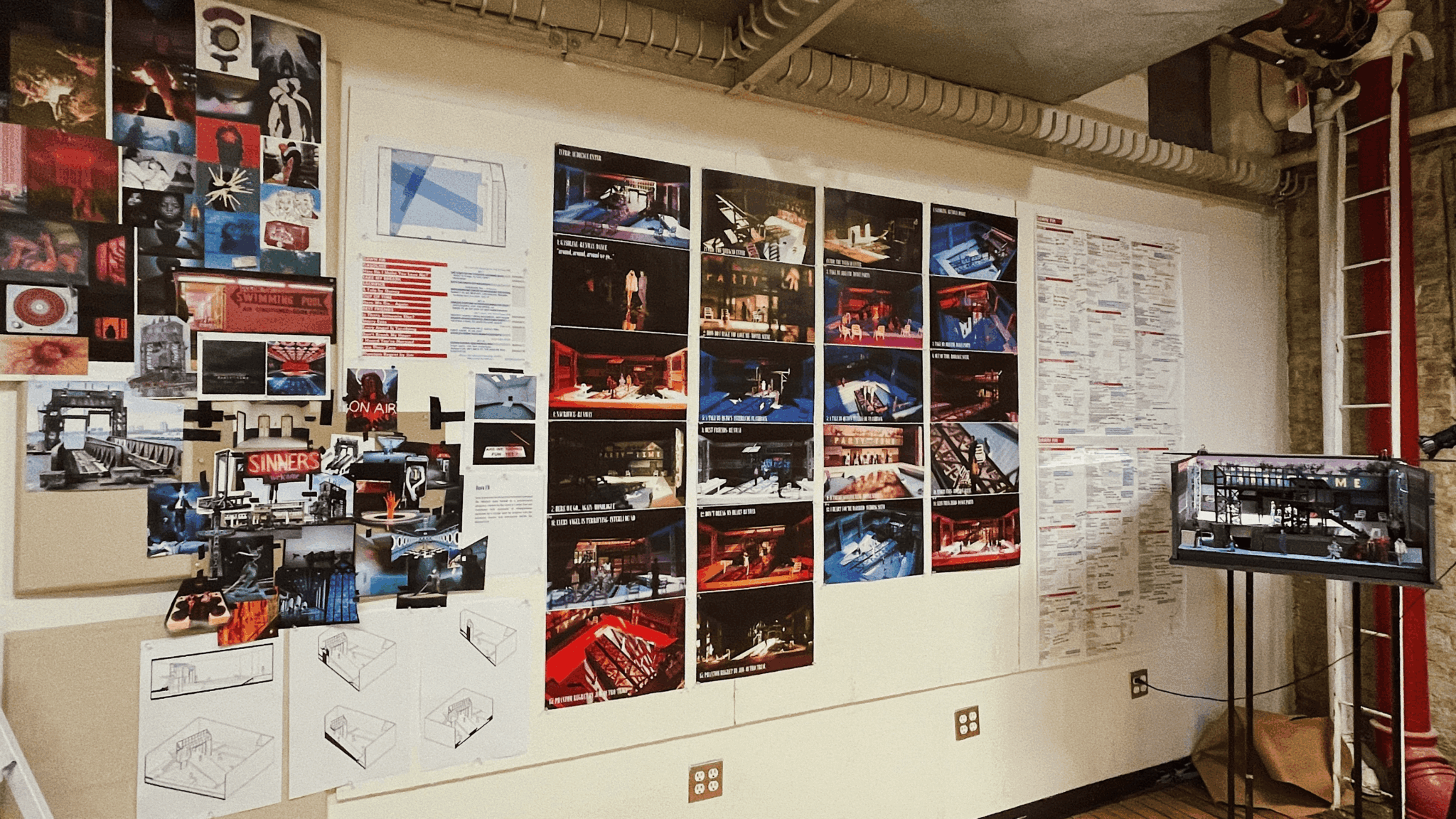
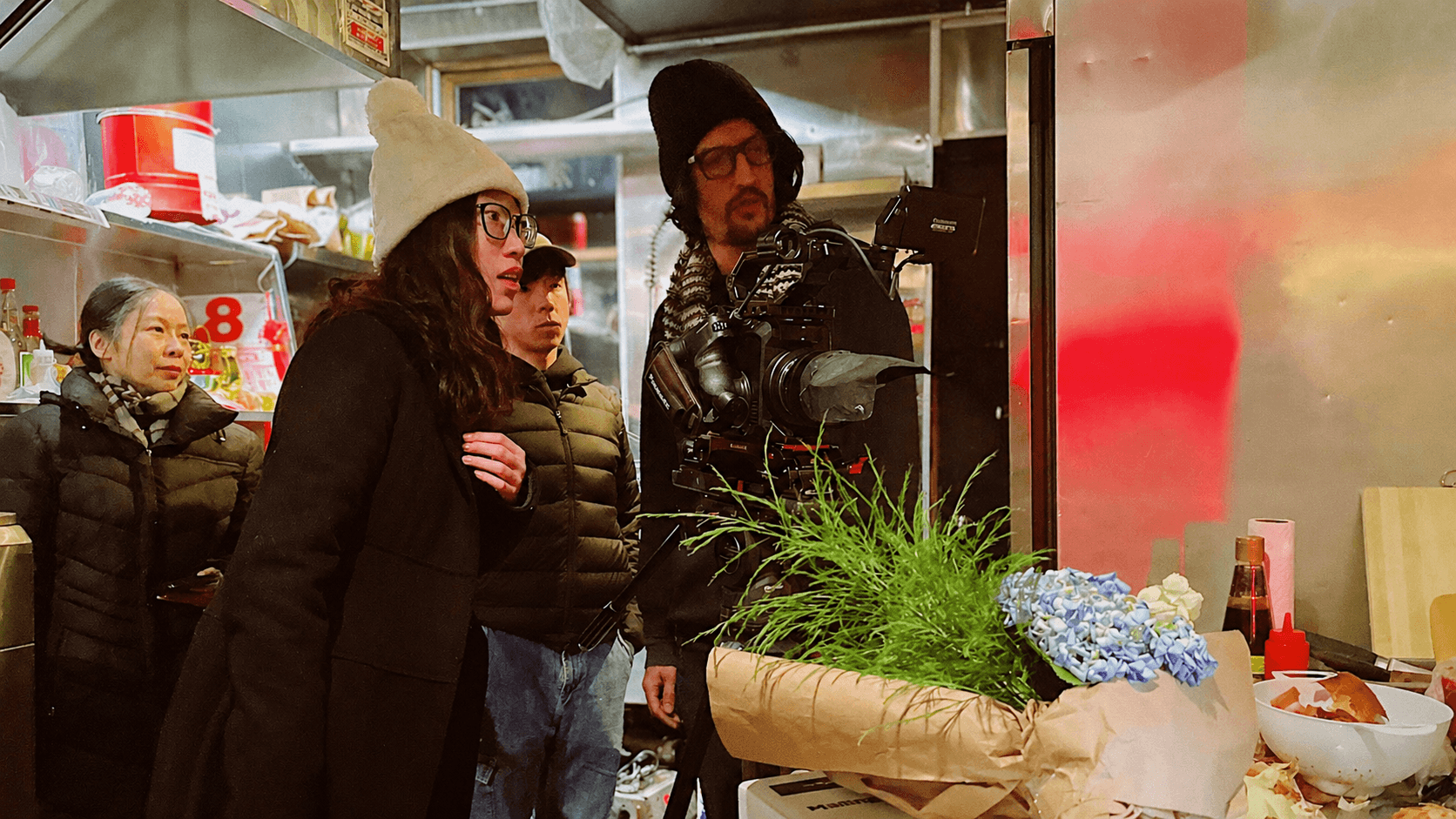
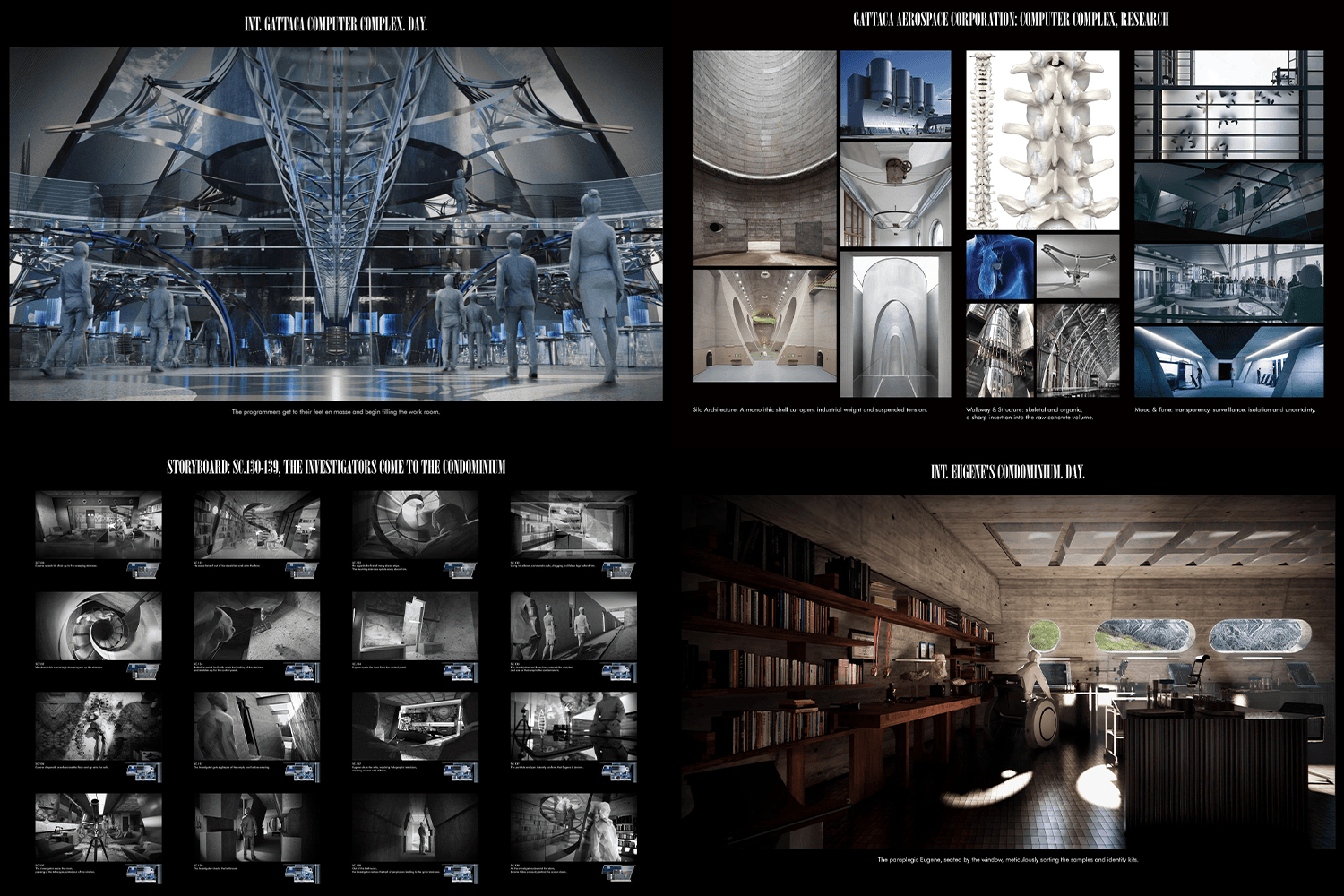
I quickly realized that spatial storytelling meant so much more to me than architecture alone, so I entered production design and came to New York to pursue an MFA in Design for Stage and Film at NYU. Today, my work bridges architecture, film, theatre, and live performance. Across many of my projects, I have become a world builder, creating spaces that hold memory and emotion, that are between the real and the surreal.
Is there a particular goal or mission driving your creative journey?
Yes. As a production designer I see myself as storyteller and world builder. I want to tell stories that can reach a larger audience and allow my artistic vision to travel across cultures and borders and to move people beyond language.
I hope to continue building dreamscapes for those who dream, and to share that sense of wonder with audiences around the world.
We often hear about learning lessons – but just as important is unlearning lessons. Have you ever had to unlearn a lesson?
A lesson I had to unlearn was the belief that being deeply attentive to every detail always leads to better design.
Details matter enormously, but I have learned that a designer also has to know when to step back and reconnect with the bigger picture. A good production designer must know when to zoom in and when to zoom out. It’s easy to become deeply immersed in details and specificity, but I have learned to always return to the heartbeat of the story and ask whether every choice serves the larger vision.
I have found that this is also true in life and career decisions. Sometimes we can become too focused on one project, one challenge, or one immediate outcome. It is important to step outside the moment, remember the larger path, and ask what kind of work, life, and artistic voice we are truly building.
Contact Info:
- Website: https://fanyudesign.cargo.site/
- Instagram: @fanyu_design
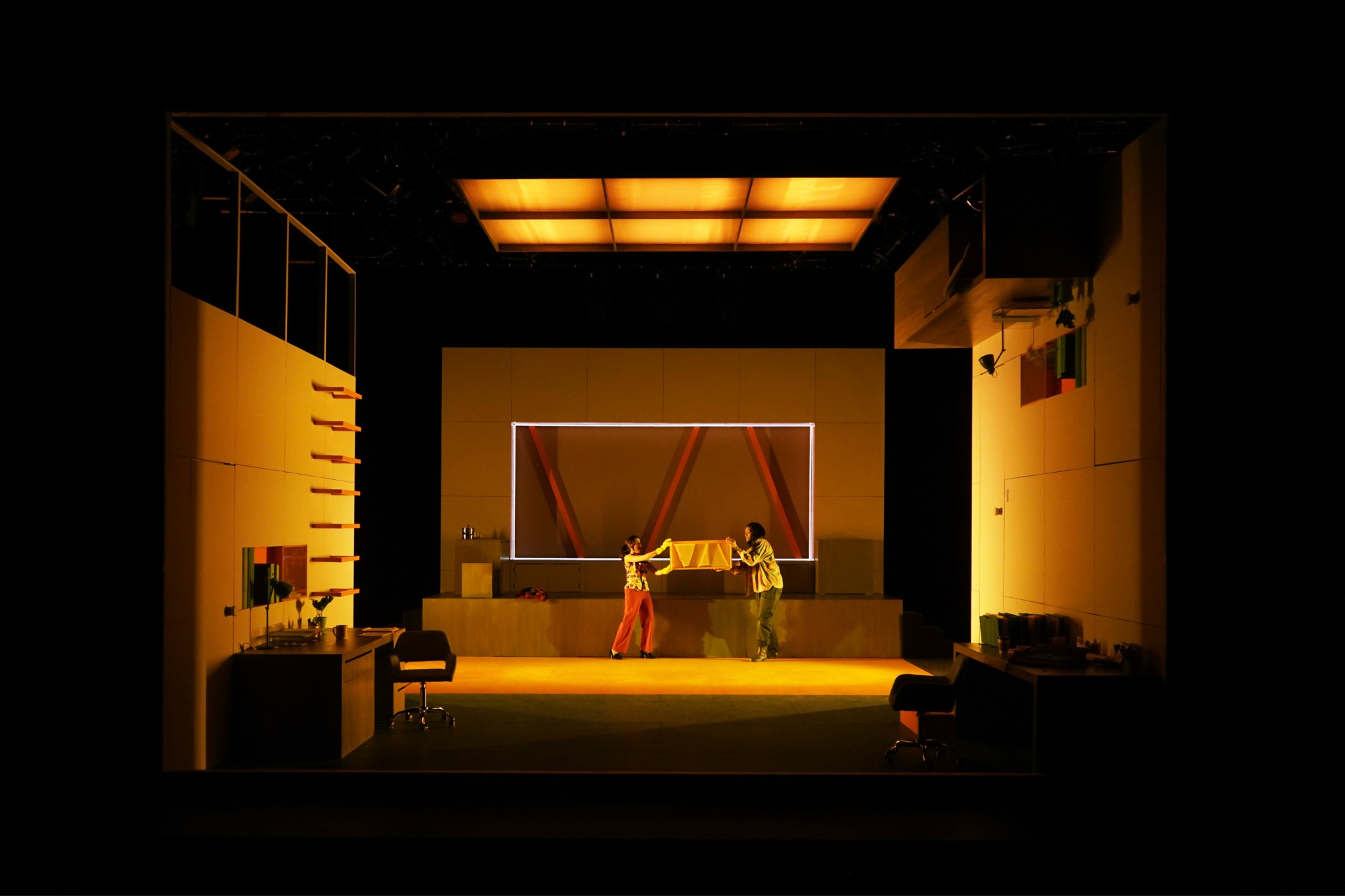
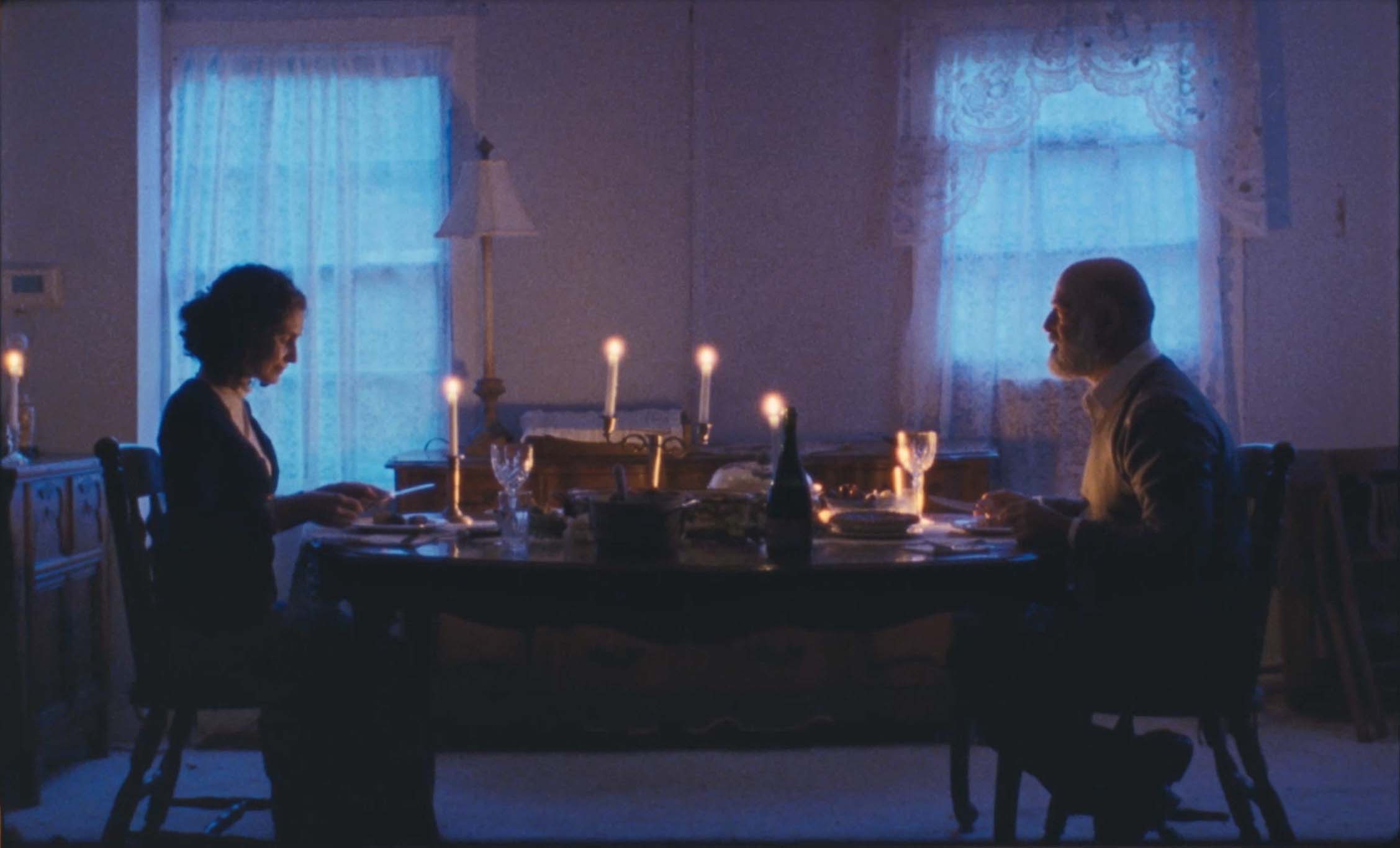
Image Credits
all image from Fan Yu