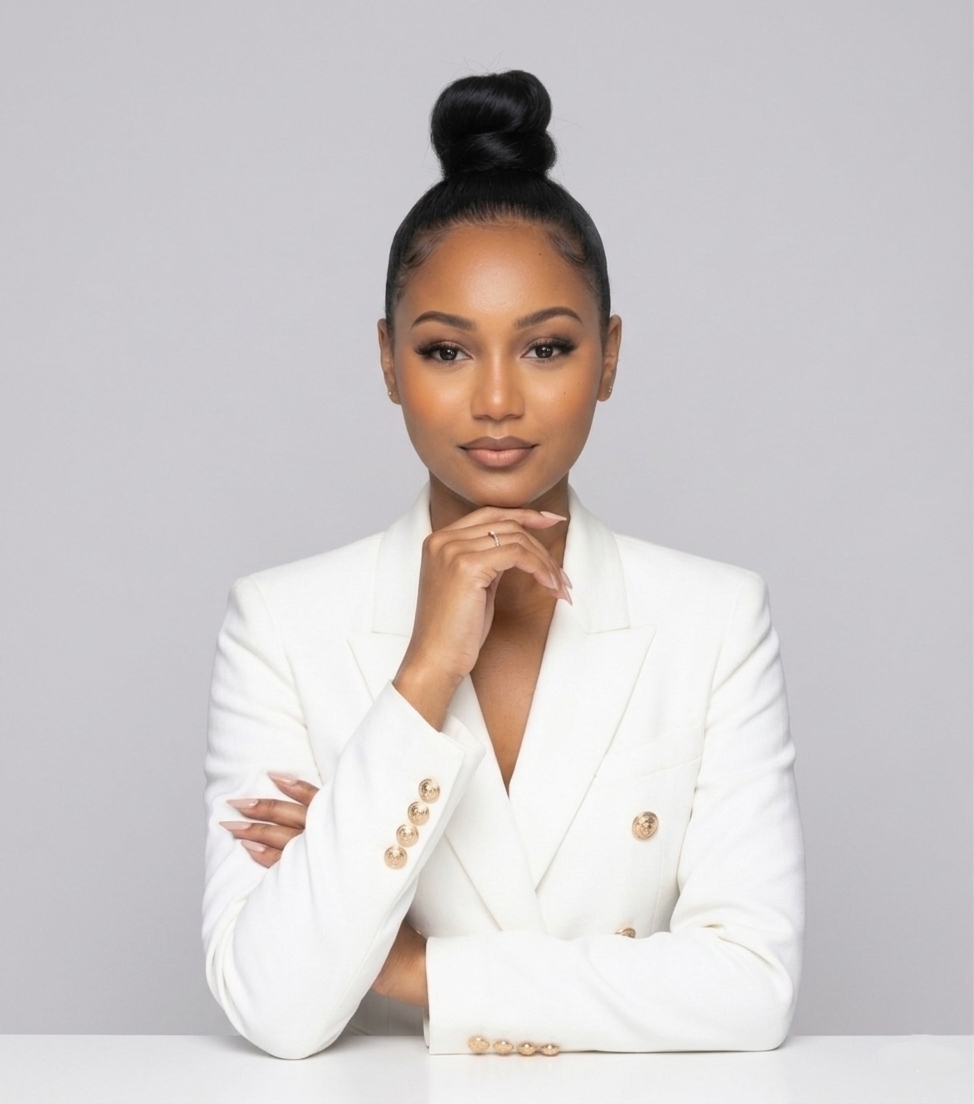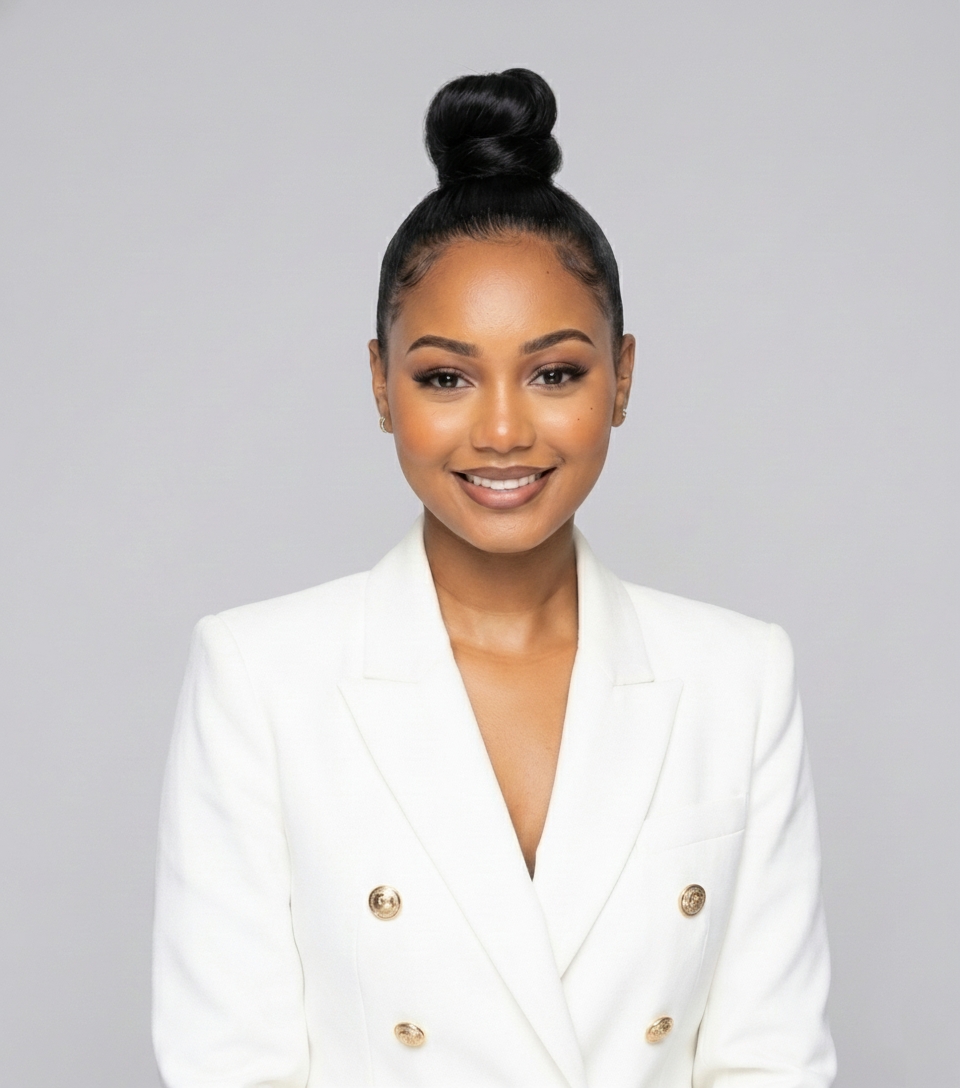

We caught up with the brilliant and insightful Tonya Greig a few weeks ago and have shared our conversation below.
Tonya , looking forward to hearing all of your stories today. Can you open up about a risk you’ve taken – what it was like taking that risk, why you took the risk and how it turned out?
For me, the most significant risk I’ve taken wasn’t a single event, but a series of firm ‘no’s’ that started when I was sixteen.
In a world where the standard blueprint for success is finishing high school and immediately heading to university to secure a degree, I decided to stop. I had finished school, but I realized that the traditional academic environment felt like a cage for the kind of work I wanted to produce. My risk was choosing creative autonomy over traditional security.
The ‘circumstances’ were essentially the expectations of everyone around me. There is a lot of pressure to follow the paved road because it’s safe. But I knew that if I spent four to five years in a lecture hall, I would be silencing the author and the artist inside me. I chose to enter the workforce and the creative world immediately, betting entirely on my own discipline and vision rather than a diploma.
Taking that risk meant being okay with being misunderstood. It meant watching my peers head off to campus while I sat with a notebook or a canvas, trying to figure out how to build a career from scratch. It was the risk of ‘falling behind’ in the eyes of society.
It turned out to be the best decision I’ve ever made. That risk gave me the space to publish my first poetry collection by the time I was 25—a book that didn’t just exist in my head but made its way into the world and into the news. It allowed me to build a brand and a creative life that is entirely my own.
The ‘safety’ of a degree might have given me a job, but taking the risk of self-reliance gave me a voice. I learned that the greatest risk isn’t failing; it’s spending your life doing something that feels like a lie because you were too afraid to bet on your own truth.”
As always, we appreciate you sharing your insights and we’ve got a few more questions for you, but before we get to all of that can you take a minute to introduce yourself and give our readers some of your background and context?
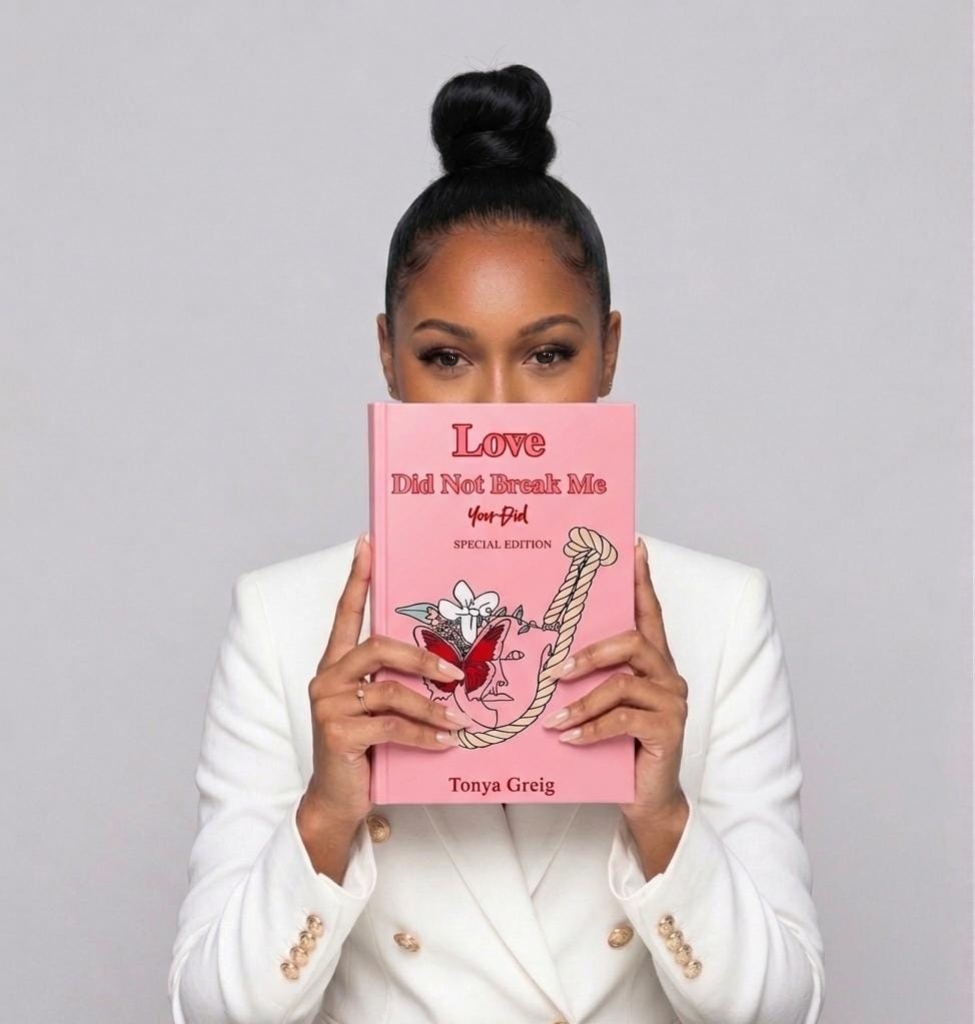
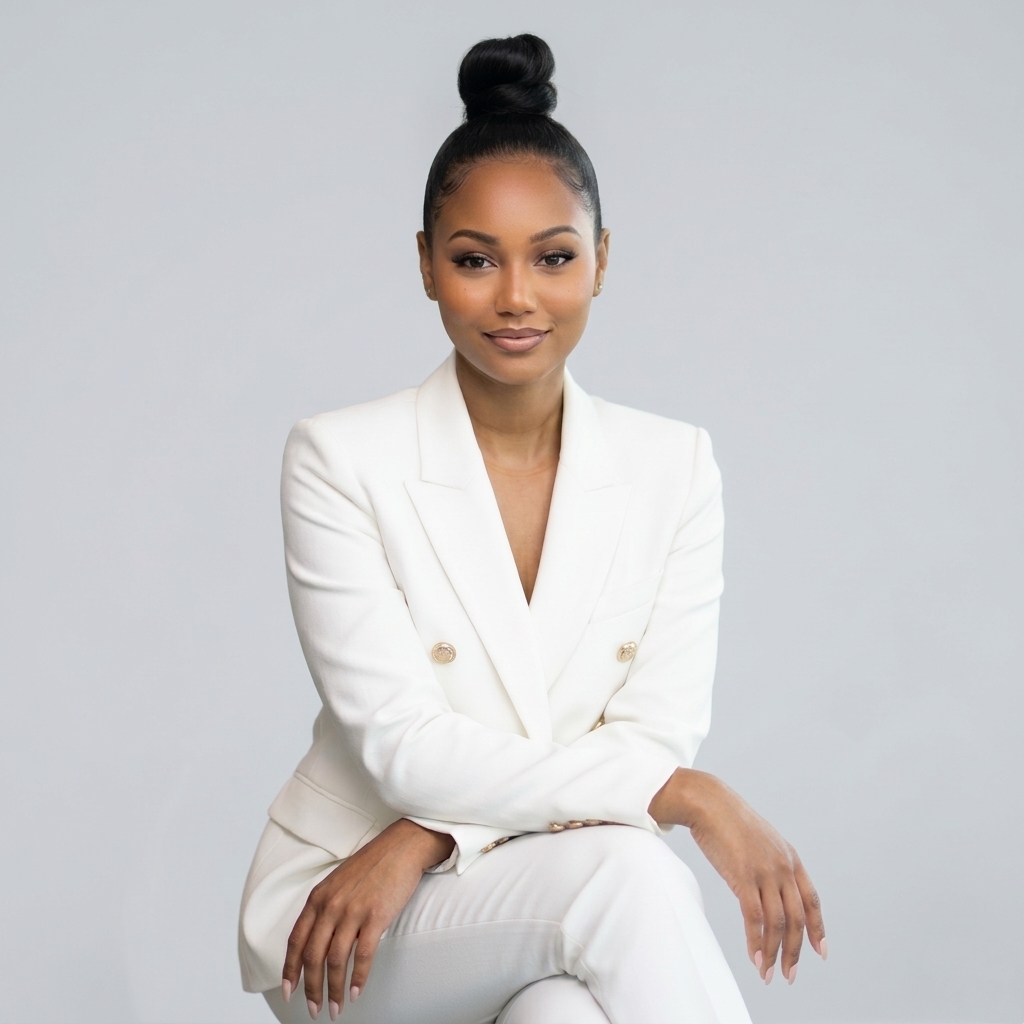
I am a 26-year-old author, poet, and artist who chose to prioritize creative autonomy over traditional paths by bypassing university at sixteen to focus entirely on my craft. This risk laid the foundation for my career, leading to the publication of my first poetry collection, Love Did Not Break Me, You Did, and the development of my upcoming work, The Art of Loving (A Collection of Unlearning). My creative mission is centered on providing raw, honest, and unfiltered reflections on grief and survival, utilizing a “cut deep” style of poetry and tactile, mixed-media art that incorporates physical textures like fabric and clay. What sets my brand apart is the intentional contrast between a polished, high-fashion editorial aesthetic and the visceral, heavy truths found within the work itself. I am most proud of building a self-taught professional career that resonates with people navigating their own emotional unlearning, and I want my audience to know that my work is dedicated to documenting the human experience with total transparency and no unnecessary metaphors.
How can we best help foster a strong, supportive environment for artists and creatives?
To best support a thriving creative ecosystem, society must move away from the “starving artist” trope and treat creative work as a vital professional industry by providing accessible, non-traditional pathways and sustainable financial structures. This starts with expanding funding opportunities, such as grants and fellowships, that prioritize raw talent and vision over formal university degrees, ensuring that artists from all backgrounds have the resources to take risks and experiment. Beyond direct funding, society can support creatives by integrating art into the public sphere through local museum commissions and community projects, while consumers can contribute by valuing the authenticity of unfiltered, honest work over mass-produced content. Ultimately, the best support comes from creating a culture that respects the artist’s need for autonomy and recognizes that the visceral, “unlearning” process of the human experience—captured through poetry, visual art, and mixed media—is essential for a healthy and connected society.
For you, what’s the most rewarding aspect of being a creative?
The most rewarding aspect of being a creative is the ability to turn the heaviest parts of my personal history into something tangible that exists outside of myself. There is a profound sense of power in taking raw, unfiltered experiences—especially the moments of grief and “unlearning” that we usually keep hidden—and translating them into a poem or a textured piece of art that makes someone else feel seen. It is incredibly fulfilling to realize that by taking the risk to stay honest and skip the traditional metaphors, my work can act as a mirror for others navigating their own survival. Ultimately, the reward is the freedom of autonomy; knowing that I have built a career on my own terms where my most visceral truths are exactly what resonate most with my audience.
Contact Info:
- Website: https://www.amazon.com/stores/Tonya-Greig/author/B0G5JYHMLM?dplnkId=e5503812-ac73-4d40-897c-bb52df400a22&ref=ap_rdr&shoppingPortalEnabled=true&ccs_id=5544cfad-3ebe-4206-ba49-73c31a5a8a64
- Instagram: https://www.instagram.com/nikitagreig?igsh=MWdpMHVzOWRpajgzYw==