



We were lucky to catch up with Raycheal Winters recently and have shared our conversation below.
Alright, Raycheal thanks for taking the time to share your stories and insights with us today. I’m sure there have been days where the challenges of being an artist or creative force you to think about what it would be like to just have a regular job. When’s the last time you felt that way? Did you have any insights from the experience?
I don’t know if I’m happier as an artist… but I do know I feel more like myself here than anywhere else.
There are moments though (very real ones) where I think about what it would be like to just have a regular job. Defined hours. A paycheck that shows up the same way every time. No algorithm. No constant self promotion. No wondering if what I made will land or disappear into silence.
The last time I really felt that was late at night after a long day of working on music and marketing at the same time. I had a hundred tabs open, editing something, answering emails, trying to plan content, second guessing a post I’d already made. It felt like I was doing everything except the actual creating part I love.
I remember just sitting there, staring at my screen, thinking… it would be so much easier to clock out right now.
To just be done for the day. To not carry it home. To not have my identity tied up in whether something performs well or not.
And for a second, that life felt really peaceful.
But then I thought about the opposite.
What it would feel like to wake up knowing I don’t get to create. That the ideas in my head just… stay there. That I traded the uncertainty for stability, but also traded the part of me that feels alive when something clicks, when a lyric lands, when a melody hits just right, when someone messages me saying a song meant something to them.
I think the conclusion I came to is this:
I don’t always choose being an artist because it’s easier or even because it makes me happier every single day.
I choose it because it feels honest.
And even on the days where I’m overwhelmed, or questioning everything, or wishing for something simpler… I’ve never once felt like I was living someone else’s life.
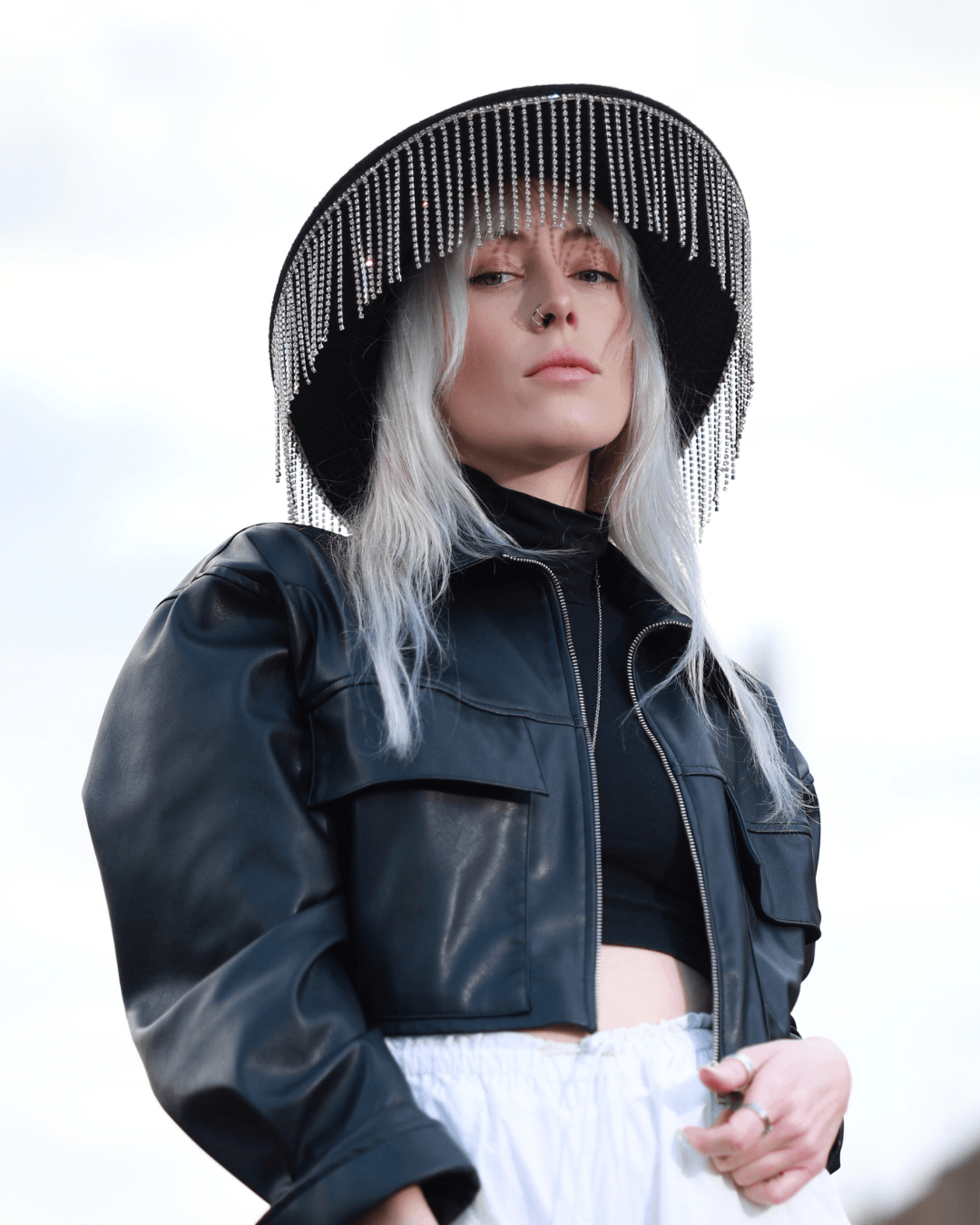
Raycheal, before we move on to more of these sorts of questions, can you take some time to bring our readers up to speed on you and what you do?
My name is Raycheal Winters, and I’m a singer songwriter based in Houston. I’ve been singing for as long as I can remember. It was never really a decision, just something that’s always been a part of me. Some of my earliest memories involve music, and over time it became the way I process things, express things, and understand myself.
I really started cutting my teeth in my late teens and early 20s, playing in the local rock scene and gigging around town. That experience shaped me a lot. Being on stage regularly taught me how to connect with a live audience and figure out who I was in real time. There’s something about rock shows that teaches you how to feel music in your body, not just perform it.
At the same time, I’ve always had a deep love for Jazz and R&B. Those genres taught me a different kind of discipline and expression. Tone, phrasing, restraint, emotion. I think I’ve always been pulled in multiple directions musically, and instead of trying to narrow that down, I’ve learned to lean into it.
I’m also the kind of person who wears my heart on my sleeve, and that shows up in everything I create. My music tends to live somewhere between cinematic pop, emotional storytelling, and whatever other influences I’m pulling from at the time. I’ve never been great at sticking to one genre. I’d honestly rather explore everything than box myself in.
The through line in my work isn’t a specific sound, it’s honesty. I’m drawn to themes like identity, inner conflict, cycles, and the tension between different sides of ourselves. I want my music to feel immersive, like you’re stepping into a moment or a feeling, not just listening to a song.
What I’m most proud of is that I’ve allowed myself to evolve. I haven’t tried to force a version of myself that fits neatly into one lane. Every project I release reflects where I am at that time, and I think there’s something really powerful in letting people grow with you in that way.
If there’s one thing I’d want people to know about me and my work, it’s that it’s real. I’m not chasing a formula. I’m following the feeling. And wherever that leads, I’m willing to go there.
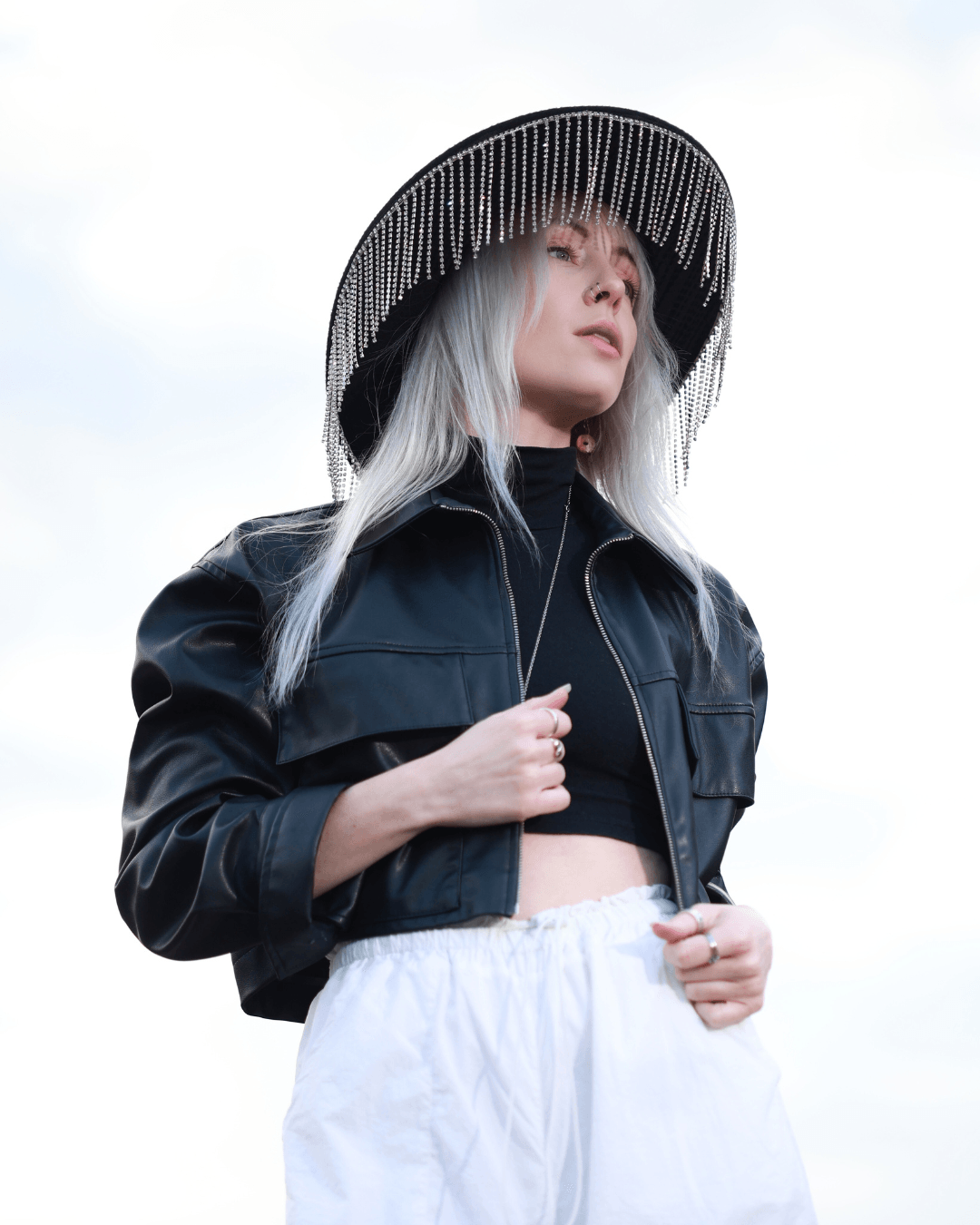
In your view, what can society to do to best support artists, creatives and a thriving creative ecosystem?
This is a great question, because supporting artists isn’t just about liking a post or streaming a song. It’s about how we value creativity as a whole.
I think one of the biggest shifts that needs to happen is seeing art as essential, not optional. Music, film, visuals, writing, these aren’t just extras, they shape culture, identity, and how we process the world. When society treats creative work like a hobby instead of real labor, it becomes much harder for artists to sustain themselves.
On a practical level, direct support matters more than people realize. Streaming is great, but it pays very little. Buying tickets, purchasing merch, supporting crowdfunding campaigns, or even just sharing someone’s work in a meaningful way goes a lot further. Small actions, multiplied, can genuinely change whether an artist is able to keep going.
I also think we need more transparency and fairness in the systems artists rely on. A lot of creatives are navigating platforms and industries that aren’t built with their long term well being in mind. The more we can push for fair pay, clearer contracts, and ethical business practices, the healthier the ecosystem becomes.
Another big piece is giving artists space to grow. Not everything needs to go viral to be valuable. When we only reward what’s immediately successful, we lose a lot of interesting, honest work that takes time to develop. Supporting artists through their evolution, not just their biggest moments, creates more depth in the creative landscape.
And finally, I think it comes down to respect. Respect for the time, skill, vulnerability, and risk that goes into creating something and putting it out into the world. When people approach art with that mindset, it naturally leads to more intentional support.
A thriving creative ecosystem isn’t built overnight. It’s built when people choose, consistently, to value the work and the humans behind it.
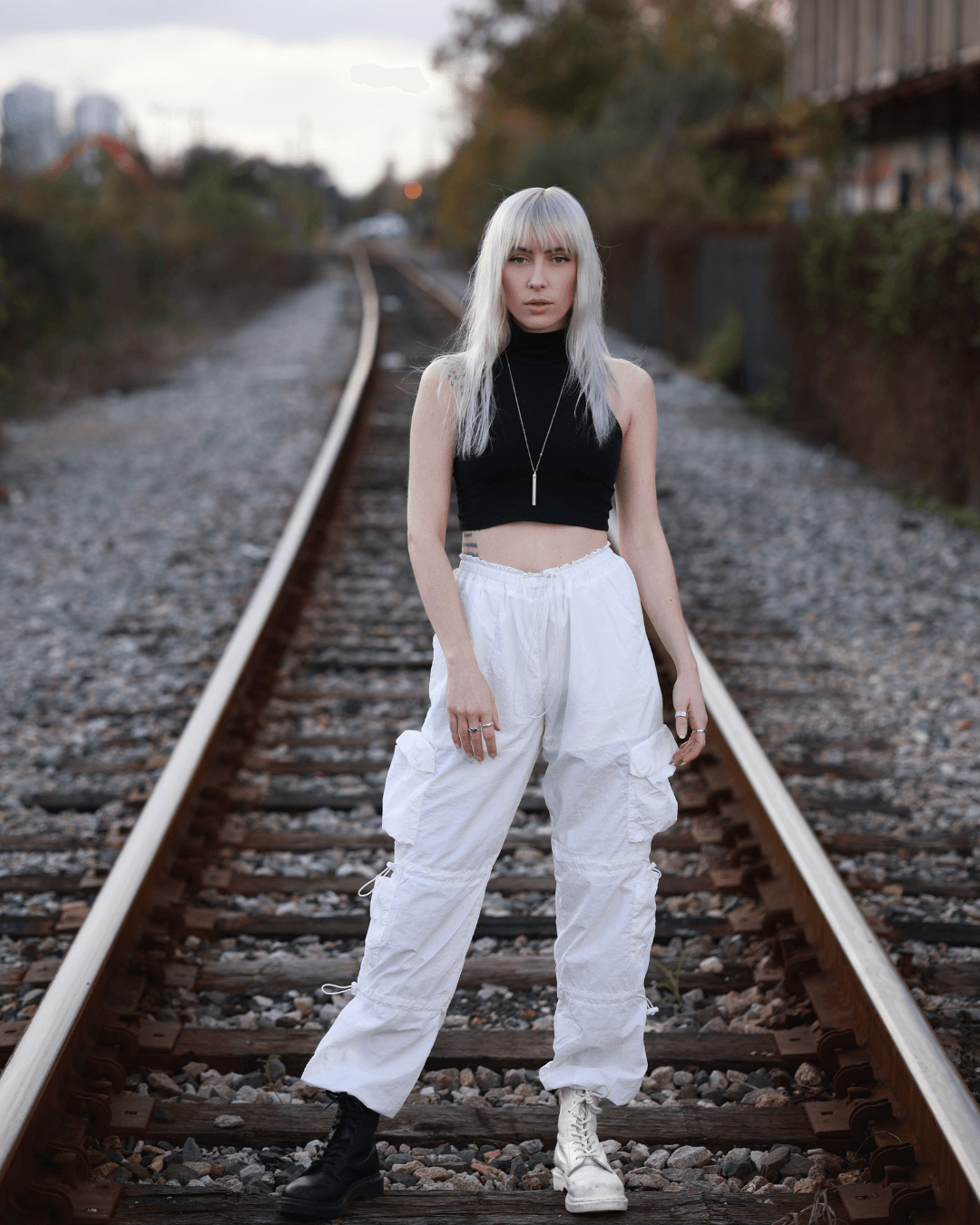
Is there something you think non-creatives will struggle to understand about your journey as a creative?
I think one of the hardest things for non creatives to fully understand is how much of this path is internal, not just external, and how much time it actually takes.
From the outside, it can look like you’re just making songs, posting videos, or performing here and there. I’ve had people say things like, “You’re just an artist, you sit at home all day and make videos.” And I get why it looks that way, because most people only see the final product.
What they don’t see is that behind the scenes, it’s closer to running multiple full time jobs at once.
There’s the songwriting and vocal work. Recording, re-recording, comping takes, doing vocal production. Then reviewing mixes, giving notes, going back and forth until it feels right. On the visual side, there’s planning shoots, filming, modeling, reviewing footage, selecting images, sending detailed editing feedback, sometimes reshooting entirely.
Then there’s everything that surrounds the release. Editing content, writing captions, building out rollouts, managing a website, organizing assets, coordinating timelines. Marketing, advertising, PR outreach, pitching, booking performances. Managing finances, funding projects, tracking expenses. Even things like analytics, audience engagement, email lists, and community building.
And a lot of it doesn’t happen in clean, separate blocks. It overlaps constantly. You can go from being in a creative headspace writing a song, to being in a very analytical mode reviewing numbers or planning strategy, all in the same day.
On top of that, there’s the emotional side of it. You’re not just executing tasks, you’re creating from a real place and then putting that out into the world to be received, or not. That adds a layer that’s hard to quantify, but very real in terms of energy and time.
I think that’s the part people don’t always see. It’s not just the visible moments, it’s everything it takes to get there. And even when it looks quiet from the outside, there’s usually a lot happening underneath.
Contact Info:
- Website: https://www.raychealwinters.com/
- Instagram: https://www.instagram.com/raychealwinters/
- Facebook: https://www.facebook.com/raychealwintersmusic
- Linkedin: https://www.linkedin.com/in/raycheal-winters-3b6114238/
- Twitter: https://twitter.com/raychealwinters
- Youtube: https://www.youtube.com/raychealwinters
- Soundcloud: https://soundcloud.com/raychealwinters
- Other: Spotify: https://open.spotify.com/artist/3Jl9hUvakeAkUpRlVXCNy4?si=PCncGevyRYG7–qb5yQEFg
Apple Music: https://music.apple.com/us/artist/raycheal-winters/1531031297
YouTube Music: https://music.youtube.com/channel/UCCI-VPIkpkKhH8ooGcXjPKA?si=krhwXjiHVx_FKZd6
Tik Tok: https://www.tiktok.com/@raychealwinters?_t=8eS5fVReHIw&_r=1

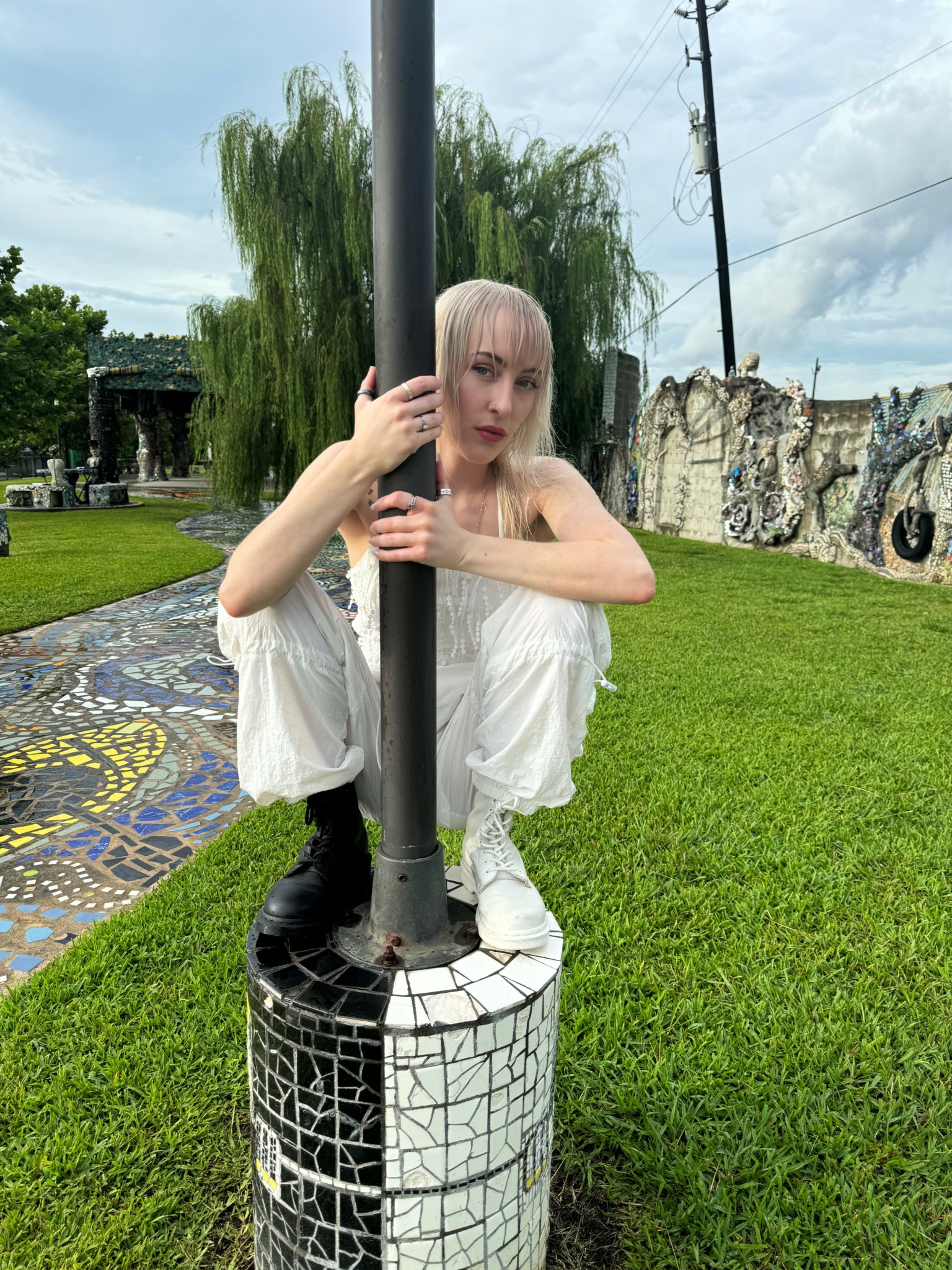
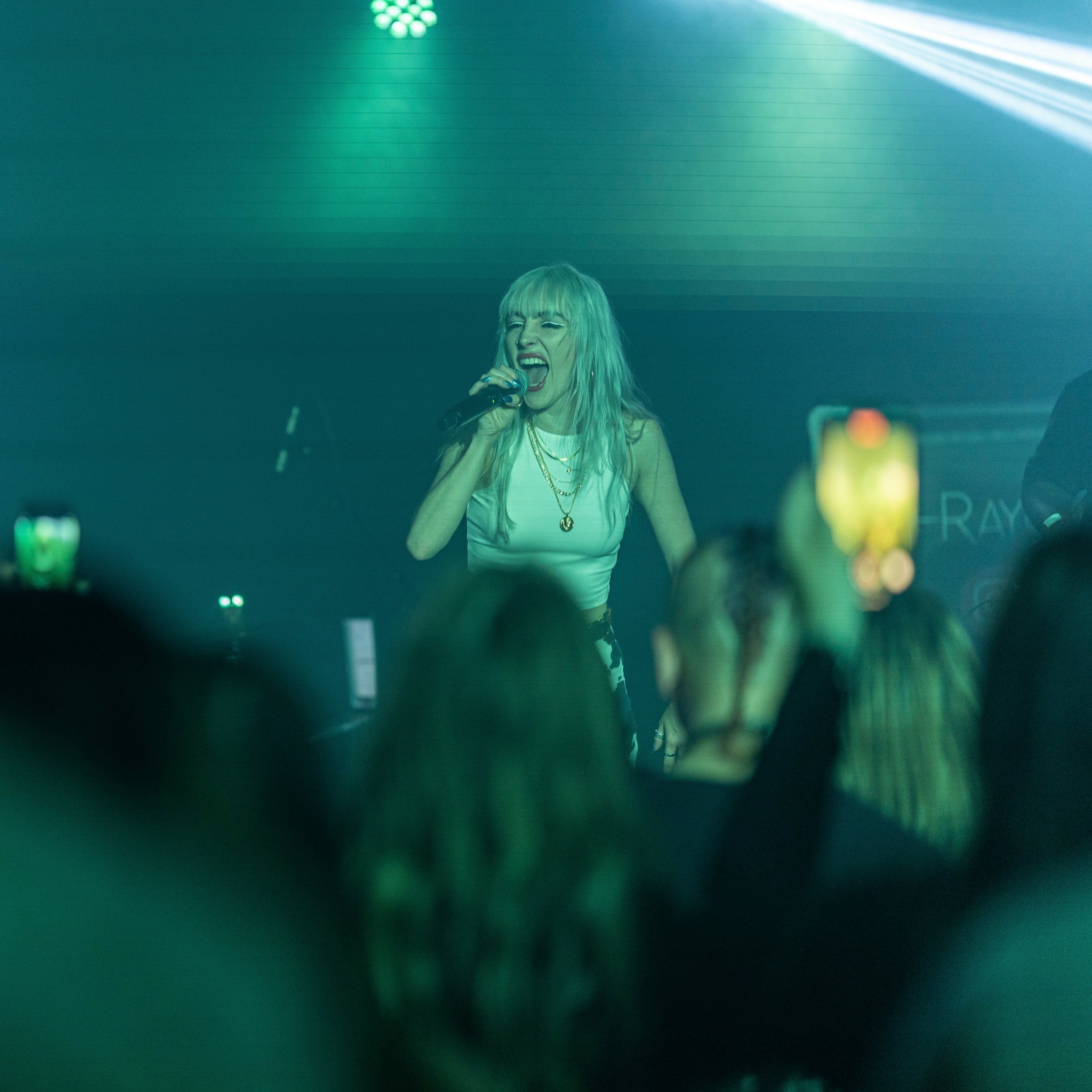
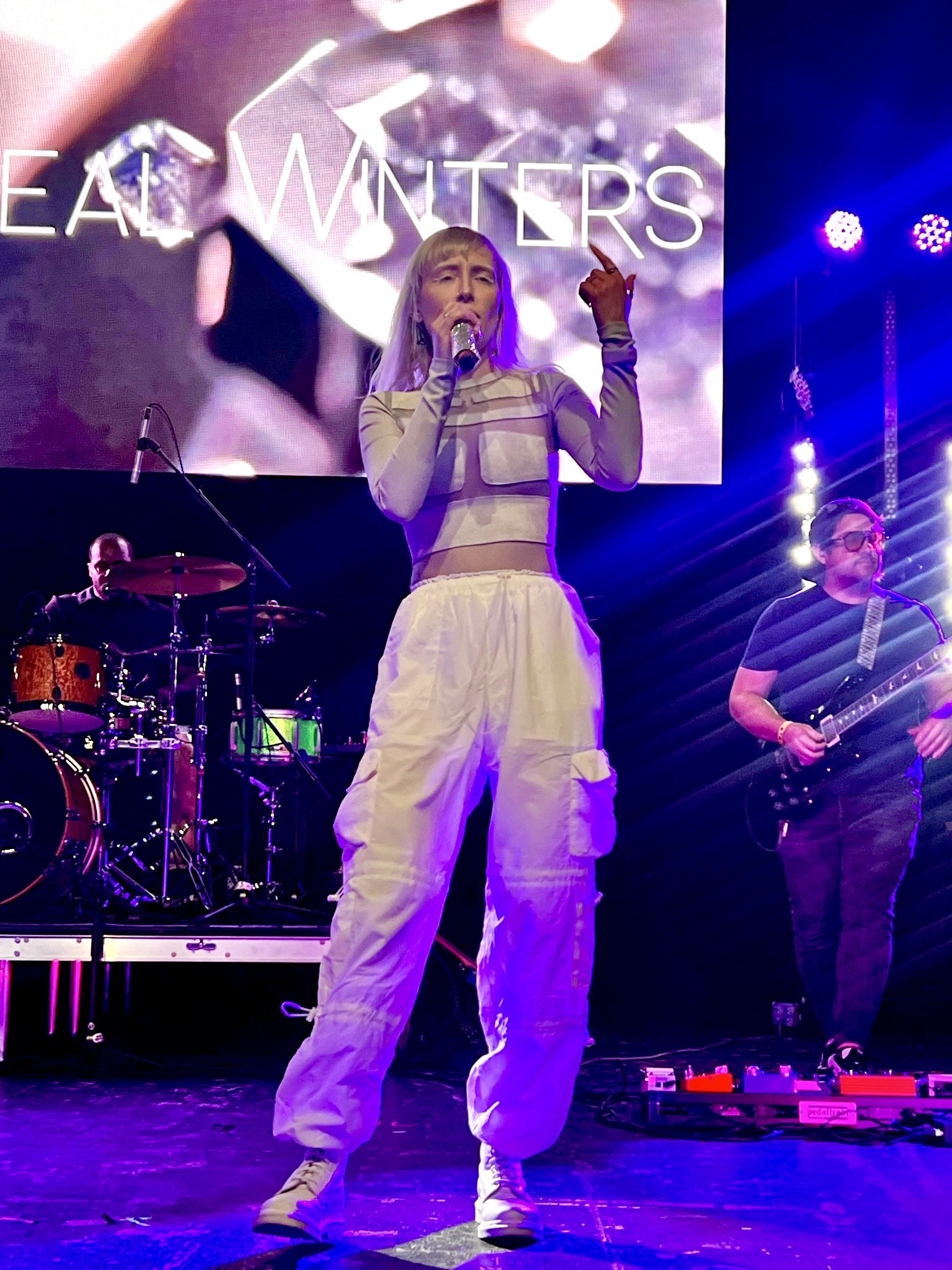
Image Credits
Image 1-3: Billy McQueen
Image 4: Filippo Nenna
Image 5: Hannah Jans
Raycheal Winters 7: Juan Sui
Raycheal Winters 9: Go Polaris Studios