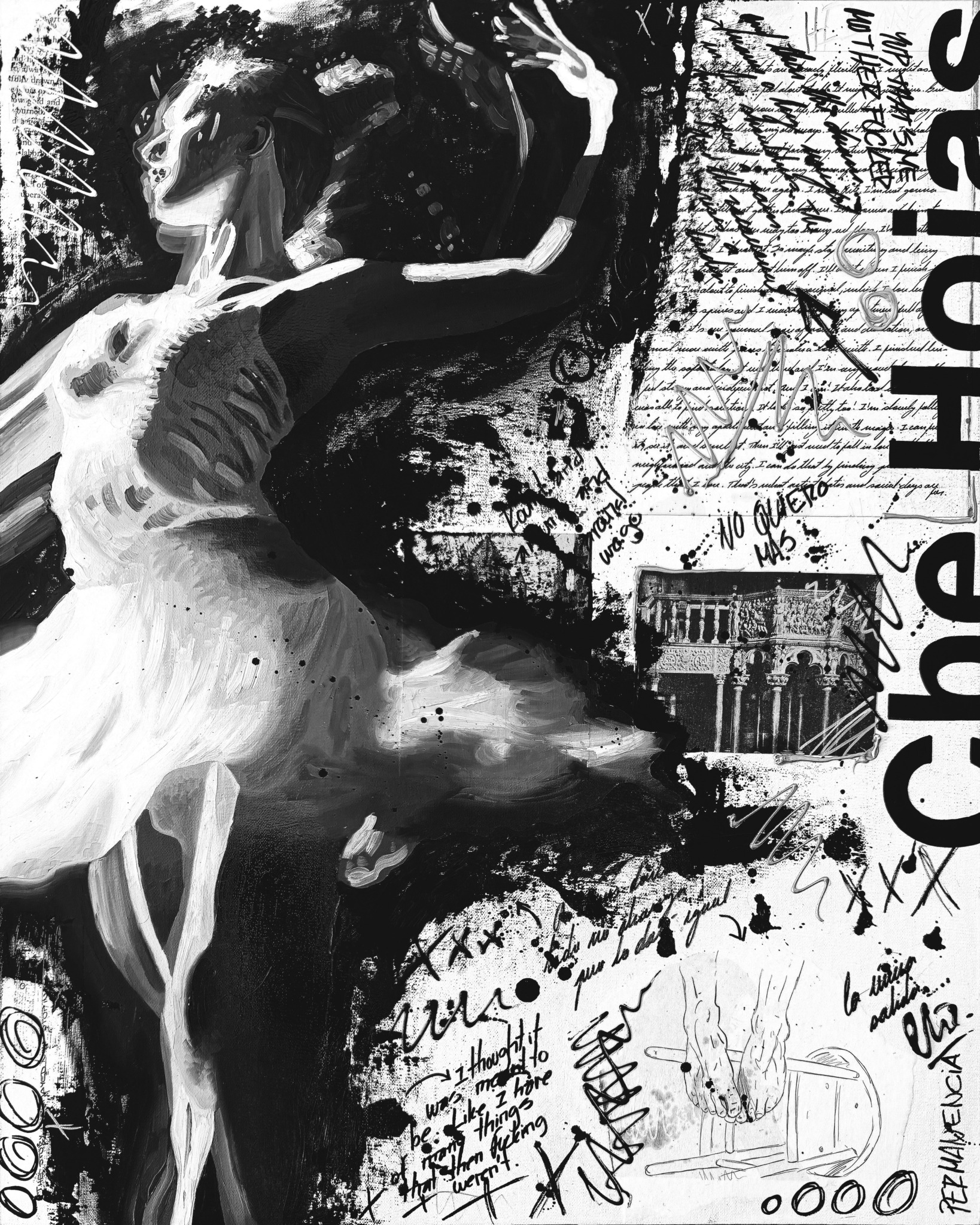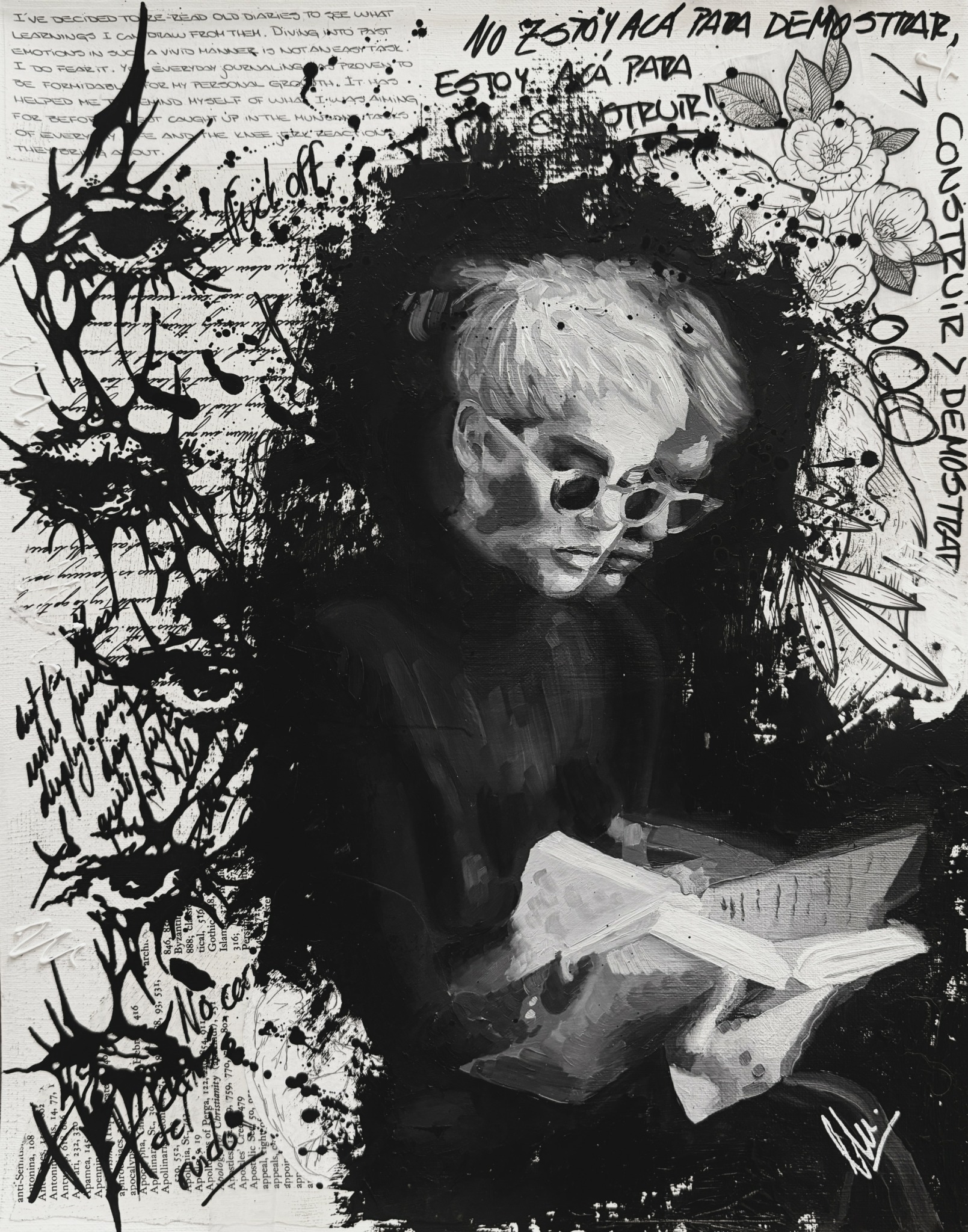

Alright – so today we’ve got the honor of introducing you to Camila Hojas. We think you’ll enjoy our conversation, we’ve shared it below.
Camila, thanks for joining us, excited to have you contributing your stories and insights. We’d love to hear the backstory behind a risk you’ve taken – whether big or small, walk us through what it was like and how it ultimately turned out.
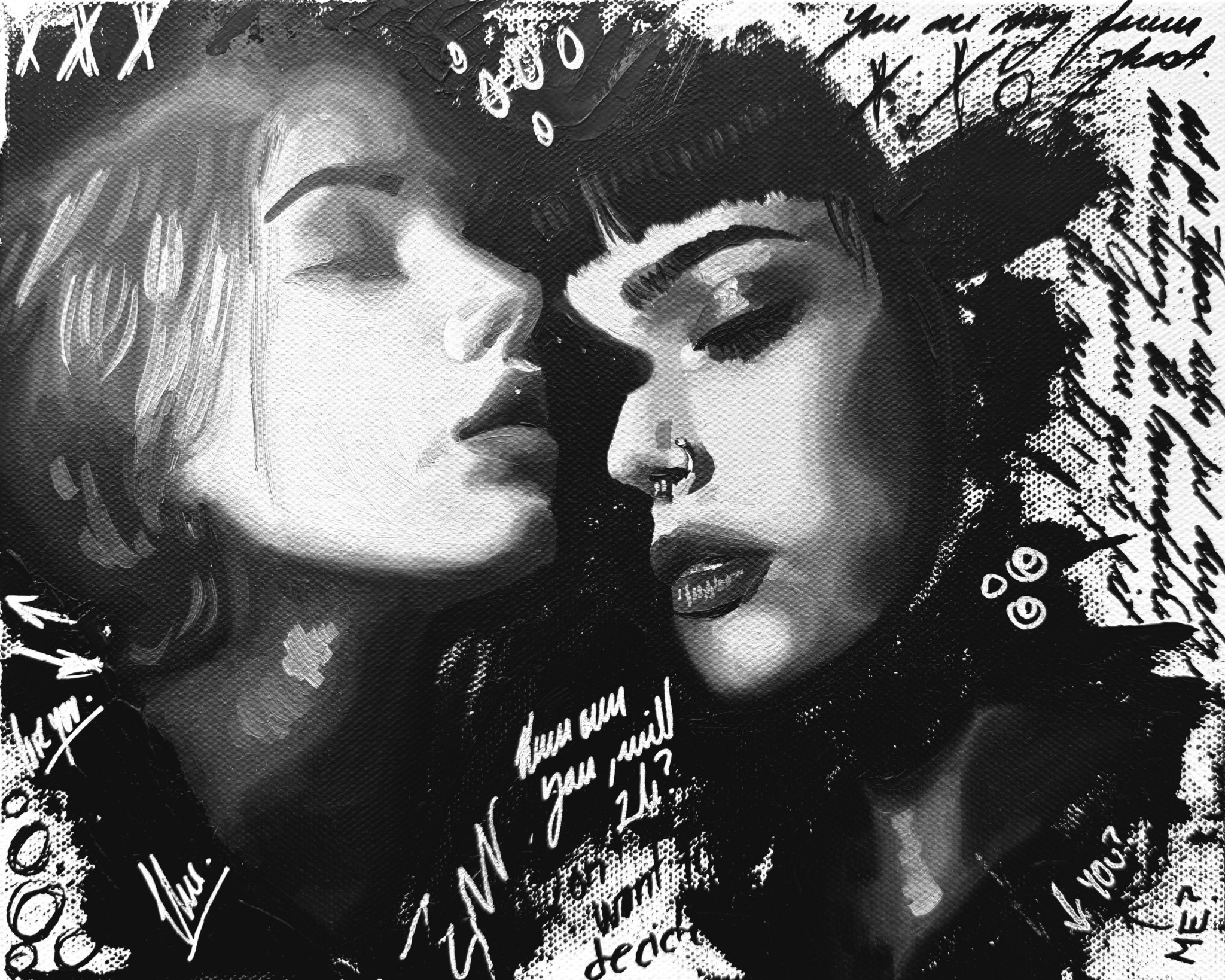
For a long time, I thought the safest path as an artist was to be understood as quickly as possible.
But if I’m being honest, the real “safe path” in my life wasn’t even art.
Before this, I had already built something stable. I studied business in Chile, completed my degree, and even went on to get my master’s. I had strong connections, a clear professional path, and real opportunities ahead of me. I was also building a following in beauty content creation, and I could easily see myself working in a large company, something like L’Oréal, combining both worlds. It wasn’t a bad life waiting for me — it was one I knew I would enjoy, one where I would be comfortable, surrounded by people I loved, in a place that felt familiar.
That’s what makes the risk harder to explain.
I wasn’t running away from anything.
If anything, I was choosing to leave behind something that already worked.
At some point, there was this other idea that didn’t make as much sense on paper — going back to school, moving to New York City, and becoming an artist. It didn’t feel practical, and it definitely didn’t feel safe. But it felt more honest.
So I chose it.
And it was uncomfortable for a long time. I had already spent years building a life that could have been stable, and I walked away from it to start over in a completely different world.
That was the first real risk.
The ones that came after were quieter, but just as important. Letting go of work that felt easier or more accessible. Moving toward something more restrained, more psychological, and not always immediately understood. Accepting that not everyone would connect with it.
But what I found is that when you stop trying to be easily understood, the connection changes. It becomes deeper.
The people who resonate with my work now don’t just like how it looks — they see something of themselves in it. They stay with it longer. They collect it for reasons that go beyond decoration.
That’s when I understood that not being for everyone is actually where the real alignment begins.
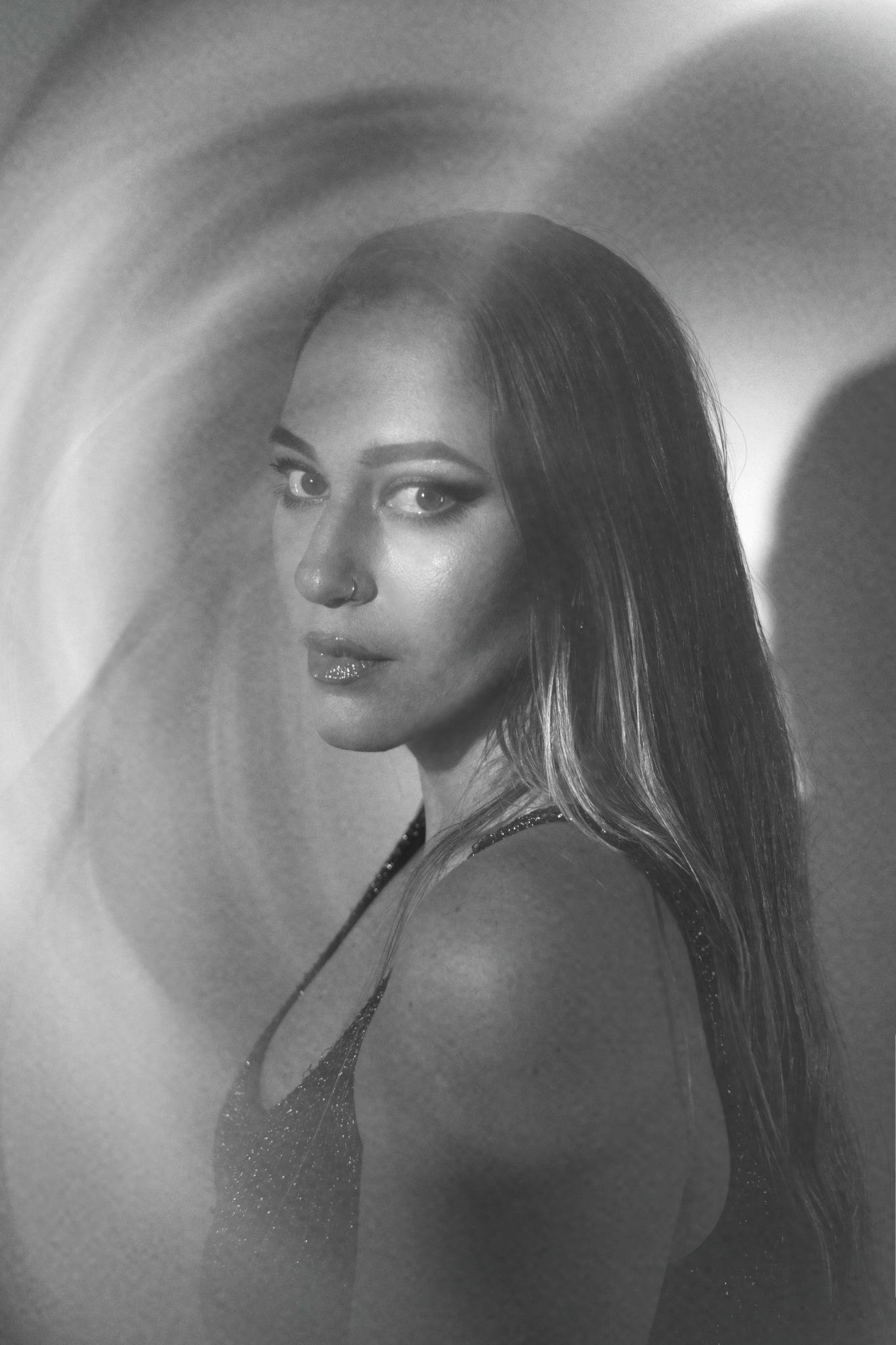
Great, appreciate you sharing that with us. Before we ask you to share more of your insights, can you take a moment to introduce yourself and how you got to where you are today to our readers.
I’m a mixed media painter and tattoo artist currently based in Raleigh, North Carolina.
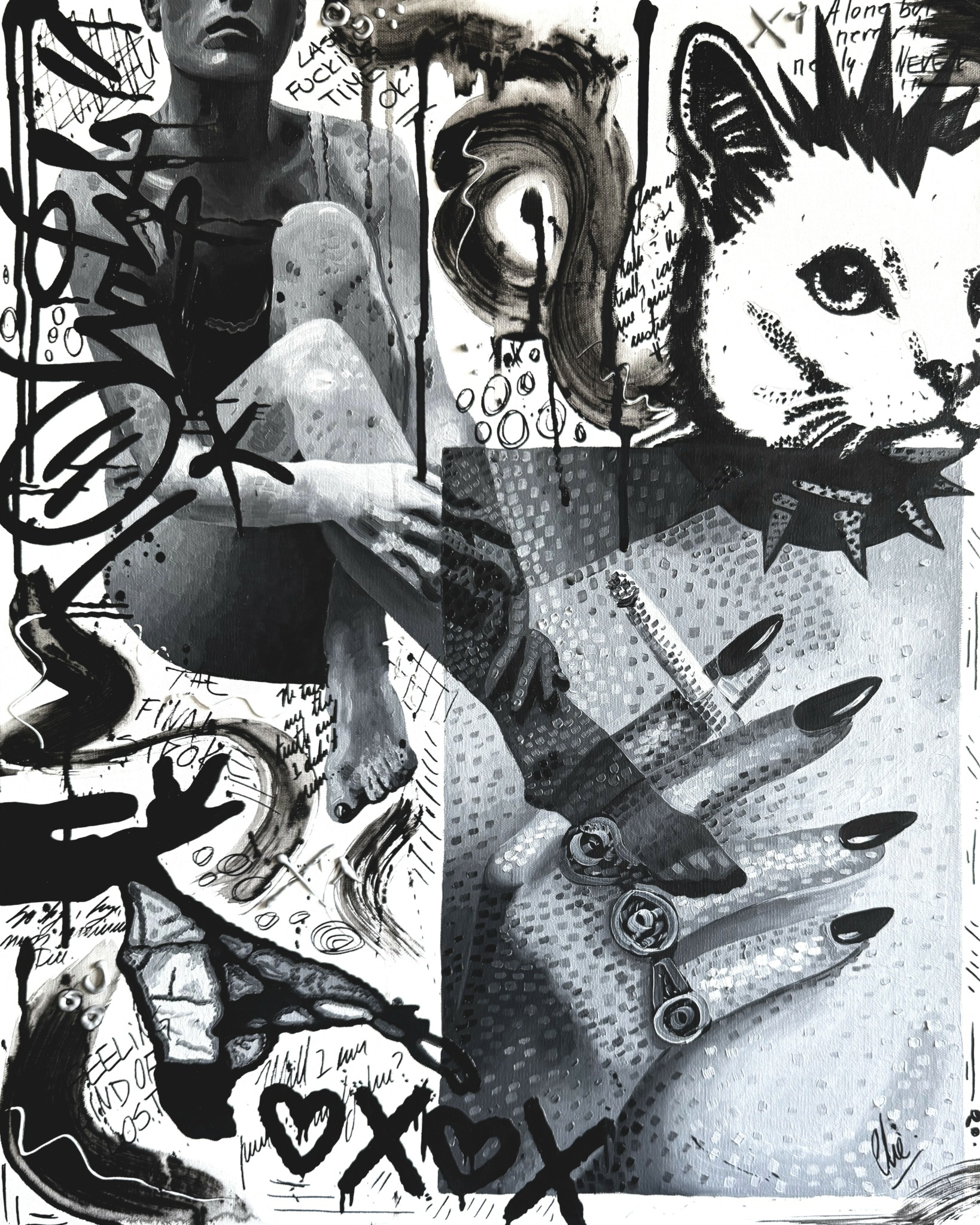
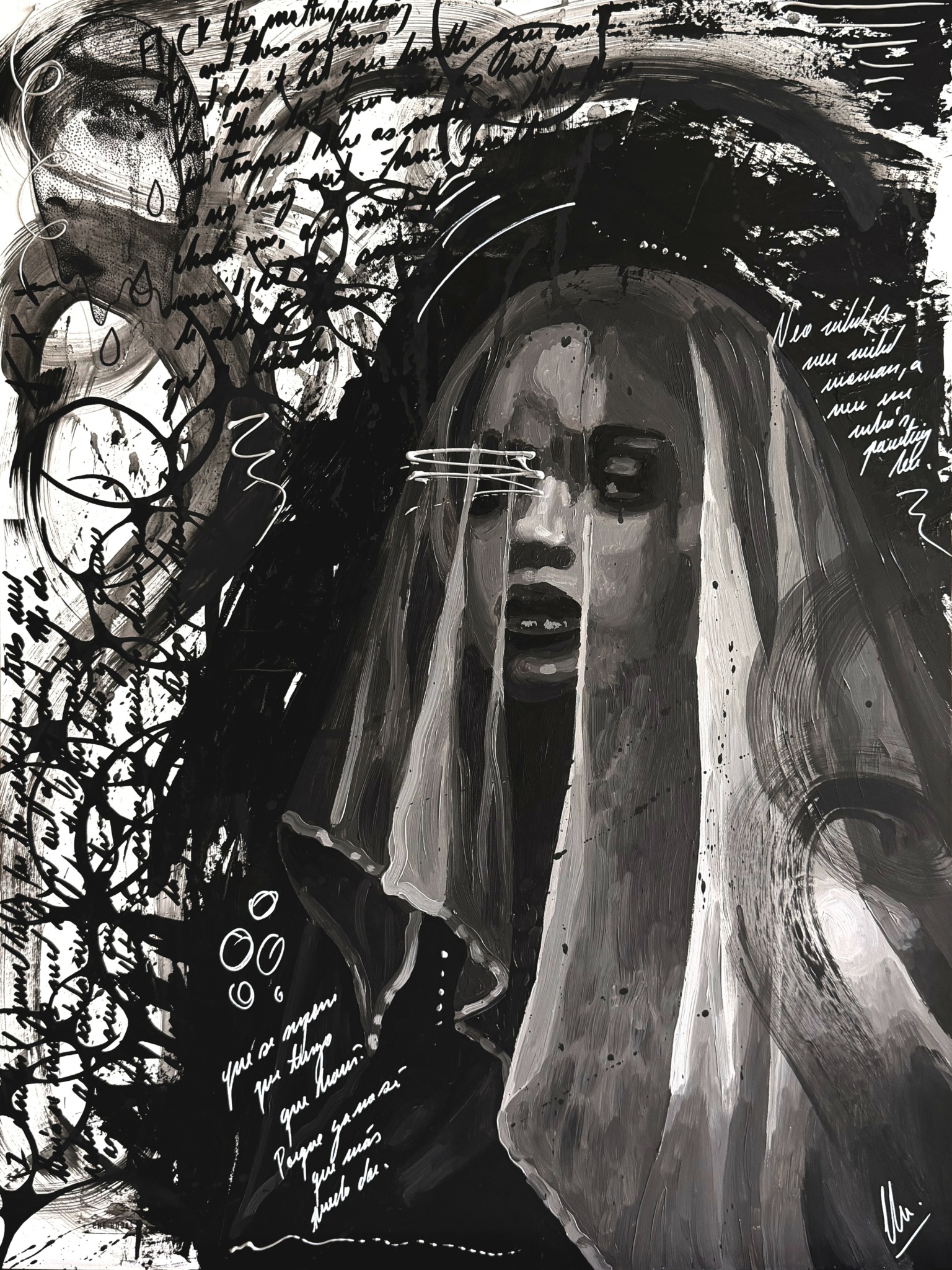
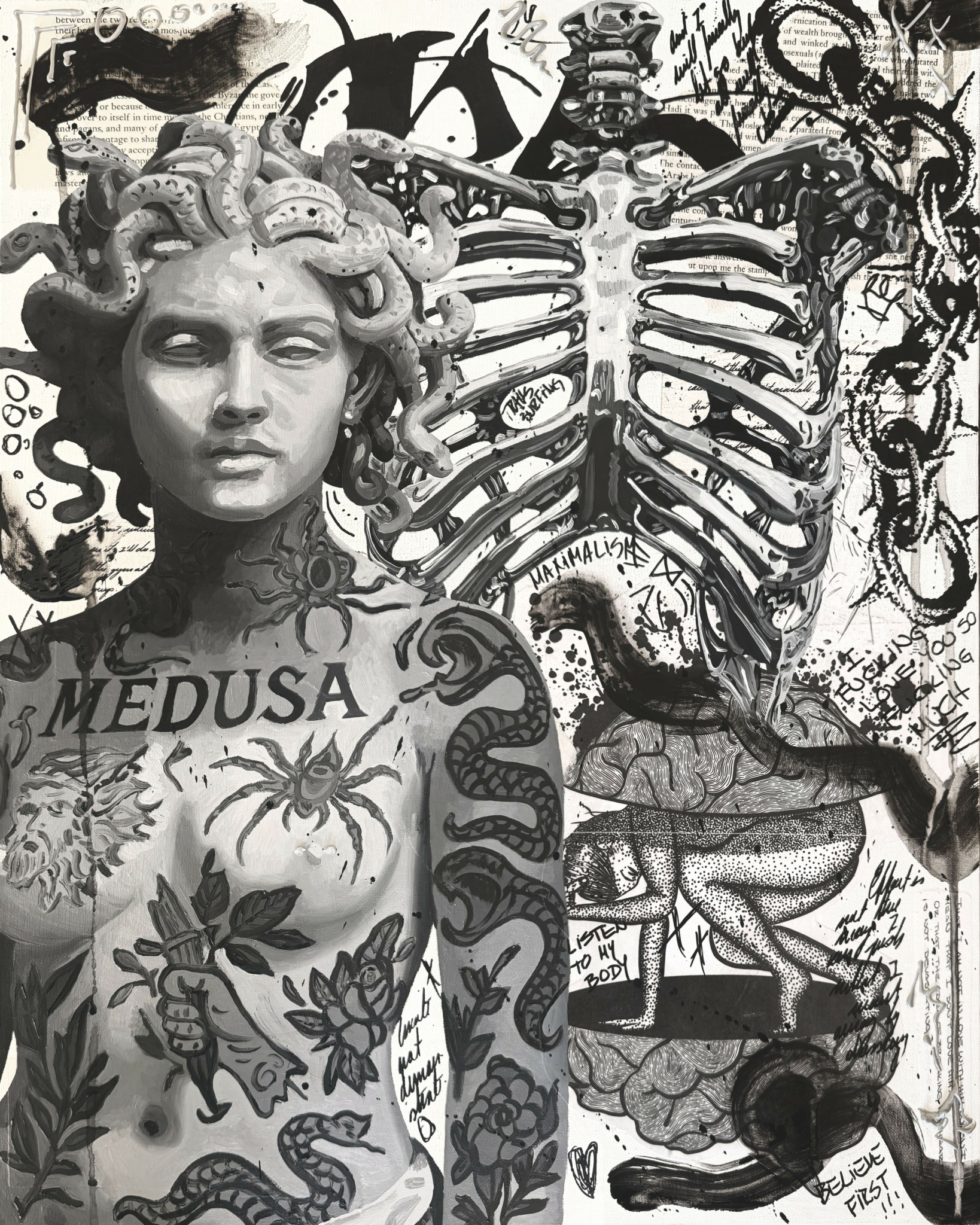
My work is centered around psychological interiority — the quieter, less visible parts of being human. I’m interested in what happens beneath the surface: internal noise, emotional contradictions, identity in transition. Most of my recent work leans into black-and-white compositions and visual restraint, limiting color and excess so that the weight of the piece comes through in a more direct, almost confrontational way.
I didn’t start in this field in a traditional way. My background is actually in business — I studied and built a completely different path before choosing to pursue art more seriously. That shift shaped how I approach everything I do now. There’s a level of intention behind my work, but also a constant tension between structure and instinct that I don’t try to resolve — I use it.
About four years ago, I began tattooing as an extension of that same visual language. What started as a separate practice slowly became another way to explore the same themes, but directly on the body. Tattooing forced me to simplify, to make decisions with permanence, and to create work that lives with someone rather than just being observed.
That eventually led me to move to Raleigh and co-found a tattoo studio, Che Ink, where I currently work. The studio allowed me to build something stable while continuing to develop my painting practice more intentionally.
What sets my work apart isn’t just the aesthetic — it’s the way it asks for a different kind of attention. I’m not trying to make work that is immediately understood or purely decorative. I’m more interested in creating pieces that feel familiar but slightly unresolved, where the viewer has to sit with it a little longer.
That’s also what I’m most proud of — building a body of work that prioritizes depth over accessibility, even when it would be easier to do the opposite.
At this point, whether it’s a painting or a tattoo, the goal is the same: to create something that feels like it holds a part of you, even if you can’t fully explain why.
Is there mission driving your creative journey?
I don’t think of my work as being driven by a fixed goal in the traditional sense.
If anything, it’s driven by a question I haven’t been able to answer yet — how to translate internal experience into something visible without losing its complexity.
A lot of what I’m drawn to lives in that space that’s hard to articulate. Emotional contradictions, mental noise, the parts of identity that don’t fully resolve. My process is less about explaining those things and more about creating a structure where they can exist without being simplified.
That’s why my work has become more restrained over time. Limiting color, reducing elements, allowing more silence in the composition. It’s a way of removing distractions so that what remains carries more weight.
If there is a “mission,” it’s not to make work that tells people what to feel. It’s to create something that meets them where they already are — something that feels familiar, even if they don’t immediately understand why.
I’m interested in that moment where someone spends a little longer with a piece than they expected to. When it shifts from being something they’re looking at to something they’re experiencing.
That’s the direction I keep moving toward.
We’d love to hear a story of resilience from your journey.
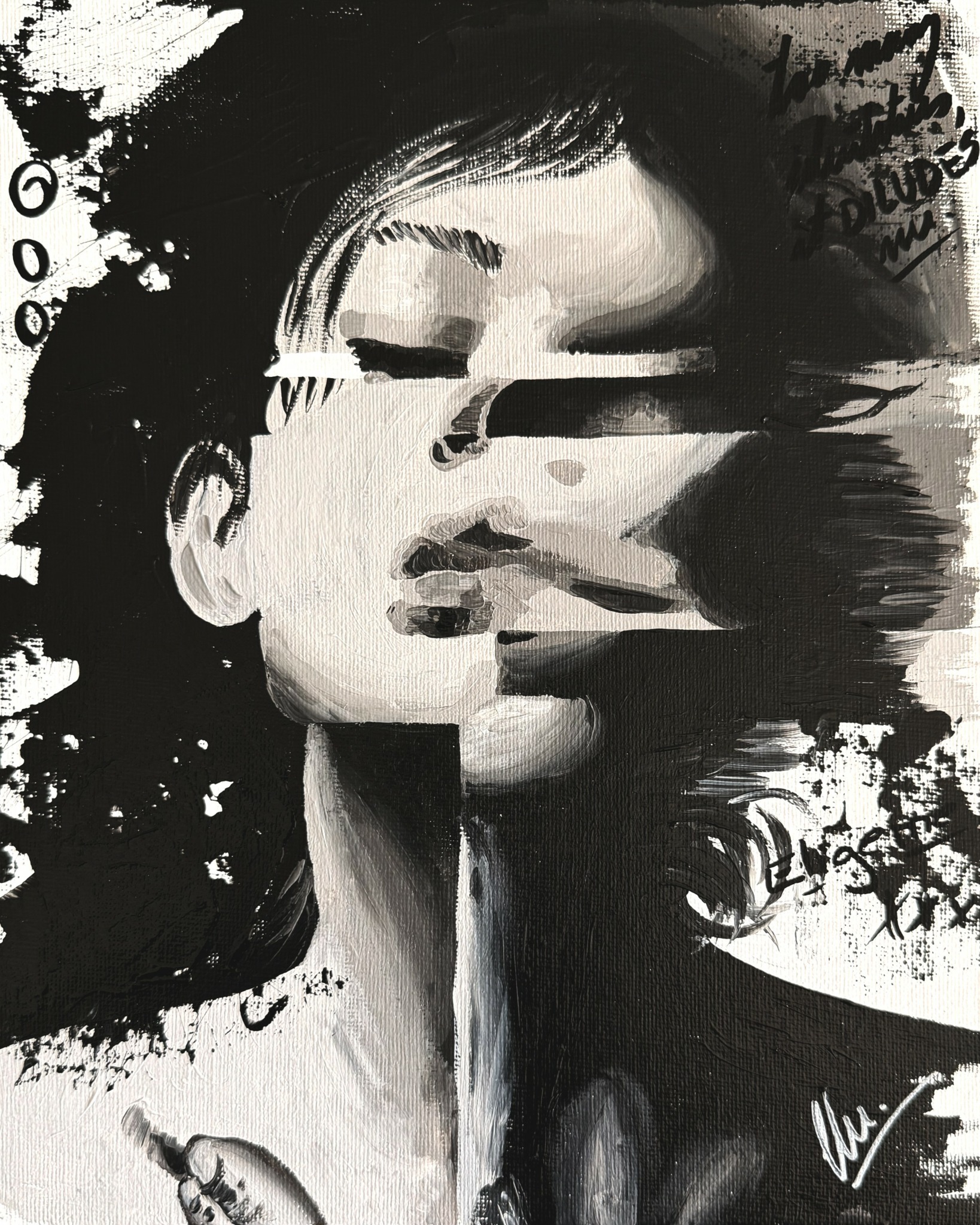
I think for me, resilience wasn’t a single moment — it was a series of decisions to stay, even when it would have been easier to leave.
When I moved to New York to pursue art, I had already built a life that made sense somewhere else. I had a degree, a master’s, professional opportunities, and a version of stability that I knew I could go back to at any point. That option never really disappeared.
And in the beginning, things weren’t easy. Starting over in a new city, financially unstable, trying to find direction in a completely different field — there were a lot of moments where going back would have been the more logical choice.
But what I started to realize is that the difficulty wasn’t a sign that I had made the wrong decision. It was part of what the decision actually was.
Resilience, for me, became less about pushing through in a dramatic way and more about continuing to choose this path in quieter, less visible moments. Staying with the work even when it wasn’t clear where it was leading. Allowing myself to keep evolving, even when that meant letting go of things that felt more secure or more immediately rewarding.
That same mindset carried into everything that came after — shifting my work in ways that made it less accessible, building a studio from the ground up in a new city, and continuing to prioritize depth over ease.
Looking back, I think resilience wasn’t about forcing things to work. It was about committing to a direction and allowing it to unfold, even when it didn’t look the way I expected.
Contact Info:
- Website: https://www.chehojas.com
- Instagram: @che_hojas and @che.hojas.ink
- Youtube: https://www.youtube.com/c/chehojas
- Other: https://www.etsy.com/shop/CheHojasInk (original paintings)
cheinkstudio.com (tattoo bookings)