

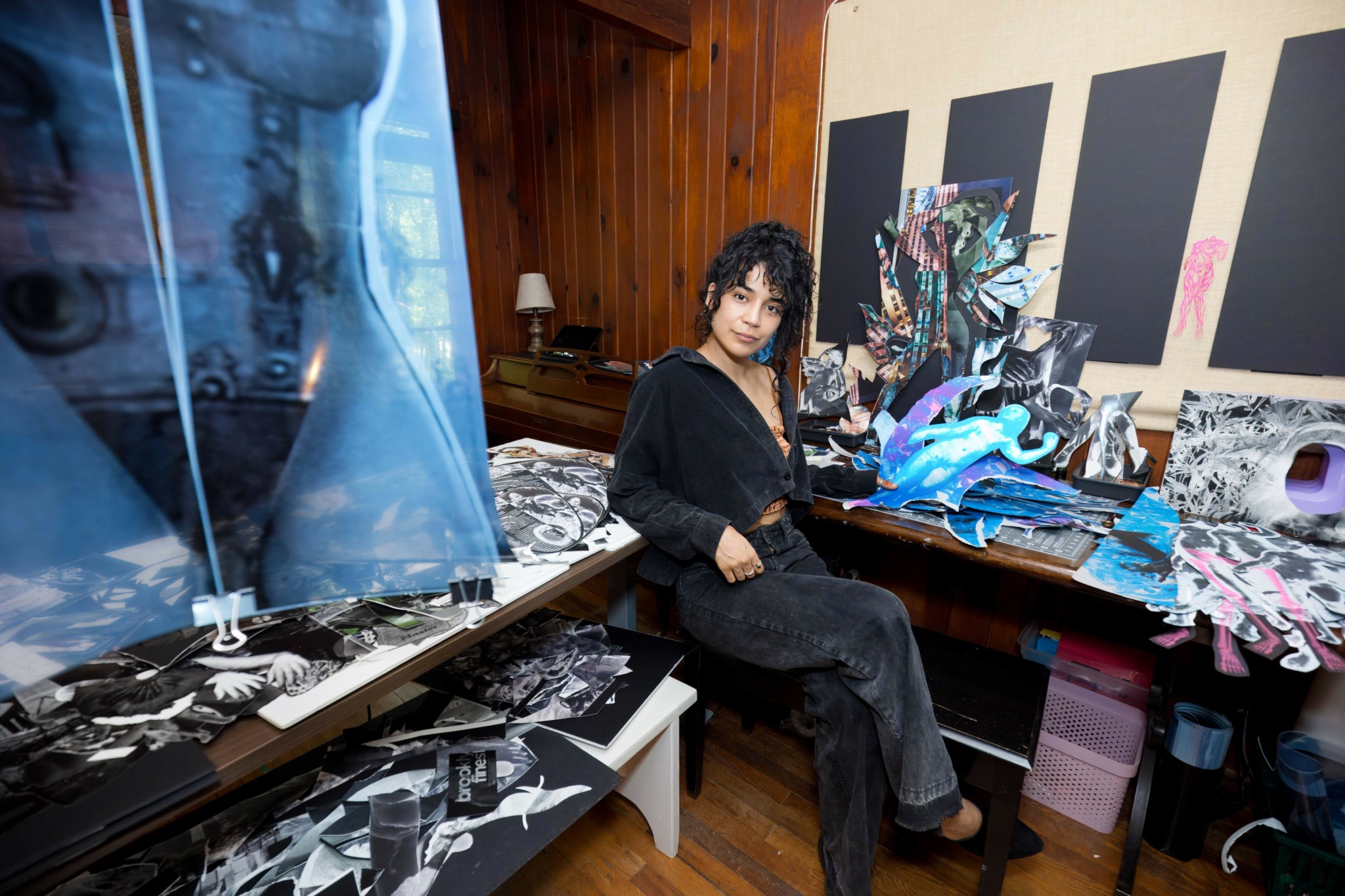

We were lucky to catch up with Katy Beltran recently and have shared our conversation below.
Katy, looking forward to hearing all of your stories today. It’s always helpful to hear about times when someone’s had to take a risk – how did they think through the decision, why did they take the risk, and what ended up happening. We’d love to hear about a risk you’ve taken.
I left my four-year-old daughter behind with $200 in my pocket and no English, hoping I wasn’t making the biggest mistake of my life.
At the time, I was a single mom living in an abusive environment, working long hours for almost nothing. I knew that where I was, I could survive, but not grow. The risk wasn’t just for me. It was for her.
So I made a decision that felt terrifying.
I arrived in the U.S. with one bag and a promise: that every second I spent away from my daughter would have to mean something. A friend of a friend gave me two weeks to figure it out. On my second day, I was already working as a cashier at an Asian restaurant, repeating a handful of memorized phrases and hoping no one asked me anything I couldn’t understand.
I moved from cashier to hostess, then server, while learning, adapting, and surviving. Every step forward came with the same thought: this has to be worth it.
It took me four years to bring my daughter to the U.S.: one year working any job I could find and three years earning a Master’s degree at my dream art school.
This morning, I took her to school.
She speaks English fluently now. She adapted faster than I ever imagined. She’s preparing to become a doctor. And I’m living the life I once thought was out of reach. I work as an international artist, UX designer, and creative consultant.
But the real success isn’t the career.
It’s that we’re together again. It’s that she no longer has to grow up in fear or limitation. That risk gave us a life where choosing what we love is even possible.
And for me, that will always be worth everything it costs.
Awesome – so before we get into the rest of our questions, can you briefly introduce yourself to our readers.
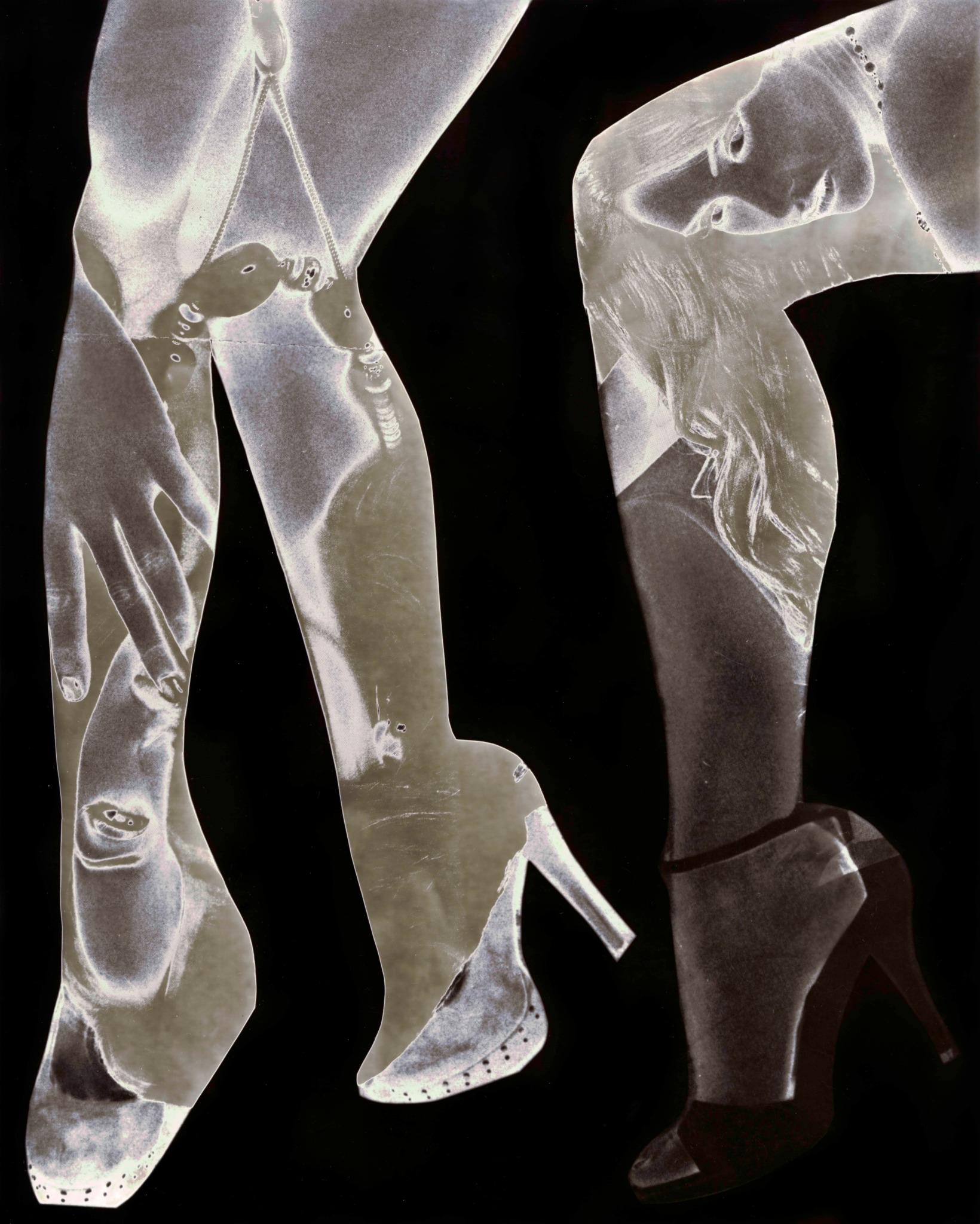
I’ve always been drawn to creative work that feels human rather than perfect. I started in photography, where I was fascinated by blur, grain, and light leaks, the kinds of imperfections that often reveal more truth than polished images.
That instinct shaped my path as both an artist and a designer. Early in my career, I founded the New Memory Museum. This participatory art project connects artists with at-risk communities to co-create work on memory, identity, and lived experience. That work taught me that creativity can be a powerful tool for connection and transformation.
Today, I work as an artist, UX designer, and creative consultant. Across all of my work, I’m interested in creating experiences and visual stories that are thoughtful, emotionally resonant, and clear. What sets me apart is the way I bring together the emotional depth of art and the strategic structure of design.
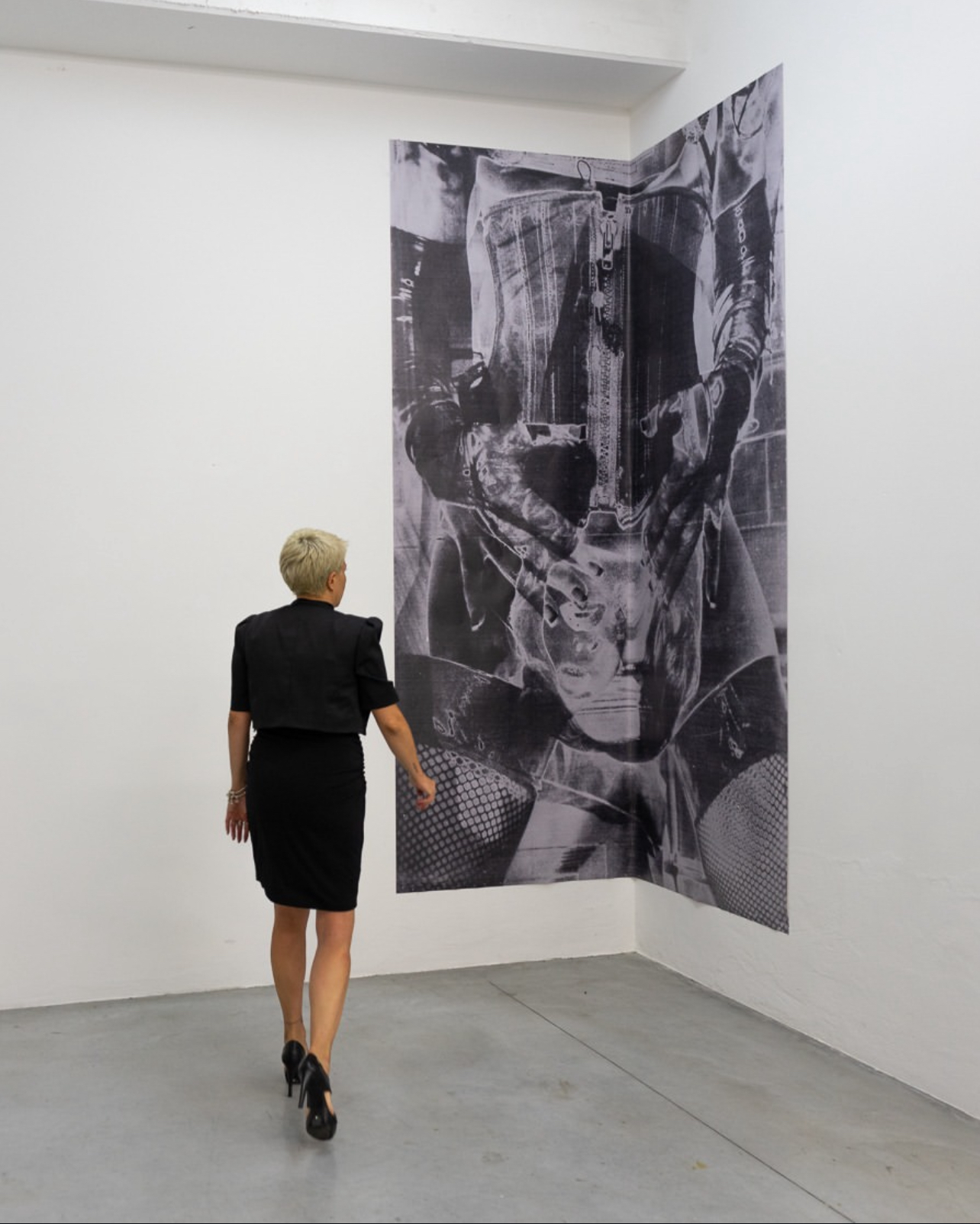
I’m proud to have built a career that bridges both worlds. My work has been exhibited internationally, and most recently at the Every Woman Biennial in New York. All in all, I continue to create work grounded in meaning beyond aesthetics.
What’s a lesson you had to unlearn and what’s the backstory?
One of the biggest lessons I had to unlearn was the idea that I needed a concept before I could begin creating.
For a long time after graduating, that belief left me completely stuck. I thought serious creative work had to start with clarity, and that I needed to know exactly what I wanted to say, what the work meant, and where it was going before I touched anything. I didn’t always have that certainty, so I found myself often in my head instead of making.
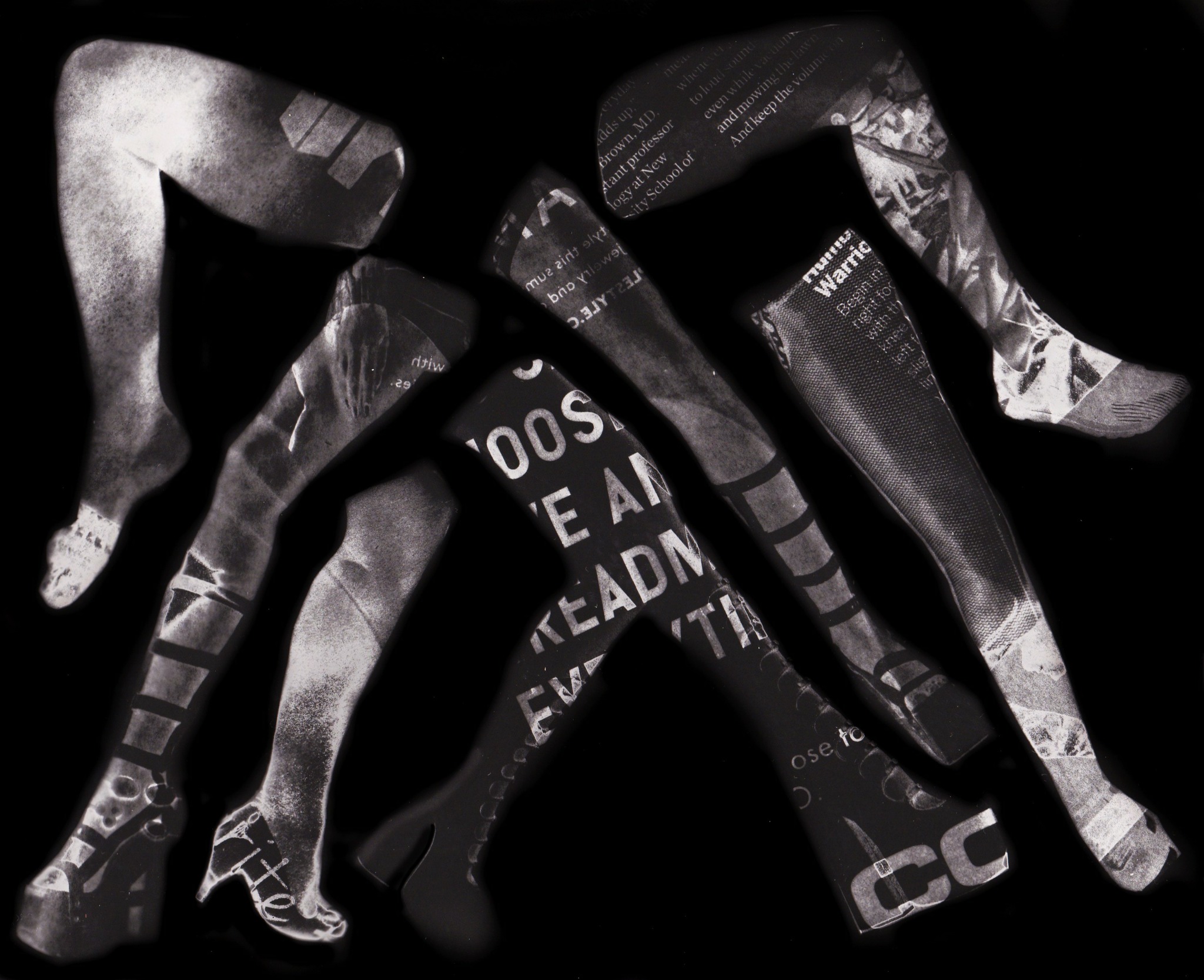
What I didn’t understand then was that creativity does not always begin with an idea. Sometimes it begins with contact with materials, movement, experimentation, and surprise. The meaning comes later.
That shift changed everything for me. I began to understand that making goes beyond the execution of an idea, as it is the way an idea is found. By working hands-on and following instinct, noticing what appeared, allowing accidents and discoveries to lead, is how I created my best work, and started to trust process instead of waiting for certainty.
As an artist/designer, that changed my relationship to creation and my way of living. I no longer believe clarity must come first, because I find it in action.
Are there any resources you wish you knew about earlier in your creative journey?
More than any specific tool or program, I wish I had understood earlier that exposure is one of the greatest creative resources.
For a long time, I thought creativity had a “right” path, and that there were rules to follow or a correct way to make meaningful work. What changed that for me was consistently visiting museums and galleries, engaging with different forms of culture, and seeing how many ways there are to think, make, and express an idea. That kind of exposure teaches you that creativity is far more open than most people imagine.
I also learned that curiosity is a resource. Listening to other people, paying attention to how they live and what they notice, and staying open to the world around you can shape your work as much as any formal training.
Suppose I had understood that earlier, I would have given myself more freedom. The world is one of the greatest creative resources we have; you have to stay curious enough to let it teach you.
Contact Info:
- Website: https://WWW.KATYBELTRAN.COM
- Instagram: @beltran.katy
- Linkedin: https://www.linkedin.com/in/katy-beltran/
- Other: www.katybeltrandesign.pro
https://www.behance.net/gallery/159078879/Katy-Beltran-Portfolio
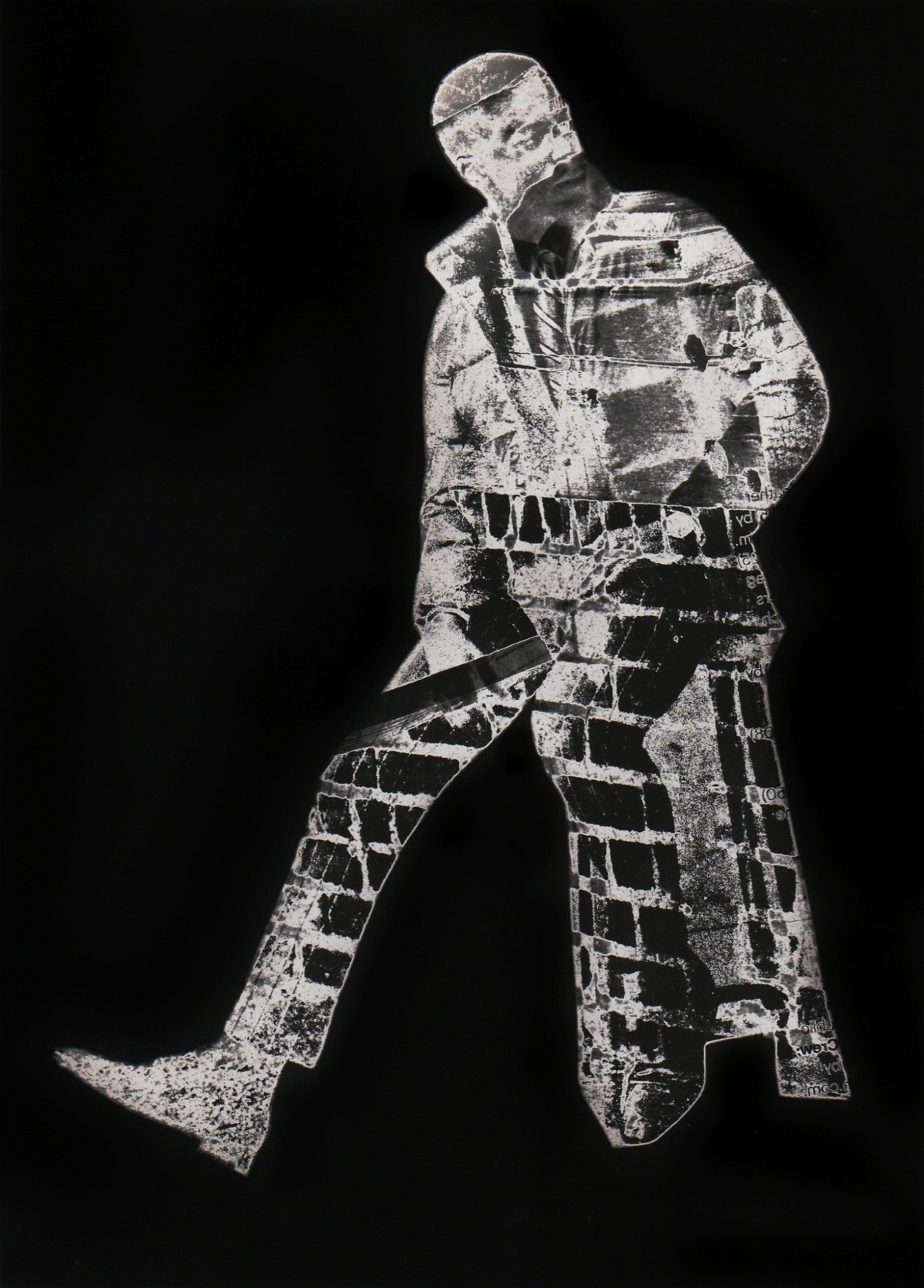
Image Credits
Image courtesy of the artist