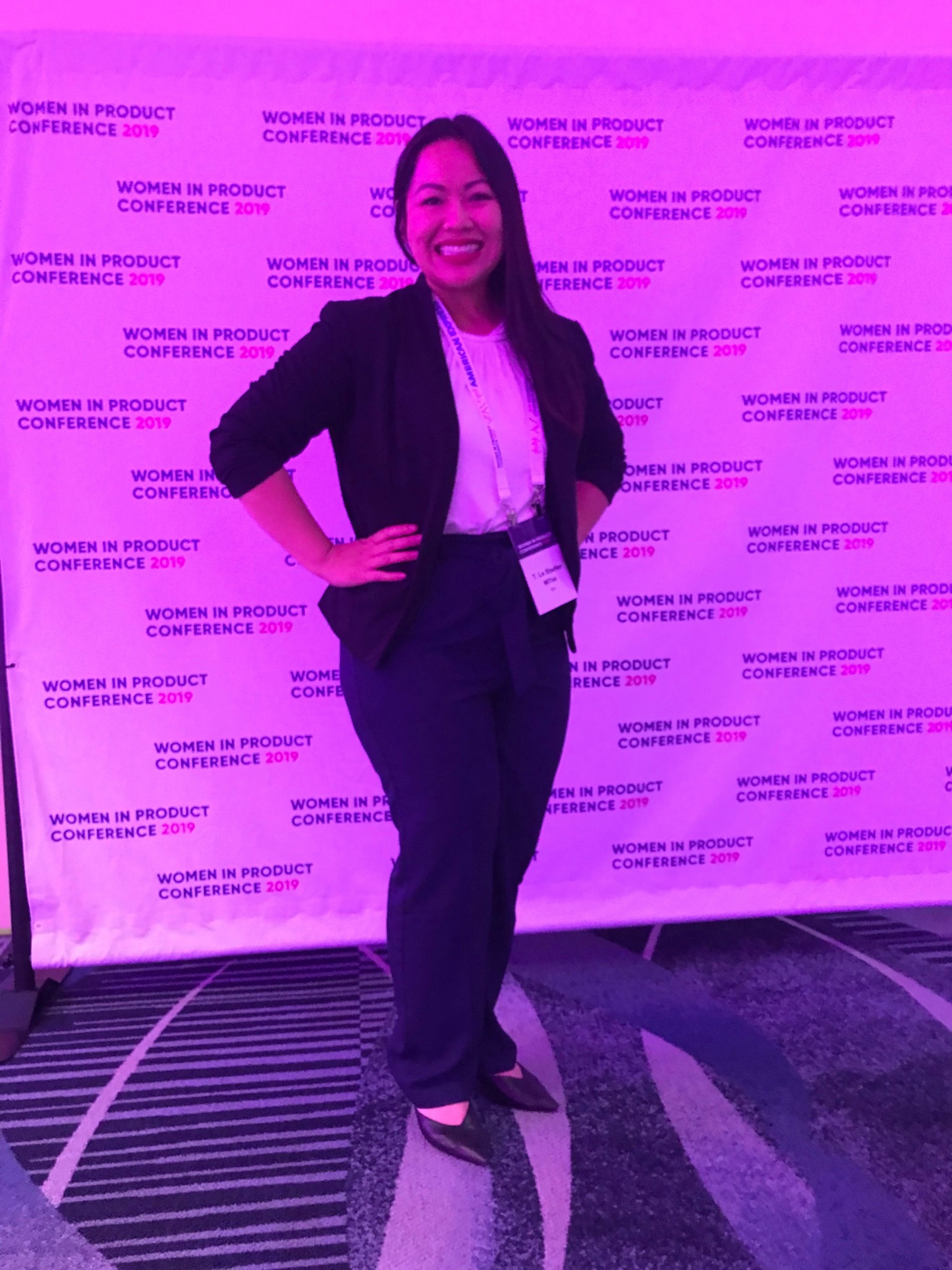

We recently connected with Le Stadler and have shared our conversation below.
Alright, Le thanks for taking the time to share your stories and insights with us today. We’d love to hear the backstory behind a risk you’ve taken – whether big or small, walk us through what it was like and how it ultimately turned out.
Before consulting, I spent years inside companies doing the unglamorous tech work: fixing data, automating manual processes, and wiring systems together so people could actually do their jobs. I became the person leaders called when something was tangled — a clunky workflow, a migration, a report the CFO didn’t trust — and I learned quickly that technology problems are usually people and process problems in disguise. The risk was leaving that familiar ‘inside’ path for consulting and M&A work. I walked away from a clear tech and product trajectory to bet that I could learn deals fast enough to be useful in rooms with executives and investors. That jump forced me to stretch from “I can fix this system” to “I can help design how the business should run after a deal.” Now I use the same tech and data muscles across many clients, translating between engineers, operators, and CFOs because I’ve been on the hook for making the PowerPoint version of a plan actually work in real life.
Great, appreciate you sharing that with us. Before we ask you to share more of your insights, can you take a moment to introduce yourself and how you got to where you are today to our readers.
I’m a product-turned-tech-and-deals operator who built a career around fixing messy problems. I started inside companies doing the unglamorous work in the tech and data stack — cleaning up reporting, automating manual processes, and wiring systems together so people could actually do their jobs. That vantage point, sitting between engineers, finance, and operations, is what eventually pulled me into M&A and deal work. Today I’m a Director in Transaction Strategy & Execution (Deal Technology). I help clients turn a deal thesis into something that actually runs: thinking through integration or carve‑out strategy, uncovering risks in the tech and data landscape, and building the operating, TSA, Day‑1 and Day‑100 plans that make the PowerPoint version of the deal real. What I bring that’s different is that I’ve been the person inside an organization who has to live with those decisions, so I naturally design with operators, data, and long‑term maintainability in mind, not just the headline. I’m most proud of helping clients get through complex transactions with fewer ‘we didn’t see that coming’ moments because we did the unglamorous systems work up front — and of doing that while still being a present parent and human. If there’s one thing I’d want readers or potential clients to know, it’s that my work is about quietly making hard things doable, connecting strategy to the technology, data, and people who will still be there long after the deal closes.
Let’s talk about resilience next – do you have a story you can share with us?
Resilience for me showed up most clearly when I shifted from being a tech and data person inside companies to working on transactions. I came into consulting with a strong background in systems and operations, but almost no exposure to deals. On day one I suddenly had to understand purchase agreements, synergy cases, transition service agreements, and board-level timelines, while still being the person who could see all the downstream tech and data impacts. That first year, I felt like I’d gone from speaking fluently to being back in kindergarten. I was asking basic questions in rooms full of senior people and then staying up late teaching myself the deal side so I could contribute at the level I was used to. What helped was treating it like another system: break the transaction lifecycle down, map who cares about what, and learn enough of each stakeholder’s language to translate. Over time, that persistence turned into a real strength — now I’m the one who can connect the dots between the deal model, the operating model, and the technology and data that make it work. The resilience was less about a single heroic moment and more about showing up, again and again, willing to be a beginner in public until it clicked.
Have you ever had to pivot?
A big pivot for me came when I had my two boys and realized that the version of ‘success’ I’d grown up with didn’t fit the life I actually wanted. I loved complex work and high-ownership roles, but I wasn’t willing to pretend my kids and my own wellbeing didn’t exist just because a project was urgent. So instead of trying to quietly do it all, I made a deliberate choice to treat communication as the main lever for real work‑life balance. Practically, that means being very clear about the kinds of projects and roles that work for my family, and naming constraints early instead of apologizing for them later. I’m upfront about travel expectations, about when I’m on school pickup, and about what support I need from a team for a project to be sustainable. That’s not always the easiest path, but it’s made me better at setting expectations, designing realistic plans, and advocating for the humans in any system — whether that’s my own household or a client’s organization. That pivot has shaped how I choose work, how I lead teams, and how I define success: not as ‘doing everything,’ but as being honest about the tradeoffs and building structures that make high performance and a real life possible.
Contact Info:
- Linkedin: https://www.linkedin.com/in/tlestadler