

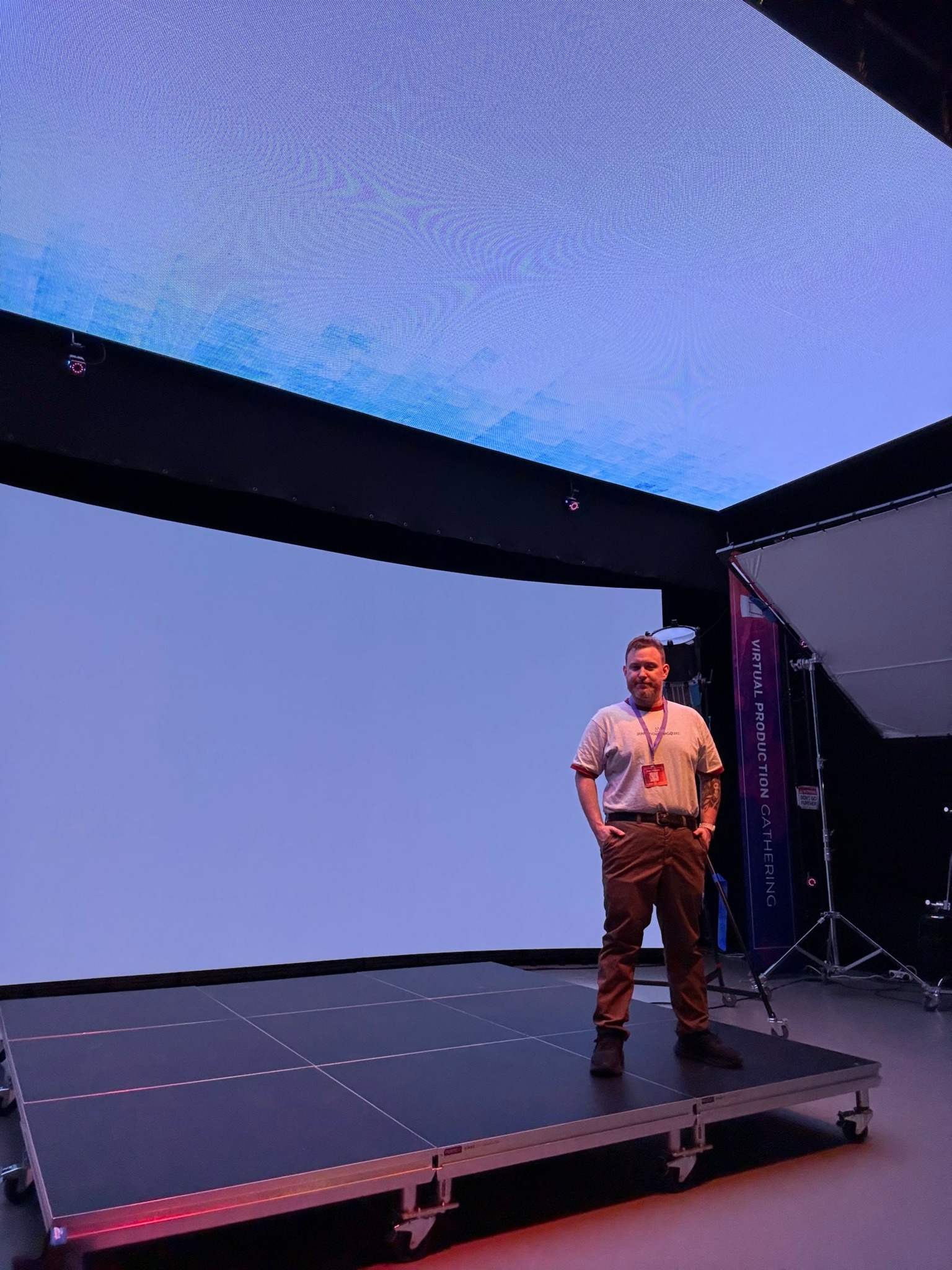

We’re excited to introduce you to the always interesting and insightful Joshua Planz. We hope you’ll enjoy our conversation with Joshua below.
Joshua, thanks for joining us, excited to have you contributing your stories and insights. Can you open up about a risk you’ve taken – what it was like taking that risk, why you took the risk and how it turned out?
I was asked to come and teach at the Film University Babelsberg in Germany for 6 months. Taking the opportunity to teach in Berlin for six months was a deliberate leap into the unknown. I had never lived outside the U.S. for that long, and stepping away from my life and momentum in New York meant accepting real professional and personal risks. There was no guarantee it would pay off.
But I’ve always tried to keep an open door, to say yes to new opportunities, especially the ones that disrupt the path I’m on. It’s the only way I have always been able to grow my mind, and especially my perspective, to a degree that I can feel substantial results.
Now, six weeks into this six-month chapter, I can already feel the shift in my perspective.
Landing in a new country forced me to recalibrate everything: how I teach, how I communicate, how I create. In the professional environment, I’ve had to earn trust across cultures and rethink the way I share ideas. Outside of it, Berlin has become a kind of living canvas: it feels so raw, layered, unpredictable, and it’s pushing my creativity in ways my recent comfortable routines never could.
Even this early into this new adventure, the impact is clear. I’m more adaptable, more decisive, and more confident operating without a safety net. This experience isn’t just adding to my career; it’s actively reshaping who I am as an artist and professional within it.
It’s a reminder that the risks that feel the most destabilizing are often the ones that redefine you, and that sometimes the most important thing you can do is simply say yes and step through the door.
Great, appreciate you sharing that with us. Before we ask you to share more of your insights, can you take a moment to introduce yourself and how you got to where you are today to our readers.
I’m a 3D artist and filmmaker who strives to balance my work in a gradient between emotion and imagination. My path into this field wasn’t a straight line so much as a slow ignition. I’ve always been drawn to storytelling, but it was discovering 3D animation that gave me a language expansive enough to hold both wonder and weight. It let me build entire worlds from nothing and then ask them to feel something real. I received my MFA in Computer Art from the School of Visual Arts in 2013, and from there I went on to explore where I could apply my skills and how I could contribute to the vast art community New York City had to offer.
Over the past decade, I’ve worked across film, television, real-time media, fabrication, and commercial visual effects, collaborating with studios while also carving out space for my own independent voice. That duality is important to me. On one side, I help bring high-end visuals to life for clients. On the other hand, I create original projects that explore identity, mental health, and the human condition through symbolic, often surreal narratives.
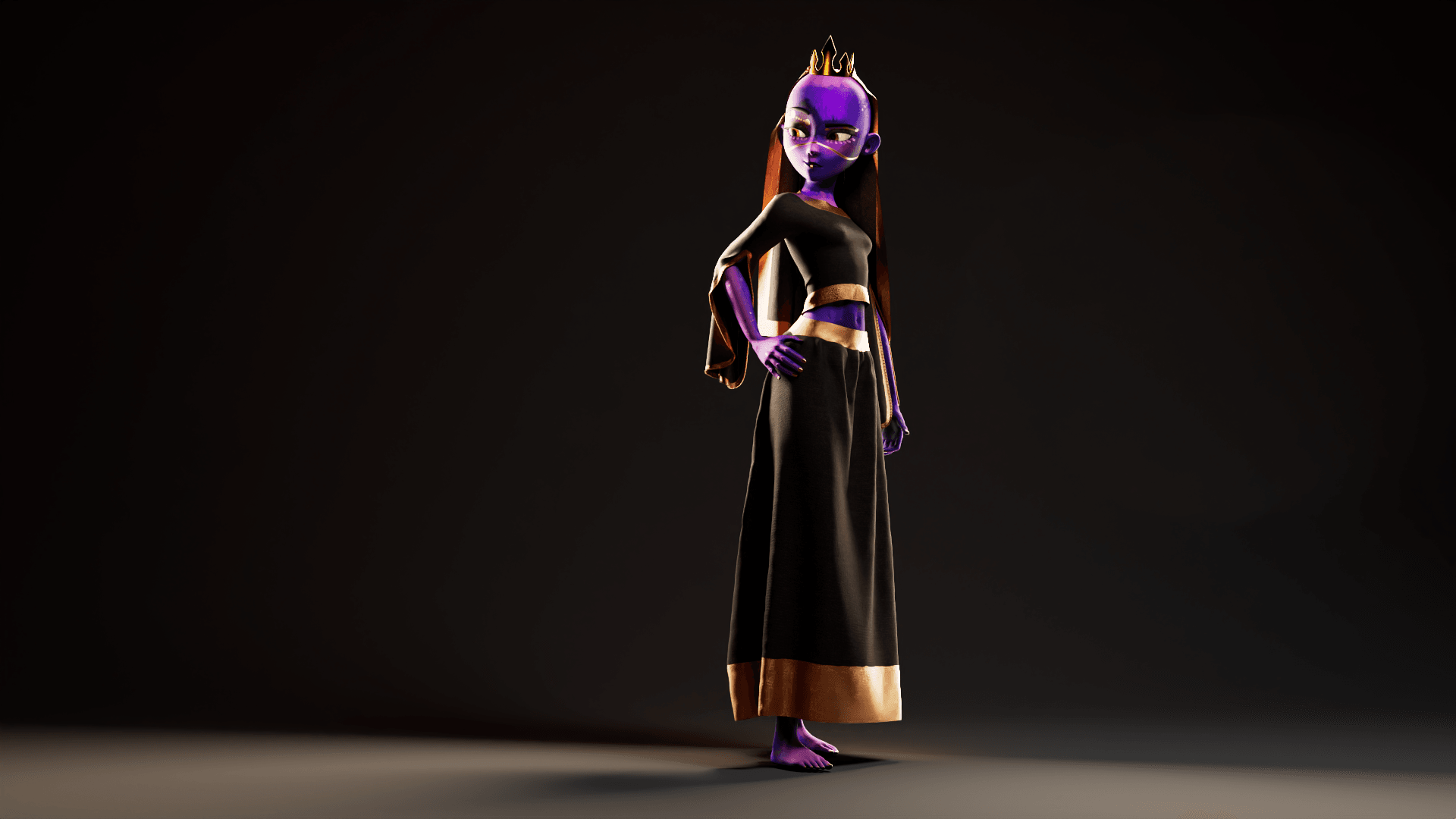
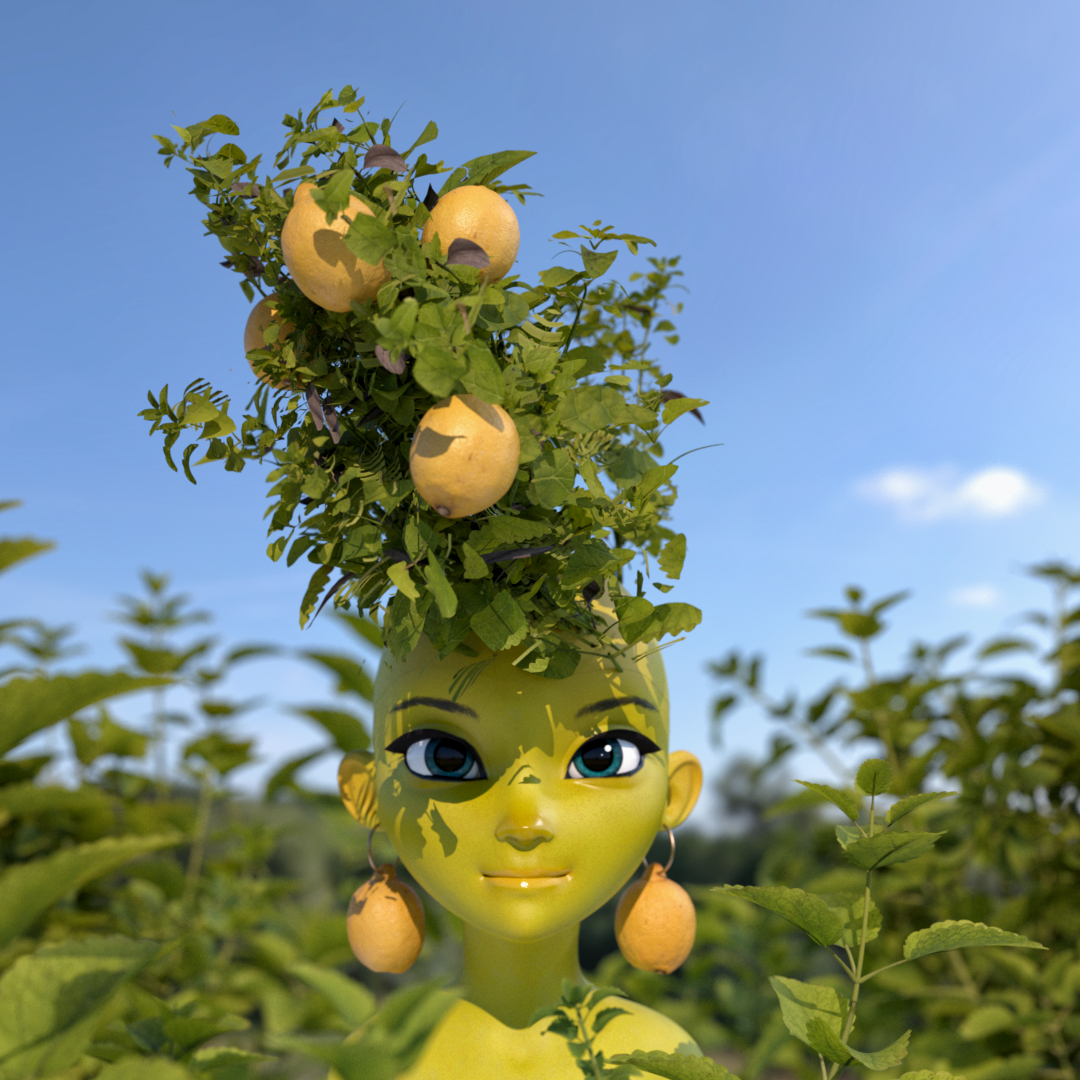
My work spans a pretty wide emotional spectrum. I love creating visually rich, emotionally driven projects, like my current film in production, Dark Empress, which explores burnout and internal conflict through a fantasy lens. At the same time, I produce playful, imaginative 3D content for children through my LNC Kids series, focusing on joy, curiosity, and early learning. I’m interested in both ends of that spectrum because they’re connected. The childlike sense of wonder and the adult search for meaning are really the same energy, just expressed extremely differently.
For clients, I solve both creative and technical problems. I bring a strong visual sensibility and a deep understanding of production pipelines, enabling me to help projects move from concept to final execution without losing their soul along the way. Whether it’s designing a character, building a world, or crafting a moment of performance, I focus on making things feel intentional and alive, not just polished.
What sets me apart is that I don’t treat visuals as decoration. I treat them as storytelling instruments. Every design choice, every movement, every lighting decision is in service of a larger emotional or symbolic idea. I’m less interested in creating something that just looks impressive and more focused on creating something that resonates and lingers.
I’m most proud of the fact that I’ve stayed committed to that philosophy, even when it would have been easier to play it safe. Current projects like Dark Empress represent that commitment. They’re personal, risky, and rooted in something honest. I’m also proud of building a creative life that includes teaching, mentoring, and sharing knowledge with others. Helping students find their voice in 3D animation is just as meaningful to me as creating my own work.
If there’s one thing I want people to know about me and my work, it’s that I care deeply about what I’m making and why I’m making it. I’m not just building images. I’m building experiences that reflect something human back to the viewer. Whether it’s a child learning their first letter through a colorful character or an adult seeing their own struggles reflected in a surreal world, the goal is the same: connection.
Is there something you think non-creatives will struggle to understand about your journey as a creative? Maybe you can provide some insight – you never know who might benefit from the enlightenment.
One thing I think non-creatives often underestimate is how difficult it is to separate the work from the self. In many professions, you can leave your job at the door at the end of the day. As an artist, that boundary is much more porous. The work isn’t just something I do, it’s something I carry. Ideas follow you into quiet moments, into conversations, into the middle of the night. It’s a constant hum in the background of your life.
That passion is a gift, but it also has a shadow side that people don’t always see.
Because we care so deeply, creatives can be especially vulnerable in professional environments. It’s not uncommon to accept lower pay, longer hours, or unrealistic expectations simply because we believe in the work or feel grateful to be doing what we love. There’s an unspoken trade where passion is leveraged against us. Over time, that can lead to overworking, burnout, and even depression. You end up burning the candle at both ends, sometimes not realizing how far you’ve pushed yourself until your health or your creativity starts to suffer.
And unlike many other jobs, it’s hard to just switch it off and recover. Even when you’re technically “resting,” your mind is still turning things over, solving problems, imagining, refining. That can make true rest feel elusive, which is something I’ve had to learn the hard way.
I think what’s important for people to understand is that being creative isn’t just about inspiration or talent. It also requires boundaries, self-awareness, and resilience. You have to learn how to protect your energy, advocate for your value, and recognize when your passion is being used in ways that aren’t sustainable.
If there’s any insight I’d offer, it’s that loving what you do doesn’t mean you should have to sacrifice your well-being for it. The goal isn’t just to create meaningful work, it’s to build a life where you can keep creating without losing yourself in the process.
Are there any books, videos, essays or other resources that have significantly impacted your management and entrepreneurial thinking and philosophy?
One resource that’s had a profound impact on both my creative philosophy and my approach to my work as a business is The Creative Act: A Way of Being by Rick Rubin.
What struck me most is how unapologetically he frames art in almost spiritual, dogmatic terms. He talks about creativity not as a product or a career path, but as a way of existing in the world. That perspective hit me on a deep level. It reframed how I see my role, not just as someone who makes things, but as someone who listens, interprets, and channels something larger than myself.
That book came into my life when I was dealing with creative burnout, and it genuinely helped pull me out of it. It reminded me that the value of the work isn’t just in how it performs, sells, or is received, but in the act of creating itself. I still go back to it regularly. It’s less of a one-time read and more of a kind of compass I recalibrate with.
I truly believe art is a fundamental part of the human experience. It’s how we process, communicate, and make meaning of our lives. But in an industry where there’s constant pressure to commodify content and chase output, it’s easy to lose sight of that. What Rubin’s perspective reinforces for me is the importance of protecting the purity of the creative impulse, even while operating within a commercial space.
That balance has become a core part of my professional and creative thinking. Yes, I’m a professional who strives to deliver the strongest work to clients, but I’m also intentional about preserving the integrity of the work and the reason behind it. Because if you lose that, you might still be producing, but you’re no longer really creating.
Contact Info:
- Website: https://joshplanz.com/
- Instagram: @joshplanz
- Linkedin: https://www.linkedin.com/in/planz/
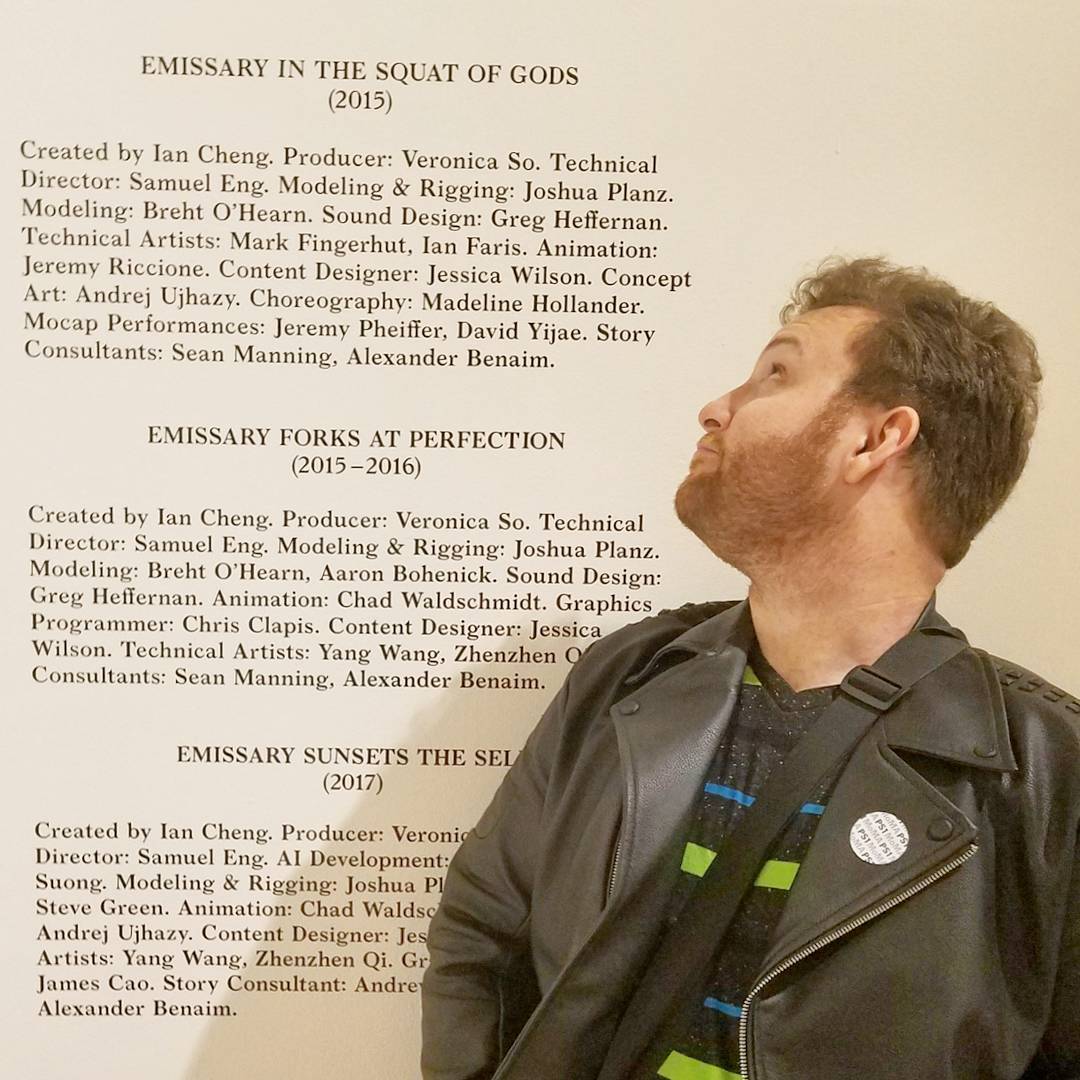
Image Credits
Photos taken by personal friends, renders are my own