

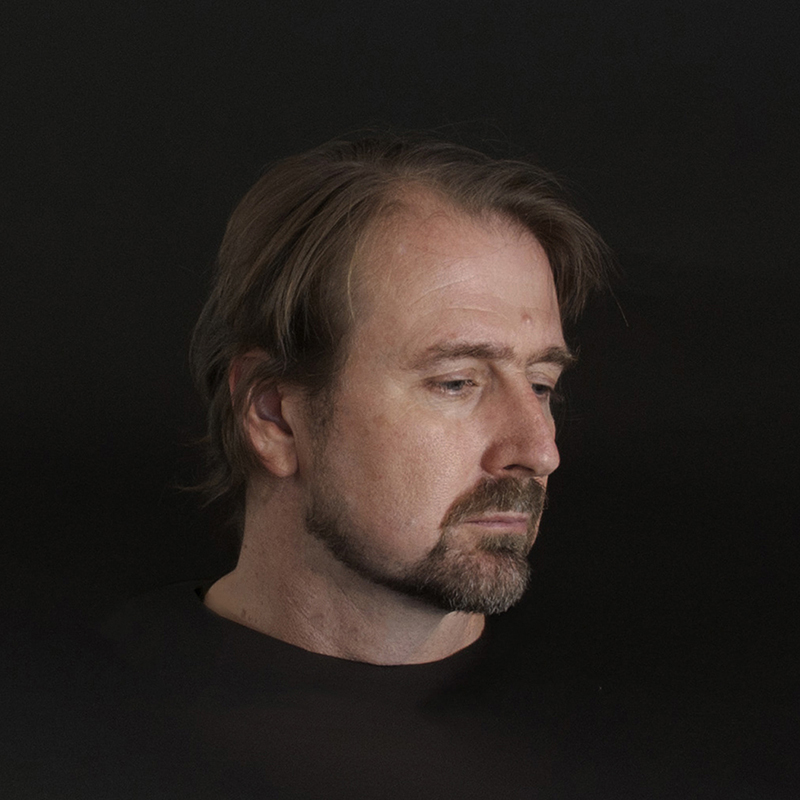

We recently connected with Peter Ydeen and have shared our conversation below.
Peter, appreciate you joining us today. Can you talk to us about a project that’s meant a lot to you?
My two most meaningful projects have been my nocturnal series, Easton Nights, and my travel series Waiting for Palms.
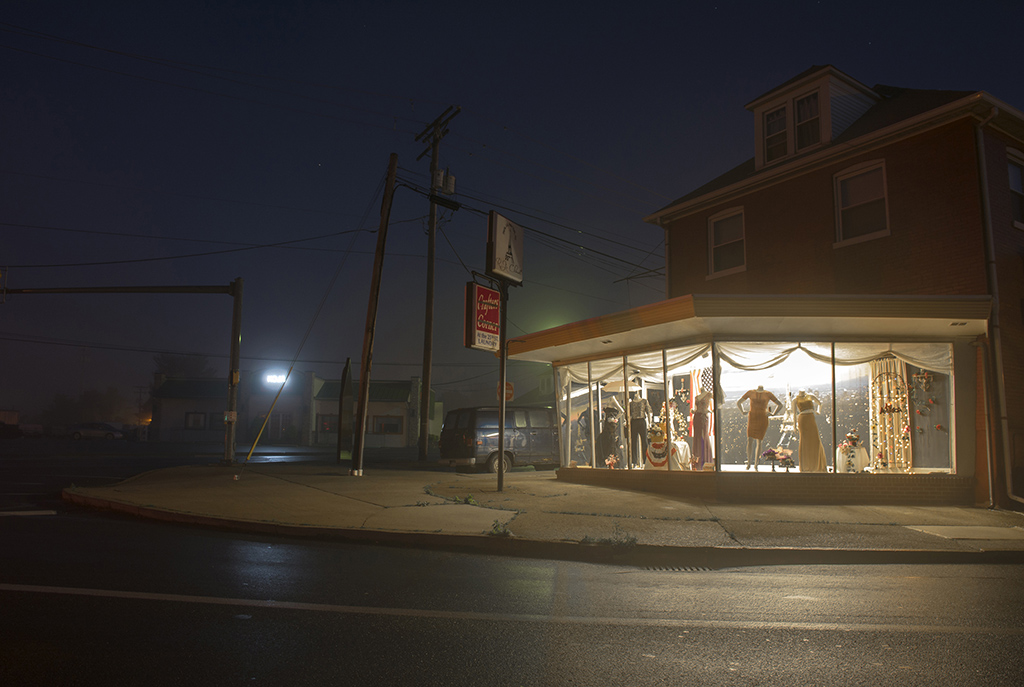
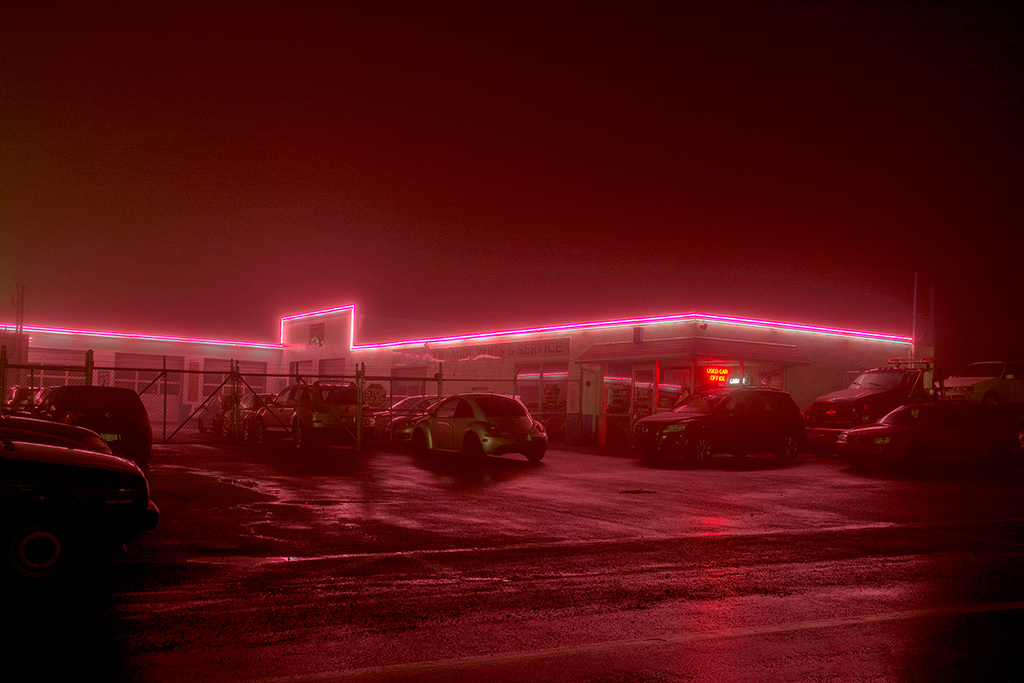
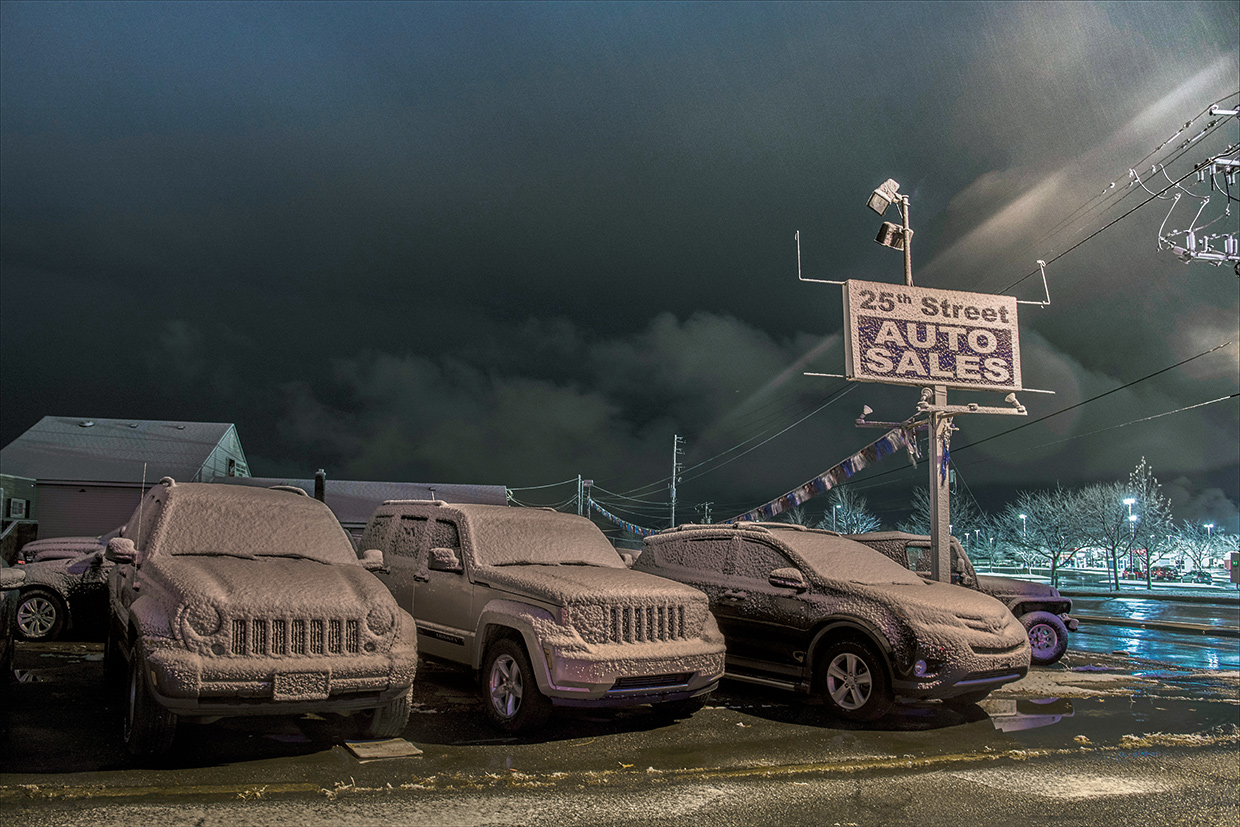
Easton Nights is by far my largest body of work, a series that ran from 2015 until 2024 and grew to encompass hundreds of images. It began simply as an exercise, a handful of night shots inspired by George Tice, but the work quickly resonated with something deeper in me and cascaded into the massive series it became. Shot in my hometown of Easton and across the Lehigh Valley of Pennsylvania, the images use the night as a way to enter and isolate the places we build and inhabit, and in turn to see the beauty of place. It is a series that is a reflection of both Easton itself and industrial America more broadly.
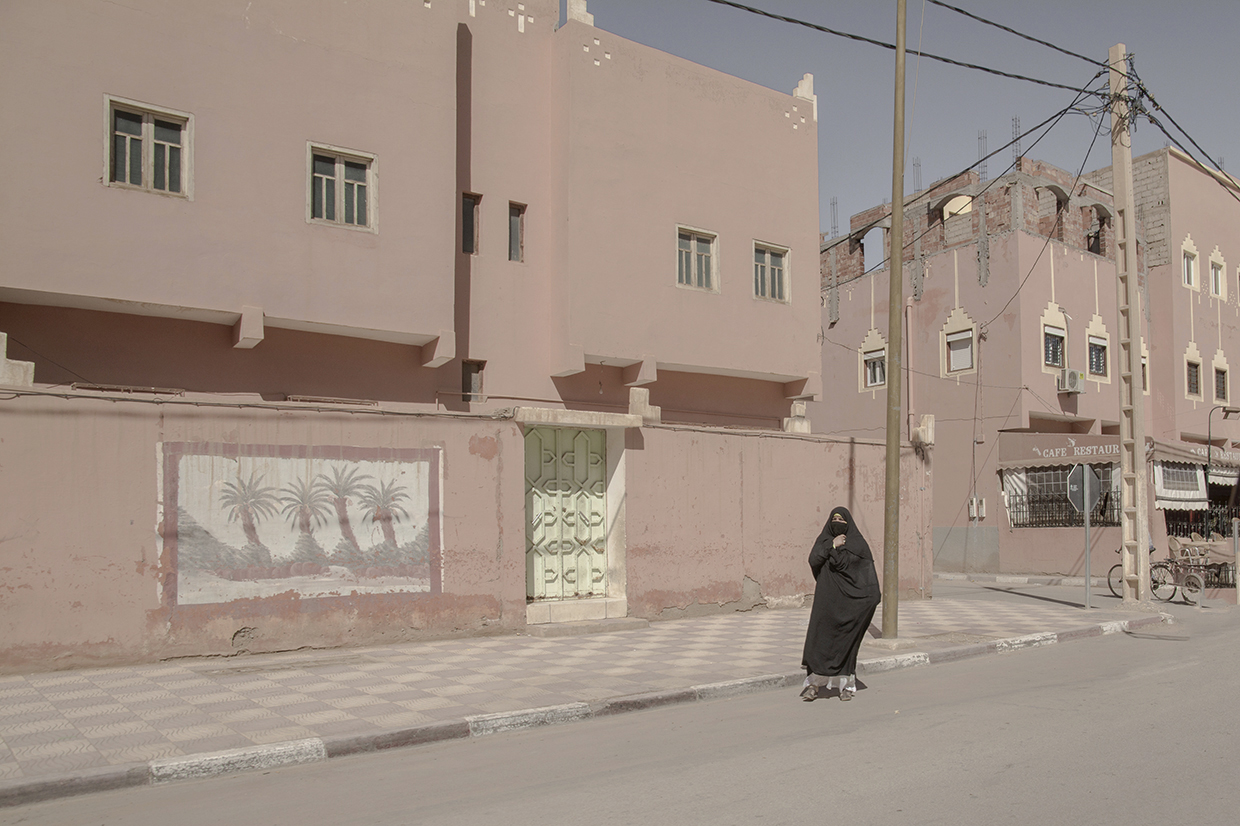
Waiting for Palms is a smaller series shot in Morocco and Egypt in 2016, though I didn’t really develop it until 2025, largely because Easton Nights consumed so much of my attention in the intervening years. It is a series that tries to capture the unheroic moments of those environments. In an unexpected way, that series became an incubator for articulating my approach to photography. As I prepared for exhibitions and began writing talks and answering questions like this one, I realized I didn’t have substantial knowledge of the places I had photographed. That led me to Edward Said’s work on Orientalism and to the writing of Susan Sontag, both of whom helped me understand that I didn’t need to explain what I photographed. To do so would only place my own perceptions over the reality of the image. It was a lesson I’ve since carried into my other series. The work also brought me to a simpler realization: that what I had made was, in fact, travel photography.
Peter, love having you share your insights with us. Before we ask you more questions, maybe you can take a moment to introduce yourself to our readers who might have missed our earlier conversations?
I’m a photographer and artist based in Easton, Pennsylvania, working within the tradition of urban landscape photography which studies the complexity and beauty of our everyday world. While my work is influenced by New Topographics, it moves more towards the romantic and introspective, with a slightly surreal quality.
I came to photography almost by accident. After some success in entering a few competitions, photography seemed to resonate, and what began as a side interest suddenly became the center of my artistic practice.
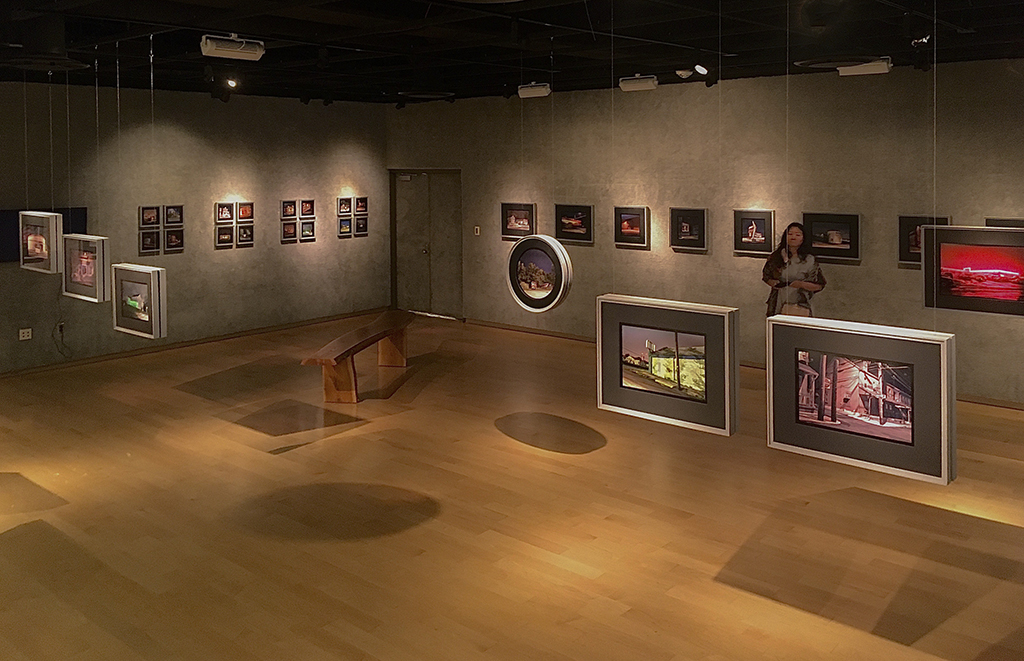
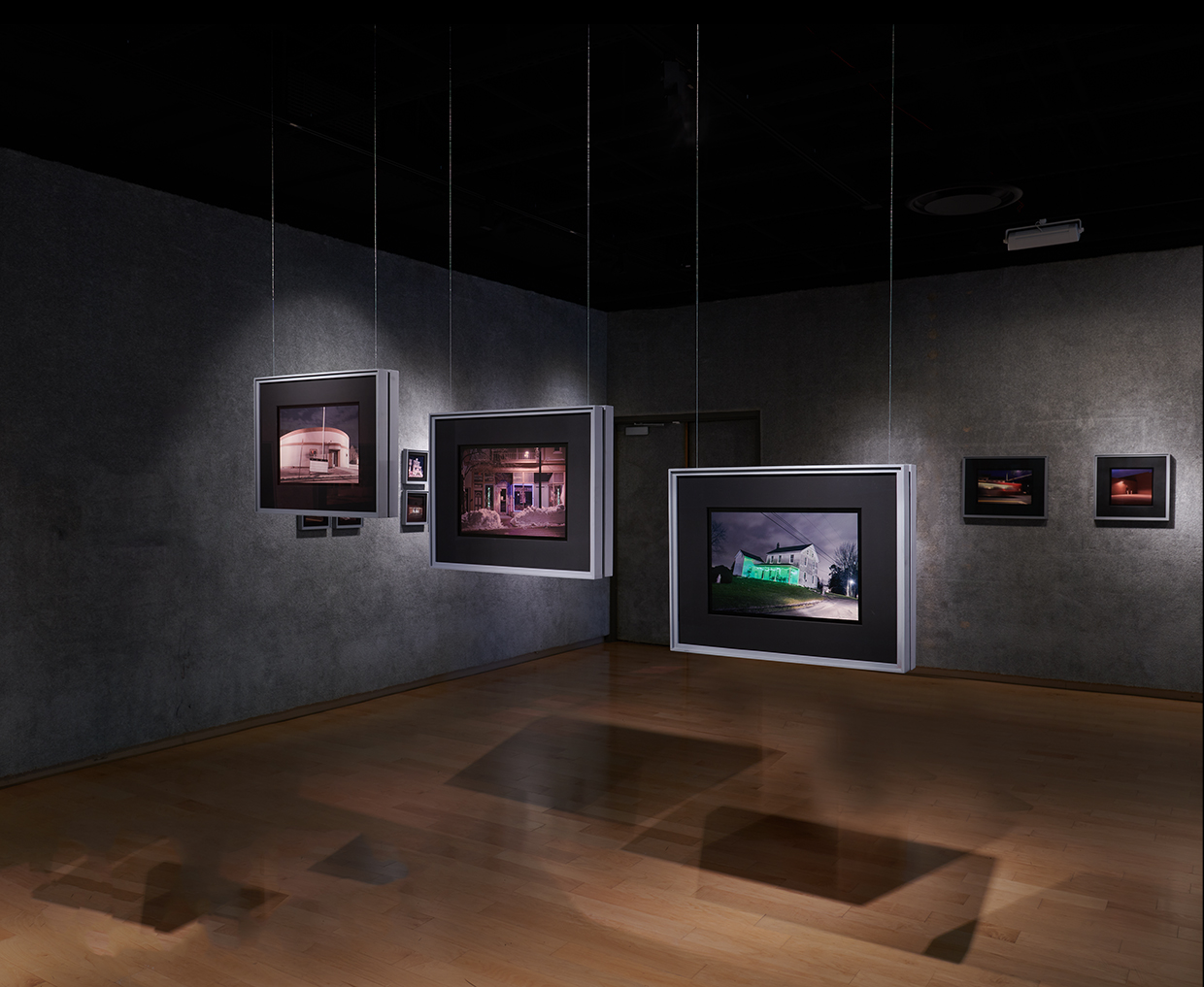
My best-known series, Easton Nights, is a nine-year exploration of my hometown after dark, while several other series have also been shown and received attention. Other projects include work from Utah, travel, and my daily commute, all connected by an interest in the spirit of place. I have placed particular emphasis on my exhibitions, developing ways to make a photography show that is three-dimensional, one you walk into rather than simply look at.
My background is in painting and sculpture, with a BA from Virginia Tech and an MFA from Brooklyn College. I also spent years working as a technician and model maker for architects and designers, which continues to influence how I approach the physical presentation of my work. Later, I co-founded a gallery in New York with my wife, Mei Li, which focused on African and Asian art, an experience that deeply shaped my understanding of visual culture.
What sets my work apart is its personal nature. It comes out of sustained intimacy with the places I observe. I’m especially proud of my exhibition designs, where the work becomes an immersive environment rather than a series of objects on a wall. Ultimately, my goal is simple: to help people see the quiet beauty that already emanates from the world around them.
For you, what’s the most rewarding aspect of being a creative?
My life as an artist really began when I switched my major to painting and sculpture as a student at Virginia Tech. We were taught to paint by going out into the mountains and working from observation of the landscape. I was fortunate to have the artist Ray Kass as a teacher, who taught us much more than technique. He taught us how to see. In a landscape, it meant pointing out shapes, patterns, color interactions, and teaching a wide range of ways of looking that most people never learn. It is a skill that, once acquired, applies to everything you see for the rest of your life, no matter what profession or path you take. For me, that has been the most rewarding part of being an artist. It is a way of appreciating our places that is a continuous source of interest and satisfaction.
Are there any books, videos or other content that you feel have meaningfully impacted your thinking?
The first are works of fiction I read in my teens and early twenties: E.T.A. Hoffmann’s Nachtstücke, which includes “The Sandman,” and George MacDonald’s Phantastes and Lilith. Each of these authors built worlds the reader could step inside, and although they did so to tell a story, their impulse mirrored something I came to recognize in my own work, particularly the night photographs. Mine was the same instinct in a different form: to bring the viewer inside, to share a place rather than describe it. That impulse is at the heart of my immersive exhibitions.
The second set had a more sudden, almost epiphanic effect. While preparing my series Waiting for Palms for exhibition, I needed to write about the work for catalogs and talks, and as I started reading about the places I had photographed, I realized I was almost the opposite of an expert. Edward Said’s Orientalism confirmed my sense of the danger of imposing my own interpretation onto places I did not truly know. Susan Sontag’s On Photography sharpened that awareness into something close to a discipline that shunned interpretation. And then Gaston Bachelard’s The Poetics of Space carried me a step further. Where Sontag’s stance can feel restrictive, Bachelard offered a more open concept, one of receiving and coexisting with images rather than interpreting them. Estelle Jussim’s The Eternal Moment reinforced this from another direction, making the case that photographs themselves have a life of their own, independent of the moment and intent that produced them. Together they gave me a way of understanding that the places I had captured were alive in their own right, capable of meeting each viewer in a unique way. That insight reshaped how I think about all of my photographs. They are not journalism. They are places offered up to be shared.
Contact Info:
- Website: https://peterydeen.com
- Instagram: https://www.instagram.com/peterydeen/
- Linkedin: https://www.linkedin.com/in/peter-ydeen-19760684/
- Youtube: https://www.youtube.com/@peterydeen2109
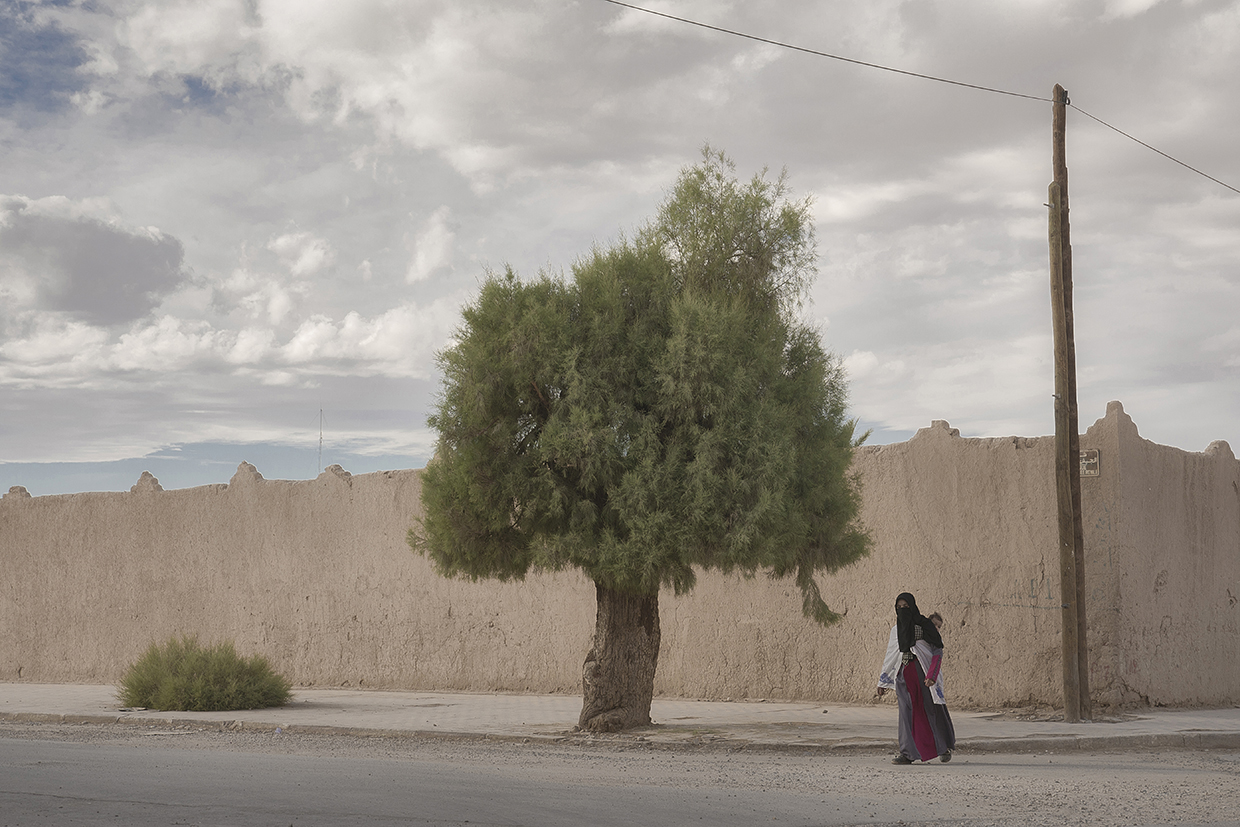
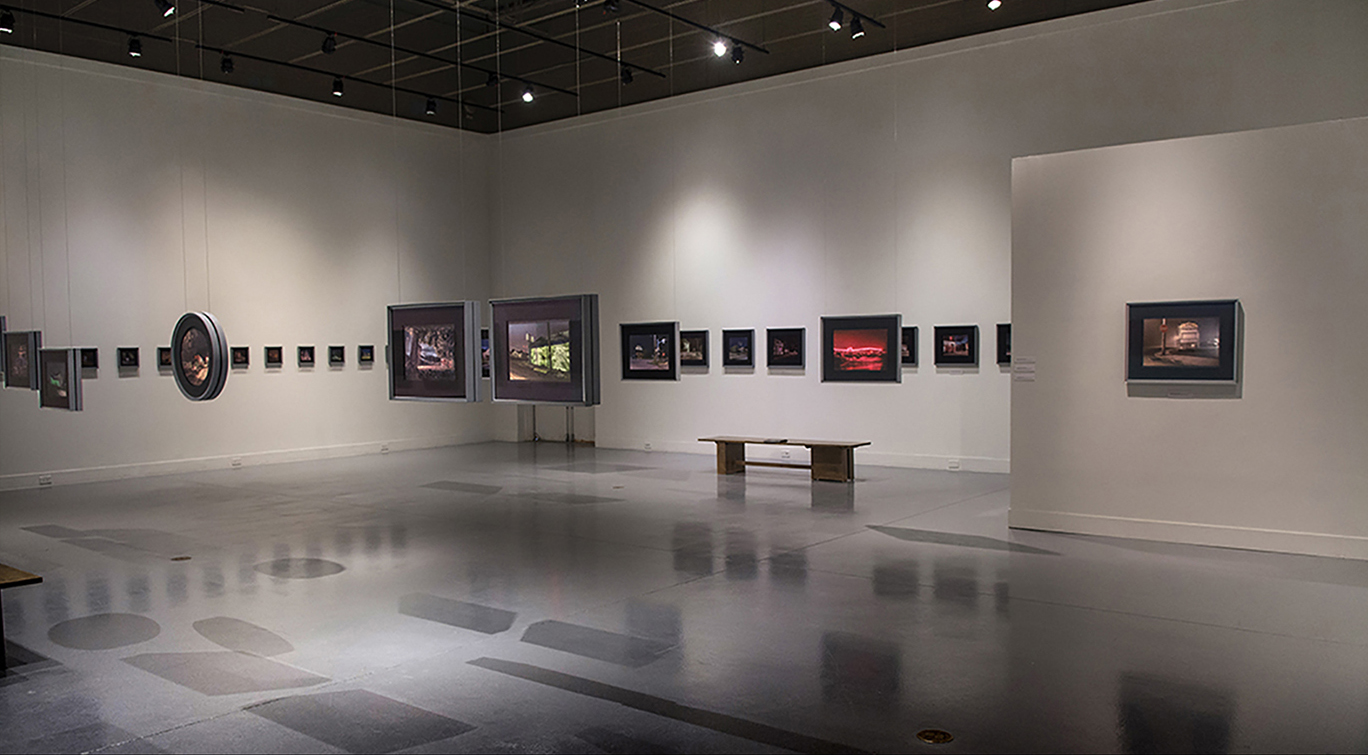
Image Credits
all photographs copyright Peter Ydeen