

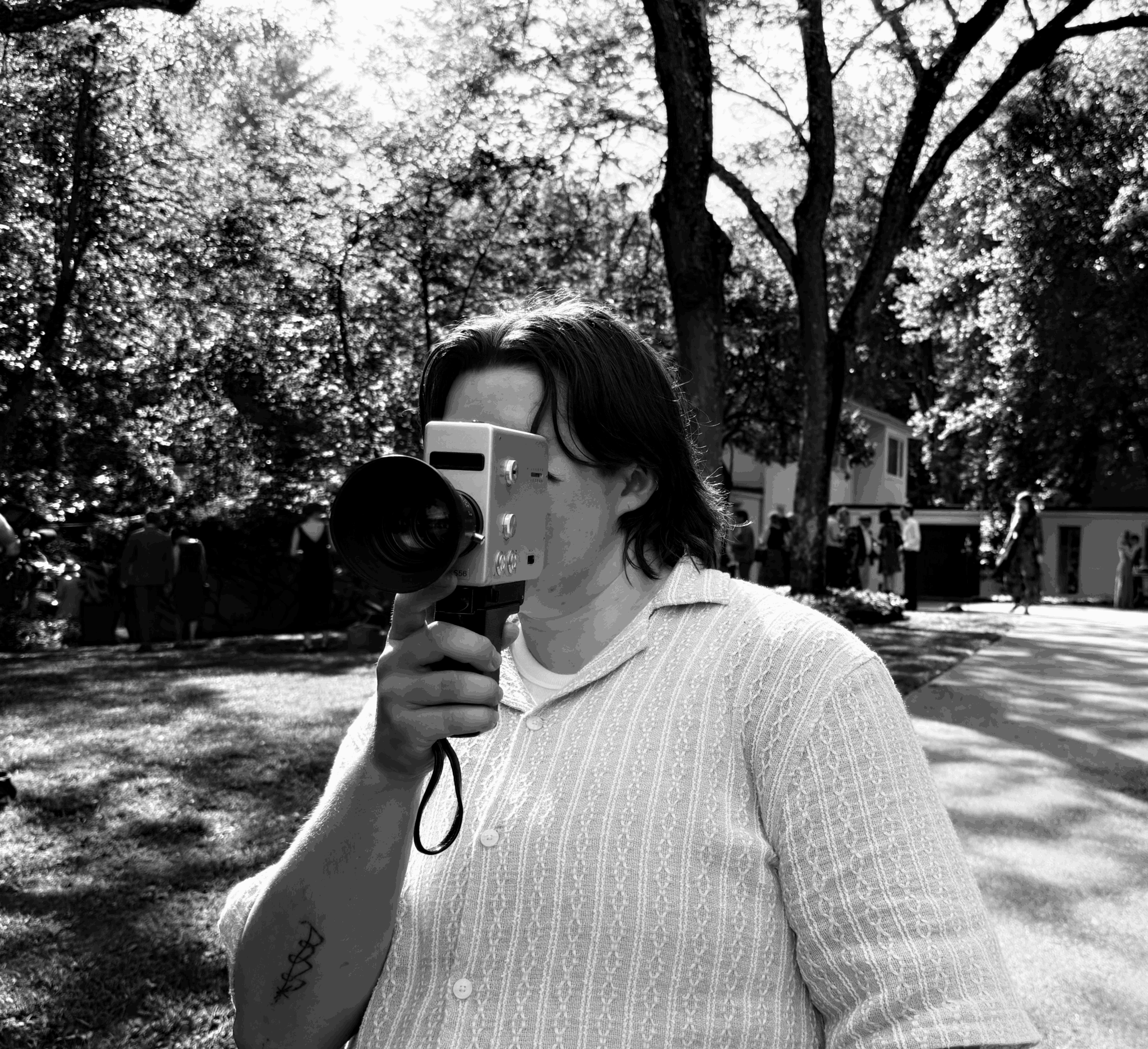

We caught up with the brilliant and insightful Cassidy a few weeks ago and have shared our conversation below.
Cassidy, appreciate you joining us today. Have you been able to earn a full-time living from your creative work? If so, can you walk us through your journey and how you made it happen? Was it like that from day one? If not, what were some of the major steps and milestones and do you think you could have sped up the process somehow knowing what you know now?
How to earn a full-time living doing the creative work I love is something I’ve asked countless other artists – and every time the answer is different.
I graduated from the Murray Center of Documentary Journalism at the University of Missouri in 2018. I loved the education I got there and wouldn’t trade it for anything, but like many graduates, I left with a big question: how do I turn these skills into something financially sustainable?
I always been drawn to cinematography and felt very at home behind a camera, so I moved to New York City and started working on sets, slowly finding my way into the camera department. In 2019 I landed my first feature loading film on an indie movie and quickly fell in love with the whole process. It wasn’t a ton of money but I was able to pay my bills. On-set catering and snacks definitely helped stretch things.
Then the pandemic hit, and the film industry, like many others, went into hibernation. Around September 2020, I heard from friends that production was picking up again in Atlanta. I moved there without knowing anyone, but relied on the networking skills I’d developed in New York to find my footing. Eventually, I joined the camera union as a film loader, which was a major financial step up. For the first time, I felt a sense of stability. That was until I had a few months of nothing in between gigs and realized how much money I should have saved. It’s absolutely an industry of feast or famine – and in the moments of feasting you learn to squirrel some away for your future self.
I spent four years working in the union in Atlanta. While I really enjoyed it, I found myself missing the independent documentary storytelling that first drew me in to this space. During that time I began working on a feature documentary with a friend about a small town in Mississippi. We would make the four-hour drive there and back a few times a month. Working again as a cinematographer was something I had missed dearly.
Balancing the documentary with union jobs was challenging, and the long hours and intense physical demands began to take a toll. After a leg injury on set, I started to seriously consider taking a different path.
It was at that point I started to look into moving somewhere new and came across Newburgh, New York. It appealed to me because of its relatively affordable cost of living while still being close to the city. I decided to take the leap I had been considering for a while: starting my own documentary video business. The financial instability of it was intimidating, but after more than eight years of freelancing, I trusted that I could figure it out. Around the same time of the move, the documentary I’d been working on called Possum Town was invited to premiere at the New/Next Film Festival in Baltimore- an exciting opportunity to gain visibility and introduce my work more broadly.
I’ve only been in business for six months but have learned tremendous amount. I landed my first client through cold outreach, which felt like a huge vote of confidence. I reached out to whoever I could in my community who would listen – holding myself to a set number of outreach emails a week- and began refining my pricing structure. To keep overhead low, I chose not to invest in a studio right away and instead work out of a home office. Staying lean has been an intentional decision as I build momentum.
Though I’m still in the early stages, I’ve learned a lot about valuing my work.There’s no one-size-fits-all pricing model. Some of my clients can pay full rates, while others like local nonprofits require more flexibility. I’ve started offering a sliding scale for smaller organizations whose missions I believe in, knowing that those relationships can lead to other opportunities and visibility.
My goal is to build a business that supports a wide range of clients while allowing me to continue to shoot the small creative projects that sustain me. I truly believe it’s possible to find a balance between meaningful creative work and financial stability, and to build a life where both can coexist!
Cassidy, before we move on to more of these sorts of questions, can you take some time to bring our readers up to speed on you and what you do?
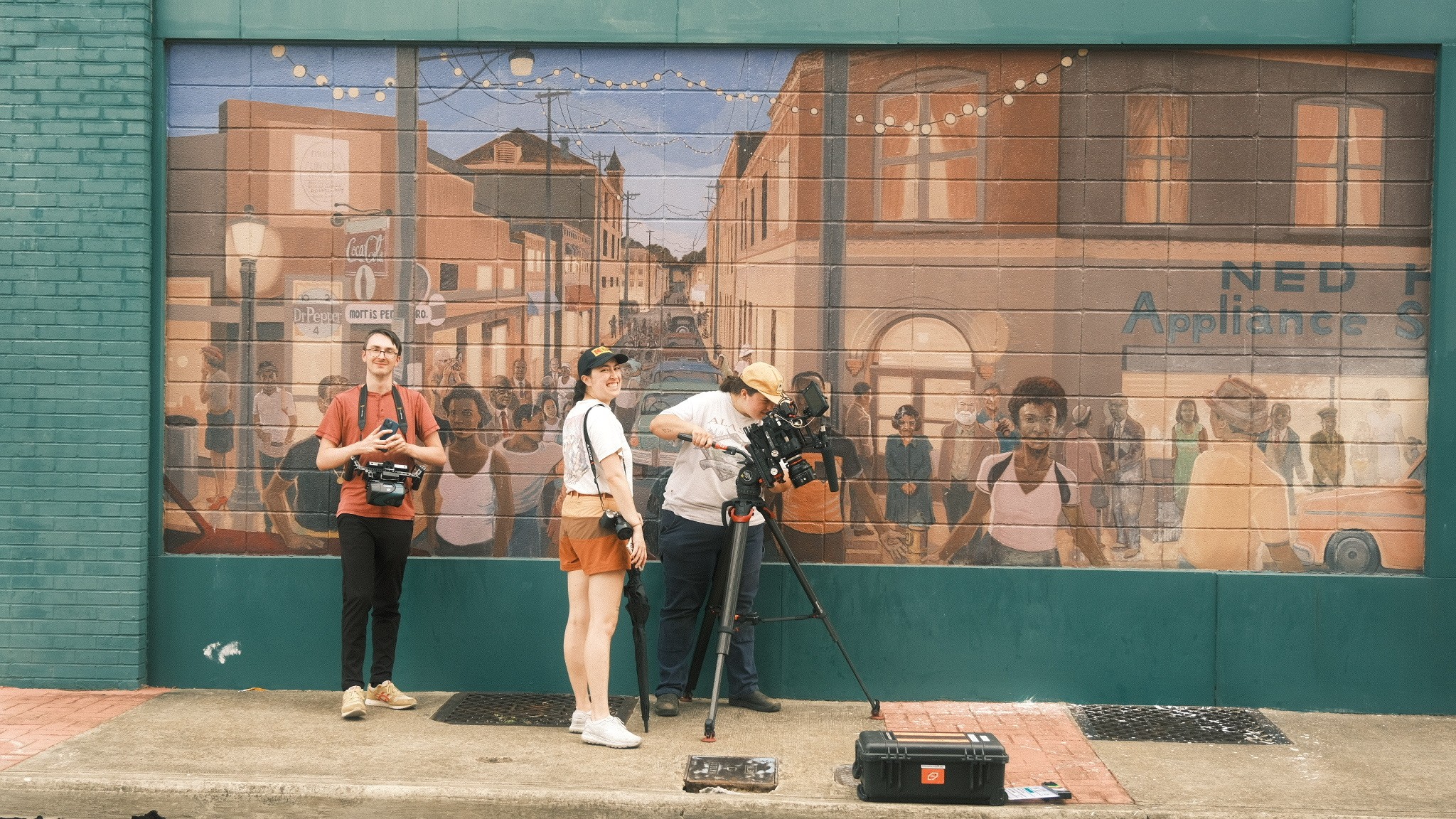
I’m a cinematographer and the founder of Tincup Films, a production studio focused on documentary-based, character-driven stories that explore real people, real places and the moments that shape them. I got my start studying documentary journalism at the University of Missouri and then spent several years working in the film industry- first in New York and later in Atlanta- where I worked my way up through the camera department on large-scale productions.
Tincup Films was born out of a shift back to more intentional, intimate storytelling. I specialize in creating documentary-style videos for small businesses, nonprofits, and individuals. The work prioritizes authenticity over super polished, commercialized content. Clients come to me because they want to connect more meaningfully with their audience.
Drawing from my experience on large commercial sets, I bring a high level of technical know-how and efficiency into these smaller productions while maintaining our strong creative voice. I’m just as focused on making people feel comfortable on camera as I am on the final product – the experience is a crucial part of the process for me.
What I’m most proud of is taking the leap to build something that aligns with the kind of work I care about – projects that feel grounded and impactful. Especially in an increasingly technology-driven world, I believe documentary storytelling is becoming even more essential in how we connect and communicate with each other. I’m also proud of my commitment to working with smaller organizations and offering flexible pricing when possible, because meaningful storytelling should be accessible.
That’s what we’re all about: embracing the unscripted moments, trusting our instincts and capturing the kind of magic that can’t be planned or manufactured.
Any advice for growing your clientele? What’s been most effective for you?
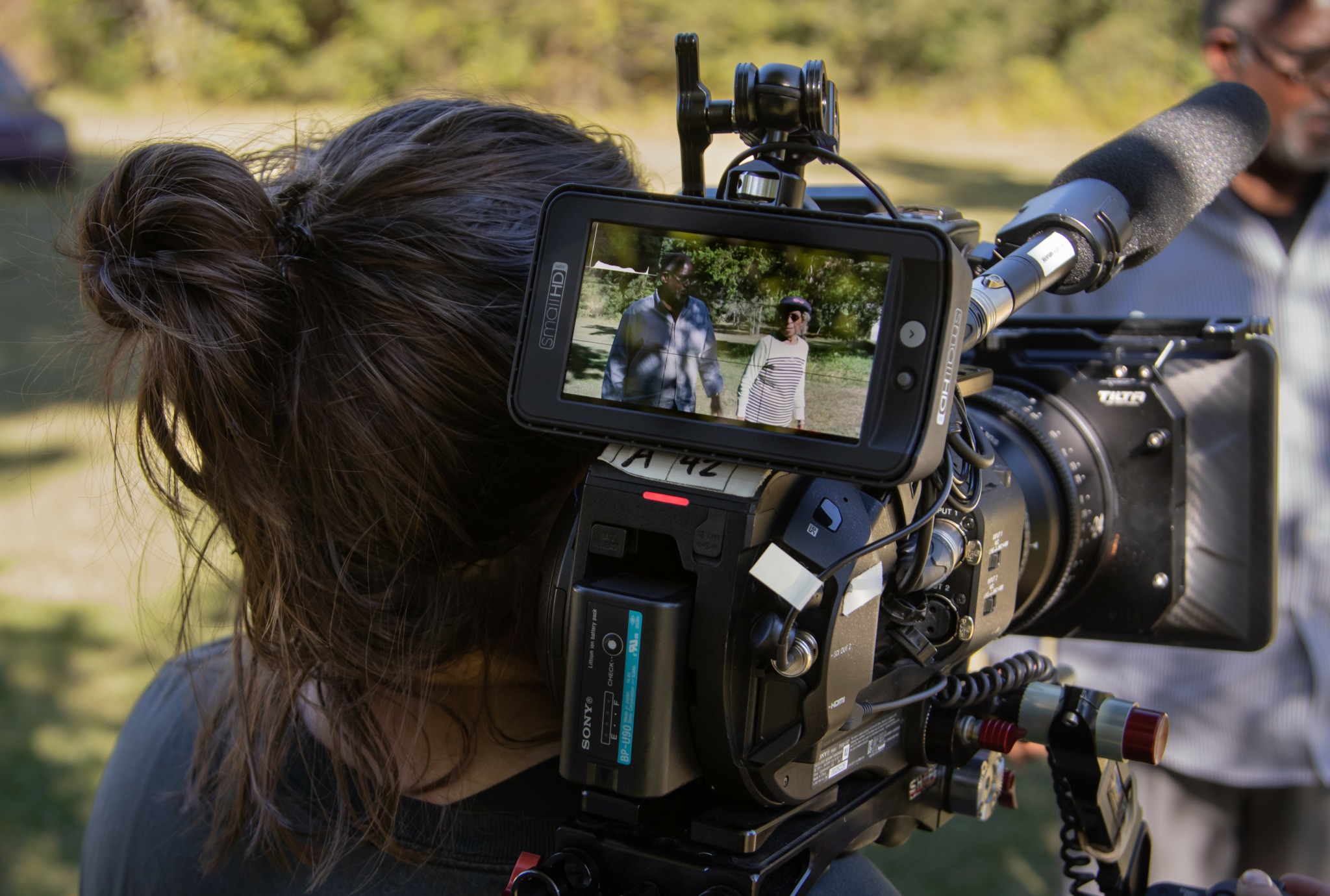
From the moment I moved to Newburgh, I’ve been intentional about immersing myself in the community. While New York City offers a lot, I knew I wanted to build a strong foundation in my neighborhood and use my efforts to uplift my community. I’m always introducing myself to people, reading the flyers posted at coffee shops, and checking out art openings or local events. To me, being genuinely invested in the community around you is the best way to grow a business. I’m very intentional about immersing myself in my surroundings in order to better understand the needs of my community.
Have any books or other resources had a big impact on you?
Broadly speaking, I think it’s crucial to take in other artists’ work as much as you put out. There are so many times when something I’ve seen or experienced recently sparks inspiration and is reflected in my future projects- whether intentionally or not.
I read The Creative Act: A Way of Being by Rick Rubin last year and really enjoyed it. It’s broken up into small sections so it’s perfect to read before starting your day or right before a brainstorming session. I also love Kanopy as a resource – it’s a movie streaming platform available through your library card, offering a wealth of titles, especially documentaries, that you can’t find anywhere else. It’s a great way to discover new films.
Contact Info:
- Website: https://www.tincup-films.com
- Instagram: @cassidyminarik
- Other: Vimeo: https://vimeo.com/tincupfilms
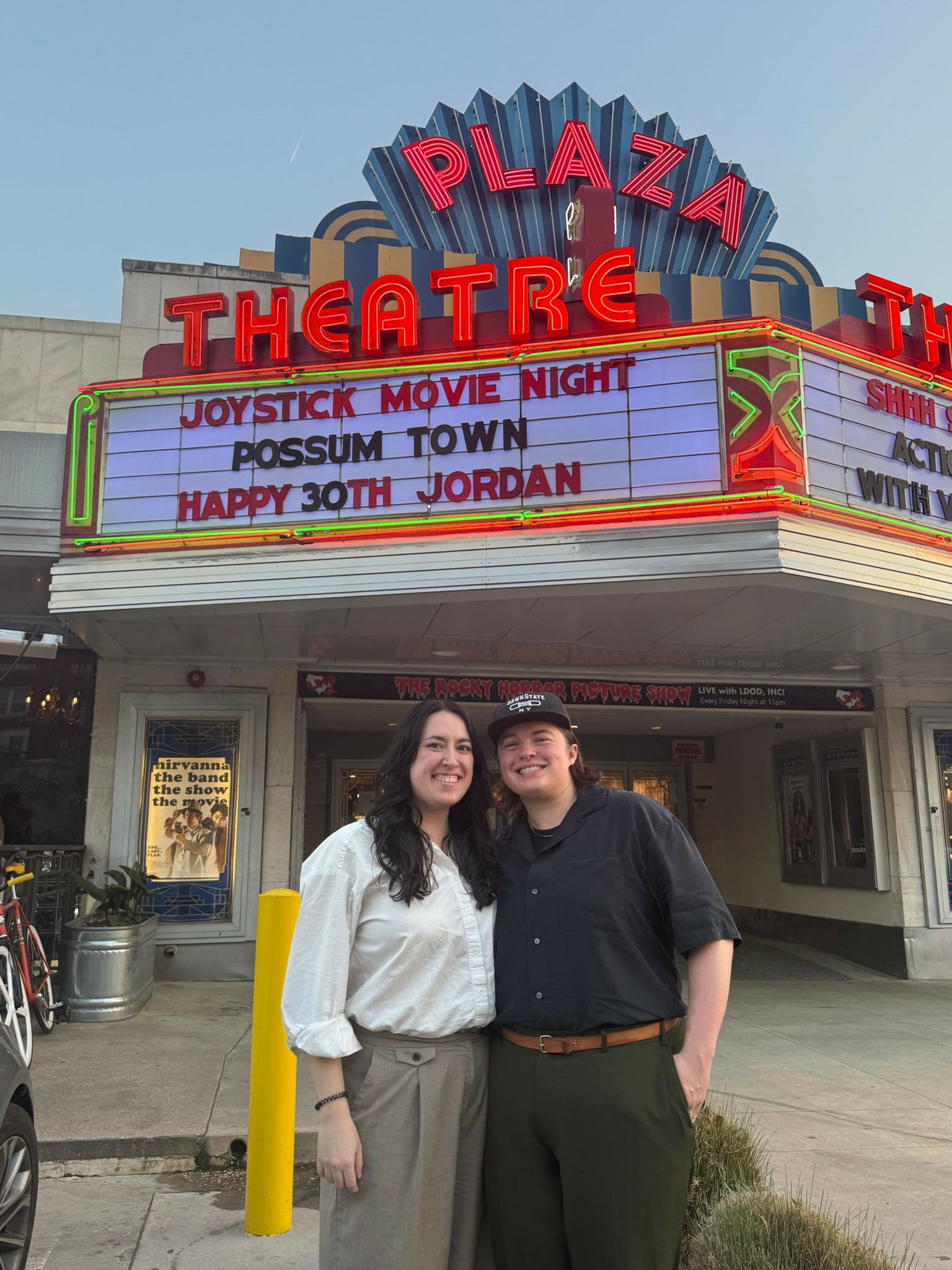
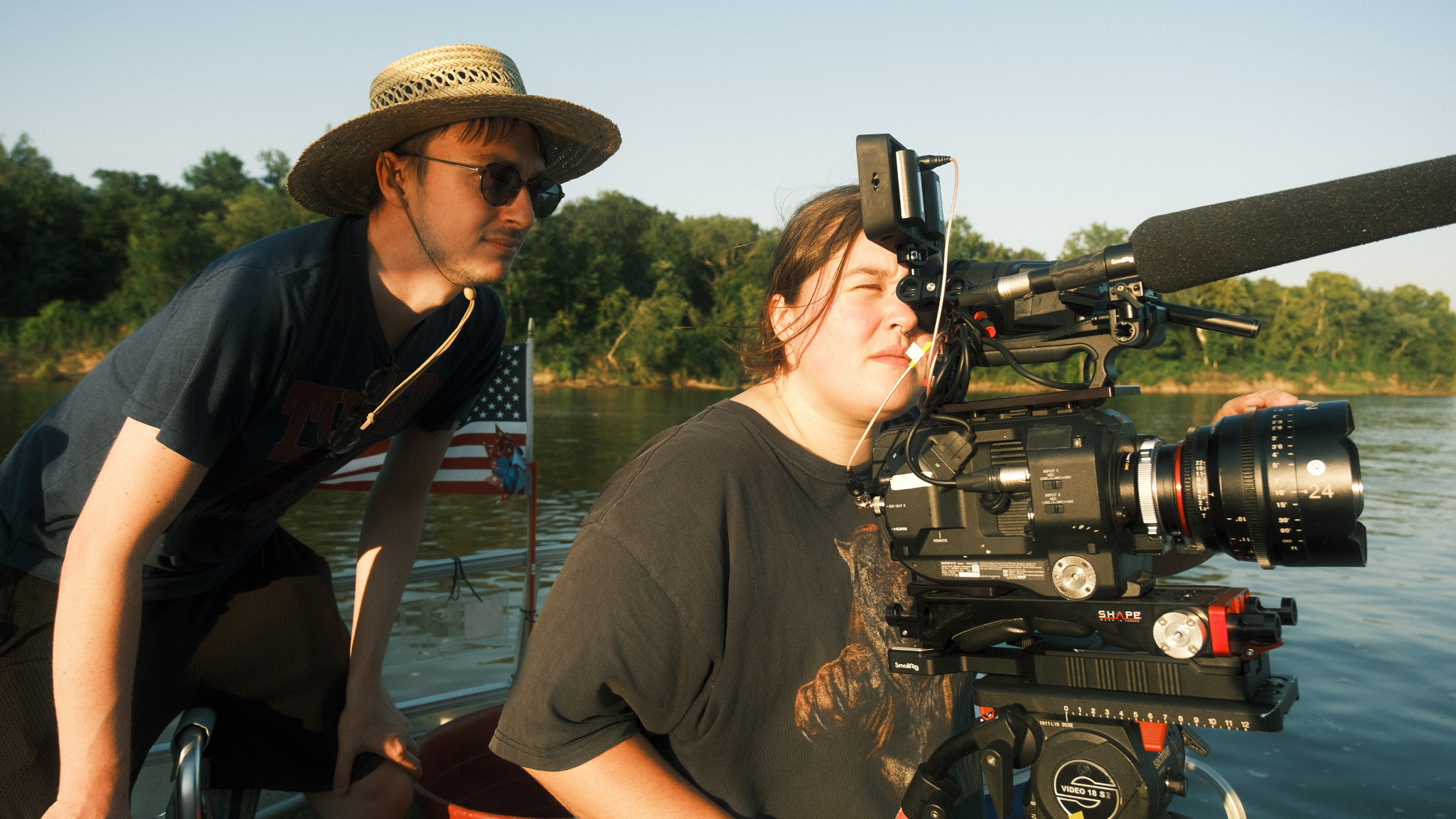
Image Credits
Cassidy Minarik, Nick Hattings, Bella Graves