

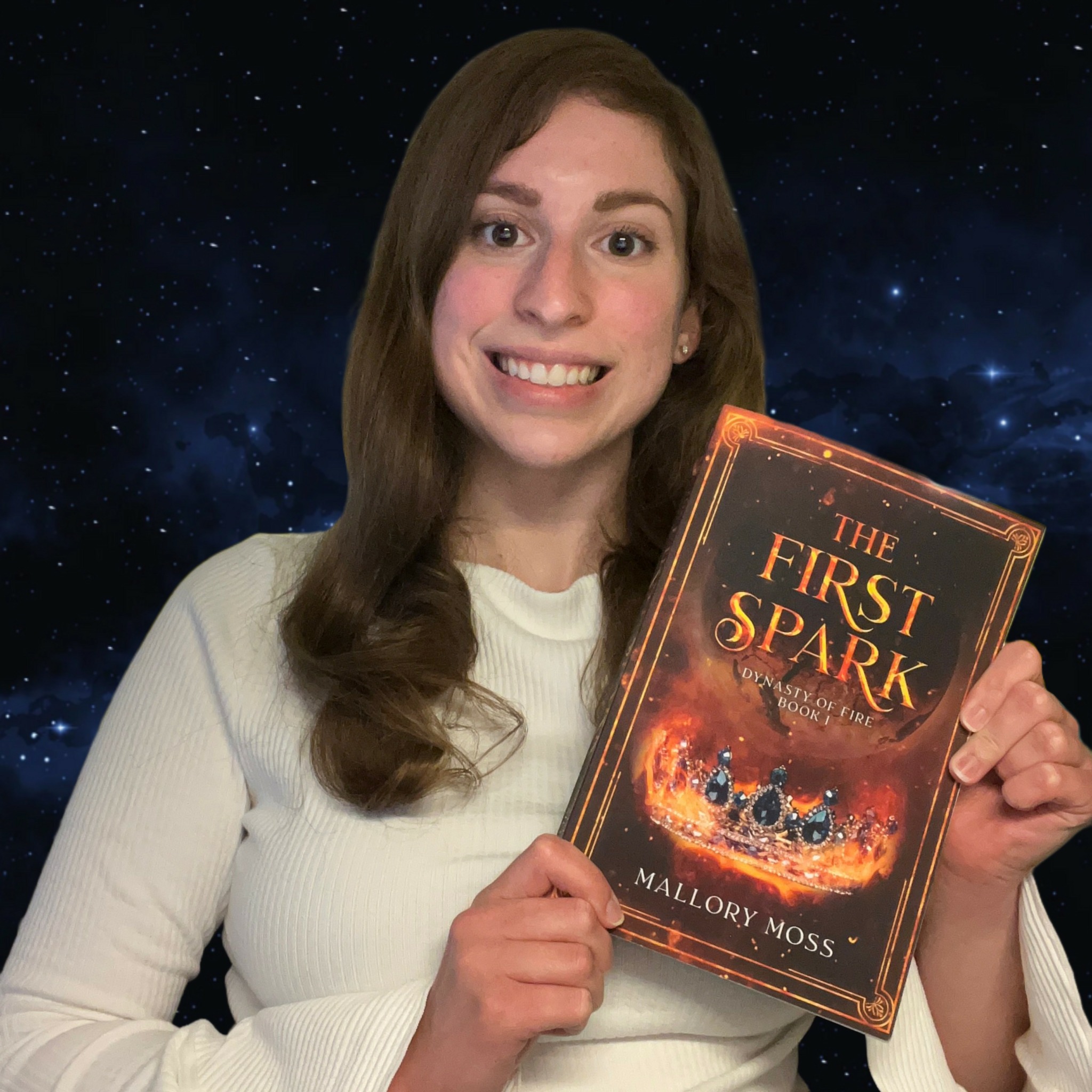

Alright – so today we’ve got the honor of introducing you to Mallory Moss. We think you’ll enjoy our conversation, we’ve shared it below.
Alright, Mallory thanks for taking the time to share your stories and insights with us today. What were some of the most unexpected problems you’ve faced in your career and how did you resolve those issues?
As a self-published author, I’m also the marketer, the copyeditor, the publisher, the communications team, the website designer, and the financial backing. This, I was prepared for, and I spent seven years polishing my first two books, slowly making all the payments needed for developmental edits, character art, cover design, proof copies, and copyright to ensure that when launch time arrived, I was ready.
The release of my first space opera novel, The First Spark, went off without a hitch. With the sequel, Legacy of Flame, already professionally edited and formatted, it seemed that my plans for rapid release would be smooth sailing.
The problem was, I had overprepared.
This is not an uncommon problem for me. Perfectionist, Type-A, call me what you want, but I powered through college and grad school with the theory that if something wasn’t done two weeks early, it was late.
My books were no different. I had written and revised Legacy of Flame alongside The First Spark in a seven-year process spanning 2018 to 2025. The whole second book was complete before readers ever got their hands on Book 1.
Crucially, this meant that I had written Book 2 without any sense of audience expectations. As I reread Legacy of Flame in the wake of The First Spark’s launch, I realized just how different my sequel was from the premise that was promised.
I remember thinking that if The First Spark was the eldest daughter who had everything put together, Legacy of Flame was the chaotic younger sibling—wild, unrestrained, and likely to wreak havoc.
When I should’ve been riding the post-release high of The First Spark, I was drowning under the tides of anxiety over its sequel. The First Spark was comfortably New Adult. Legacy of Flame was darker, grittier, with narrative decisions that I knew would be controversial at best. Despite glowing feedback from my editor, I imagined 1-star reviews, posts announcing that readers had DNF’d it, and an end to my series before it really had a chance to begin.
As the stress piled, I lost my drive to write. I lost my drive to draw, to create.
It took me months to diagnose the problem, with the help of my very supportive crew of beta readers who stepped up to read what I thought was the final version. Legacy of Flame was a good book, if I was writing gritty adult military sci-fi rather than a New Adult space opera epic. It told a good story, perhaps a meaningful story, but one that took a vastly darker tone than its well-received predecessor. And, most surprisingly for a book that comprised 157,000 words, it was rushed. A character arc that should have spanned at least three books was condensed into one, and as a result the character was hardly recognizable—and not in a good way.
See, the thing is, a sequel is easier to write than Book 1.
It’s much harder to edit, and it’s even harder to publish.
It’s not just your story any more, even if you’re like me and chose to self-publish to retain full creative freedom. You’re not just writing for you, you’re writing for the fans. The readers who took a chance on your first book, those who ventured into the unknown with you, are counting on you to do right by them in the second. Yes, it’s your story, and no one can change that, but is it the story readers need? Is it the story the world needs?
In my case, despite positive feedback from my beta readers, I realized the answer was no.
The bones of the sequel were solid. The first half was even better than Book 1. But a grim story of war and corruption was not what the world needed.
So, staring at my laptop in December 2025, rereading a book I had been writing and revising since 2018, I realized I needed more time.
Thus came one of the hardest decisions of my publishing journey: whether to push the March release date, which I had announced only a week before. Rather than make a decision then, I powered into the burnout that had already been simmering, spent my month off grad school frantically rewriting the last third of the book, and fired up my laptop to write while I was supposed to be on vacation in England.
After a month, I realized a race against time served no one. Not me, not my readers. After seven years and six drafts, why would I put out revisions that were, essentially, a first draft? Why could I not give myself the grace I needed?
With a heavy heart, I filmed an apology video on Instagram, explaining my burnout and announcing the delay. I braced for disappointment. Sign-ups for advanced reader copies had been circulating since early December, and now, a few weeks from the date advanced copies were supposed to go out, I was announcing they wouldn’t arrive. Nor, it seemed, would the book.
The response was overwhelmingly positive. Comments of support and messages of reassurance flooded my account from authors, readers, friends and family alike.
For the first time in months, I took a deep breath and a step back.
The sequel might not happen on your schedule. The plot will change from what you initially envisioned. But I’ve learned you have to give yourself the time you need, and that through the ups and downs, your readers will support you.
The newly-revised Legacy of Flame released to advanced readers on March 30. I’ve powered ahead to revisions for Books 3 and 4, always keeping in mind those two essential questions shaped by my sequel’s journey: Who am I writing for, and what story am I trying to tell?
It’s too soon to tell how Legacy of Flame will be received, but at least I can look at my second book knowing I gave it my all.
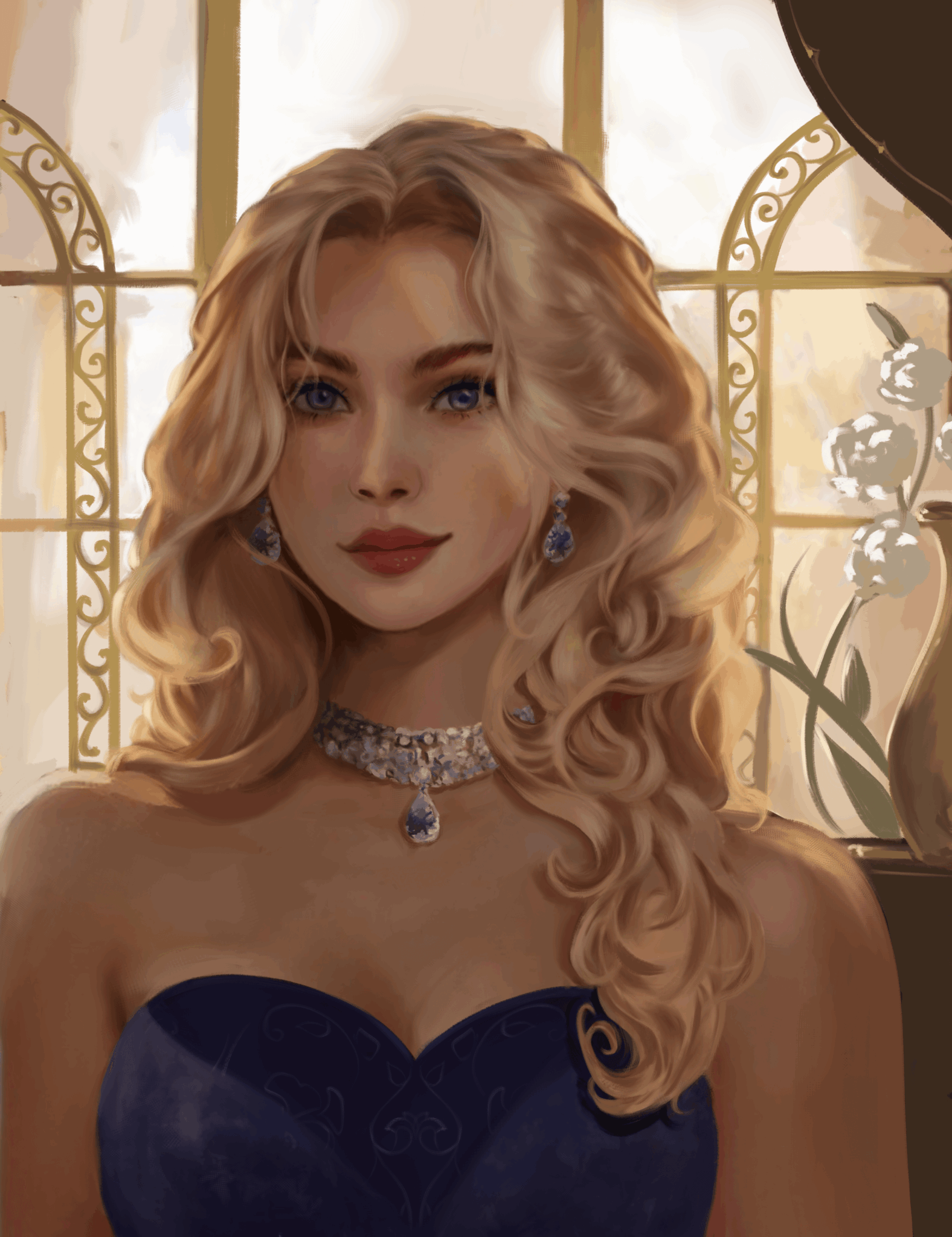
Awesome – so before we get into the rest of our questions, can you briefly introduce yourself to our readers.
My writing journey began—as I’m sure many others did—with Star Wars.
I had written stories for as long as I could remember, but the first time I really felt a true calling to write was as a middle schooler realizing just how few women-centric sci-fi books existed. Star Wars had some of the most complex, well-crafted, empowering heroines in the genre, but as I surveyed the wider range of sci-fi, I realized just how male-centric science-fiction really was. The genre was dominated by the stories of male characters and was mainly marketed towards men.
This was before the Star Wars sequel trilogy was released. I’ll just say, I’m a diehard Star Wars Legends fan. Make of that what you will.
When I set out writing what would become the Dynasty of Fire saga, my goal was to put women at the center of sci-fi, for girls like me who dreamed of stories in the stars. And the goal wasn’t just the physically strong, sharp-tongued warrior women. It was the quiet girls, the girls who fought with words rather than swords or blasters, the girls who loved dresses and books, the girls who doubted themselves like I did.
These days, I say I write space opera for the Star Wars fans who want more romance and for the fantasy girlies who want to travel the stars. The truth is, I write complex heroines whose morals aren’t black and white, who aren’t always going to win, and who will keep fighting anyway.
My worlds are shaped by my passion for science-fiction, my love of all things fantasy and romantasy, and my graduate research into medieval queens. If you’re looking for a niche fusion of space adventures, sci-fi tech, fantasy powers, star-crossed romances, and medieval politics, that’s me!
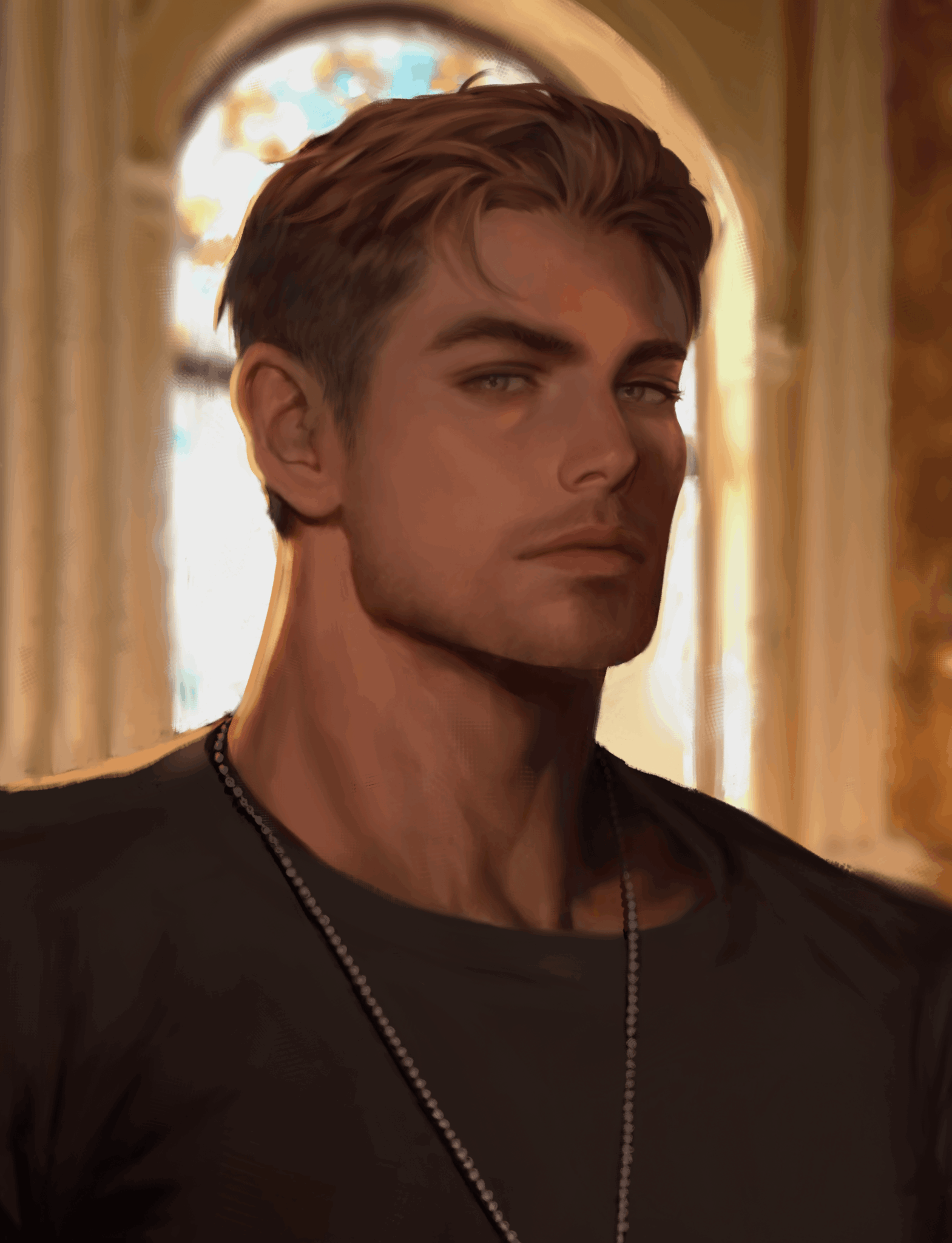
In your view, what can society to do to best support artists, creatives and a thriving creative ecosystem?
Word of mouth sells more books for me than any of my own social media content. Even as a reader, I’ll typically only pick up a book after I see other readers I trust recommend it. So, if you love something, whether it be art or books or music, leave a public review or drop a comment on social media! Not only does that give us creatives the encouragement to keep doing what we love, but it helps others find our work. If you don’t have time to leave a review, even just clicking a star rating on Goodreads helps! If you’re not online, tell your friends, or request copies through your local library. Anything you can do to help spread the word helps us keep doing what we love—bringing you more books!
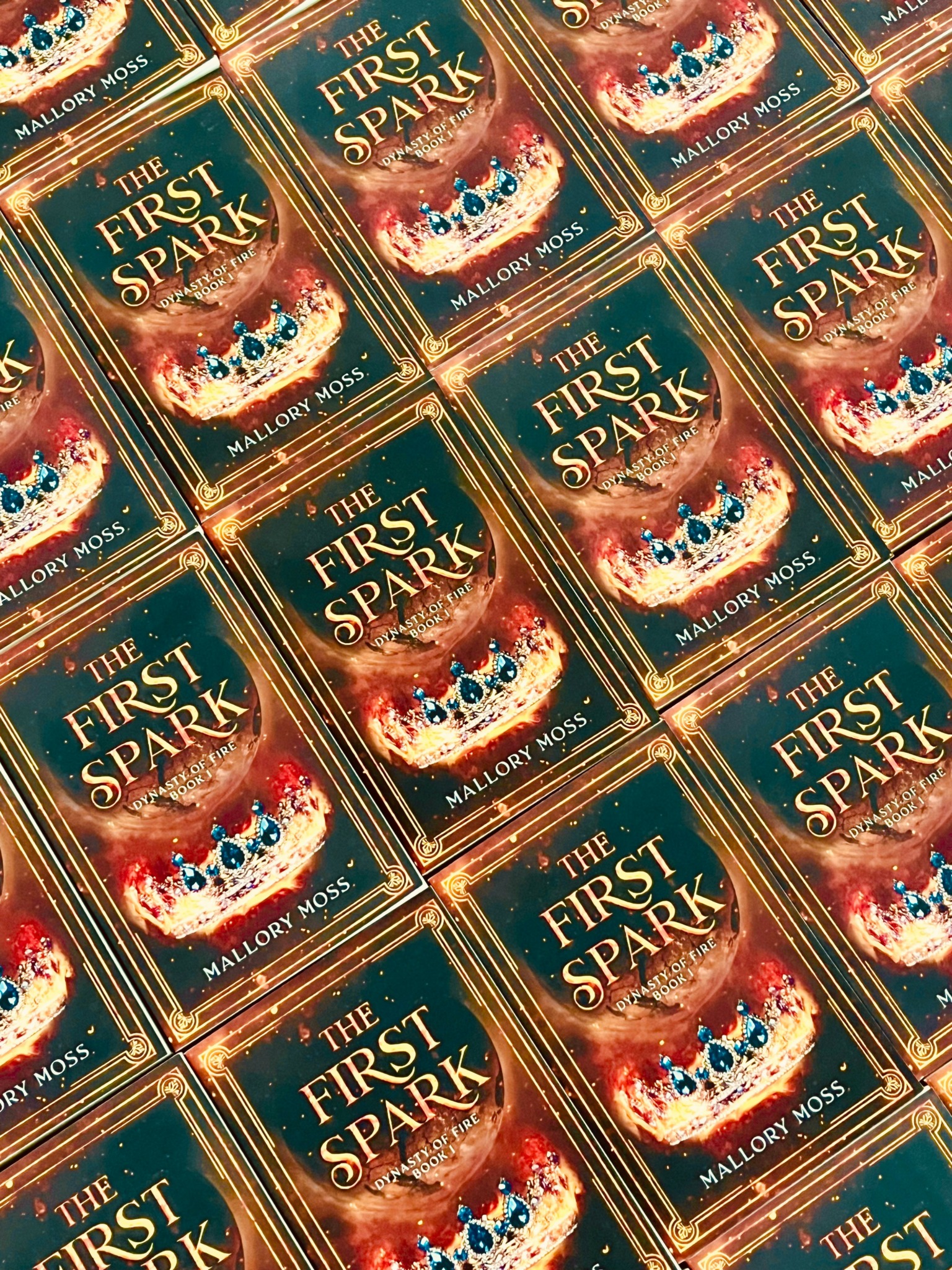
How did you build your audience on social media?
I started off on social media with no plan, no connections, and dread at the thought of that evil thing called marketing. I’d started writing The First Spark in 2018, but I didn’t launch an author social media presence until 2024, one year from the day of my planned release. For the first two months, I sporadically posted photos of castles from my travels abroad. Needless to say, for an author promoting a science-fiction series, that was hardly the right niche.
After glancing at and discarding paid marketing courses that were out of my grad student budget, I spent a month observing other self-published authors. Not the accounts with tens of thousands of followers, but the ones with audiences ranging from one to two thousand. I learned a lot from those accounts about how to design content, how to build a following, and how to engage with followers.
Armed with a calendar, I plotted out a year of daily content ranging from November 2024 to November 2025. I batched most of this content upfront in November and December, leaving me with a treasure trove to slowly work through. One base post can take multiple variants—for instance, a post featuring your main character can be duplicated and reused to introduce your other characters, a post featuring your setting can be replicated to introduce multiple settings, a post featuring your favorite books can be swapped out and recycled. I jumped on any trends I noticed circling on Bookstagram, and often, those were my best-performing posts.
Above all, and this is critical, I engaged with other accounts. If you foster relationships in your social media community, those you engage with will likely engage back with you.
Marketing turned out to be more fun than writing, at times!
Around October 2025, after the launch of my first book, I realized my engagement was dropping. It was only natural, I reasoned, since it was a lull between books, but that lull persisted.
I’d heard of the 80-20 rule of marketing, which contends 80% of your content should be entertaining, educational, or informative, and only 20% should be promotional content for your business. I’d ignored it, since I’d been pleased with the results of marketing my book with the same combination of tropes, character art, and collab posts with other authors.
I decided to give it a try in spring 2026, shifting my content to a more authentic look at my reading habits and my life. I’ve discovered that posts about me and my journey, or posts with my favorite popular reads, perform nearly three times as well as my standard book promotion posts, especially if I wait a few days between posts instead of my usual daily posting schedule. And yet, my book sales have held steady and even marginally increased.
My key takeaway? Authenticity stands out in a sea of promotion.
If you’re just building your social media, my most significant advice is to protect yourself and your mental health. Engage with others in your field, and you’ll meet some of the most friendly and supportive people on Instagram. But don’t share sensitive or vulnerable information, even in DMs. Beyond that, your Instagram page should have a clear theme with consistent backgrounds, colors, and fonts, so that it’s instantly recognizable as you. It helps to build a bank of images from royalty-free stock image sites like Pexels, so that high-quality graphics are always at the press of your fingertips. Find a posting schedule that works for you, and stick to it. For 9 months straight, I posted daily. I grew to 1000 followers by the end of it, but I was exhausted.
Marketing and social media shouldn’t feel like a chore. Above all, find ways to be authentic and keep it fun!
Contact Info:
- Website: https://www.mallorymossauthor.com/home
- Instagram: https://www.instagram.com/mallorymossauthor/
- Other: Goodreads: https://www.goodreads.com/book/show/232507583-the-first-spark
Amazon: https://a.co/d/014kGMyN
Newsletter: https://dashboard.mailerlite.com/forms/1336423/146531168009848172/share
Storygraph: https://app.thestorygraph.com/books/f639889a-7d10-407a-b406-b1d6a7507dd1
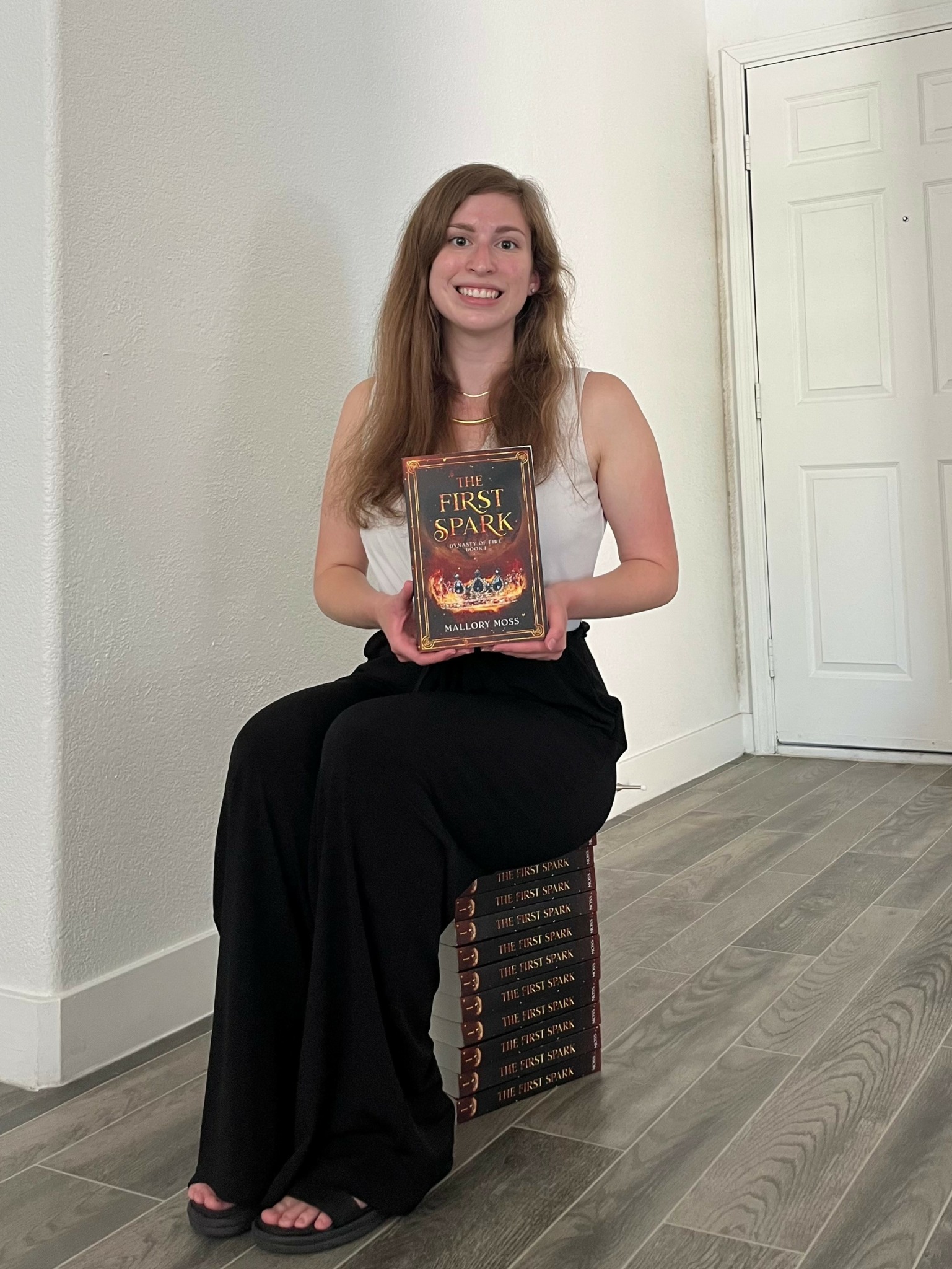
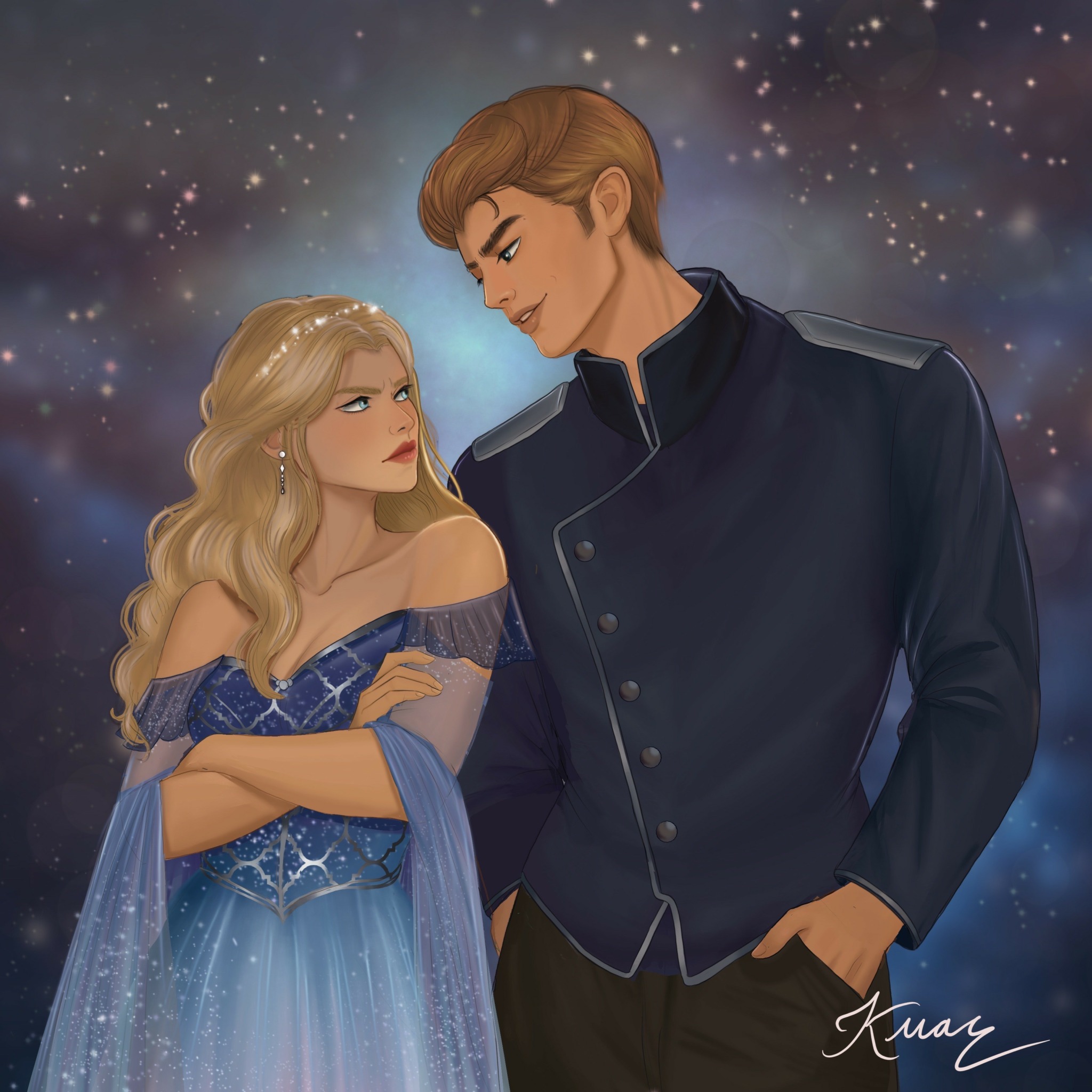
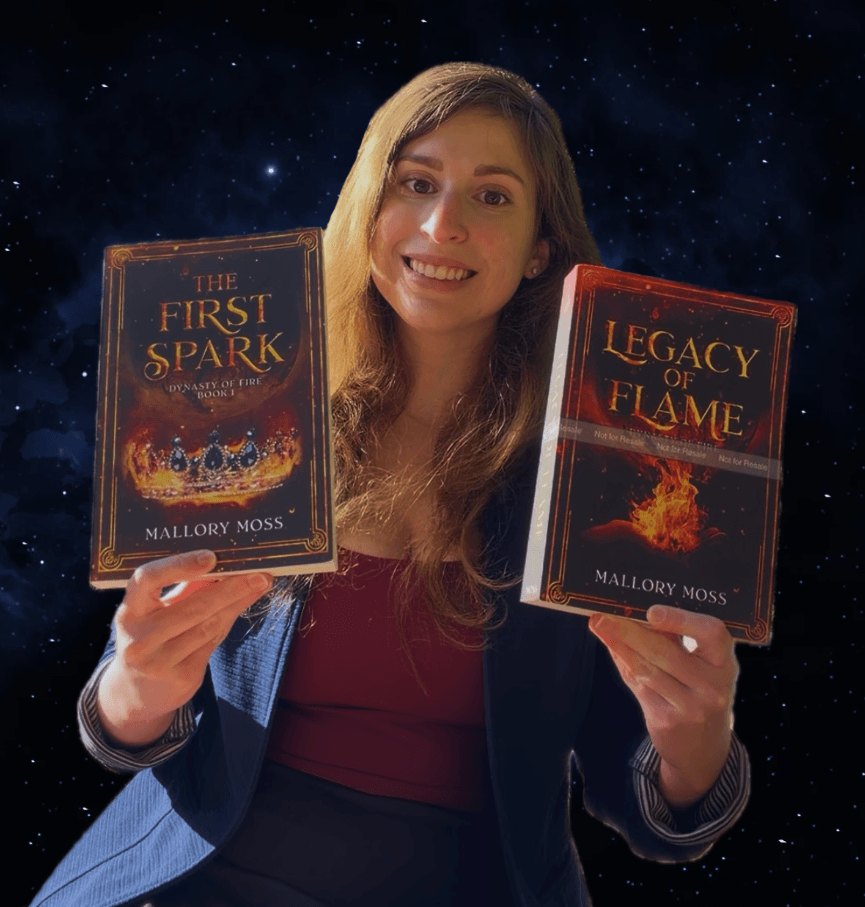
Image Credits
Character portraits (headshots): @agnes.doraa
Character portrait (duo): @authorkatherinemacdonald