
We’re excited to introduce you to the always interesting and insightful Anthony. We hope you’ll enjoy our conversation with Anthony below.
Alright, Anthony thanks for taking the time to share your stories and insights with us today. Can you walk us through some of the key steps that allowed you move beyond an idea and actually launch?
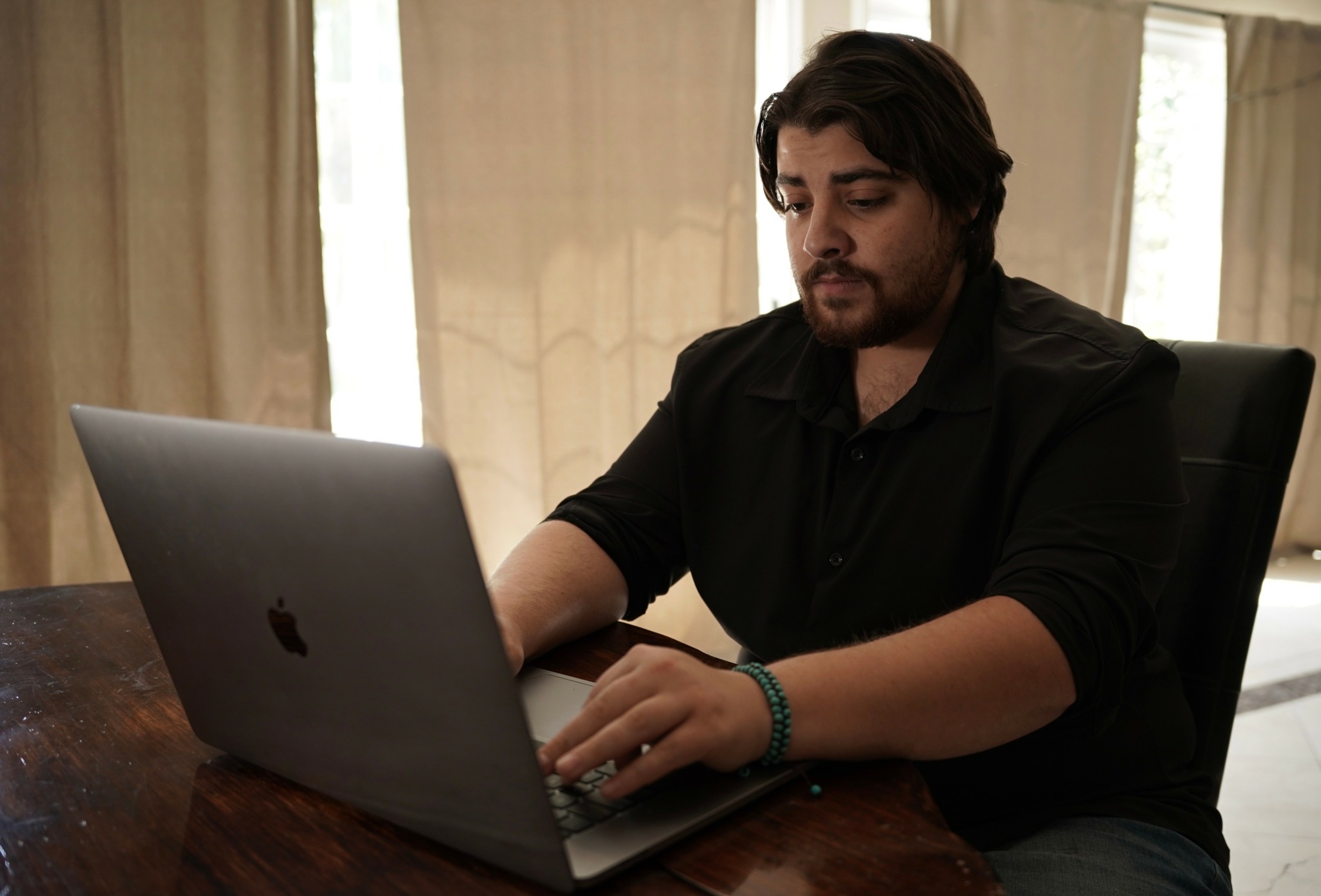
There is no single path, or system that is right when it comes to screenwriting. There are basic steps that every writer must take, but your work flow is your own. When you initially get an idea, there’s a rush of subsequent ideas, and storylines that are gonna tie into it everything very, but each are in their first stage. It’s not until you get a pen to paper, that the blueprint begin to form. Most important first steps in my process, is figuring out your world. Where are your characters will be based, who they are, what they do. Next, I focused on the conflict, what drives the film? What message am I trying to send? And one of the most important, what do my characters want? Now this is very tough because a character‘s actions, have to reflect the characters wants. As much as you think that you’re doing that, nine times out of 10, you’re still not truly reflecting your characters main wants. This is why notes are critical for writers, because writing will always be rewriting. Finally, I would say beat it out. Make sure you have every moment on page before you actually start writing your script. This is essentially the blueprint of the blueprint, for you as a writer, there is nothing more important than making sure, you have a full grasp of where your story begins and ends. This process will always take time, as filmmakers, but more importantly, as writers this is a constant. Scripts take years to make, and the more voices that you bring on the more it will affect the script. What’s important is being able to listen to those voices but still hearing your own.
Anthony, before we move on to more of these sorts of questions, can you take some time to bring our readers up to speed on you and what you do?
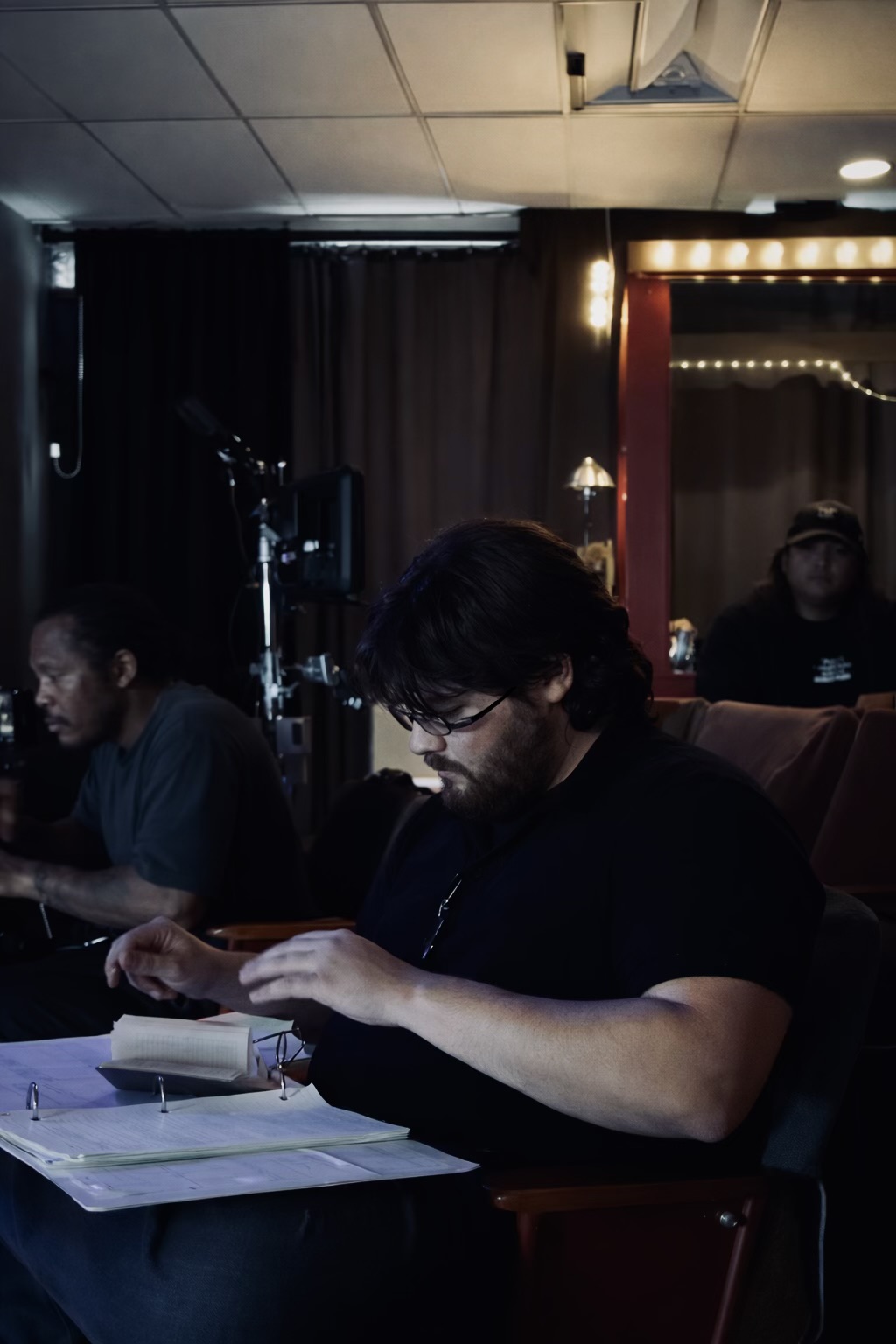
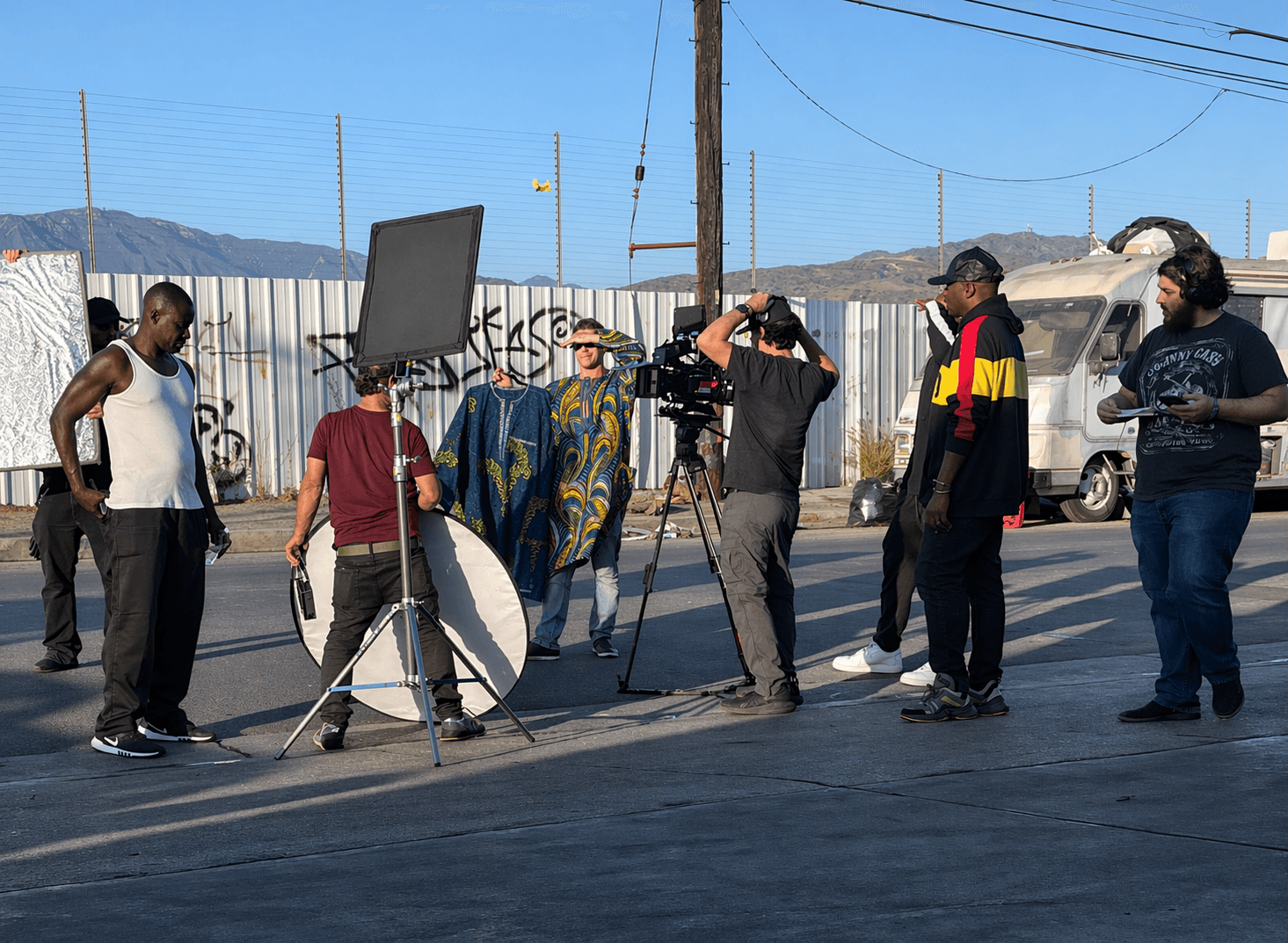
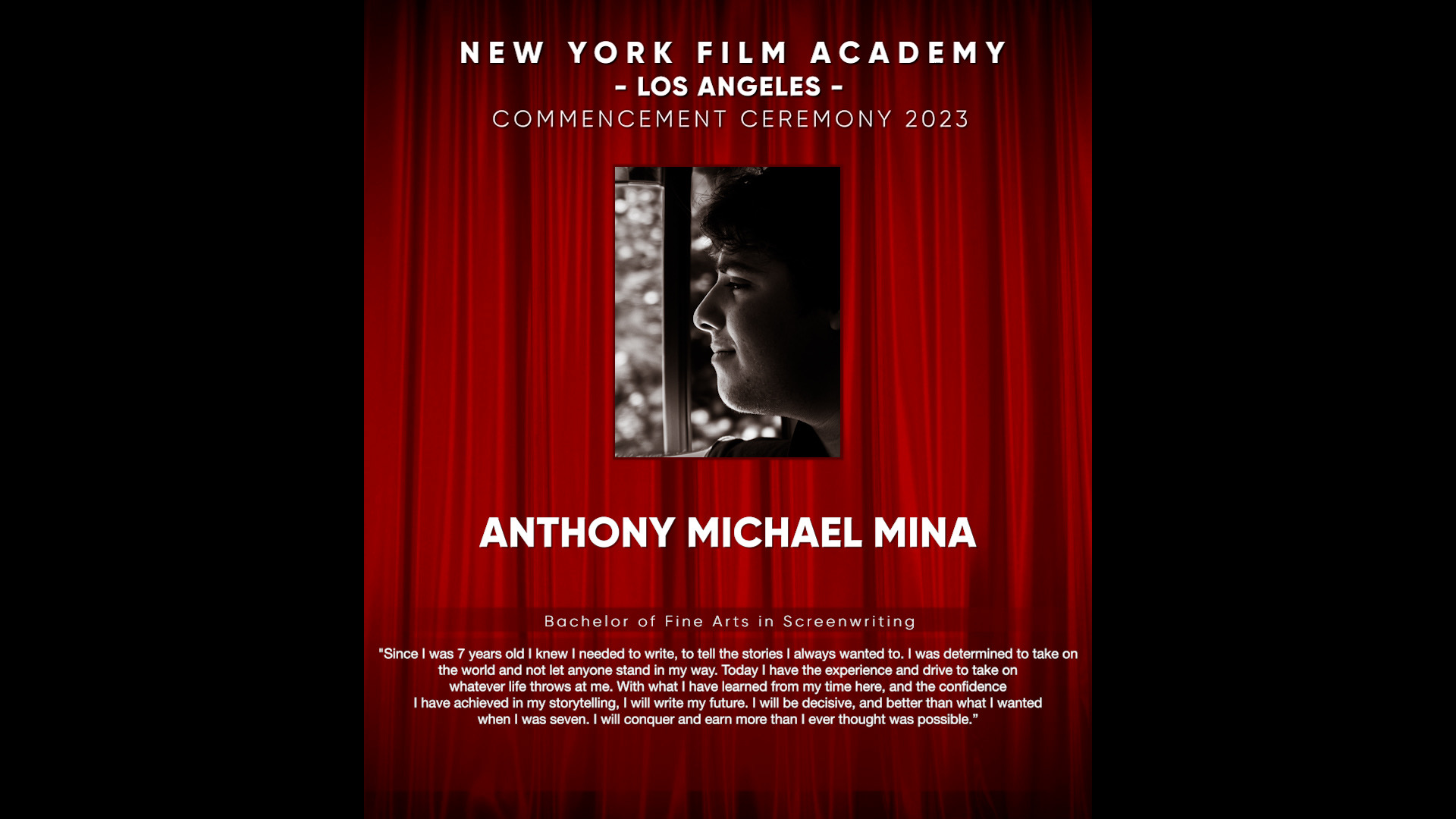
Like a lot of people in this industry, I fell in love with cinema at very young age. But what set me apart, was the fact that I was always more driven by the written word. I would see other kids, my age, and even as I get older, praise the actors, the directors, even the cinematographers, but the story is almost forgotten at times. I was never like this, before everything I always saw the beauty of the story. Writing, in so many ways is like music. Every note has to hit exactly right or else it’s off putting. I graduated with a bachelor degree in 2023, i’ve been working in the industry for three years now. I’ve written a couple short films, but I’ve spent most of my time developing my first studio feature, it’s a powerful horror film that took me most of my years straight out of college and is now in development. but as I wrote this film. I’ve been working as a script supervisor. I’ve worked on multiple different sets for days at a time. I find this part of the job is one of the most important. Continuity in a film is easily noticed by an audience. But really, this is for the film, director, editor, cinematographer. Because as a script supervisor, you have too make sure that you catalog every change that happens on set. You have to make sure you correlate with all of these departments because one slip up, can be detrimental in the editing bay. To truly stand out in this industry, you have to have to set yourself apart, we all love film. It’s what drove us here in the first place, but staying in the industry takes two important factors. The first is discipline, you can’t quit after one failure. Repetition, coming back again, and again, it is one of the most painful obstacle we face every day. But, this industries thrives on the people that refused to quit. The second is a personal skill or trait that sets you apart, that makes you truly unique. In my case, I have never faced writers block. I’ve seen it cripple, my classmates, my coworkers all through the years. But when I sit in front of the page, my mind has never been blank. And with these two factors, you’re able to build a competent, and powerful career trajectory. I have not been in the industry long, but in the years that I have been, all I can say is you have too be prepared for everything and anything. People will try and steal your ideas, people will try and corrupt, and even blame you. But you can never give up because as soon as you do, you are giving up on that dream that made you fall in love with cinema in the first place.
We’d love to hear a story of resilience from your journey.
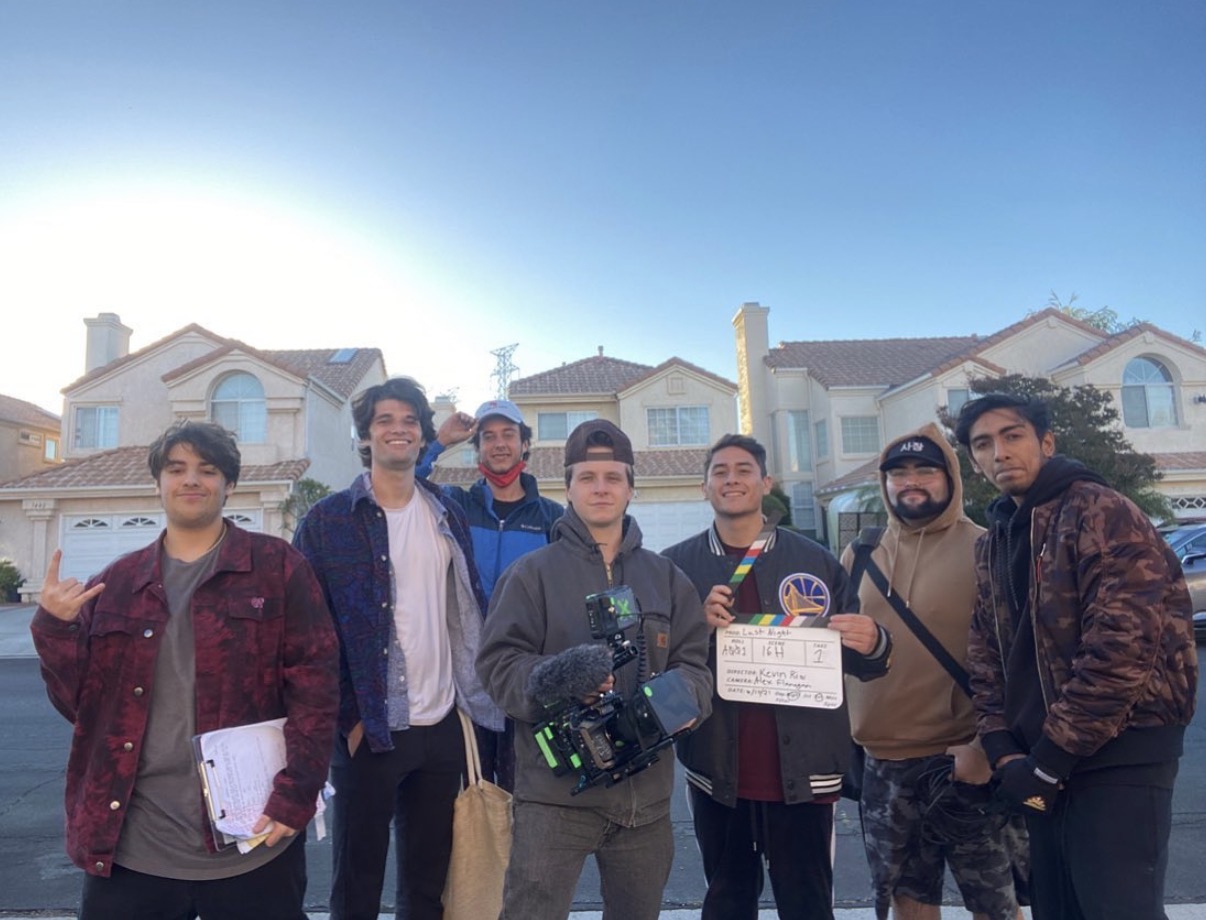
As I’ve mentioned, you’re always gonna have to face resilience in this industry. One of the most critical times in my career was the first time I had to fire somebody. Now this is always going to be tough no matter what point you get to in your career. But I will say learning this at a young age, and very early into mine, was a very important lesson. This person was causing a lot of angst on set. They were causing issues with their coworkers, and worst of all they had a delusional aspect of how much control they had in the film. The person truly believed that this film was there, not ours. We brought them on for a minor position and they tried to twist everything for their favor. When dealing with somebody like this on set, it’s never gonna be easy. Most important thing you can do is make sure you have full control, remove any, and all possible contributions. Or find a way to compensate them for the work they did on the project. Now, in our case, it was the former, there was no way to credit the individual, because the work they did was significantly unsubstantial. Now the reason why I bring this up is because when something like this happens, there’s a very good chance they will threaten legal action. But if they have no case, then really you’re just dealing with a nuisance more than anything else. The individual we had to let go halted production, did everything possible to try and ruin our film, so we had no choice, but to follow up with legal action and make sure that this person was no longer involved in the industry. This is always painful because film is a collaborative space, and when somebody tries to make it all about themselves, they are not putting the most important thing first, which at the end of the day is the film, and how we treat each other on that film.
For you, what’s the most rewarding aspect of being a creative?
This one’s simple, the reaction. The most rewarding aspect of being an artist is seeing all this work that you put into your creative project and actually having a pay payoff. The film industry is all about vulnerability, creative arts in general is all about vulnerability. To expose yourself is scary sometimes. So seeing the joy, or the fear, or the laughter come from somebody watching your work, is the true joy. The gratification of all the time you spent, the sleepless night, the sweat the tears. There is nothing more powerful and more rewarding than knowing you did a job well done. And I truly believe this applies to any part of life. It’s all about the time that an individual puts into anything that they do, and seeing the results of their hard work.
Contact Info:
- Instagram: a_mina44
- Linkedin: Anthony Mina