

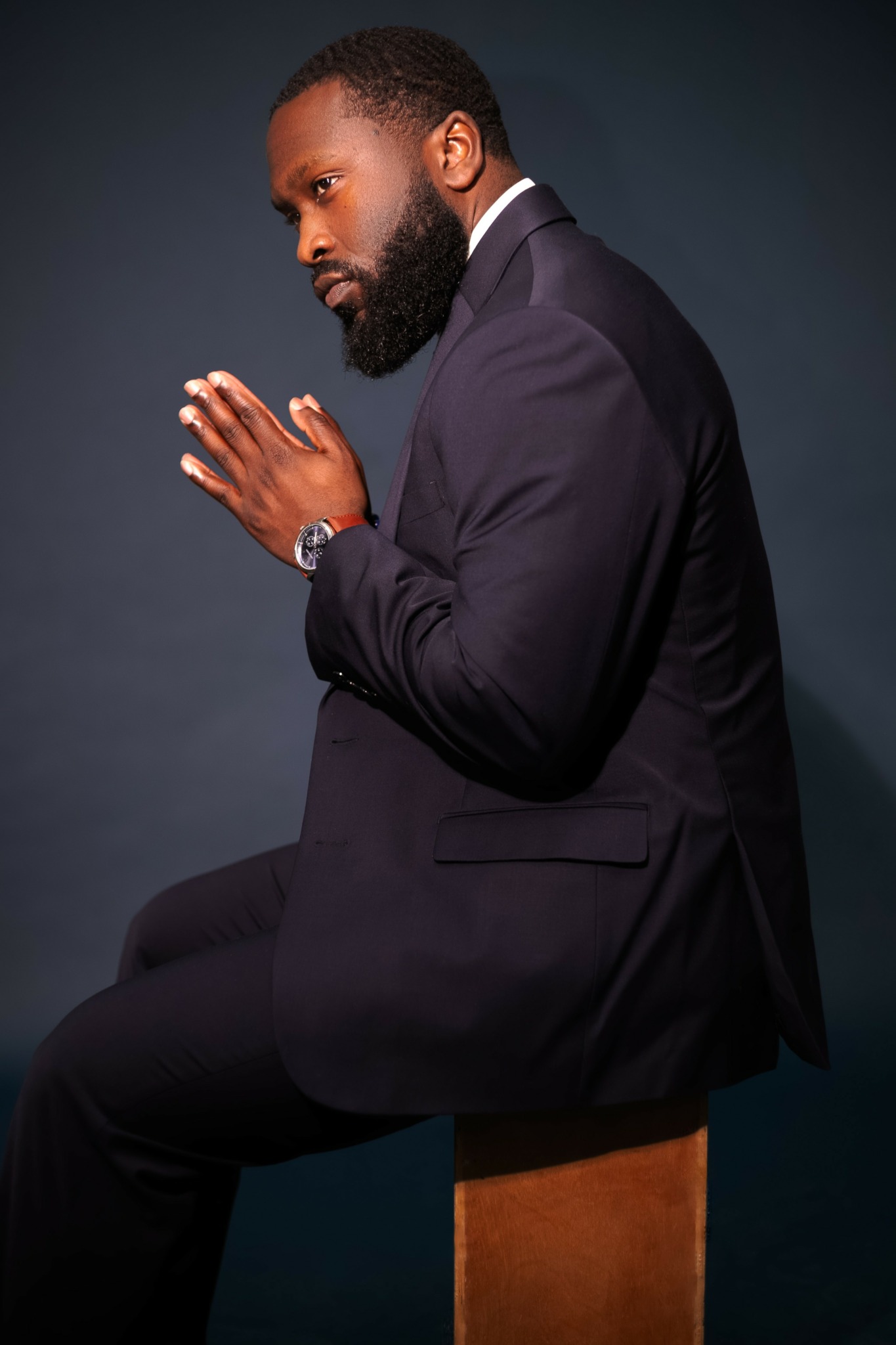

We caught up with the brilliant and insightful James Clyde, Jr. a few weeks ago and have shared our conversation below.
James, looking forward to hearing all of your stories today. What was it like going from idea to execution? Can you share some of the backstory and some of the major steps or milestones?
I wear a few different hats, but one of my favorites is being the host of The ClydeTalk Podcast. That actually plays a big role in how this all started for me. The idea for my podcast didn’t just come out of nowhere, it was built over time. I felt like God had been giving me things to say, specifically to encourage people in low moments. I’ve always believed words have power, and you never really know what someone needs to hear to get through their day.
For a while, though, it was just an idea. And I’ve learned something about myself: the longer I sit on an idea, the less likely I am to act on it. So I try to eliminate the gap between idea and execution. The hardest part of anything—whether it’s writing a paper or going to the gym—is just starting.
So instead of waiting for the “perfect time,” I decided to do what I’ve always done…start where I was, use what I had, and go as far as I could.
Before the podcast, I tested things by posting a simple video of me talking. I was honestly nervous because I had never done anything like that before. But when I posted it, it ended up getting around 2,500 views, and more importantly, people were responding. They were saying things like, “I needed this.” That’s when it clicked for me: this wasn’t just something I wanted to do, it was something that was actually helping people.
That gave me momentum.
From there, the podcast became the next step, not a huge leap, just a natural progression. Then I shifted into execution mode. I started researching the basics: what mic to use, what camera made sense, where to host the podcast, how distribution works, and eventually how monetization could look.
But honestly, none of that mattered more than just starting. I didn’t wait until I had everything figured out. I figured things out as I went.
That’s really been my approach: move quickly, take action, and don’t be afraid to fail. Because clarity doesn’t come from thinking, it comes from doing.
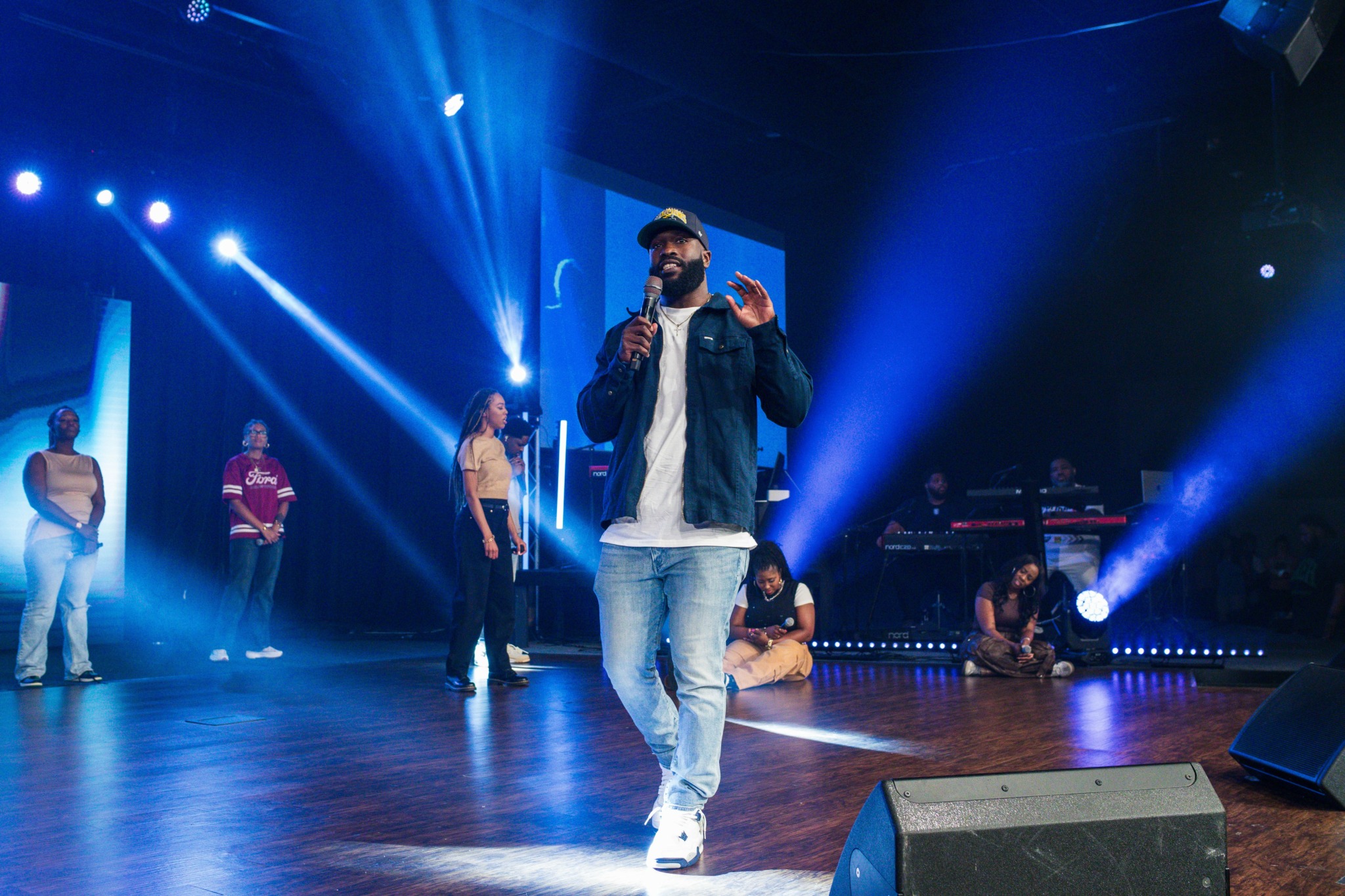
As always, we appreciate you sharing your insights and we’ve got a few more questions for you, but before we get to all of that can you take a minute to introduce yourself and give our readers some of your background and context?
I’m originally from Goldsboro, North Carolina, where I grew up as a three-sport athlete. Sports shaped a lot of who I am—discipline, consistency, and work ethic were ingrained in me early. I went on to Methodist University to play football, and everything in my life was centered around that until my senior year, when I broke my foot.
That moment forced me to ask a question I had never really had to sit with before: what’s next?
It wasn’t that I thought football would last forever, I just never had to seriously think beyond it. I was disappointed, but more than anything, I felt lost. I remember my dad telling me to take the same work ethic I had in football and apply it to whatever came next. It was great advice, I just didn’t know what “next” was yet.
I graduated with a degree in business and a minor in legal studies, and for a while, I thought becoming an attorney was the path. I went undefeated in mock trial and started working as a paralegal right out of college, but I quickly realized something was off. I didn’t enjoy the work itself.
What I did enjoy were the conversations.
My coworkers—paralegals and attorneys—would come by my desk just to talk things through. I would listen, reflect back what they were saying so they felt heard, and then help them think through solutions based on their situation, not mine. I didn’t realize how impactful that was until one day, after a conversation, an attorney told me she had made more progress talking to me for an hour than she had in months of therapy. That was a turning point for me. That’s when I realized I had a gift.
I have an ability to identify gaps—whether that’s in communication, relationships, business, or ministry—and help people close them. I like to say I help people unravel the ball of yarn in their head and work their way toward clarity and solutions.
That gift has shown up in a lot of different ways. It’s how I helped grow our young adult ministry from 6 people to over 200 in two years. It’s how I’ve helped clients as a personal trainer not just lose weight, but build discipline and hit fitness goals. And it’s how I help leaders, brands, and organizations get unstuck and move forward with intention.
At my core, I’m a communicator, a coach, and a builder. I help people fix what’s holding them back and give them a plan that actually works.
I’ve always been naturally curious; my mom used to say I’d sit on the couch deep in thought, always asking questions. Growing up, that curiosity was sometimes misunderstood, but over time I’ve realized it’s one of my greatest strengths. It’s shaped my faith, too. I’ve learned that God isn’t intimidated by questions—He meets them with wisdom. That foundation of faith is something I’m deeply proud of.
I’m also proud of the example my parents set. My dad instilled work ethic and consistency. My mom showed me that anything is possible with focus and determination. Both of them modeled what it looks like to truly care about people, whether through encouragement, guidance, or just being present. A lot of what I do today wasn’t just taught, it was caught.
At the end of the day, that’s really what sets me apart—I care.
I care enough to listen deeply. I care enough to ask the right questions. And I care enough to help you find real solutions, not just ideas that sound good, but ones that actually work for you.
My goal in everything I do, whether it’s through coaching, ministry, or my platform, is to encourage, empower, and equip people to become the best version of themselves in a way that’s authentic to who they are. Because I’ve learned there’s no one-size-fits-all answer, but with the right clarity and guidance, everyone can move forward.

Learning and unlearning are both critical parts of growth – can you share a story of a time when you had to unlearn a lesson?
One of the biggest lessons I had to unlearn was the idea that I had to do everything myself in order to be successful.
For a long time, I operated like a one-man team. I’m a high-capacity person, I get things done, and if I see something that needs to happen, I’ll make it happen. That worked for a while… until it didn’t.
I hit a point where I was burned out. I didn’t want to do anything, but at the same time, I felt like I had to do everything. And the truth is—I had created that reality. I had built systems and environments where everything flowed through me, so I became the bottleneck.
That realization changed everything for me.
I started to understand that if I wanted to grow, I couldn’t do it alone. Not because I wasn’t capable, but because what I was building was bigger than just me. Most of the things God gives you aren’t meant to be sustained by one person.
So I began to intentionally build a team.
I surrounded myself with people who were strong in areas where I wasn’t, people who could push me, support me, and take ownership. My family has been a huge part of that—they’ve been in my corner from the beginning, showing up, supporting, and helping set a standard. Because of that, we’ve built a culture where people don’t come just to watch—they come ready to contribute.
That shift taught me that trying to do everything yourself doesn’t make you strong—it limits you. If you want something to grow, you can’t control everything. You have to trust people, empower people, and build something that doesn’t depend on you being everywhere at once.
Now, I don’t just value having a team—I see it as essential.
Because the right people don’t just help you carry the vision… they expand it.

Any insights you can share with us about how you built up your social media presence?
My audience really started with social media—it’s the first impression people have of me and my work. Before someone ever talks to me, books me, or listens to me, they’ve usually seen something I’ve posted. So I’ve always understood it as a tool. It’s not the end goal, but it is the bridge that connects people to what I do.
If I’m being honest, I wouldn’t say I built my audience by being the most consistent or the most polished. I built it by being willing to show up.
It started with me just sharing what was on my heart—encouragement, perspective, things I felt like people needed to hear. I remember posting a video early on, being nervous because I had never really put myself out there like that. But when it got a strong response and people were saying, “I needed this,” it showed me that content doesn’t have to be perfect to be impactful—it just has to be real.
From there, I leaned into that. I didn’t wait until everything looked professional or perfectly branded. I just posted.
And that would honestly be my biggest advice to anyone starting out: don’t overthink it—just start posting.
People get stuck trying to make everything perfect, and in the process, they never actually put anything out. But you don’t need perfect—you need presence. You need repetition. You need to give people something to connect to.
I’d also say don’t get discouraged by engagement early on. Every post isn’t going to go viral, and it doesn’t have to. The goal isn’t to impress everybody—it’s to reach the people who need what you have. If you like what you’re putting out, and it’s true to you, that’s what matters most.
At the end of the day, consistency and authenticity will take you further than perfection ever will. And once people connect with you, that’s when things like word of mouth start to kick in—which, in my opinion, is still the most powerful form of growth.
Contact Info:
- Website: https://clydetalk.com
- Instagram: https://instagram.com/clydetalk
- Facebook: https://www.facebook.com/jay.clydee/
- Youtube: https://www.youtube.com/@clydetalk
- Other: https://podcasts.apple.com/us/podcast/the-clyde-talk-podcast/id1555100219; https://open.spotify.com/show/0jDM3jXrPKMKhwjZJ6vMlI?si=3cd14b3c38534308

Image Credits
Leah Rogers, WOYA young adults, Nicholas Wilkerson