

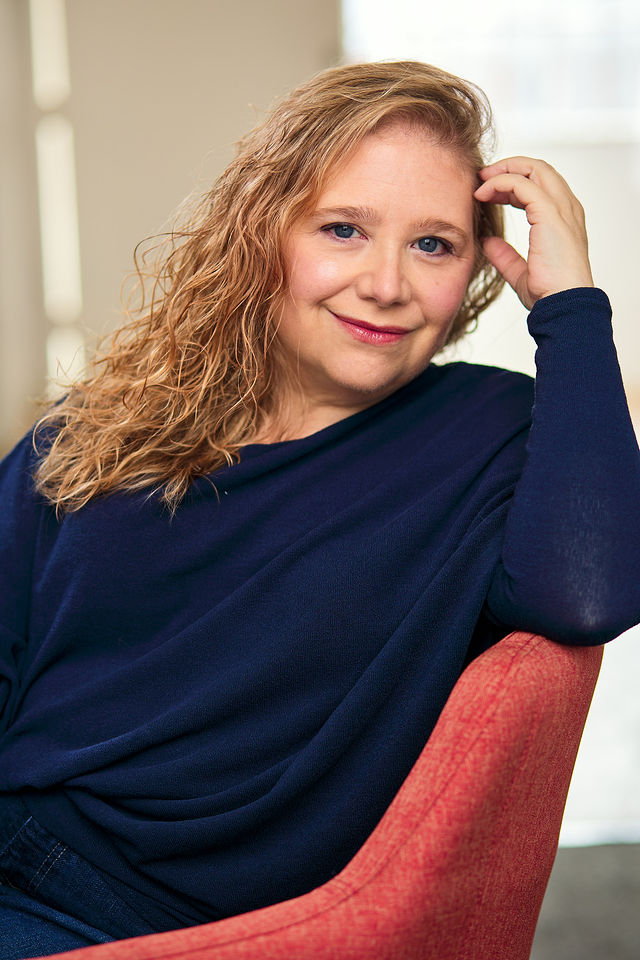

We were lucky to catch up with Bev Bailey recently and have shared our conversation below.
Bev, appreciate you joining us today. We’d love to hear the backstory behind a risk you’ve taken – whether big or small, walk us through what it was like and how it ultimately turned out.
I started my comedy career in Chicago. Improv, sketch, musicals. That was my first risk: getting into comedy at 30. I had a good amount of success but always felt like I wanted more challenges, more opportunities. When I was younger, I wanted to go to Los Angeles and try to get an agent, do commercials, tv, film, whatever. I just had a gut feeling that I was not meant to stay in Chicago. After 9 years of watching friend after friend move to LA and either find a nice life there or find it wasn’t for them, I ask myself: Why not me? What happens if I fail? I come home? I know I could. But if I didn’t try, I would have to spend the rest of my life wondering. So at 39, I moved west to Los Angeles. Most people move to Hollywood to be a star in their 20s but I didn’t want to be a star. I wanted to level up as an actor, a writer and even learn to produce. It was not an overnight journey to finding my way. I still feel I am trying to level up all the time. But after 11 years in Los Angeles, it feels like the creative home I was looking for. I have done commercials, films, podcasts, web series, theater and I’m even producing my own work that I’ve written. My community of friends is full of creative and supportive people. And if I hadn’t said “why not me?”, I would never see that of course it was me all along.
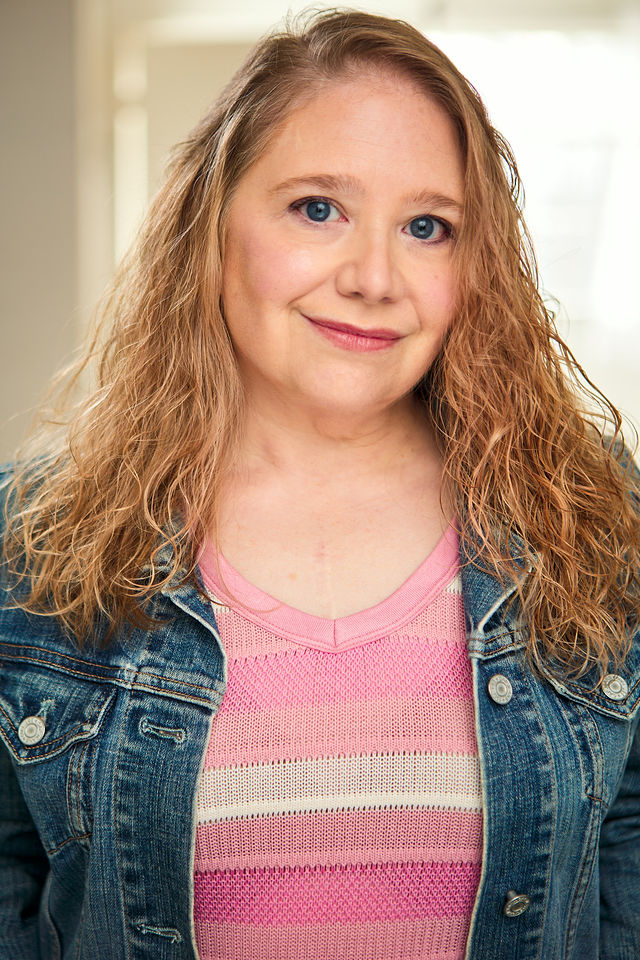
Awesome – so before we get into the rest of our questions, can you briefly introduce yourself to our readers.
Like many actors, I caught the acting bug in high school. I took a break from acting for a few years and when I got into learning about improv, it really helped me hone my skillset to a new level. And when I began performing musical improv, I thrived. As an improv coach, my philosophy is everyone benefits from the skills you learn in improv. It helps you with your communication skills day to day as well as allows you to think creatively. I like to help teams become cohesive ensembles, focus on listening and enhancing their character work. And most importantly, everyone should have fun!
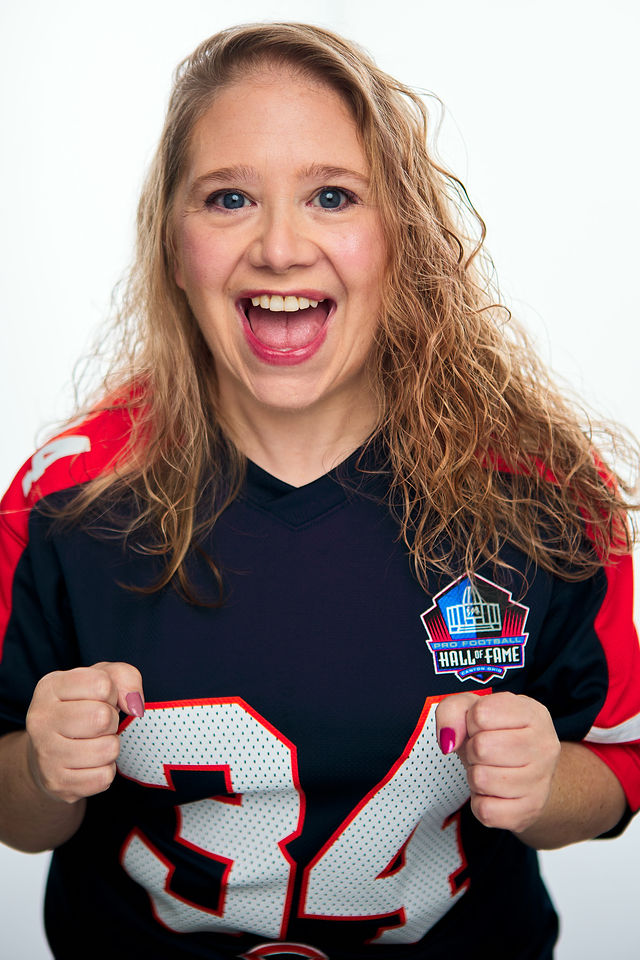
What do you find most rewarding about being a creative?
My favorite part of finishing a day on set or a stage show is when I see the audience of what I just created. I got to help them escape life for a brief time and entertain. Give them joy. It really makes me feel proud that I could give that gift to a group of people who needed it.
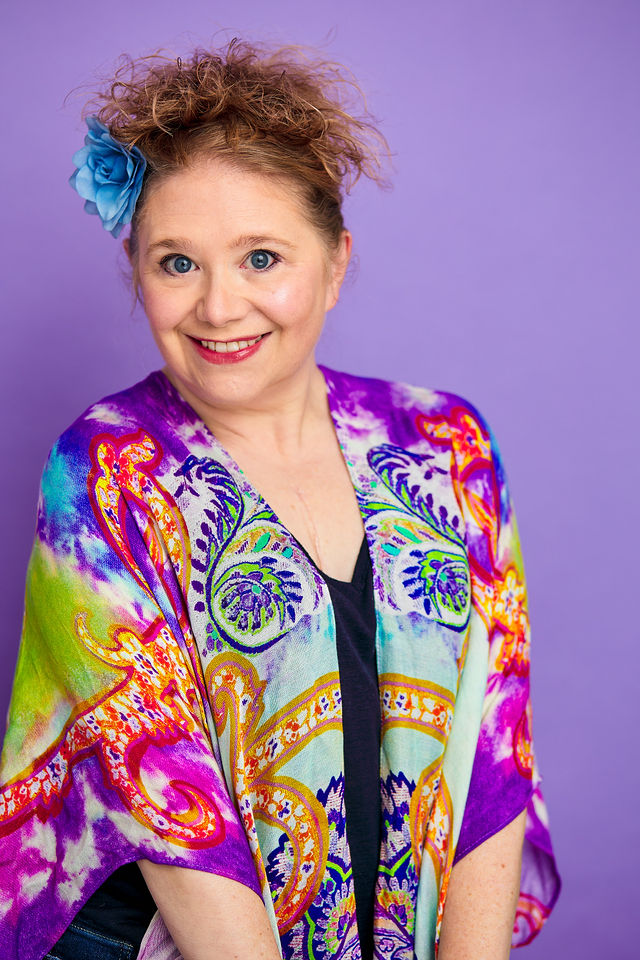
How can we best help foster a strong, supportive environment for artists and creatives?
Funding for music and arts programs is cut from budgets for schools and government every year. We all need to lobby our local school boards, legislators and congress to rebalance budgets to bring back the arts. Fine arts is always the first to be sacrificed and the best way to support artists is to get involved in protecting them.
Contact Info:
- Website: https://itsbevbailey.com
- Instagram: @itsbevbailey
- Youtube: https://www.youtube.com/@bevbailey7970
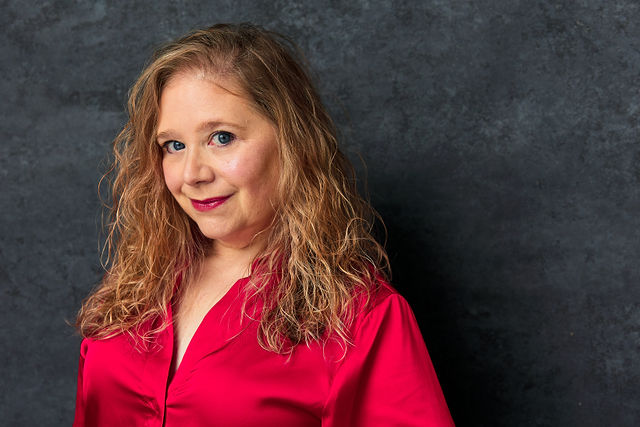
Image Credits
Mark Daughterty