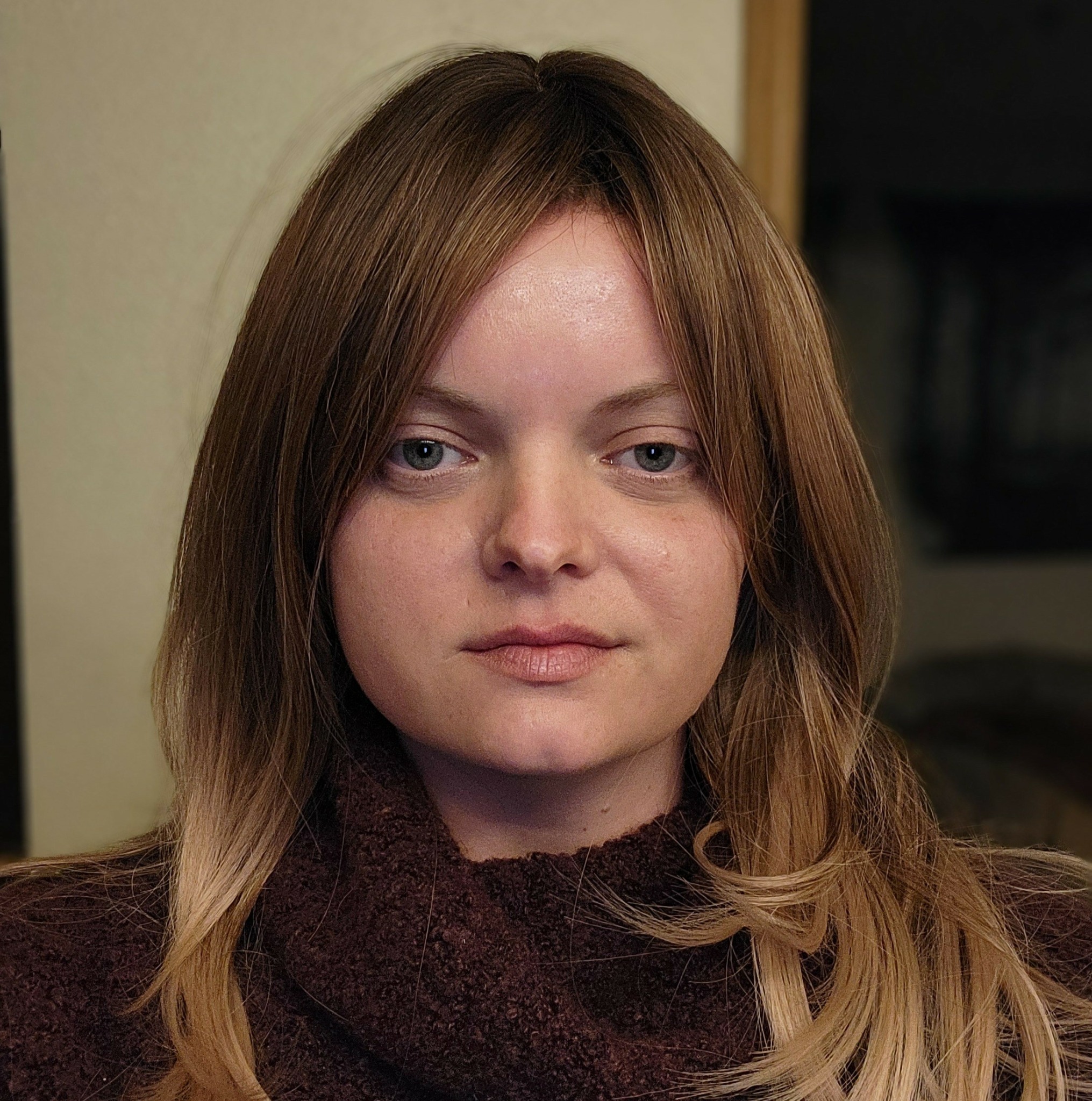

We recently connected with HALLIE EDLUND and have shared our conversation below.
HALLIE, appreciate you joining us today. Earning a full time living from one’s creative career can be incredibly difficult. Have you been able to do so and if so, can you share some of the key parts of your journey and any important advice or lessons that might help creatives who haven’t been able to yet?
Yes, I’ve been able to earn a full-time living from my creative work, but it wasn’t like that from day one.
At first it was a mix of smaller projects, taking what I could get, and slowly figuring out what people actually needed help with. Over time, that became a clear lane: helping artists and creative businesses turn their work into something people can find, understand, and buy, through things like websites, product pages, email marketing, and content strategy.
The biggest milestones were focusing on work that keeps working after the project is done, like SEO, website structure, and email lists, and getting more consistent about what I offer so every project isn’t a totally different job. Once I tightened that up, my income got steadier and the business became much easier to sell and grow.
If I could speed it up knowing what I know now, I would have gotten clearer earlier on who I help and what outcome I’m known for. I spent too long being broadly helpful. The moment you can clearly say, “Here’s the exact problem I solve,” everything gets easier: marketing, pricing, referrals, and confidence.
HALLIE, before we move on to more of these sorts of questions, can you take some time to bring our readers up to speed on you and what you do?
I’m Hallie Edlund, and I run a creative business that helps artists and small creative brands sell their work in a way that feels clear, honest, and sustainable. Most of my work sits at the intersection of creativity and strategy. I’m not an artist coach in the motivational sense, and I’m not a generic marketer either. I build the practical systems that help artists get found, tell their story well, and convert interest into sales.
I got into this industry through Artsy Shark, a business my mom, Carolyn Edlund, founded to help artists build real careers. I grew up around working artists and the behind-the-scenes reality of what it takes to make the numbers work. Over time, I started taking on more and more of the strategy and content side, and I realized something important: a lot of talented artists don’t have a “talent” problem, they have a translation problem. They struggle to explain what they do, organize it online, and guide a buyer through the decision. Once you fix that, everything gets easier.
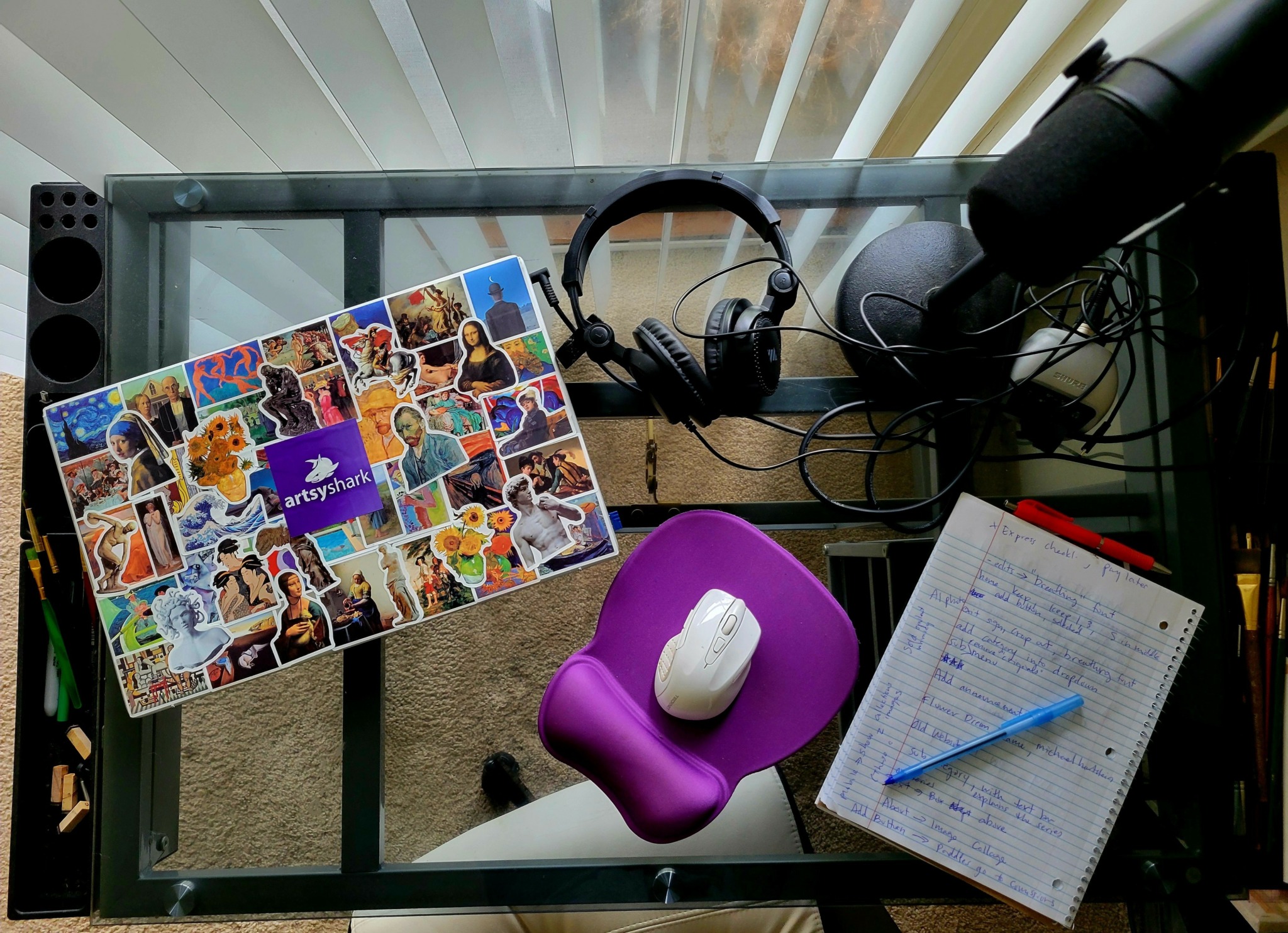
The services I provide are a mix of brand and conversion focused writing, website strategy, and marketing support. That includes rewriting or building sales-focused art websites, improving product pages, organizing collections, developing SEO and site structure, writing email marketing campaigns and newsletters, creating content plans, and helping artists shape their offers so buyers understand what to do next. I also create educational content through Artsy Shark, especially around email marketing, buyer psychology, and what actually drives sales for artists beyond social media.
The problems I solve are usually very specific. Artists come to me when their website is confusing, their product pages don’t convert, their writing feels stiff or generic, their traffic isn’t turning into sales, or they feel stuck relying on Instagram to do all the heavy lifting. I help them tighten their message, clean up their customer path, and build marketing that works even when they aren’t posting every day.
What sets me apart is that I’m both creative and structured. I can write in a way that sounds human and true to the artist, but I’m also thinking about the buyer the whole time: what questions they have, what makes them hesitate, what they need to feel confident, and what needs to be obvious on the page. I’m very practical. I’m not interested in trendy marketing jargon or one-size-fits-all advice. I’m interested in what works for real artists with limited time, limited energy, and real financial goals.
I’m most proud of the fact that my work is measurable. When a site is organized properly, when a product page is written clearly, and when an email list is treated like a real asset, artists stop feeling like they’re throwing content into a void. They start getting better inquiries, more qualified buyers, and more consistent sales. I’m also proud of the body of educational content I’ve helped build through Artsy Shark’s YouTube Channel, because it reaches artists who can’t afford one-on-one help and still gives them something concrete to apply.
The main thing I want potential clients and followers to know is that I’m here to make this feel doable. You don’t need to become a different person to sell your work. You don’t need to post constantly, chase every trend, or pressure people. You need a clear story, a clean website, strong offers, and a simple marketing rhythm you can actually sustain. That’s what I help artists build.
What’s the most rewarding aspect of being a creative in your experience?
The most rewarding part for me is the people, especially the artists I get to work with. I love building real relationships with creative business owners and getting a front-row seat to their growth. There’s something really satisfying about helping someone take a messy, overwhelming situation and turn it into something clear and doable.
I get to watch artists go from feeling stuck or discouraged to feeling confident and supported, and I get to be part of the behind-the-scenes work that helps them keep making art for the long haul. I also genuinely enjoy the day-to-day collaboration: the conversations, the problem-solving, the brainstorming, and the moment when something finally clicks and the path forward feels obvious. That’s the part that keeps me excited about what I do.
We’d love to hear your thoughts on NFTs. (Note: this is for education/entertainment purposes only, readers should not construe this as advice)
My view on NFTs is pretty blunt: I think the NFT world has been largely scam-driven, and most artists should stay far, far away.
There’s a small minority of people who made real money early on, but the broader ecosystem has been built on hype, speculation, and confusing tech that pushes creators to take on a lot of risk for very little reliable upside. Even when it’s not an outright scam, it often functions like one: a market fueled by FOMO, insider dynamics, and buyers treating art like a poker chip instead of supporting a sustainable creative career.
I’m not against new technology in general, but I am against business models that depend on hype cycles and leave creators holding the bag. If an artist wants long-term stability, their time is almost always better spent building a strong website, an email list, consistent offerings, and a collector base they can reach directly.
Contact Info:
- Website: https://www.artsyshark.com/
- Instagram: https://www.instagram.com/artsy_shark/
- Facebook: https://www.facebook.com/ArtsyShark
- Linkedin: https://www.linkedin.com/company/artsy-shark
- Youtube: https://www.youtube.com/channel/UCTKhgeNdIgcXQOcGcngG0oA
- Other: Request a Free Consultation: https://www.artsyshark.com/art-website-marketing/