

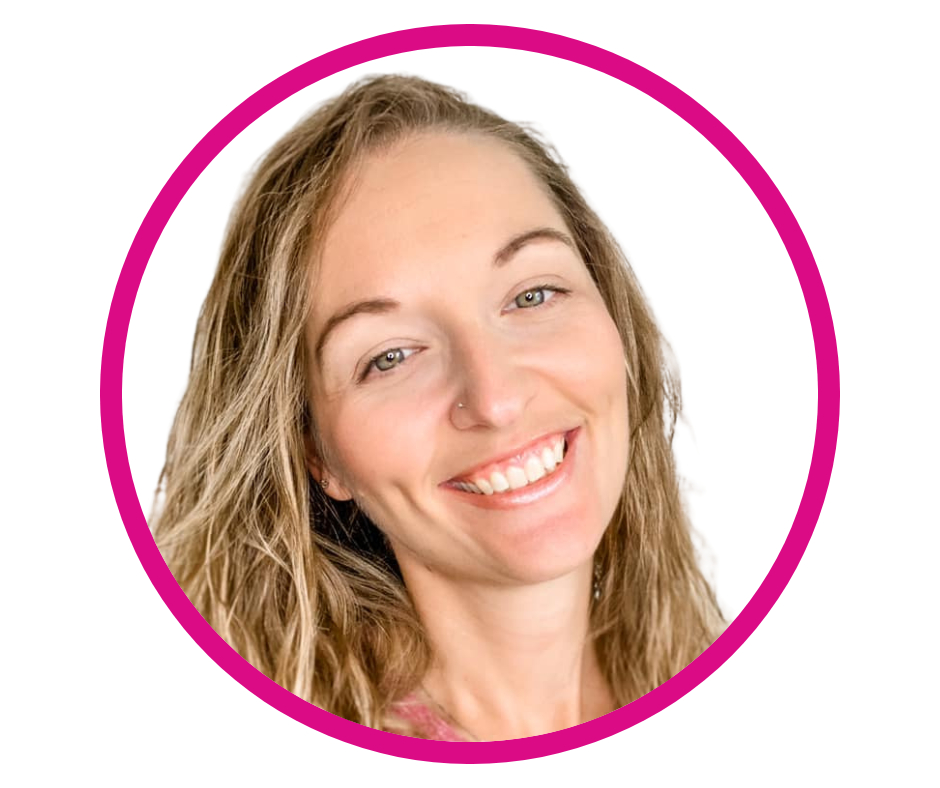

We’re excited to introduce you to the always interesting and insightful Rhiannon Neuharth. We hope you’ll enjoy our conversation with Rhiannon below.
Rhiannon, thanks for taking the time to share your stories with us today We’d love to hear the story behind how you got your first job in field that you currently practice in.
I was 12 years old when I first fell in love with genetics.
At an all-girls career day camp, a cytogeneticist spoke about her work analyzing chromosomes. I remember sitting there, karyotyping and the speaker being so impressed with my ability to match chromosomes so well having never dont it before. There was something about it — the precision, the mystery, the way our entire blueprint for life could be seen under a microscope. Even then, I knew I wanted to work in that world.
By my senior year of high school, I had arranged an internship in the genetics lab at our local university medical center. After graduation, I was offered a position transporting specimens to the lab, determined to work my way in. I began college as a medical technology major — the path that would allow me to pursue laboratory genetics professionally.
But life rarely moves in straight lines.
As much as I loved genetics, I began to realize I didn’t want to spend my career behind a microscope. I craved connection. I wanted to teach, to explain, to help people understand how their bodies worked. So I pivoted. I earned a Bachelor of Science in Native American Studies and later completed a Master’s in Teaching, with the intention of teaching Native Studies.
When that path proved limited, I was offered a position to teach Biology, Life Science, and Honors Anatomy & Physiology. In many ways, I had circled back to where I started — helping students understand the intricacy of the human body and the science that sustains life. Genetics was always my favorite to teach.
Then motherhood changed everything.
My second child was chronically ill. Appointment after appointment, we were told variations of the same thing: “Everything looks normal.” But I knew something wasn’t right.
So I did what I have always done when faced with uncertainty — I researched. Late nights filled with research. I began to suspect an antibody deficiency and brought my concerns to her pediatrician. Testing confirmed zero IgA antibodies and it explained so much. For the first time, we had a piece of the puzzle.
But the full picture still felt incomplete.
After relocating to Florida, her new pediatrician suggested testing for an MTHFR gene variant. I had never heard of MTHFR until then. Yet that single test pulled me back into the world that had once captivated me as a child — genetics. Only this time, it wasn’t academic; it was personal.
Over the next several years, I immersed myself in learning everything I could to help her live her best life. I began to understand how genetics and environment interact — how our genes are not our destiny, but a blueprint influenced by nutrition, lifestyle, and nervous system regulation. A completely different side to my previous experience in the lab.
What began as advocacy for my daughter slowly became something deeper. I saw how many families were navigating the same frustration — persistent symptoms, normal lab results, and no clear roadmap forward. The gap between conventional medicine and lived experience was wide.
I realized I didn’t just want answers for my daughter. I wanted to help close that gap for others.
That realization led me to pursue certification in functional nutrition. I returned to my original passion for genetics — but this time, instead of peering through a microscope, I was sitting across from people, helping them understand their biology, their patterns, their symptoms, and their options.
My journey brought me full circle — back to genetics, but in a way that feels deeply human. I no longer study chromosomes in isolation; I study the stories behind them. I stand in the space between laboratory science and real life, translating complex pathways into practical, personalized steps that restore energy, resilience, and hope. What began as advocacy for my daughter has become a lifelong commitment to helping others feel seen, understood, and supported in their own biology — because healing starts when we finally feel heard.
If you could go back, would you choose the same profession, specialty, etc.?
If I could go back, I wouldn’t change a thing. Every detour — from the lab to the classroom to the long nights researching my daughter’s symptoms — shaped the practitioner I am today. I may not have taken the path I originally imagined at twelve, but I arrived exactly where I was meant to be.
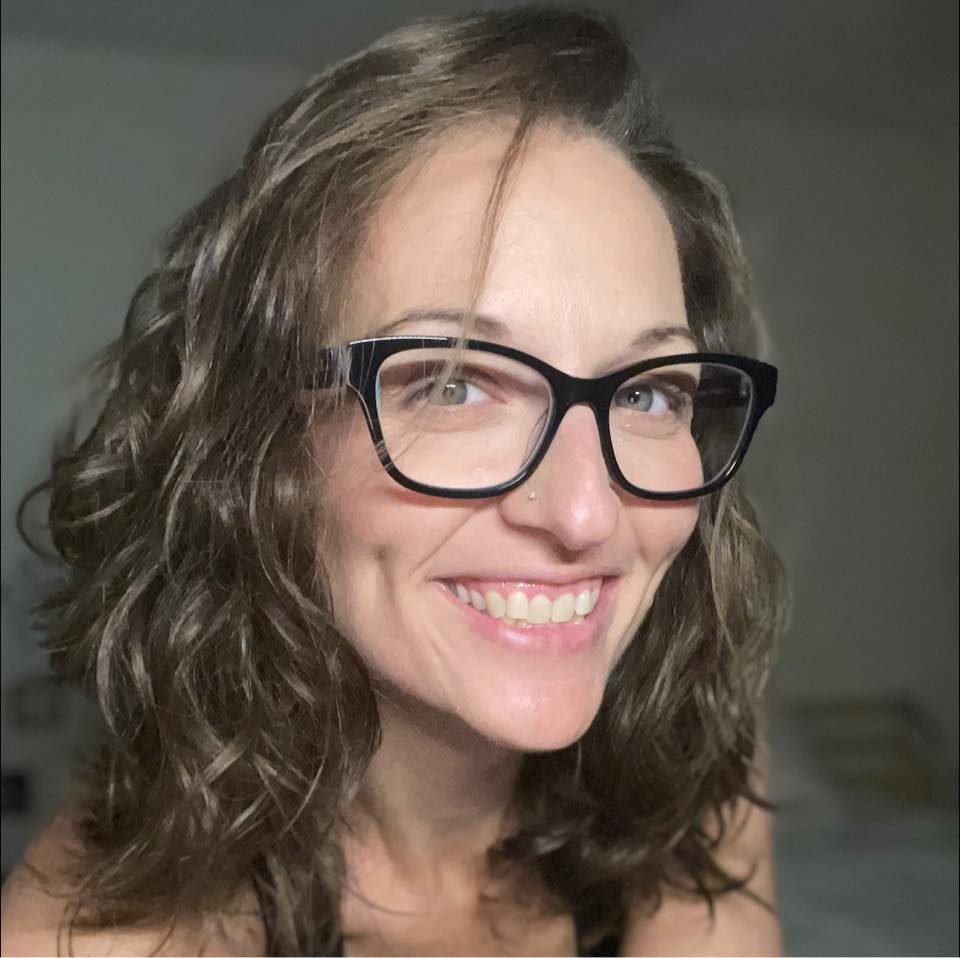
Contact Info:
- Website: https://www.Revitalizing-Wellness.com
- Instagram: https://www.instagram.com/Mthfr_coach
- Other: Tik Tok www.tiktok.com/@mthfr_coach