

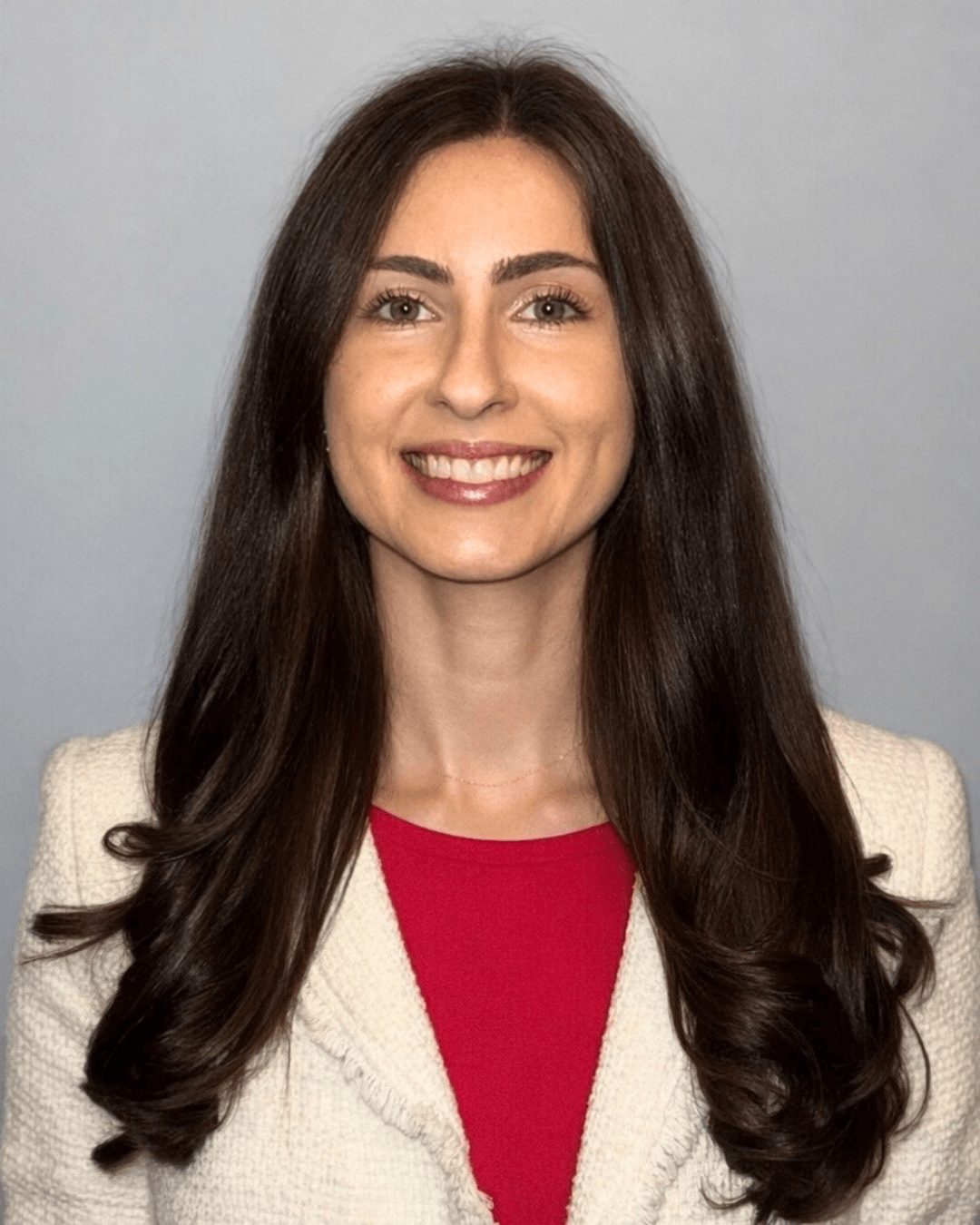

We were lucky to catch up with Nicole Notar recently and have shared our conversation below.
Alright, Nicole thanks for taking the time to share your stories and insights with us today. Risk taking is something we’re really interested in and we’d love to hear the story of a risk you’ve taken.
One of the biggest risks I’ve taken was starting a nonprofit as just a patient, with no medical background, no roadmap, and no guarantee it would work. I was simply driven by a deep desire to be the person I never had during my own diagnostic journey. I knew how isolating, confusing, and dismissive that experience could be, and I felt compelled to create something that could change that for others. So I just started.
At the time, I didn’t have everything figured out, and I think that’s what holds a lot of people back. But what I’ve learned is that you don’t need to have all the answers to begin. You learn by doing. You grow into the role. And while progress can feel slow at first, when you’re truly passionate about something, things can accelerate in ways you never expect.
That experience gave me the confidence to take another major risk: building Vindicara, a company rooted in my lived experience with endometriosis. I saw firsthand how long it takes to get diagnosed, how inconsistent care pathways can be, and how many patients fall through the cracks. Through my nonprofit work, I also saw the patterns at scale: the same delays, the same misdiagnoses, the same preventable suffering.
Vindicara was born out of that intersection: lived experience and real-world patient data. It’s designed to bring structure to a process that is often fragmented, using clinical data to surface risk signals earlier, support better decision-making, and ultimately shorten the time it takes for patients to get answers and access the right care.
Building a company, especially in healthcare, is always a risk. But I realized that as a patient, I carry a form of expertise that is incredibly valuable. I understand the gaps, the delays, and the consequences of being overlooked. And instead of waiting for someone else to solve it, I decided to be part of building the solution.
It’s a risk, absolutely, but it’s certainly one worth taking. Because if what I build can help even one person get diagnosed sooner, avoid years of unnecessary suffering, or feel seen in a system that often overlooks them, then it was all worth it.
And if there’s one thing I’ve learned, it’s this: it’s far better to start before you feel ready than to wait until everything is perfect, because you can figure it out along the way.

As always, we appreciate you sharing your insights and we’ve got a few more questions for you, but before we get to all of that can you take a minute to introduce yourself and give our readers some of your background and context?
I’m Nicole Notar, founder of Endo Excision for All, a 501(c)(3) dedicated to improving access to excision surgery and comprehensive care for those living with endometriosis. My path into this work wasn’t traditional. It was personal. Like so many others, I spent years navigating a painful, often dismissive diagnostic process, feeling unheard and unsupported. That experience is what led me here.
I started Endo Excision for All as a patient, not a medical professional. What I did have was lived experience, determination, and a clear understanding of the gaps in care. I wanted to build the kind of support system I never had. Today, our work focuses on funding excision surgeries for patients who cannot afford them, with 100% of donations going directly to this care.
Our work is also deeply rooted in policy, advocacy, and education, because meaningful change requires systemic reform. Importantly, no foundation funds are used for this work; those are reserved entirely for surgery support. Our advocacy efforts are driven by mission, urgency, and the need to change outcomes for patients.
In parallel, I founded Vindicara, a technology platform focused on identifying endometriosis and its comorbidities earlier and more accurately. Through both my personal journey and nonprofit work, I’ve seen the same patterns repeat: delays, misdiagnoses, and missed opportunities for intervention. Vindicara is designed to help bridge that gap by using structured clinical data to surface risk earlier and support better care pathways. While it doesn’t replace clinical judgment, it aims to shorten the diagnostic timeline, often cited as 7–10 years, and improve long-term outcomes.
What sets my work apart is that it is deeply patient-centered. Whether through nonprofit funding or building clinical infrastructure, everything I do is grounded in real experiences and real barriers. I understand what it means to be dismissed, to search for answers, and to fight for care, and that perspective drives every decision I make.
What I’m most proud of is turning something incredibly painful into purpose. I didn’t wait until everything was figured out. I started, learned, and built along the way. Today, I’m creating solutions that I believe can change lives.
If there’s one thing I want people to know, it’s this: patients are powerful. Our voices and experiences can drive meaningful change, and I’m committed to making sure no one has to navigate this journey alone.

We’d love to hear a story of resilience from your journey.
One of the clearest examples of resilience in my journey is continuing to build and advocate even when the system I am trying to change feels impenetrable.
After going through my own diagnostic journey with endometriosis (years of pain, dismissal, and confusion), I could have stepped away once I finally had answers. Instead, I chose to step deeper into the problem. I started Endo Excision for All without a medical background, without connections in healthcare or policy, and without a clear roadmap. There were moments where it felt overwhelming: trying to navigate legislation, insurance barriers, and a healthcare system that often doesn’t recognize the urgency of this disease.
What tested my resilience the most wasn’t just the complexity; it was the resistance. Being told “this is just how it is,” or seeing how slow change can be when patients are suffering in real time. But I keep going, because I know firsthand what is at stake. I know what it feels like to be dismissed, and I refuse to accept that as the standard for others.
Resilience, for me, has looked like showing up anyway, learning what I don’t know, having difficult conversations, and continuing to push for policy change even when progress felt incremental. It’s also meant turning pain into purpose and trusting that lived experience has value, even in rooms where it’s often overlooked.
And today, that resilience has turned into impact. We are part of conversations that are shifting awareness, influencing policy, and pushing for better access to care. It hasn’t been easy, but it’s been worth it, because every step forward means someone else may get answers sooner, be believed faster, and suffer less.

Have you ever had to pivot?
One of the biggest pivots in my journey has been shifting from a career in marketing and business development into the healthcare and nonprofit space.
For years, my work centered around creativity, strategy, and growth, something I genuinely enjoyed. But after my own experience with endometriosis and starting Endo Excision for All, I began to feel a pull in a completely different direction. What started as advocacy alongside my career quickly grew into something much bigger.
Launching the nonprofit was the first major pivot. I went from business strategy into navigating healthcare systems, patient advocacy, and policy—areas I had no formal background in. But as the organization grew, so did my perspective. I saw firsthand the gaps in care, the delays in diagnosis, and how underserved this community truly is. It became clear I didn’t just want to advocate from the outside. I wanted to help build solutions.
At one point, I considered going back to school to become a psychologist focused on supporting women with chronic illness. But through my work, I realized I was already being led into spaces where I could drive meaningful change, just in a different way than I had originally imagined.
That realization led to my next pivot: stepping into healthcare technology and building Vindicara. The goal is to help identify endometriosis and its comorbidities earlier and more accurately by bringing structure to a fragmented diagnostic process. Moving from marketing into health tech was a significant shift, but it felt deeply aligned with both my experience and the impact I wanted to have.
This pivot wasn’t about having everything figured out. It was about recognizing when something no longer serves your purpose and having the courage to change direction. I can always go back and pursue additional education, but right now, I’m exactly where I need to be: building, learning, and creating solutions that have the potential to make a real difference.
Contact Info:
- Website: www.endoexcisionforall.org and www.vindicara.com
- Instagram: @endoexcisionforall and @nicolettanotar and @vindicaradx
- Facebook: https://www.facebook.com/its.nicole.notar
- Linkedin: https://www.linkedin.com/in/nicolenotar/
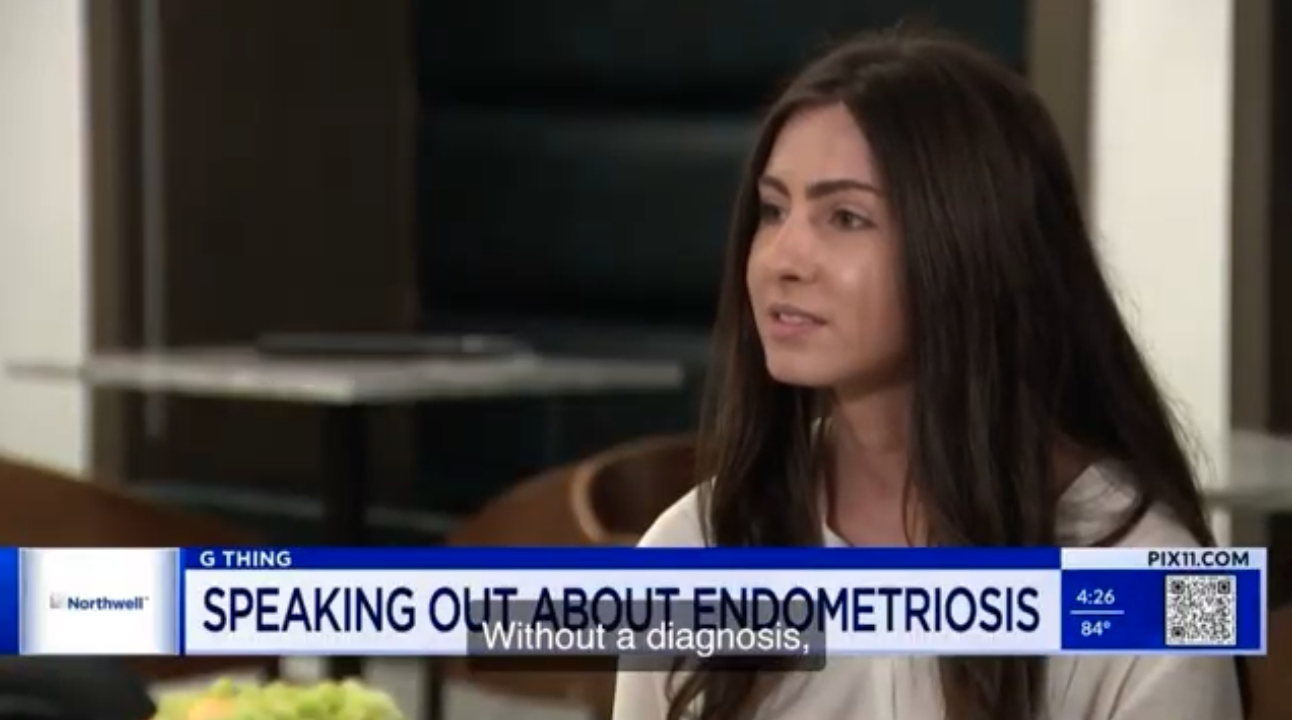


Image Credits
I have full rights to these images, they’re on my website www.endoexcisionforall.org