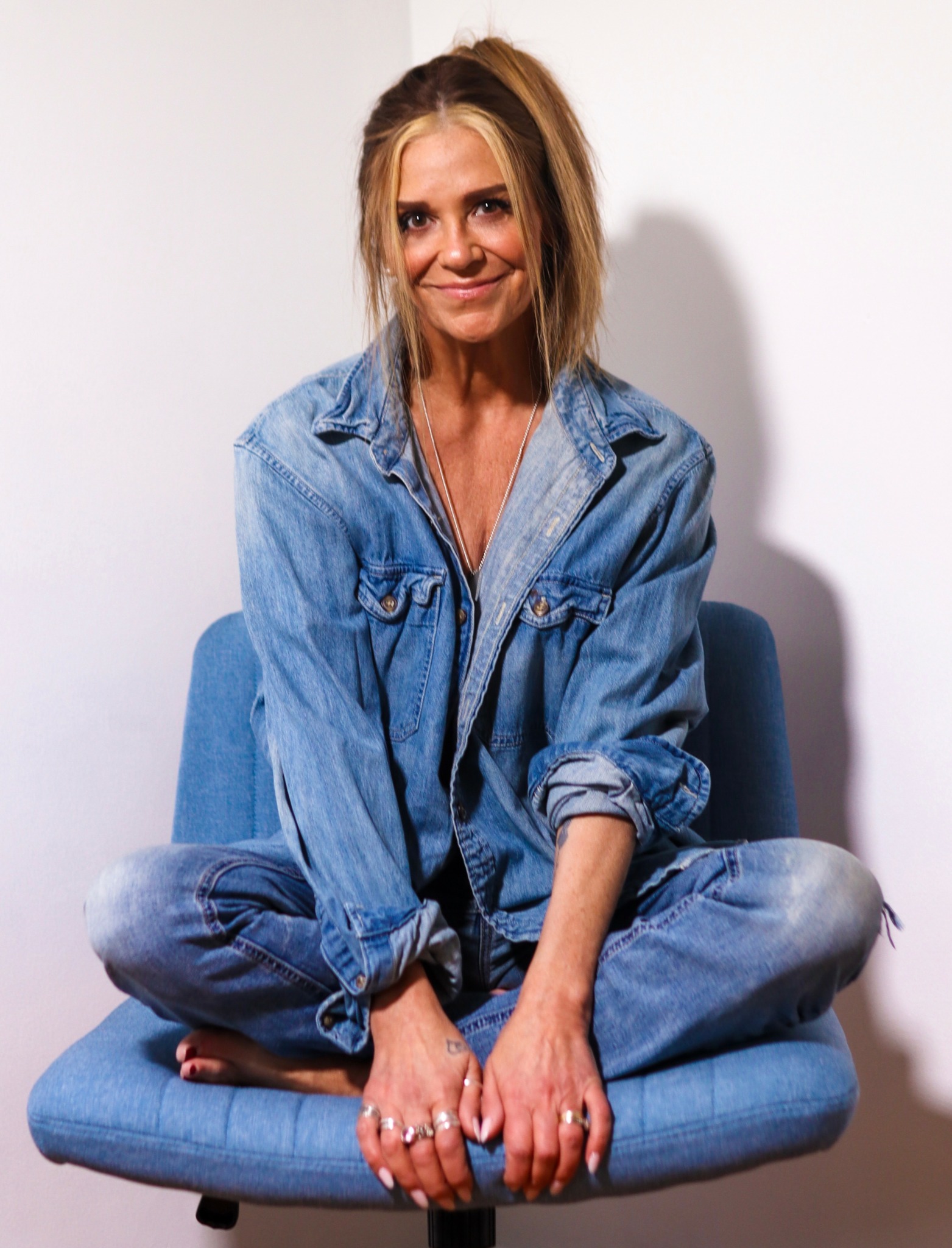

We’re excited to introduce you to the always interesting and insightful Alicia Urbanski. We hope you’ll enjoy our conversation with Alicia below.
Hi Alicia, thanks for joining us today. What were some of the most unexpected problems you’ve faced in your business and how did you resolve those issues?
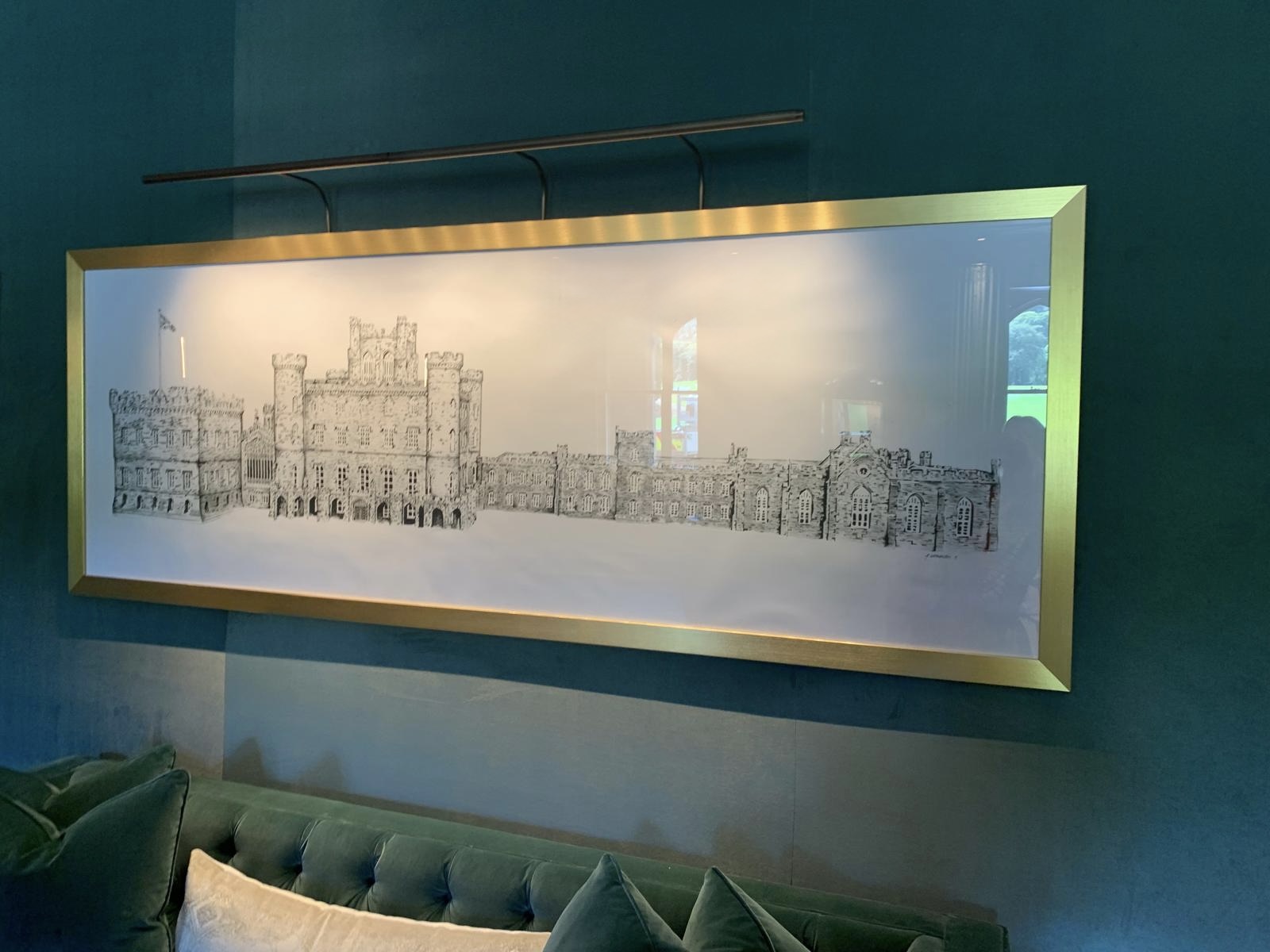
One of the most defining moments in my career came when I was commissioned to travel to Scotland—an incredible opportunity where everything was fully funded for me to create artwork inspired by a historic castle. It was a dream project. But when I arrived, the reality was very different from what I had envisioned. The entire site was still under construction—covered in scaffolding, surrounded by equipment, and filled with active workers. The visual I was meant to capture simply wasn’t accessible in the way I needed it to be.
Instead of letting that derail the project, I had to quickly shift my approach. I worked around the chaos as much as possible while on site, studying angles, light, and structure wherever I could. Toward the end of the trip, the team brought in a drone to capture aerial perspectives, which became a crucial turning point. Those images gave me the additional references I needed—but the real challenge was still ahead.
When I returned to the United States, I had to recreate the castle entirely from a combination of memory, fragmented references, and drone imagery. It pushed me far beyond my comfort zone—not just technically, but mentally. I had to trust my instincts, problem-solve creatively, and stay committed to delivering something powerful despite the obstacles.
That experience taught me that resilience as an artist isn’t just about talent—it’s about adaptability, persistence, and the ability to create something meaningful even when conditions are far from ideal. In the end, the piece became even more impactful because of what it took to bring it to life. And it reinforced something I carry into every project now: no matter the circumstance, I will always find a way to create.
Awesome – so before we get into the rest of our questions, can you briefly introduce yourself to our readers.
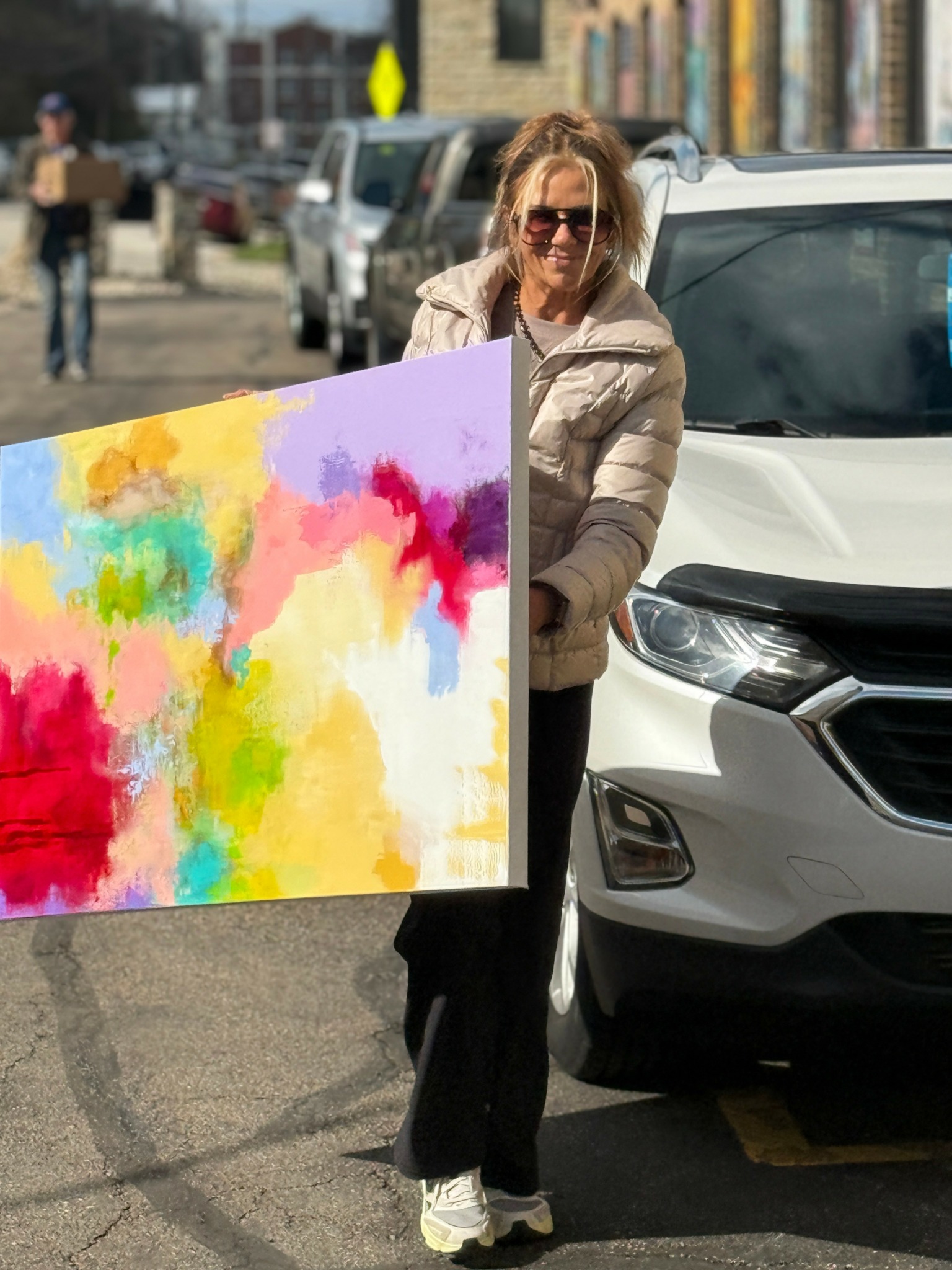
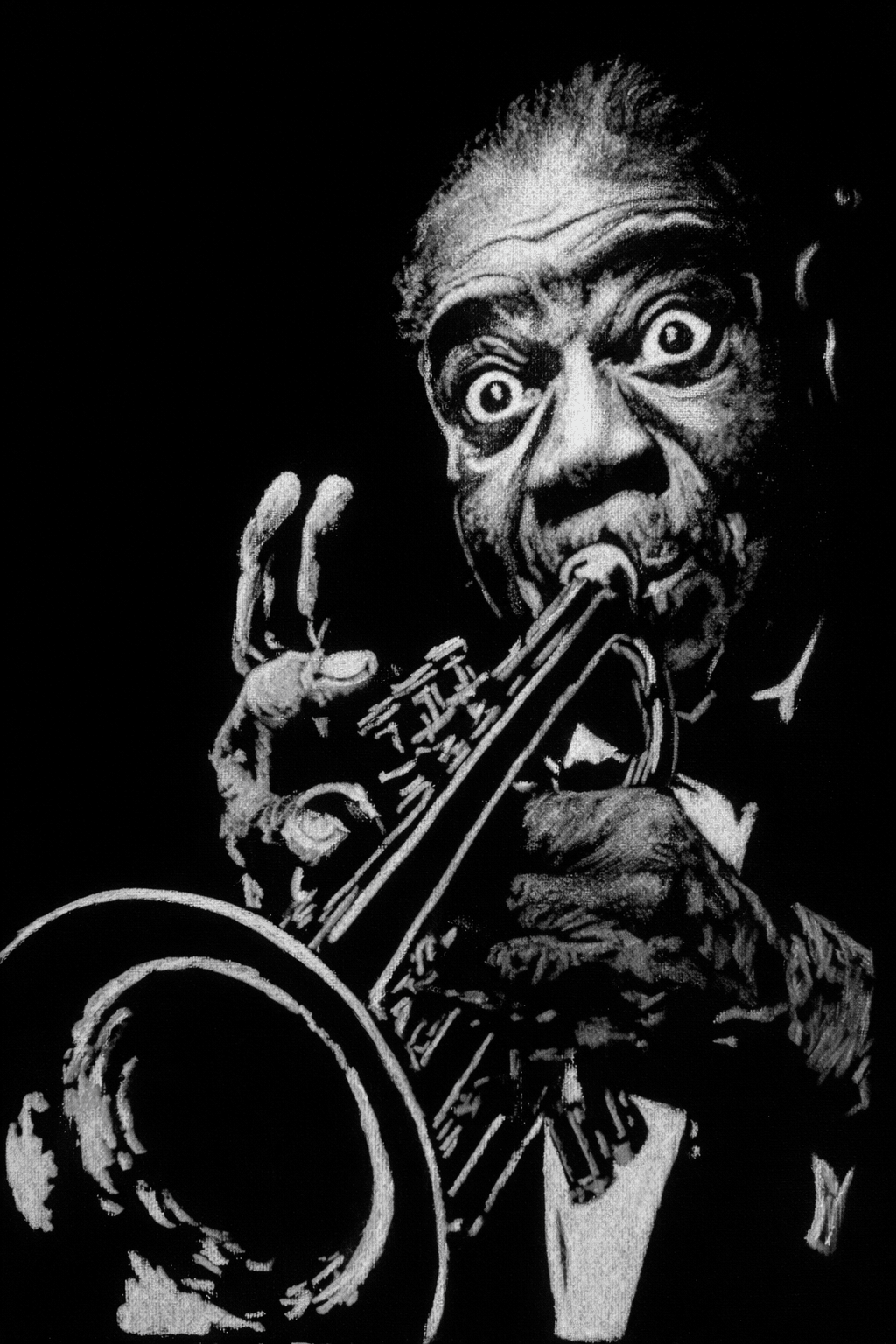
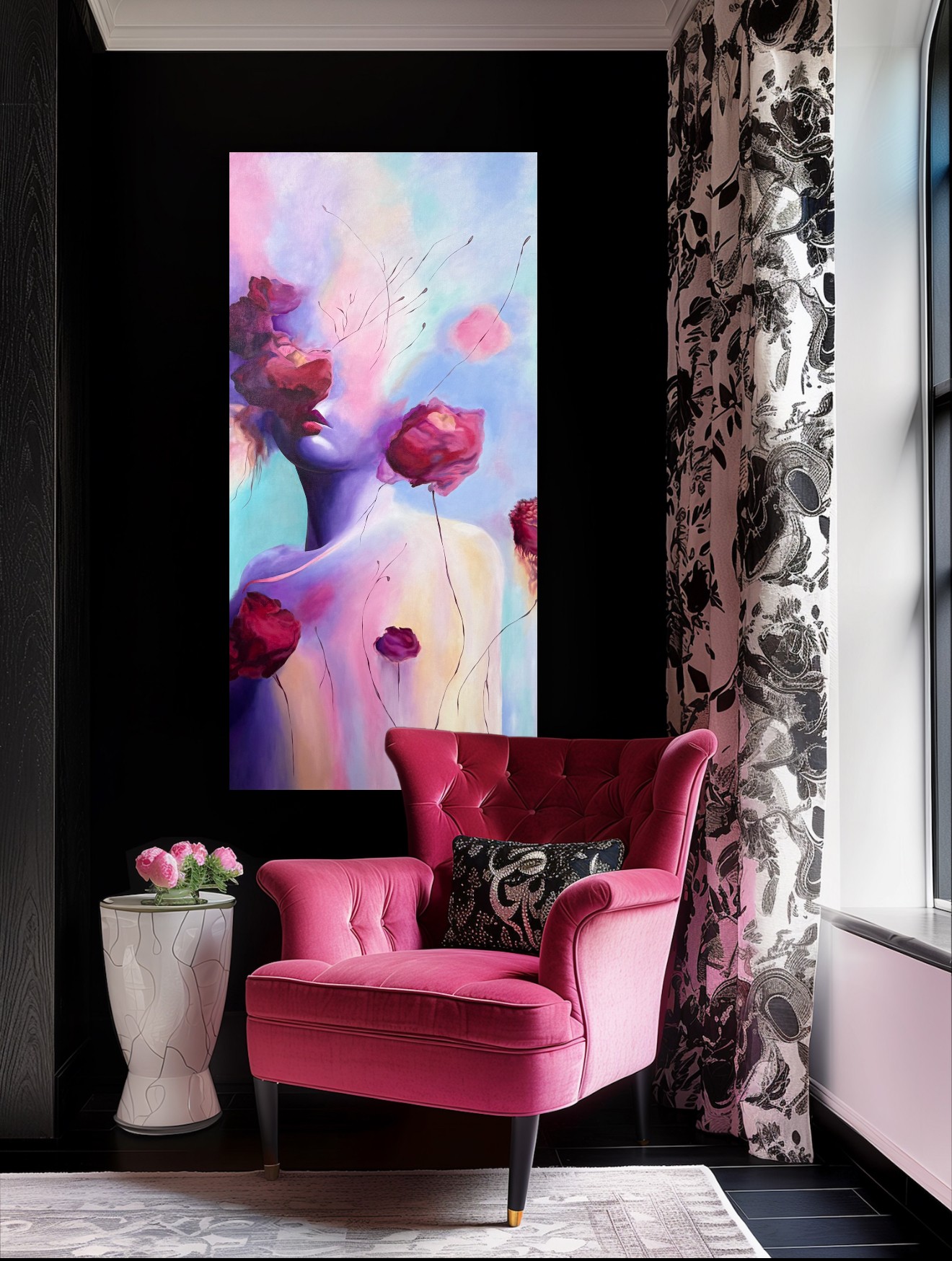
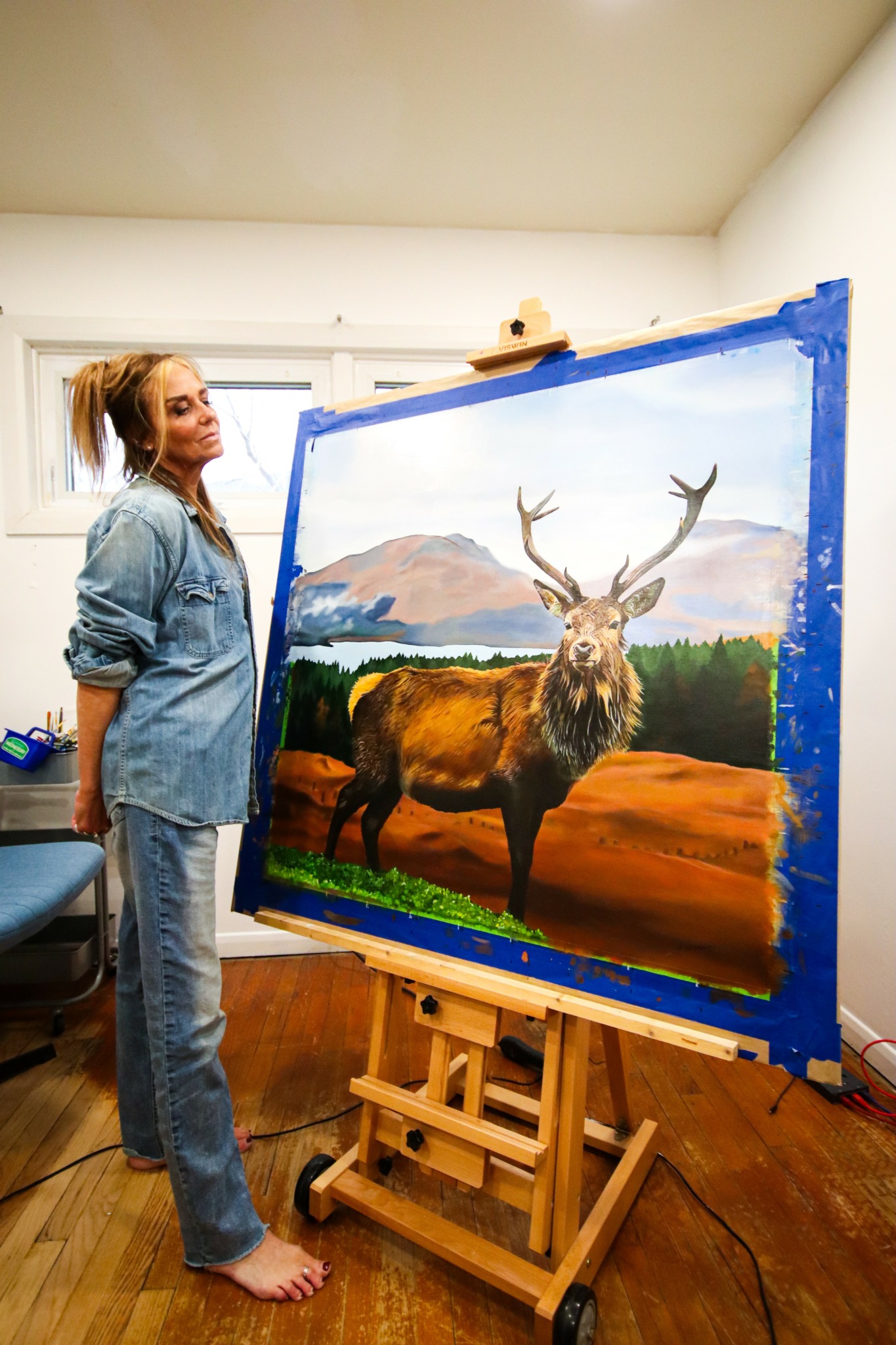
I’m Alicia Urbanski, a multi-media fine artist and the creator behind Alicia Fine Art. I studied at the American Academy of Art in Chicago, where I built a strong foundation in classical technique. Over time, my work has evolved into a more expressive and layered practice—blending realism with abstraction across mediums like acrylic, oil, charcoal, and mixed media.
My work is deeply influenced by my travels and the perspectives I’ve gained through them. I’ve been fortunate to have clients commission me on projects that have taken me around the world, allowing me to experience different cultures, environments, and histories firsthand. Those experiences directly inform my work—whether it’s the textures of architecture, the movement of natural elements, or the emotional energy of a place.
At its core, my work explores themes of unity, energy, and the human experience. I’m drawn to creating pieces that feel both grounded and expansive—often incorporating elements of nature, light, and abstraction to evoke a deeper emotional connection. Whether I’m creating a large-scale abstract, a charcoal portrait, or a commissioned piece, my intention is always to go beyond what is seen and tap into what is felt.
What I provide is more than a visual piece—it’s an experience. My collectors are often drawn to how the work transforms a space and creates a sense of balance, presence, and meaning. I’ve had the opportunity to exhibit in gallery settings, collaborate across industries—including projects that merge fine art with fashion—and take on highly customized commissions that require both creative vision and problem-solving.
One of the things that sets my work apart is my versatility combined with intention. I allow each concept to guide the medium and execution, rather than limiting myself to a single style. At the same time, there is a consistent thread throughout my work: authenticity, depth, and a focus on connection. My ability to adapt—whether working on-site internationally or reconstructing a vision through research and memory—has become a defining part of my process.
I’m especially proud of how my work continues to evolve while staying rooted in my core message of love, peace, and harmony. For those discovering my work, what I want them to know is that every piece is created with purpose. It’s not just about what you see—it’s about what you feel. My work is meant to connect, to elevate, and to live as something timeless within a space.
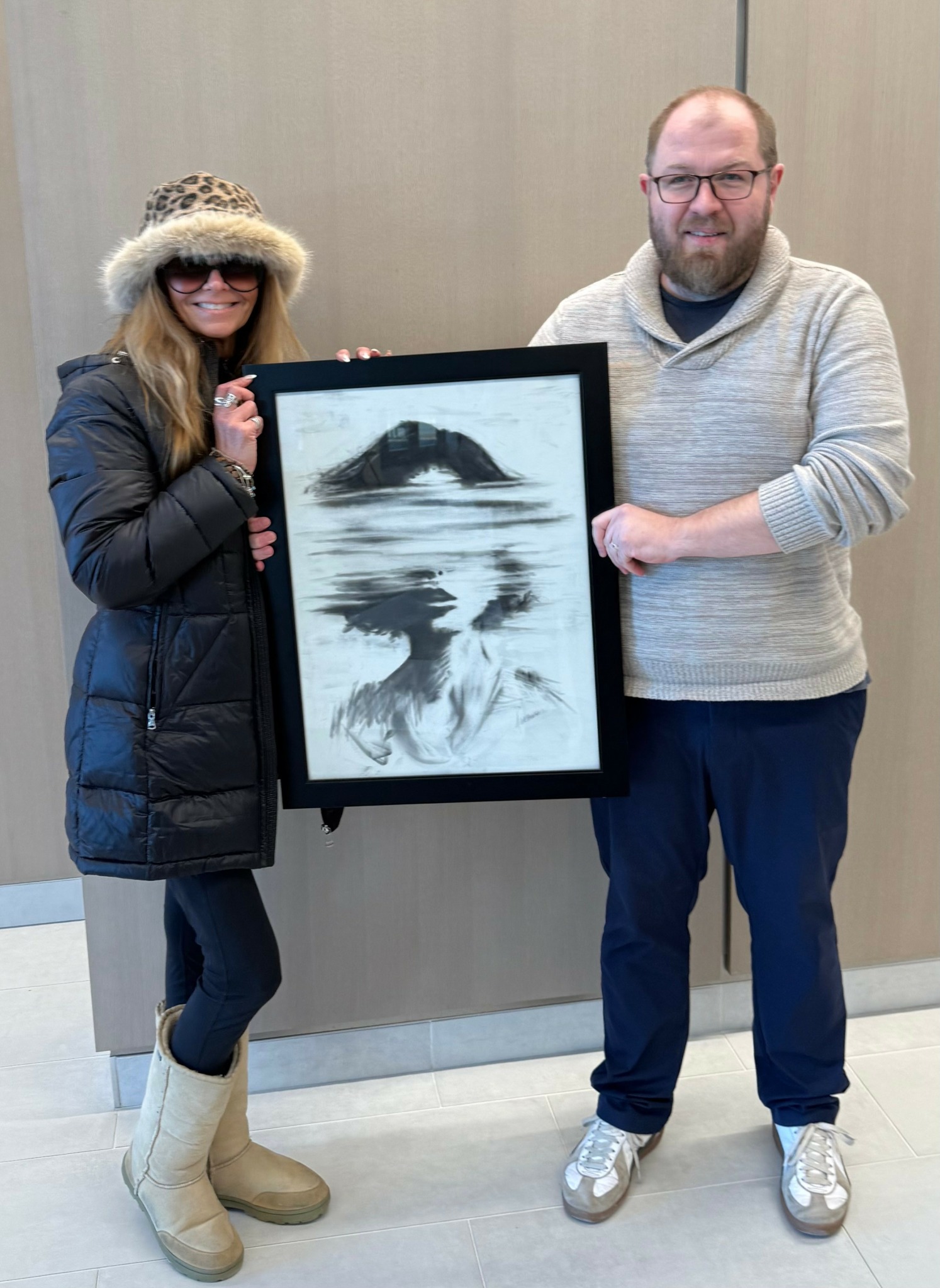
Can you share a story from your journey that illustrates your resilience?
Resilience, for me, has looked like learning to trust myself when things don’t go as planned. I was once flown to Scotland for a commissioned piece, and when I arrived, the entire location was covered in scaffolding and active construction. It could have easily derailed the project.
Instead, I leaned into problem-solving and perspective. I gathered alternative references, including drone imagery, and allowed myself to interpret what I couldn’t physically see. Back in my studio, I had to rely less on perfect visuals and more on instinct and experience.
That moment reinforced something I carry into every project now—conditions aren’t always ideal, but creativity thrives when you choose to adapt rather than stop.
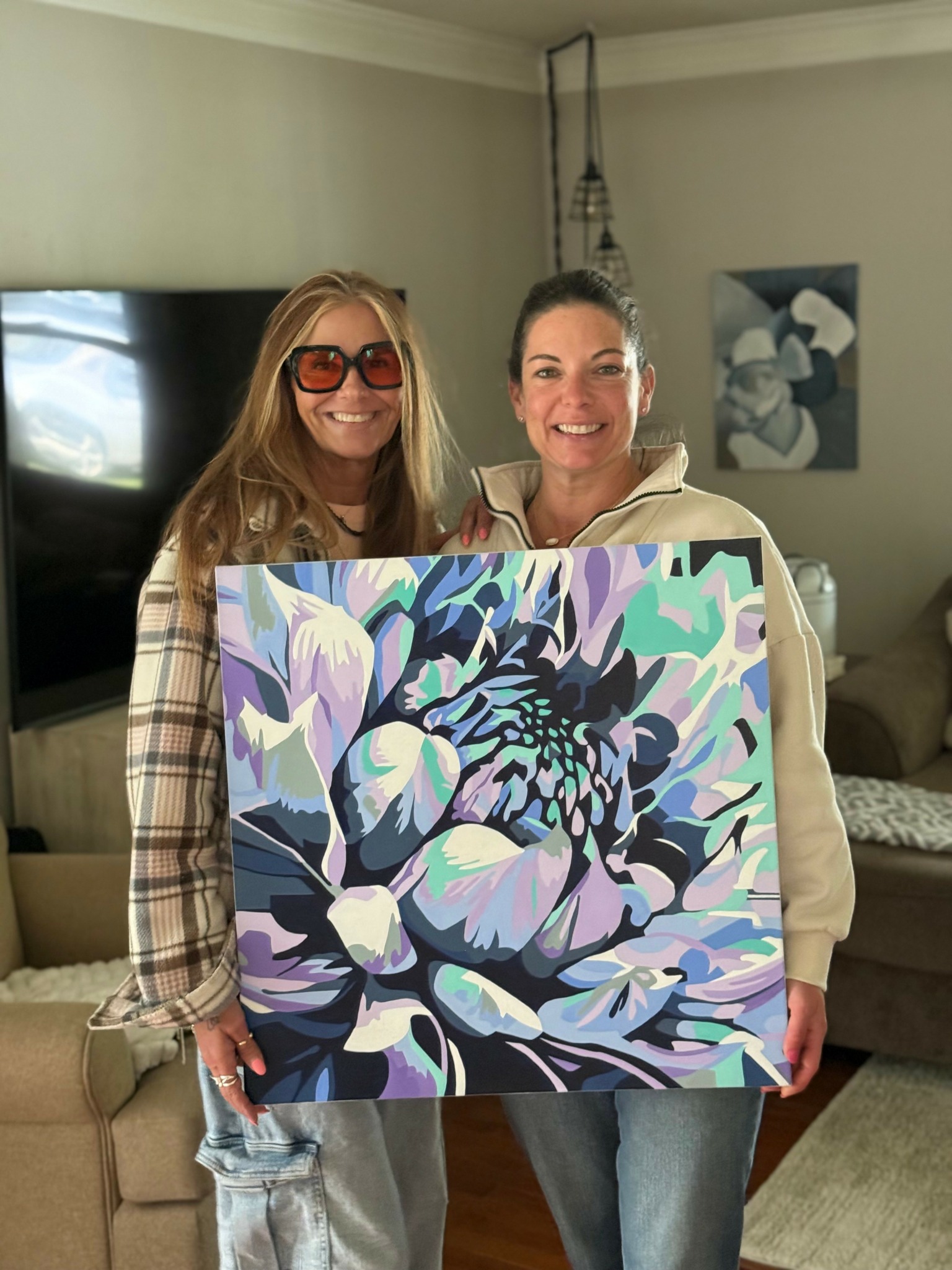
We often hear about learning lessons – but just as important is unlearning lessons. Have you ever had to unlearn a lesson?
One of the biggest lessons I had to unlearn was the idea that everything needs to be perfectly controlled before I begin. Early on, I believed I needed ideal conditions, complete clarity, and a structured plan to create something meaningful. But through experience—especially working on large-scale pieces, live art settings, and commissioned projects—I realized that some of my strongest work comes from uncertainty.
There have been moments where timelines were tight, environments were unpredictable, or the vision had to evolve in real time. Instead of resisting that, I learned to lean into it. I started trusting my instincts more and allowing the process to unfold naturally rather than forcing it.
Unlearning perfection gave me freedom. It allowed my work to become more expressive, more intuitive, and more connected to the energy of the moment. Now, I see challenges not as obstacles, but as part of the creative language itself.
Contact Info:
- Website: https://aliciafineart.com
- Instagram: aliciafineart
- Facebook: Alicia Urbanski
- Linkedin: Alicia Urbanski