

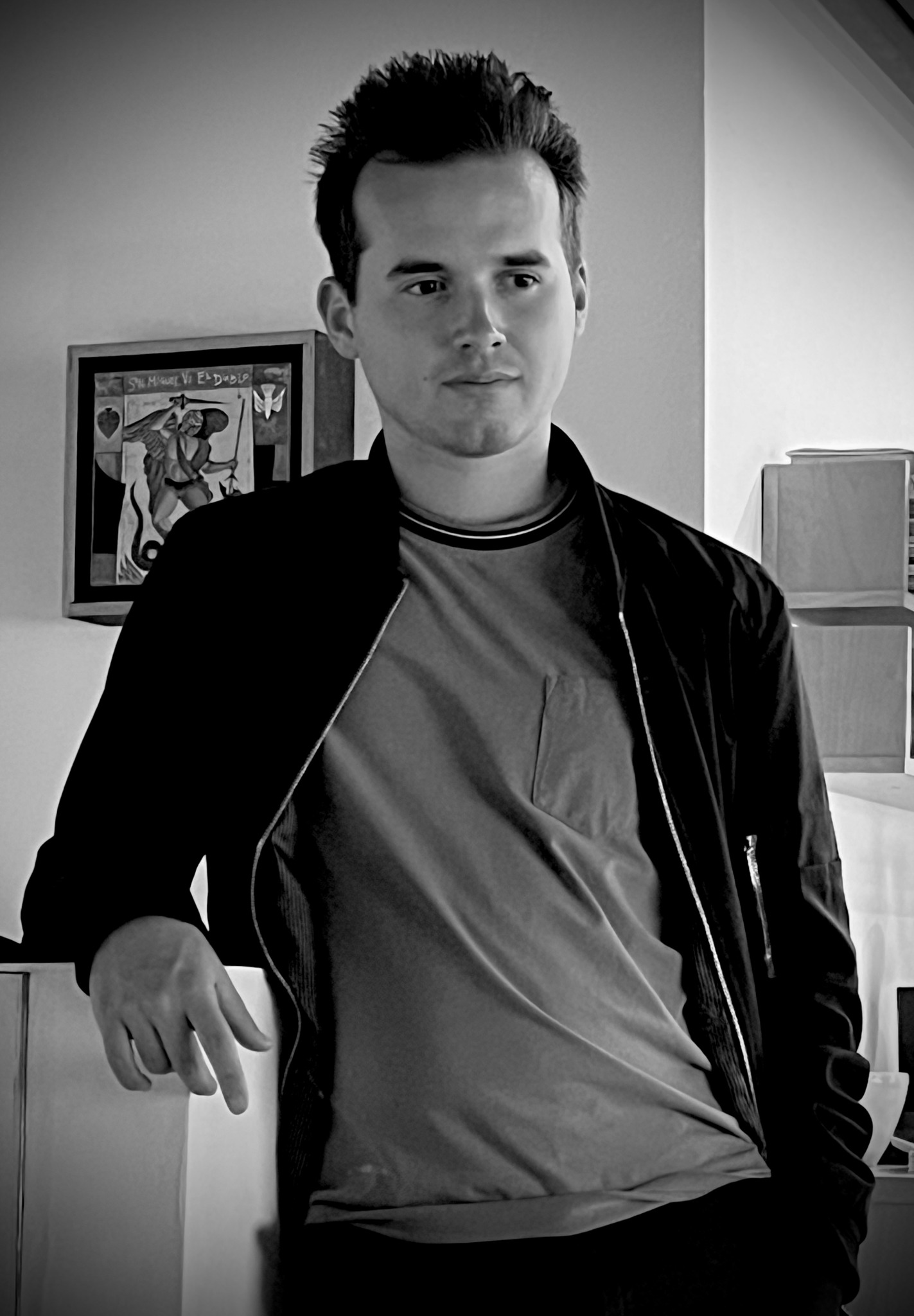

We caught up with the brilliant and insightful Santiago Lopez a few weeks ago and have shared our conversation below.
Hi Santiago, thanks for joining us today. We’d love to hear about a project that you’ve worked on that’s meant a lot to you.
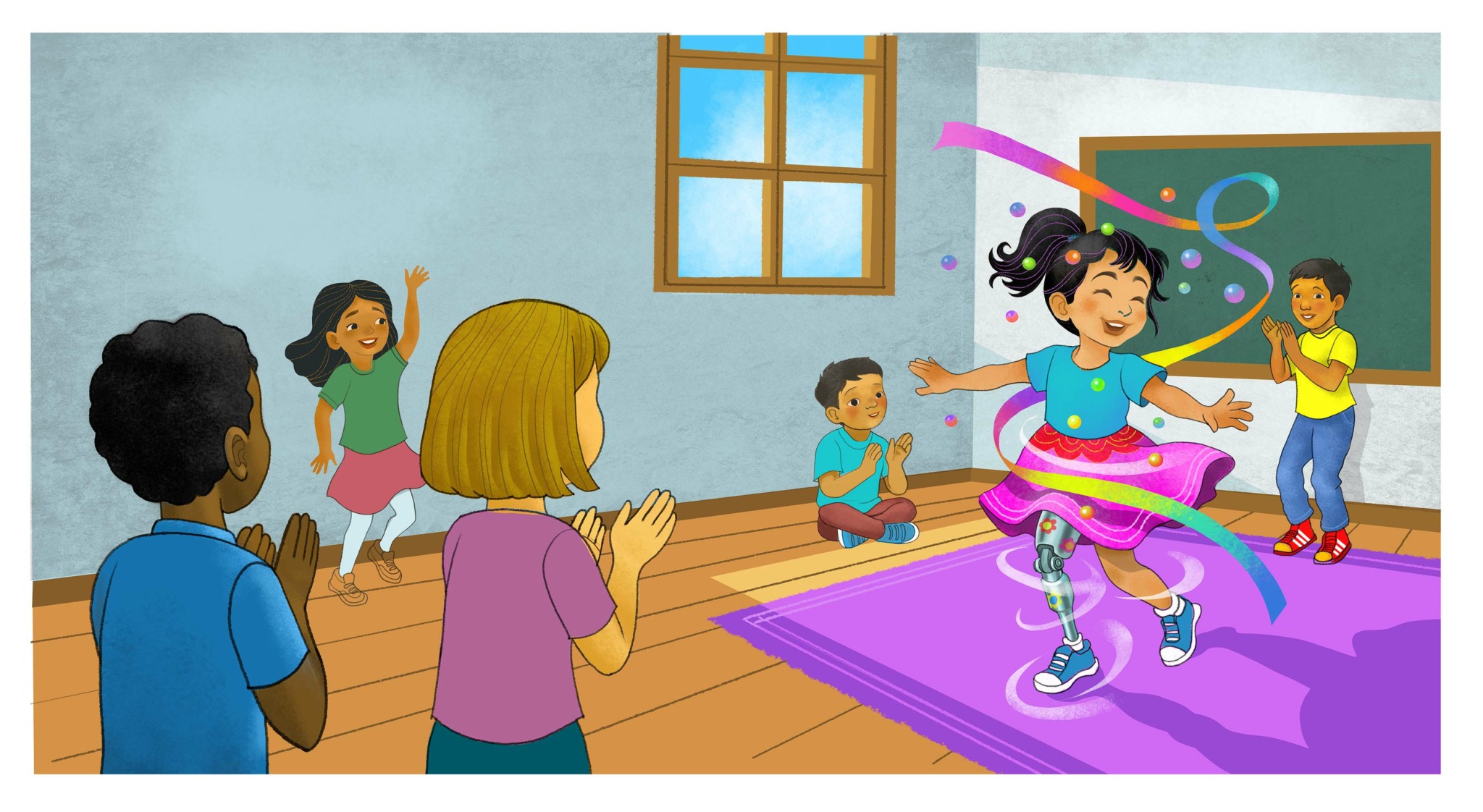
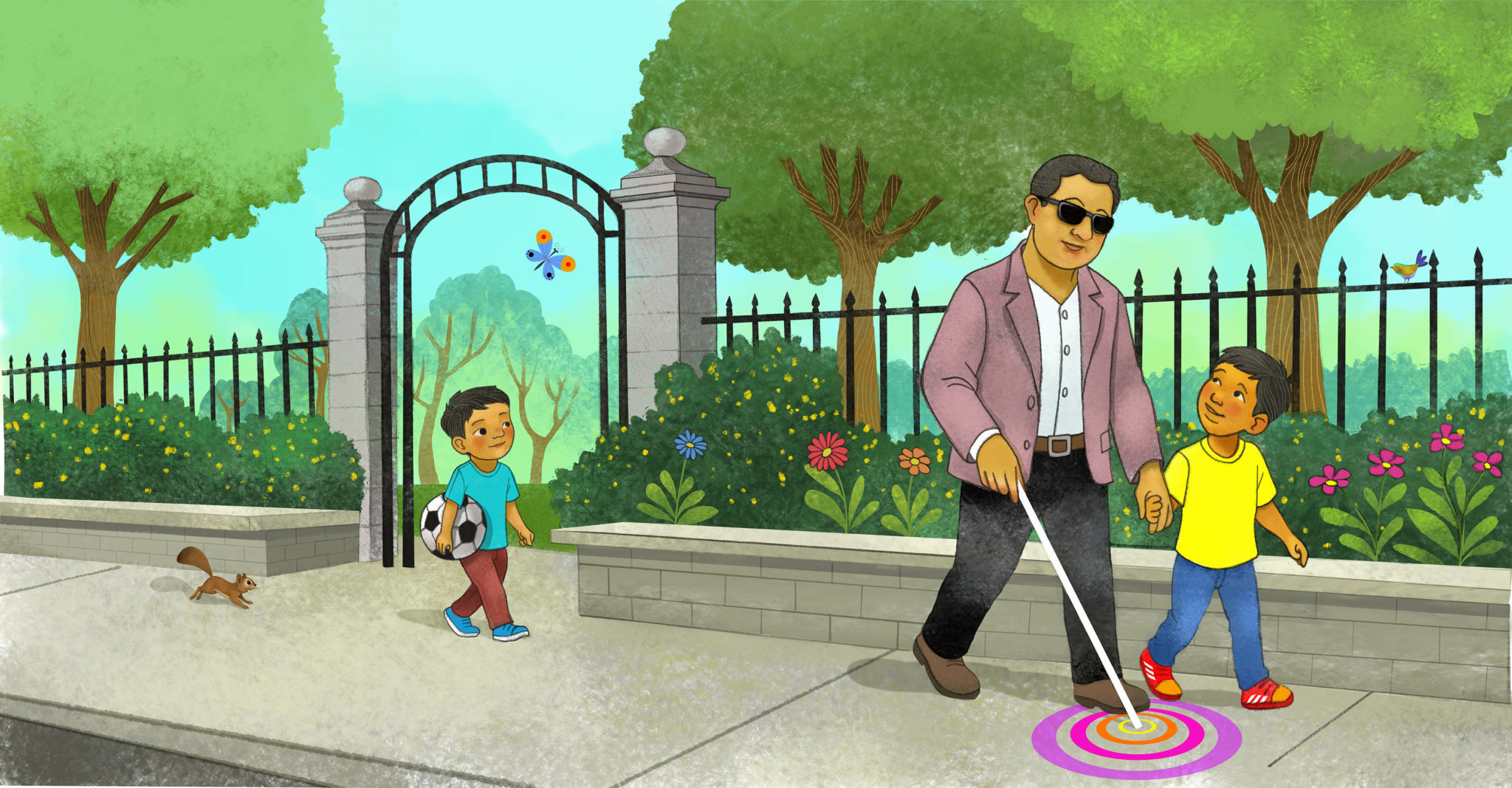
A recent meaningful project I worked on was creating illustrations for a children’s book about accessibility in collaboration with an impactful author who is blind. That experience shifted my perspective, not just on how stories are told, but about who they are for. Teaching kids about accessibility at an early age helps build empathy and understanding, not only for children with disabilities, but also for their peers growing up alongside them. It helps kids understand that differences are part of everyday life. I came away realizing that accessibility goes beyond design, it’s about connection, inclusion, and making sure every child feels seen.
Santiago, before we move on to more of these sorts of questions, can you take some time to bring our readers up to speed on you and what you do?
I’m an illustrator and my journey into art began before I had the words to express myself, drawing people and animals with their mouths wired shut as a way to show my struggle to communicate. That moment led to my autism diagnosis, and over time those wires in my drawings gave way to expression, emotion, and connection.
I was mainstreamed in public school, where social situations did not always come easily. But my artwork became the place where I felt understood. It stood out, people noticed and I felt a real sense of belonging. As a junior in high school, I was nominated by peers and selected as one of 25 remarkable teens in San Diego. My work was featured in exhibitions at places like the California Center for the Arts and on the cover of our yearbook. These experiences showed me my voice could reach people.
I went on to earn my Associates degree in studio arts in community college, receiving scholarships for my work and continuing to grow as an illustrator. In 2023, I was chosen as one of 15 Emerging Young Artists by the Kennedy Center. I went to Washington, D.C. for empowering workshops and exhibitions at places like Capitol Hill and the Kennedy Center. The following year, I had the honor to represent the United States at an international exhibition during the Paralympic Games. I traveled to Paris where my work was shown alongside artists from 52 countries at OECD Headquarters Gallery.
I chose illustration because it allows me to communicate from the inside out. Today, I create work that blends imagination, emotion, and storytelling, often exploring themes of accessibility, inclusion, or seeing the world differently. I collaborate with clients on meaningful projects such as children’s books and visual storytelling to make ideas more accessible and relatable to a wider audience.
What sets my work apart is that it comes from lived experience. I do not just illustrate concepts. I translate feelings, perspectives, and ways of seeing that are not always easy to put into words. What matters most to me is turning something that once felt like a barrier into a bridge, using art to connect, include, and help others feel seen. At the heart of my work is a simple idea, that everyone deserves to be understood.
Let’s talk about resilience next – do you have a story you can share with us?
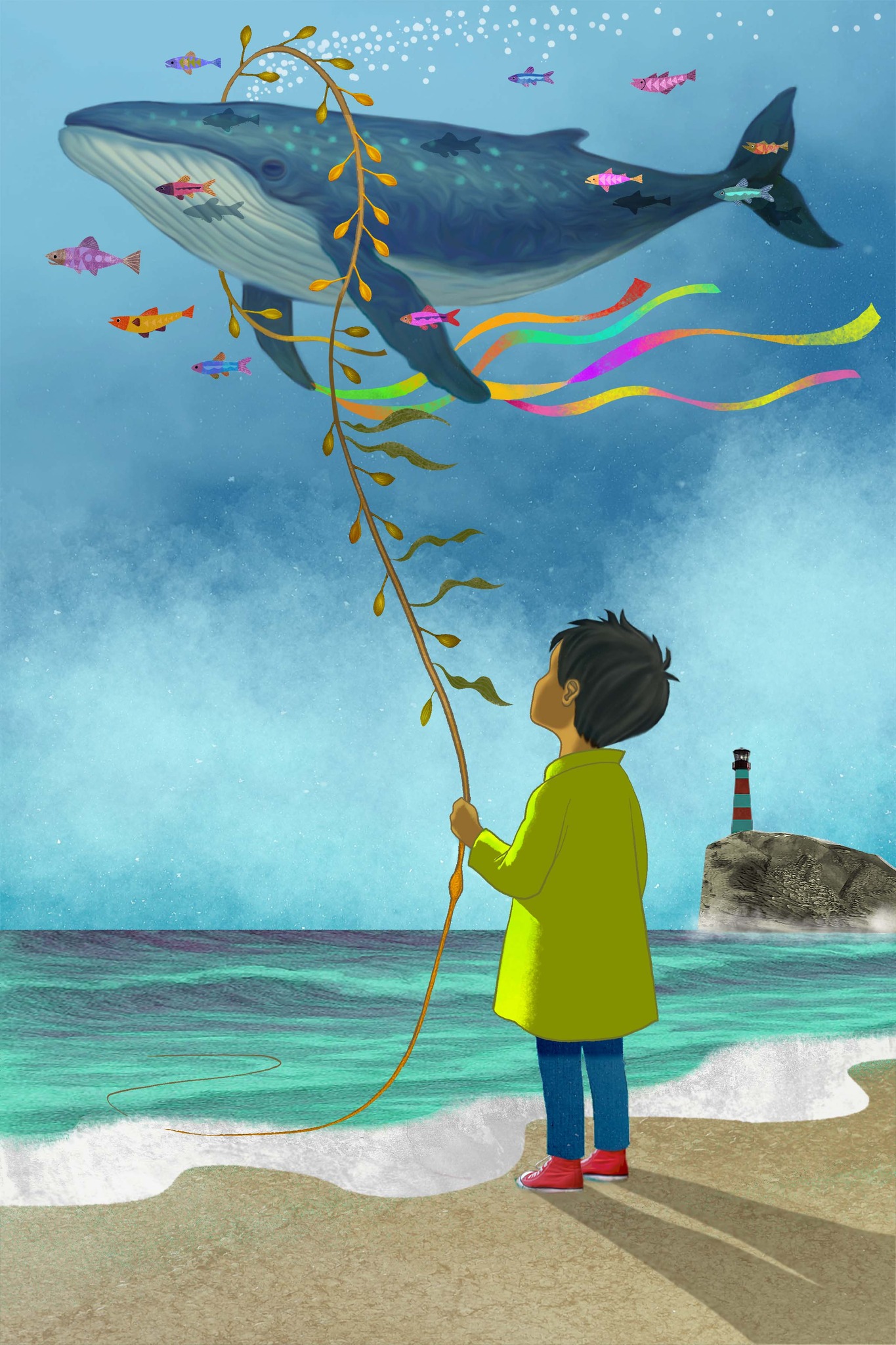
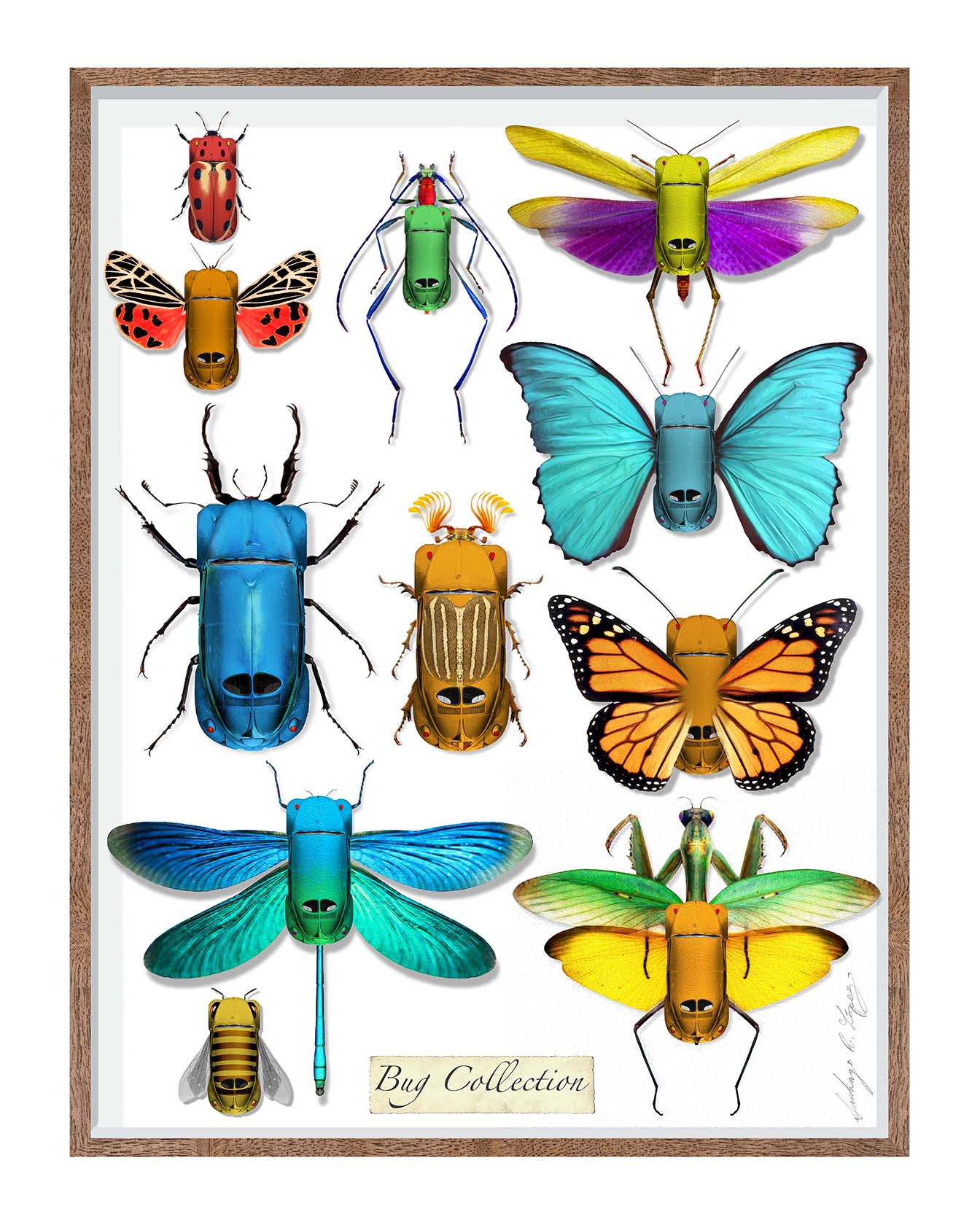
As a neurodiverse artist, I experience the world in a visual and detailed way. I notice patterns, textures, and connections that others might overlook, and that naturally shapes how I create. I might imagine the story of a whale’s evolution as a floating balloon or turn a turtle’s shell into a surreal landscape.
At different points in my life, I’ve felt out of sync, because social skills and non-visual communication don’t come easily. Learning to navigate that took patience, resilience, and a lot of trust in my own way of thinking. If something doesn’t come easily, it doesn’t mean you’re not capable, it just means you may need a different approach. The more you trust your own process, the more confident and resilient you become. Growth happens when you stop measuring yourself against others and start building from who you already are.
Even though putting myself out there doesn’t always come naturally, I’ve learned to trust my own work. When clients take that first step with me, it often leads to really meaningful collaborations. I speak both English and Spanish but art became a language where I could express things more clearly than words. What once felt like a difference has become a strength, and it’s what allows me to create work that invites others into my perspective.
What do you think is the goal or mission that drives your creative journey?
Growing up between San Diego and San Miguel de Allende, Mexico, I realized art had the power to bridge cultures, communities, and lived experiences. I use my illustrations to build connections, spark a shift, flip the script and turn differences into dialogue.
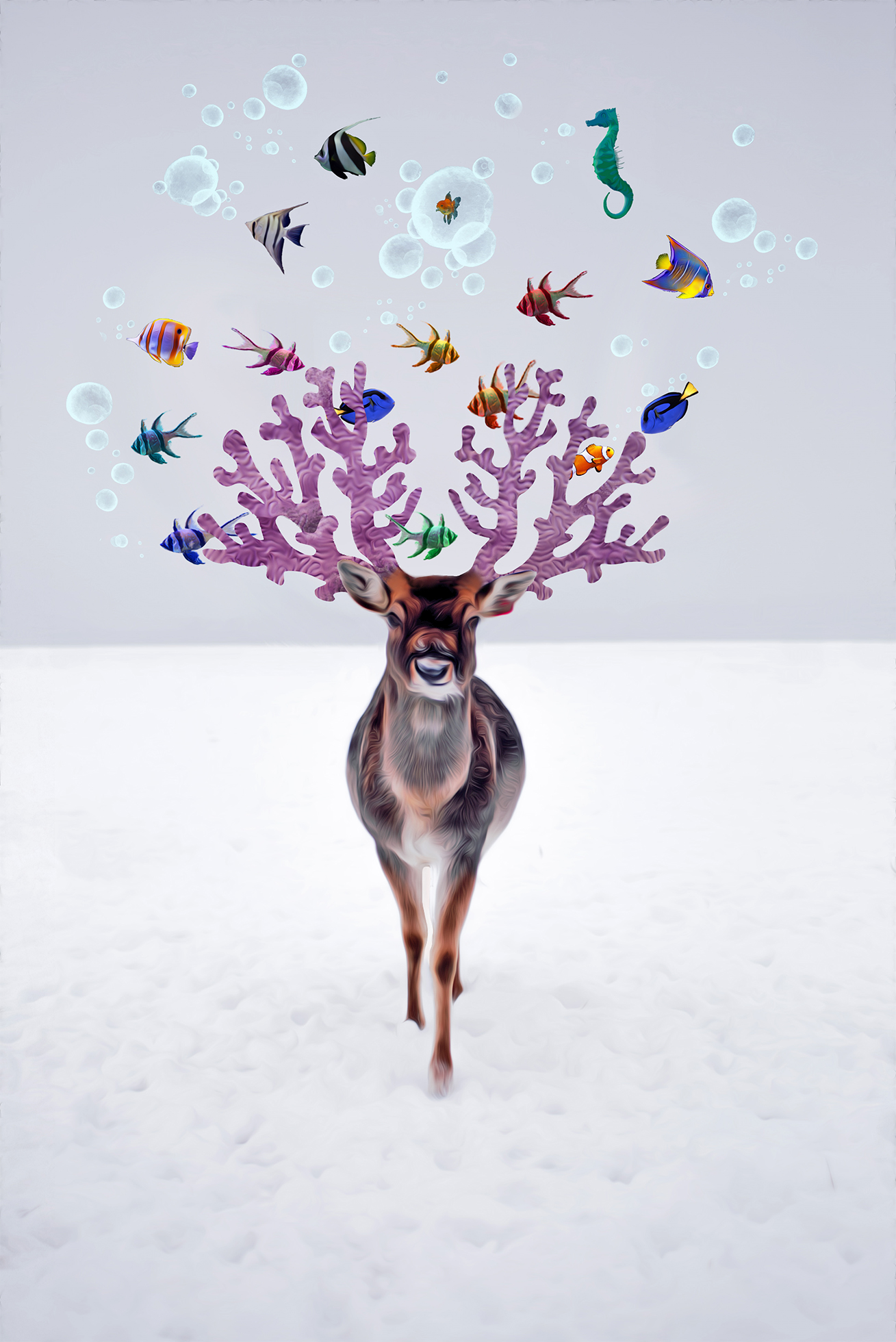
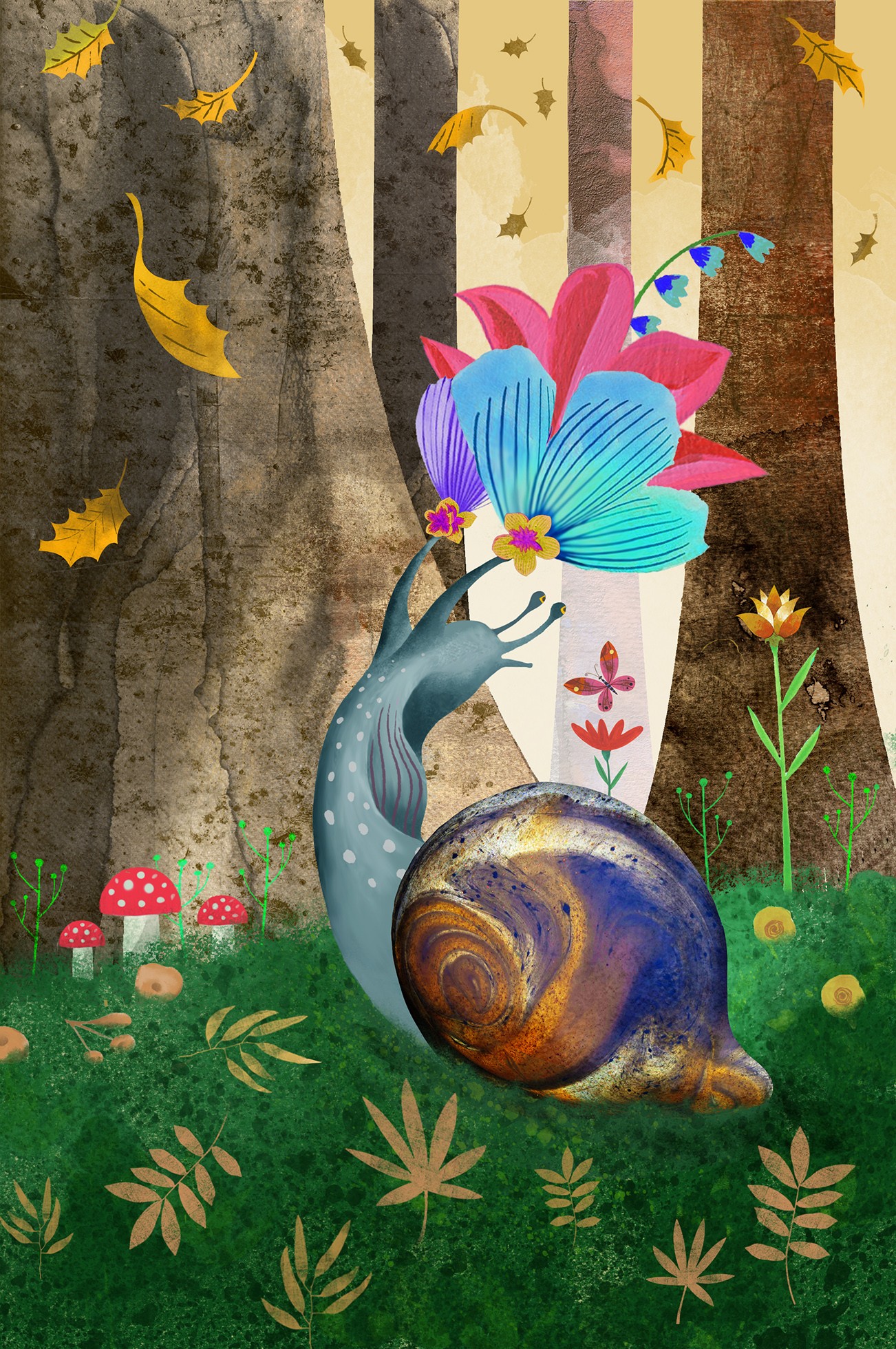
A big part of what drives my art is the idea of imagination as a universal language. I use surreal, playful concepts to connect with people across different backgrounds and experiences. These images do not rely on words. They invite feeling and curiosity first. My goal is to create shared moments of wonder that anyone can step into and understand in their own way. At its core, my work is about creating spaces where people feel seen, included, and understood, no matter how they experience the world.
Contact Info:
- Website: https://santiagolopezstudio.com
- Instagram: https://www.instagram.com/santiagolopezstudio/
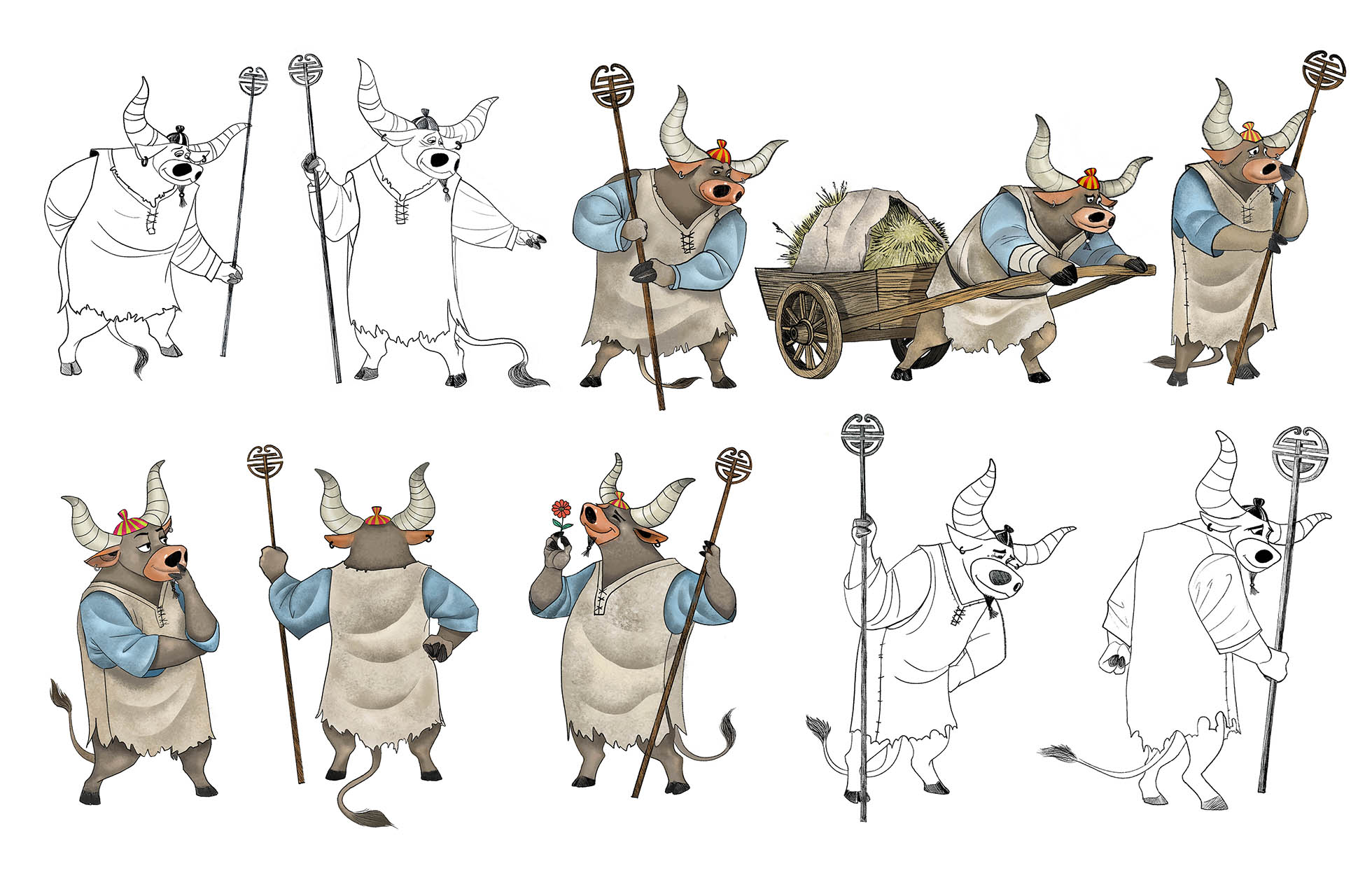
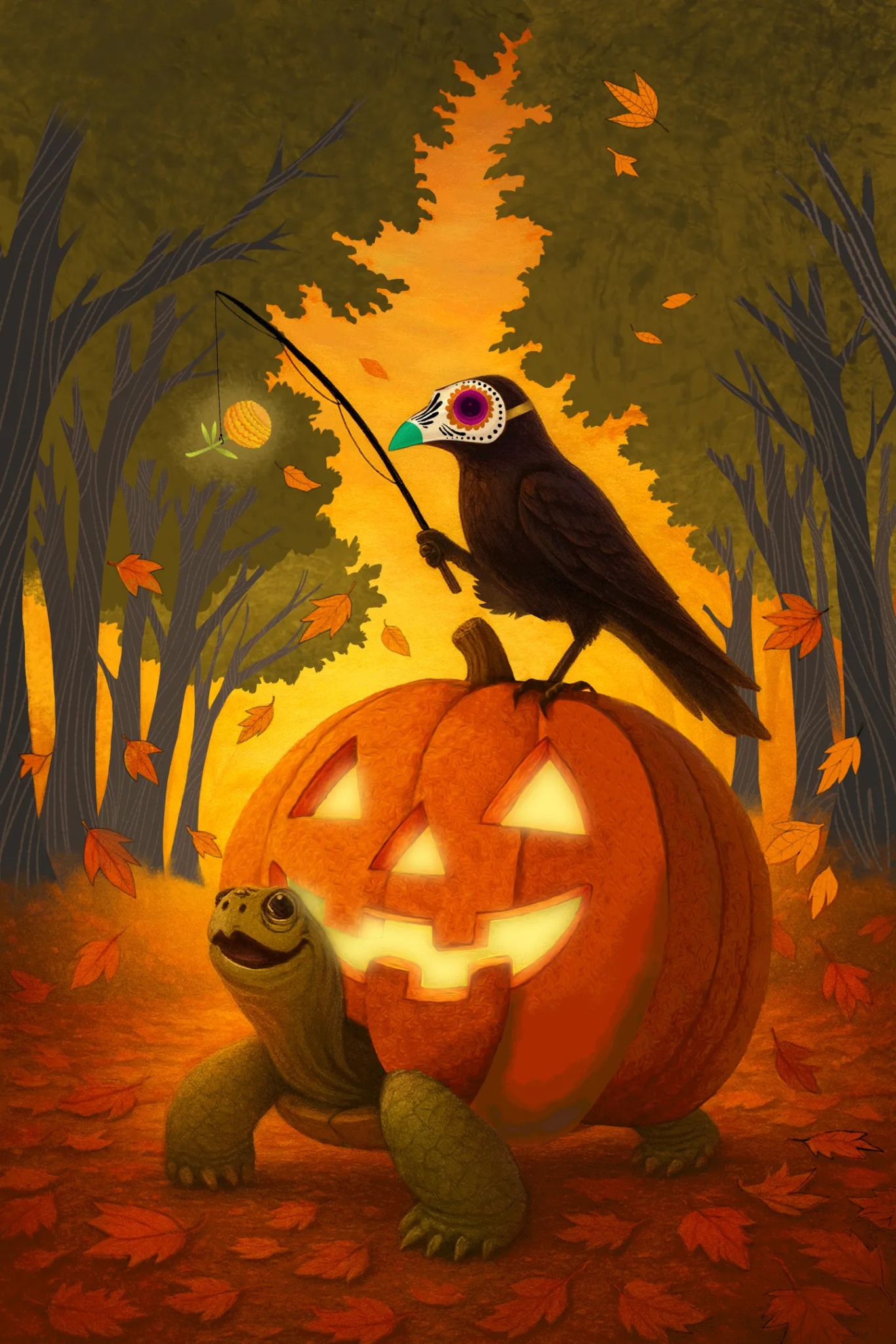
Image Credits
Santiago López