
We were lucky to catch up with Ryan Rumpca recently and have shared our conversation below.
Alright, Ryan thanks for taking the time to share your stories and insights with us today. We’d love to hear the backstory behind a risk you’ve taken – whether big or small, walk us through what it was like and how it ultimately turned out.
A year ago I took the biggest risk of my life. I left a career that I had worked very hard in, and of which many people would see as “successful”. I spent 7.5 years working my way up the corporate ladder as an engineer and eventually a project manager in the aerospace industry. I left that career to pursue my adventure video and photo production company full time, jumping off the deep end into the unknown and freelance realm. When I left, many people saw the decision as crazy. What people didn’t see, however, were almost every night and weekend for over six years building the business alongside my “day job”.
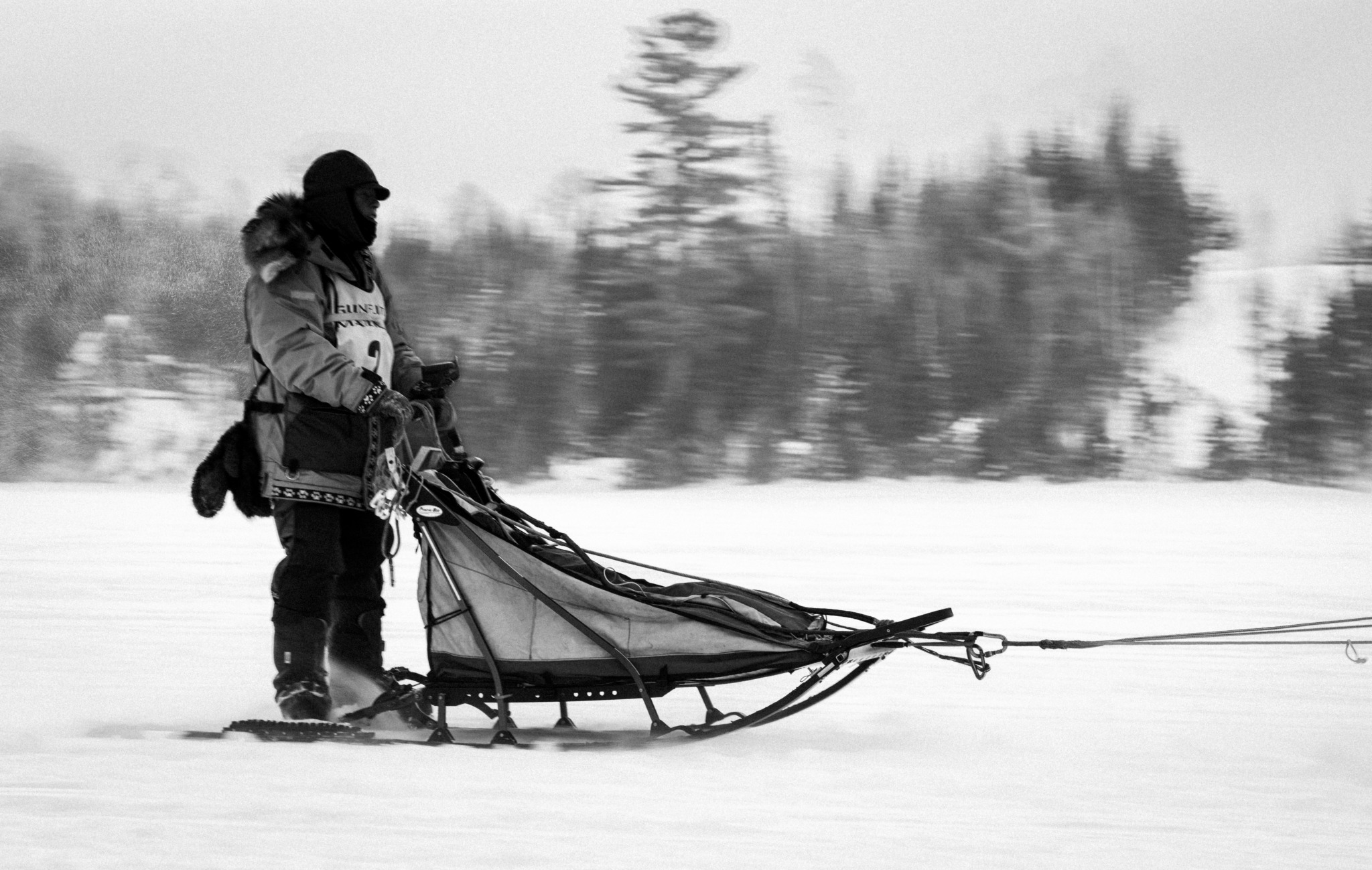
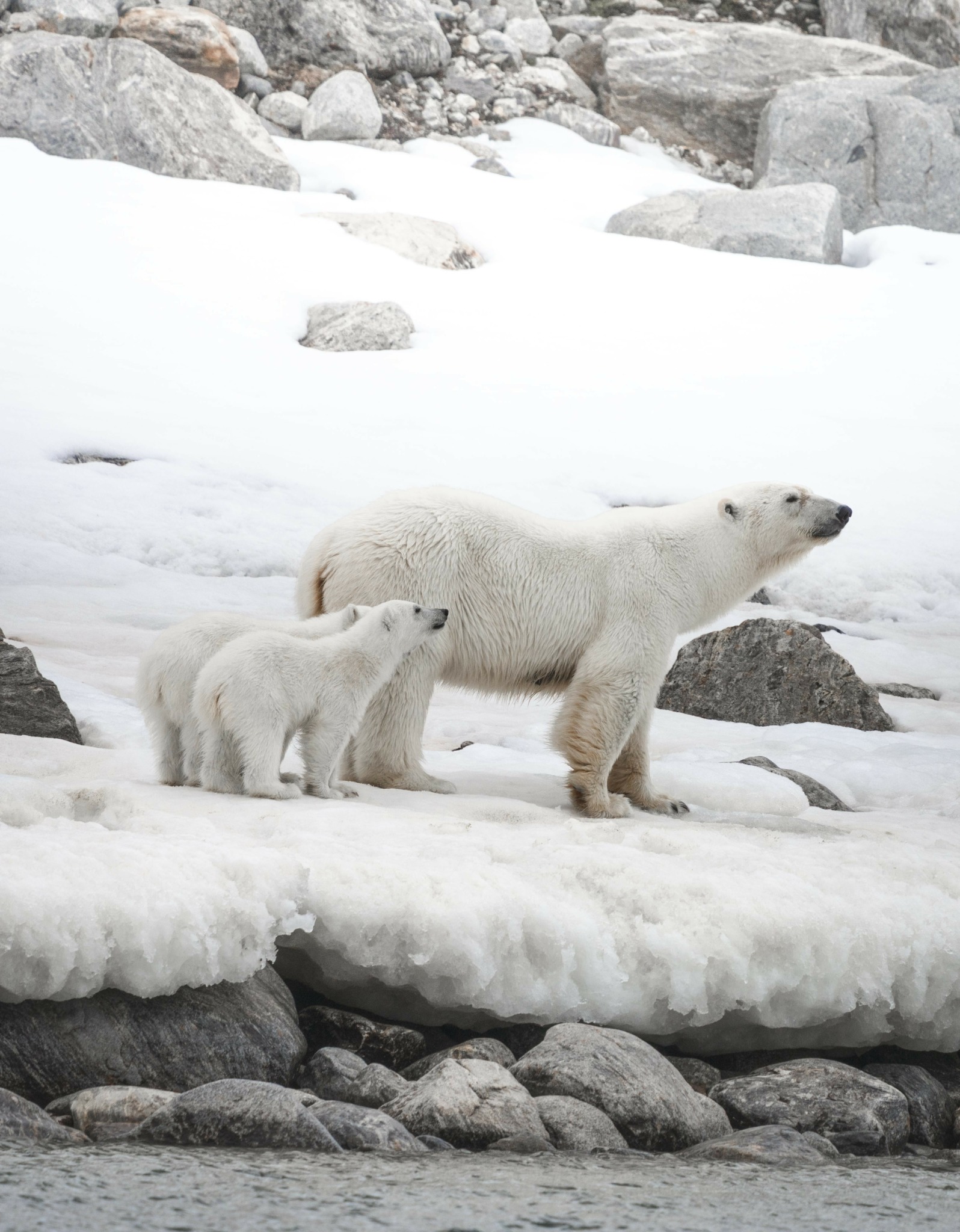
I was building skills, a network, and a body of work. I felt ravenous to grow. Any free time was spent pouring myself into the company, and in turn the opportunities started to pile on – and quick. A shoot for a local business quickly became a shoot with Patagonia. Volunteering for local dog sled races quickly became snowmobiling 1000 miles as the videographer for the Iditarod. Small, no budget films quickly became sailing in the high-Arctic making a brand film. I spent all my PTO off working on these projects, and the growth was euphoric. A camera gave me access to things that I would never have thought possible.
Years earlier, I had given myself an ultimatum. “If one started to conflict the other, I need to make a decision”. Here I was, in that same impetus of a moment I had thought about for years, without realizing it. More truthfully, I had realized it, but I was scared to confront the fact. So, I took the leap. I realized that being scared of something is hardly a good enough reason not to try. Now here I am a year in, feeling fulfilled but still as hungry as ever. It is still scary, but I don’t think there will ever be a time when it is not scary. I see that as more of a good thing than a bad thing. The risk has continued to open up doors, with increased opportunities for incredible work, new adventures in new places, and a recent induction into the venerable Explorers Club.
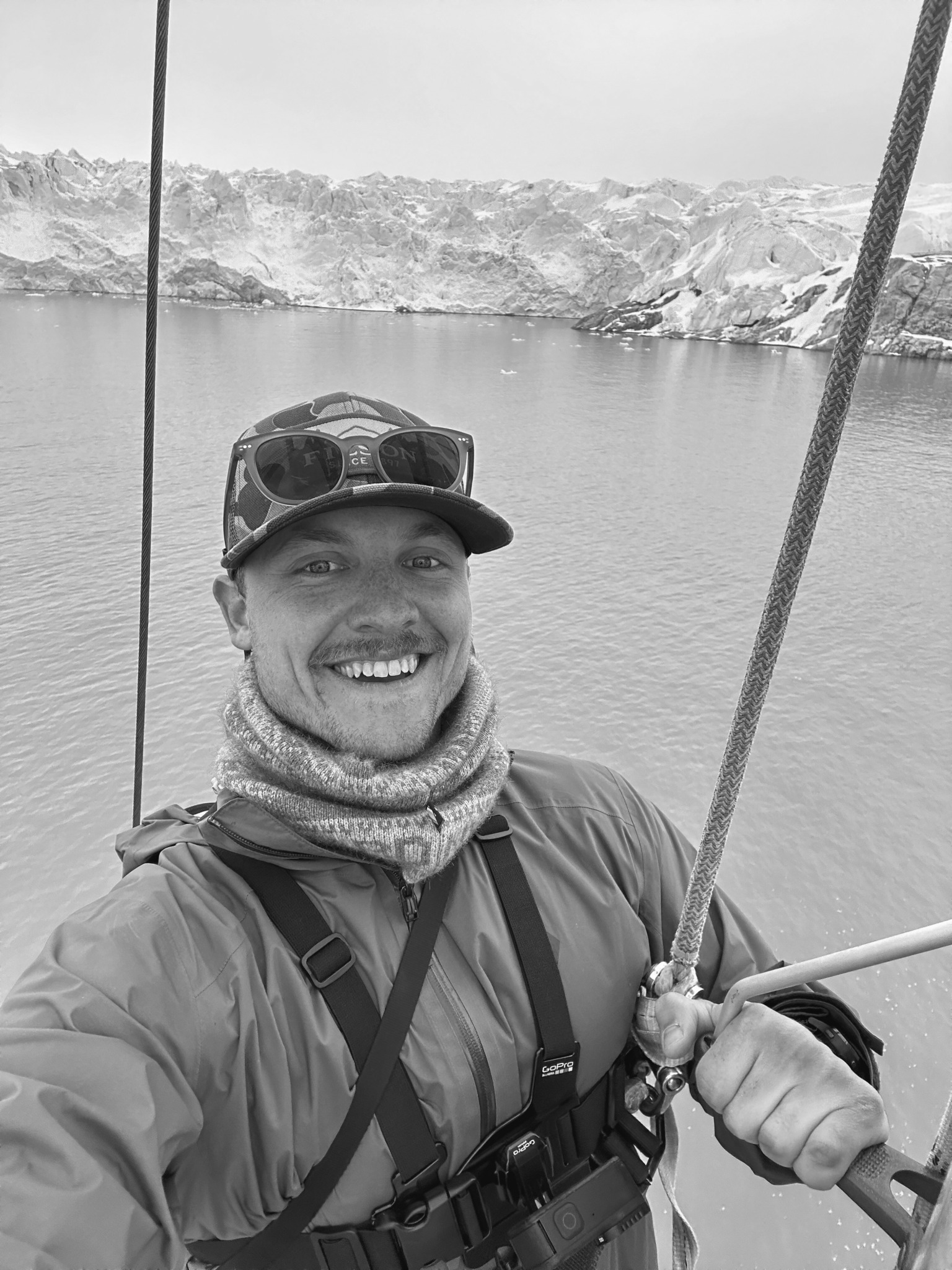
Ryan, before we move on to more of these sorts of questions, can you take some time to bring our readers up to speed on you and what you do?
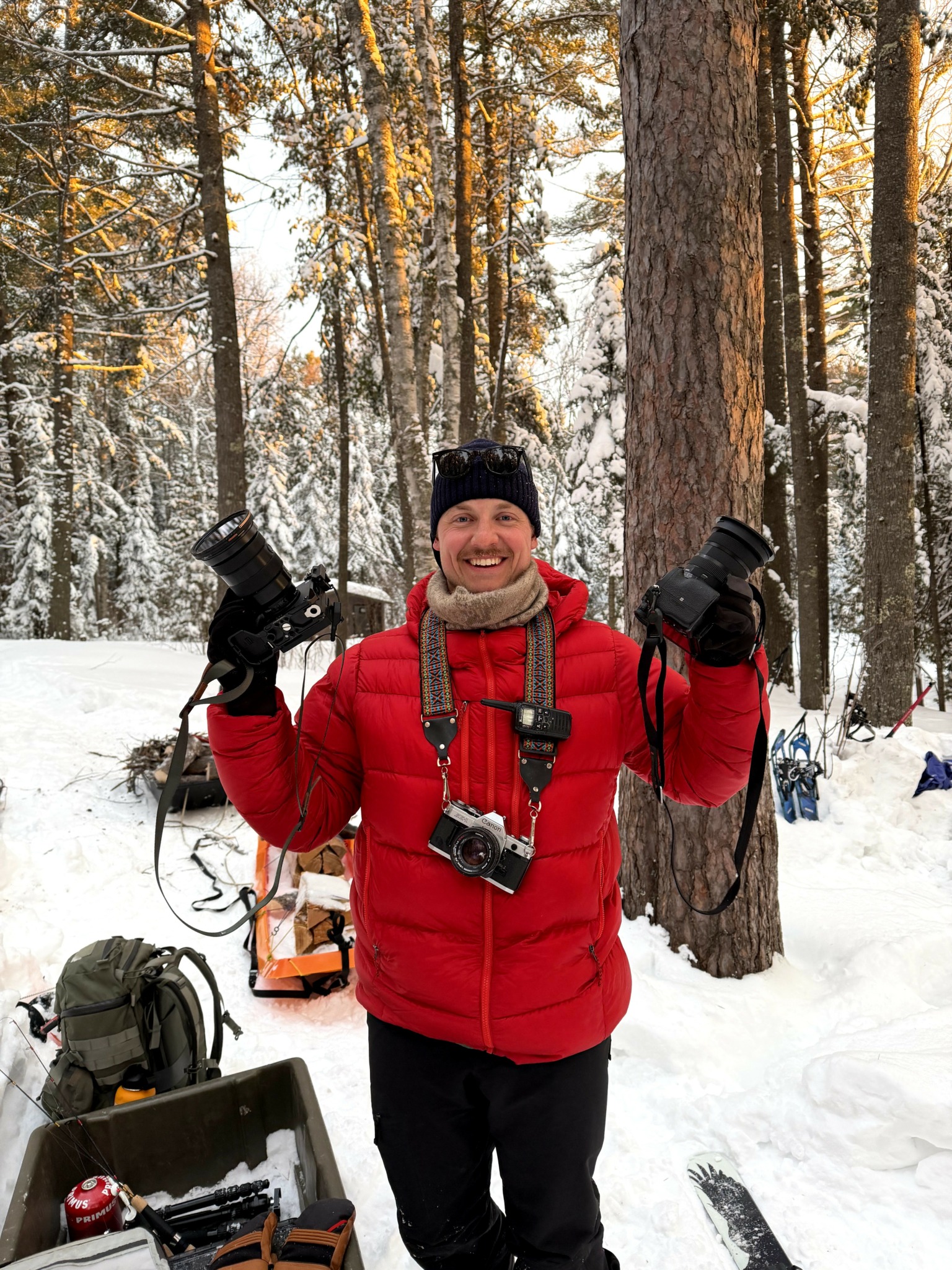
My name is Ryan Rumpca and I own Fram Studio Company.
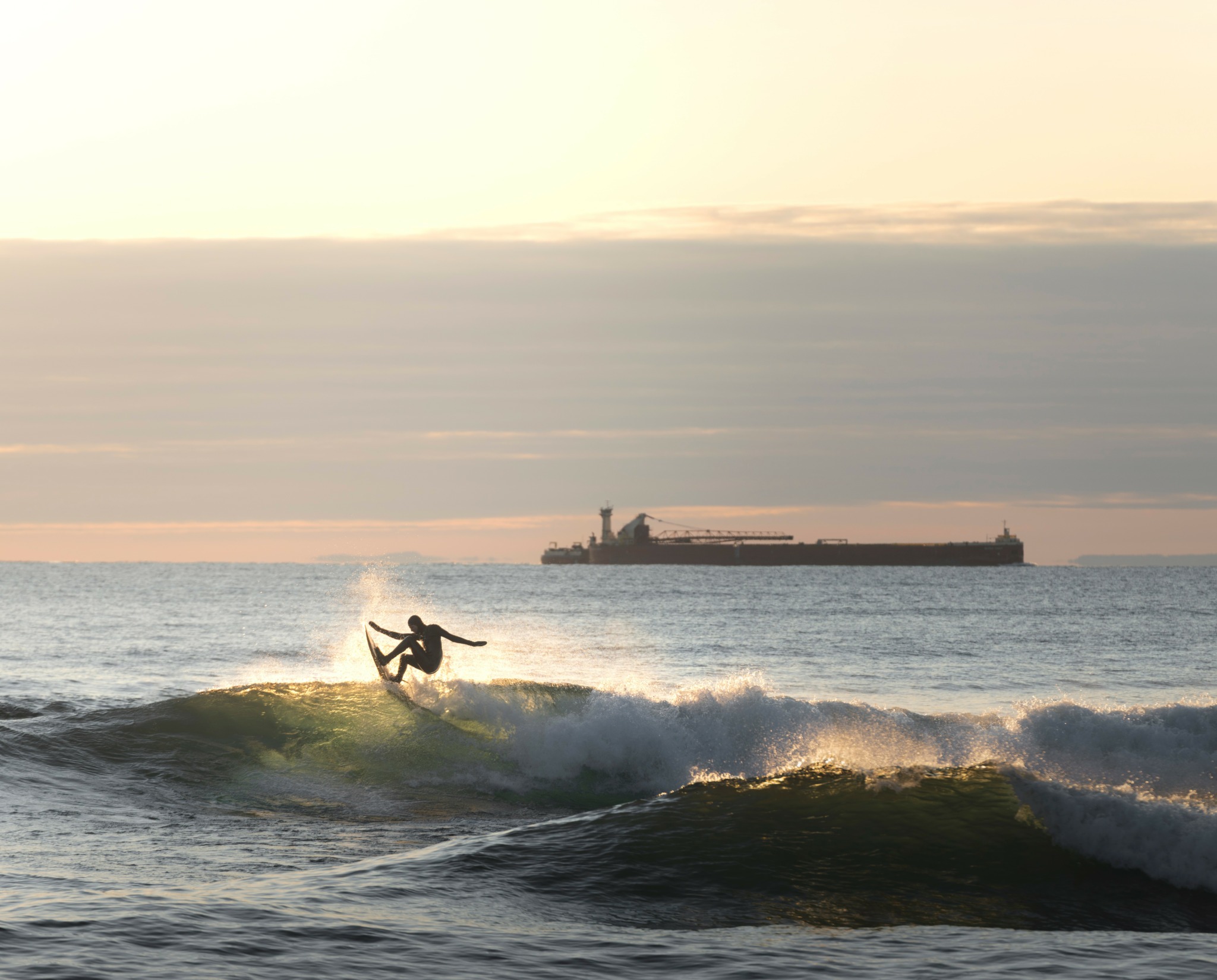
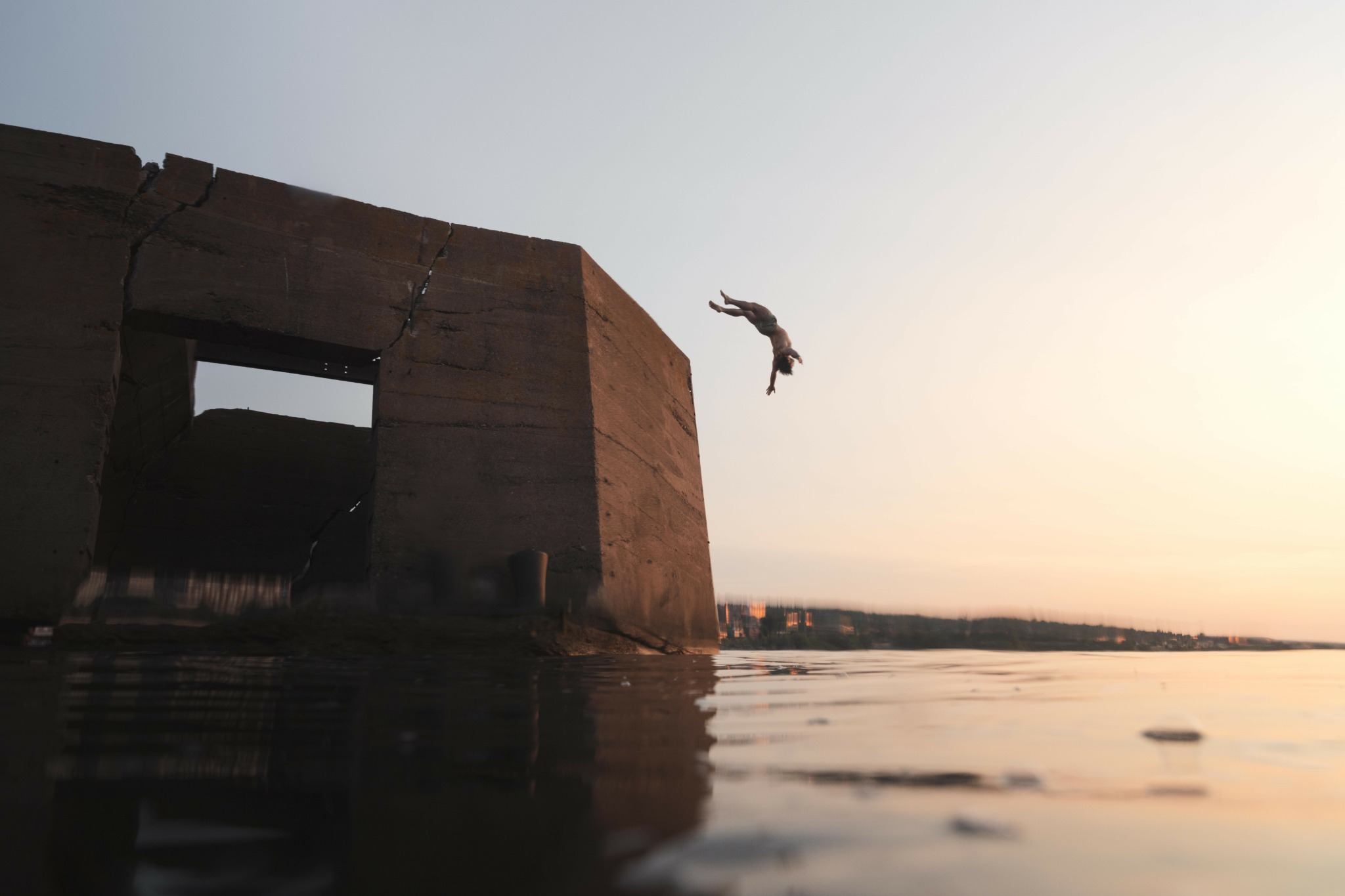
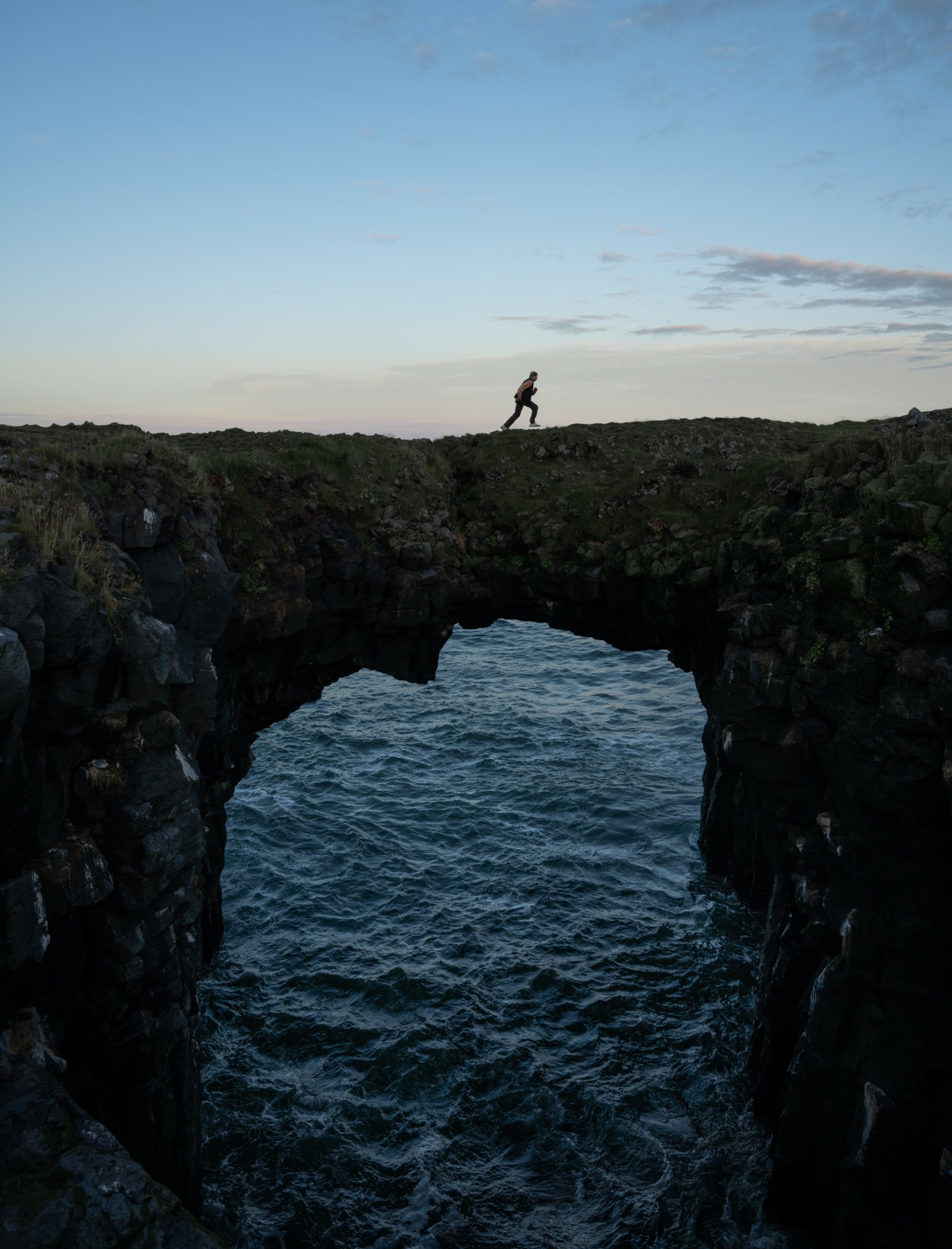
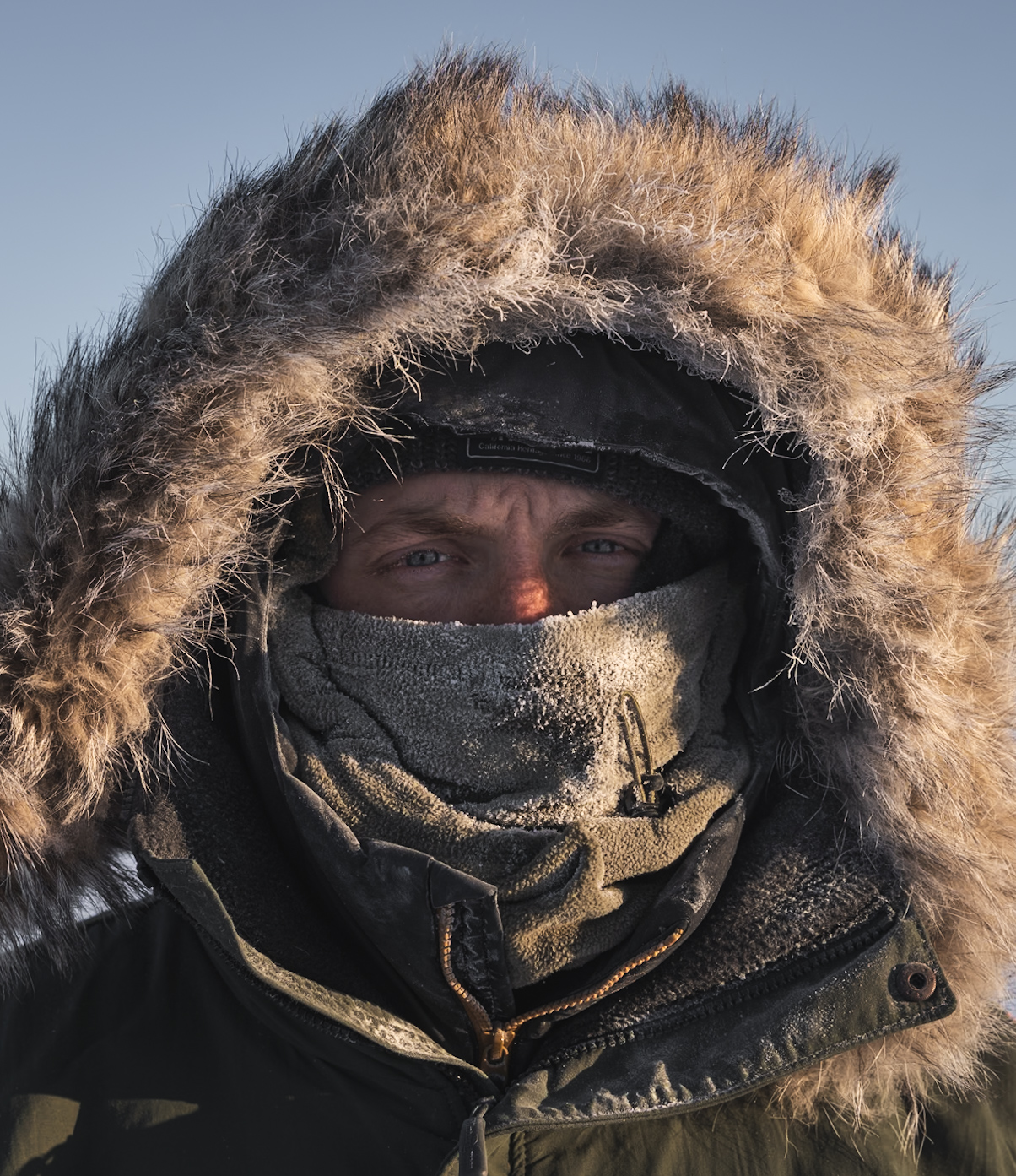
Fram specializes in outdoor media production, working with brands, organizations, and tourism boards producing brand documentaries, advertising campaigns, short-form stories, social campaigns, product launches, and more. Named after the early polar exploration vessel the Fram (pronounced “Frahm”), I find the strongest stories lie at the intersection of curiosity, adventure, and lived experience. The inspiration for the brand comes from early explorers – those who ventured into the unknown on the quest for knowledge and advancement. Throughout it all, photographers and filmmakers were right alongside, experiencing it all to document history.
Over the years, Fram has worked with many well-known brands like Patagonia, Duluth Trading Company, Hoka, Gear Patrol, The Iditarod, with work spanning from Alaska to Svalbard and many places in between. What started off as a kid with a GoPro on a canoe trip in Canada quickly became sailing in the high-Arctic, and its been incredible to see a lot of hard work progressing the business.
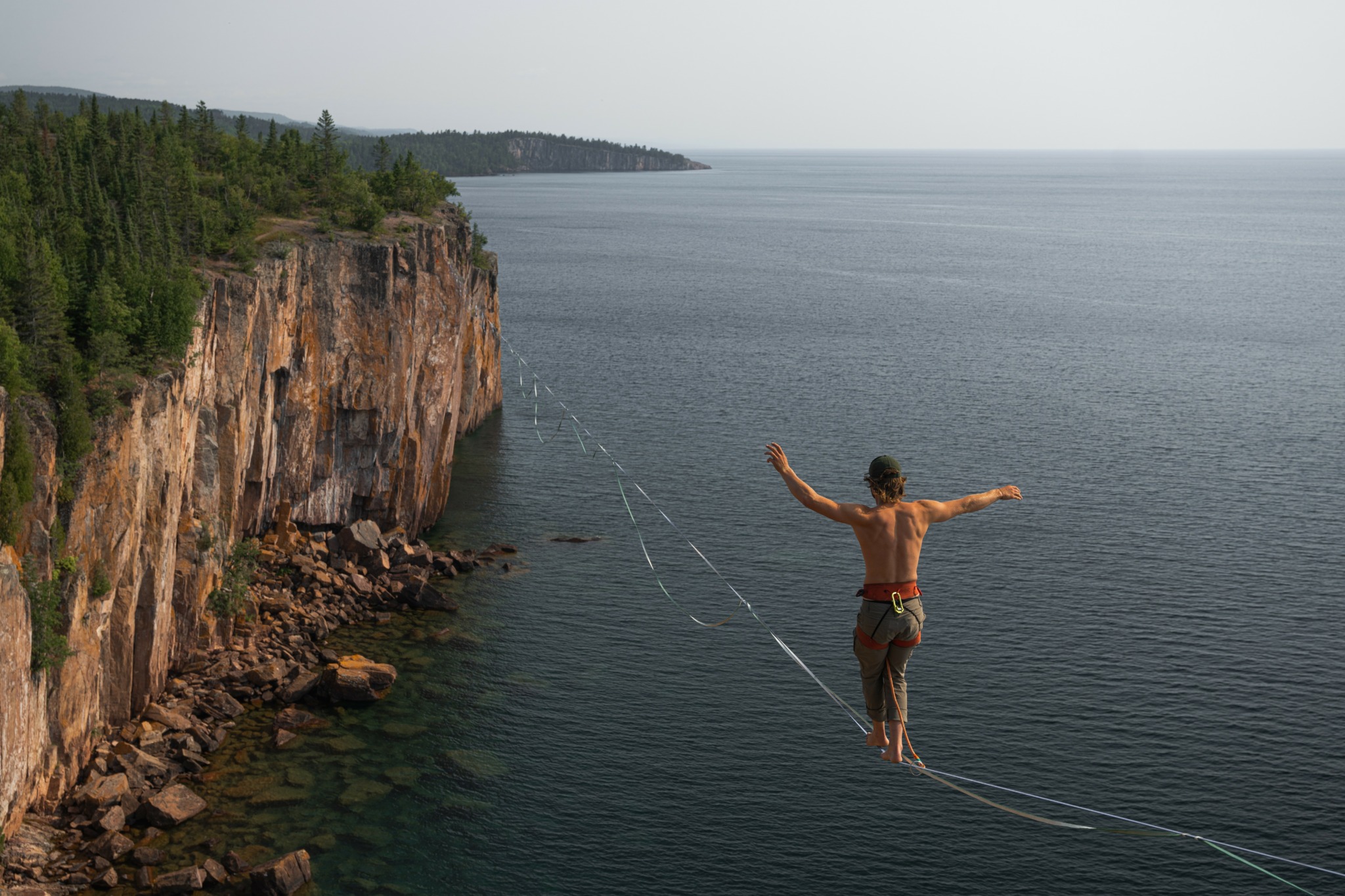
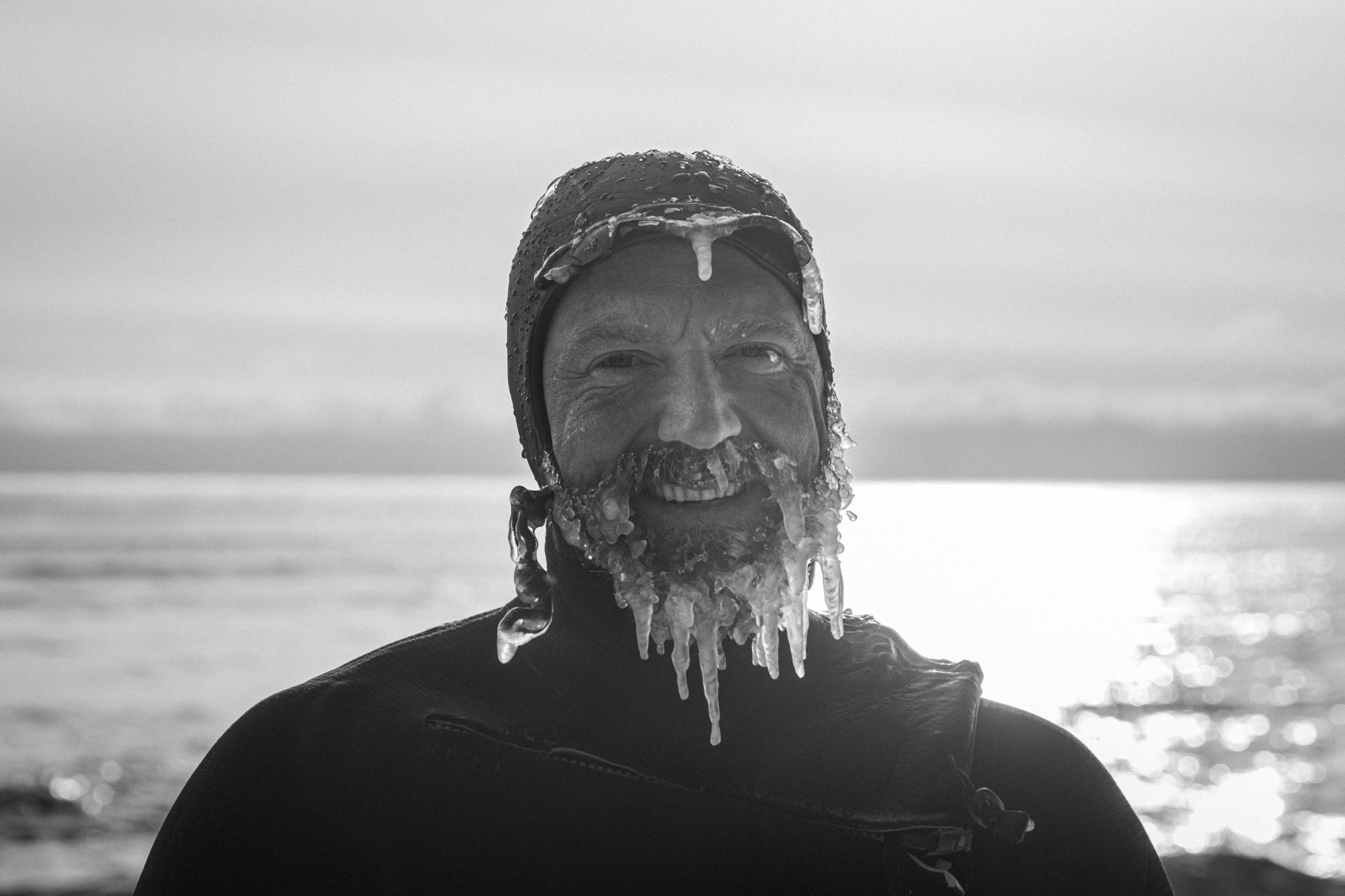
While large teams with professional models still have a place in media production in this day and age, I find myself more gravitating towards small, nimble teams of real people doing the real “thing”. I am gravitated towards real stories, real people, and real experiences, and think that is becoming ever more important in the age of rapidly advancing technology. I like to lean into the Type-II fun side of activities, showcasing not just the beautiful sunrise at the top of the mountain, but the struggle fest to get there. I find it helps me connect with the work better, and that it shows authenticity for the brands that we work with.
Can you talk to us about how your side-hustle turned into something more.
I began my photography career around 2014 using a tool that many people start with – a cellphone. I vividly remember buying this old lens adapter for probably $15 that you could slide over your phone to create different focal lengths like a fish eye or a telephoto. While crude and rudimentary at the time, this began a slippery slope, eventually leading to a career in it. A phone became a GoPro, a GoPro a DSLR, and a DSLR a mirrorless. I shot infrequently and casually for years, until I graduated from college and moved to the area I live now. I was fortunate to move to an outdoor recreation haven in this area of the country, and what better way to experience the area than to be out doing the activities. A camera just so happened to join on these journeys. As I continued to shoot, my skills began to progress at a faster pace, and eventually I had a sister of a friend reach out to me to shoot some images for a brand she worked for. I had hustled prints here and there throughout college and knew that it wasn’t a viable way to scale a business unless you had huge volumes of potential consumers – which I didn’t. It donned on me quickly that the best way to scale in a way that I wanted to was not direct to consumer, but rather business to business. I had this in mind as I cashed my $200 check from that brand – the first commercial work I ever did. After that the next wave of learning happened. How to I get in front of brands? How do I talk their language? How do I provide unique value to them that others can’t or won’t? What brands do I even think would be interesting to work with? And so I went down that rabbit hole for a couple of years, pitching projects, cold emails, and building connections along the way. These were sporadic however, as I was working long work weeks at my W2 engineering job. I knew I needed to build my passion on my free time and that is exactly what I did. I loved doing it, and still do. Eventually I knew that something had to give, as all I wanted to do at my W2 job was my creative business but knew I had to save it for the evenings. So I took the leap and haven’t looked back since. Being (probably overly) analytical, this decision was not taken lightly however. I had thought long about it, and it felt like the right time. That year was my biggest year, both monetarily and momentum wise, and I knew that if I was able to devote all of my time and effort into it instead of just my free time, we might be on to something. So in short, I spent 5 years building two careers in tandem until I realized I should stop being so scared and quit one.
How did you put together the initial capital you needed to start your business?
While I think that initial funding can be important for creative fields, I think a better investment topic that I want to talk about are spec projects. A spec project (or speculation) is a project that is not done for a client, or necessarily for monetary returns. They are synonymous with passion projects, and I think that they are some of the most important things that creatives can do. Whether directly or indirectly, these are the projects that get you hired and what build your business. They take investment however, both a time investment and often a monetary investment. The first one I ever did was a nagging idea to make a short film. Inspired by the Banff Mountain Film Festival that would tour in my area every year, I knew I wanted to make something about a story and location that was important to me. The problem was is that I had no idea what I was doing. The benefit was that I had friends who (sorta) knew what they were doing. So we teamed up to make a film about a mother-daughter connection during a dogsledding camping trip into the Boundary Waters Canoe Area Wilderness. We invested the time to learn the process of making a film, we invested money to fund the production and distribution costs, and invested effort to make a dream become a reality. At the time, producing the film was our only goal, but little did I know that this would open up opportunities that I wouldn’t thing imaginable. People eventually saw the film, and I was contacted to help shoot for the Iditarod the next year. A handful of individuals I worked with from our dogsledding connection became our subject of my next film about a sailing expedition in Svalbard. I became friends with other crew members and was introduced to a different individual that I will be sailing with in Greenland on a film project. All of this from the one idea for a passion project, and the brute force we applied to make it. So, don’t just invest in your business monetarily, but invest in your business creatively.
Contact Info:
- Website: https://www.framstudiocompany.com
- Instagram: https://www.instagram.com/ryanrumpca
- Linkedin: https://www.linkedin.com/in/ryan-rumpca-b706a4102
- Youtube: https://www.youtube.com/@FramStudioCo