

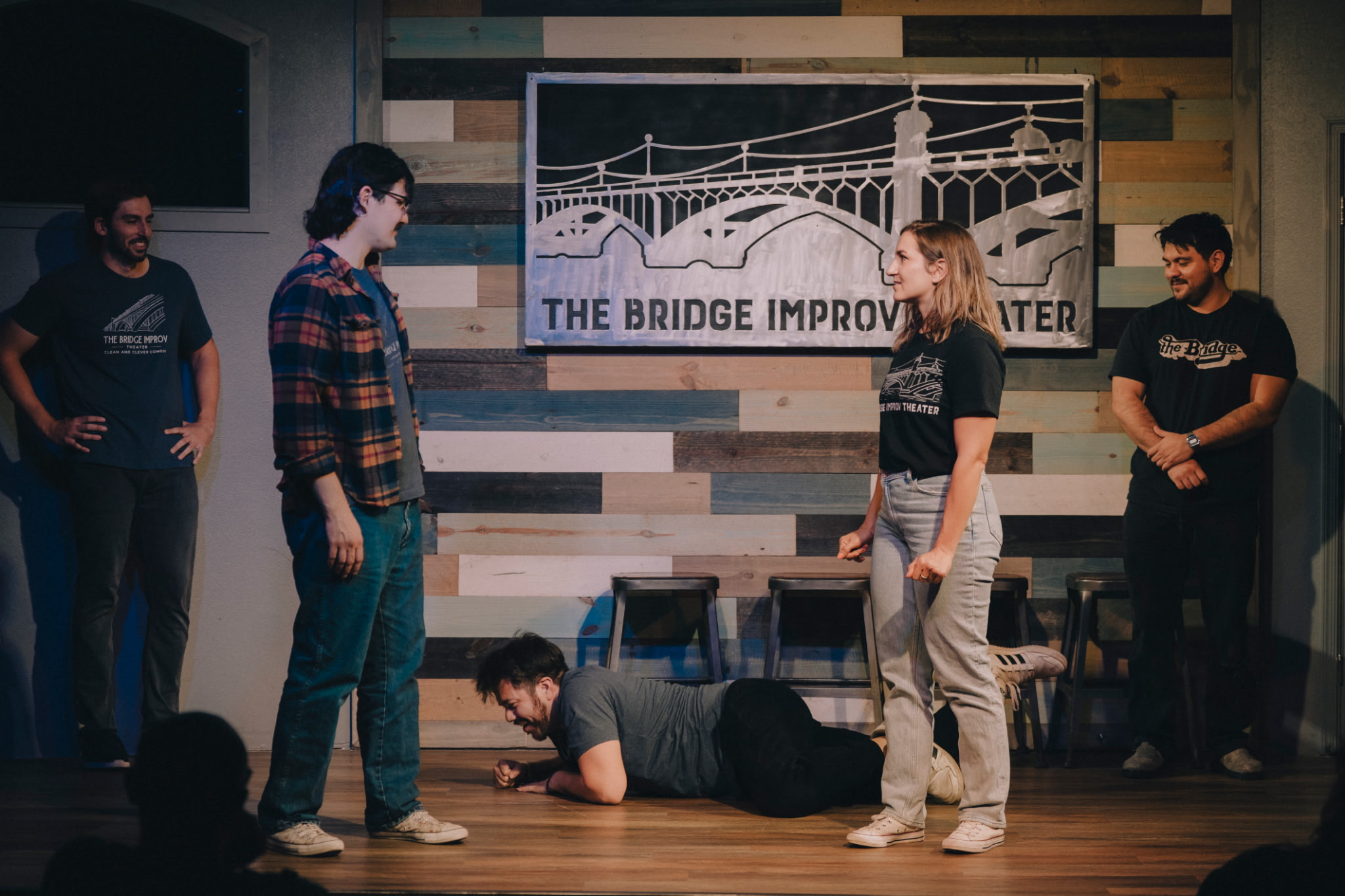

We were lucky to catch up with Solomon Cruz recently and have shared our conversation below.
Solomon, thanks for joining us, excited to have you contributing your stories and insights. Learning the craft is often a unique journey from every creative – we’d love to hear about your journey and if knowing what you know now, you would have done anything differently to speed up the learning process.
I learned to embrace failure by having fun with it. The true beauty of improv lies in its ability to discourage planning and reward being present.
One of the biggest obstacles I faced—both in improv and in life—was my personal ego. Improv, much like real life, can sense when you’re trying too hard to be funny. I noticed that the audience would pull back when I “went for the joke” instead of supporting my scene partner. This is similar to how I’d sometimes interrupt a friend sharing a story with a joke, rather than responding earnestly to what they were saying.
Those habits without the help of improv would’ve lead me down a more lonely, self centered path and I never would’ve known why because I was oblivious as to how I was coming across
The most valuable skill I’ve picked up is what I call “present patience.” they refer to it as “Yielding” in the real world— but the idea is the same: maintain alert focus on your current interaction. It’s about letting your partner finish their thought—whether it’s a line or an action—and understanding their intentions. This readiness allows you to provide the “improv solution” when needed (they refer to it as “making the problem worse” in the real world).
I always tell my students that the more you try to control the “blackout,” the more it shows that your mind isn’t fully in the scene.
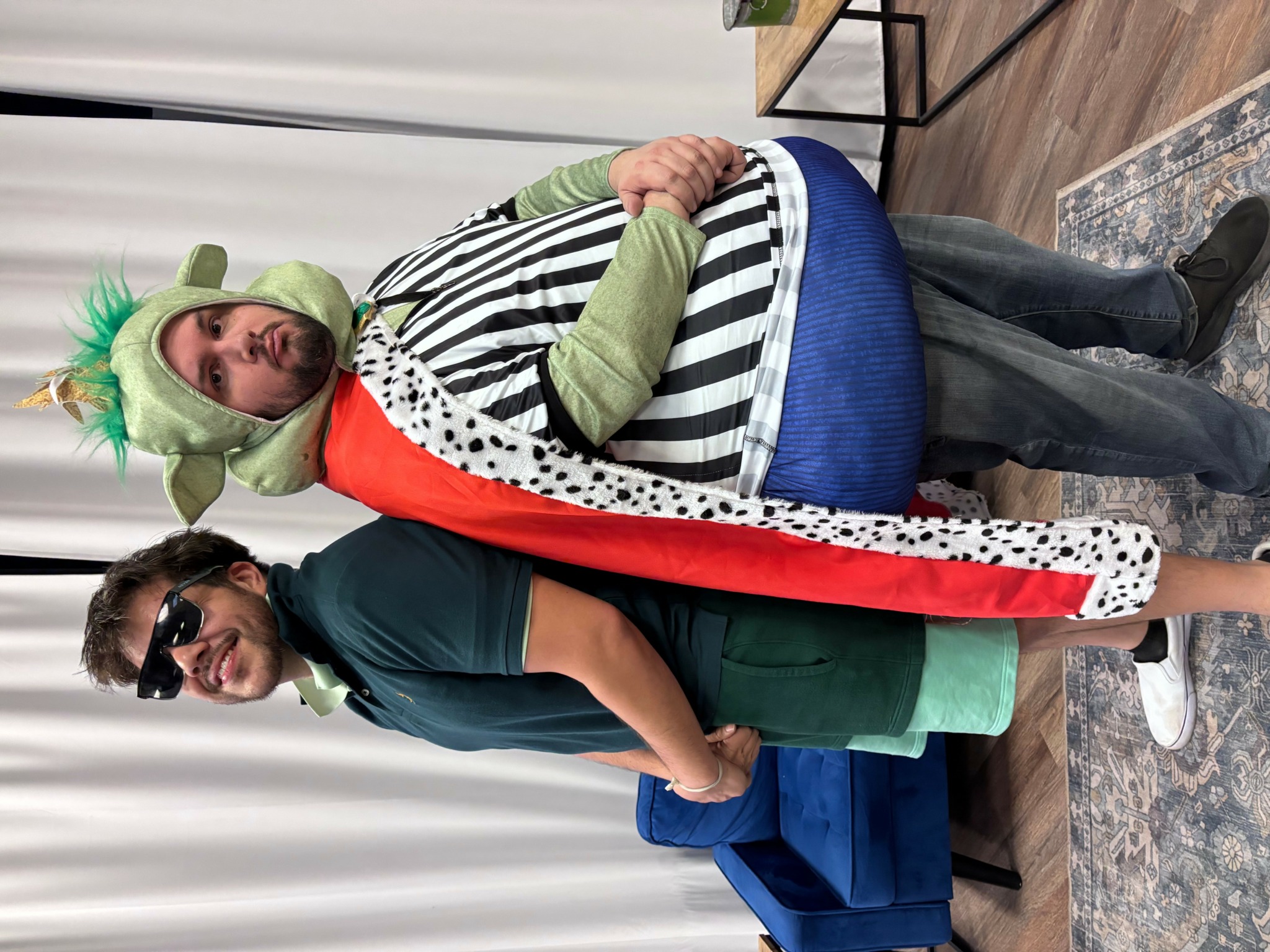
Solomon, love having you share your insights with us. Before we ask you more questions, maybe you can take a moment to introduce yourself to our readers who might have missed our earlier conversations?
I was born in Richmond, VA, and moved to Phoenix in ’97. Around the age of 16, my mom enrolled me in acting classes because I could recite movie lines and remember details that made her and my sister laugh.
During those classes, I met Dennis Grimes and Sandy Gibbons, whose respect and belief in me opened my eyes to my potential. It felt great to receive genuine encouragement from someone other than my mom (love you, Mom!).
I then attended Mesa Community College, where I truly blossomed as an actor. Initially, I wasn’t cast in the school’s troupe, “Scripts On Strike,” for my first two years. However, under the guidance of Sean Ryan McBride, I learned the fundamentals of improv. By my third year, I joined the troupe and eventually became its director in my final year.
It was during this time that I was noticed by David Raftery, who ran a local improv group called “Names From A Hat.” He wanted me to join based on a show he and his team had seen. I initially declined, as it conflicted with my leadership role. In hindsight, I realize I could have managed both, but I felt a strong loyalty to my commitments—something that’s particularly funny given where this story is headed.
After my college improv years, I reached out to David. He informed me about an audition he was holding with two other improvisers, and he would only select two from the group. During the audition, I quickly realized I was out of my league and expected David to call me with disappointing news.
Instead, he said, “You weren’t the best, but I see potential in you, and I’d like to invite you to join the team as an understudy.” His words struck a chord, and after some tears, I worked my way up from understudy to what many considered the most hated member of the cast (ask me about “Penny Wars”!). Eventually, I became a staple in the troupe, which later was asked to join “Jesterz Improv.”
At Jesterz, I had the incredible opportunity to learn from some of the most creative minds in the field, including Jef Rawls, who taught me the importance of composure in improv and being stage-ready.
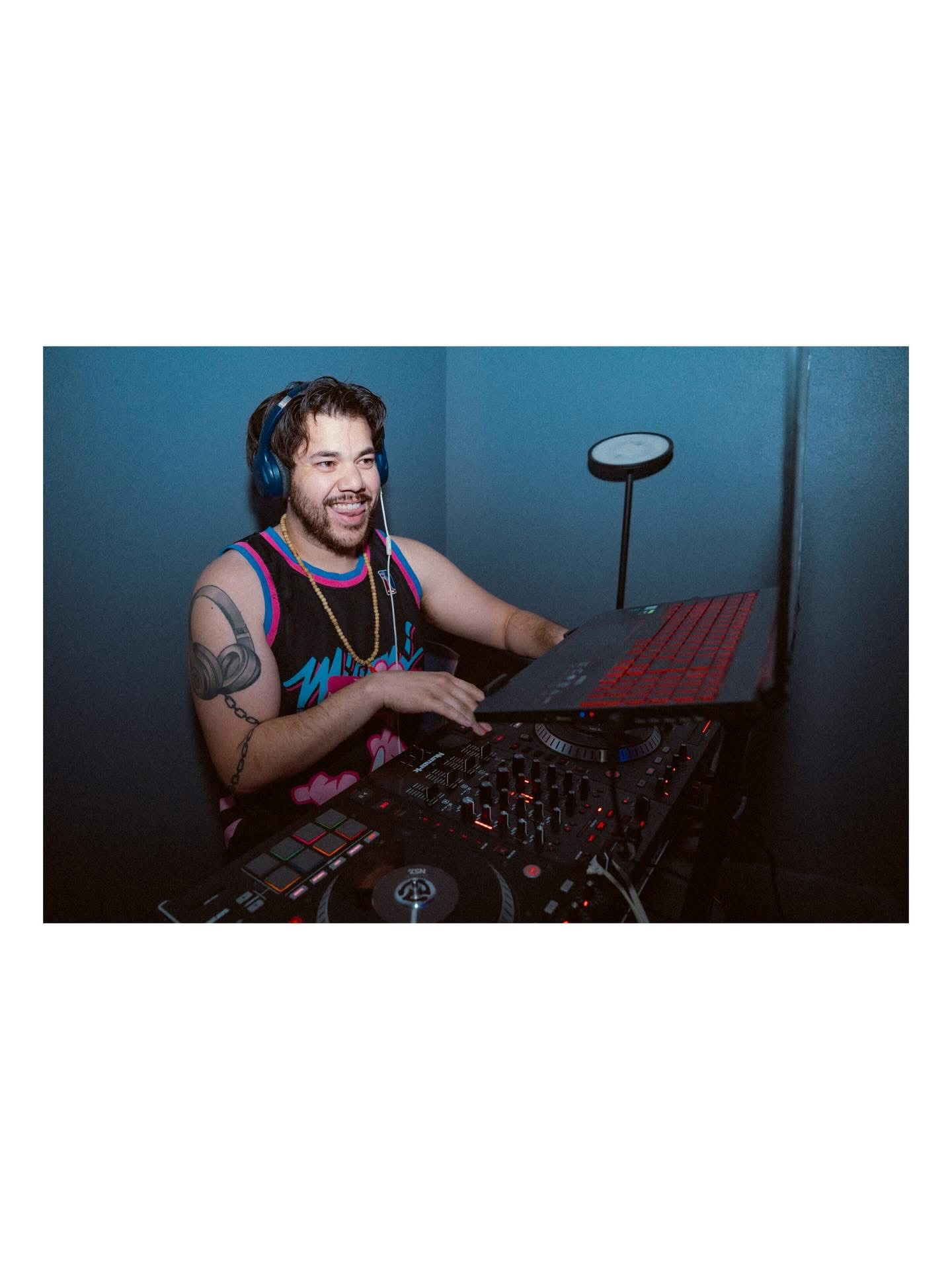
I took a break from improv to nurture my musical creativity, but both paths eventually converged when David reached out in 2020 about opening a new theater.
David Raftery is now the owner of “The Bridge Improv Theater” in Mesa Riverview, where I not only perform on the MainStage but also teach and coach students and teams.
Is there something you think non-creatives will struggle to understand about your journey as a creative?
I wanted to choose so many questions—do I talk too much? Haha.
This question is really important to me because if a “non-creative” person can grasp the struggles of being an improviser, they might unlock a skill that can elevate them in any task they face.
The genuine trick to improv, and something I’m prioritizing in my personal improv theory, is the process of unlearning concepts. It looks something like this:
First, understand the concept—what does it actually mean?
Then, look at the social context—how do people typically perceive it?
Next, identify the assumptions—what do we take for granted about it?
From there, you start removing the assumptions that don’t break the integrity of the concept. You challenge what’s expected while still keeping the core idea intact.
Finally, you rebuild it with an unusual assumption—something unexpected that opens the door to new choices and discoveries.
It might sound complex, but it’s really simple in practice. It’s about understanding what a “cat” can do, recognizing its limitations, and then deciding, “Those limitations don’t apply in this scene.”
For example, if you’re told to be a cat, you might think, “A cat can’t talk, and there’s nothing on stage, so I’ll just meow and pretend with my hand until something happens.” That’s one option.
But you could also flip that mindset and say, “In this scene, it does work. In this scene, the cat can talk.” It may not be realistic, but people aren’t here to watch a real cat—they could just stay home and watch their own.
And if the idea of someone seriously performing as your pet makes you laugh, then you’ve already tapped into the improv mindset.
To me, this is the difference between concrete and abstract thought. Concrete thinking keeps ideas confined to how they exist in reality. Abstract thinking expands them into what they could be. And in my experience, that’s where true collaboration happens—because you’re no longer limited to what’s “correct,” only what’s possible.
I’ve never really liked the phrase “out-of-the-box thinking.” It wasn’t until improv that I learned how to actually do it—by breaking ideas down to their simplest parts and then building them back up together in a way that no one could have predicted alone.

Are there any books, videos, essays or other resources that have significantly impacted your management and entrepreneurial thinking and philosophy?
There are a couple of books that have really impacted both my improv and my life that I’d love to share, and funny enough none of them are improv topic focused
The first is Start with Why by Simon Sinek. His book dives into asking yourself “why” when you run into a problem—getting to the root cause instead of just putting on surface-level fixes. That mindset translates directly into improv, where you’re constantly trying to understand the truth of a scene instead of just decorating it.
Another book I read in the fall of 2025 is The Midnight Library by Matt Haig.
(Trigger warning: the book explores depression, suicidal ideation, and mental health struggles.)
It follows a woman in her thirties who reaches one of the lowest points in her life and finds herself in a kind of in-between space—a library where every book represents a different version of her life based on choices she could have made. As she moves through these alternate lives, the story challenges ideas around regret, success, and what makes a life meaningful. I definitely had some “onions being cut” moments while reading it. It shifted how I think about choices, regret, and perspective—things that show up all the time in character work.
This all pairs with the philosophy of Alan Watts, who studied Eastern thought and spoke a lot about interconnectedness. One idea that stuck with me is that we spend so much time looking for love, acceptance, and security in other people—while they’re doing the same with us. If we already have the ability to give those things, then that ability has always been within us.
A lot of my “break the concept” approach in improv comes from something Watts touches on—the idea that the moment we try to fully define or box in our experience, we start limiting it. What we see and hear isn’t the full picture, it’s just what we’ve learned how to recognize.
On stage, that shows up in a really practical way. The second I assume I know what a scene is, I stop discovering what it could be. I stop listening as deeply, I start labeling instead of reacting, and the scene gets smaller. But if I treat every moment like there’s more happening than I can immediately understand, I stay curious. I listen harder, I respond more honestly, and the scene has room to surprise me.
That led me to this thought: there are people who are no longer with us who thought VHS was peak technology, and people alive now who have no idea what a VHS is. So if that’s true, it would be pretty ignorant of me to assume I’m experiencing everything sound and color have to offer. And on stage, that reminder keeps me open—it keeps me playing instead of proving.
Contact Info:
- Website: https://www.bridgeimprovtheater.com/
- Instagram: https://Instagram.com/kingkillacruz
- Other: tiktok.com/@kingkillacruz?_r=1&_t=ZT-91ZM9Ip3zOo
open.spotify.com/artist/4sKVeIKvYnFVJRMPC4KYF1?si=T7F-FRKmSrOejH_qf8eNhQ
https://linktr.ee/kingkillacruz?utm_source=linktree_profile_share<sid=80ed92f1-fdf3-4d2e-8466-f4e5199ebe62
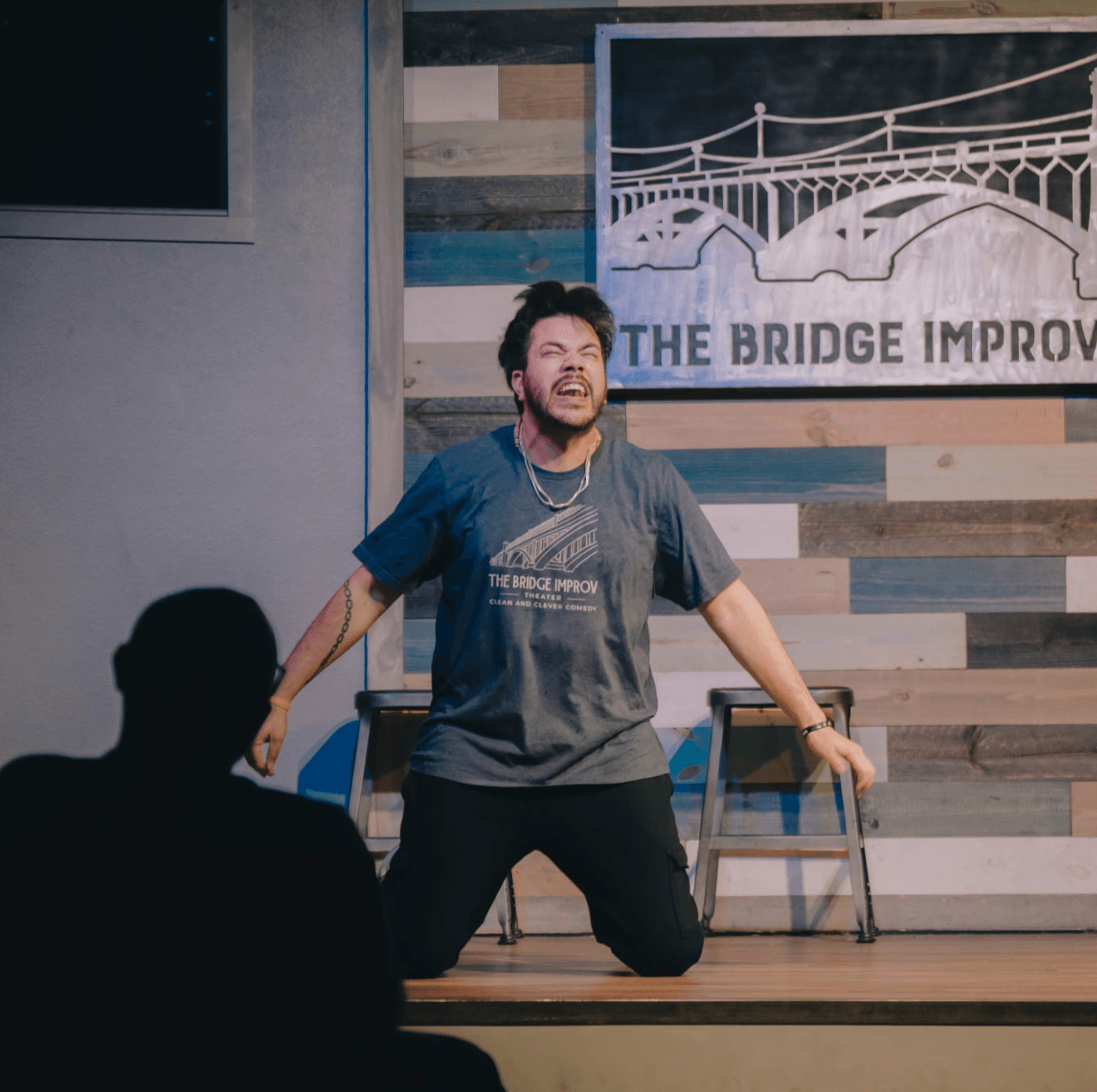
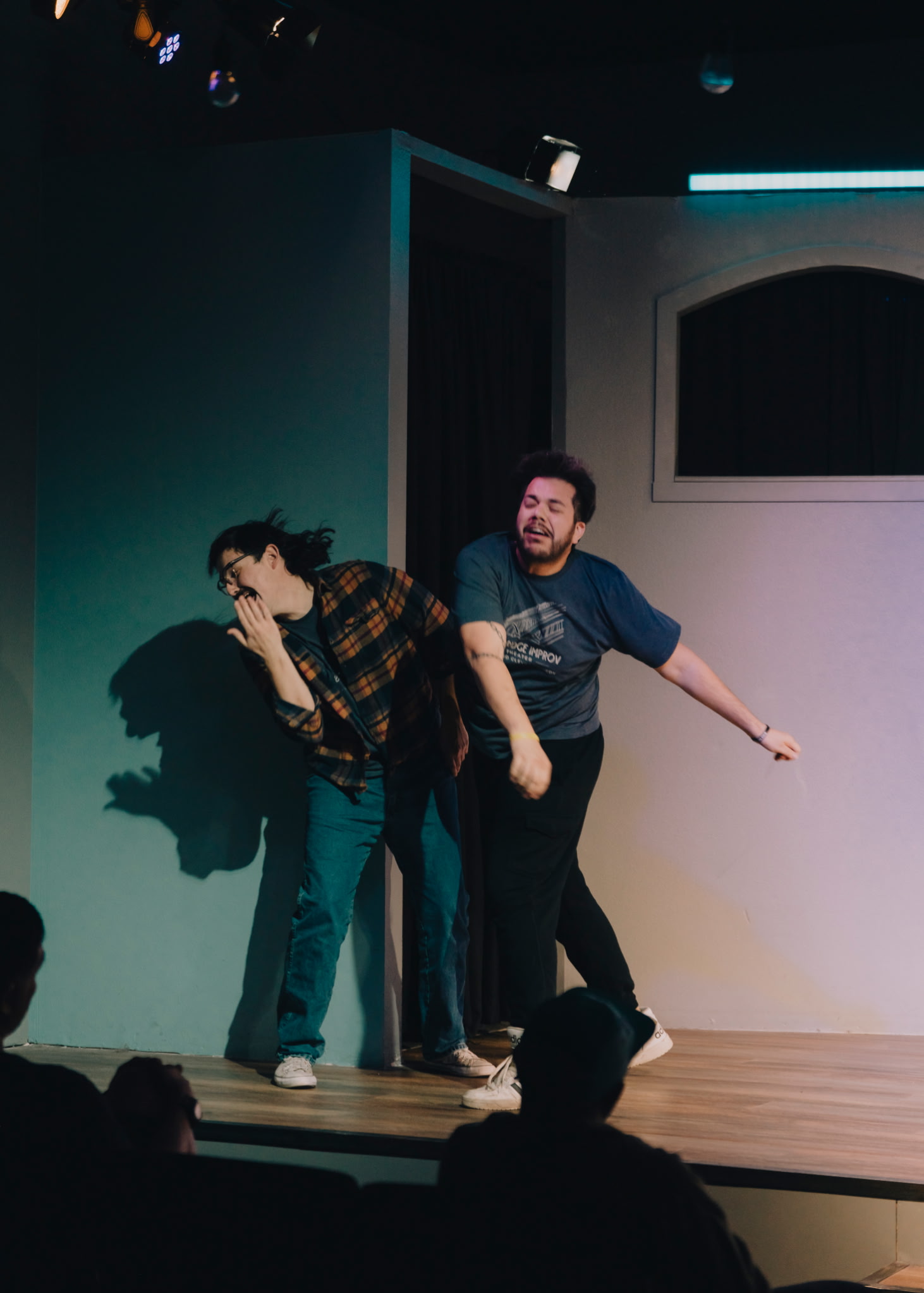
Image Credits
IG :AnthnyBenites
IG Benjamen_mejia