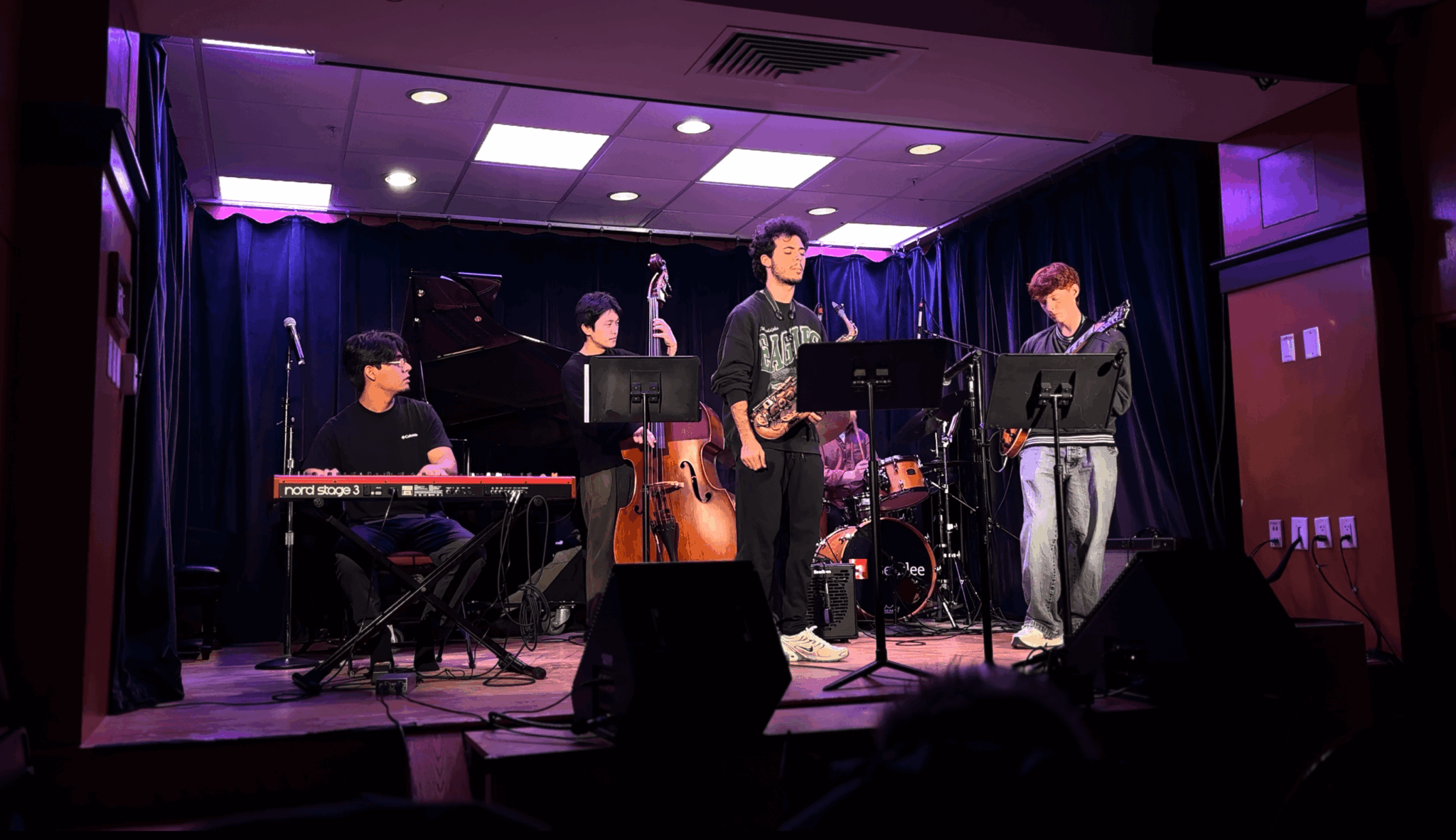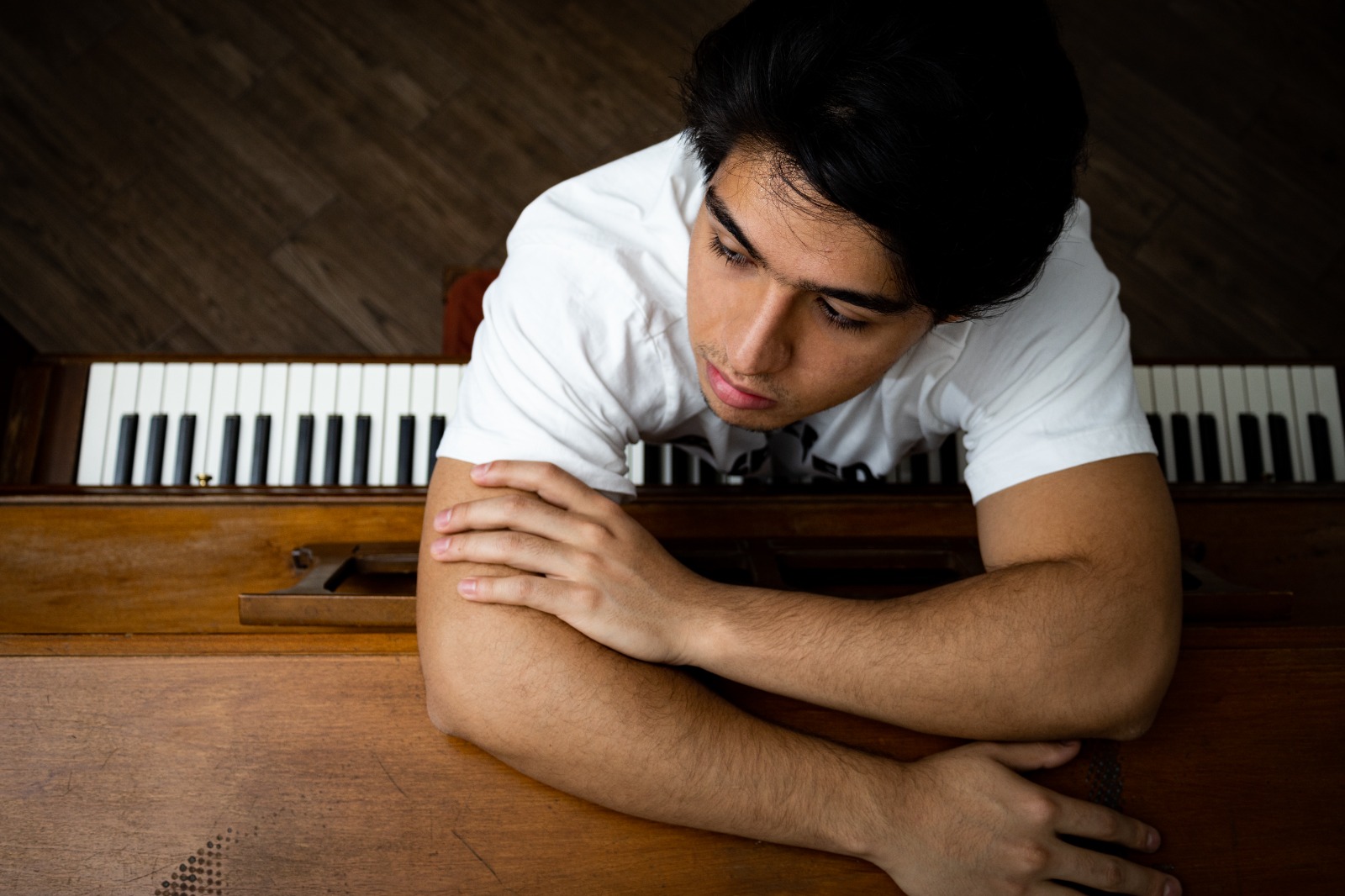

We’re excited to introduce you to the always interesting and insightful Bruno Melgar. We hope you’ll enjoy our conversation with Bruno below.
Alright, Bruno thanks for taking the time to share your stories and insights with us today. How did you learn to do what you do? Knowing what you know now, what could you have done to speed up your learning process? What skills do you think were most essential? What obstacles stood in the way of learning more?
My process for assimilating, internalizing, and, ultimately, learning is very slow. As artists, it is impossible to escape the urge of comparing ourselves to our peers, or even the people we’re trying to learn from, whether it is our idols, our teachers or our elders. Having said this, I think judging ourselves constructively is kind of a cheat code, because while we’re trying to “level the playground” with the people we compare our skills to, we realize the value of our own contribution to the art. I believe that, thanks to this, I’ve been more comfortable with embracing my personality expressed through the music I create.
The most valuable skill for this personal process is, in my opinion, patience. Being patient and in the moment while learning the craft of playing an instrument or composing may seem long, but in hindsight, these things were what sped up the process the most. Impatience was possibly my biggest obstacle.
Bruno, love having you share your insights with us. Before we ask you more questions, maybe you can take a moment to introduce yourself to our readers who might have missed our earlier conversations?
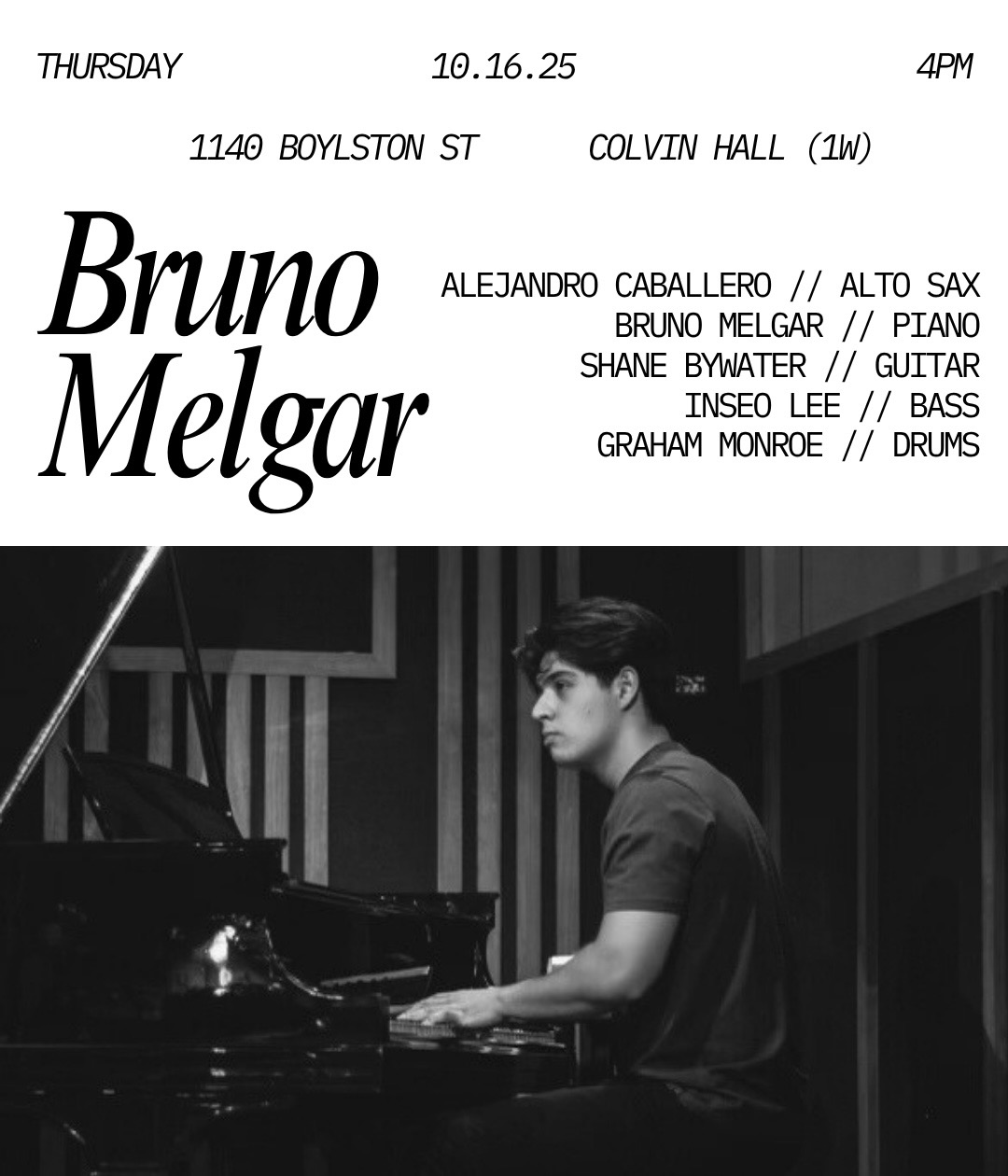
I’m a pianist-composer, arranger and performer that focuses on improvisation, musical honesty, and the use of instruments for conversation. I grew up in Guadalajara, a city in Central Mexico, where I was exposed to music from the entire American continent. I especially take influences from jazz and Mexico-Caribbean rhythms. I am now completing my degree in Jazz Composition at Berklee College of Music.
I am also very excited for my debut album, which I’m recording at the end of this month. I find an extreme beauty in everyday-life experiences, and I try to keep true to that feeling while conveying an energetic, grandiose storytelling. I believe that’s what my compositional voice is characterized by.
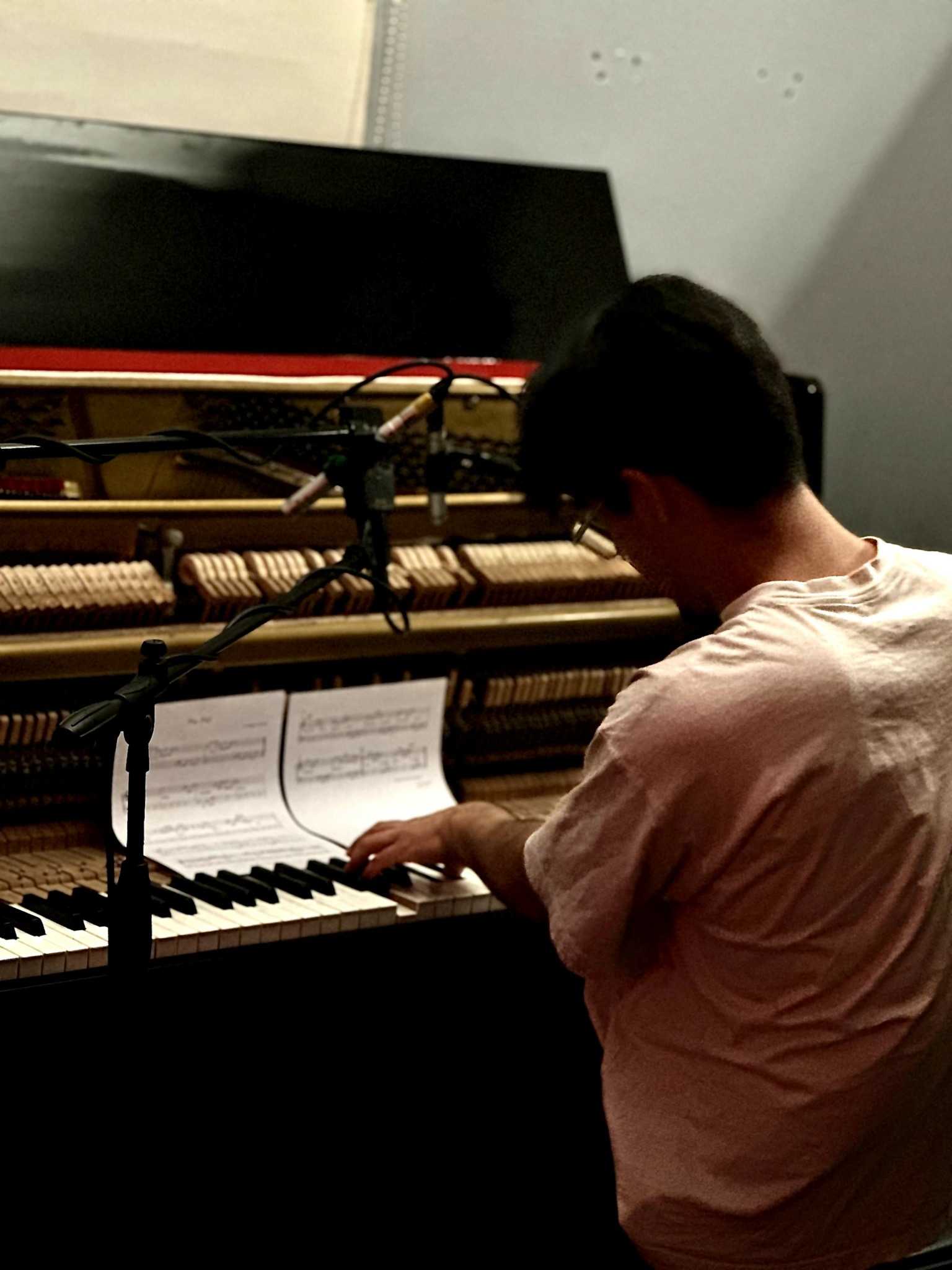
I also have experience as a session musician, having recorded many tracks in different styles in several studios in Boston, and at school (Berklee)
In your view, what can society to do to best support artists, creatives and a thriving creative ecosystem?
Today, one of the best ways to support your fellow artists is to be part of the art itself, whether as a listener, an observer, or a creator. Artists are often seen as solitary, but most of what we do is meant to bring people together. With the rise of AI and its growing presence in the arts, the high value of live performances is becoming increasingly more so. Modest as they may be, your artist friends are always grateful for being recognized by their efforts, and their virtues.
What’s the most rewarding aspect of being a creative in your experience?
The most rewarding aspect of doing what I do, is having absolute freedom in expression. When we speak, we often face obstacles of language barriers, for non native speakers, or a word simply not conveying what you wish it to. Music is something much more visceral, it comes from our bodies, with no filter, and no barriers.
Contact Info:
- Instagram: @_bruko
- Youtube: https://www.youtube.com/@brunomelgar4457