
We were lucky to catch up with Regina Linke recently and have shared our conversation below.
Regina, thanks for taking the time to share your stories with us today Have you signed with an agent or manager? Why or why not?
Working with the right agent can be very helpful when pursuing a professional, creative career. I have a literary agent through Great Dog Literary. She represents me to editors and publishers when seeking out work opportunities for me as a writer and illustrator. She’s familiar with different sides of the publishing industry and stays on top of trends in ways that I do not. It’s been a great partnership to have her guidance and eyes out for where my work might find interest from the right people who care about the stories I’m trying to tell. She is honest about what’s possible, but also doesn’t push me to create in a certain way. She gives her professional feedback and advice, but I make the final decision on whether to take it or not.
We met online on an old Twitter pitch event called #PitMad. Using the hashtag, creators looking for representation would pitch their work in a tweet, and agents looking to represent new talent look through the pitches and get in touch with creators directly about their work. I pitched a children’s picture book idea, paired with a sample illustration.
Choosing to work with an agent is like choosing a business partner. It’s important to do your due diligence, speak with their current clients and colleagues, and see if the agency has a reputation that precedes it. I felt her strengths complemented where I was lacking in expertise. Our personalities and communication style worked well together. My agent also has a range of industry experience across different media, not just in traditional publishing. As I was creating a children’s IP, I felt it would be a good to have the possibility of expanding into more than one channel. I think my agent decided to work with me, because not only did I have a unique style of combining traditional Chinese painting with ancient East Asian philosophy in my stories, I also had a business background that allowed us to be more strategic in building out long-term career for me.
Great, appreciate you sharing that with us. Before we ask you to share more of your insights, can you take a moment to introduce yourself and how you got to where you are today to our readers.
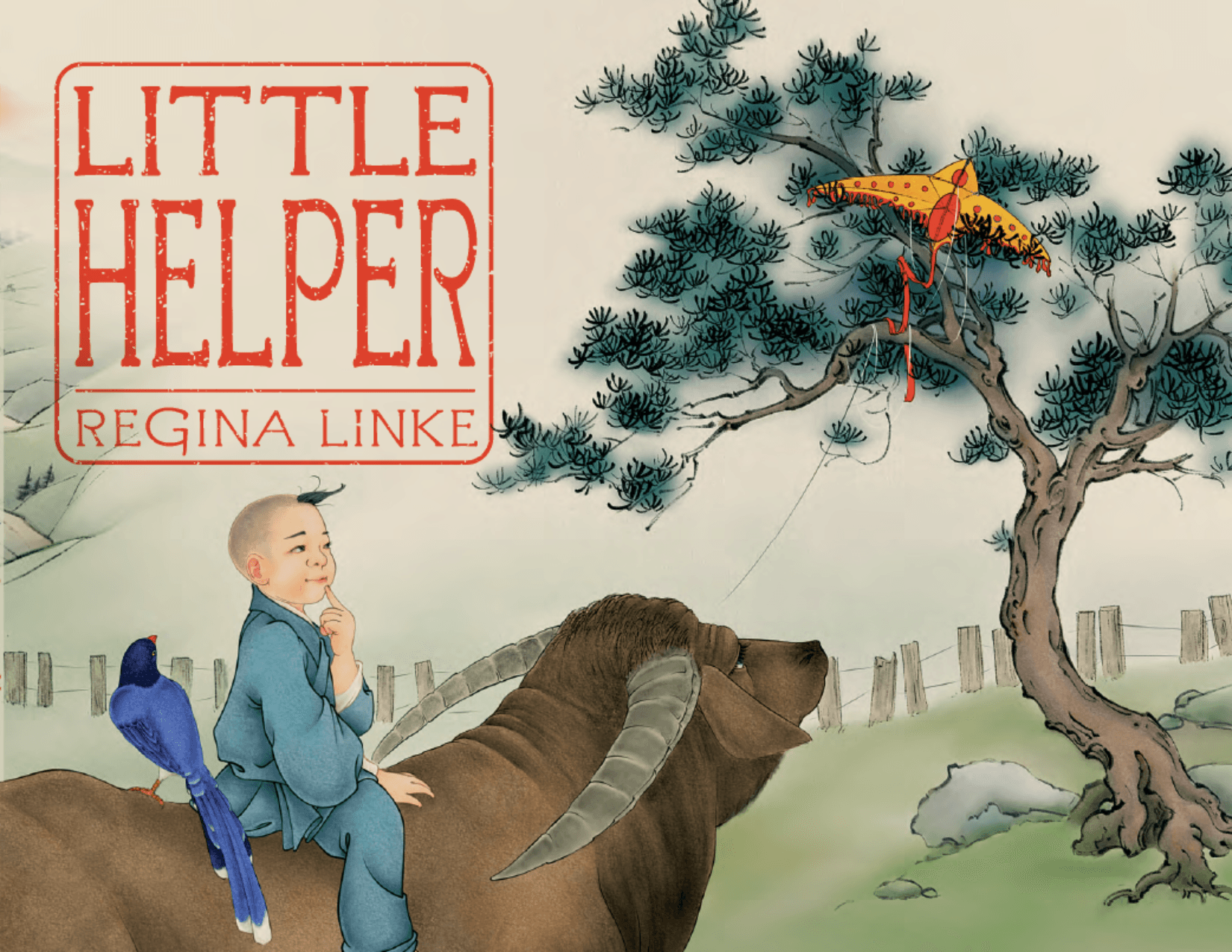
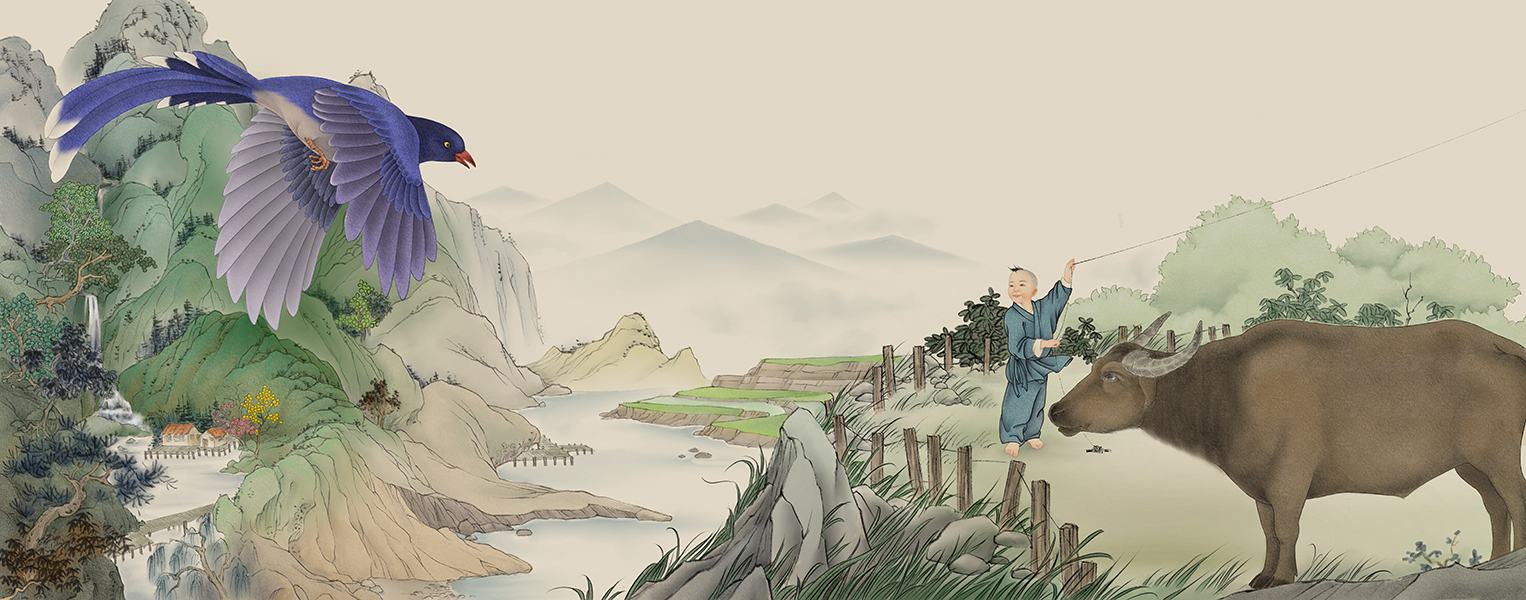
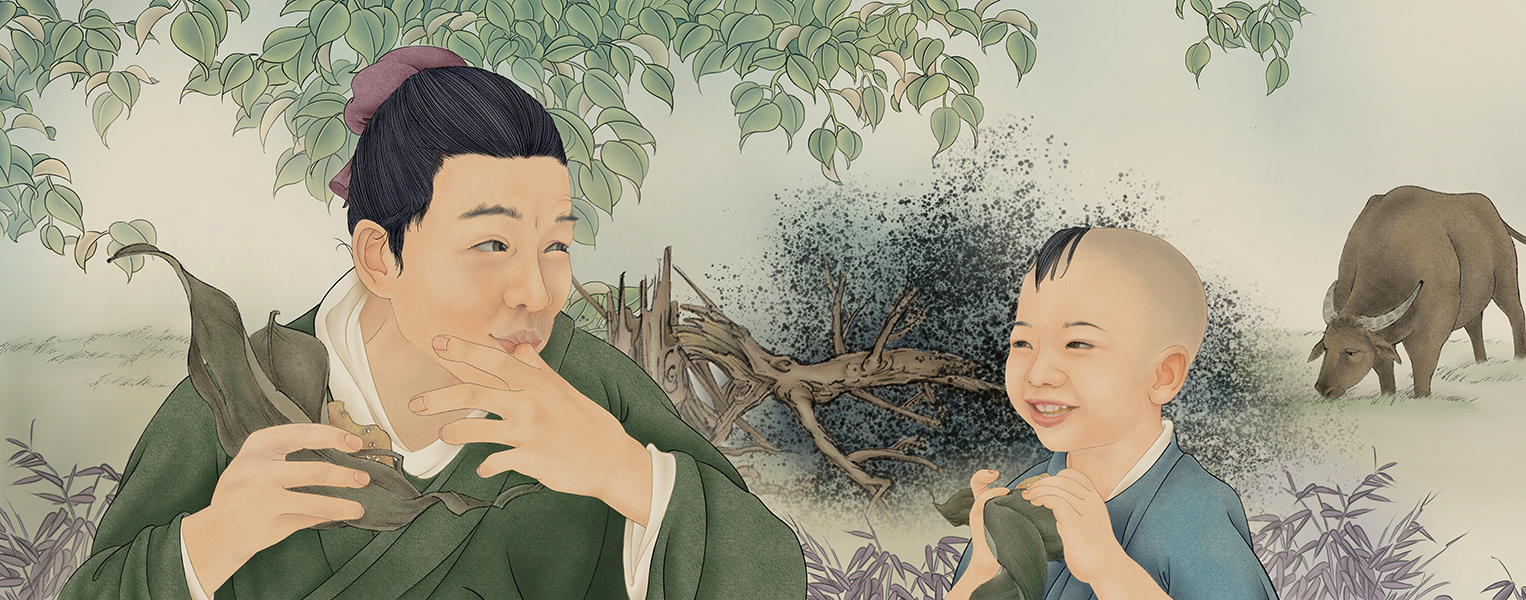
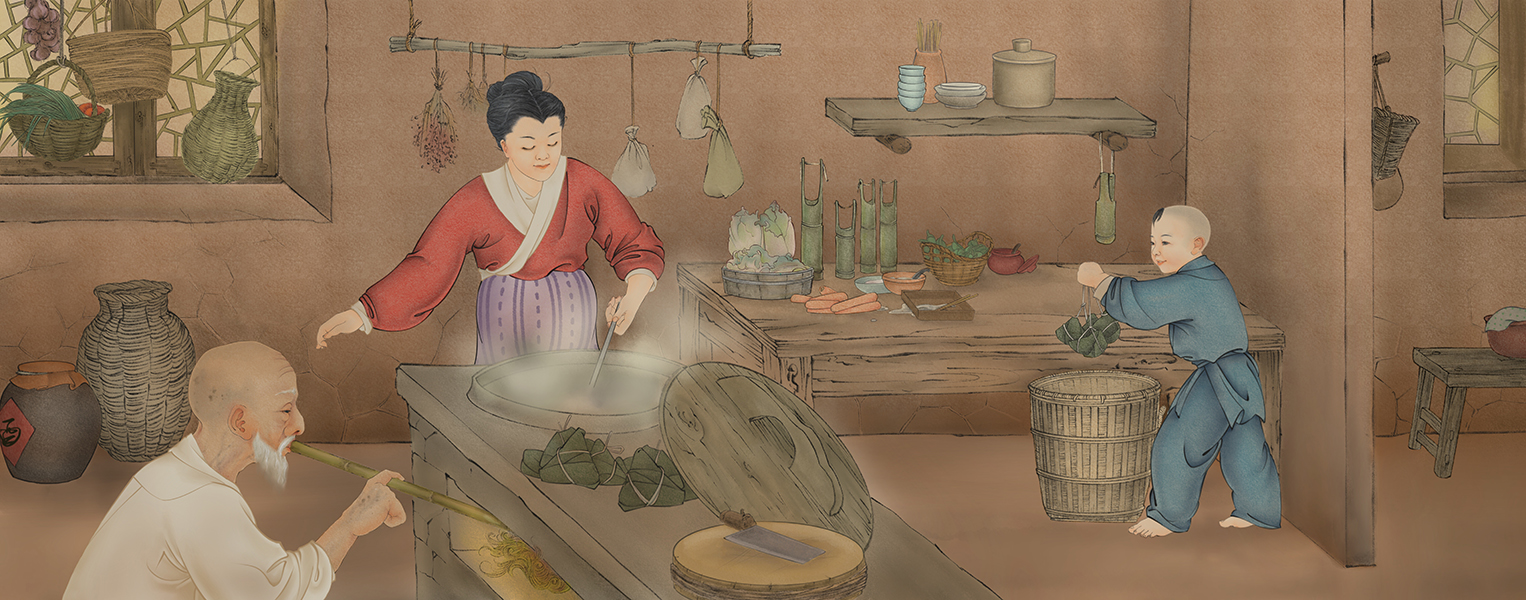
I write modern fables that read like classics for adults and children. Brought to life with illustrations in the “gongbi” style of traditional Chinese brush painting, these stories are gentle, quiet, and simple — and also laced with deeper meaning inspired by East Asian philosophy like Taoism, Buddhism, and Confucianism.
My most well known work includes the indie bestseller “The Oxherd Boy,” award-winning “Big Enough,” and coming out May 2026 — “Little Helper.”
Any insights you can share with us about how you built up your social media presence?
I started sharing work from “The Oxherd Boy” on Instagram. It began as a creative and artistic practice completely separate from my creator account. The entire focus of the account was about the characters — a young oxherder, his family ox, and a rabbit living in his garden. This could be an opportunity for other creatives who don’t know what to share or how to share without feeling like they are bragging about themselves. I posted about the characters I was writing about, their conversations, and illustrating how they looked. It helped me focus on the work versus on myself. I posted regularly to keep myself consistent in my practice, and the more I posted, each post lowered the stakes on my creation. I didn’t get hung up on whether one piece was good or not. I had another I was working on for the next week, and the next. This not only helped me get better at my craft, it also helped me not identify as much with any one piece.
Is there something you think non-creatives will struggle to understand about your journey as a creative? Maybe you can provide some insight – you never know who might benefit from the enlightenment.
As someone who didn’t always have a creative career, I often felt that someone who was a working artist must struggle with their craft, that whatever they created must come from something deep within them to be expressed. But there are so many different kinds of creativity, of creative careers, of needs and priorities in different stages of life. There is no one-size-fits-all creative identity. With every story, illustration, negotiation, and idea, I’m constantly thinking through possibilities alone, with my critique group, my friends and family, my agent or editor or art director. So much can go into a book. Both ideas and limitations come from everywhere in the creative process, and I never realized as a non-creative that being a creative is also about navigating these external waters and not just about expressing one’s inner self.
Contact Info:
- Website: https://www.oxherdboy.org
- Instagram: oxherdboy
- Facebook: oxherdboy