
We’re excited to introduce you to the always interesting and insightful Sohrab Mirmont. We hope you’ll enjoy our conversation with Sohrab below.
Sohrab, looking forward to hearing all of your stories today. Earning a full time living from one’s creative career can be incredibly difficult. Have you been able to do so and if so, can you share some of the key parts of your journey and any important advice or lessons that might help creatives who haven’t been able to yet?
From childhood, I knew my life’s goal was to be a film director. Nothing else really mattered to me, and honestly, it still doesn’t. When you have that level of conviction, you find a way to survive. You either adjust your expenses to meet your income, or you raise your income to meet your expenses. For me, it was always a mix of both.
In the beginning, it leaned heavily toward adjusting my life to my circumstances. There were periods in Los Angeles where I could barely afford rent. At one point, my car was my home for several months. Those moments force clarity. You realize quickly that passion alone is not enough. You need a skill that people are willing to pay for.
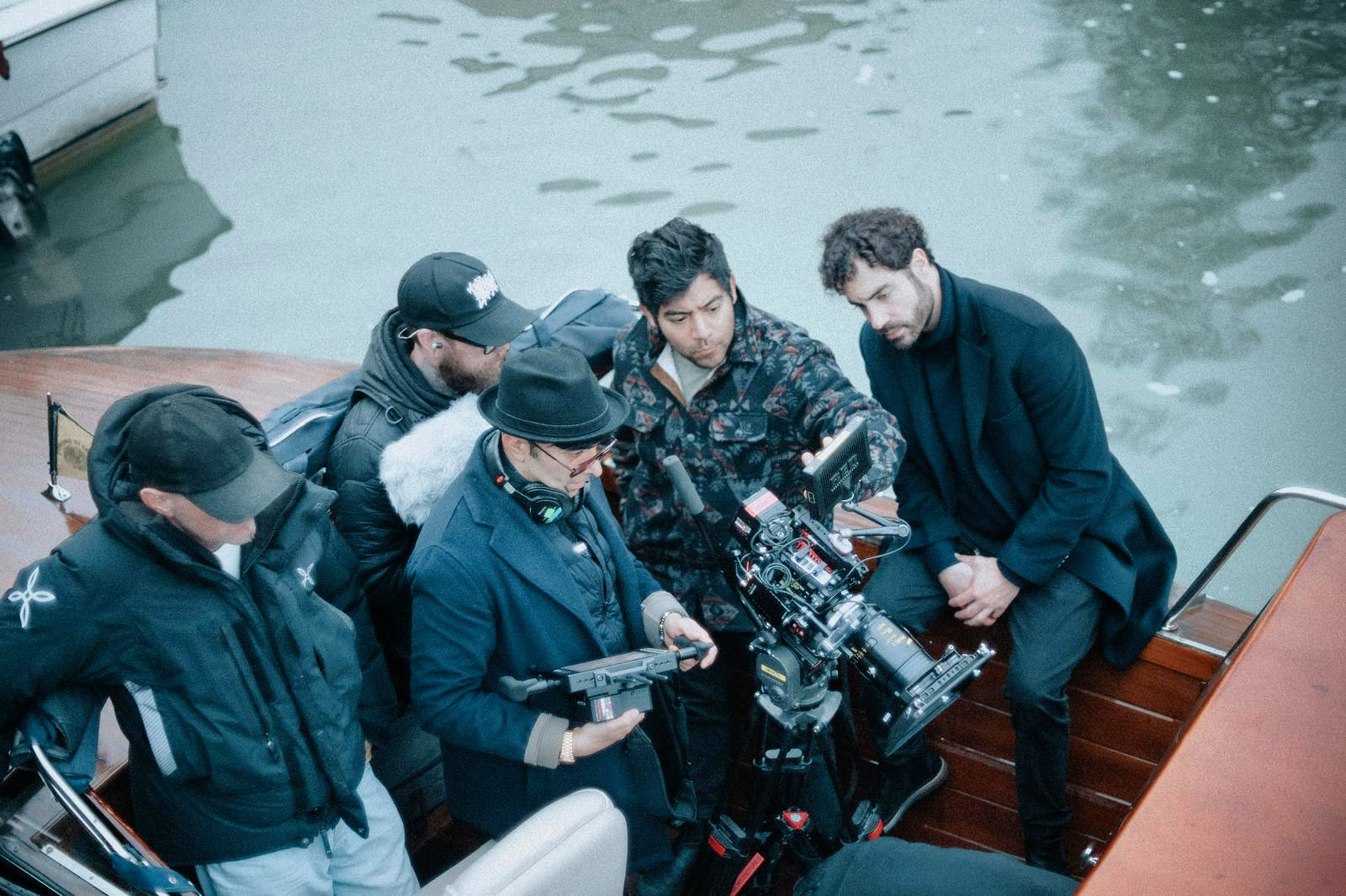
For me, that skill became First Assistant Directing. It was not what I ultimately wanted to do long term, but I took it seriously, learned the craft, and became good at it. That allowed me to stay on set, build relationships, and earn a living while still moving toward directing and producing.
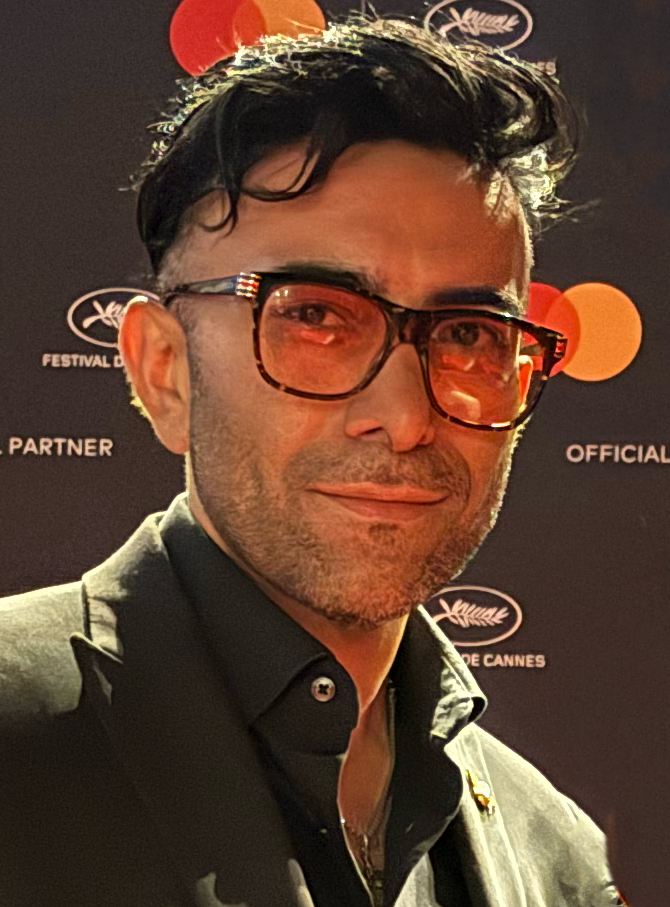
Over time, that foundation led to bigger opportunities. Producing, directing commercial work, and eventually projects that played at major festivals like Cannes. Each step built on the last. It was not overnight, it was incremental.
If I could speed anything up looking back, it would be this: I would have focused earlier on building leverage. Relationships, a body of work, and ownership in projects. Working for others pays the bills, but creating your own opportunities is what moves your career forward.
The biggest shift for me was realizing that survival and ambition have to coexist. You do what you need to do to stay in the game, but you never lose sight of why you got in it in the first place.
Great, appreciate you sharing that with us. Before we ask you to share more of your insights, can you take a moment to introduce yourself and how you got to where you are today to our readers.
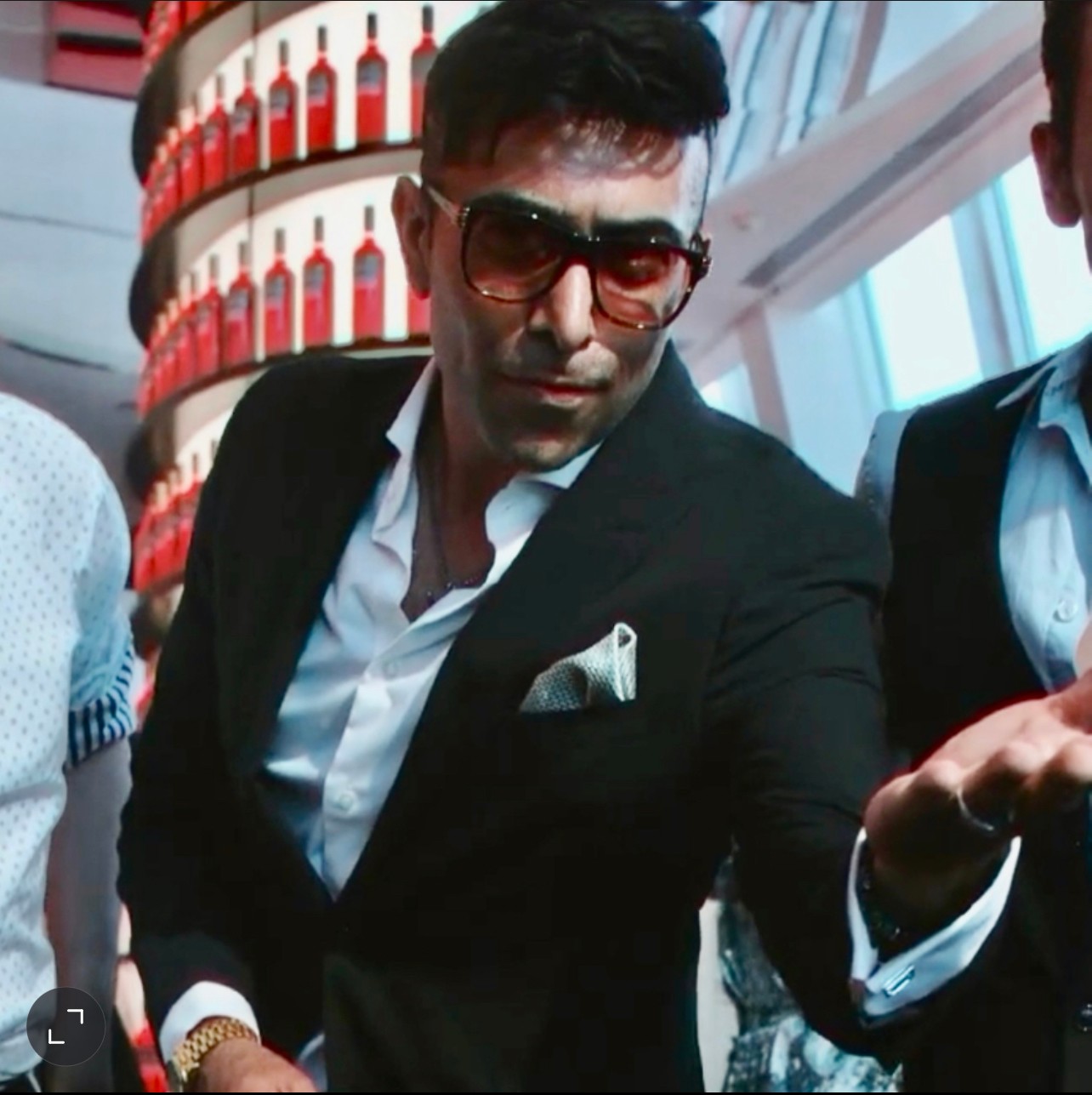
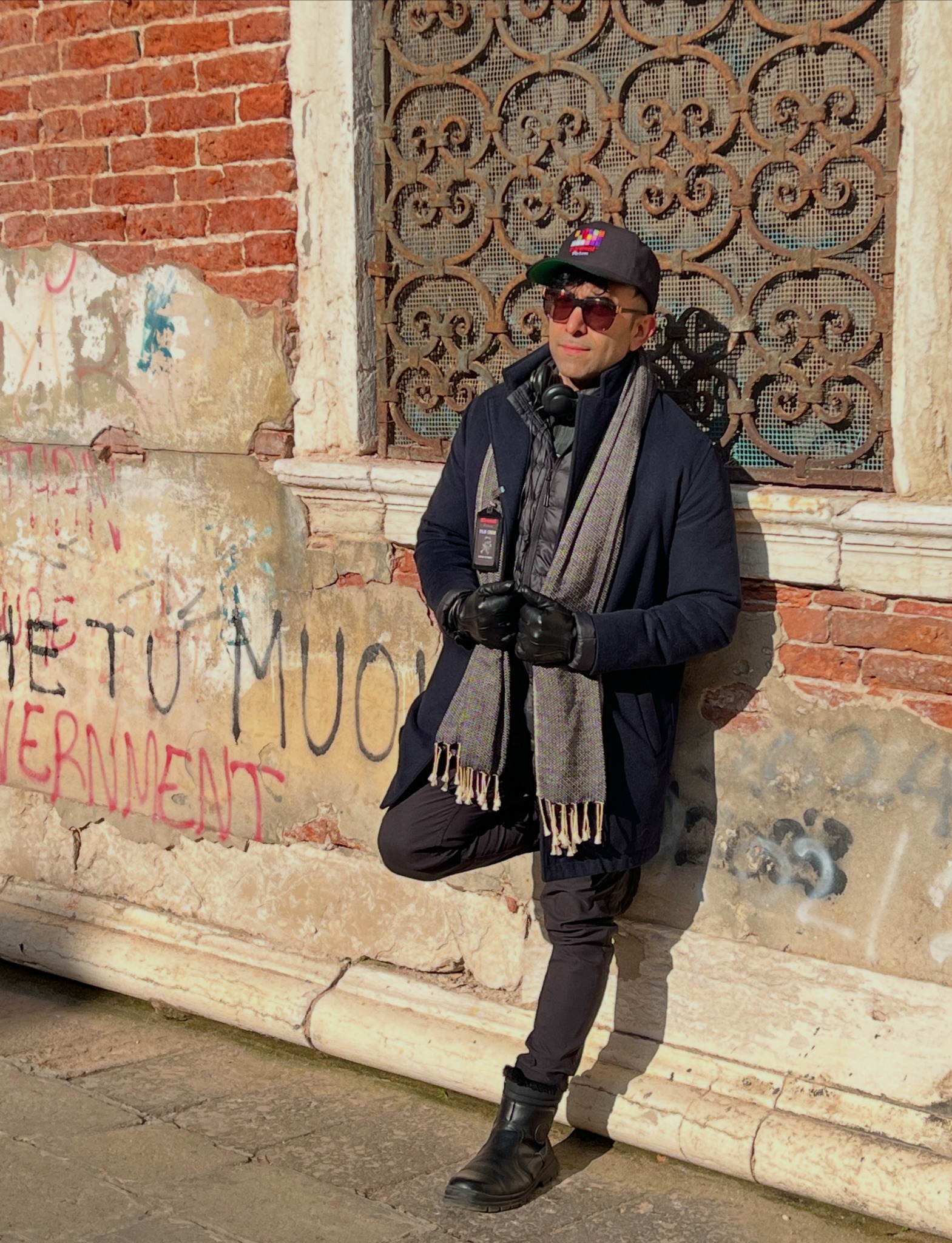
I’m Sohrab Mirmont, a filmmaker and the founder of Mirmont Pictures.
I knew from a young age that I wanted to be a director. My uncle had already become one of the most respected filmmakers in the world. I remember reading about him, seeing photos of him on set, and later learning that he won the Palme d’Or at the Cannes Film Festival in 1997. At the time, I didn’t fully understand what that meant, but I knew it represented something global, something lasting. It planted a seed in me to create work that could transcend language and culture.
I made my first short film at 14 for an online competition. I actually won, but was disqualified when they found out I was under 18. I never got the prize money, but it lit a fire in me. I kept making films with friends, eventually went to film school, and created a short which won the audience award at the New York International Film Festival. I was 19 and thought I had made it.
I sent that film to my uncle hoping for validation. His response was simple: “You shot it really well.” That was it. No praise, no shortcuts, no help. He believed filmmakers should earn their place. At the time it was frustrating, but looking back, it was one of the greatest gifts I could have received. It forced me to keep working, improving, and building something real on my own.
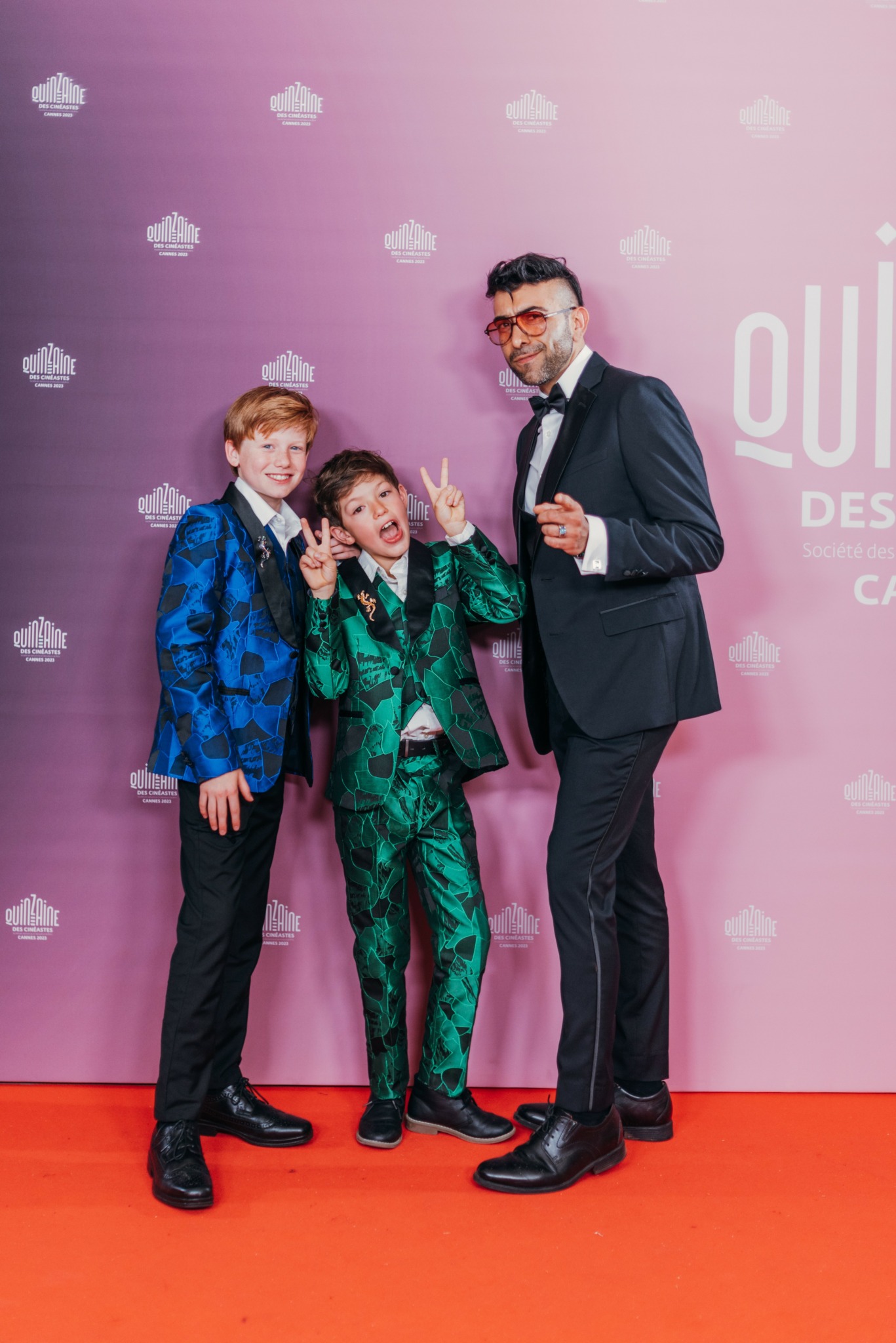
Over the years, I’ve directed a wide range of work through Mirmont Pictures, which I founded in 2005. That includes feature films, branded content, and documentary work. I’ve worked with brands ranging from Apple to the U.S. Army. My documentary work with the BBC has reached over a billion viewers worldwide. My films have screened at major festivals, including Cannes.
At the end of the day, everything I do is driven by that same original intention: to create work that matters, and that lasts.
Is there something you think non-creatives will struggle to understand about your journey as a creative?
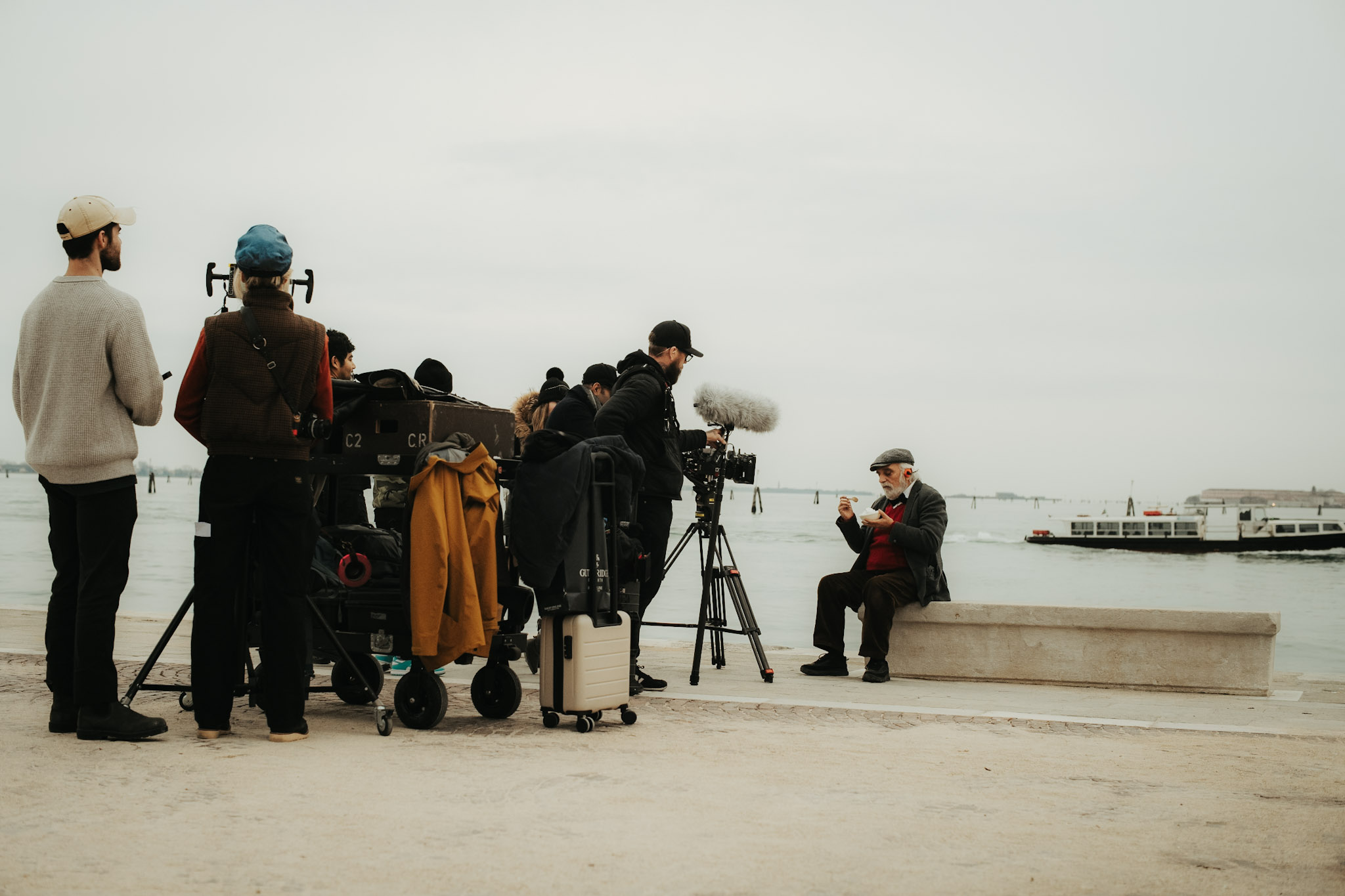
I think one of the biggest things non-creatives struggle to understand is the reality of freelance life.
Most people are used to a steady paycheck, structure, and a predictable path. Creative careers, especially in film, are the opposite. There can be long stretches where nothing is coming in. Entire industries can pause overnight, like during COVID or the SAG strikes. You’re constantly navigating uncertainty.
What that creates, though, is a different kind of mindset. You learn how to live without guarantees. You learn how to save and invest when things are good, because you know they won’t always be. You learn how to create your own opportunities by developing projects that might pay off months or years down the line.
It’s not just a job, it’s a way of life.
I think the biggest misconception is that creatives are chasing instability. That’s not really true. We’re chasing meaning, fulfillment, and the ability to create something that didn’t exist before. The instability is just the cost of entry.
Over time, you get comfortable operating in that uncertainty. You stop needing constant reassurance and start trusting your ability to figure things out. That’s something I think a lot of people on more traditional paths don’t experience in the same way.
And in a strange way, that uncertainty becomes a kind of freedom.
Is there a particular goal or mission driving your creative journey?
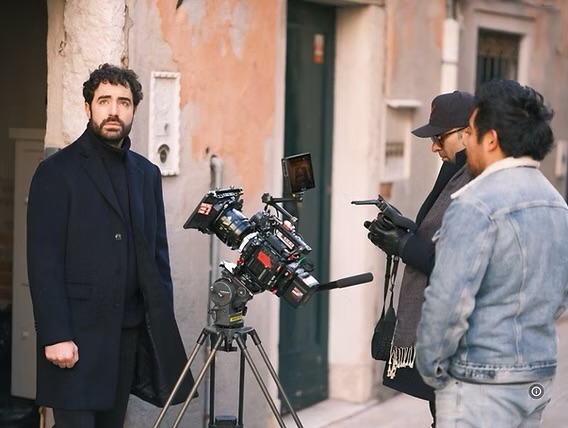
The moments I feel most alive are when I’m able to give back. I’ve been fortunate to be deeply involved with a nonprofit in Cambodia, where I use my skills as a filmmaker to bring awareness to real issues. Through that work, we’ve helped tens of thousands of people gain access to clean water, schools, and medical care. Seeing that my abilities can directly contribute to that kind of impact has been one of the most rewarding experiences of my life.
It changed how I look at storytelling.
Now, when I choose the stories I want to tell, I think about their impact. I want audiences to walk away feeling something positive. Lighter, more hopeful, more connected. I believe cinema is one of the most powerful tools we have to reach people at scale, and that comes with a responsibility.
If I’m going to spend years of my life making something, I want it to matter.
Contact Info:
- Website: https://www.mirmont.com
- Instagram: https://instagram.com/ssmirmont
- Facebook: https://www.facebook.com/ssmirmont/
- Linkedin: https://www.linkedin.com/in/ssmirmont/
- Youtube: https://YouTube.com/mirmont