
We caught up with the brilliant and insightful Kai-Hsiang Yang a few weeks ago and have shared our conversation below.
Kai-Hsiang, thanks for joining us, excited to have you contributing your stories and insights. We’d love to hear about a project that you’ve worked on that’s meant a lot to you.
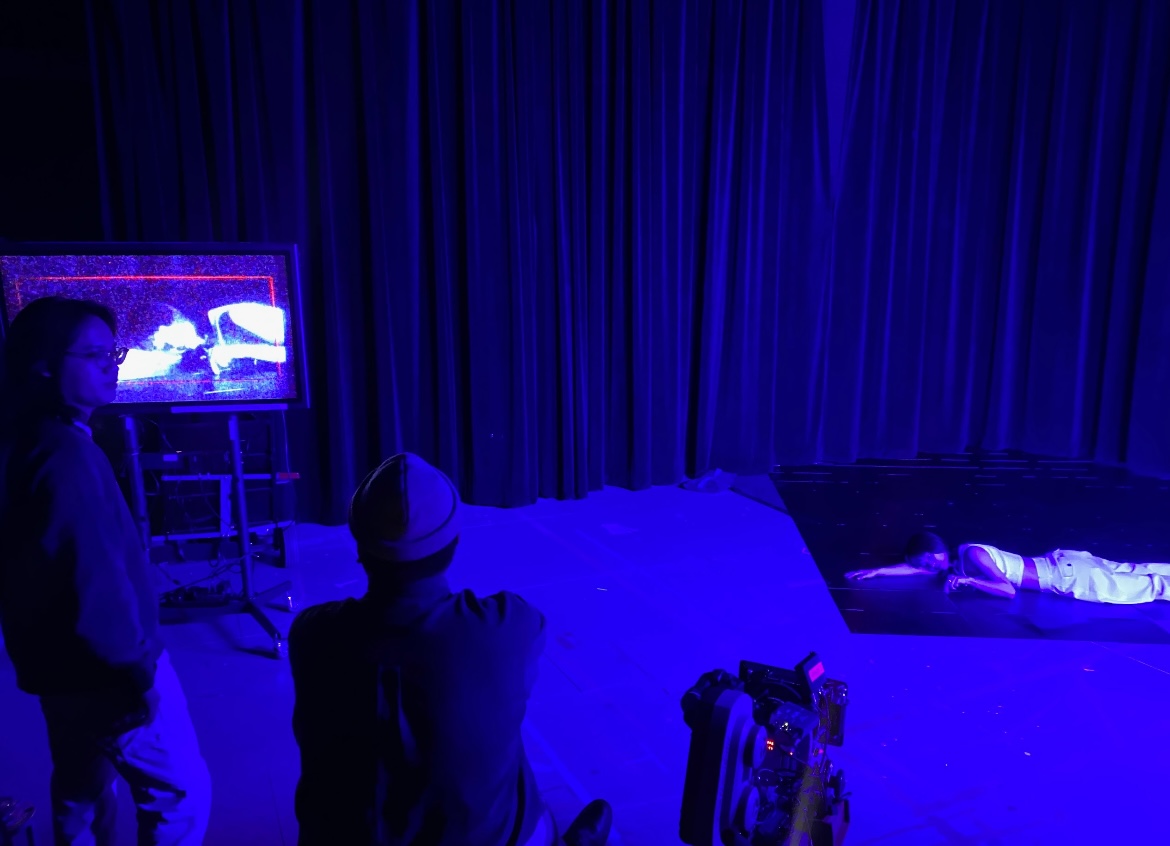
One of the most meaningful projects I’ve worked on is an animated short, Immémoriale. What made it especially meaningful was that the film had no dialogue — the entire story had to be carried through music, sound, and visual storytelling.
From early on, I was involved in shaping the film’s emotional arc through the score. Rather than simply supporting the visuals, the music became the primary storytelling voice. That required a different level of sensitivity — every timing, texture, and transition had to align closely with the character’s inner journey.
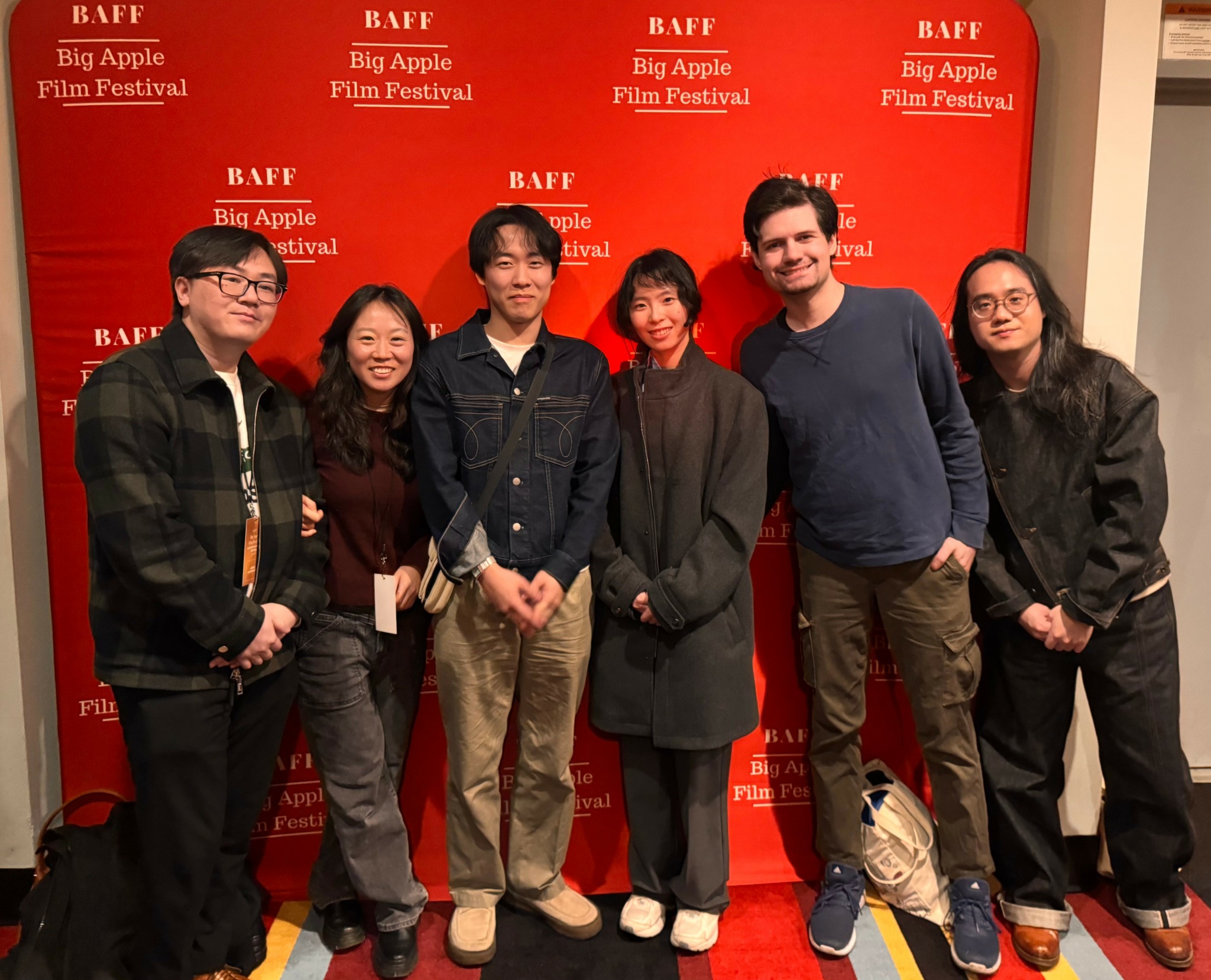
The film was later awarded Best 3D Animation at the New York Short Animation Festival (2025) and selected for several international festivals. Seeing how the music resonated with audiences in different contexts made the experience even more meaningful.
This project also reinforced something that continues to shape how I approach my work: I see music not as a separate layer, but as an integral part of the overall sonic storytelling. That perspective carries into my work across animation, documentary, and narrative film, where I often approach projects from both a composition and post-sound perspective.
Ultimately, Immémoriale was meaningful not just because of its recognition, but because it clarified the kind of storyteller I want to be — someone who uses music and sound together to shape how a story is felt.
Kai-Hsiang, before we move on to more of these sorts of questions, can you take some time to bring our readers up to speed on you and what you do?
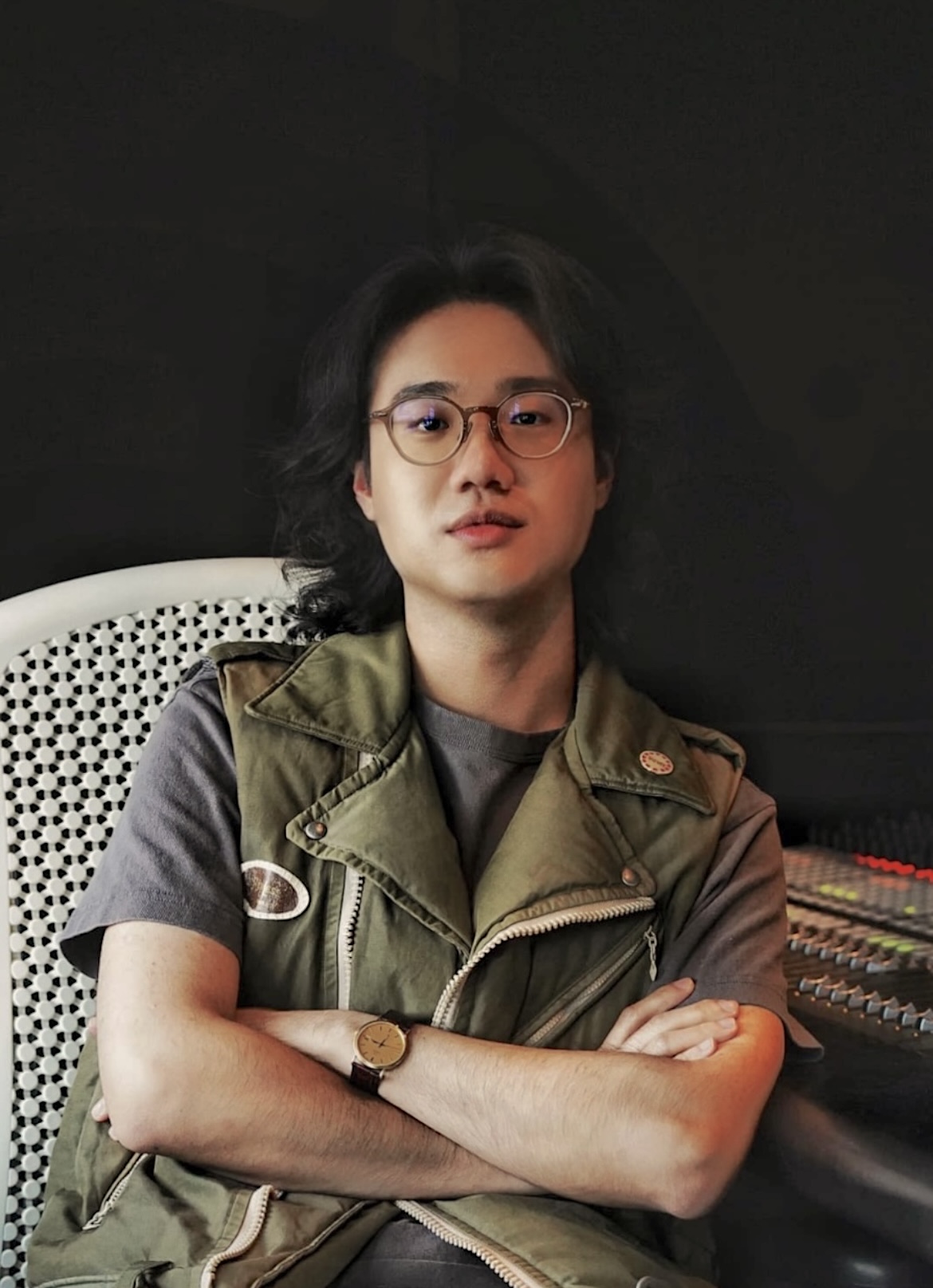
I’m a composer and post-sound mixer based in New York, working across film, animation, and documentary. My work focuses on how music and sound function together as a unified storytelling language.
Originally from Taiwan, I later moved to New York to pursue film scoring. Over time, I became increasingly interested not only in composing music, but in the broader role of sound in storytelling — how music, sound design, and mix all contribute to shaping a viewer’s emotional experience. That perspective naturally led me to work across both composition and post-sound.
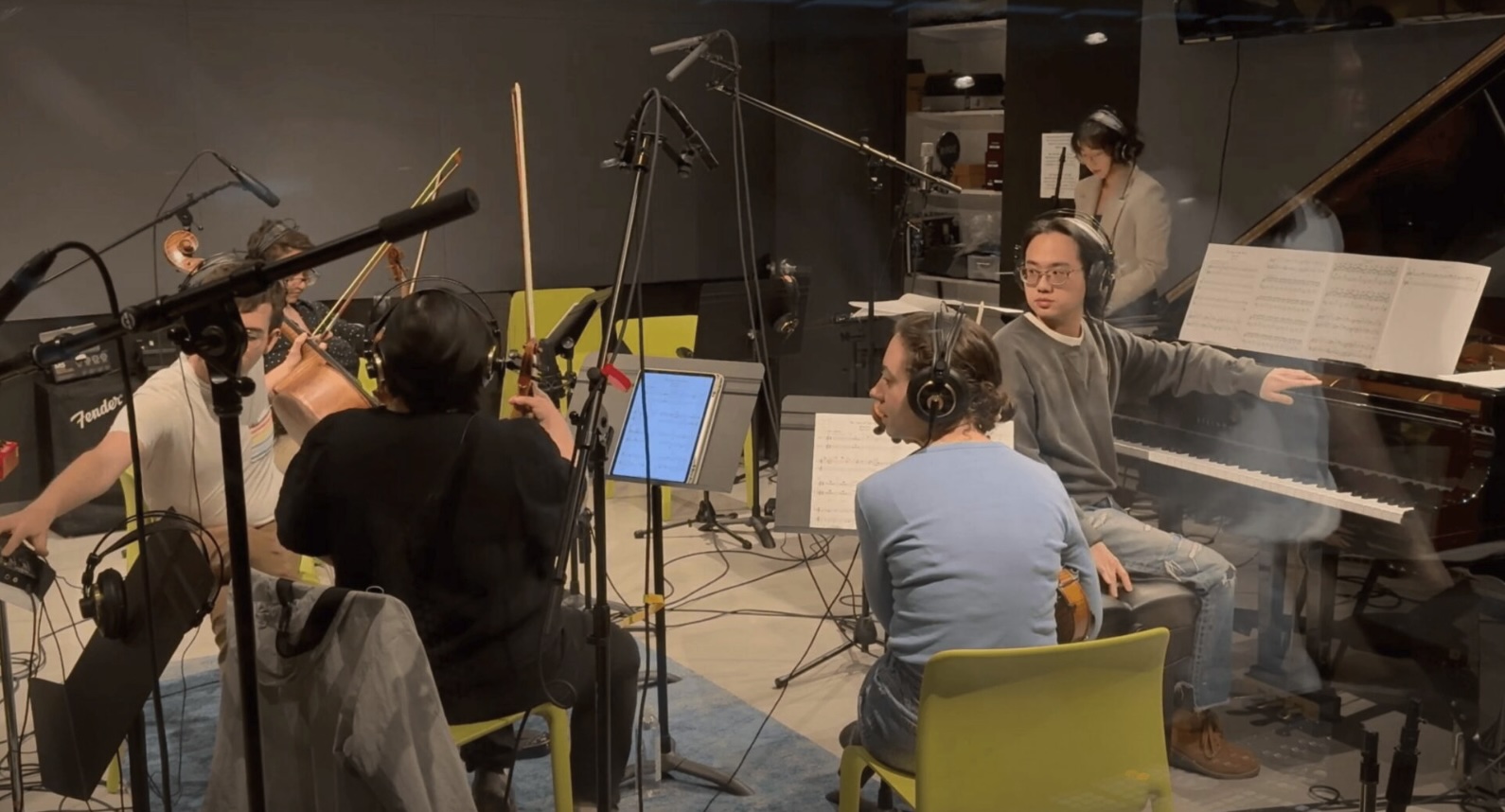
I compose original scores, design sound, and handle final mix for films and visual media. My work has been recognized across both animation and documentary, with projects screened at international festivals and broadcast on television. I composed for the animated short Immémoriale, which received Best 3D Animation at the New York Short Animation Festival, and also worked on the documentary You Are Invited to Leave, which won Best Documentary at the CUNY Film Festival and was broadcast on CUNY TV.
Because I work across both composition and post-sound, I’m able to support a project multiple stages — from shaping the musical identity to ensuring clarity and balance in the final mix.
I’m most proud of the projects where sound plays a central role in storytelling. Whether it’s a dialogue-free animated film or a documentary grounded in real voices, I’m interested in how sound can guide the audience’s emotional experience in subtle but meaningful ways.
I’m especially grateful to the directors I’ve worked with, whose trust has made that kind of exploration possible.
What I care about most is storytelling. Whether it’s a film, an animation, or a piece of original music, my goal is always the same: to create music and sound that deepen the emotional connection between the story and the audience.
Is there something you think non-creatives will struggle to understand about your journey as a creative?
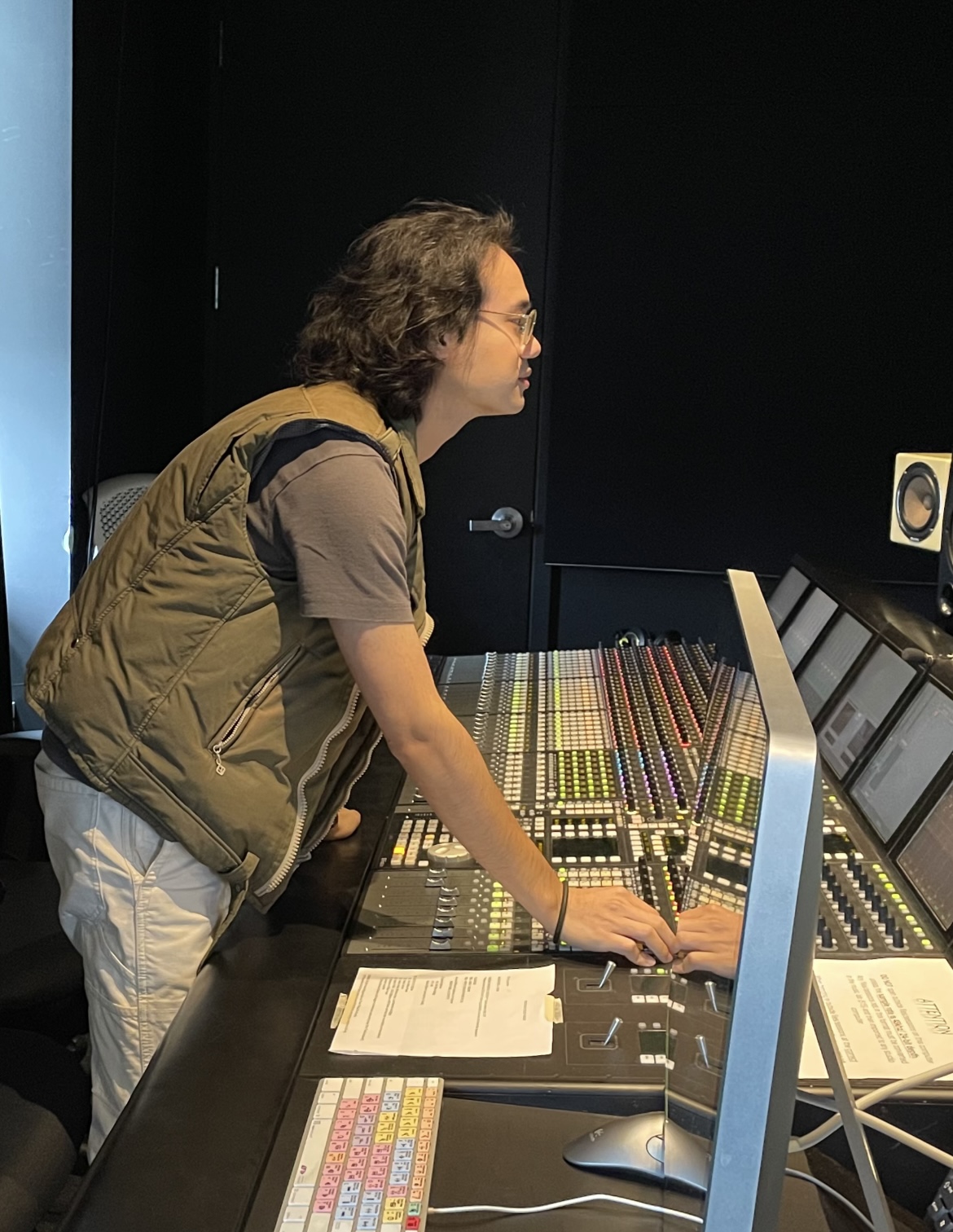
One thing that is often underestimated is how much of the work is about restraint rather than creation. It’s easy to assume that composing means constantly adding music, but in reality, a big part of the process is deciding when not to use it.
In film and visual storytelling, music and sound have a direct impact on how an audience feels, but they can also easily overwhelm a scene if not handled carefully. Sometimes the most effective choice is to leave space — to let silence, dialogue, or subtle sound design carry the moment.
Another aspect that’s not always visible is how collaborative the process is. Music doesn’t exist in isolation; it’s constantly shaped by the director’s vision, editing, sound, and the overall film rhythm. Being a composer in this context is not just about writing music, but about listening to the story, to the collaborators, and to what the scene actually needs.
For me, that balance between expression and restraint, and between individual creativity and collaboration, is at the core of the work, even though it’s often the part that audiences don’t see.
Learning and unlearning are both critical parts of growth – can you share a story of a time when you had to unlearn a lesson?
One of the most important lessons I’ve learned through working on different projects is how to collaborate with directors from very different backgrounds.
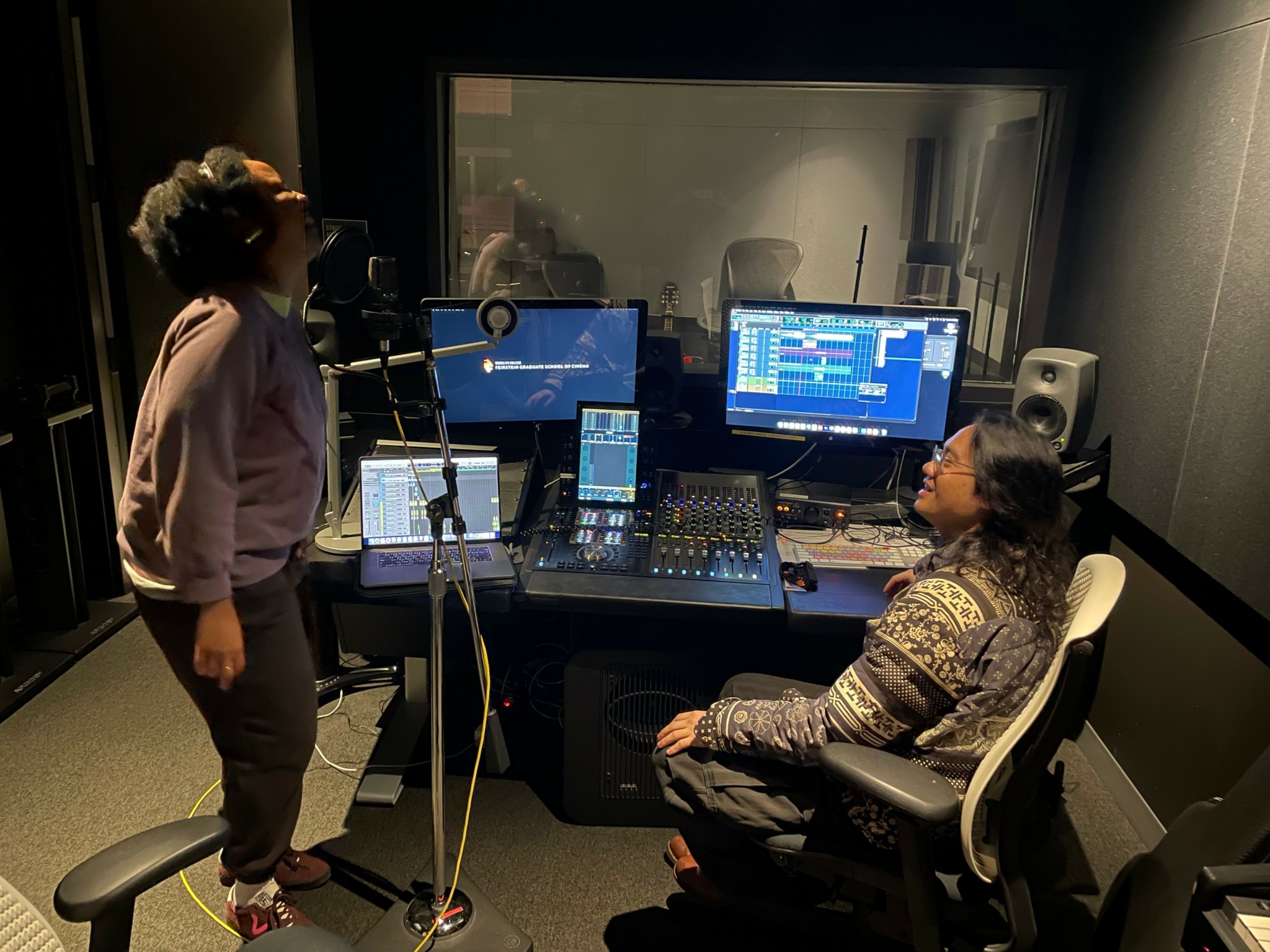
As a composer and post-sound mixer, I come from a music and audio perspective, while most directors come from a visual and storytelling background. Because of that, there’s often a gap in how we communicate — especially when it comes to describing music or sound.
I’ve learned that part of my role is not just to create, but to translate. Directors may not always have the technical language to describe what they’re hearing, but they often have a very clear emotional intention. Being able to listen closely, interpret that intention, and turn it into sound is a key part of the collaboration.
I’ve also come to understand how much care directors put into their films. They spend a long time shaping the story and its details, so when music and sound are introduced, even subtle changes can feel significant in how the story is perceived. Because of that, I try to approach each collaboration with sensitivity and trust, focusing on supporting the director’s vision and helping them feel confident in the overall storytelling.
Strong collaboration is not just about creative ideas, but about communication, trust, and understanding — and that mindset continues to shape how I approach every project.
Contact Info:
- Website: https://www.kaihsiangyang.com
- Instagram: https://www.instagram.com/kyoung____1995
- Other: New Song Release: https://distrokid.com/hyperfollow/kevinyang1/turn-it-on