

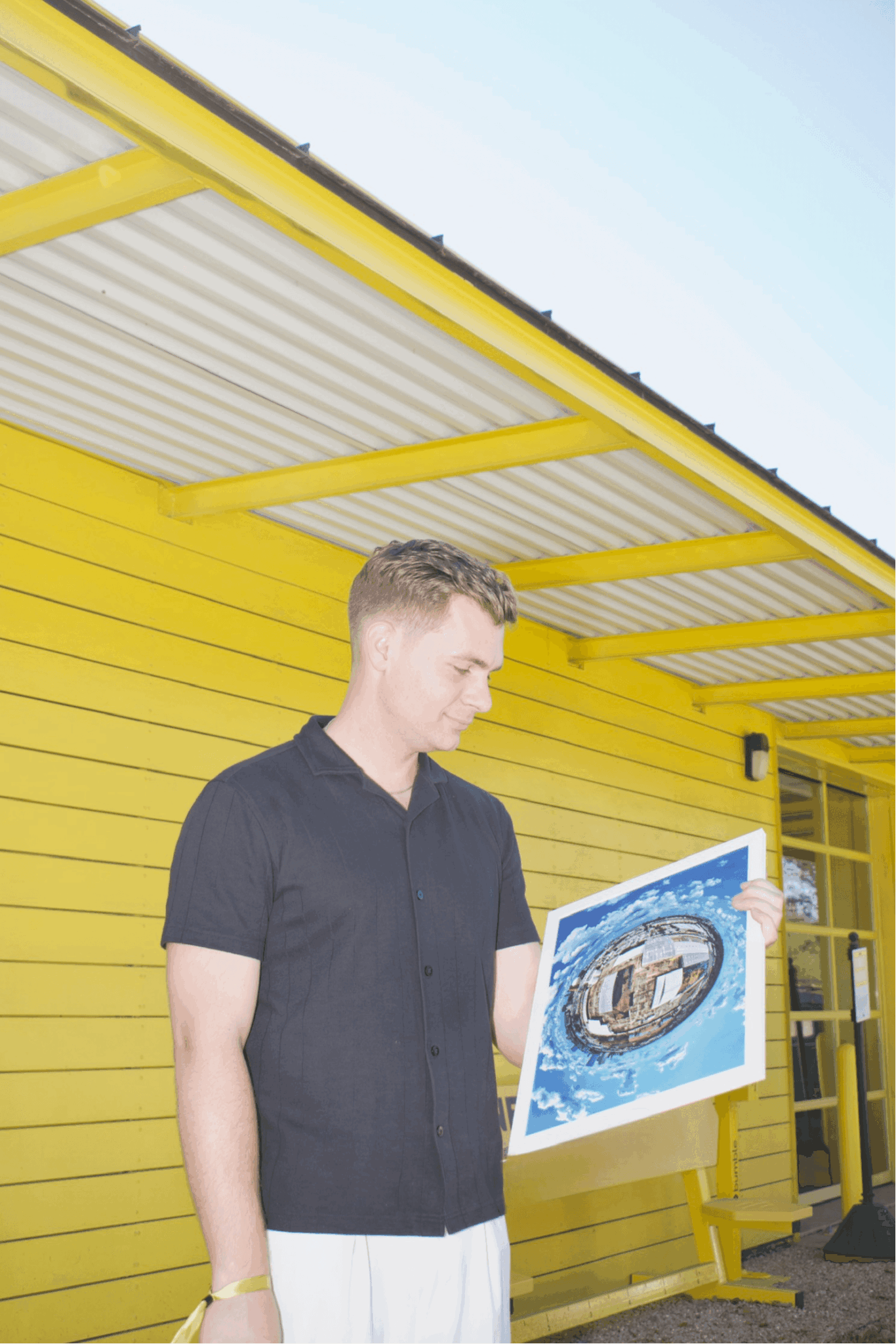

Alright – so today we’ve got the honor of introducing you to Brinton Freeze. We think you’ll enjoy our conversation, we’ve shared it below.
Brinton, thanks for joining us, excited to have you contributing your stories and insights. How did you learn to do what you do? Knowing what you know now, what could you have done to speed up your learning process? What skills do you think were most essential? What obstacles stood in the way of learning more?
I’ve learned mostly by doing—being put on real projects early, especially complex healthcare work, and having to figure things out quickly. That’s built a level of confidence over time, shaped by six years of architecture school and a constant stream of side work that genuinely excites me.
I’m now focused on improving how I learn—building repeatable systems and seeking mentorship earlier instead of figuring everything out on my own. There’s a lot of value in learning from people who’ve already done it before you.
The most essential skills for me have been problem-solving, adaptability, and communication, paired with strong technical execution to bring ideas to life efficiently. Being able to communicate clearly with a wide range of people under tight timelines is a skill I’ve found many overlook, but it’s critical.
The biggest obstacle has been bandwidth—balancing work, licensure, and outside projects—along with not always having clear guidance, which has meant a lot of learning through trial and error.
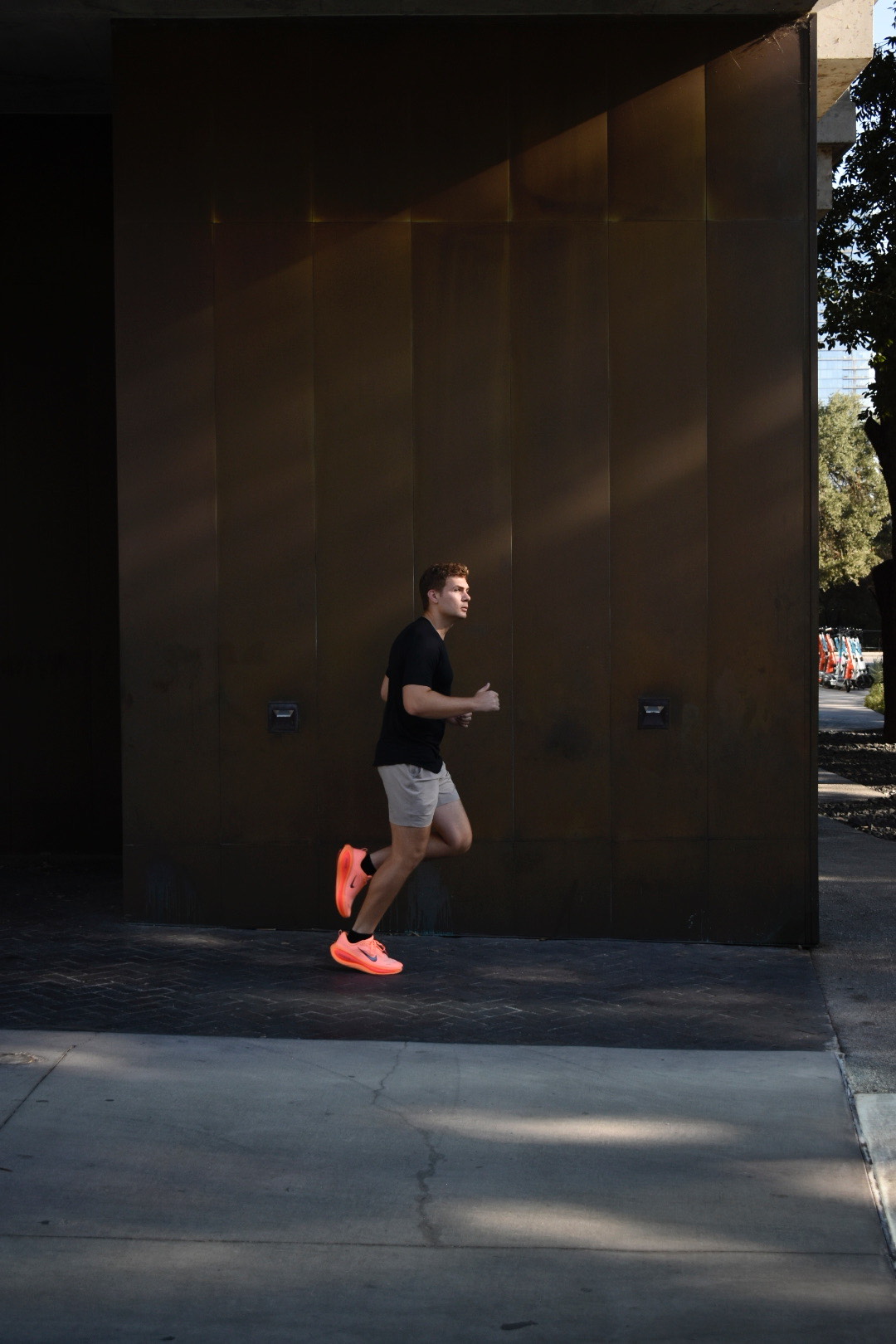

Brinton, before we move on to more of these sorts of questions, can you take some time to bring our readers up to speed on you and what you do?
I’m a soon to be licensed Architect in Austin, working primarily in healthcare and large-scale institutional projects, while also running a creative studio focused on visual storytelling. My path into architecture started with a genuine interest in how space impacts people, but over time it’s expanded into a broader focus on how design, media, and experience all intersect.
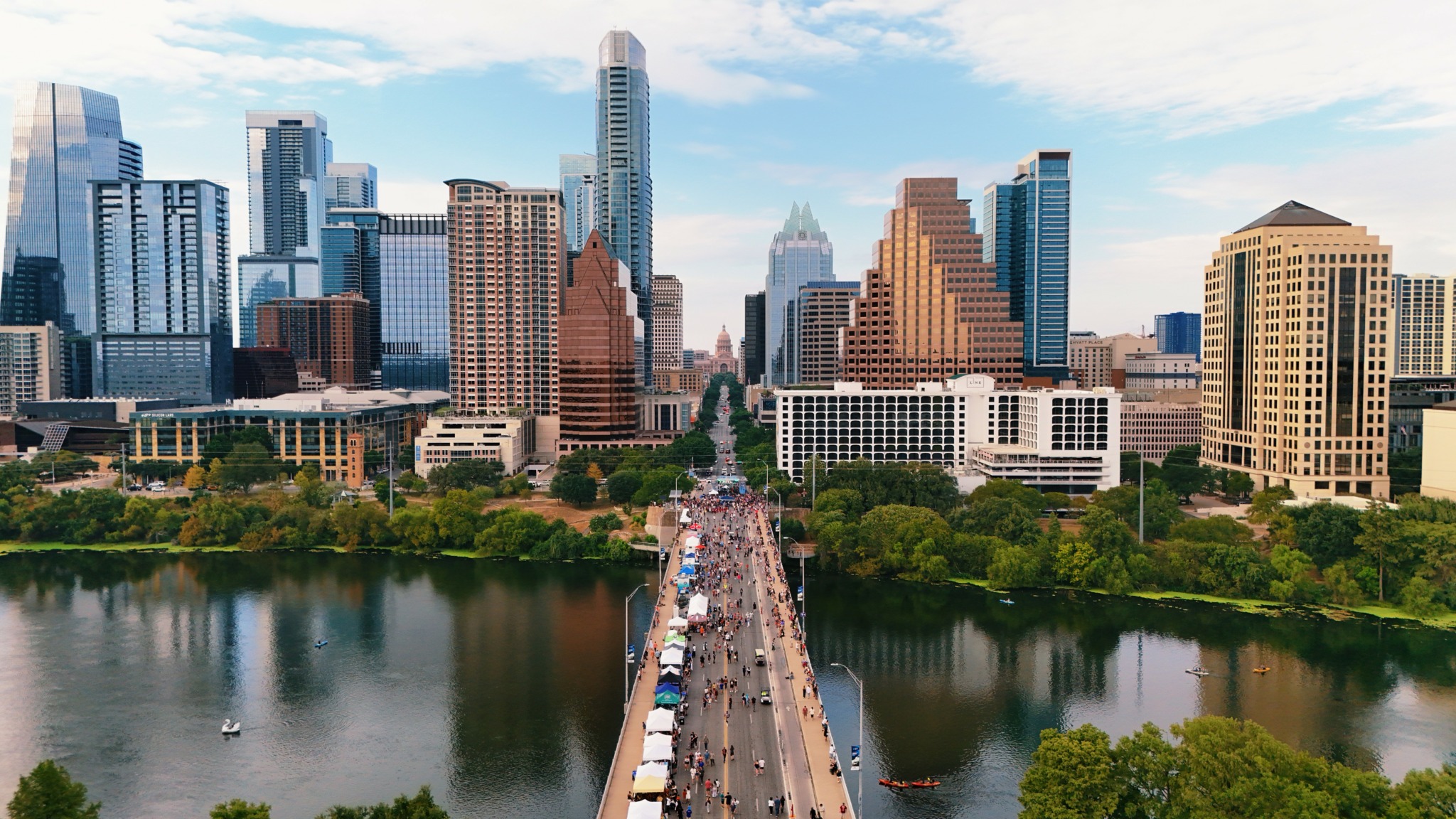
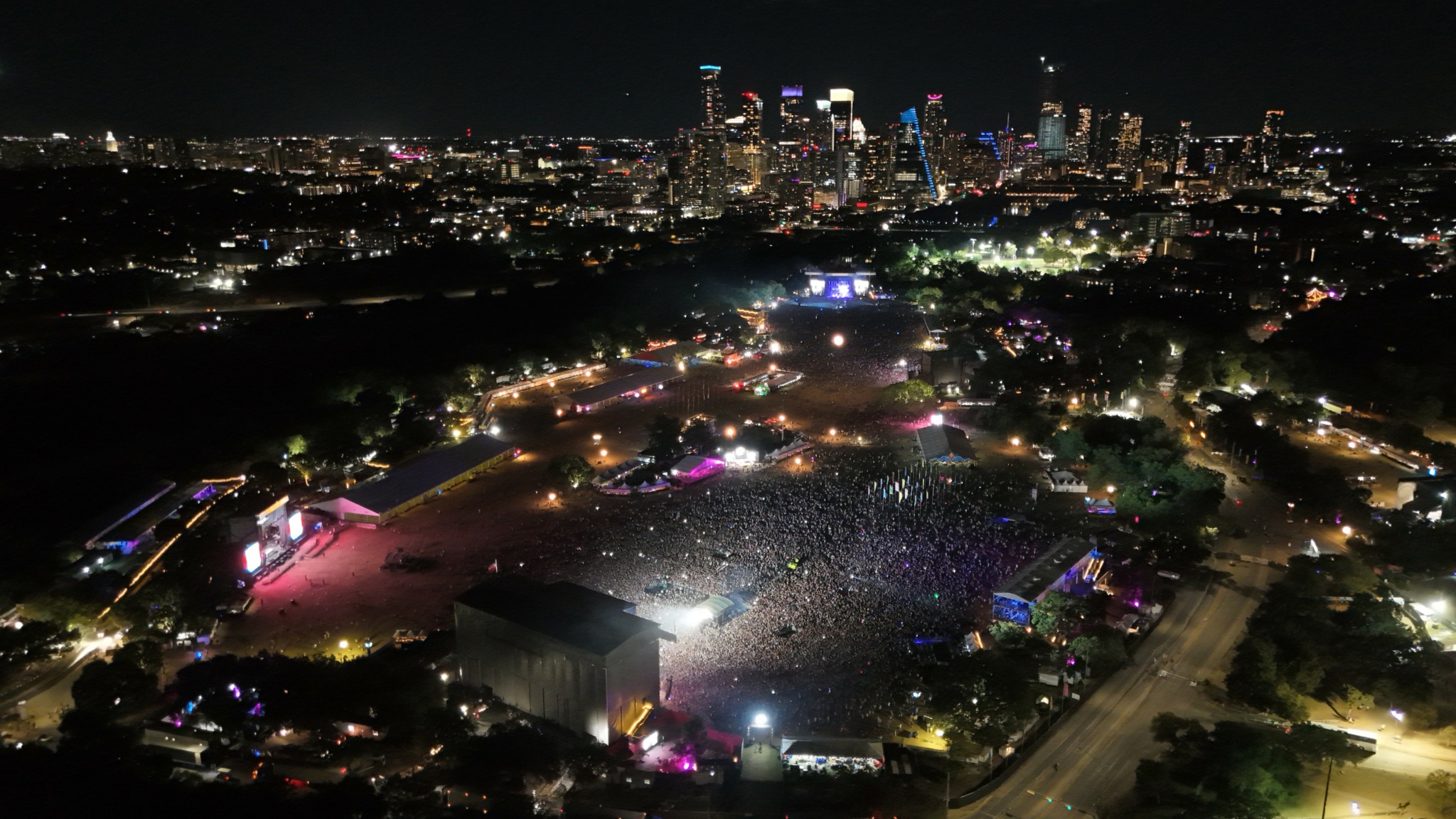
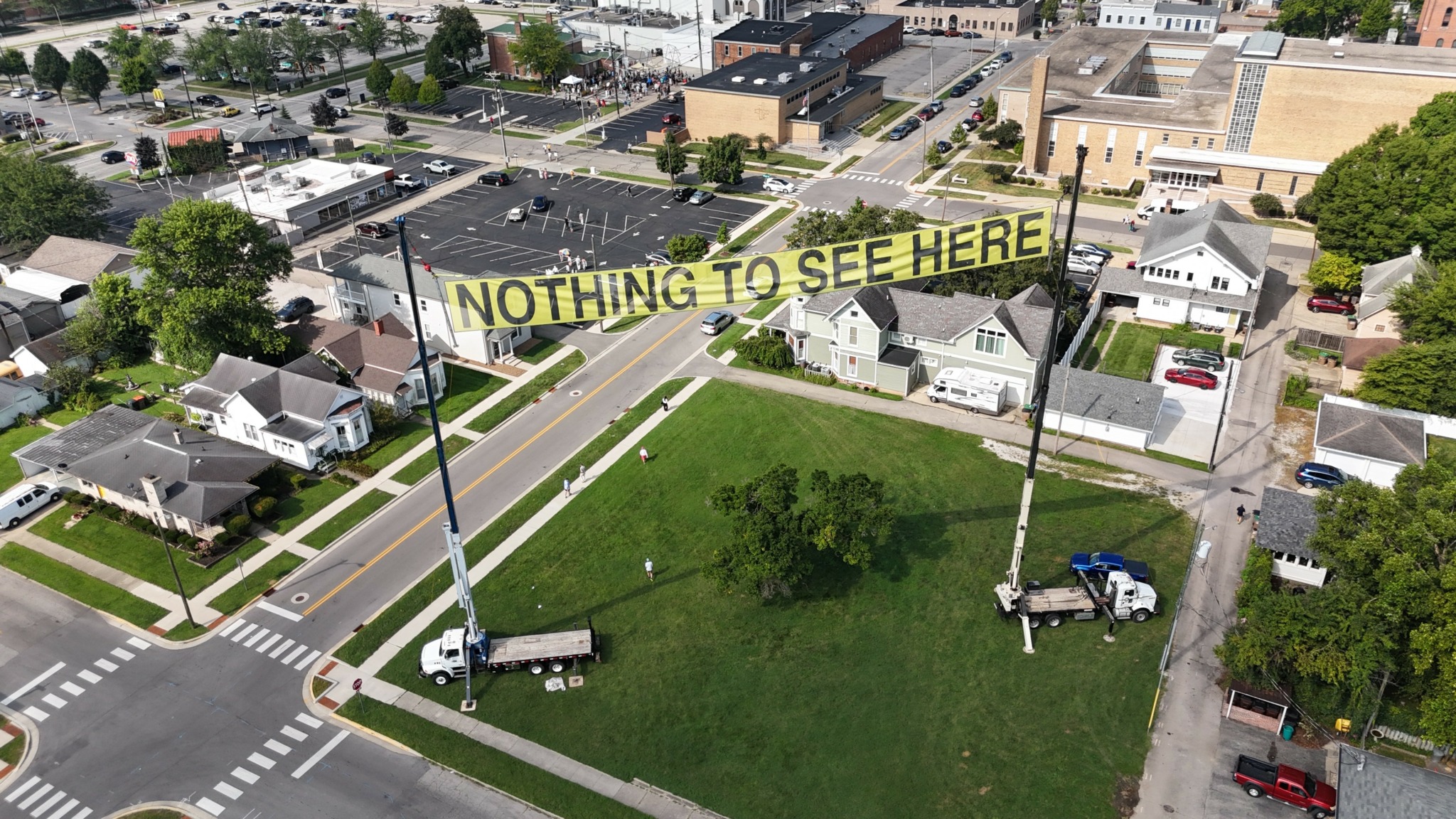
Alongside my professional work, I founded Freeze Forms Studio, which operates as a creative house specializing in drone photography and videography, design, and concept-driven visual work. I’ve had the opportunity to collaborate with brands like Nike, Bird, Champs Sports, and I’m continuing to grow that side of my work into something that blends architecture, media, and culture.
What I provide sits at the intersection of design and storytelling. On the architecture side, I help shape complex environments—particularly in healthcare—where clarity, efficiency, and user experience are critical. On the creative side, I produce visual content and concepts that help brands, events, and individuals communicate ideas in a more compelling way.
The problem I solve is helping people take something that’s often abstract—whether it’s a building, a brand, or an idea—and turn it into something tangible, understandable, and impactful. I focus a lot on execution—making sure ideas don’t just exist conceptually, but actually get built, produced, and experienced the way they’re intended.
What sets me apart is that I operate across both structured and creative environments. I’m comfortable working within highly technical, regulated systems like healthcare design, while also producing creative work that’s more expressive and fast-moving. That balance allows me to think differently and bring a unique perspective to both sides. My technical ability across several programs and software are my biggest strengths.
I’d say I’m most proud of the consistency—showing up across multiple areas, continuing to grow, and building something that reflects both my professional and creative interests. Whether it’s progressing toward licensure, contributing to major projects, or building a platform and client base through my studio, it all ties back to a long-term vision.
For potential clients or collaborators, the main thing I’d want them to know is that I care deeply about both the idea and the execution. I’m not just interested in creating something that looks good—I want it to work, to resonate, and to hold up over time. I’m also someone who takes initiative and brings energy to what I’m working on, whether that’s leading coordination on a project or developing a concept from scratch.
How’d you build such a strong reputation within your market?
I think my reputation has come from consistency and initiative. I’ve been willing to step up, take ownership, and just do the damn thing. Trust is built quickly when your introduction to a person is the work you do, not the work you say you do.
I also focus heavily on execution. A lot of people have good ideas, but I’ve built a reputation around actually delivering—whether that’s in architecture or creative work. Being able to communicate clearly, stay reliable under pressure, and follow through has gone a long way. We live in a world saturated with ideas that can easily overwhelm people from ever starting. I like to treat life as an iterative process and that means putting things out that aren’t always your best! That’s something the tight deadlines and endless nights of architecture school have taught me. Your draft is probably better than you think it is.
Is there something you think non-creatives will struggle to understand about your journey as a creative?
One thing I think people often struggle to understand is that there isn’t a standard timeline or clear chronology to a creative path. A lot of people expect progress to look linear—school, job, promotions, stability—but in creative fields, it rarely works that way. One piece of content or opportunity can completely shift your trajectory, and it’s not always about how much something pays. A creative journey is often more about the opportunities and connections that come from putting your work out there.
There are periods where things move really fast, followed by phases where it feels like nothing is happening at all. You might be putting in a lot of work without immediate results or exploring directions that don’t fully make sense to others yet. From the outside, that can look inconsistent, but it’s actually a necessary part of building something unique.
The biggest insight is that creative growth doesn’t follow a predictable structure. It requires trust in the process, even when there isn’t a clear outcome. You’re constantly building, adjusting, and redefining what success looks like—and that can be uncomfortable if you’re expecting a traditional path.
Contact Info:
- Website: https://bfreeze.myportfolio.com/
- Instagram: brintonfreeze
- Linkedin: Brinton Freeze
- Other: Tik Tok @brintonfreeze
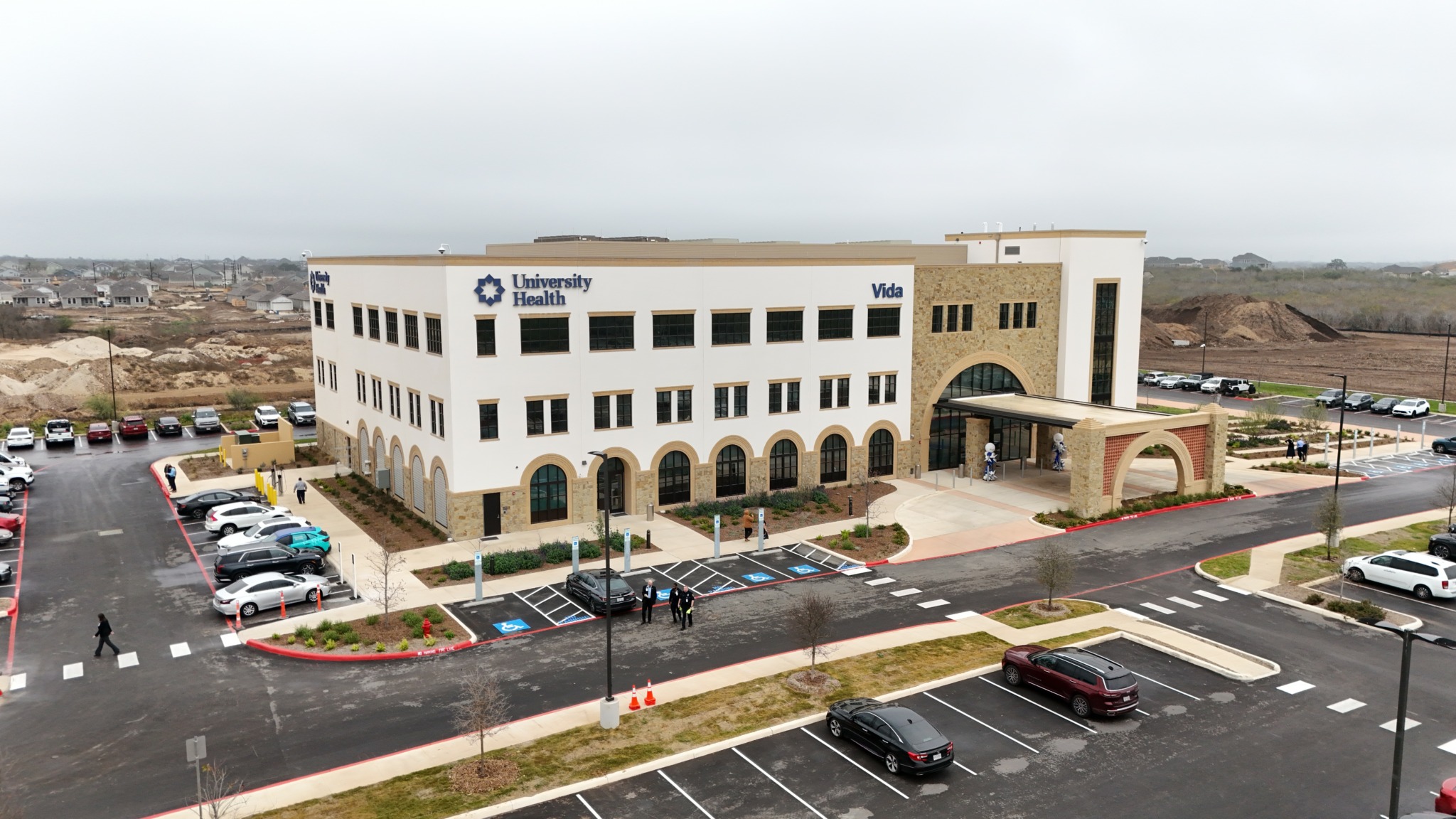
Image Credits
Cody Dzurisin