

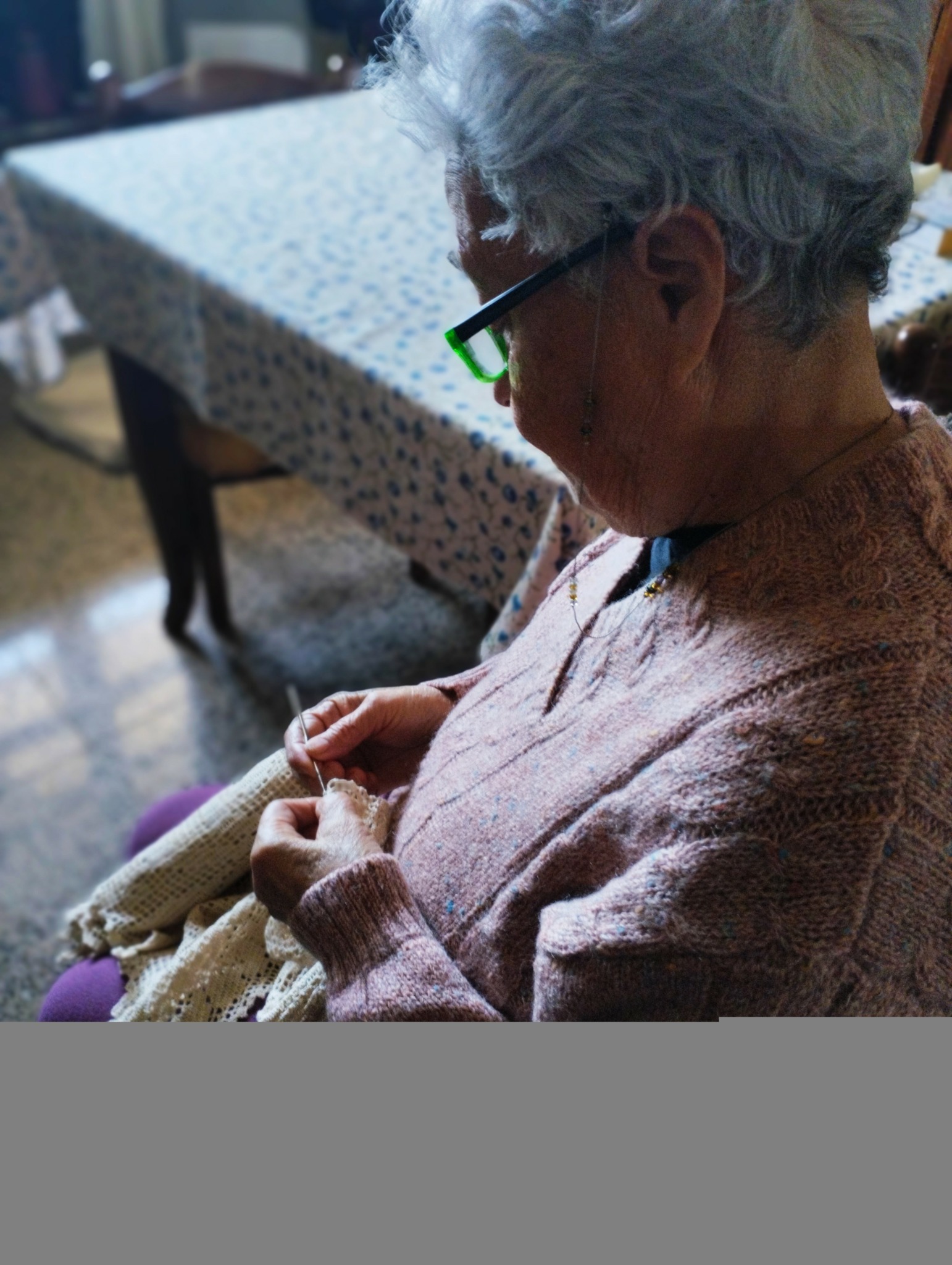

Alright – so today we’ve got the honor of introducing you to Rosa Palmas. We think you’ll enjoy our conversation, we’ve shared it below.
Rosa, thanks for taking the time to share your stories with us today We’d love to hear about a project that you’ve worked on that’s meant a lot to you.
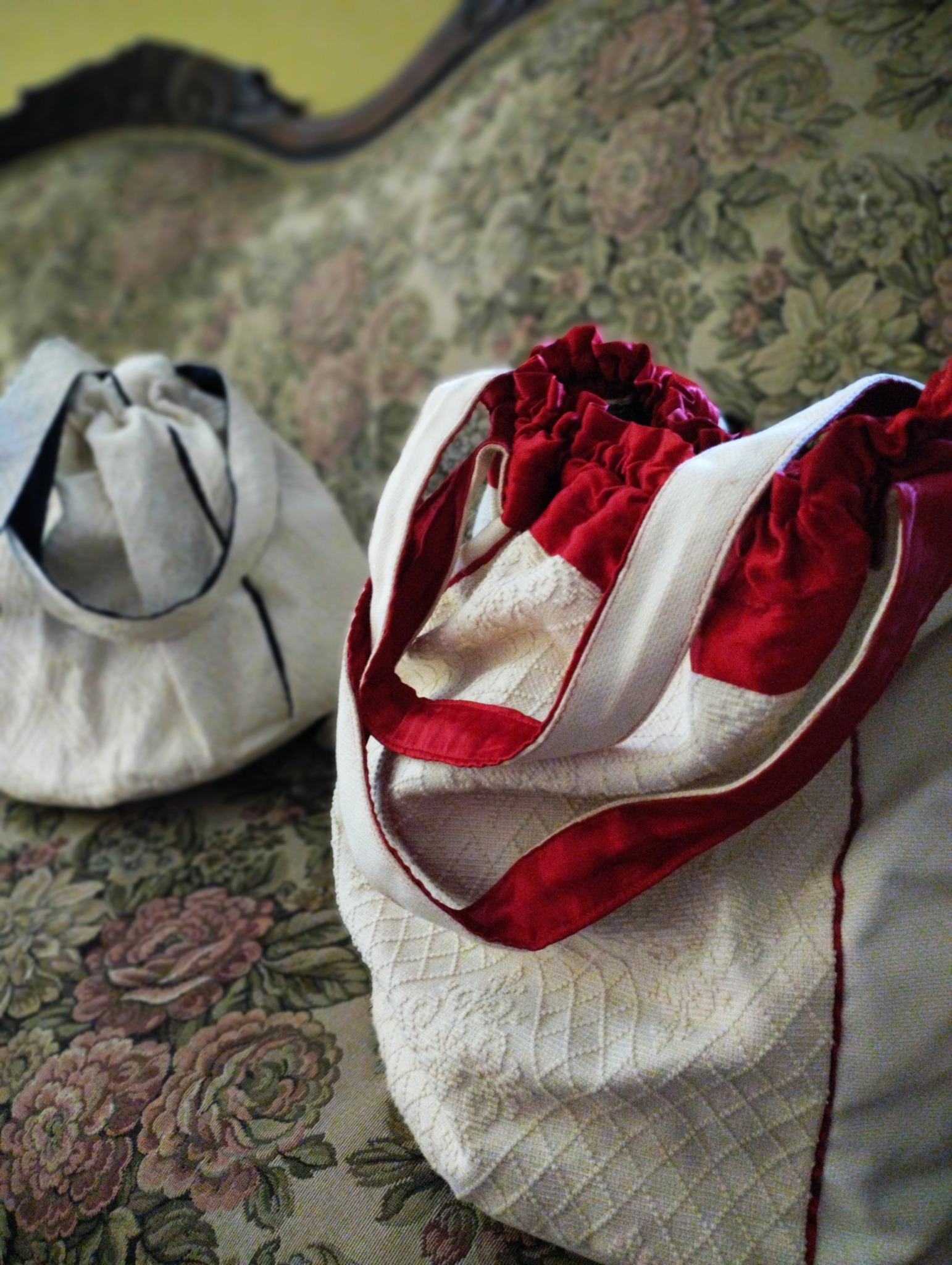
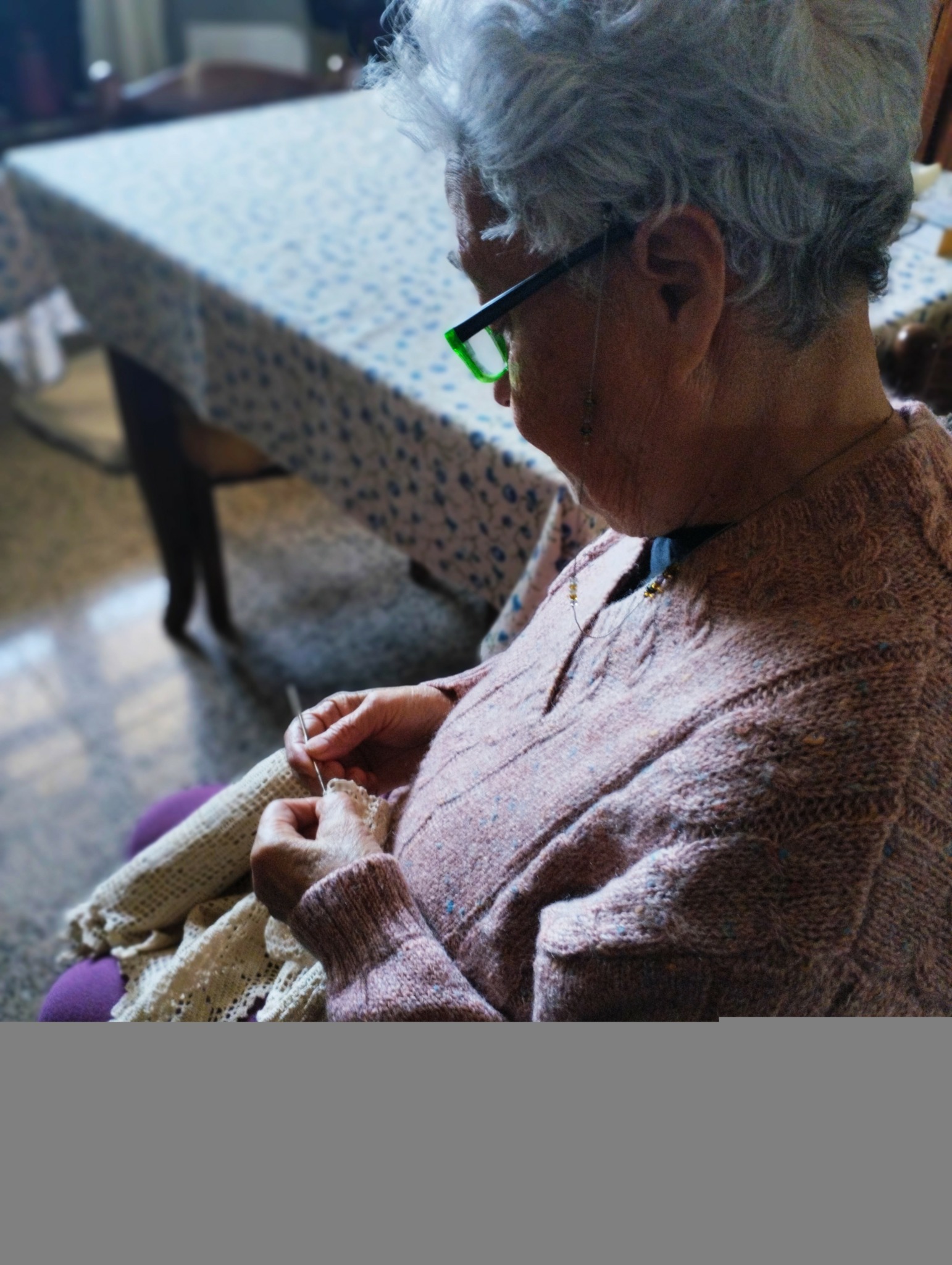
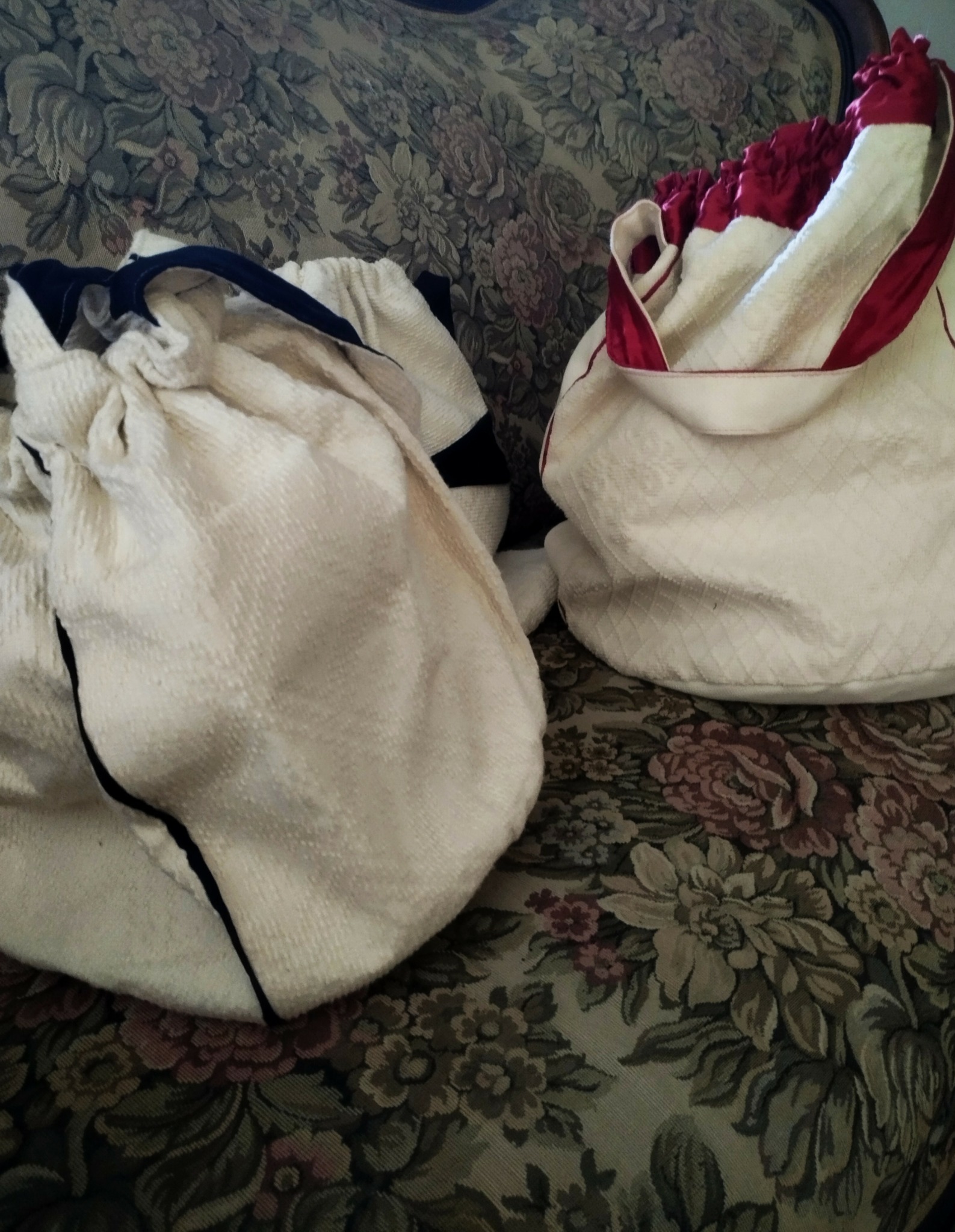
Truth be told, there isn’t one specific project I cherish above all others. Instead, my creative work reflects the different chapters of my life. In my younger years, I was a dedicated full-time knitter; after purchasing a knitting machine, I produced thousands of garments, from sweaters to dresses. I also specialized in handcrafted baby sets, blending machine work with traditional knitting and crochet. I must have made hundreds of crocheted baby booties—they were exquisite and perfectly formed. Over time, my creative focus shifted toward other crafts, like designing bags inspired by Sardinian traditions. These days, I find joy in tending to my organic garden and its healthy harvest. I also look after a vast garden, which is beautifully in bloom as we speak.
Certamente. Per uno stile formale (adatto a una biografia ufficiale, una prefazione di un libro o una presentazione professionale), utilizzeremo un lessico più ricercato come at the age of twenty invece di I was twenty, e termini come solace (conforto) o therapeutic per dare spessore al racconto.
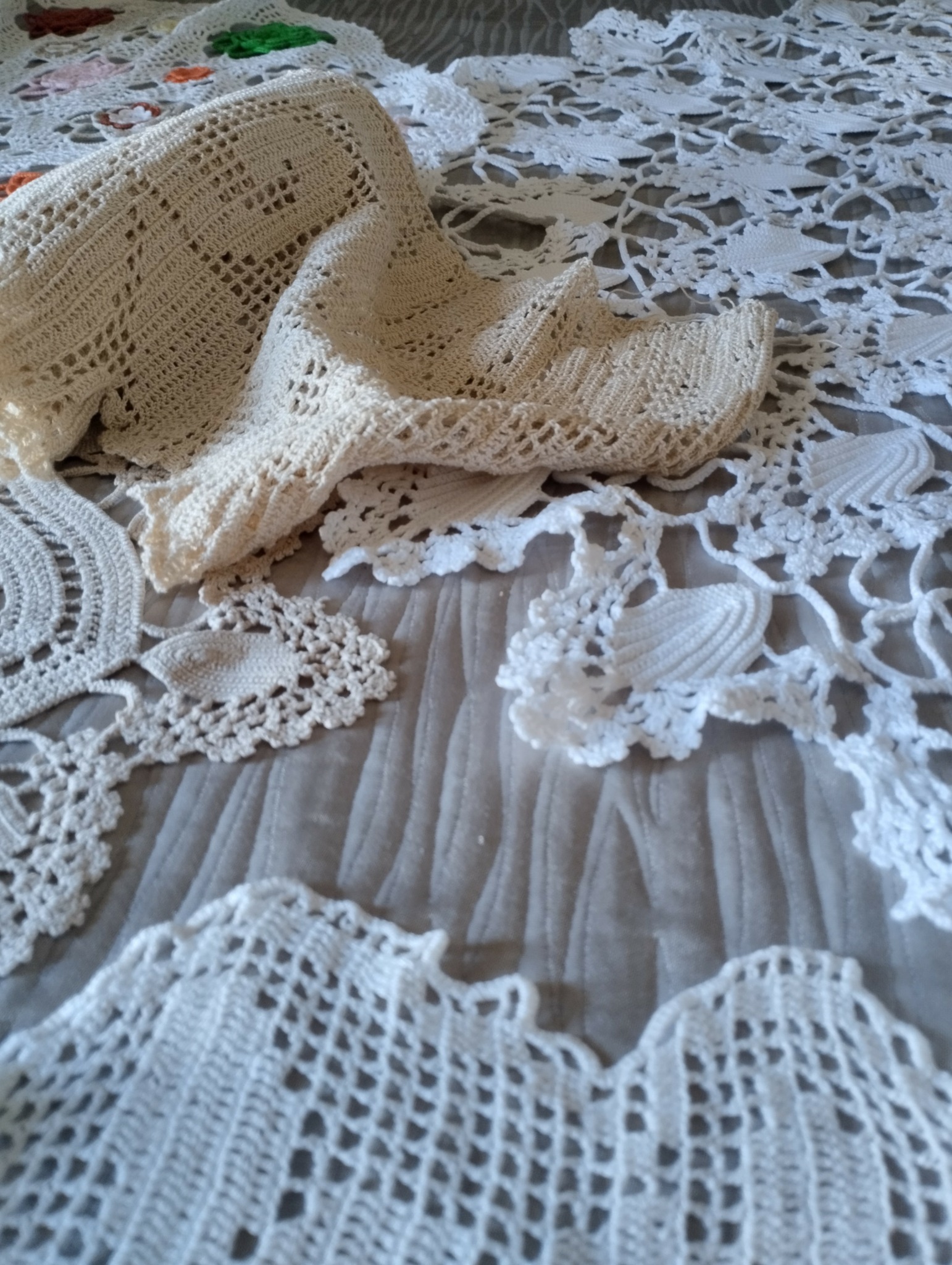
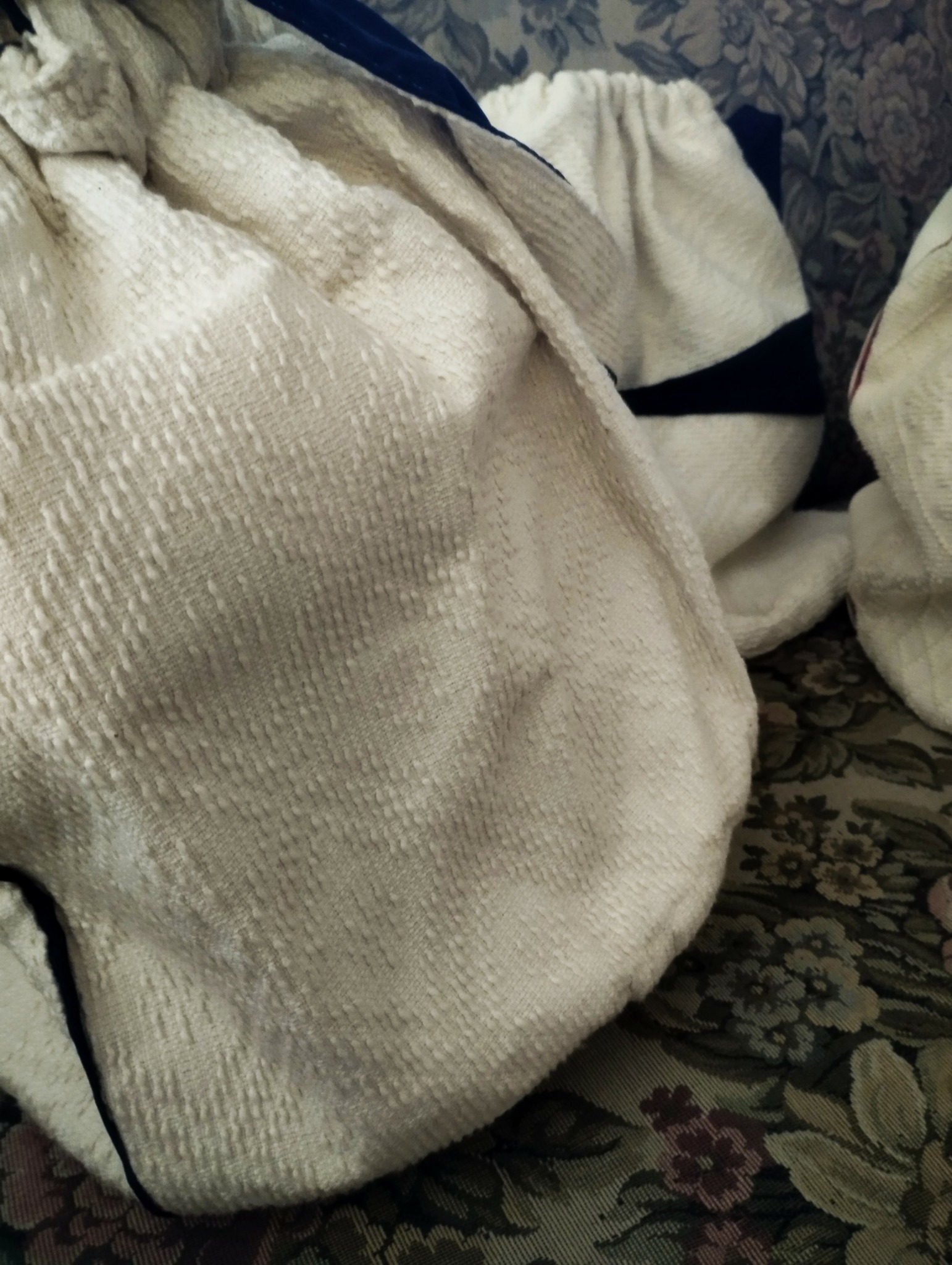
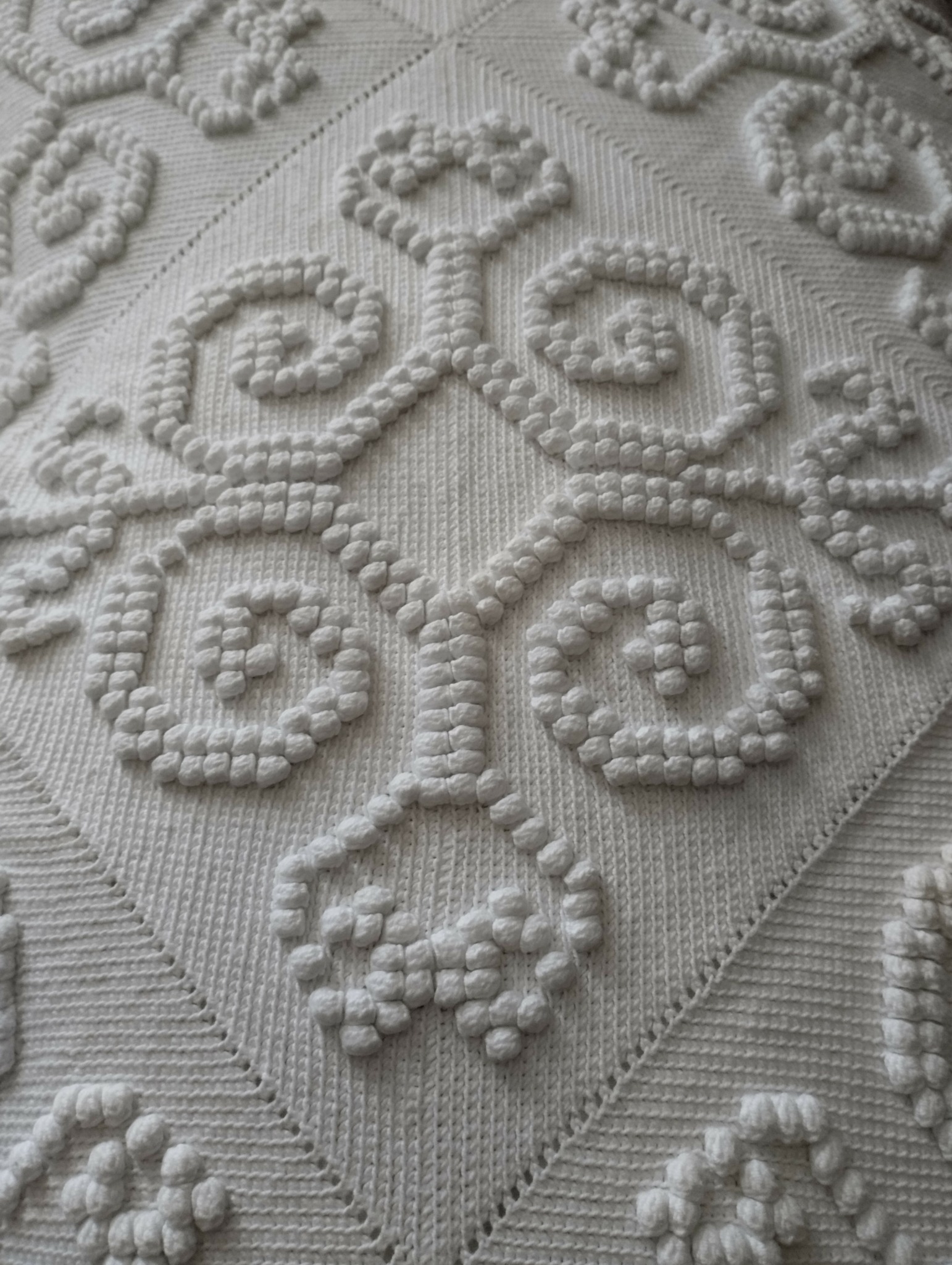
“It is worth noting, however, that my journey began with the art of crochet. In the wake of a profound personal loss, I found it necessary to direct my focus toward a tangible, practical task. I began working with cotton and, over many months of dedicated labor, I completed a bedspread. I am pleased to share these photographs with you. I was twenty years old at the time, and this creative process served as my primary means of sublimating my grief.
Rosa, before we move on to more of these sorts of questions, can you take some time to bring our readers up to speed on you and what you do?
I feel I have detailed my background in the previous response. The history I shared is defined by the specific stages I outlined. While my profile may appear eclectic, it is truly an evolutionary process that has culminated today in a passion for organic cultivation and the art of preparing wholesome food.
In your view, what can society to do to best support artists, creatives and a thriving creative ecosystem?
My immediate response is that we must invest in creative talent. Specifically, I believe companies committed to high-quality and non-GMO food production should find ways to support these individuals. Within a creative ecosystem focused on quality food, a virtuous circuit could be established where creatives who share these core values are employed to advocate for premium products. This isn’t about the massive budgets of global advertising, but rather about fair pricing that ensures mutual credibility. Businesses would benefit from being represented by individuals genuinely dedicated to environmental defense, while creatives would receive a sustainable income by promoting authentic brands aligned with their own projects. This synergy would provide vital support for both parties.
Any resources you can share with us that might be helpful to other creatives?
Well, to be honest, I am aware of a major limitation of mine: I have so many ideas—I’m a constant forge of creativity—and I work incredibly hard, but since I was young, I have never truly capitalized on any of it. When I was a knitter, I received some compensation, but it was nothing extraordinary. Now, I would love for everything I do to have at least a minimum financial return. Unfortunately, we are stuck in a distorted system: whenever I’ve promoted products that share my philosophy, I’ve always been asked to do it for free. But that way, the scales only tip in one direction.
Contact Info:
- Instagram: rosamunda_foodandmore
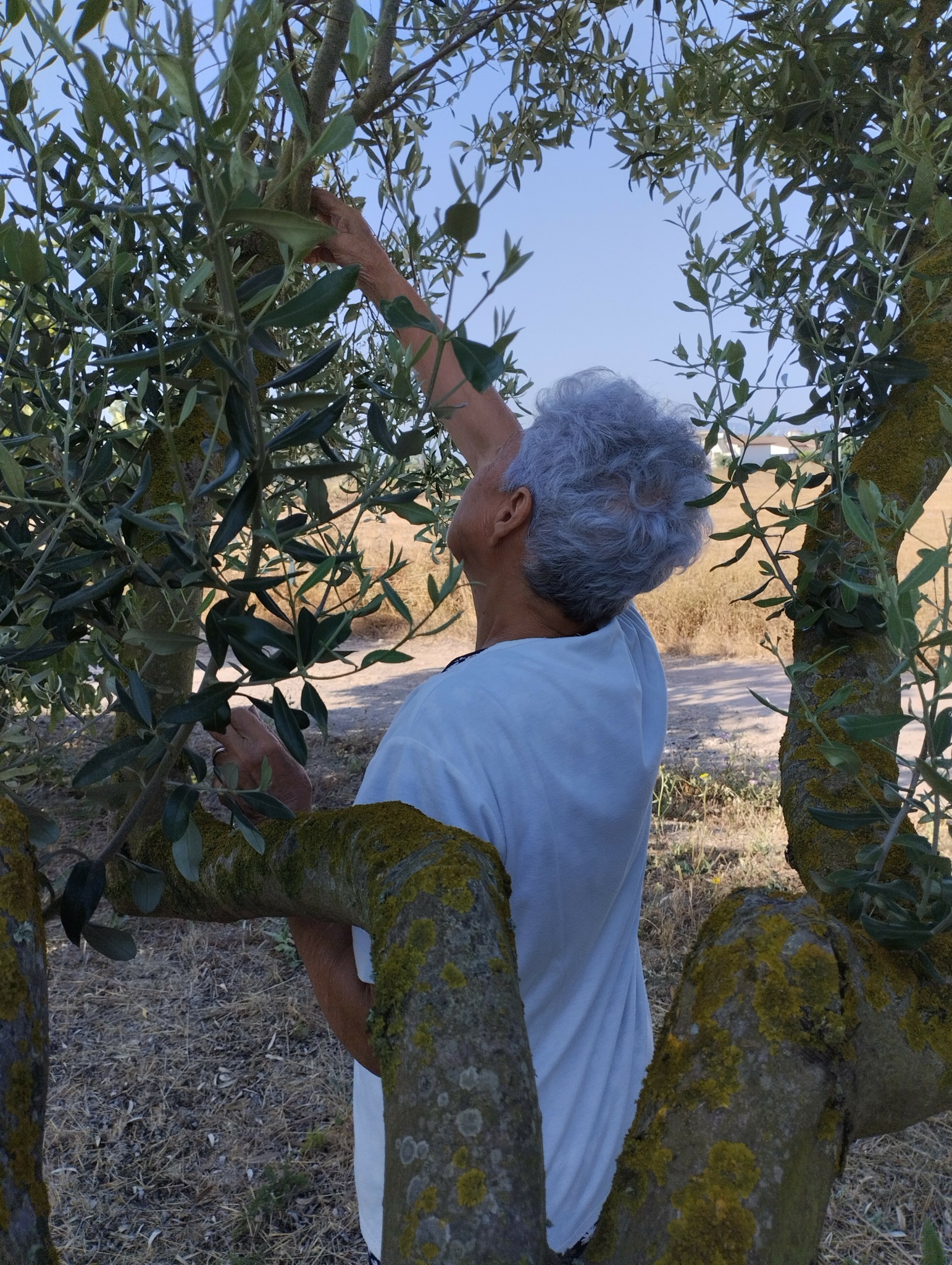
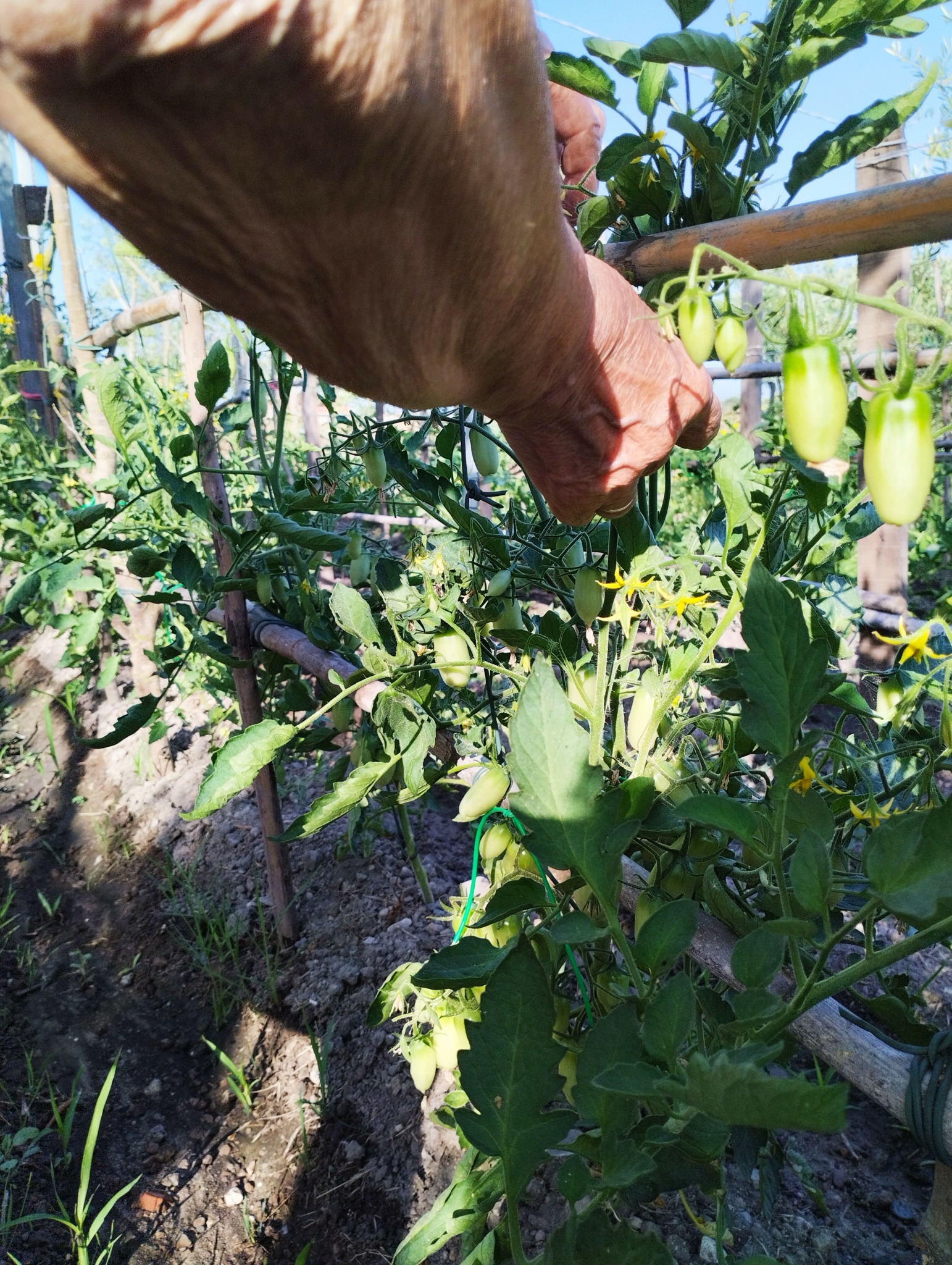
Image Credits
Photo by Simona Pau