

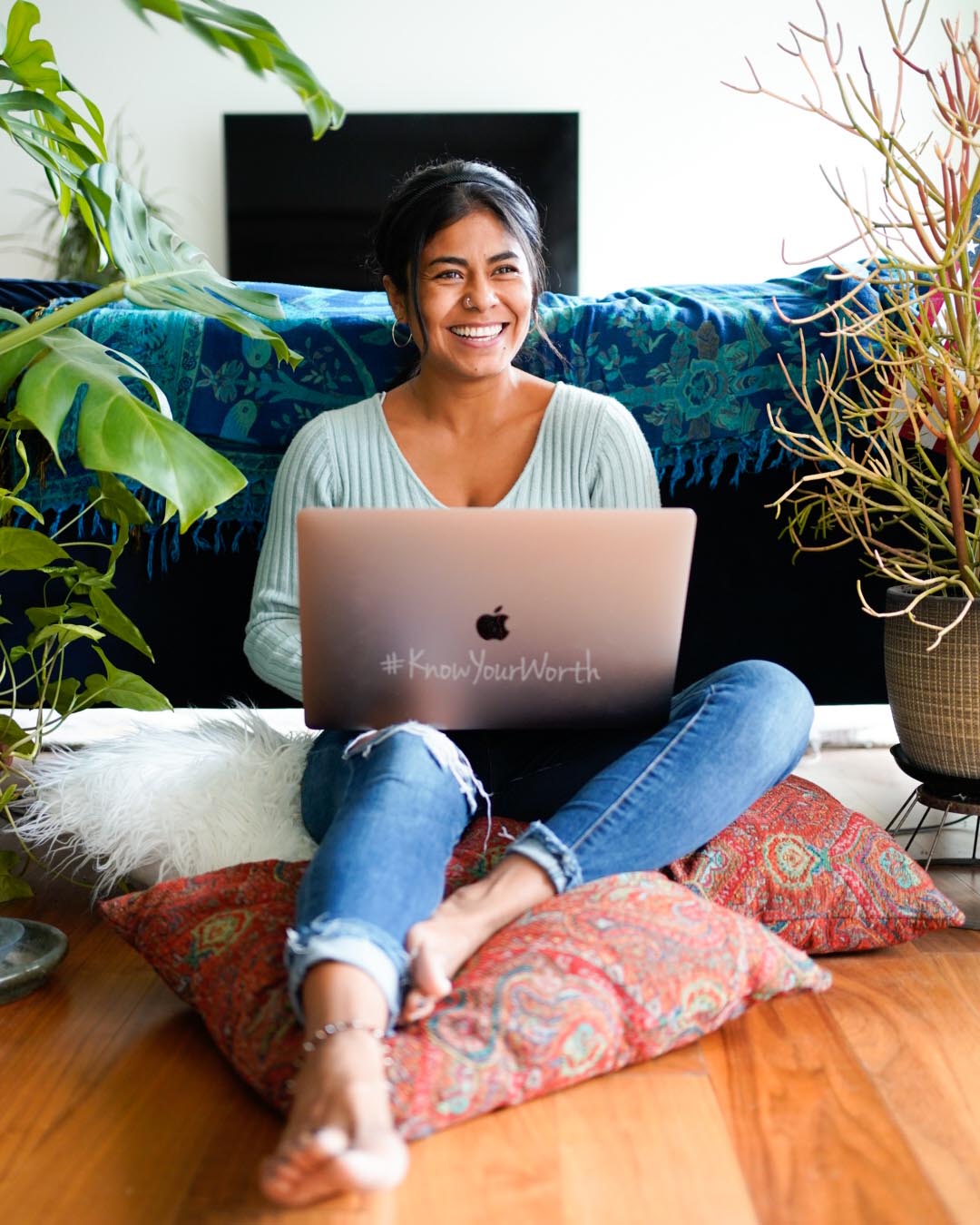

We were lucky to catch up with Dalila Copeland recently and have shared our conversation below.
Dalila , looking forward to hearing all of your stories today. The first dollar your business earns is always special and we’d love to hear how your brand made its first dollar of revenue.
Great question. My first “on my own” client actually came through LinkedIn. Someone posted a design request, I sent over a proposal, and honestly, I didn’t think much of it. I even remember feeling a little skeptical, like it might be one of those posts that goes nowhere.
Up until then, every client I had came through word of mouth—friends, connections, that kind of thing—so this felt different. A bit more “real world.” Then they responded. And not only did it turn into a project, it turned into one of my best, long-term clients that I still work with today.
I remember being genuinely surprised. Like, oh… this actually works.
One thing I took away from that moment is to put yourself out there and not get too attached to the outcome. Send the proposal, then move on. If it lands, amazing. If not, onto the next. That mindset has helped me stay consistent without overthinking every opportunity.
That first “yes” just hit different though.
Dalila , before we move on to more of these sorts of questions, can you take some time to bring our readers up to speed on you and what you do?
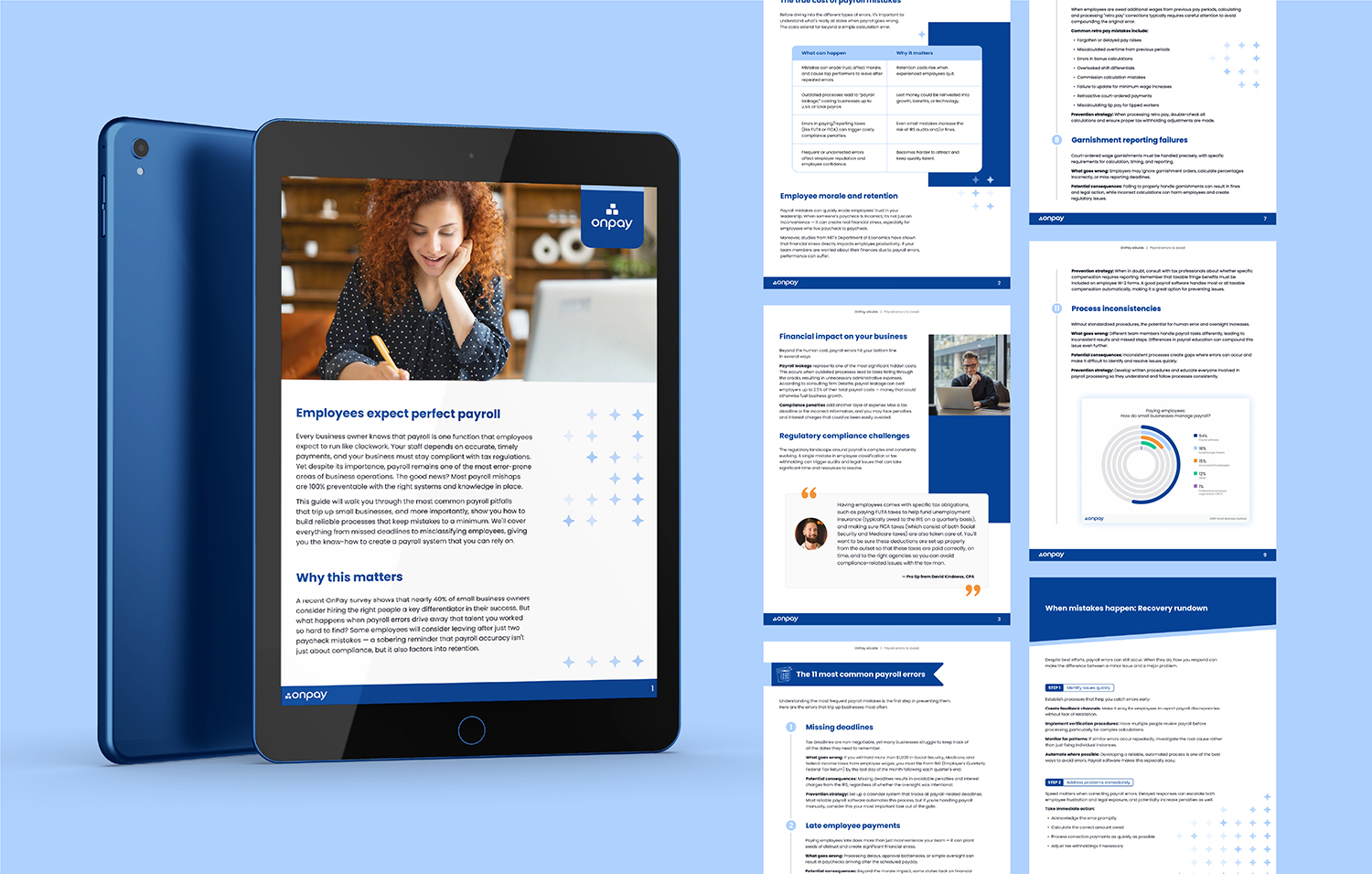
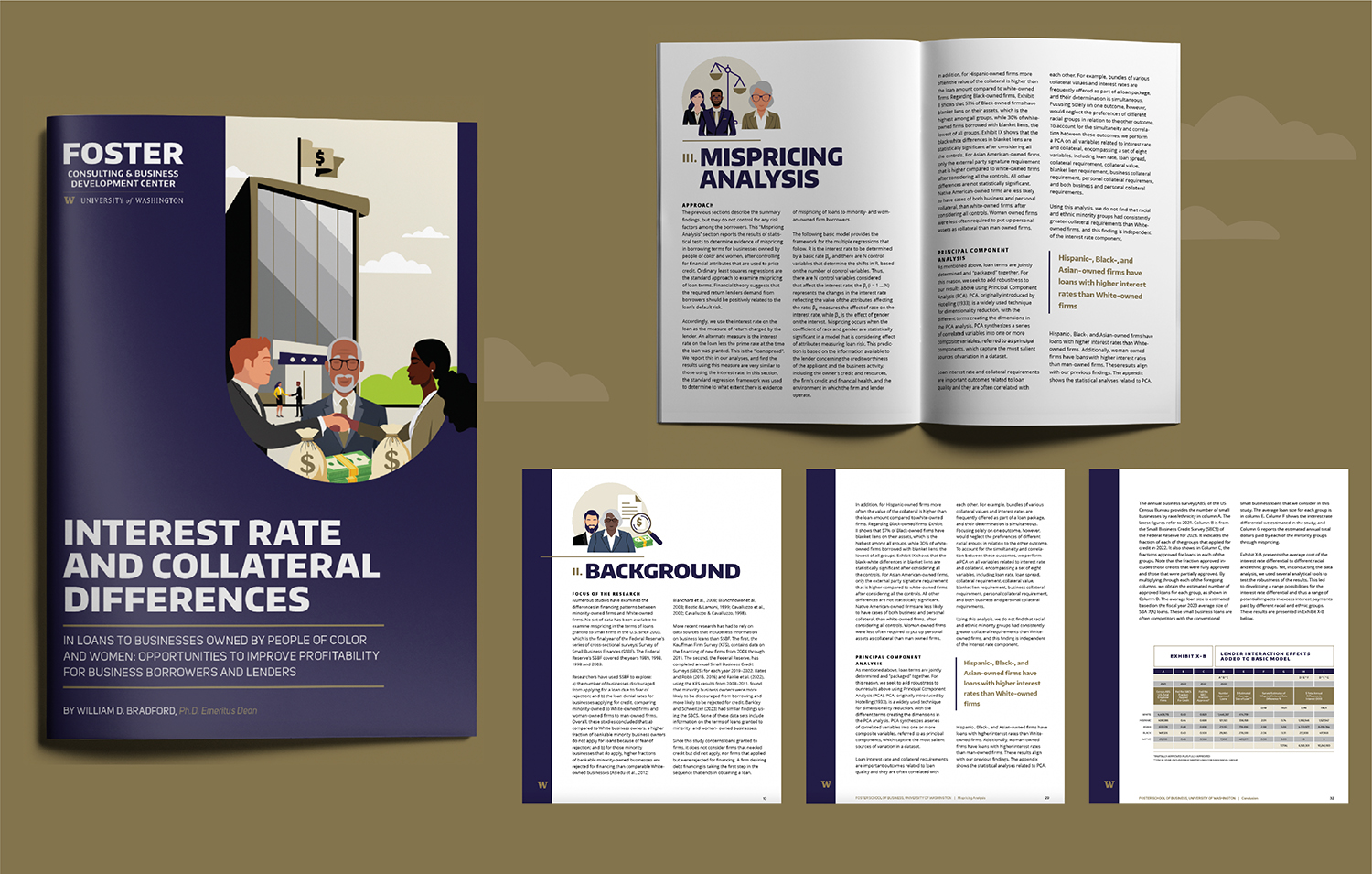
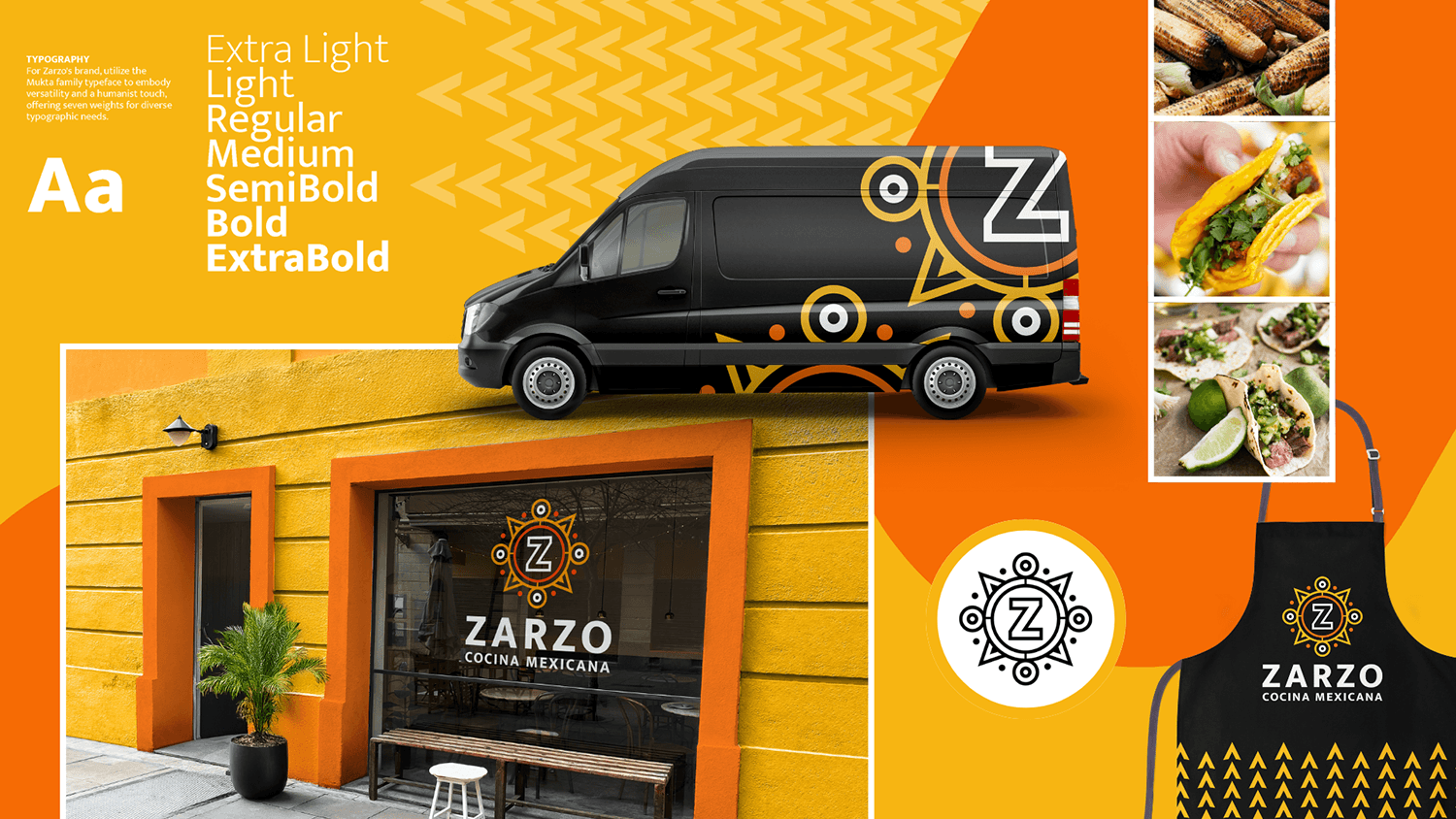
Nomad Group was built from over a decade of experience working with brands like Minecraft, Microsoft, Amazon, Xbox, and the Seattle Seahawks. Along the way, we developed a strong foundation in branding, digital campaigns, and visual storytelling—but more importantly, we learned how to make design actually work for a business, not just look good.
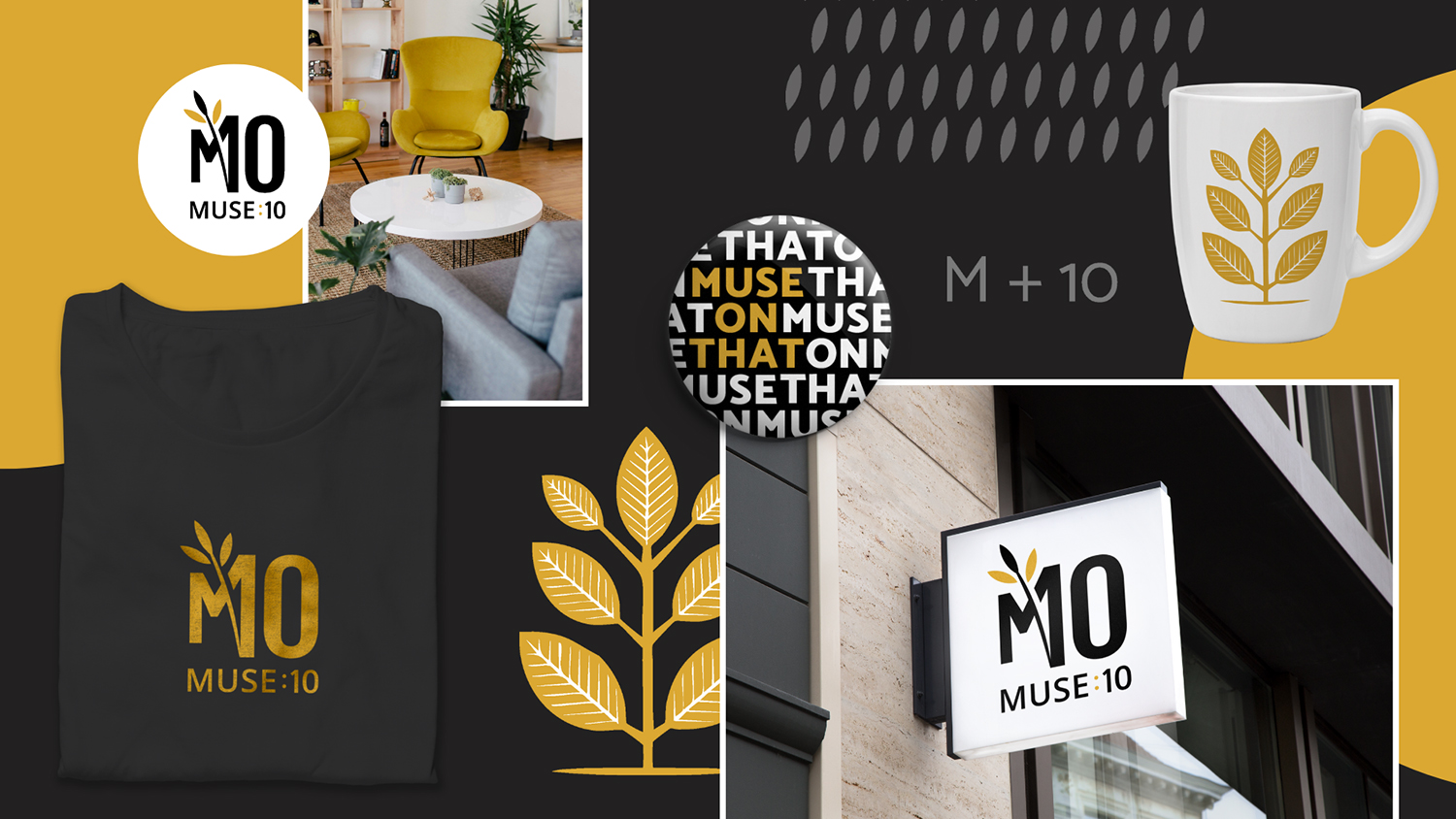
At our core, we specialize in branding—logos, visual identity systems, and experimental typography. But we stay flexible. Design trends shift, business needs change, and we like to meet clients where they are instead of forcing them into a rigid process.
Nomad Group came from a bigger idea: creating a design business that supports both great work and a better way of living. For us, that means having the flexibility to shape our days—starting earlier if we want to, wrapping up earlier, taking a break in the middle of the day, or being present for the small things like time with family.
Remote work has given us the ability to build a routine that actually fits our lives instead of forcing our lives around work. It also gives us the freedom to explore new places and environments, which naturally keeps things fresh and inspires how we think and create.
That flexibility has made us more adaptable, more efficient, and honestly more human in how we work with people.
We’re also intentionally not a traditional agency. No layers, no bloat, no long retainers or drawn-out timelines. You’re not paying for overhead or sitting through unnecessary meetings. It’s direct, senior-level design support—when you need it, and paused when you don’t.
That scrappy, nimble approach is really the point. We move fast, stay close to the work, and keep things simple. No fluff—just thoughtful, well-executed design that helps brands move forward.
What we’re most proud of is building something that actually reflects how we want to live and work. Nomad Group isn’t just about design—it’s about doing great work without the unnecessary weight that usually comes with it—and creating more freedom in the process, not less. As we grow, the goal is to extend that same opportunity to other creatives too.

Learning and unlearning are both critical parts of growth – can you share a story of a time when you had to unlearn a lesson?
One of the biggest lessons I’ve had to unlearn is the need to control everything—or more realistically, the need to react to every high and low.
Running your own business can feel like a thermostat that’s constantly going up and down. One day you’ve got a bunch of leads and you’re thinking, “Okay, this is going to be a great quarter,” and then suddenly…nothing. Everything falls through. Other times, you’re chasing down payments and basically fighting twice—once to do the work, and again to get paid for it.
And then there are moments where it’s completely quiet—no leads, no projects—and out of nowhere, you land five or six projects that cover your whole month.
That kind of unpredictability used to stress me out a lot. I felt like I needed to control it or make sense of it in the moment. But over time, I’ve learned that it’s just part of the process. Things come and go.
Now, instead of reacting to every shift, I try to stay a bit more neutral. I kind of just go, “Oh, okay,” and keep moving. Do the work, stay consistent, and trust that things will balance out.
It sounds simple, but learning to not spiral with every dip or get overly attached to every high has made a huge difference—for our work and honestly just for our sanity.

Are there any books, videos, essays or other resources that have significantly impacted your management and entrepreneurial thinking and philosophy?
Honestly, this might sound a little unexpected, but the biggest impact on how I run my business hasn’t come from traditional business books—it’s come from self-development.
A lot of what I’ve learned has been around emotional intelligence, managing my mindset, meditation, eating well, and just taking care of myself overall. I’ve realized (and tested this on myself many times) that when my mind is in a good place, everything else tends to flow better—including business. I think a lot of it comes down to being able to regulate your emotions and not react to every little thing.
One book that really stuck with me is You Are the Placebo by Dr. Joe Dispenza. It shifted how I think about mindset and what we’re actually capable of changing.
But overall, I’m pretty open. I think there’s value in reading a little bit of everything—not just business books. The more you learn about yourself and how you operate, the better you show up in your work and your life.
Contact Info:
- Website: https://www.nomadlifegroup.com
- Linkedin: https://www.linkedin.com/company/nomadlifegroup
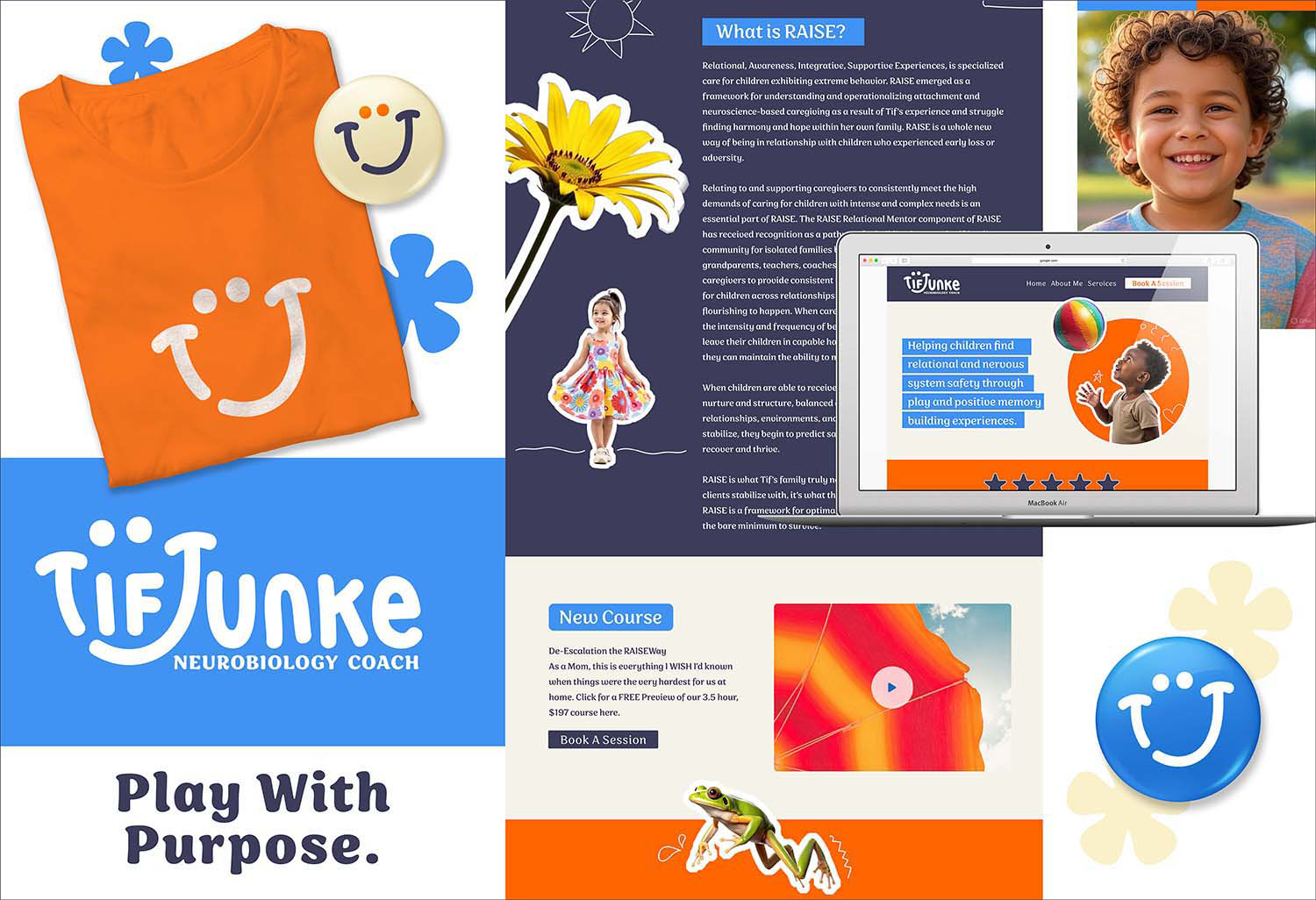

Image Credits
Aaron Copeland