



We’re excited to introduce you to the always interesting and insightful Kyi Gyaw. We hope you’ll enjoy our conversation with Kyi below.
Kyi, thanks for taking the time to share your stories with us today Day to day the world can seem like a tough place, but there’s also so much kindness in the world and we think talking about that kindness helps spread it and make the world a nicer, kinder place. Can you share a story of a time when someone did something really kind for you?
I pursued graduate studies in interior design with a very specific intention: to create environments that support people’s well-being—spaces that feel calm, restorative, and deeply personal. I was interested in how design could shape not just how a space looks, but how it makes someone feel on a daily basis.
After graduating, my career naturally led me into hospitality design, largely influenced by my background in Hotel Management from Cornell. I spent over a decade designing luxury hotels and restaurants, which I truly loved—the scale, the storytelling, the level of detail. But over time, I realized I had drifted away from the more intimate, human-centered impact that initially drew me to design.
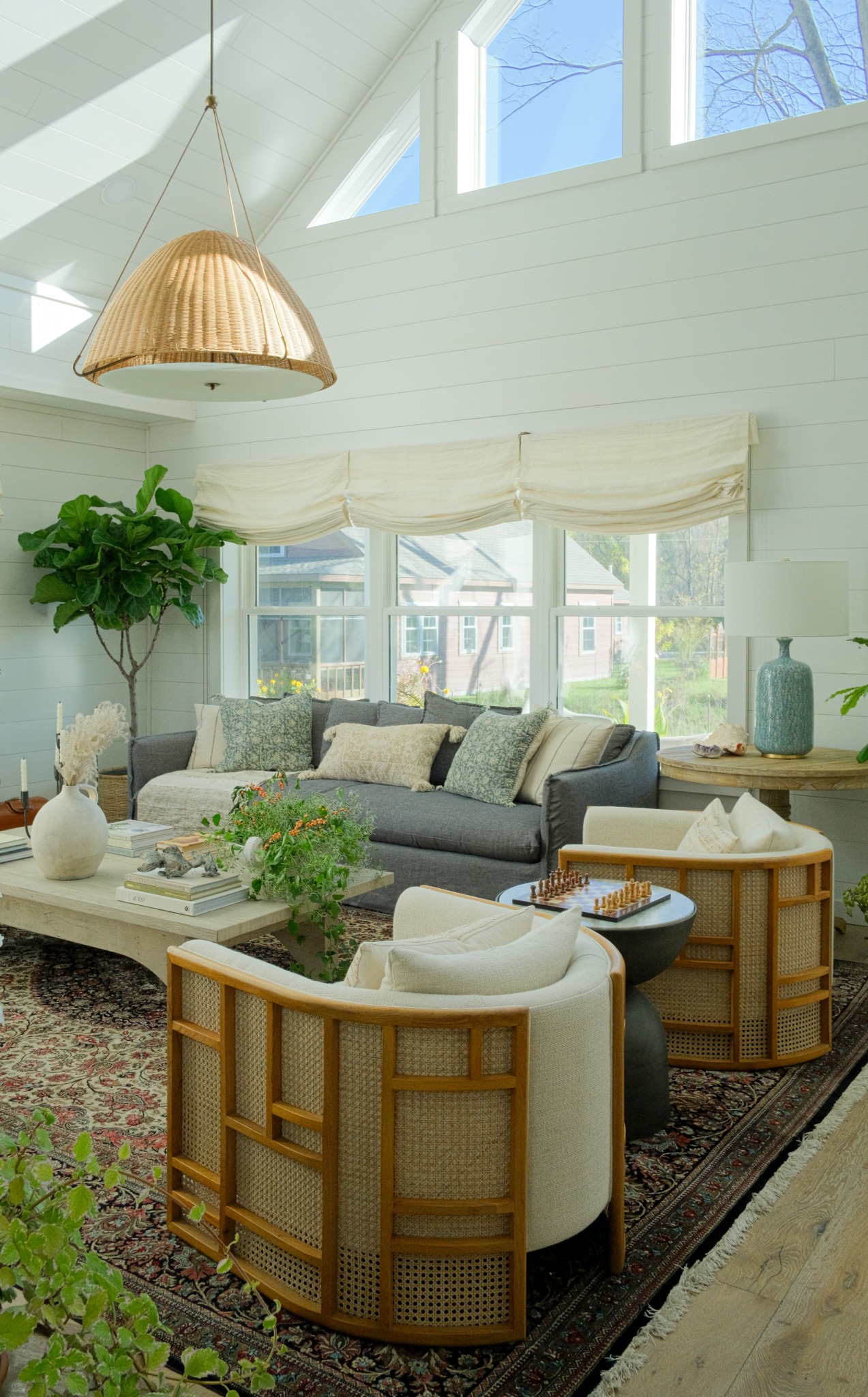
Fourteen years later, now running my own firm, I had an experience that brought everything full circle. I worked with a couple who fully entrusted me with their home. They were open, collaborative, and willing to explore ideas beyond what they had imagined for themselves. Through that process, we built not just a project, but a relationship grounded in trust and mutual respect.
What was most meaningful was seeing how the finished spaces genuinely transformed their daily lives—and even the lives of their children. That project reminded me, very clearly, why I chose this profession in the first place. It reaffirmed that design, at its best, is not just about aesthetics—it’s about creating environments that support and elevate how people live.

Awesome – so before we get into the rest of our questions, can you briefly introduce yourself to our readers.
I come from a family of creatives, and my parents always encouraged my brother and me to pursue whatever path we felt called to—something they didn’t have the opportunity to do growing up in Burma. That freedom stayed with me, even though my childhood itself was not particularly easy.
I grew up in a chaotic household, living with my grandparents, where instability was a constant. As a child, I developed a habit of retreating into my imagination—creating entire worlds in my mind as a way to feel safe and grounded. At the time, it made it difficult for me to stay present, to focus in the way others could. But in hindsight, that instinct—to observe, to imagine, to reframe reality—became the foundation of how I design today.
I always knew I was drawn to interior design, but I also came from humble beginnings and felt a strong responsibility to build a stable, successful future for my family. That led me to Cornell, where I studied Hotel Management, initially thinking I would follow a more traditional business path. But even there, I found myself gravitating toward the creative side—through a student-run organization, Hotel Ezra Cornell, and coursework in restaurant and hotel development. It became clear that design wasn’t just an interest; it was something I couldn’t step away from.
I went on to pursue my MFA in Savannah and began my career in hospitality design, working on luxury hotels and restaurants. The work was rigorous—highly detailed, fast-paced, and demanding—and while it sharpened my skills, it also led to burnout. Over time, I felt increasingly disconnected from my own voice as a designer.
At 34, I made the decision to step away and start my own practice. It was, in many ways, an act of self-preservation. I had reached a point where I questioned whether I wanted to continue in design at all. Starting on my own felt uncertain and slow at first, but I was supported by a small, fiercely loyal group of family and friends who believed in me, often more than I believed in myself.
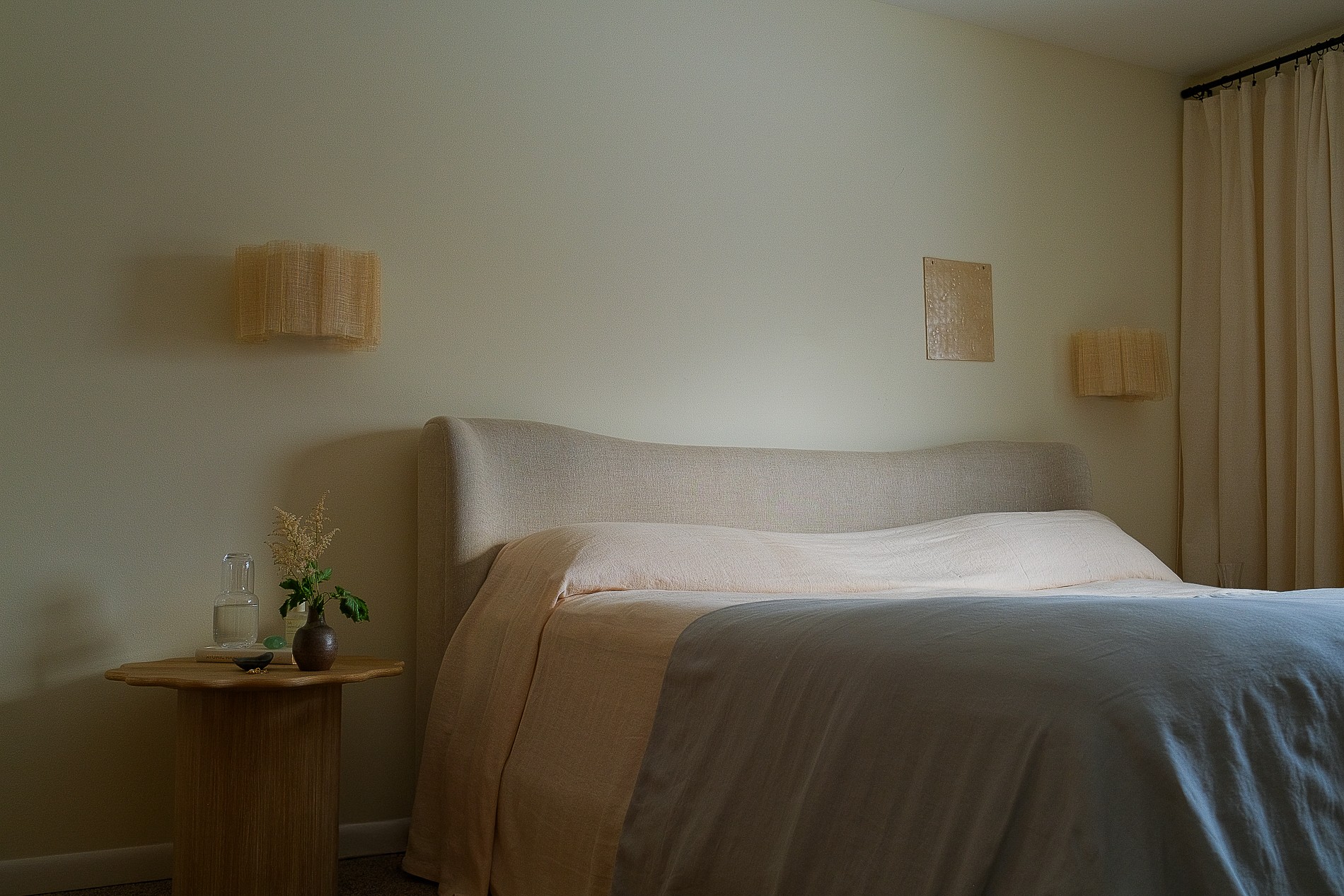
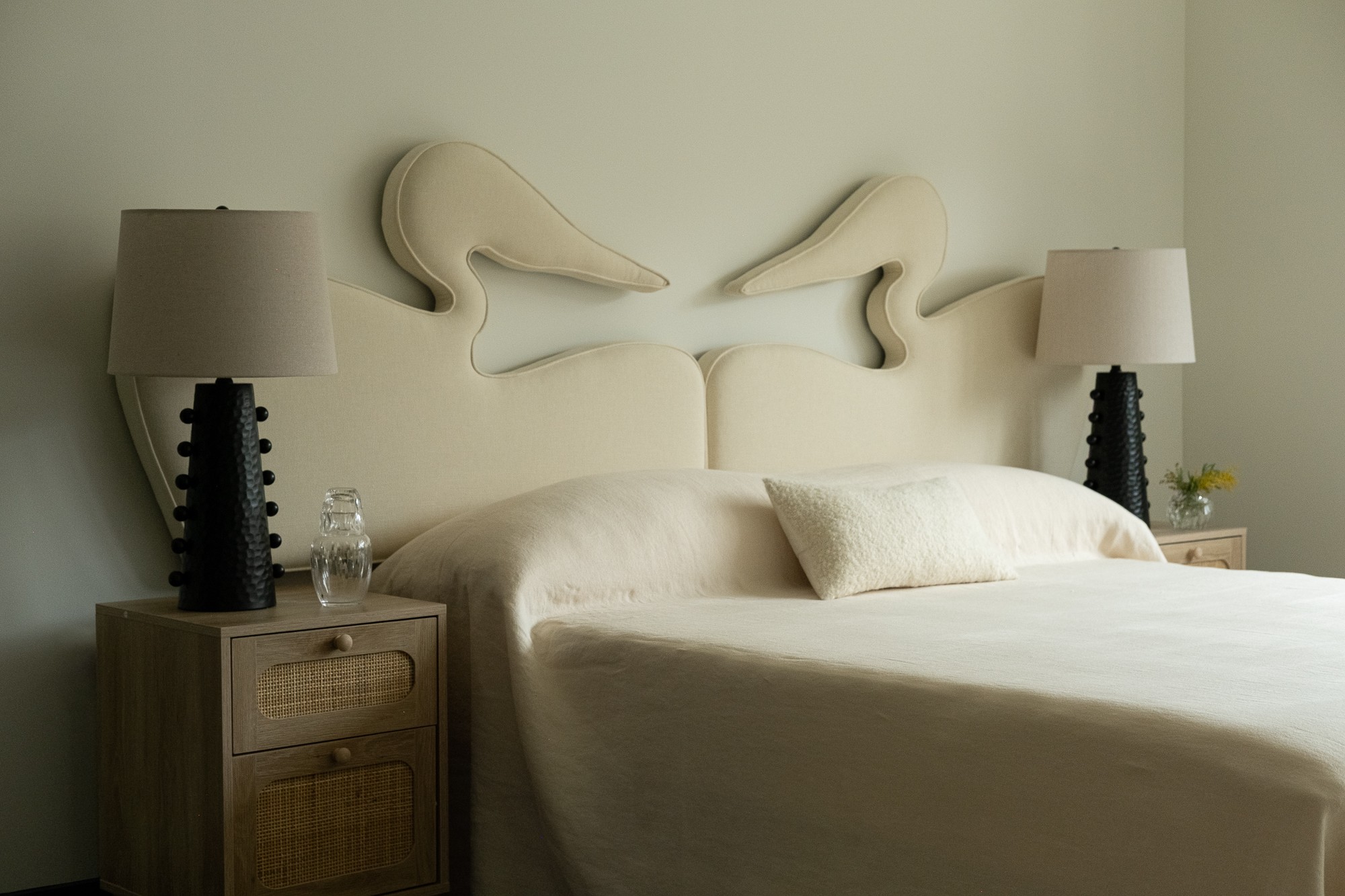
Today, my work looks different than it once did—and in many ways, more meaningful. While I’m no longer designing large-scale luxury hospitality projects, I’m working closely with clients in a way that feels deeply personal. I’m able to bring my full perspective to the table, collaborate more intimately, and build relationships that extend beyond the project itself.
The process has been liberating, at times daunting, and certainly not without its challenges—but it has ultimately been about choosing myself, trusting my instincts, and returning to the reason I was drawn to design in the first place: to create spaces that genuinely support and transform people’s lives.
We’d love to hear a story of resilience from your journey.
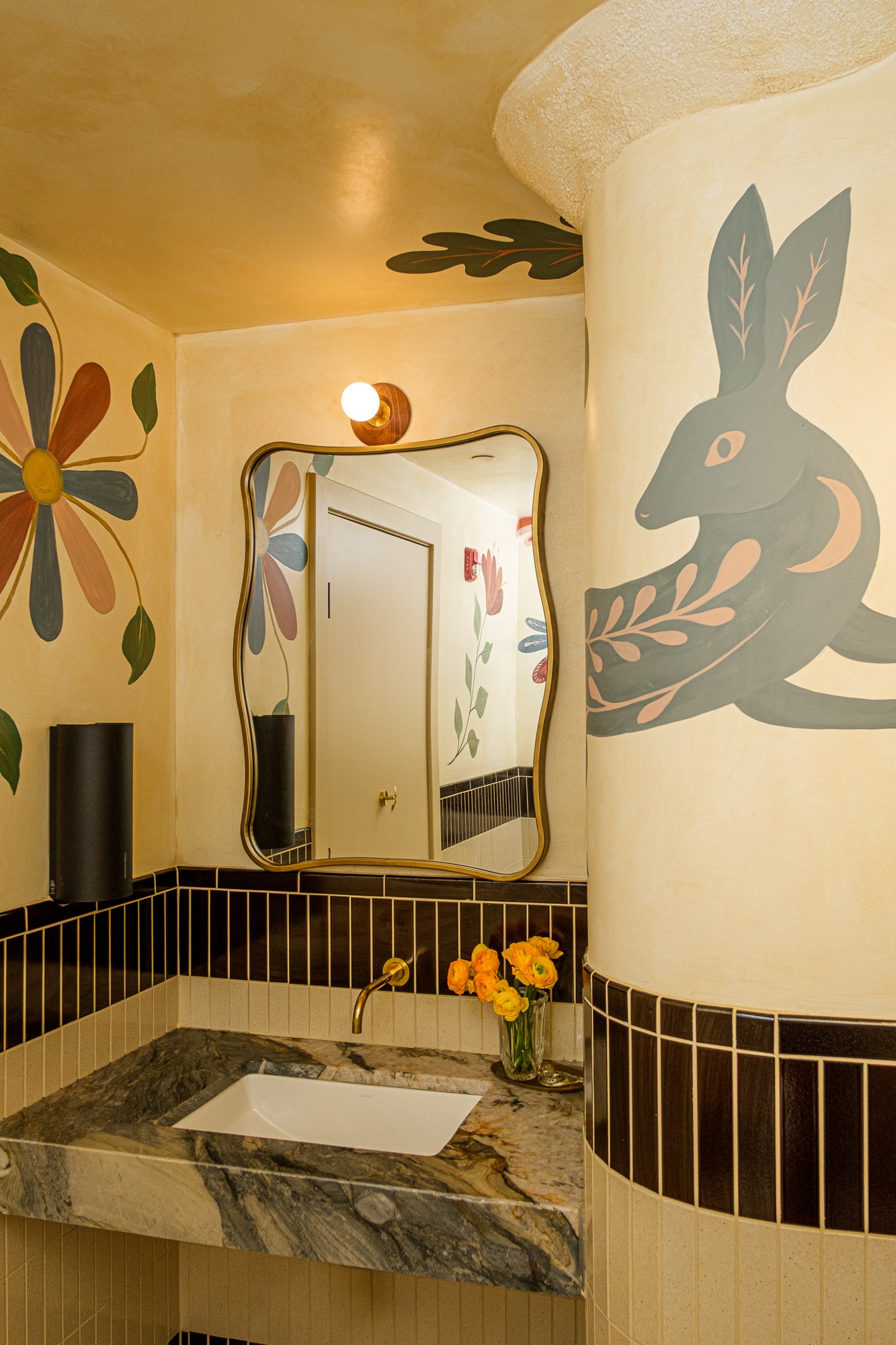
During graduate school, one of my first studio projects was to design a Montessori school. In my research, I became deeply interested in how spatial geometry affects childhood development—specifically how curvilinear forms can foster a greater sense of ease, exploration, and cognitive engagement. I proposed a circular children’s bathroom as part of the plan, not as a gesture, but as an intentional design move rooted in that thinking.
My professor strongly opposed it. Her critique was centered on feasibility and budget, which, to me, felt beside the point in a conceptual academic exercise. I stood by the idea, and what began as a design disagreement escalated into something more personal. After one review, she pulled me aside and told me—very directly—that I didn’t have what it takes to be a designer, and that I should consider leaving the program altogether.
It was a defining moment for me. Not because I believed her—but because it forced me to decide how much I trusted my own perspective. I realized then that design isn’t about consensus; it’s about conviction, backed by thought and intention. I chose to stay, and more importantly, I chose to continue trusting my instincts.
Two years later, I was recognized by the IIDA as an Emerging Designer and awarded a scholarship. I was also the first in my class to secure a position after graduation.
Looking back, that experience wasn’t about proving someone wrong—it was about understanding that a strong point of view, especially one that challenges convention, is often what defines a designer’s voice in the first place.
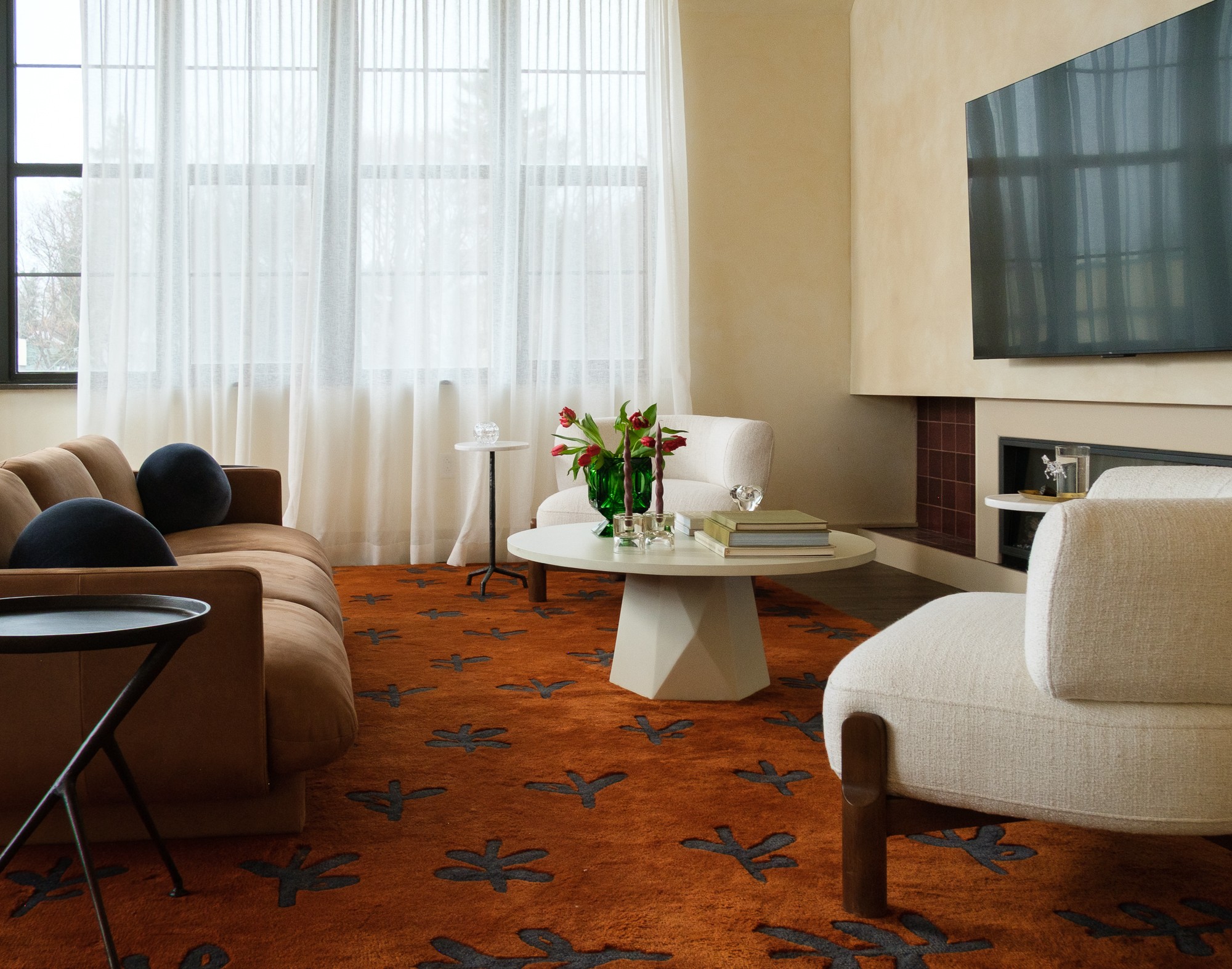
We often hear about learning lessons – but just as important is unlearning lessons. Have you ever had to unlearn a lesson?
By the time I started my own firm, I had spent nearly a decade working within other designers’ practices—helping to bring their visions to life, their narratives, their standards. It was an invaluable education, but it also meant that, for ten years, I hadn’t fully defined my own point of view.
The last firm I worked for was particularly formative in an unexpected way. It was a very small studio, but also one of the most controlling environments I had experienced. Every decision was tightly managed, leaving very little room for independent thinking. Over time, it created a kind of creative erosion—we were producing work, but we weren’t really present in it.
When I finally stepped out on my own, I realized I had a much bigger question to answer than just starting a business: Who am I as a designer? Not in relation to a firm, but on my own terms.
That question came into sharp focus when I began working on my branding. Initially, I found myself defaulting to what I had seen before—formal, restrained, almost anonymous. It reflected the industry I had come from, but not who I actually was. After months of working through it, there was a moment where it simply clicked: I didn’t have to perform a version of professionalism that wasn’t authentic to me.
I chose to present myself as I am—casual, direct, and personal. Even my website portrait reflects that: no styling for effect, just a tank, jeans, barefoot. It felt honest.
When I shared the final branding with close friends and family, their reaction was immediate: “This is so you.” That, more than anything, affirmed that I had made the right decision.
Building my firm became not just about design, but about alignment—creating a practice where my voice, my values, and my clients could exist in the same space without compromise. And that, in many ways, has been the most liberating part of the process.
Contact Info:
- Website: https://www.kyigyawinteriors.com
- Instagram: @kyigyawinteriors
- Facebook: Kyi Gyaw Interiors
- Linkedin: Kyi Gyaw
Image Credits
Filmic Picture