

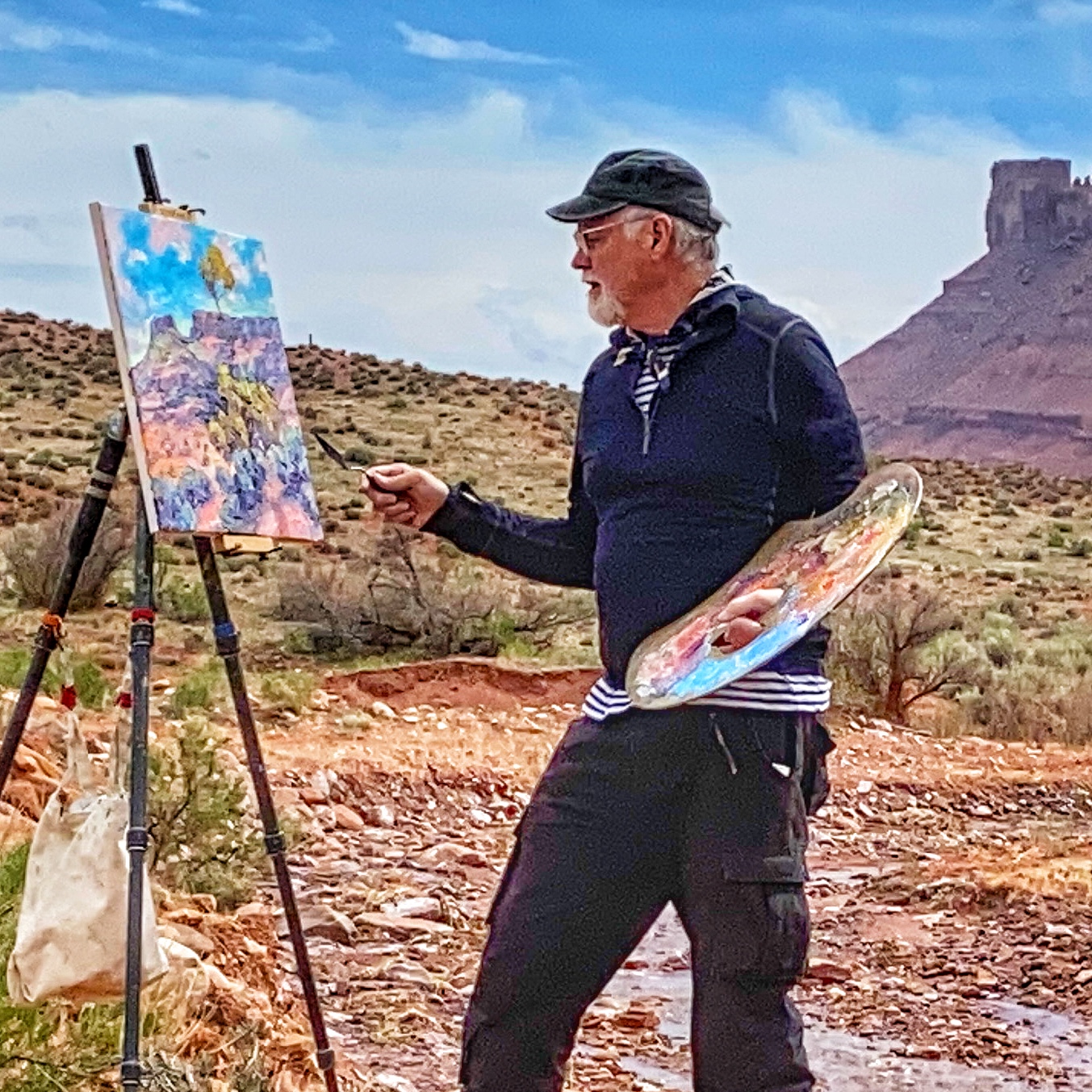

We caught up with the brilliant and insightful Brad Teare a few weeks ago and have shared our conversation below.
Brad, looking forward to hearing all of your stories today. Earning a full time living from one’s creative career can be incredibly difficult. Have you been able to do so and if so, can you share some of the key parts of your journey and any important advice or lessons that might help creatives who haven’t been able to yet?
Yes—I’ve been able to make a full-time living from my work, but it wasn’t immediate.
I started as an illustrator in New York, doing book covers, which taught me discipline and how to function professionally. But transitioning into fine art required risk and a shift in identity. Income was uneven for a while, and I relied on a mix of work as I built a body of paintings that galleries could support.
A key turning point was fully committing to my impasto landscape work rather than trying to please the market. That clarity made the work recognizable and helped me build relationships with strong galleries, which created a collector base and more consistent income.
Looking back, I could have sped things up by building direct relationships with collectors earlier and investing more intentionally in visibility—ads, publications, and now digital platforms.
The main lesson is that making a living in art isn’t just about the work—it’s about building relationships, visibility, and trust over time.
Great, appreciate you sharing that with us. Before we ask you to share more of your insights, can you take a moment to introduce yourself and how you got to where you are today to our readers.
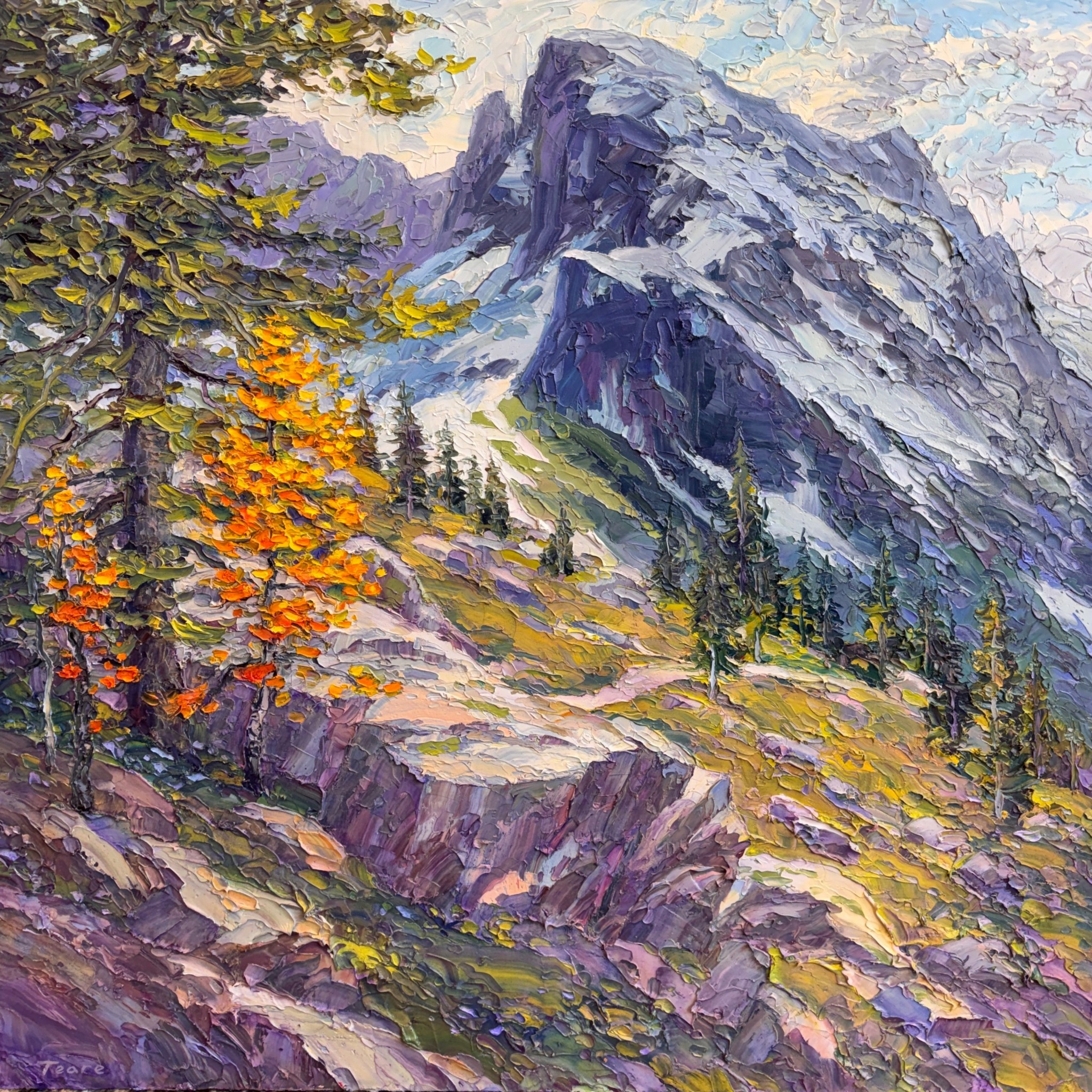
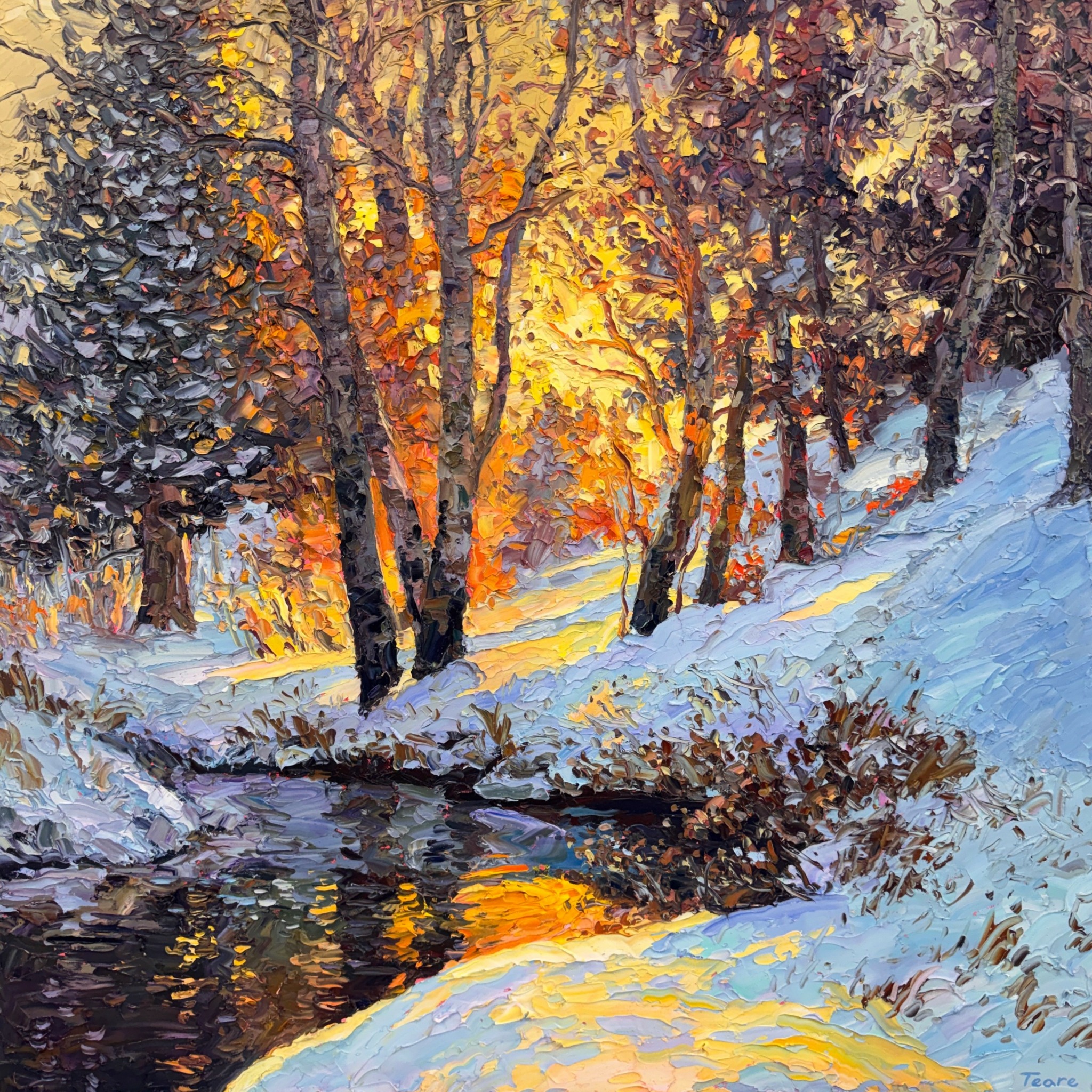
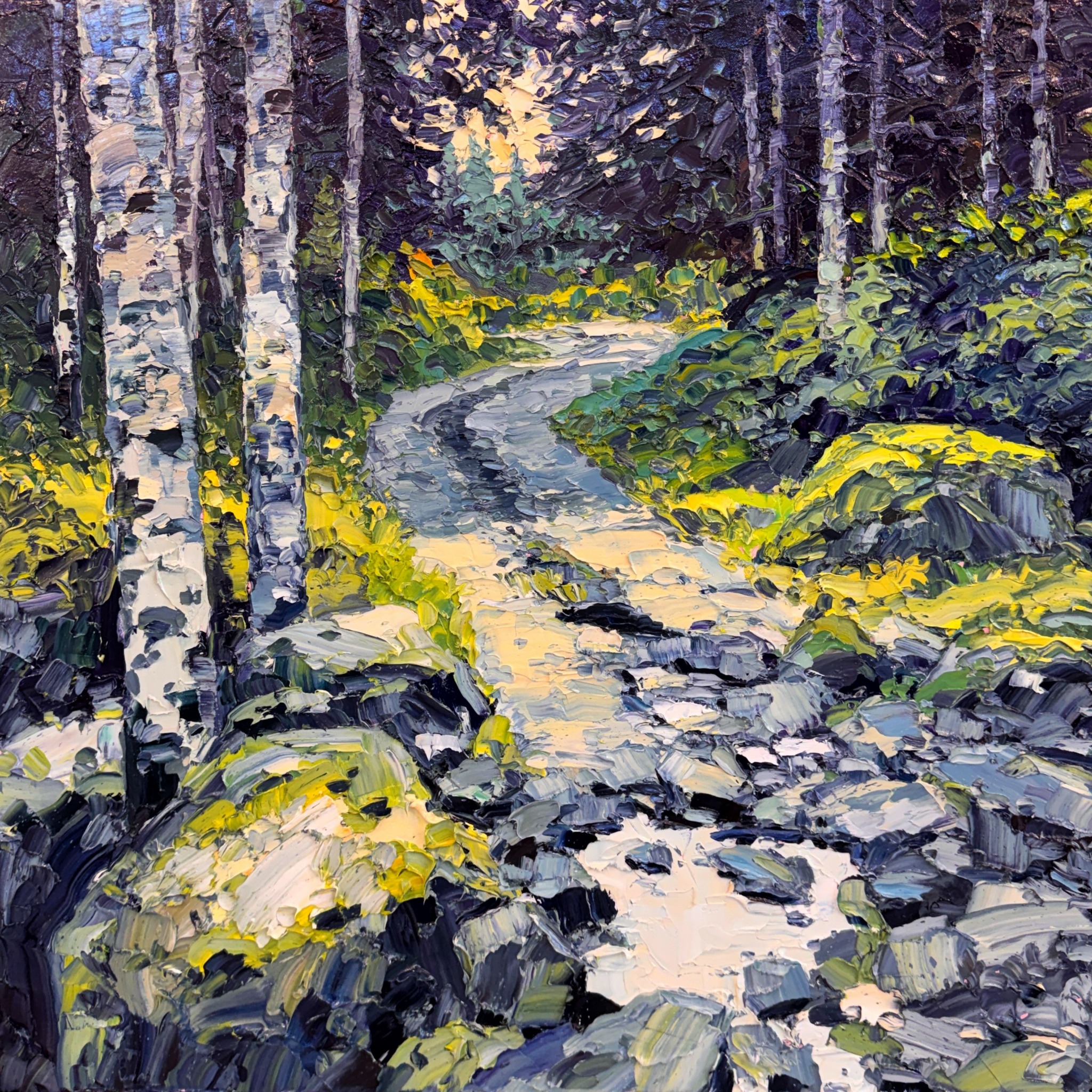
I’m a landscape painter based in northern Utah, focused on expressing the energy of the American West through thick, palette-knife impasto. I began as an illustrator in New York, designing book covers, but a pivotal encounter with Van Gogh’s work shifted me toward fine art and the expressive power of paint itself.
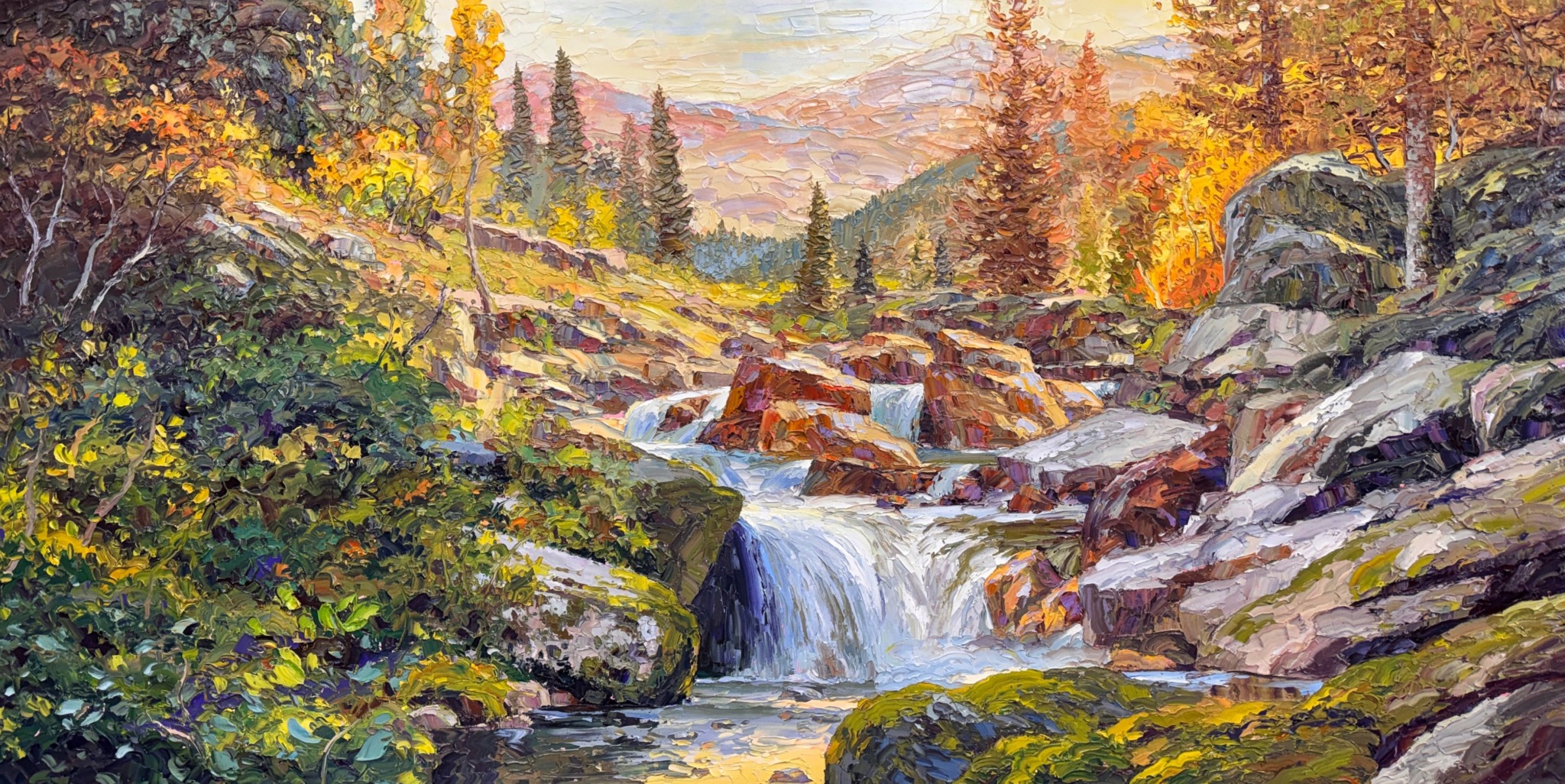
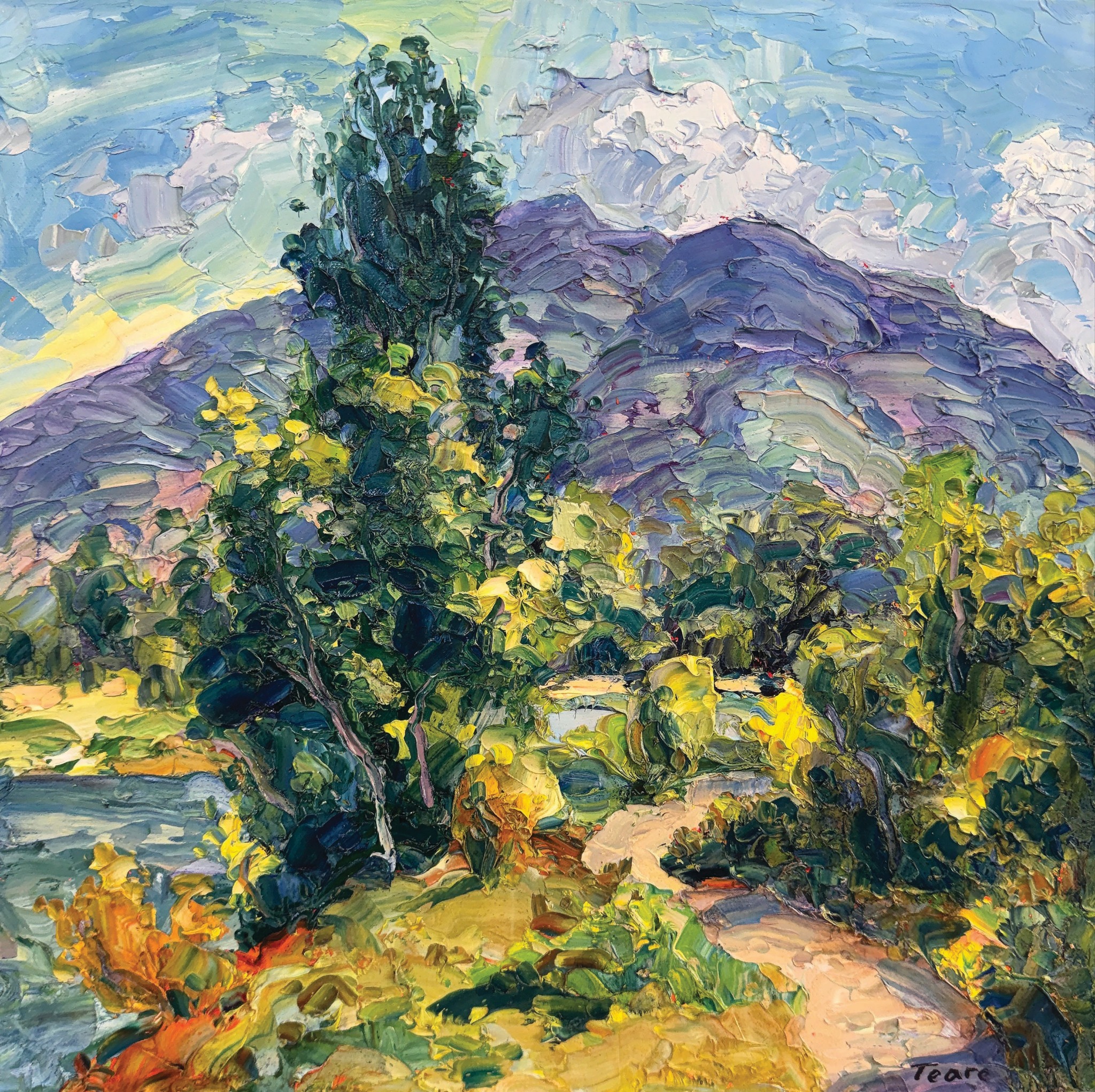
I work both en plein air and in the studio, using field studies to build larger paintings. What I offer collectors is more than a depiction of a place—it’s a physical experience of light, motion, and time embedded in the surface.
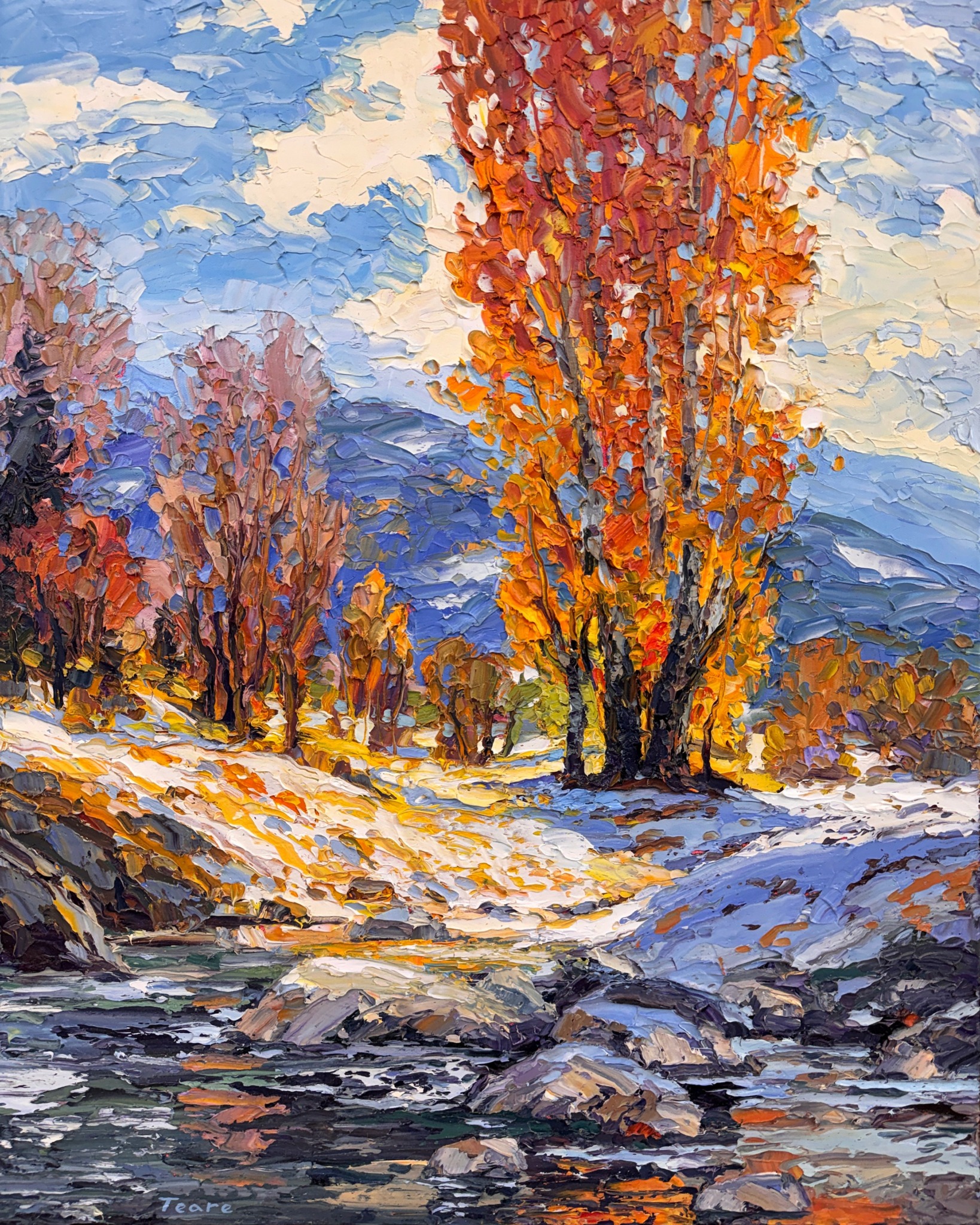
What sets my work apart is its emphasis on paint as substance. The surface has a sculptural quality that can’t be replicated digitally, and that authenticity is something collectors respond to.
I’m most proud of staying true to that vision and building a consistent body of work shown in strong galleries and museum exhibitions. Ultimately, my goal is to create paintings that continue to give energy back to the viewer over time.
For you, what’s the most rewarding aspect of being a creative?
The most rewarding aspect is the moment when something internal—an intuition, a feeling, a response to the land—actually becomes real and tangible in the paint. There’s a point in a painting where it stops being an effort and starts carrying its own energy, and you can feel that shift. That’s deeply satisfying.
Beyond that, it’s knowing the work continues to live beyond the studio. When a collector connects with a painting, and it becomes part of their daily life, that’s meaningful. The painting isn’t just something they look at—it gives something back over time.
At its core, the reward is that exchange: taking something invisible and making it physical, then seeing it resonate with someone else.
We’d love to hear a story of resilience from your journey.
One clear example came during the transition from illustration to fine art. I had a stable career in New York doing book covers, and walking away from that meant stepping into real uncertainty—financially and professionally. There was a stretch where sales were inconsistent, and I questioned whether I’d made the right decision.
What carried me through wasn’t confidence—it was commitment. I kept painting, kept refining the work, and resisted the urge to dilute it to make quicker sales. Over time, that persistence paid off. The work became more distinct, galleries began to take notice, and collectors started to respond.
Resilience, for me, wasn’t dramatic. It was the willingness to stay with the work long enough for it to become something real and sustainable.
Contact Info:
- Website: https://bradteare.com/
- Instagram: https://www.instagram.com/bradteare/
- Youtube: https://www.youtube.com/user/BradTeare
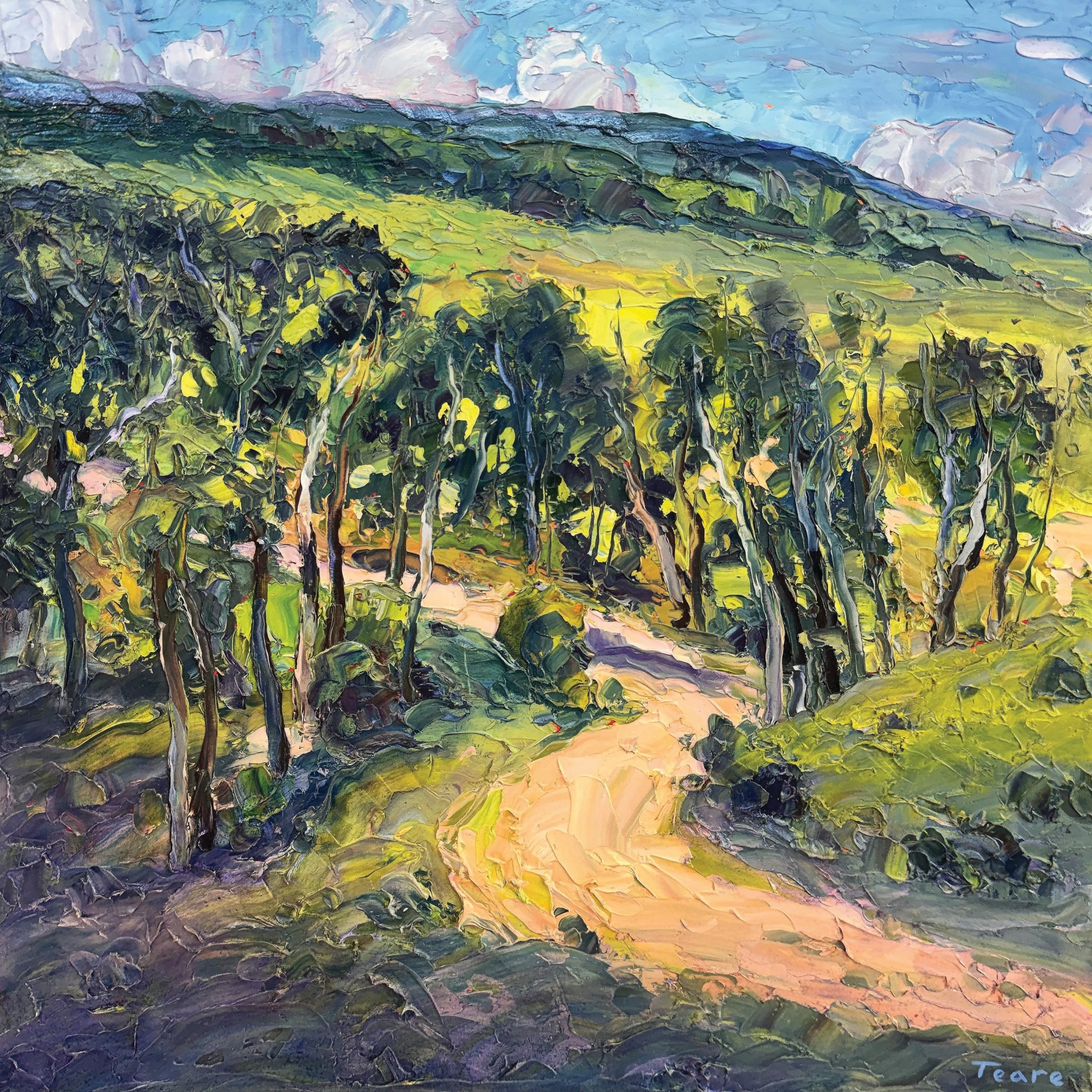
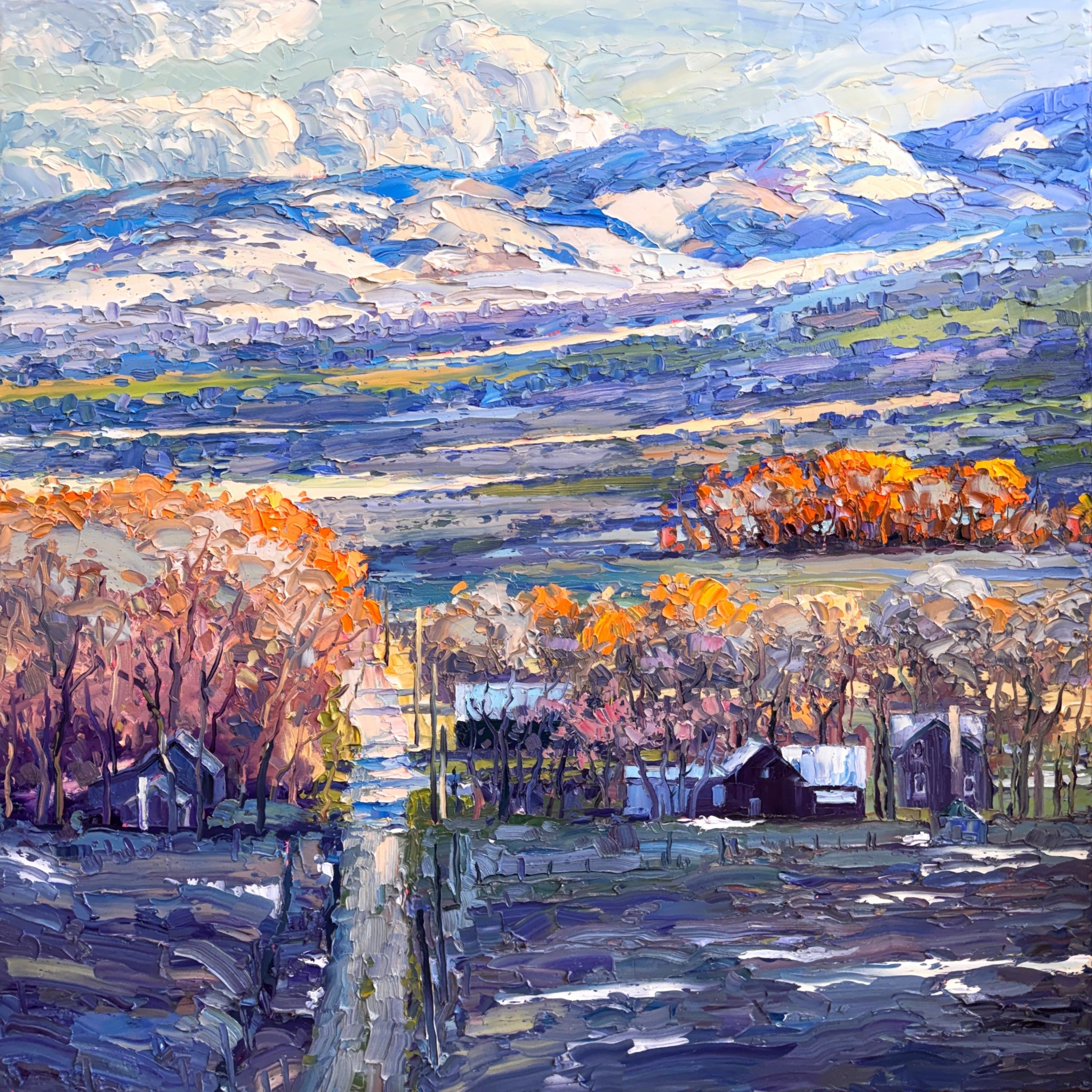
Image Credits
All photos by Brad Teare