



We were lucky to catch up with JT Watson recently and have shared our conversation below.
Alright, JT thanks for taking the time to share your stories and insights with us today. We’d love to hear about the best boss, mentor, or leader you’ve ever worked with.
I have now been involved in the operations as Marketing Director/Professional Coach of Imperial Golf for nearly ten years alongside my best friend, Jon Snyder. I am proud to have been the company’s first employee, which makes Jon not only a close friend, but also my employer and the owner of Imperial Golf.
What I can confidently speak to is the profound impact that leadership and workplace culture have on longevity within a company. I simply would not have remained with Imperial Golf for a decade if it were not for Jon’s leadership style, open-mindedness, and approach to building the business. When you surround yourself with the right people in your industry, you are consistently challenged to grow and improve. It becomes far easier to develop professionally in an environment that actively encourages learning and supports the continued advancement of your skillset.
Lastly, the ability to engage in difficult and uncomfortable conversations is essential for the growth of any small business. While those moments can occasionally feel awkward within the context of a close friendship, we have been able to establish the boundaries necessary to continue evolving—both as professionals and as a business.

JT, before we move on to more of these sorts of questions, can you take some time to bring our readers up to speed on you and what you do?
I started playing golf at the age of 6 with the help and guidance of my Dad, Uncles and Grandpa and continued on into High School winning a district title in 2002. Golf was not my primary sport and despite only making my High School team my freshman year I persevered and earned a scholarship to play basketball and soccer at a small College in Portland, Oregon. Years later I wanted to get back into golf, and in 2011 I enrolled in the Golf Academy of America program in Myrtle Beach, SC.
I Graduated with honors and earned my Players Credential. Upon graduating I started teaching with Edwin Watts Golf Academy. In my first 10 months I was promoted to open a store in Naples, FL. Six months after arriving in Florida, Edwin Watts declared bankruptcy. I then focused really hard on my playing abilities and started pursuing competition.
Summer of 2016 I spent time Caddying in Boston and was lucky enough to get on some tour pros bags a few times. Tom Watson and Ryan Moore being a few that I saw during my time up there.
November of 2016, I. joined Imperial Golf as their Marketing Director to help grow their presence online as well as cultivate new ideas for growth. From website design to social media, our online presence has been a mission of mine to create relevant and engaging content that’s enjoyable and easy for golfers to understand.
Competition: October 2017 I passed my PAT to initiate my process of becoming PGA certified as well. I have now played in a few U.S. Open Qualifiers as well as the Tom Watson Challenge Qualifier. My growth as a competitive golfer as well as a coach is a long term journey.
How about pivoting – can you share the story of a time you’ve had to pivot?
At the close of 2014, we returned to the Pacific Northwest with a clear vision: to plant roots and begin building our family. What I didn’t anticipate was how difficult it would be to find my footing professionally. Despite years in the game, the golf industry proved unexpectedly impenetrable—I couldn’t land an interview, let alone a position.
For more than a year, I worked for Budweiser. By most standards, it was a solid job—steady pay, strong benefits, and a reliable path forward. But it never quite felt like mine. There was a persistent sense that I was meant to be somewhere else, doing something more aligned with who I was.
Eventually, that feeling turned into action. I reached out to a handful of trusted colleagues—not with a clear plan, but with an open ask: ideas, leads, direction… anything that might point me back toward the game. Those conversations, brief as they were, changed everything.
Within days, an opportunity emerged in Boston. I packed up and headed east to caddie for what I assumed would be a multi-year chapter. Instead, it became something far more pivotal. That single summer provided not just income, but clarity—and with it, momentum. When the season ended, I took what I had earned and moved my family once again, this time to Kansas City, to help build Imperial Golf from the ground up.
Looking back, the real leap wasn’t Kansas City—it was Boston. A 3,200-mile move for a single season, with no guarantees and no clear roadmap beyond the next step. It was uncertain, uncomfortable, and, at times, daunting. But it was also driven by instinct, reinforced by faith, and made possible through the unwavering support of my wife.
What began as a risk became a turning point—and ultimately, the foundation for everything that followed.

What’s been the most effective strategy for growing your clientele?
Authenticity has become a cornerstone of my coaching philosophy—paired closely with a leadership style grounded in empathy. There’s a responsibility that comes with guiding a player: to recognize where they are, understand where they need to go, and provide clear, intentional direction to help them get there. That clarity matters. But over the course of my career, I’ve come to realize that how you lead can be just as important as what you teach.
Empathy, in many ways, has become one of the most valuable skills I’ve developed. The truth is, you rarely know what someone is carrying with them onto the course. Frustration is inevitable in this game—it shows up for players, and at times, for coaches as well. Navigating those moments requires more than technical knowledge; it demands patience, awareness, and a genuine sense of understanding.
I’ve found that creating space for players to laugh, even in the midst of struggle, can be transformative. It softens the pressure, builds trust, and reminds them—and me—that progress isn’t always linear. Leading with empathy doesn’t mean lowering standards; it means meeting people where they are, acknowledging their challenges, and helping them move forward with confidence. Over more than a decade in the game, that approach has proven to be just as impactful as any lesson I’ve ever given.
Contact Info:
- Website: https://www.imperialgolfkc.com
- Instagram: @imperialgolfkc

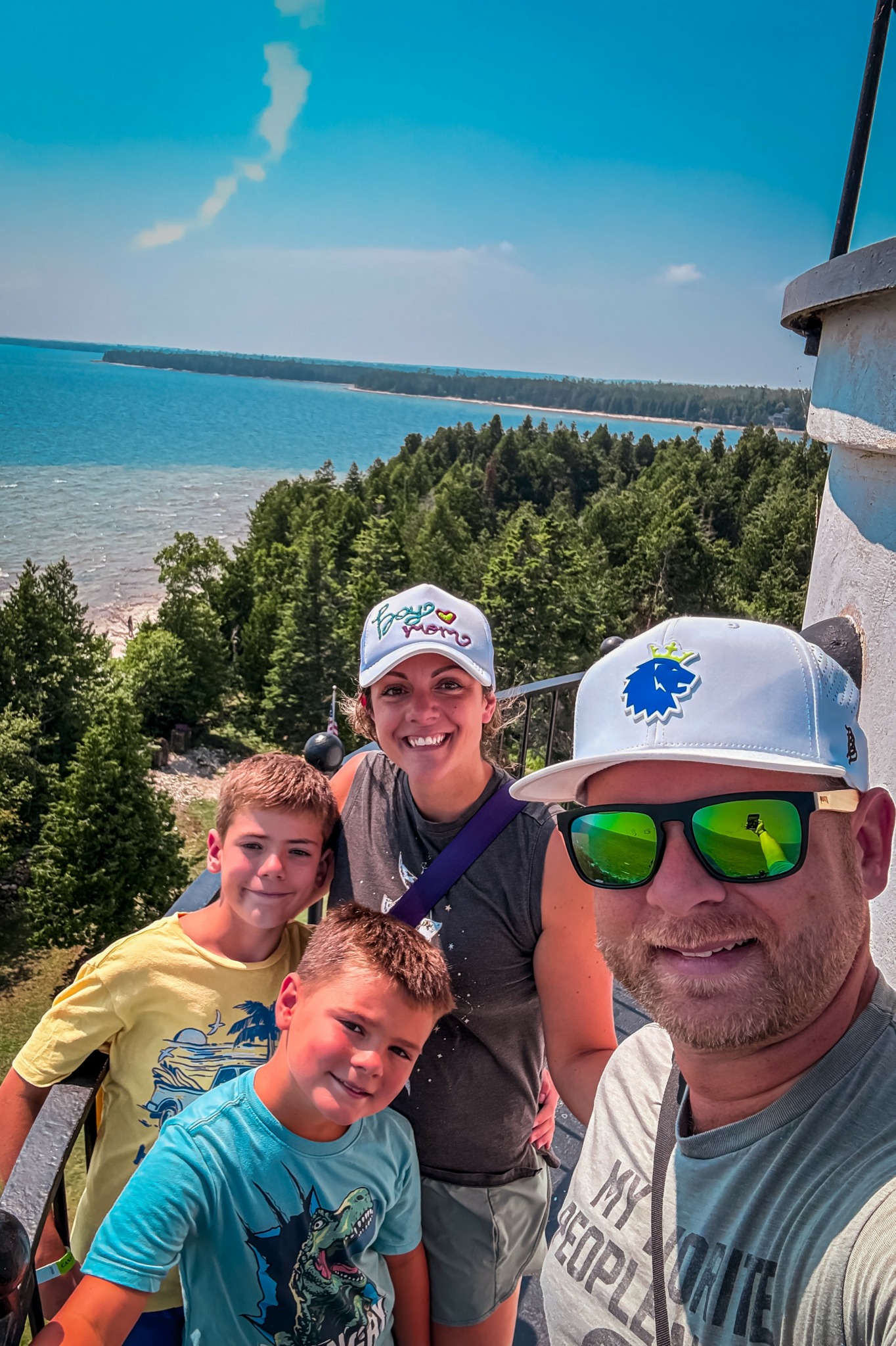
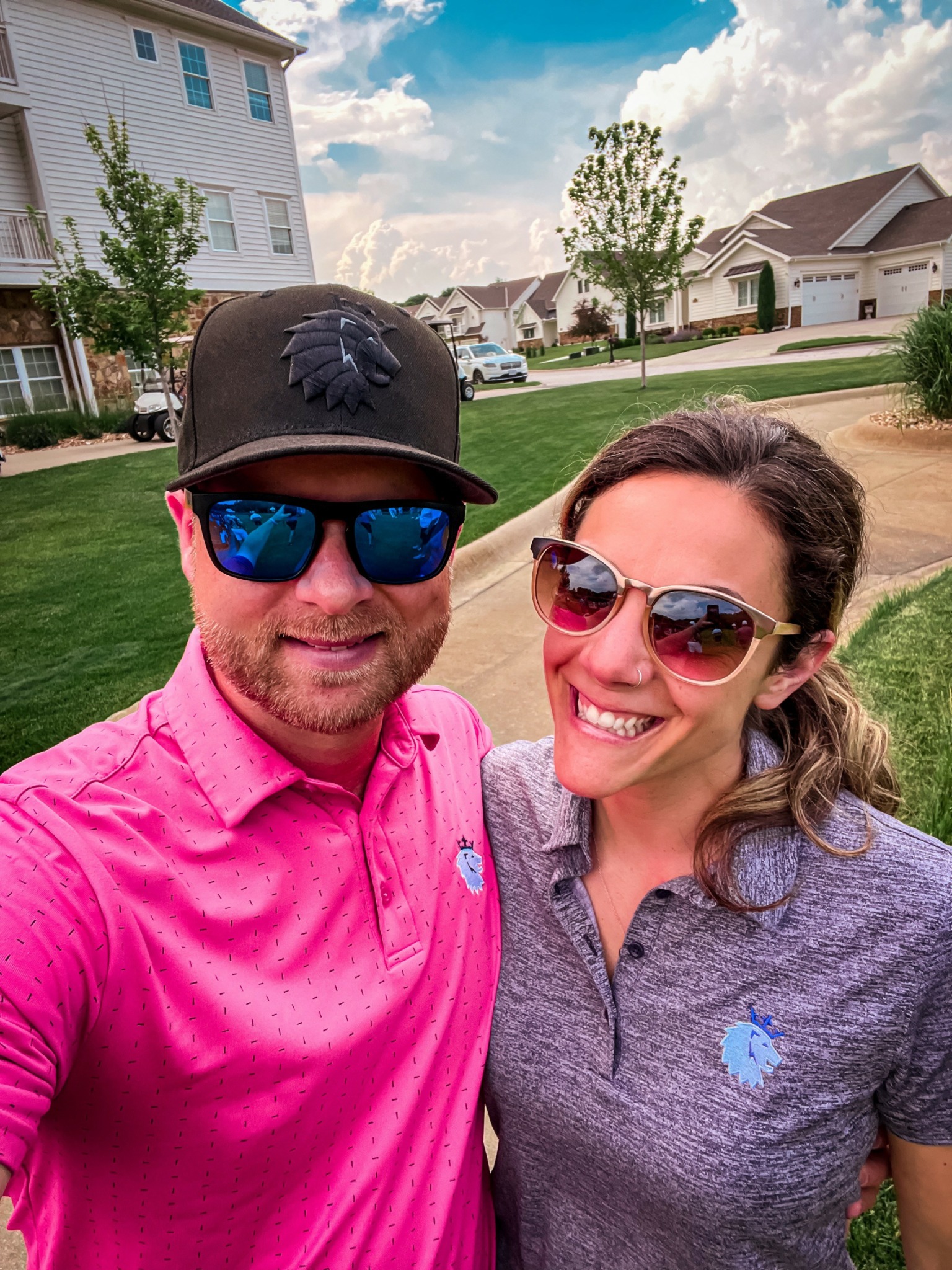
Image Credits
My Wife – Joly Watson
My kids – Jackson Watson (age 10)
Mack Watson (age 7)
My best friend – Jon Snyder