
We caught up with the brilliant and insightful Samuel Zeeryp a few weeks ago and have shared our conversation below.
Hi Samuel, thanks for joining us today. What’s been the most meaningful project you’ve worked on?
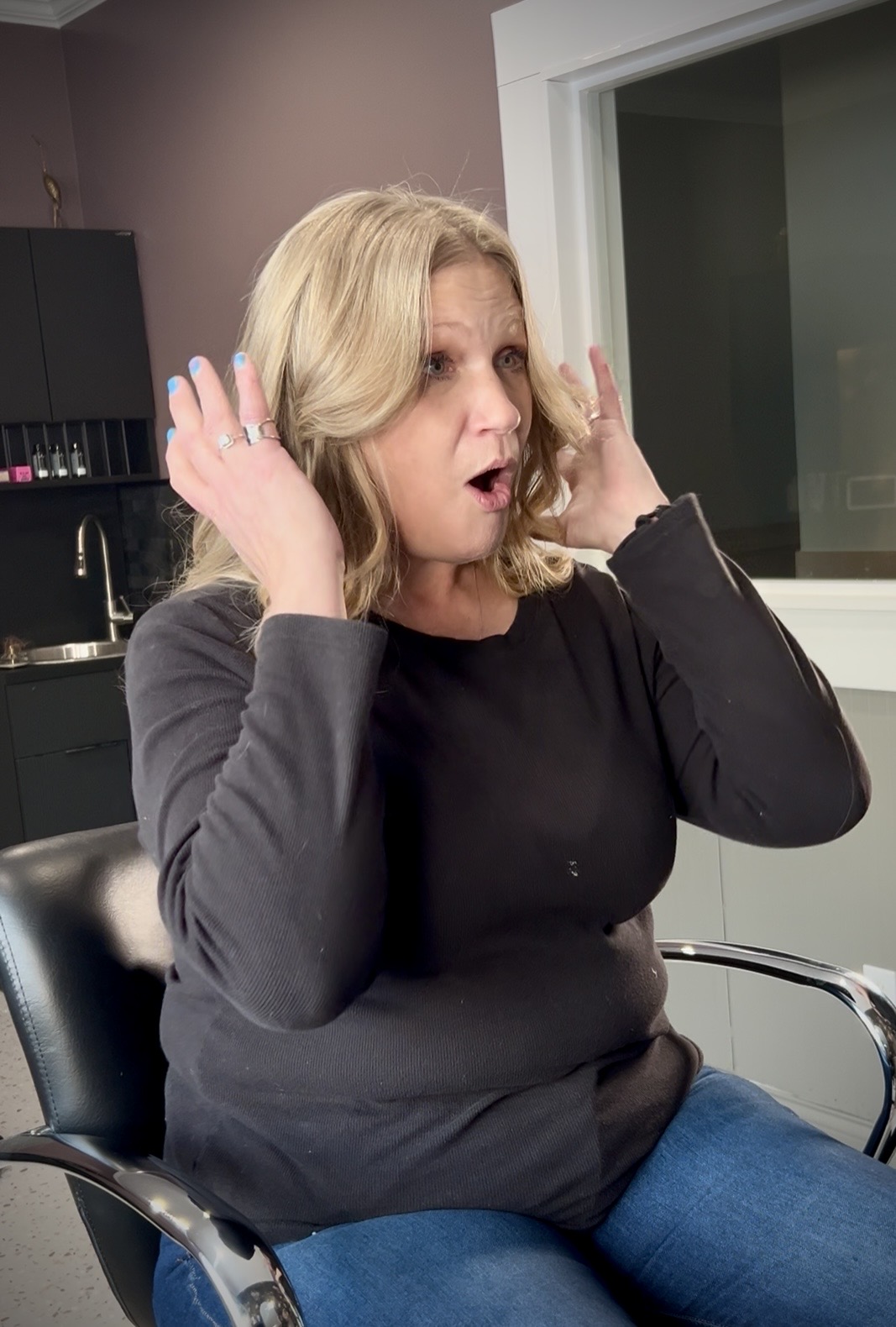
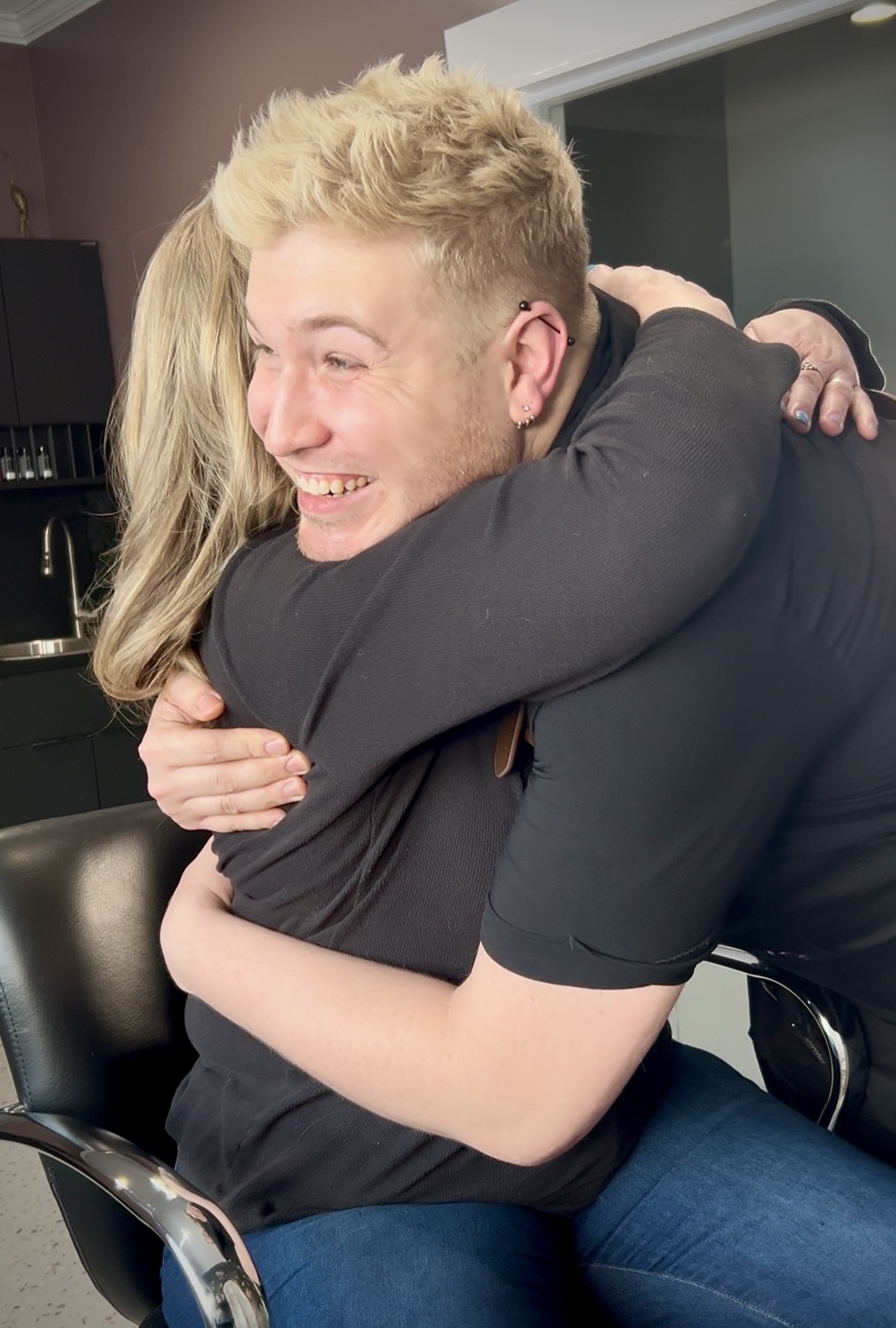
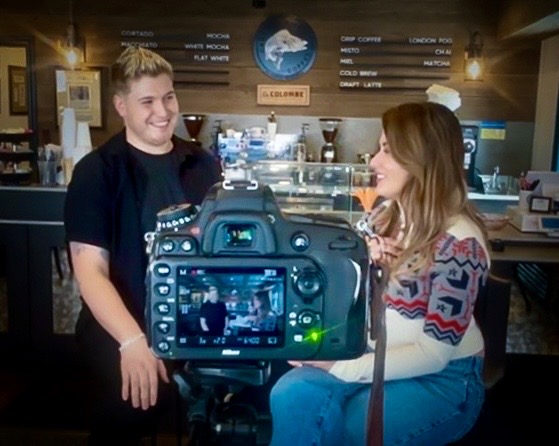
The most meaningful project I’ve worked on is The Hairapist Project, a documentary-style initiative that provides free hair transformations for individuals in addiction recovery. While it centers around hair, it’s really about identity, self-worth, and emotional transformation.
The project is rooted in my own experience with addiction and rebuilding my life. I know what it feels like to lose connection with yourself—and how hard it can be to even look in the mirror. That perspective changed how I approach my work behind the chair.
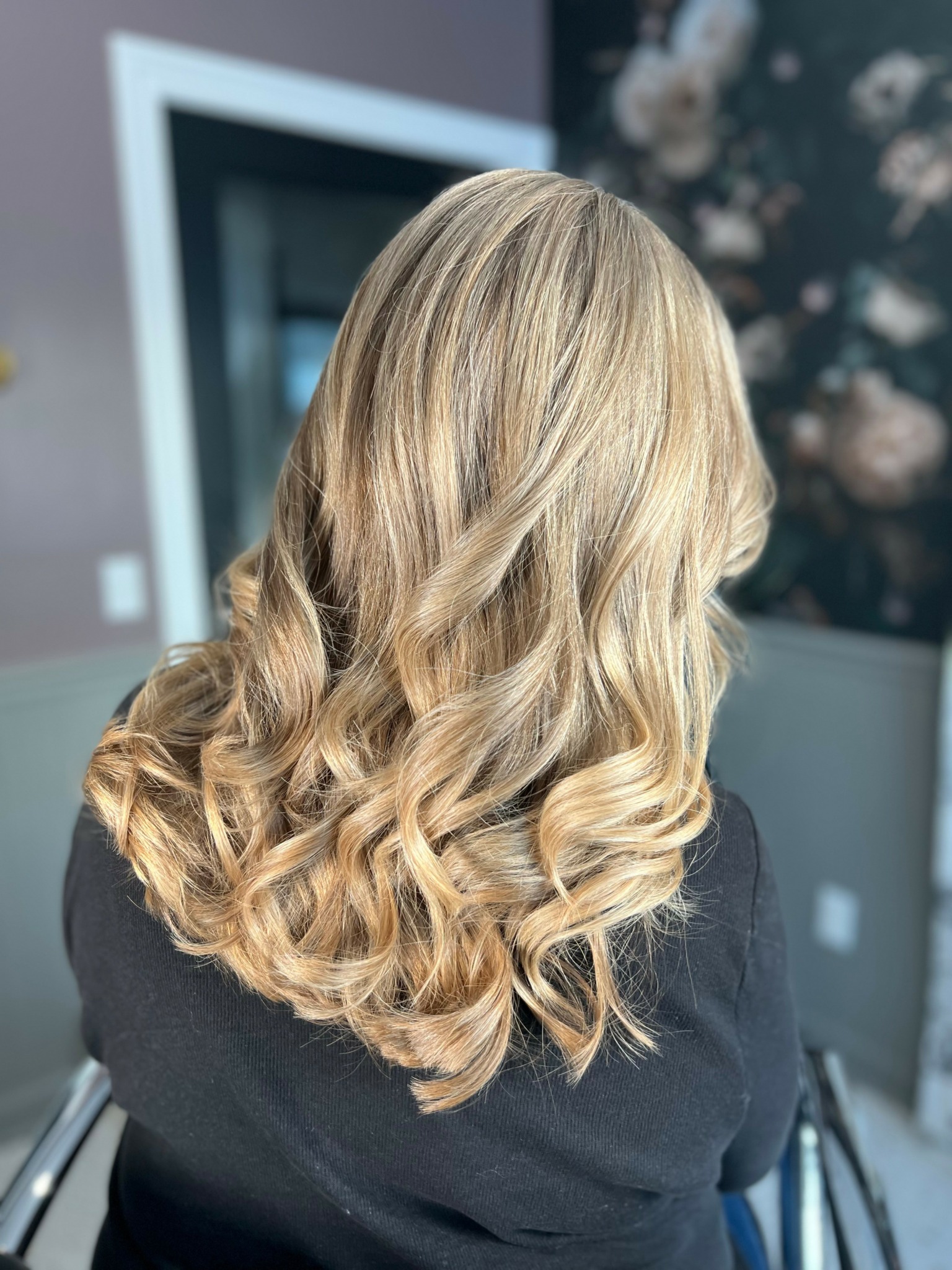
Now, when someone sits with me, it’s not just about color, haircuts or extensions—it’s about helping them reconnect with who they are. Through filmed transformations and real conversations, I document those moments of vulnerability and growth.
What makes it meaningful is seeing someone shift. Not just in how they look, but in how they see themselves. Because transformation isn’t the end result, it’s the beginning of something new.
I also am a certified peer recovery, coach, and offer continuum of care with individuals by coaching them after their transformation so viewers at home can stay updated with the progress of these individuals lives that I’m transforming and see in real time the power of the work that I’m doing.
As always, we appreciate you sharing your insights and we’ve got a few more questions for you, but before we get to all of that can you take a minute to introduce yourself and give our readers some of your background and context?
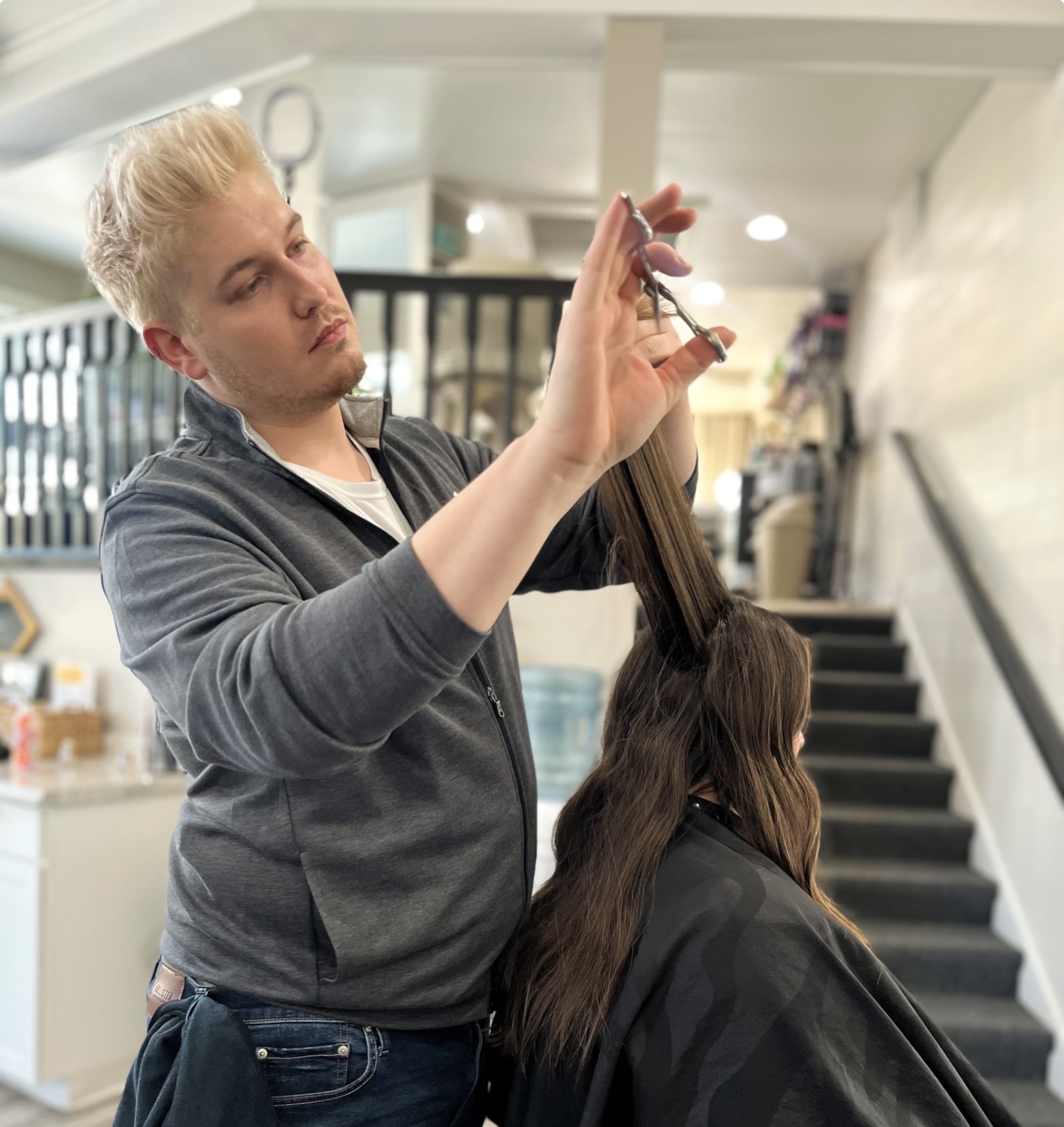
I’m a licensed cosmetologist and the creator of The Hairapist Project, a documentary-style platform focused on personal transformation through hair, storytelling, and human connection. I specialize in color—especially blonding and corrective work—but what really defines my work is the psychological side of transformation.
I got into the industry because I’ve always been drawn to helping people feel confident, but over time I realized that hair is just the entry point. After going through my own experiences with addiction, recovery, and rebuilding my identity, I started to see how deeply appearance and self-worth are connected. That completely shifted how I approach my craft.
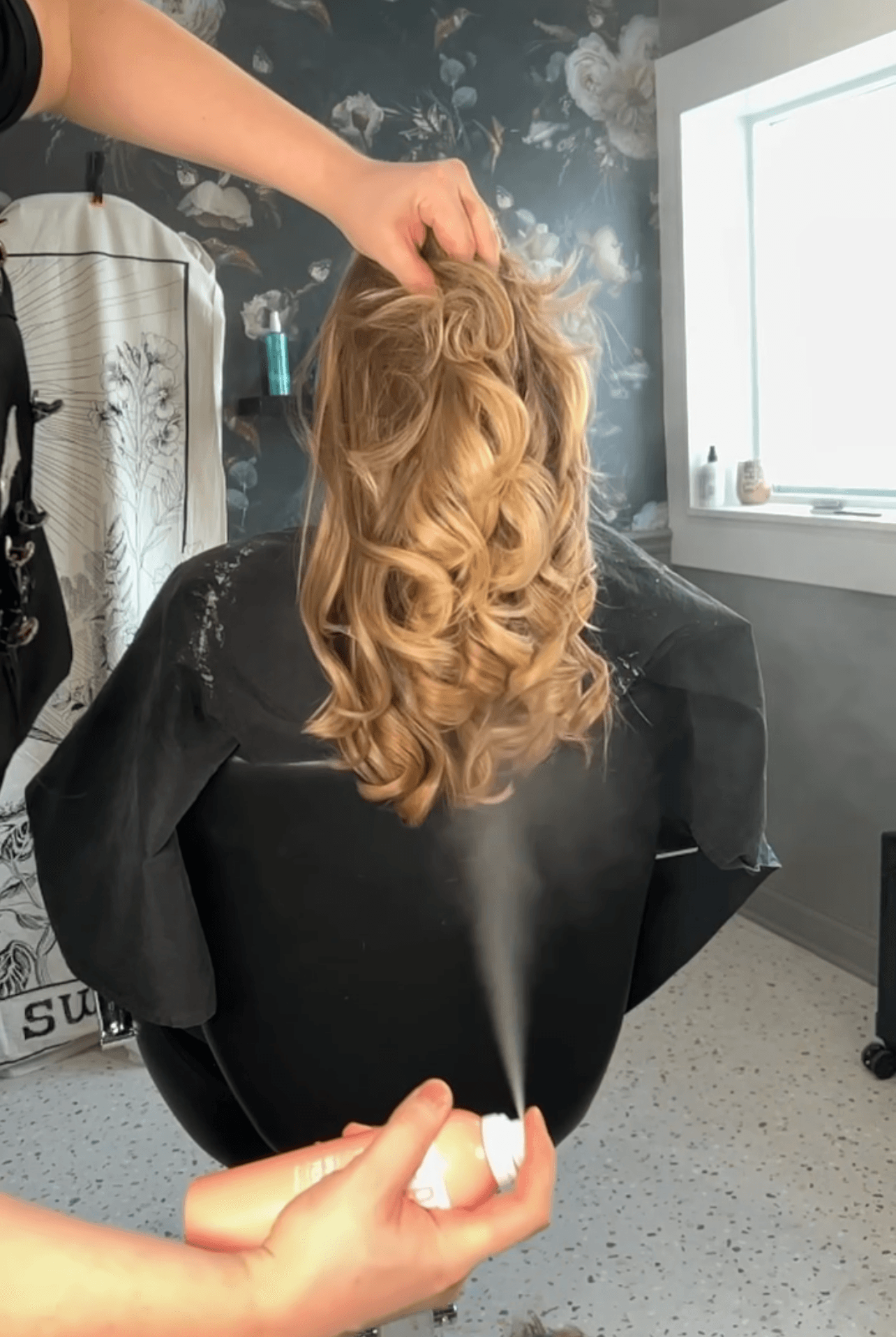
Today, I offer high-level hair services while also creating filmed transformations that highlight real stories—especially for individuals in addiction recovery or going through major life transitions. Through The Hairapist Project, I provide free transformations to selected individuals and document the emotional and physical changes that happen in the process.
The problem I solve isn’t just “bad hair.” It’s disconnection—people not feeling like themselves, lacking confidence, or going through a period where they’ve lost their sense of identity. My work helps bridge that gap in a tangible, visible way.
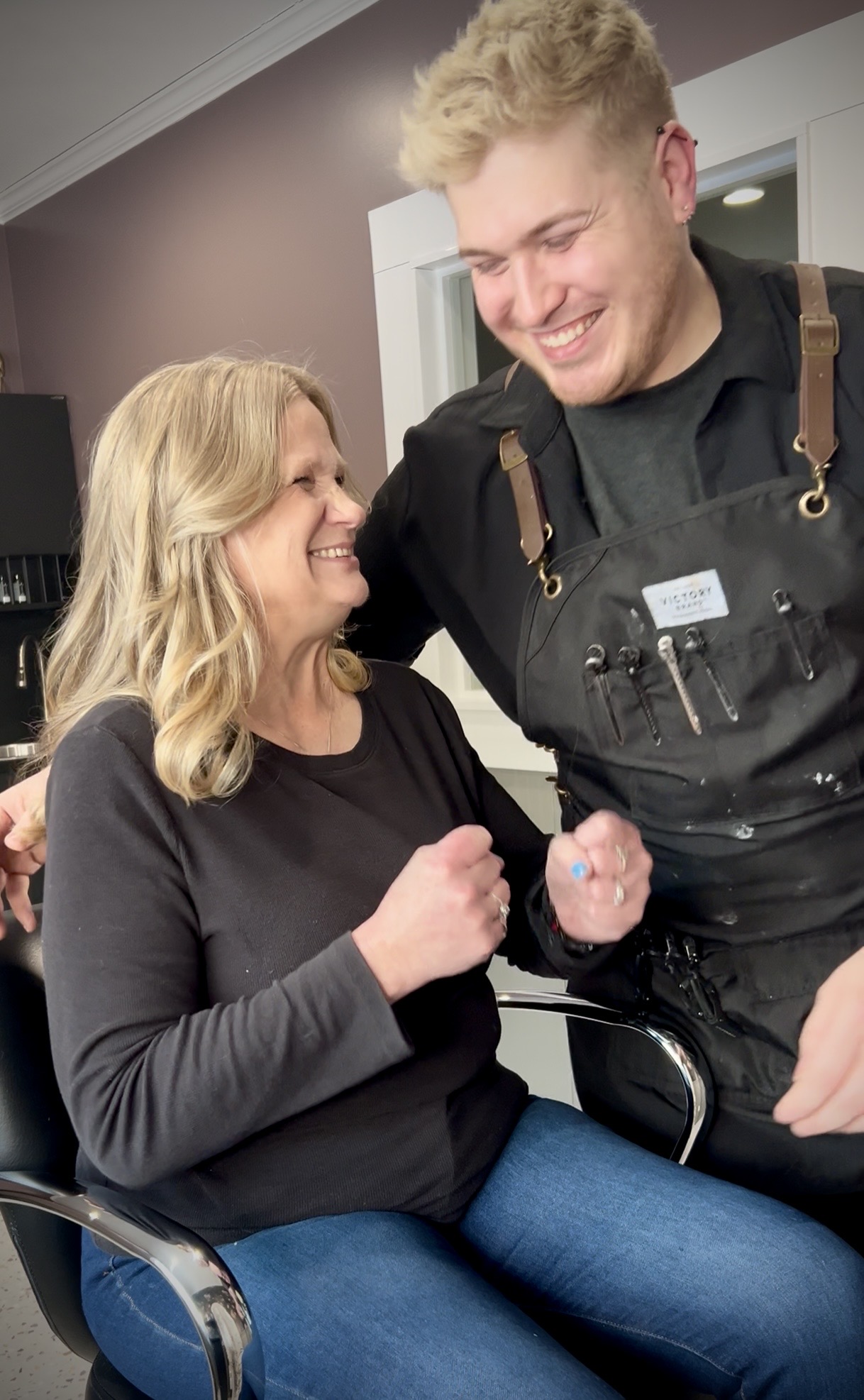
What sets me apart is that I don’t separate beauty from emotional experience. I combine technical skill with real conversation, vulnerability, and storytelling. I’m not just focused on how someone looks when they leave—I care about how they see themselves when they look in the mirror after.
What I’m most proud of is building something that goes beyond the salon chair. The Hairapist Project is creating a space where transformation is about more than aesthetics—it’s about reclaiming identity, reducing stigma around addiction and mental health, and showing people what’s possible when someone is given the chance to start again.
What do you think is the goal or mission that drives your creative journey?
The mission driving my work is to change the way people see transformation. Especially in the context of addiction recovery, mental health, and personal identity.
Through The Hairapist Project, my goal is to use hair as a catalyst for something deeper. I’m not just interested in before-and-after results. I’m interested in what happens internally when someone is given the space to be seen, heard, and reintroduced to themselves. For many people in recovery or transition, that moment in the mirror can be incredibly confronting, and also incredibly powerful.
I also want to reduce stigma around addiction by creating content that humanizes the experience. There’s a gap between how people in recovery are perceived and who they actually are, and storytelling helps close that gap.
Long-term, I want to build a platform that combines hair transformation, documentary storytelling, and emotional connection. Something that not only changes how people look, but how they understand themselves and others.
At the core of it, my work is about helping people reconnect with their identity and realize that transformation isn’t the end – it’s the beginning of what’s possible.
Where do you think you get most of your clients from?
The best source of new clients for me has honestly been direct, grassroots connection within the recovery community. I initially tried partnering with local rehabilitation programs, but it wasn’t the right fit at the time, so I had to take a more hands-on approach.
I started showing up! Attending local AA meetings, SMART Recovery meetings, and connecting with local resource centers to meet people where they’re actually at. That’s been the most effective and meaningful way to find individuals who would truly benefit from what I’m doing.
I also accept nominations through email, which has allowed the project to reach beyond my immediate area and connect with people who might not otherwise have access to something like this. Anyone can nominate themselves or someone they know at Samuel@thehairapistproject.com.
At the end of the day, the project has grown through real human connection, trust, and word of mouth – which feels aligned with what The Hairapist Project is all about.
Contact Info:
- Website: https://TheHairapistProject.com
- Instagram: Bitchin_blowouts
- Facebook: Btchin blowouts by Sam Zee
- Youtube: @TheHairapistProject