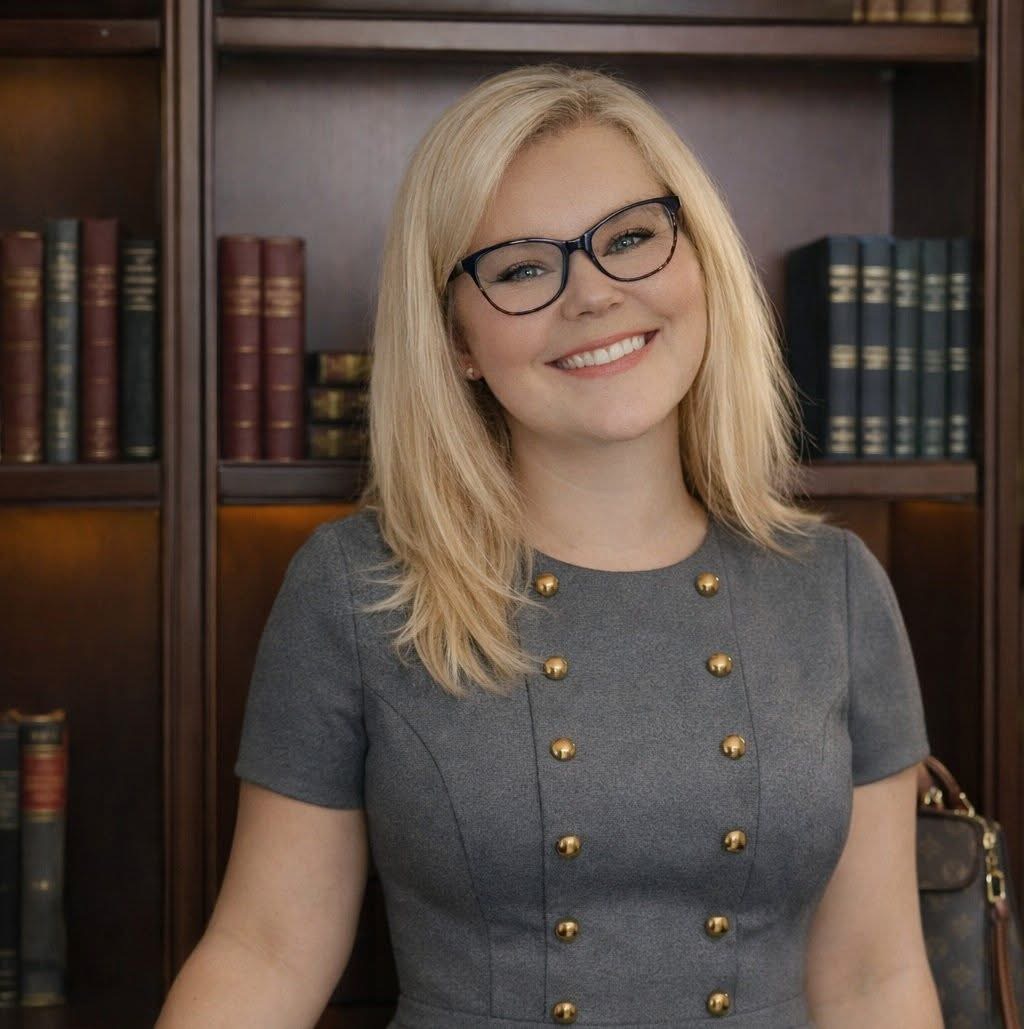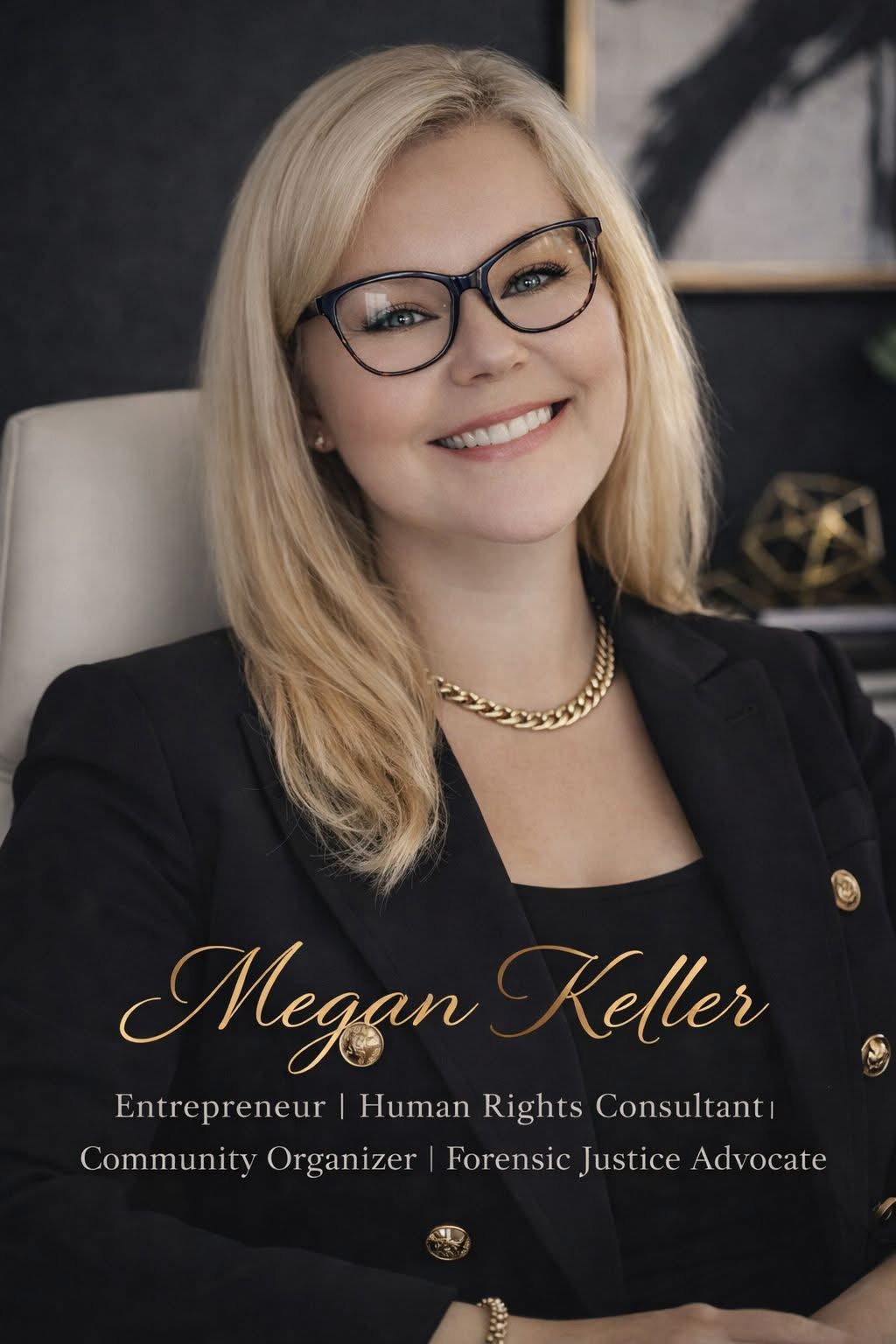

We caught up with the brilliant and insightful Megan Keller a few weeks ago and have shared our conversation below.
Megan, thanks for joining us, excited to have you contributing your stories and insights. What’s the kindest thing anyone has ever done for you?
The kindest thing anyone has ever done for me didn’t feel like kindness at first. It felt like a disruption. Like exposure. Like the moment your life cracks open and everything you thought you understood about the world—and yourself—shifts permanently.
It began on a cold night in January, sometime between 2016 and 2017.
Three days earlier, I had been robbed at gunpoint.
That alone should have been enough to wake me up. But at that point in my life, I was still moving through the world trying to prove something—to people who never defined me in the first place. I was making risky choices, surviving however I could, chasing validation in all the wrong places. I didn’t yet know that sometimes the universe has to get louder when you don’t listen the first time.
That night, I was driving my Cadillac SRX. I wasn’t alone. Sitting beside me was a Black man—a friend. And in a single moment, during what should have been a routine traffic stop, I witnessed something that changed me forever.
I had never truly seen racial disparity up close before—not in a way that forced me to confront it within my own lived experience.
Until that night.
The officers pulled us over. I stayed in the car. Warm. Protected. Untouched.
He was ordered out.
Into the snow.
They searched him—thoroughly. His work boots. His clothes. His body. Looking for something that wasn’t there. Looking, it seemed, not because of evidence—but because of assumption.
Because of who he was.
Meanwhile, I sat in the driver’s seat, watching. Frozen—but not from the cold.
Eventually, they turned to my vehicle. They claimed probable cause—the smell of marijuana. They searched the car and found a scale, a grinder, and one gram of marijuana.
One gram.
I was charged with a misdemeanor and told to appear in court.
But that wasn’t the moment that changed my life.
The moment that changed my life was realizing that I had been treated differently—not because of what we had, but because of who we were. Because I was a white woman in a nice car. Because he was a Black man sitting beside me.
That realization settled into my chest and never left.
I went through the system. Lost my license for three months. No further penalties. On paper, it was minor.
But internally, something had shifted.
A few years later, I made a decision that would quietly redirect the entire course of my life: I applied for a pardon through the Lancaster County Pardon Project. It was part of a statewide initiative designed for people who wanted a second chance—people ready to stop being defined by their worst decisions.
I was accepted.
And that’s where kindness entered my life in a way I never expected.
I was paired with a professor named John Churchville from Lancaster Bible College, who also worked as a public defender. From the very beginning, he treated me as if I belonged in spaces I had never even imagined stepping into.
He didn’t just help me with paperwork. He taught me. He broke things down. He made the process feel accessible—human. Possible.
And something in me shifted again.
Because once you’re shown a door you didn’t know existed, you can’t pretend it isn’t there.
So I asked him a simple question:
“How can I help other people do this?”
His answer was immediate.
“Sure.”
That “sure” changed everything.
From that day forward, John didn’t just mentor me—he invested in me. He educated me, challenged me, and elevated me. He put me in rooms I had no “business” being in—rooms full of attorneys, professionals, decision-makers.
And there I was.
A girl with a GED. No formal legal education. Completely self-taught.
Sitting at the table anyway.
He didn’t see my lack of credentials. He saw my commitment. My heart. My ability to connect with people who needed someone to believe in them.
And he gave me opportunities I would have never been offered otherwise.
He taught me how to navigate the pardon process—not as an observer, but as a participant. He trusted me in spaces where trust is everything. He even taught me, in 2024, how to fight my own case after another targeted stop—this time by Susquehanna Township Police—while I was doing nothing more than dropping someone off that I had helped bail out.
He believed in me before I fully believed in myself.
And he didn’t just teach from a distance—he brought me into the work.
One day, he called me and asked if I wanted to go with him to a prison. He had a client facing a double-digit sentence, and he wanted me there—not for legal reasons, but human ones. He wanted his client to see that he wasn’t just an attorney. That he cared. That there were resources. That there was still dignity.
Another time, he called me—not about a case, but about something unheard of.
“I want to do a client satisfaction survey,” he said.
A public defender… wanting feedback.
That was John.
Consistent. Intentional. Quietly revolutionary.
Even in the smallest details.
And he never stopped pouring into me—until the day he passed in early 2026.
When I think about kindness now, I don’t think about a single grand gesture. I think about sustained belief. About someone choosing—again and again—to open doors for you, to stand beside you, to remind you of your purpose even before you can name it yourself.
John Churchville didn’t just help me get a pardon.
He helped me find my calling.
He took a moment that could have remained just another mistake in my life—and transformed it into a mission. A responsibility. A path forward.
Because of him, I didn’t just walk away from my past.
I turned around and reached back for others.
And if there’s one thing I know for sure, it’s this:
Kindness isn’t always soft.
Sometimes, it looks like someone seeing who you could be—and refusing to let you settle for anything less.
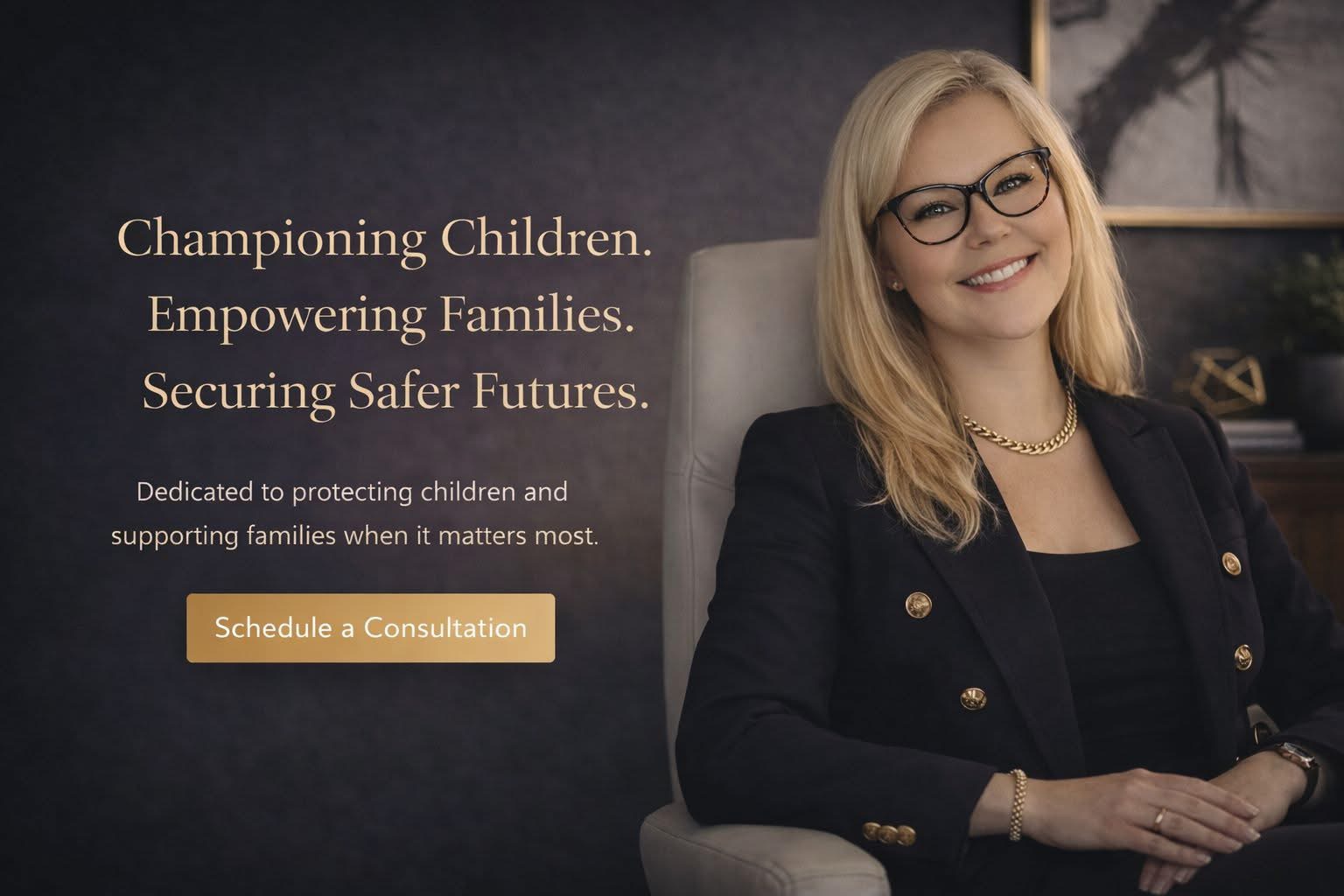
As always, we appreciate you sharing your insights and we’ve got a few more questions for you, but before we get to all of that can you take a minute to introduce yourself and give our readers some of your background and context?
I don’t come from a traditional background—and that’s exactly what makes my work different.
My story didn’t begin in a classroom or a corporate office. It began in lived experience. In mistakes. In survival. In navigating systems that weren’t built with people like me in mind—and realizing just how many others were trapped in those same systems with no roadmap out.
I’m someone who built everything from the ground up.
No college degree. Just a GED. A lot of hard lessons. And an even stronger refusal to stay defined by them.
What I do now sits at the intersection of advocacy, second chances, and real-world legal navigation. I help people—especially those from underserved or overlooked communities—move through the pardon process, understand their rights, and access opportunities that their past may have once blocked. I work closely with individuals who feel stuck because of a record, guiding them step-by-step through a system that can feel overwhelming, intimidating, and, at times, intentionally inaccessible.
But beyond the technical side, what I really provide is translation.
I translate legal language into something human.
I translate shame into strategy.
I translate “I messed up” into “I’m not finished yet.”
That’s where my work stands apart.
Because I’m not coming from theory—I’m coming from experience. I’ve sat on both sides of the table. I know what it feels like to be judged by a piece of paper. I know what it feels like to walk into a room and assume you don’t belong there.
And I also know what it takes to change that narrative.
In the earlier stages of my work, I assisted with pardons while also stepping into something much heavier—supporting families navigating unimaginable loss. I worked alongside families impacted by police-involved shootings and carceral deaths, helping them find direction in moments where everything felt uncertain and overwhelming.
Families like that of Jaylin McKenzie, who was killed by the Memphis Police Department while running away. Families like Eric Holmes, just 19 years old, killed while at work. And families grieving losses in custody, like Chaz Lowery, 27, and Paul Reardon.
With these families, my role extended far beyond guidance—it became about advocacy, structure, and endurance. I helped lead them from the immediate aftermath of loss through the complex and often retraumatizing process of federal mitigation. That work requires trust, consistency, and a level of care that goes beyond any title.
It also changed me.
Because when you sit with people in their deepest grief, you don’t just witness pain—you witness resilience, truth, and the urgent need for systems to do better.
That experience is what pushed me to evolve my work even further.
Within the past year, I launched my own organization, Proof of Potential Advocacy LLC. This next chapter is deeply intentional. It focuses on protecting the most vulnerable before they ever have to encounter the systems I’ve spent years navigating.
My work now centers on children—specifically advocating for disability rights within school districts and helping families put safeguards in place to protect their children from negative or unnecessary police encounters.
Because intervention shouldn’t start after something goes wrong.
It should start early. Proactively. Strategically.
I work with families to ensure their children are supported, understood, and protected within educational environments that too often misunderstand or mishandle behavioral and developmental differences. I also help create plans that reduce the likelihood of escalation—because too many stories I’ve seen started with a misunderstanding that didn’t have to happen.
That’s the problem I solve:
People don’t fail because they’re incapable. They fail because they don’t have access, guidance, protection, or belief.
I provide all of that—across different stages of life.
What sets me apart is simple—I don’t just guide people through systems, I walk with them through it. I meet people where they are, not where the system expects them to be. There’s no judgment in my work. Only accountability, growth, and forward movement.
I also bring something else into this space that isn’t talked about enough: proximity.
I’m close to the problem. I understand the mindset, the fear, the hesitation, the distrust. That allows me to connect with people in a way that feels real—not clinical, not distant, not transactional.
And that connection changes outcomes.
What I’m most proud of isn’t a title or a statistic—it’s the range of lives I’ve been trusted to stand beside. From individuals seeking second chances through pardons, to families navigating loss and accountability, to children who deserve protection before they ever fall through the cracks.
I’m proud that I didn’t just take my second chance and move on.
I stayed. And I built something with it.
For anyone discovering me or my work for the first time, this is what I want you to know:
I’m not here to impress you—I’m here to impact you.
If you’re someone who feels stuck because of your past, I want you to know that your story isn’t finished. If you’re a family trying to protect your child or navigate systems that feel overwhelming, you don’t have to do it alone. And if you’re someone looking to collaborate or support this work, understand that this isn’t just what I do—it’s what I’ve lived.
And that makes all the difference.
Because at the core of everything I build is one belief:
People are not their worst moment.
They’re their potential.
And I’m here to make sure that potential gets a real chance.
We’d love to hear a story of resilience from your journey.
Resilience, for me, has never looked like strength in the moment.
It’s looked like continuing anyway—when it would have been easier to disappear.
One moment that defines that for me happened years after my initial involvement with the justice system—at a time when I thought I had already learned my lesson, grown, and moved forward.
In 2024, I was pulled over again—this time by Susquehanna Township Police—while doing something that, in my mind, reflected how much I had changed. I was dropping someone off… someone I had just helped bail out. I wasn’t out making reckless decisions anymore. I was trying to be better. To do better.
And yet, there I was again.
Lights behind me. Questions. Assumptions.
That moment hit differently than the first time. Not because of fear—but because of frustration. I remember thinking, how am I back here? After everything I had worked so hard to build, it felt like I was being pulled backward into a version of my life I had already fought to leave behind.
But this time, something was different.
I didn’t spiral. I didn’t shut down. I didn’t accept it as just “how things are.”
I leaned into everything I had learned.
With the guidance of my mentor, I was educated on how to actually fight my case—how to understand the system, not just survive it. And for the first time, I wasn’t just reacting to what was happening to me—I was actively navigating it.
That shift is what resilience looks like.
Not avoiding hard moments—but showing up differently when they happen.
That experience reinforced something I carry into my work every day: growth doesn’t mean you’ll never face challenges again. It means when you do, you respond from a place of awareness, knowledge, and purpose—not fear.
And instead of letting that moment break me or push me backward, I used it as fuel.
Fuel to keep going.
Fuel to keep learning.
Fuel to keep helping other people understand that just because something happens to you, doesn’t mean it gets to define you.
Resilience isn’t about having a perfect path forward.
It’s about refusing to go back—even when life tries to pull you there.
What’s a lesson you had to unlearn and what’s the backstory?
One of the hardest lessons I’ve had to unlearn is this:
That my worth was tied to how much I could endure.
For a long time, I believed that surviving hard things—dangerous situations, unstable environments, bad decisions—somehow made me stronger, more valuable, more… enough. I wore survival like a badge of honor. If I could push through anything, take hits and keep going, prove I didn’t need help—that meant I was doing something right.
But the truth is, that mindset kept me stuck longer than anything else.
It showed up in the choices I made early on—putting myself in situations I didn’t belong in, trying to prove loyalty, trying to prove toughness, trying to prove I could handle whatever came my way. Even after I was robbed at gunpoint, I didn’t immediately change. I kept moving the same way, telling myself I was just “built for it.”
I wasn’t.
I was just used to it.
And that’s a dangerous difference.
The real shift didn’t happen all at once—it happened in layers. But one of the clearest moments was during that traffic stop back in 2016–2017. Sitting in my car, watching my friend be pulled out into the snow and treated completely differently than me—it forced me to confront not just the world around me, but the way I had been moving through it.
I realized I had been placing myself in situations where I had something to prove… but to people who weren’t building anything for me in return.
Then later, going through the pardon process and working with my mentor, that lesson deepened. I was being given opportunities—real ones. Sitting in rooms I never thought I’d be in. Being treated with respect, being invested in.
And it felt uncomfortable at first.
Because I wasn’t used to being valued without having to struggle for it.
That’s when it really hit me:
I had to unlearn the idea that pain equals purpose.
I had to unlearn the belief that I needed to keep putting myself in hard situations to prove I was strong.
Strength isn’t staying in what harms you.
Strength is choosing differently—even when it feels unfamiliar.
Even now, that lesson still shows up in my work. When I sit with people who feel like their past defines them, or that they have to “earn” a second chance by suffering long enough, I recognize it immediately.
Because I lived it.
What I’ve learned—and what I now try to teach—is this:
You don’t have to keep surviving to prove your worth.
You’re allowed to build.
You’re allowed to grow.
You’re allowed to choose peace, stability, and purpose—without earning it the hard way every time.
Unlearning that didn’t make me weaker.
It’s what finally allowed me to move forward.
Contact Info:
- Website: https://www.proofofpotential.org
- Instagram: @keller.meg
- Facebook: Meg Keller
- Linkedin: megkeller88