

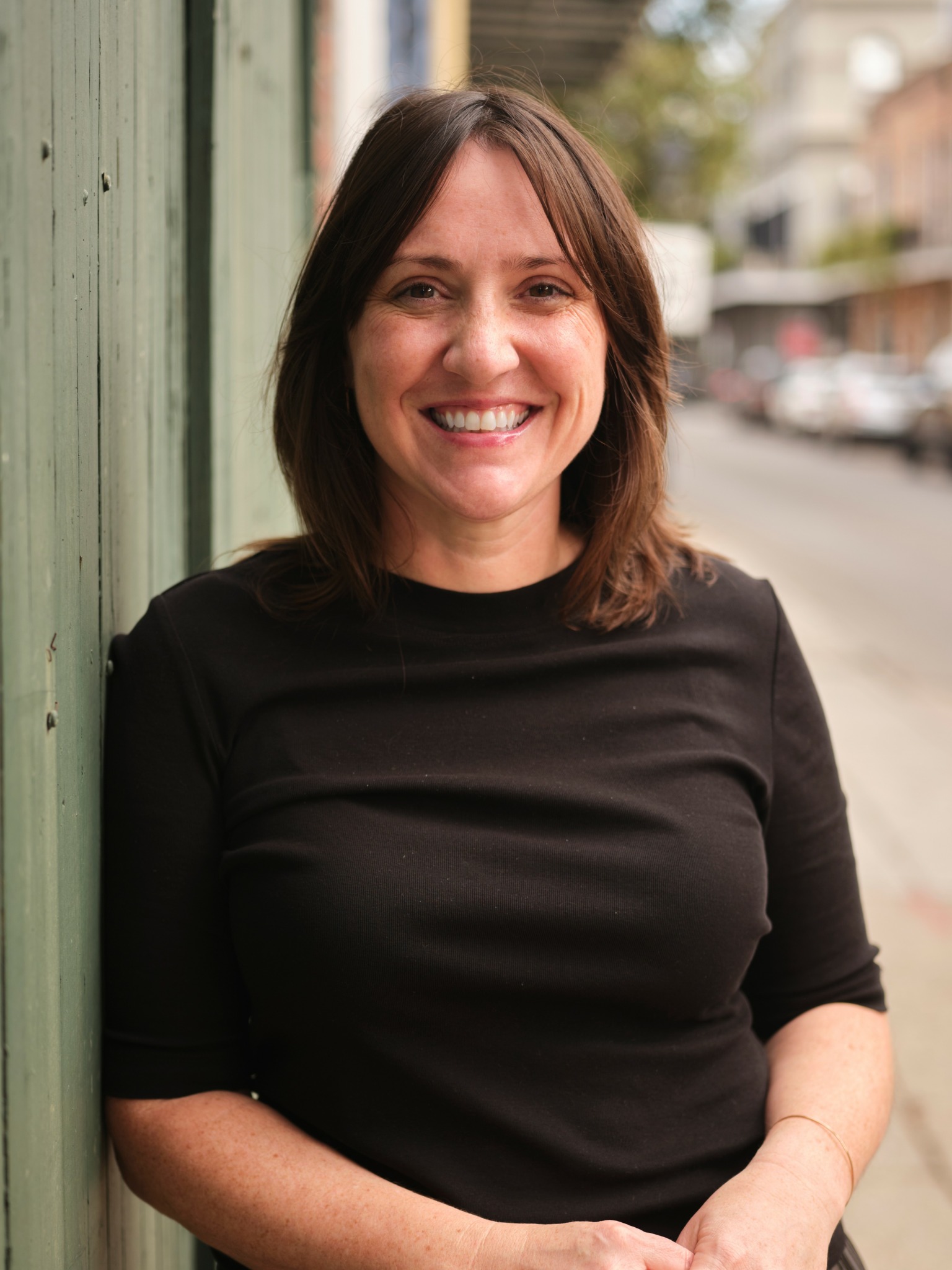

We recently connected with Jennie West and have shared our conversation below.
Hi Jennie, thanks for joining us today. Can you talk to us about a project that’s meant a lot to you?
To date, one of our most meaningful community-oriented projects has been a temporary art and lighting installation we helped produced on New Orleans’ Bourbon Street during the holiday season in 2025. Titled “Second Line in the Sky,” the idea was conceived in response to the January 1st, 2025, New Year’s attack—a moment that truly shook our community. Following the attack, what held us together was each other, but we also felt we needed something more: a way to honor the many lives affected by this event through a defined, public space where the entire city could come together to heal and grieve.
The installation drew inspiration from New Orleans’ second line tradition—a procession that celebrates both life and death, balancing joy, mourning, and collective presence. We collaborated alongside our dear friend Katy Casabarian from one of New Orleans’ most notable restaurants, Arnaud’s, and partnered with local artists Babette Beaullieu, Jan Gilbert, and Margaret Crosby to imagine a warm, uplifting display that honored the intense pain, emotion, and memory of what occurred.
Suspended across roughly twenty-one buildings, the exhibition featured nearly 1,000 prayer flags—each a tribute to the individuals and families affected, inspired by photographs, handwritten notes, and personal mementos shared by loved ones. Between the handcrafted flags and the lighting installation, the exhibition honored each spirit with a luminous canopy along Bourbon Street, inviting passersby to pause, look upward, and reflect.
This project was particularly meaningful because it allowed us to engage with the city in a deeply intimate way—we were not just architects, but neighbors, friends, and confidants, together in this shared experience. Being so personally connected to the project made it even more important to ensure that every aspect of the design was thoughtfully considered.
While there was extensive project management, technical coordination, permitting measures, and a handful of unforeseen milestones along the way, what made this project most meaningful was witnessing how willingly people came together to make it happen. It illustrates just how transformative collective participation and art can be in restoring a sense of community—and how, in doing so, we also create space for healing to take place.
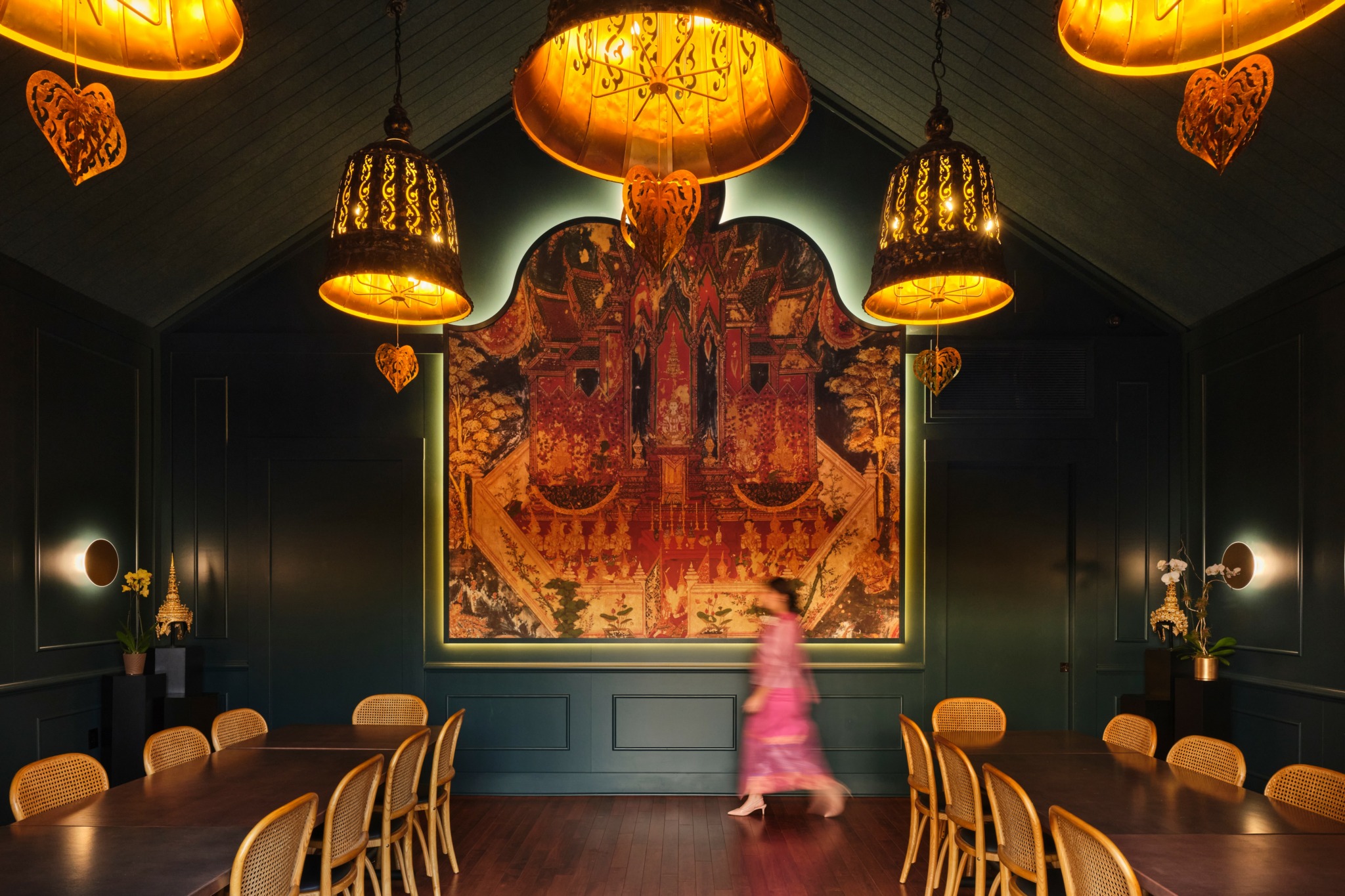
As always, we appreciate you sharing your insights and we’ve got a few more questions for you, but before we get to all of that can you take a minute to introduce yourself and give our readers some of your background and context?
Studio West emerged from a recognition of the resonant influence and inherent beauty of design in bringing people together. We see design as a tool—one that can spark curiosity, invite new ways of seeing and doing, and nurture connection, community, and culture through creative thinking and collaboration.
At an early age, I grew up in an environment filled with creativity and self-expression. With a parent as a painter, I was drawn to architecture for the ways it captures art, community, history, and culture, and for how it documents a time period while holding its own unique story. After finishing architecture school and practicing under Marlon Blackwell, I moved to New Orleans as the city was beginning to recover from the devastating effects of Hurricane Katrina. Looking back, landing in the city during this time became the impetus that defined my approach to design and led me to eventually take a leap of faith and start my own practice.
Before founding Studio West, I worked across a wide variety of projects—education, housing, civic, commercial, and planning—all of which shaped both my approach to design and the kind of impact I hoped to have in the community. What I found most rewarding, though, was not being limited to a single type of work or client but taking my learnings from each to fine-tune my own approach and belief set: community engagement, listening, and collaboration. I fondly look back at those times with such gratitude because it gave me so much wisdom and allowed me the opportunity to experience the city in its entirety—to immerse myself within diverse neighborhoods and cultures, and to listen to a variety of voices and perspectives about what shapes and defines a sense of place for people.
After nearly ten years of work, I am most proud of the trust our community has placed in us and the ways we’ve consistently demonstrated our commitment to nurturing and preserving all that makes New Orleans the culturally vibrant place it’s known for. More recently, our team has been invited to contribute to a range of projects in collaboration with the city, with the goal of strengthening its cultural and historic fabric through various placemaking efforts. It’s projects like these—where project management and technical expertise are paired with thoughtful community engagement and collaboration—that remind us why we do what we do. It’s a challenging yet rewarding balance.
It’s common to see others in the industry define what kind of work they specialize in and how that makes them stand out, but for us, I think the red thread is that we are always working with the community in a very personal way. We stand out for the ways we build and care for our relationships, with a strong sense of imagination and curiosity, which likely explains why, on the one hand, we often see ourselves collaborating with some of New Orleans’ most talented chefs and restaurateurs on projects such as this year’s Michelin-starred Saint-Germain, while, on the other hand, we also thrive in reimagining much larger civic spaces and infrastructure developments, such as the new RTA Algiers Ferry Terminal. Either way, no matter how different the typology, the diversity of clients has given us the exposure to build lasting, fruitful relationships and to showcase our integrity to connection and community.
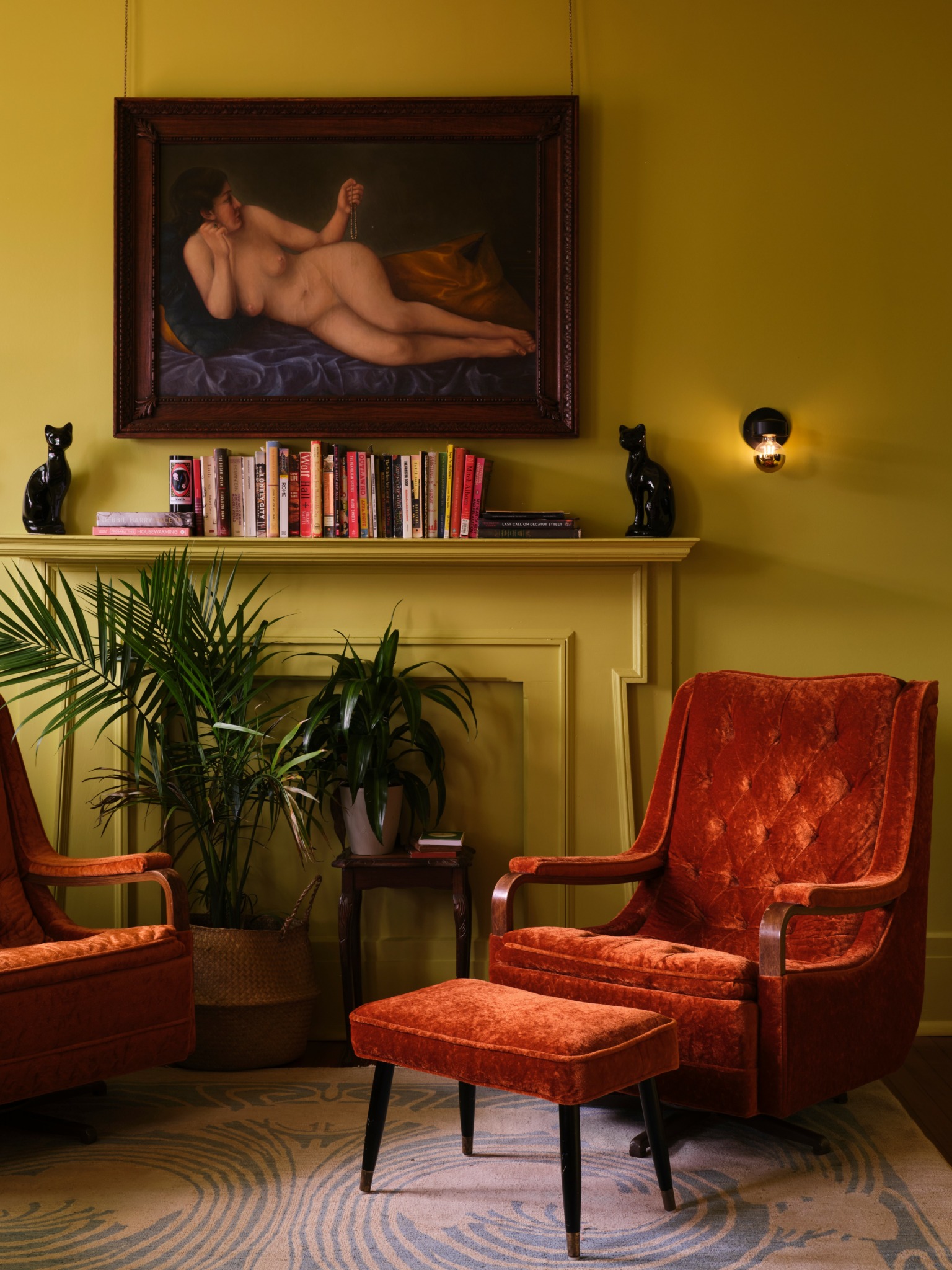
Is there mission driving your creative journey?
For as long as I can remember, I’ve been curious about authenticity — what makes it endure, and how it can be sustained over time. I think that’s what first drew me to New Orleans. I was fascinated by how deeply authentic the culture feels here, and by the question of how that authenticity can be preserved. This notion continues to shape and inform my own creative process and has provided a strong foundation for Studio West.
Over the years, we’ve fallen into working with the public realm on more planning-focused projects which in retrospect makes total sense.I think this is because, through the process itself, there is a consistent reflection and a deep need to understand the culture and community that we’re working with. Before Studio West, I was trained at Rural Studio, where architecture is approached as a practice rooted in listening and working hand-in-hand with clients and communities. So as Studio West has grown, we’ve seen those same beliefs carry through and define our approach in practice.
We’ve always talked about wanting to work on projects that feel good — both for ourselves and for the client. We find that when there’s a real mission and a clear vision, the core concept of an idea is already there, so the process becomes a natural, iterative collaboration—we’re helping to unfold and shape their ideas through design, with the hope of arriving at a solution that best expresses the client’s initial vision.The same approach carries into our public projects — a typology that fully embodies the very mission and creative vision we’ve always imagined for ourselves.
In these kinds of projects, we place a strong emphasis on listening, observing, and engaging the community early so the design feels as if it was born out of them—because at the end of the day, it should! We’re more so facilitators as opposed to designers in some aspects. By embracing ambiguity, we’re able to explore how people and cultures interact with different kinds of spaces through design. Through this framework, we arrive at a deeper understanding of the intersection of culture and authenticity, and how these learnings can help stitch communities together and support cultural continuity.
While we strive to create spaces that are architecturally thoughtful and often made from found or modest materials, ultimately the creative journey or mission we strive for is about impact. Even if the result isn’t the most striking or conventionally “stunning” architectural solution, the authenticity and sense of culture endures — and that’s what truly matters. What’s also special is that, through this process, our creative journey continues to evolve through authentic engagement and becomes a new starting point, informing how we approach our work more broadly and how we can help spaces feel more connected rather than like separate, isolated worlds.
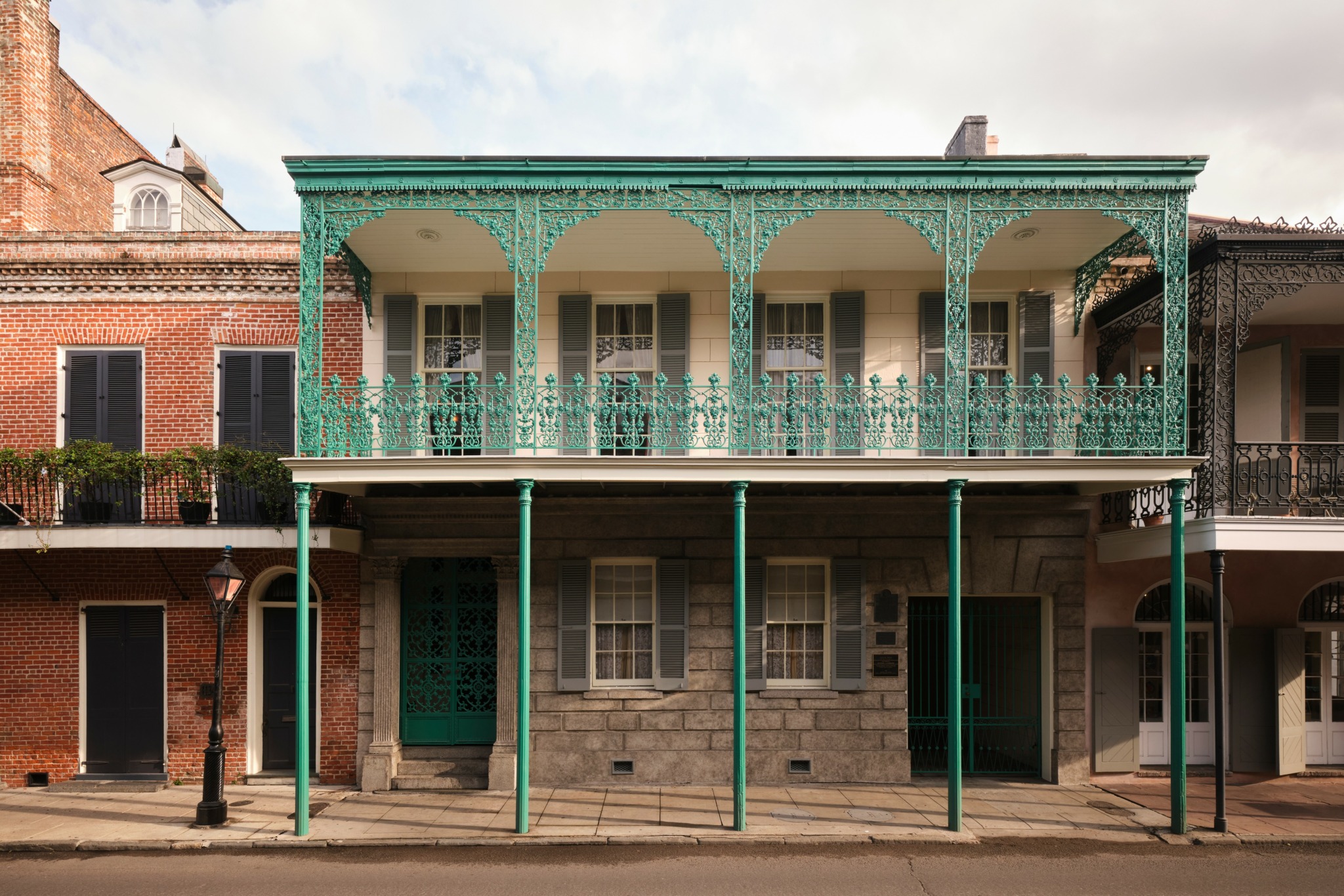
For you, what’s the most rewarding aspect of being a creative?
I’m sure everyone says this, but for others to experience the space! I can’t even put into words how touching it is to see everyone come together.
Contact Info:
- Website: https://www.studiowest.design/
- Instagram: @studio.west.design
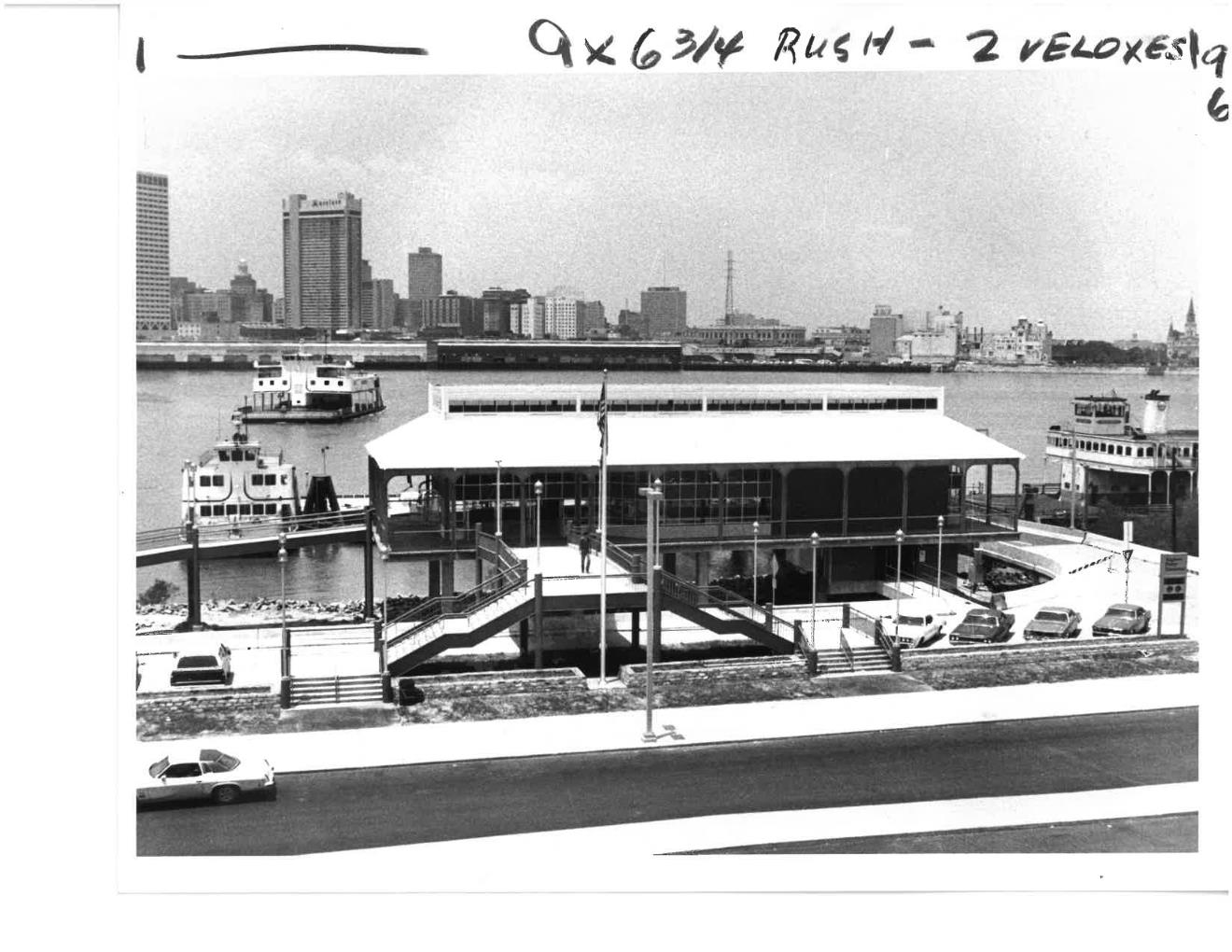
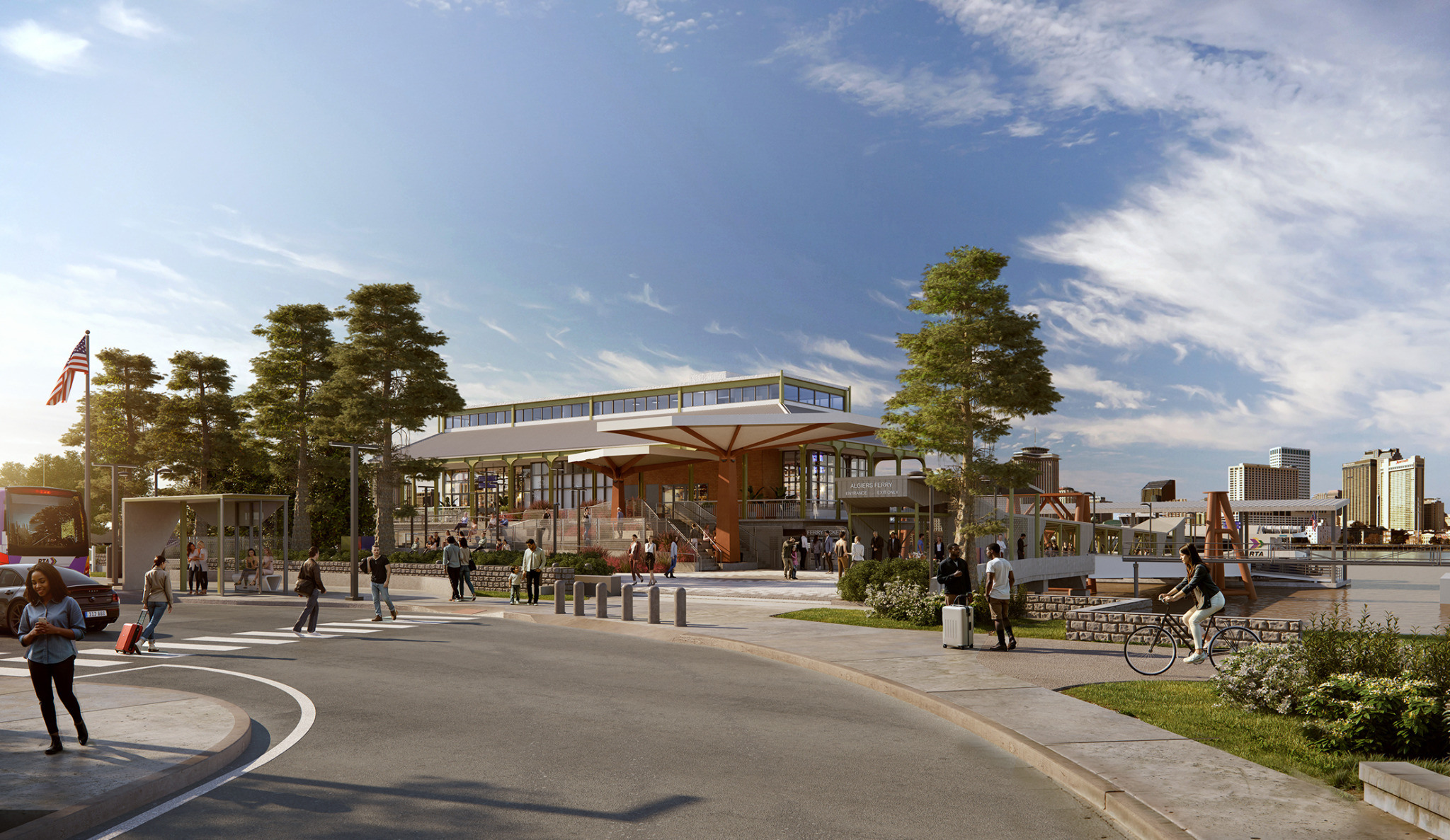
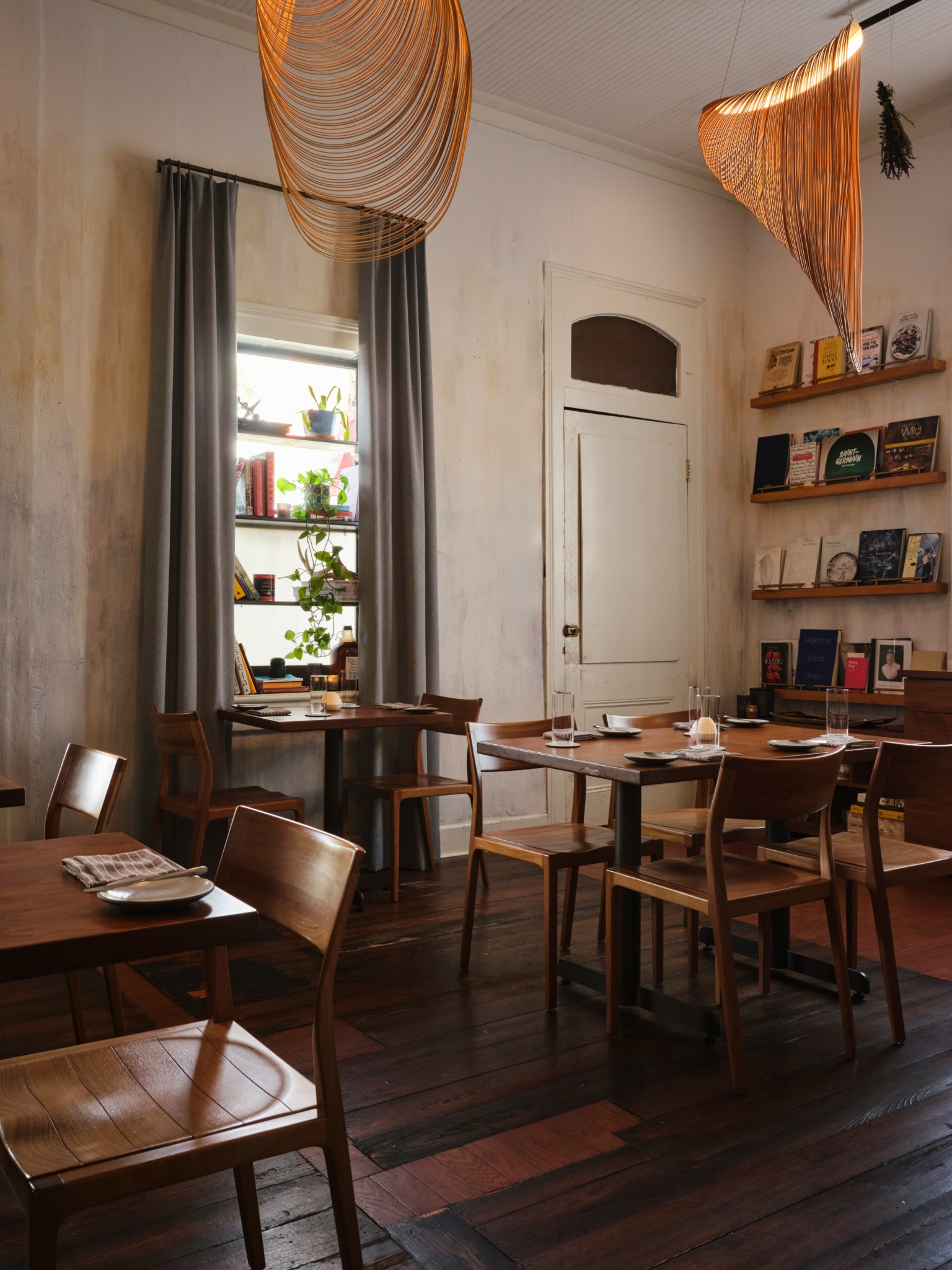
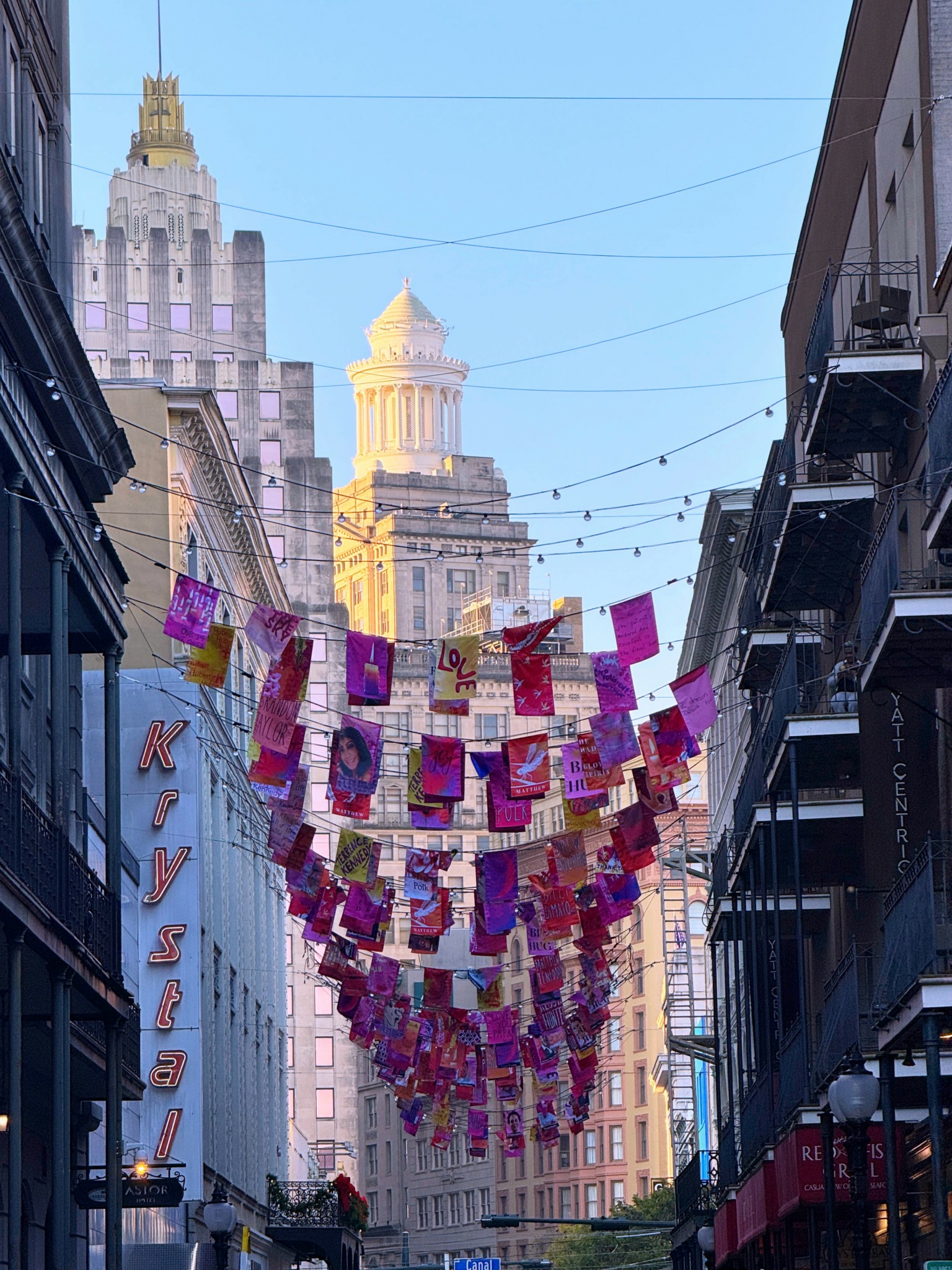
Image Credits
Please use the credits as they correspond to the names of each image, including:
Andrew Welch
Courtesy of Studio West
Courtesy of David NOLA