

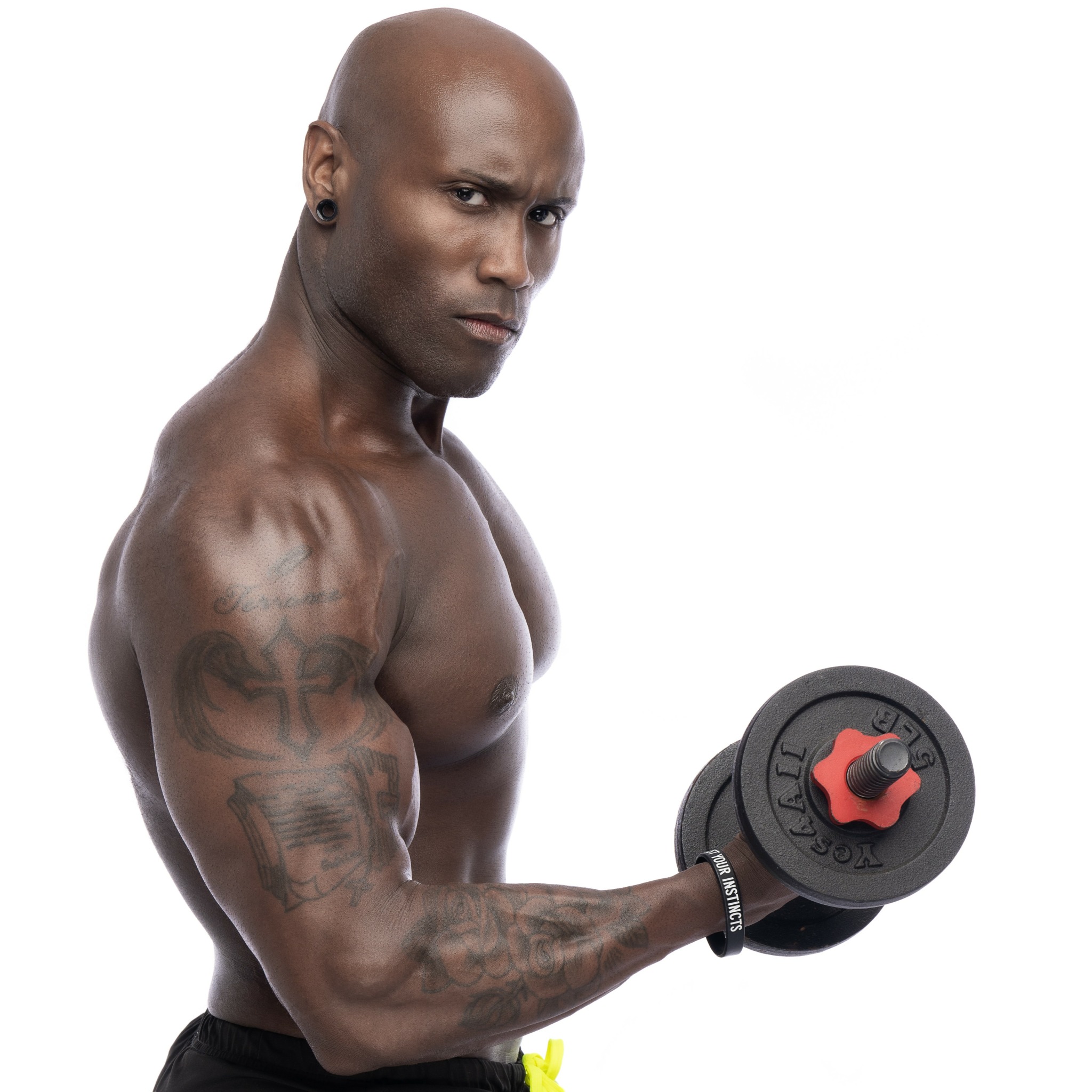

We recently connected with Juwon Nichols and have shared our conversation below.
Juwon, thanks for joining us, excited to have you contributing your stories and insights. If you had a defining moment that you feel really changed the trajectory of your career, we’d love to hear the story and details.
Yes — there was absolutely a defining moment, and it happened when I was accepted into graduate school for Exercise Science.
I say it was defining because it was one of the few times in my life when everything truly felt aligned. I had doubted myself, procrastinated, and almost missed the opportunity altogether. I did not even have a car then, so I took the bus and train and physically walked my application in. I remember thinking I may have already missed my chance.
But I got accepted — and that alone felt bigger than an admission letter. It felt like confirmation.
Then came the moment that really changed my trajectory. I went back to ask about funding and graduate assistantship opportunities, and by what felt like divine timing, there had just been an opening at the University’s Student Recreation Center (SRC). The dean called someone from campus recreation who knew me from my undergraduate days. Years earlier, she had told me that even though I was studying business at the time, she believed fitness and training were what I was built for.
The moment she heard my name, she remembered me and told them to send me straight to her office. I interviewed and got the graduate assistantship.
That was the turning point. It was the first time my passion, my work ethic, and my purpose all met in one place. Up until then, fitness was something that kept showing up in my life. After that moment, I stopped seeing it as a side passion and started understanding it as my calling.
Since then, that path has allowed me to help people transform not just physically, but mentally and emotionally as well — from high-performing clients to individuals facing disability, chronic health issues, and serious life obstacles. That moment taught me a lesson I still carry today: sometimes the biggest shift in your career happens when you take the step while still doubting yourself. Faith, action, and preparation can meet you in the exact place where purpose is waiting.
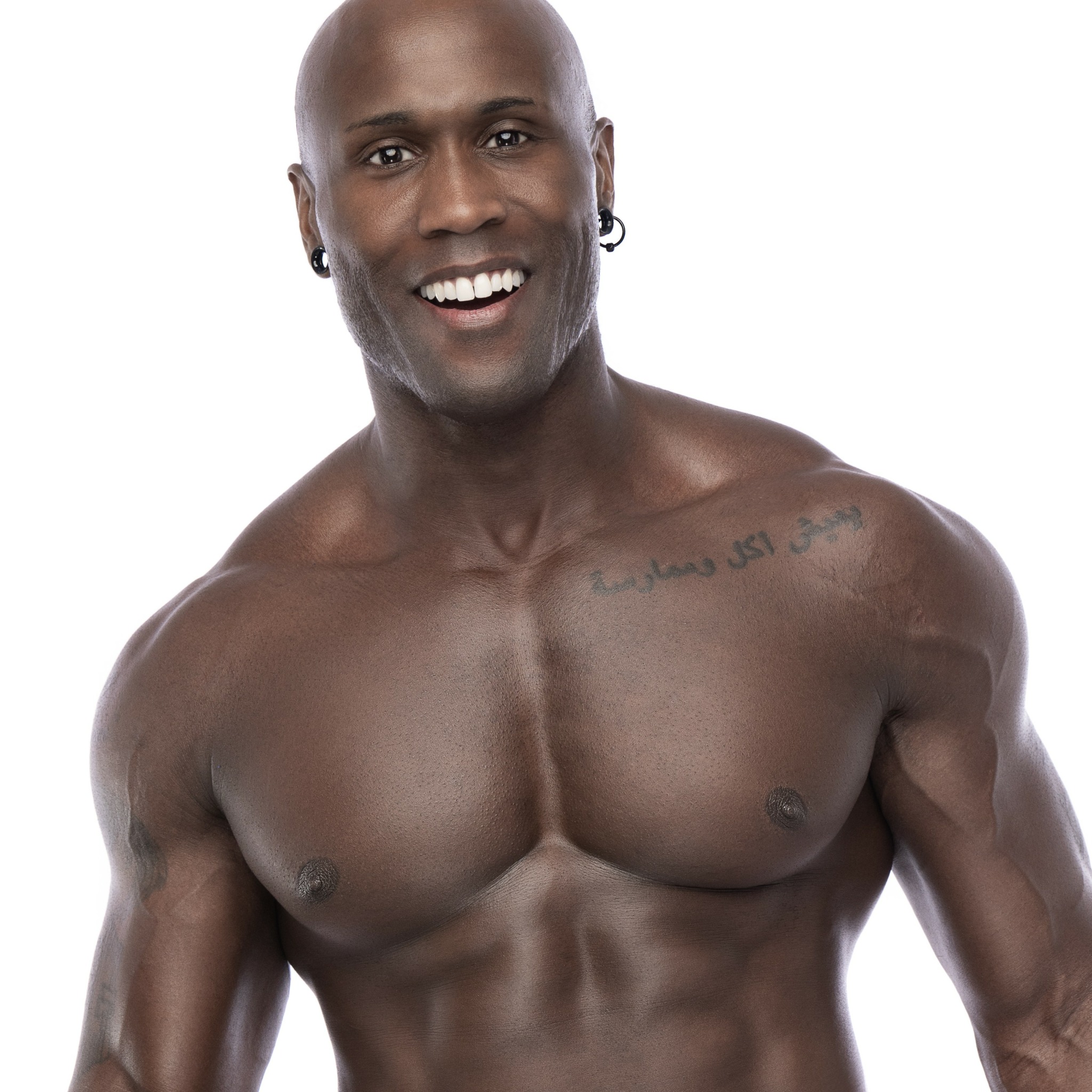
As always, we appreciate you sharing your insights and we’ve got a few more questions for you, but before we get to all of that can you take a minute to introduce yourself and give our readers some of your background and context?
I’m a performance coach and educator who helps people operate at a higher level—physically, mentally, and in how they show up.
My journey into this started early, but one moment that really shaped me was my 21st birthday. My sister bought me a six-week training package with a coach back in Chattanooga. That first workout humbled me quickly—I was on the floor about 15 minutes in, seeing stars. I was embarrassed, frustrated, and honestly questioning if I even belonged in that environment. But I went back the next day. And the next. That six weeks turned into two years of training with him, three days a week. That experience built my foundation—discipline, consistency, and respect for the process.
Around that same time, I was also serving in the Air National Guard, which further reinforced structure, accountability, and mental toughness. Between the military and my training, I developed a level of discipline that carried into every area of my life.
From there, fitness never really left me. It followed me through the military, through school, and into my professional life. I went on to study Exercise Science and built a career that spans coaching, education, and even systems-level work. I’ve contributed to efforts connected to physical readiness during my time supporting Navy Medicine, worked in coordination environments tied to DoD and VA transitions for wounded service members, and today I also serve as a lecturer at the University of Southern California.
But one thing that’s been consistent about me from the beginning is this—I’ve always been what my professors used to call the “wild card.”
I became a bridge.
A bridge between academic knowledge and real-world application.
A bridge between clinical understanding and practical training.
A bridge between people who are often underestimated and those who are expected to perform at a high level every day.
Through my business, GymDorks Fitness , I provide performance coaching that goes beyond workouts. Yes, we train for strength, conditioning, physique, and health—but I also focus heavily on mindset, discipline, and helping people rebuild confidence in themselves.
One thing that’s unique about my work is the range of people I train. On one end, I work with individuals who have adaptive challenges—people who have been told they’re limited, overlooked, or “too complex.” On the other end, I work with high-level professionals and executives who are expected to perform mentally and physically at a high level every day.
At first glance, those seem like opposite worlds—but they’re not.
Both require a high level of mental engagement, discipline, and adaptability. Someone navigating a physical disability has to constantly problem-solve and push through barriers. An executive is doing the same thing in a different environment—managing pressure, making decisions, and sustaining performance.
What connects them is this: they both have to operate above the baseline. And in both cases, what looks like a limitation can actually become a strength.
Looking forward, I’m continuing to build on that foundation through larger concepts and platforms I’m developing, like AURA™, a human performance system focused on elevating energy, presence, and discipline—and turning those into measurable, real-world value. I’m also working on my upcoming book, Avenues: A Clear-Eyed Guide to Personal Training as a Profession, which is designed to give people an honest, practical look at what it really takes to succeed in this field.
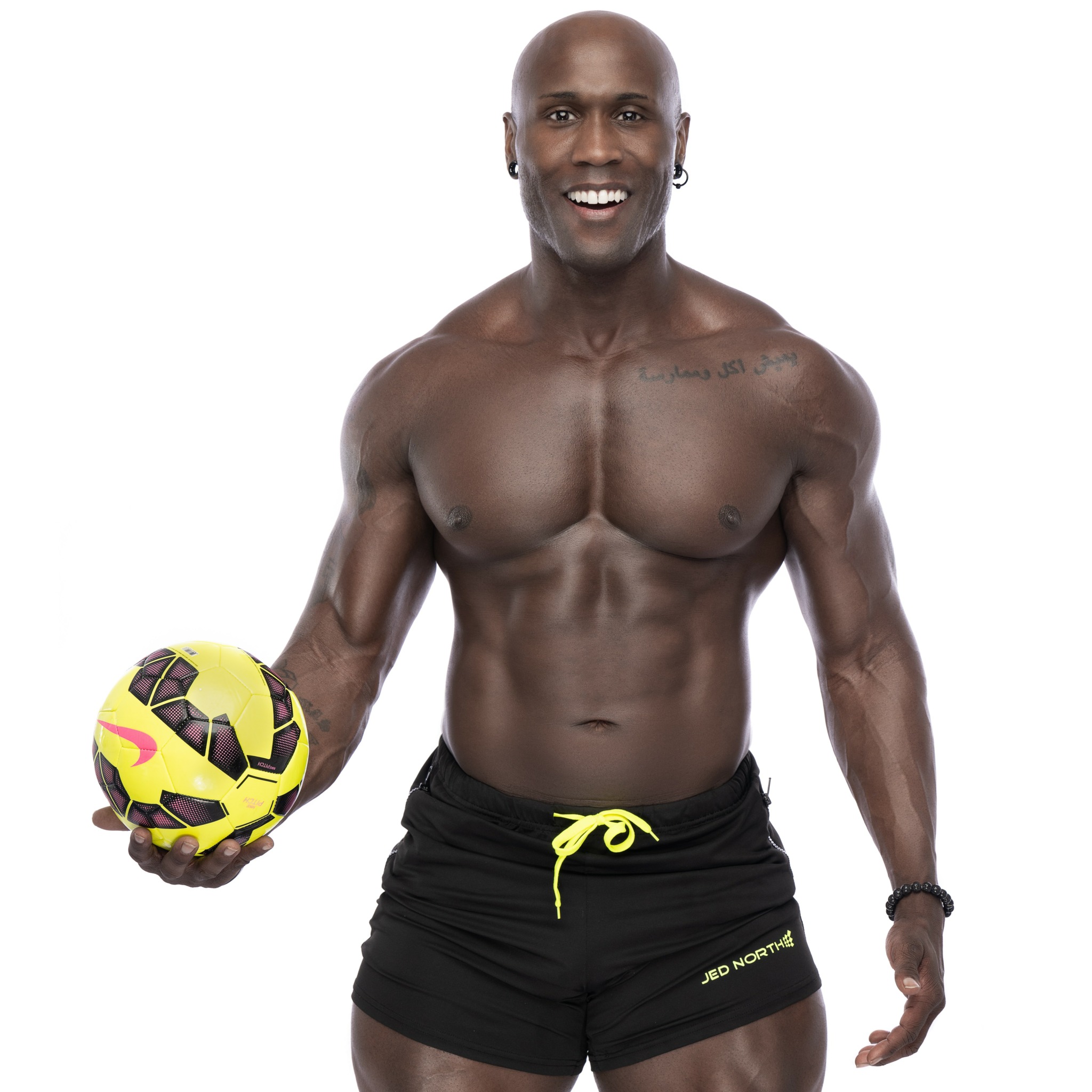
Can you share a story from your journey that illustrates your resilience?
One of the biggest lessons in resilience for me has come in seasons where, on paper, I was doing everything right—but internally, I was questioning everything.
There have been multiple points in my journey where I had strong momentum—education, experience, results with clients, even recognition—but still found myself in situations where things felt unstable or unclear. Financial pressure, career transitions, environments that didn’t fully align…those moments can make you question whether you’re actually on the right path.
I remember one period in particular where I had already built a strong foundation in fitness, education, and leadership, but I was in a situation where I felt stuck and drained. I was still showing up for my clients, still performing, still delivering results—but personally, I was tired. And when you’re someone who pours into other people constantly, that kind of season hits differently.
What made it a resilience moment wasn’t some big external breakthrough—it was the decision to keep showing up anyway.
To keep training.
To keep learning.
To keep refining my craft.
To keep believing that what I was building had a bigger purpose, even when I couldn’t fully see it yet.
Fitness has always been one of the anchors that kept me grounded during those times. Even when my motivation wasn’t there, my discipline was. And that carried over into everything else—my work, my thinking, and how I showed up for people.
Over time, I started to realize that resilience for me isn’t about pushing through one big obstacle—it’s about consistency through uncertainty. It’s about continuing to build, refine, and move forward even when things aren’t fully aligned yet.
That mindset is something I bring into my coaching as well. A lot of people think progress comes from being highly motivated or having everything figured out. In reality, it often comes from showing up when you don’t feel like it, staying consistent when things feel unclear, and trusting that the work you’re putting in will eventually connect.
Looking back, those challenging seasons didn’t take me off my path—they actually clarified it. They forced me to refine who I am, what I stand for, and the kind of impact I want to have.
And that’s something I carry with me now: resilience isn’t just about surviving hard moments—it’s about using them to build something stronger and more aligned on the other side.
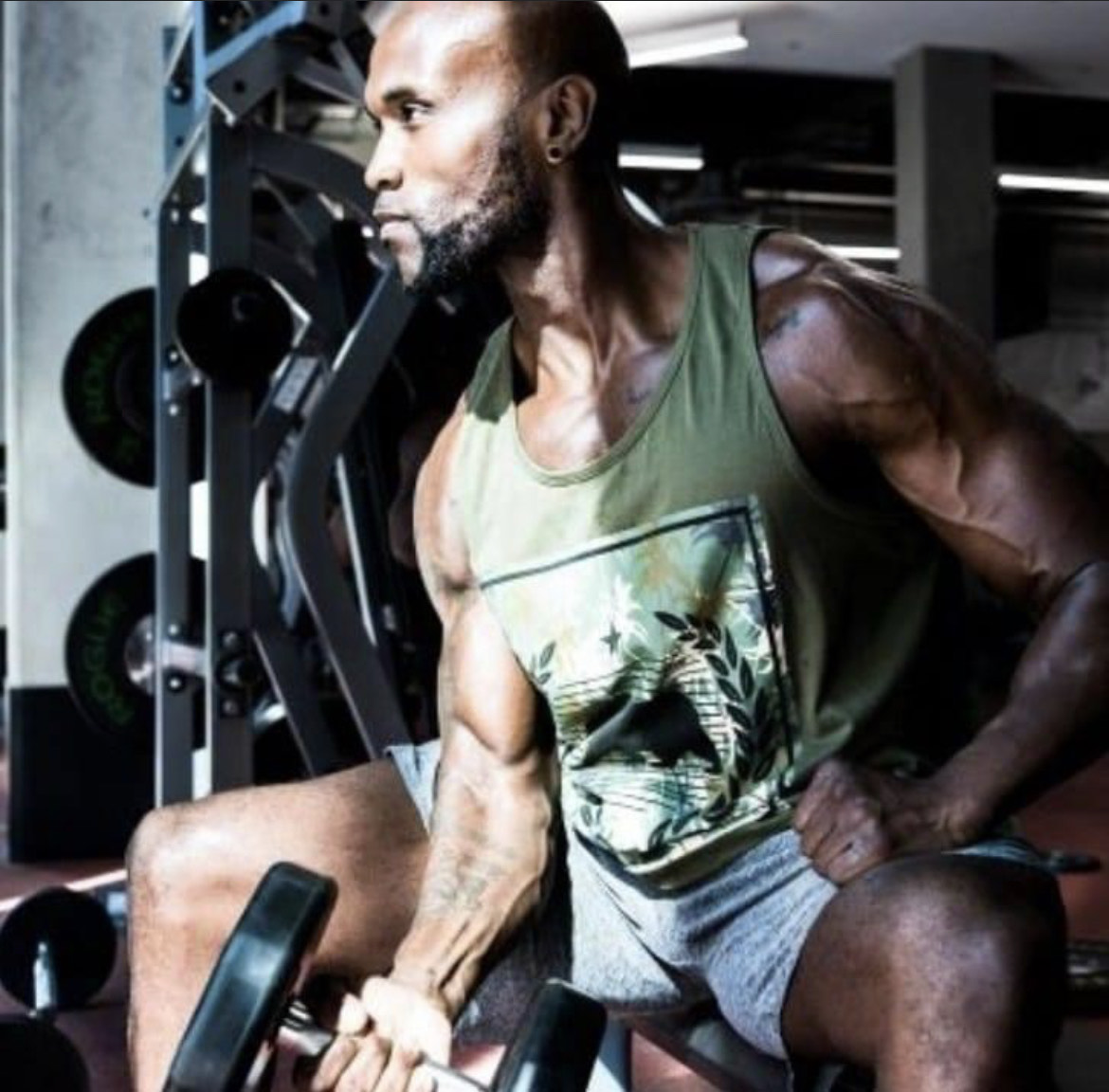
What do you think helped you build your reputation within your market?
I think what’s helped me build my reputation more than anything is consistency, results, and the ability to work across very different types of people.
I’ve never limited myself to just one lane. Over time, I found myself working with what seem like polar opposites—individuals with adaptive challenges on one end, and high-performing professionals and executives on the other. But what I realized is that both groups require a high level of discipline, awareness, and mental engagement to function at their best.
That became a big part of my identity as a coach.
I’ve always seen myself as a bridge—between academic knowledge and real-world application, between clinical understanding and practical training, and between people who are often underestimated and those who are expected to perform at a high level every day.
Because of my background in exercise science, my work in structured environments like the military and healthcare systems, and my experience actually training people on the ground, I’m able to operate across those spaces. I’ve worked alongside care teams, supported individuals with complex needs, and also helped high-level clients stay physically and mentally aligned with the demands of their lives.
But at the end of the day, reputation comes down to results and how people feel after working with you.
A lot of my growth has come from word of mouth—people seeing real change, whether that’s physical transformation, improved confidence, or simply feeling more in control of themselves again. When someone who struggled with consistency becomes consistent, or someone who felt limited starts to see what they’re actually capable of, that sticks.
I also practice what I teach. Fitness has been a constant in my life for decades, and I don’t separate what I do professionally from how I live personally. That consistency builds trust.
Looking forward, I’m continuing to build on that foundation through larger concepts and platforms I’m developing, like AURA™, a human performance system focused on elevating energy, presence, and discipline—and turning those into measurable, real-world value. I’m also working on my upcoming book, Avenues: A Clear-Eyed Guide to Personal Training as a Profession, which is designed to give people an honest, practical look at what it really takes to succeed in this field.
Ultimately, my reputation comes from being able to meet people where they are, challenge them appropriately, and help them move forward in a way that’s real and sustainable—not just for a moment, but long-term.
Contact Info:
- Website: https://www.gymdorksfitness.com/
- Instagram: @gymdorksfitness
- Facebook: Gym Dorks
- Twitter: @The_Gymdork
Image Credits
Photography Credits:
Elvis Piedra
elvispiedra.com
Kenyon Farrer
www.kenyonstudios.photography
Briana Devons
Royale.coalition.com